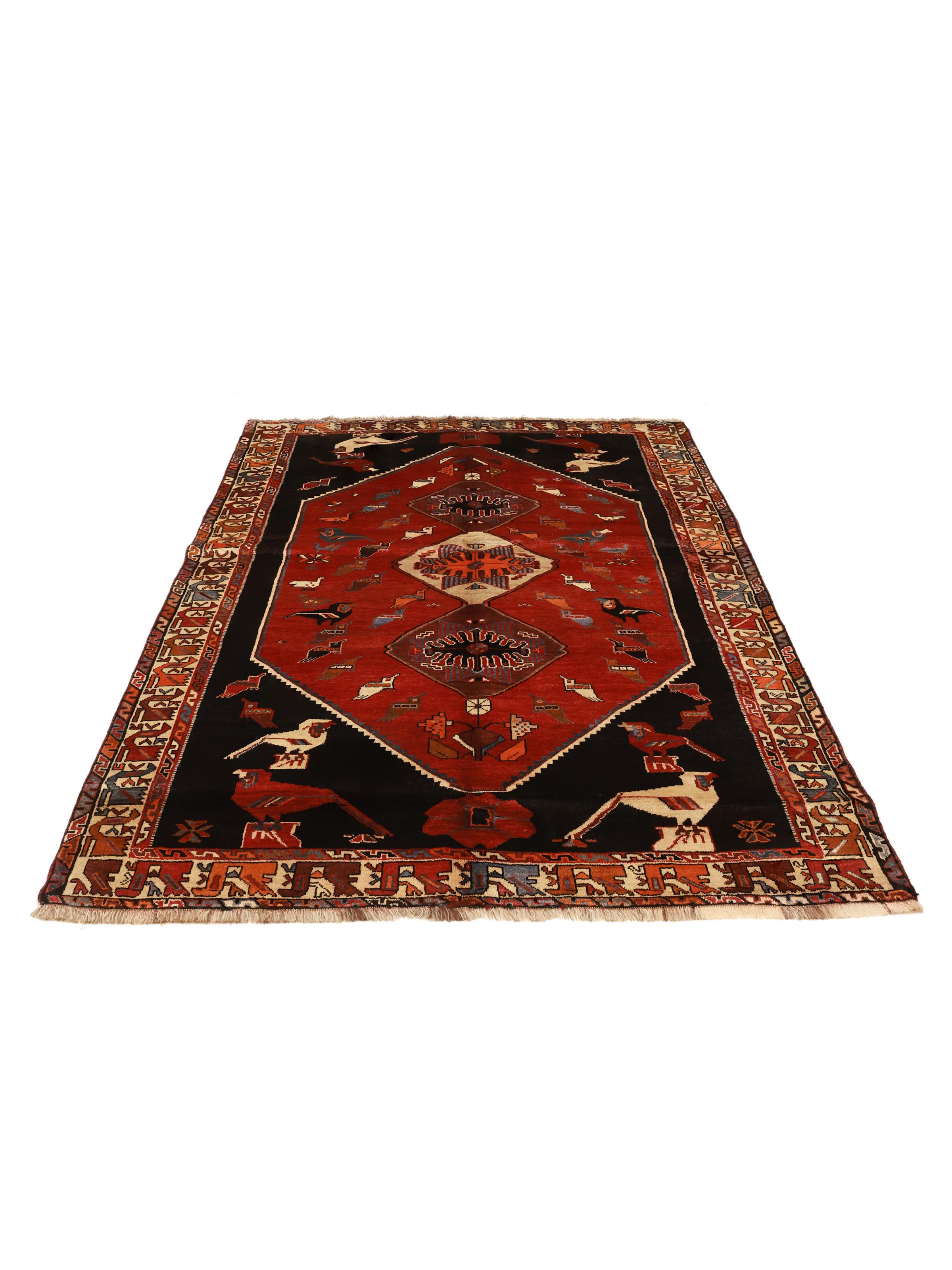
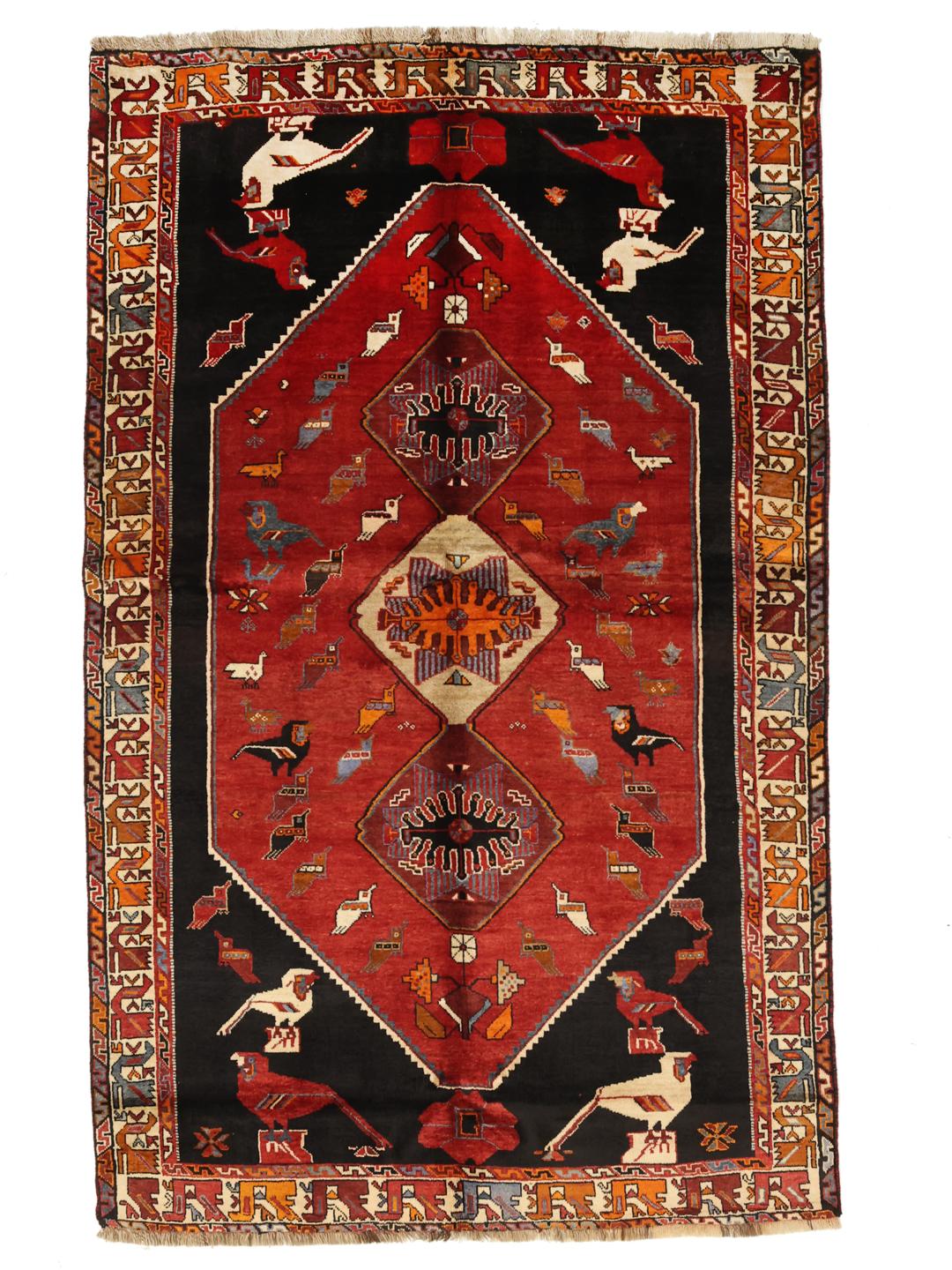
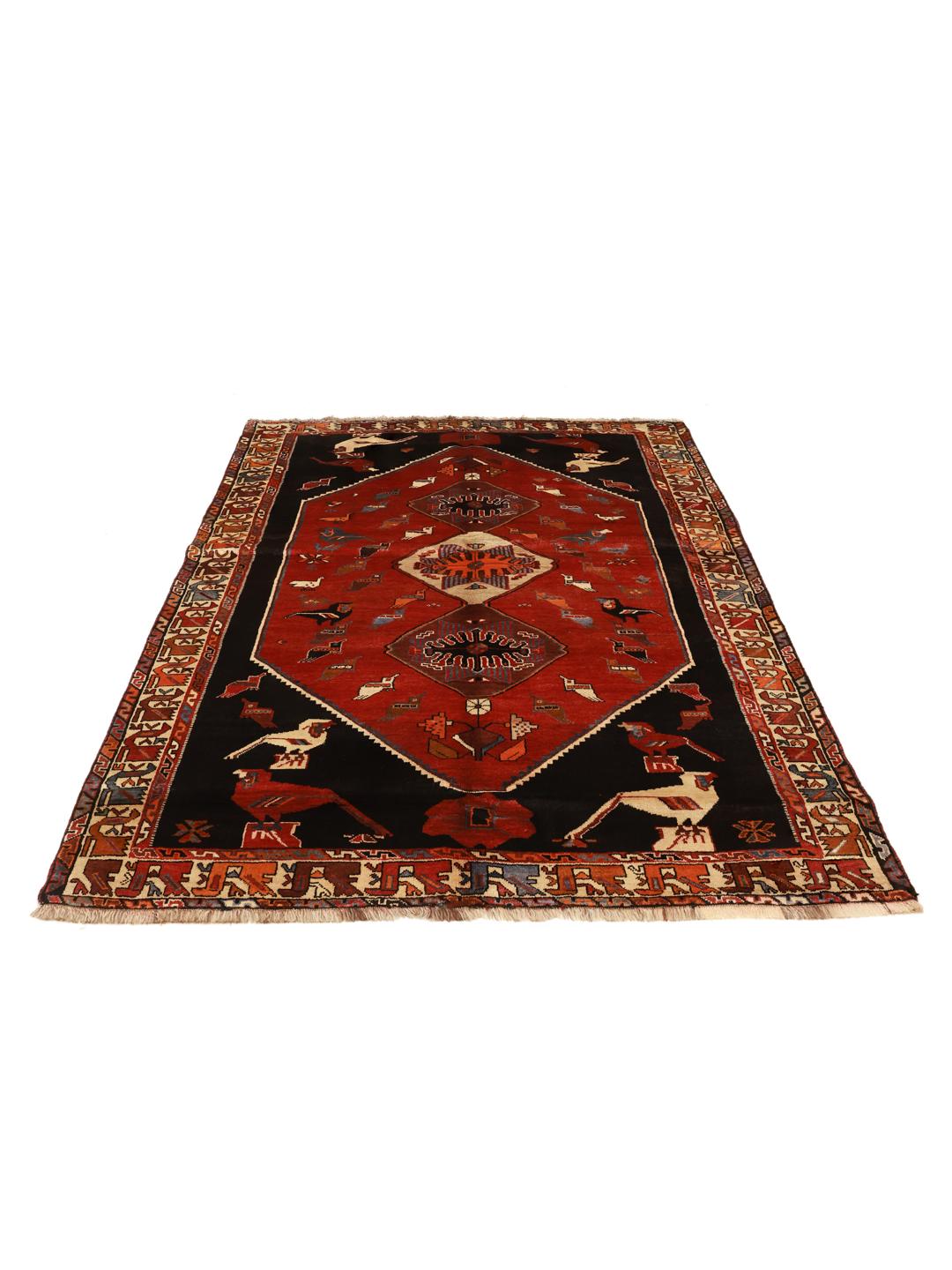
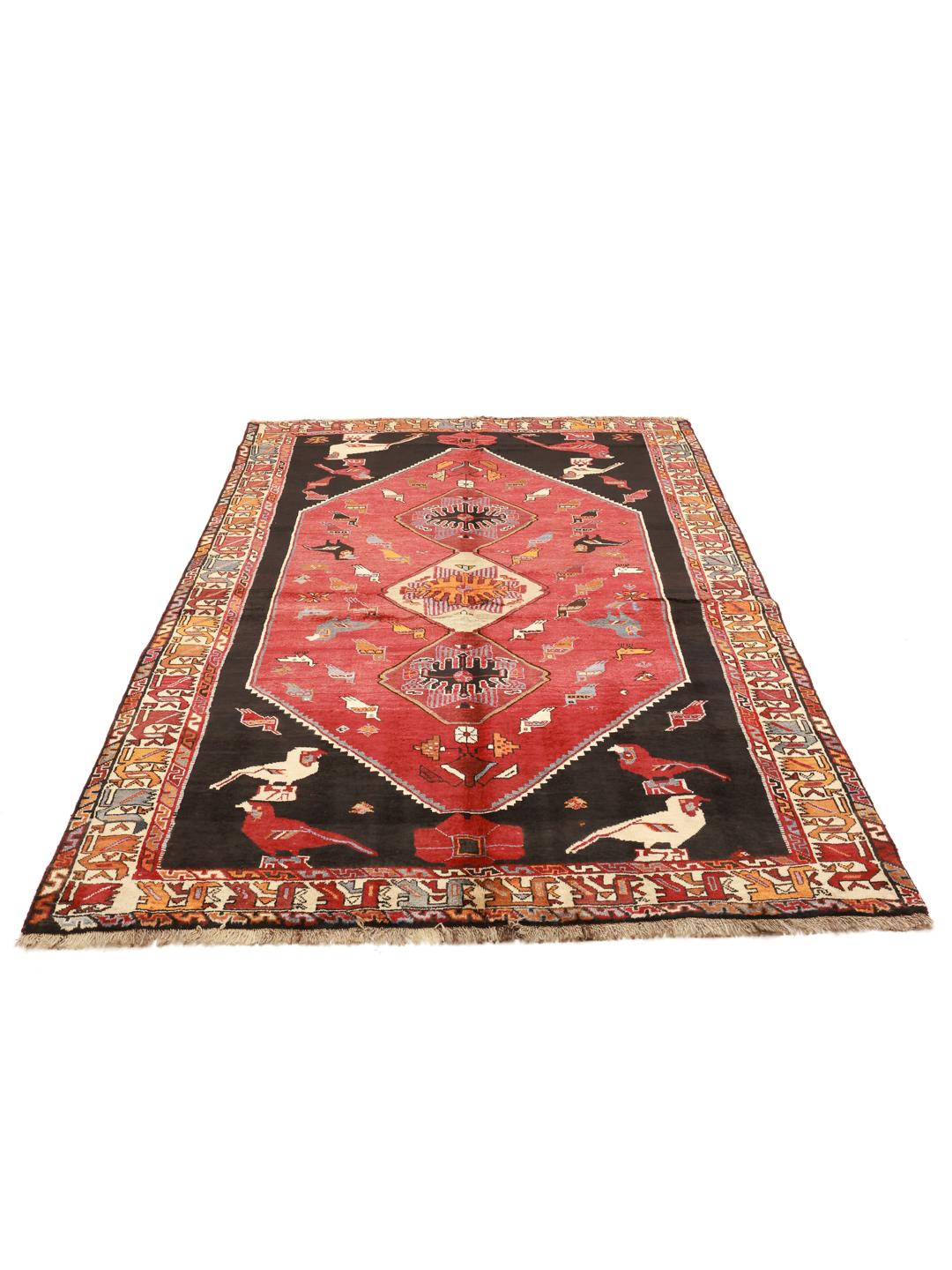
Shiraz rugs originate from the Fars province in the Middle Eastern region, a territory with a long and storied history of nomadic and semi-nomadic weaving. These rugs are traditionally crafted by the Qashqai and other tribal groups who have migrated through the area for centuries, bringing with them a unique aesthetic that blends their own cultural heritage with the broader influences of the region.
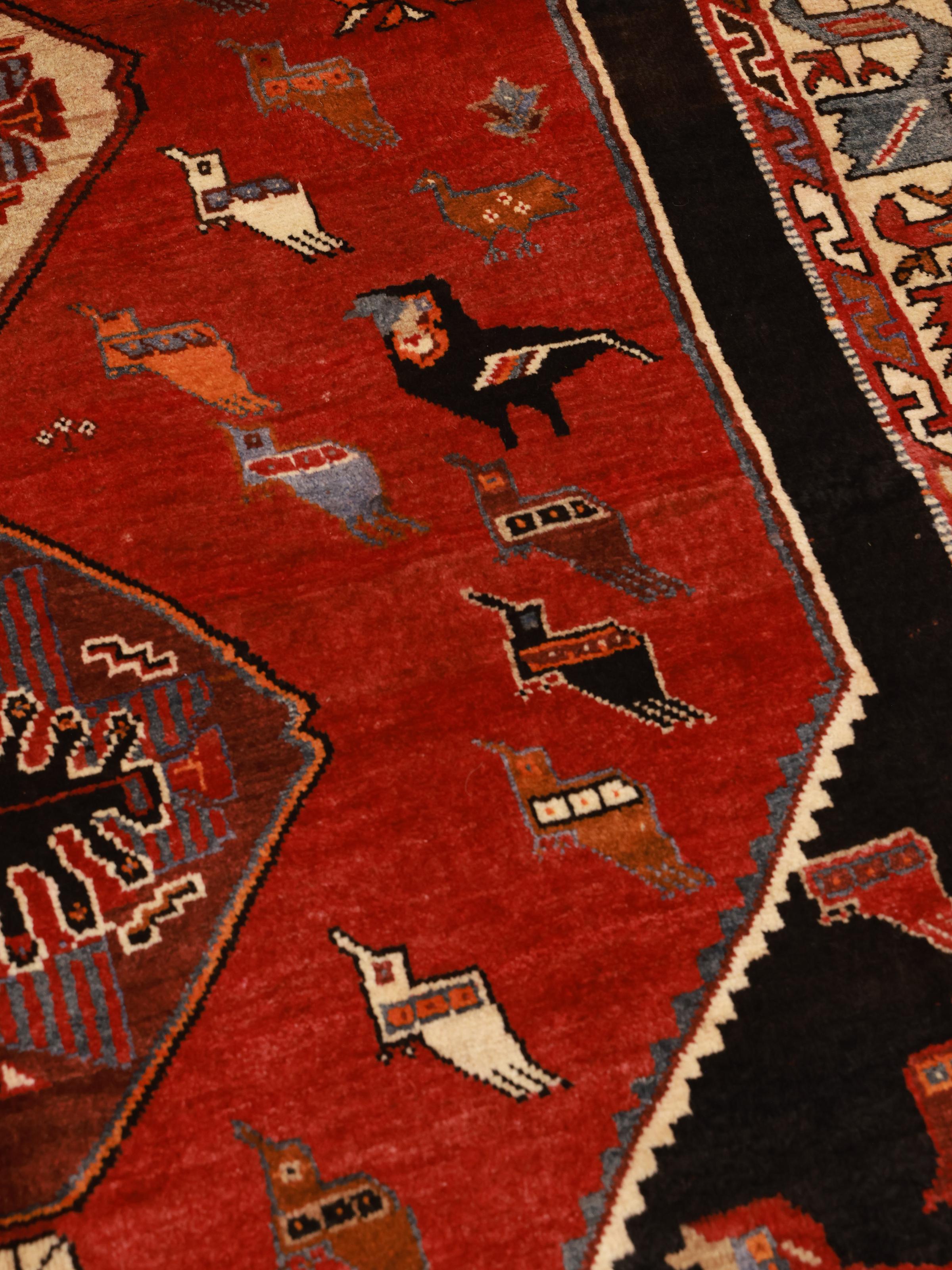
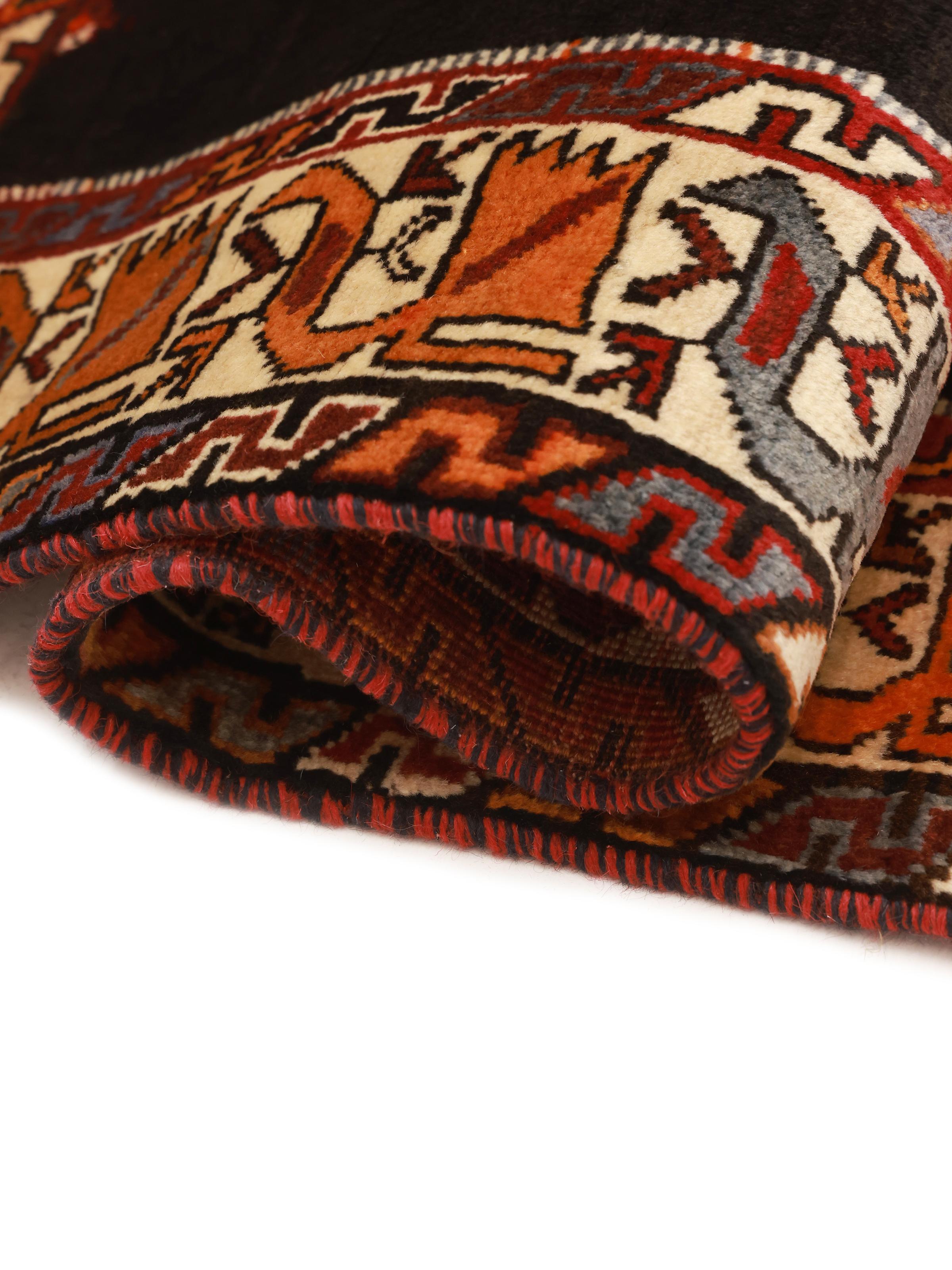
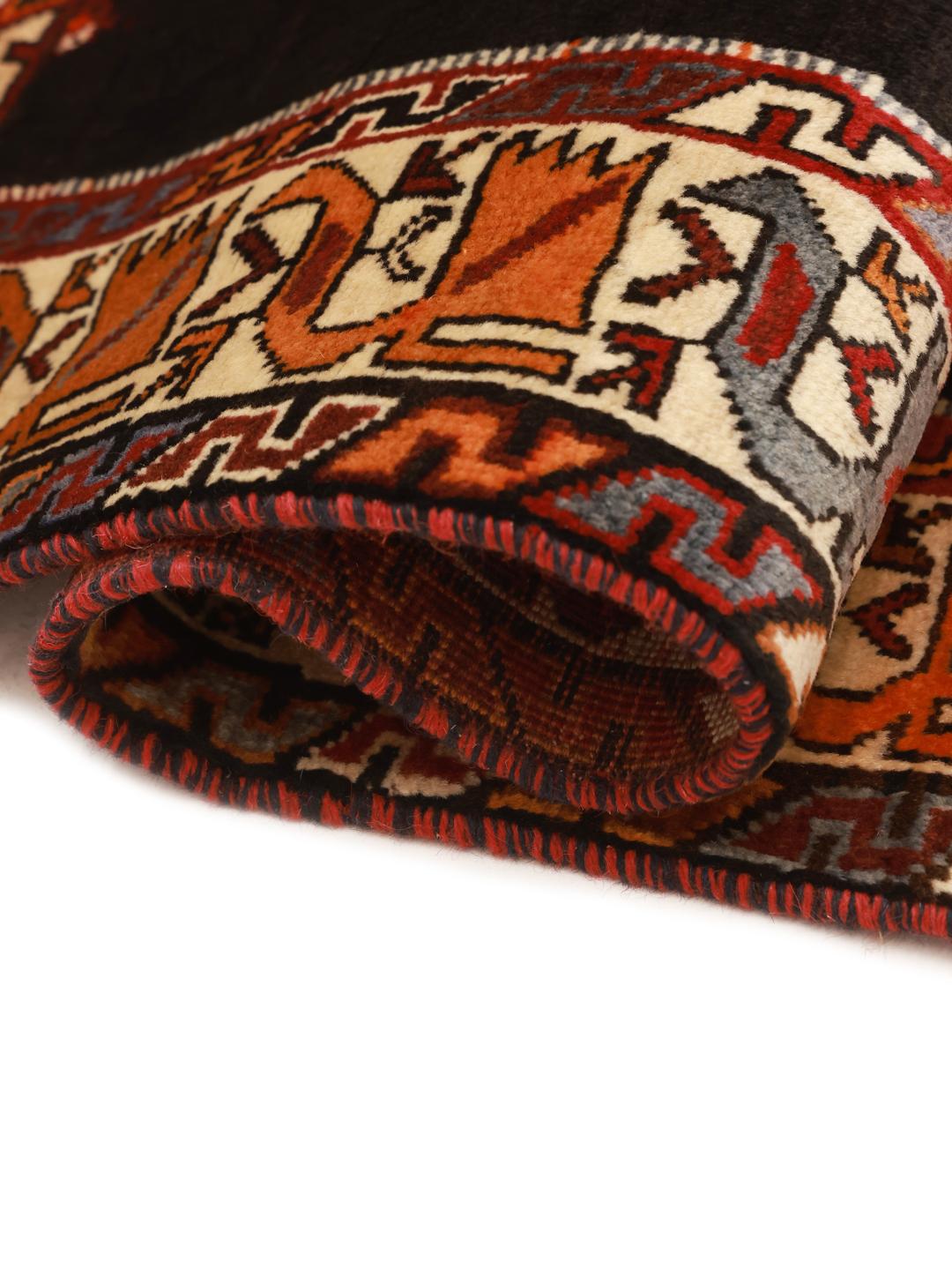
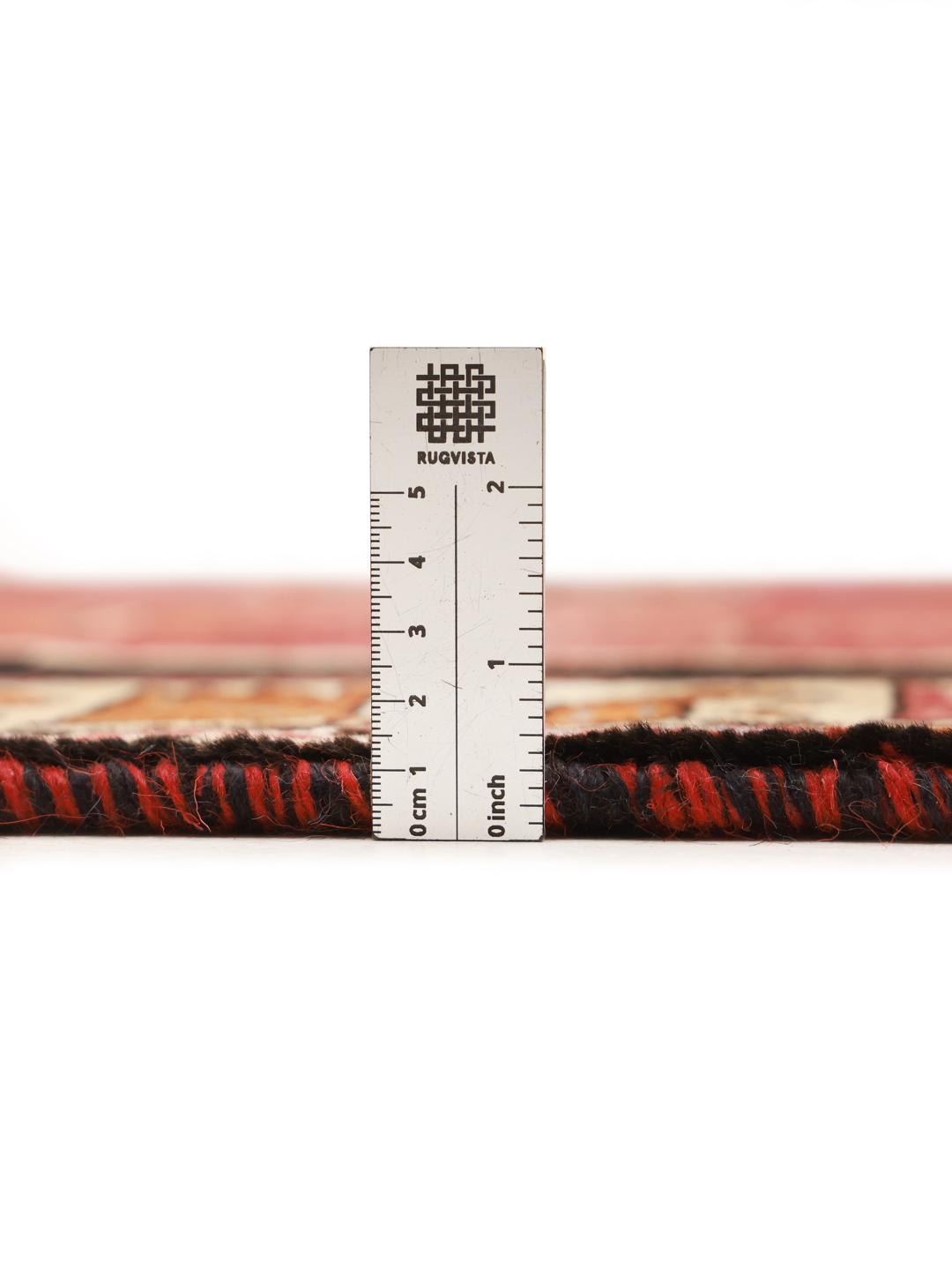
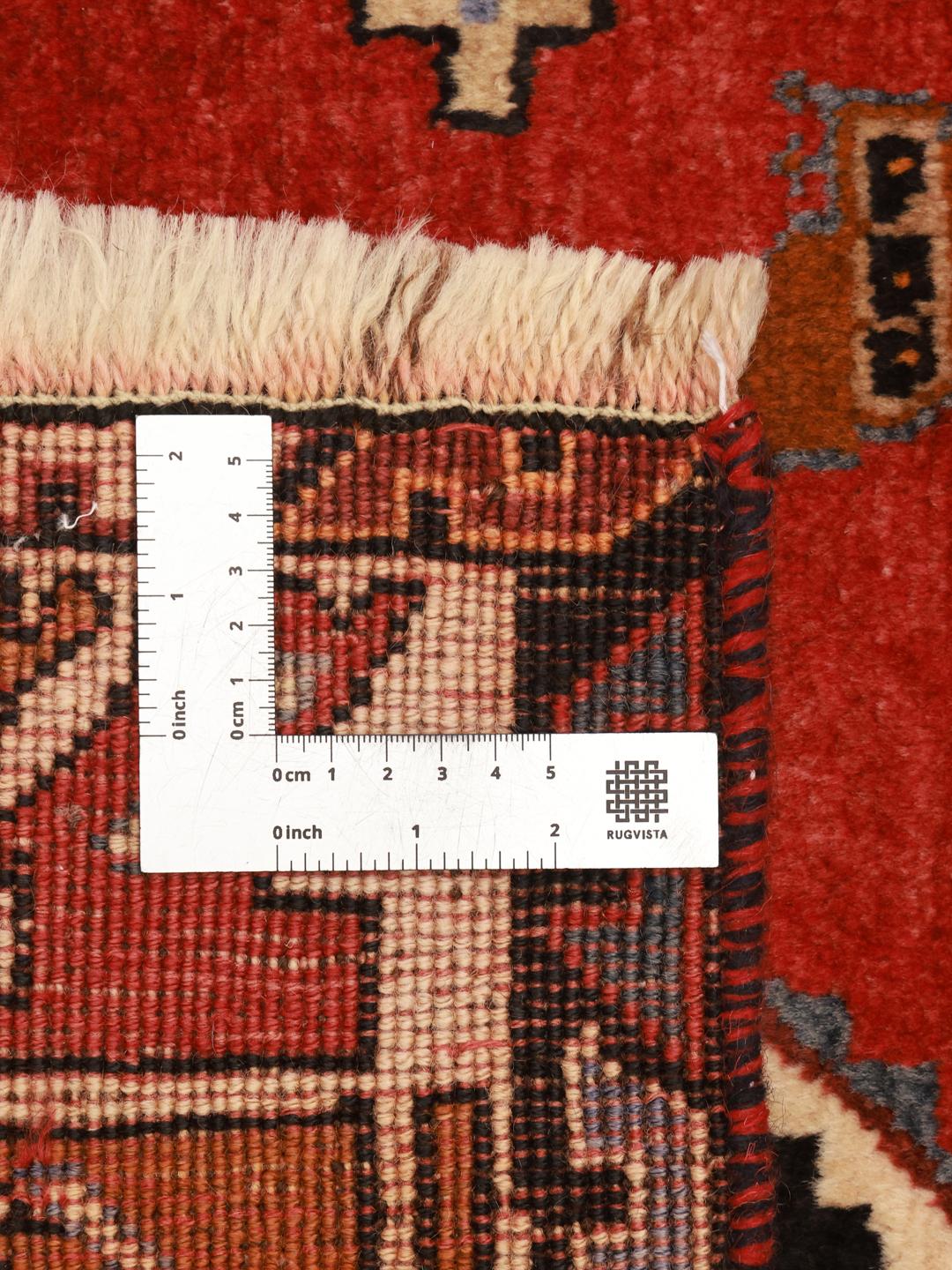
The term 'hand-knotted' refers to the essential technique where individual strands of wool are tied onto the foundation threads, one by one. This is significantly different from other methods because it creates a pile that is incredibly durable and capable of holding intricate patterns. The density and quality of the knotting are what define the longevity of these pieces, making them prized for their ability to withstand generations of use.
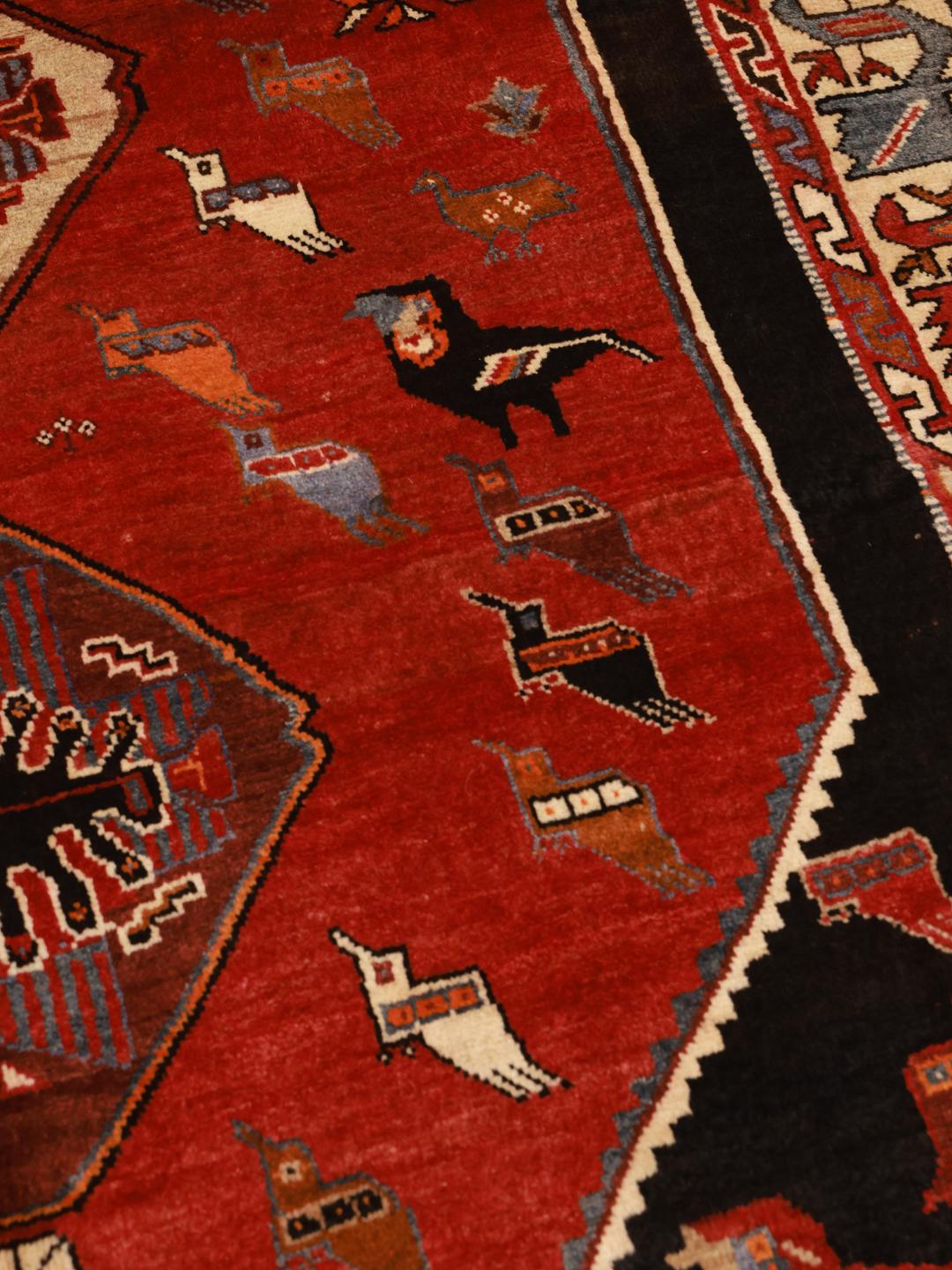
Signature design elements of the Shiraz tradition often include a central field filled with geometric medallions, stylised animals, and floral elements that reflect the weavers' environment and worldview. Unlike more formal, workshop-produced rugs, these designs are often created from memory and local tradition, leading to spontaneous and highly expressive layouts. The use of deep reds and dark, contrasting borders is particularly characteristic of this style.
These rugs are highly valued by collectors for their authenticity and the direct link they provide to the nomadic lifestyle of the past. Owning a Shiraz rug is not just about floor decor, but about preserving a piece of cultural artistry. The dedication required to create such a complex, handmade object ensures that each one is a significant acquisition, representing both a historical narrative and a commitment to enduring, high-quality craftsmanship.