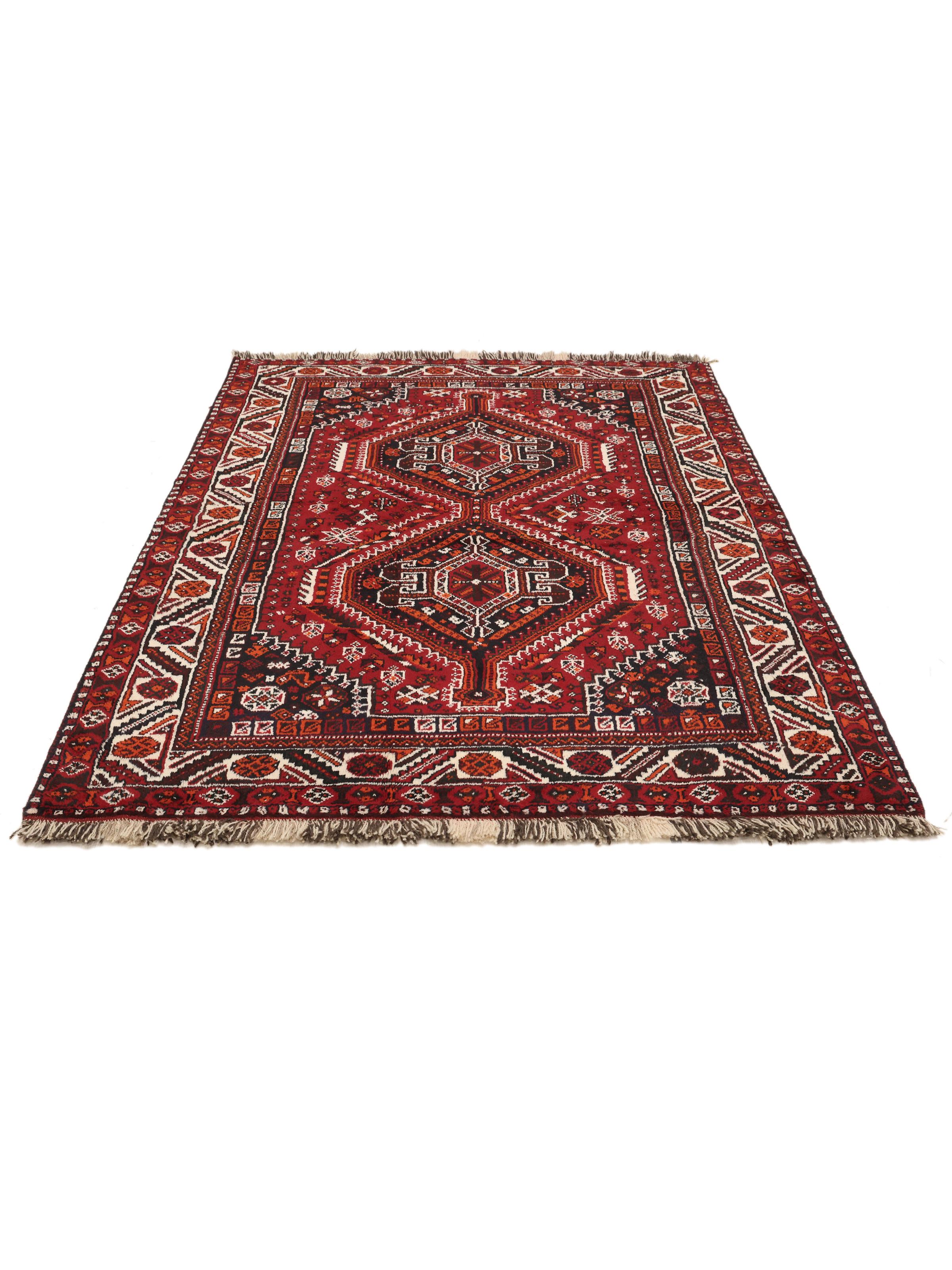
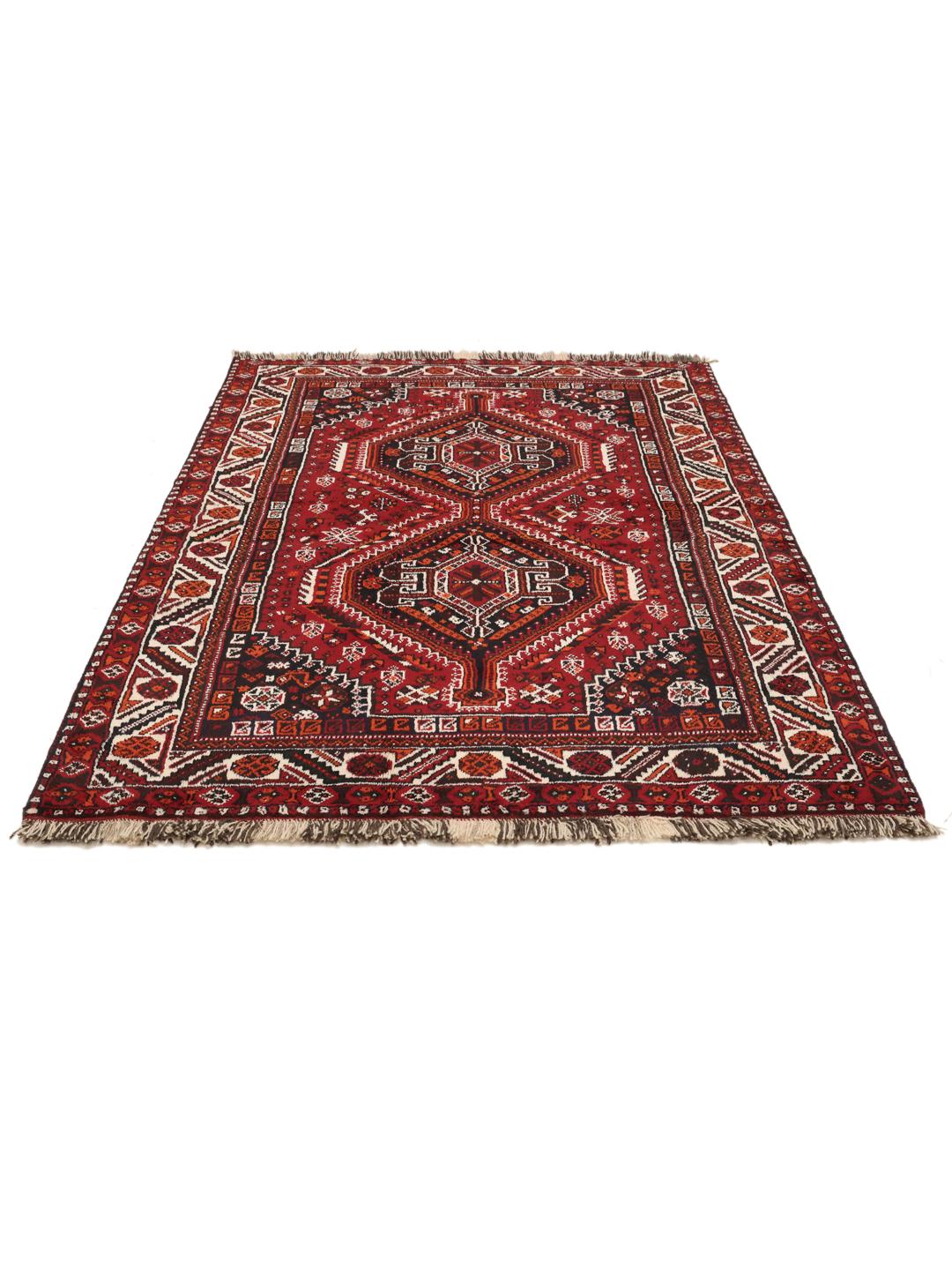
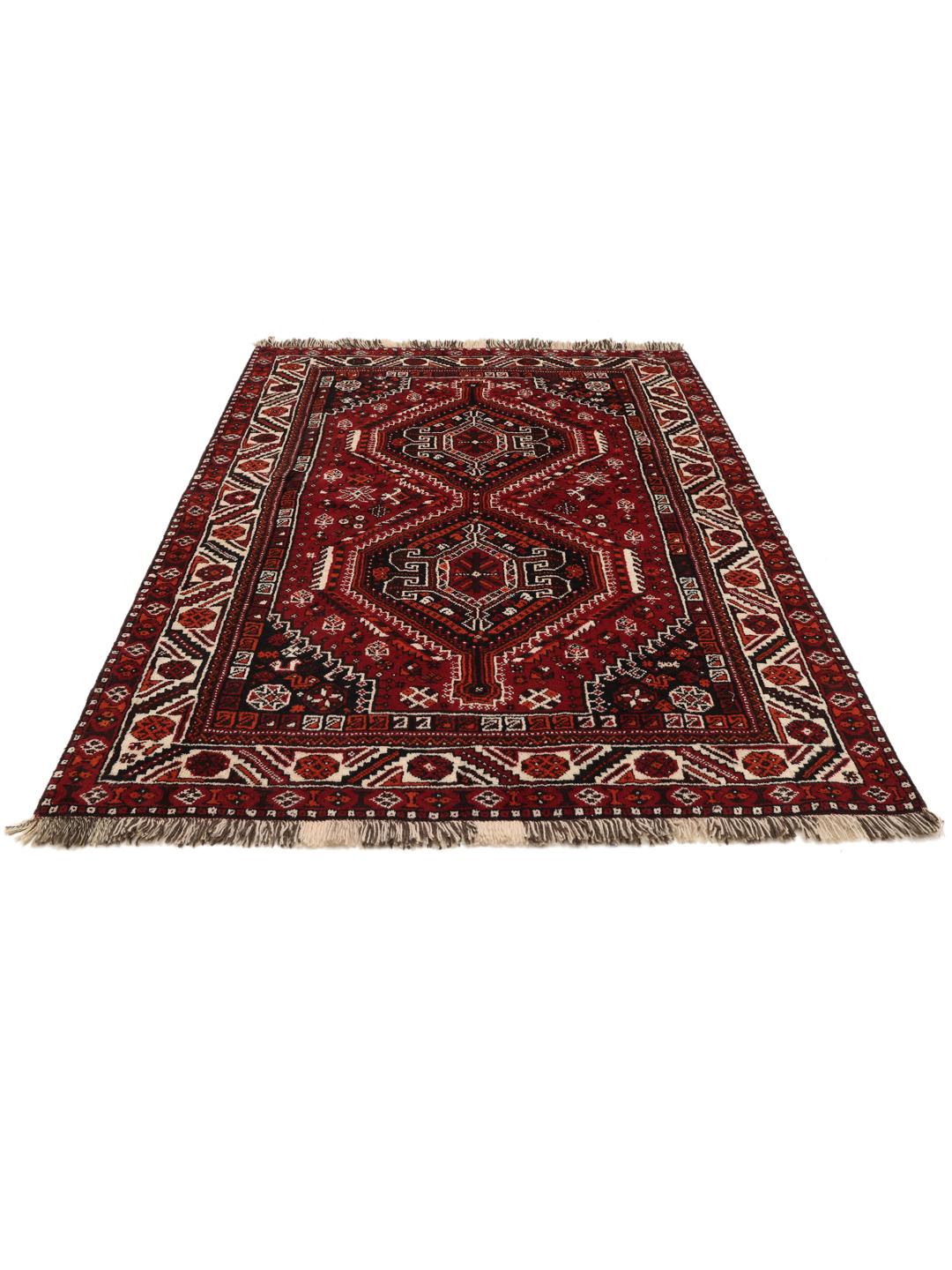
Shiraz rugs originate from the Fars province in the Middle East, a region with a deep-seated history of nomadic and semi-nomadic weaving. These rugs are traditionally crafted by tribal groups, including the Qashqai and Khamseh confederacies, who have historically moved with their herds across the rugged landscapes of the area.
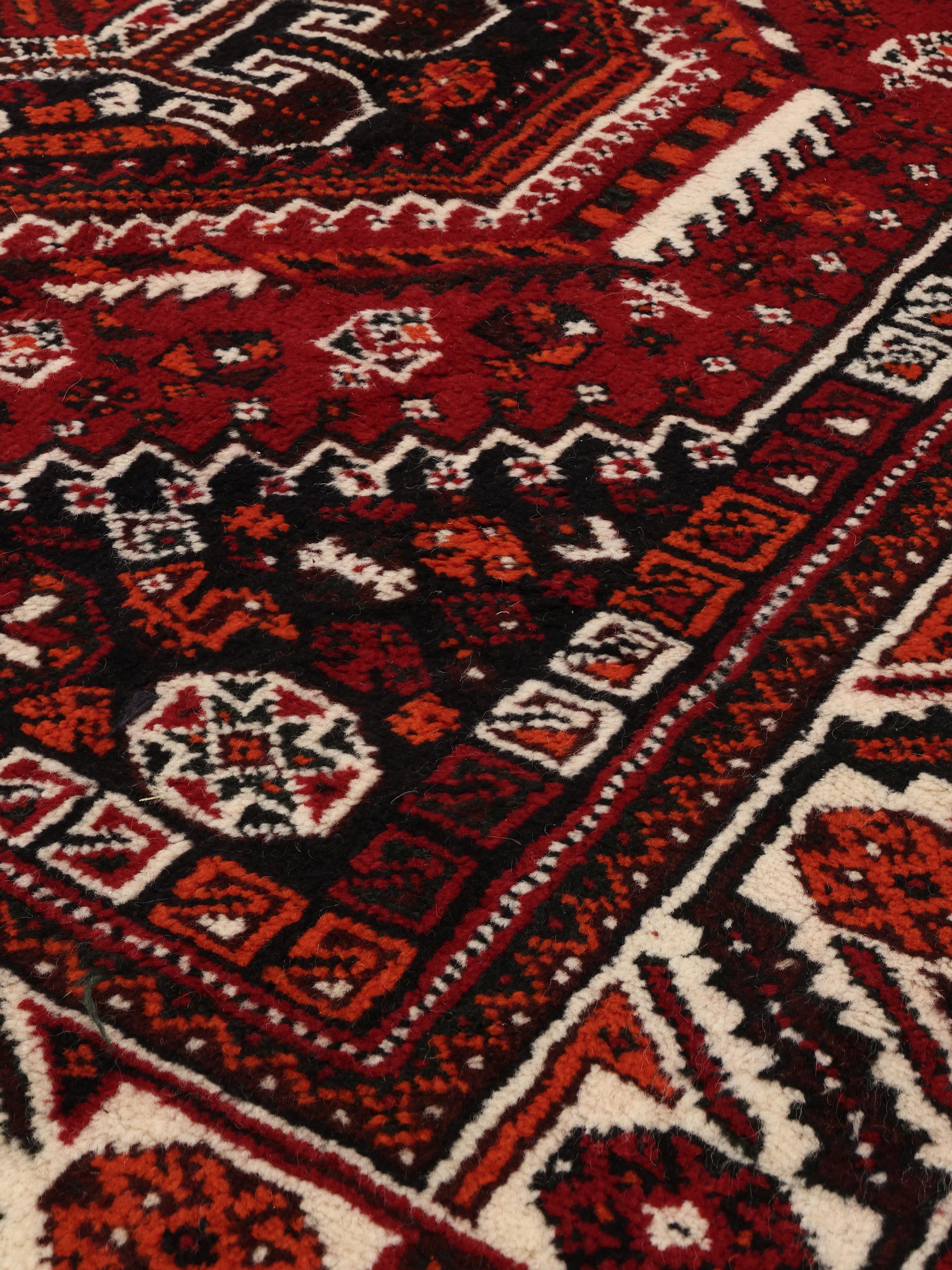
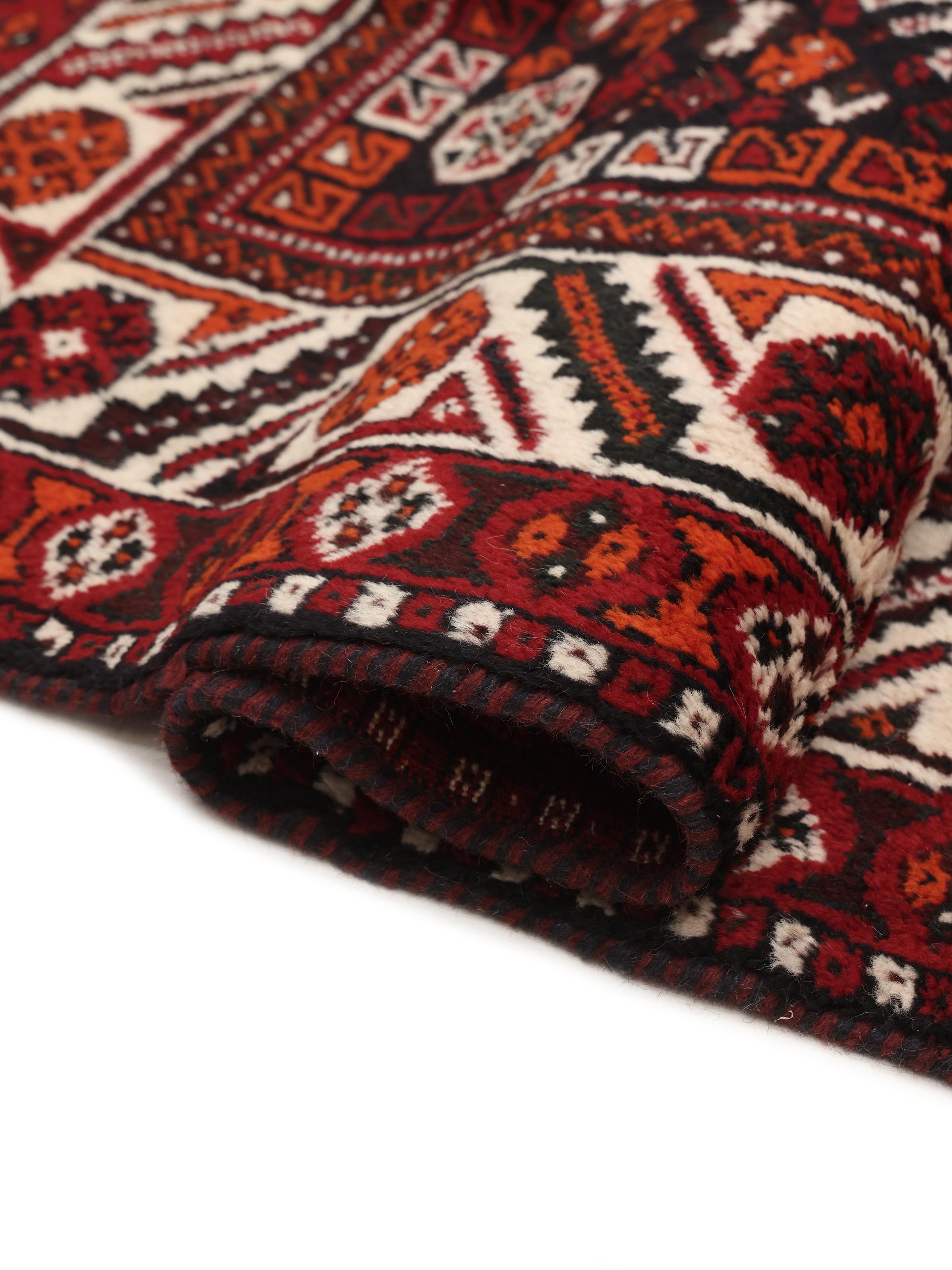
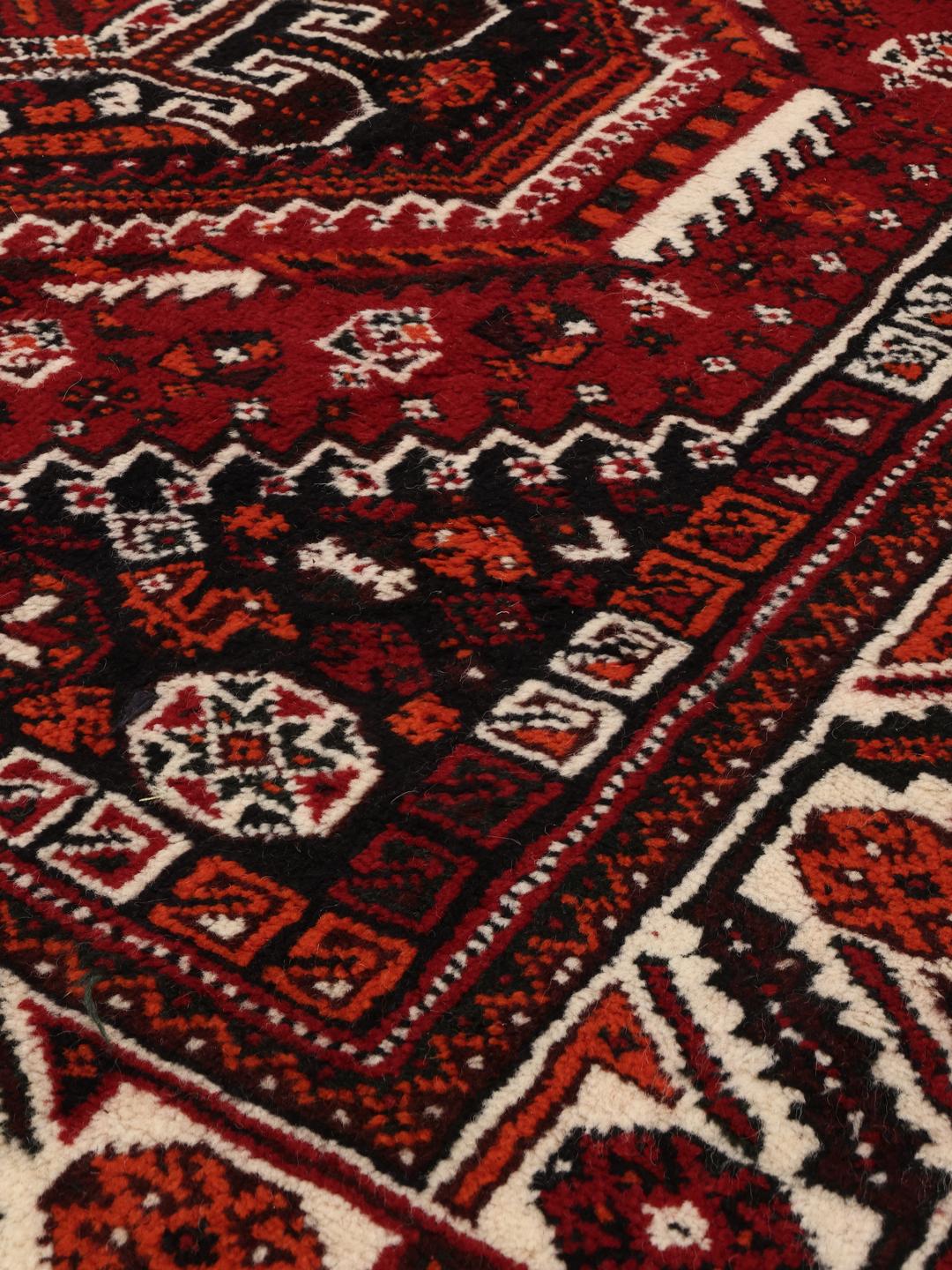
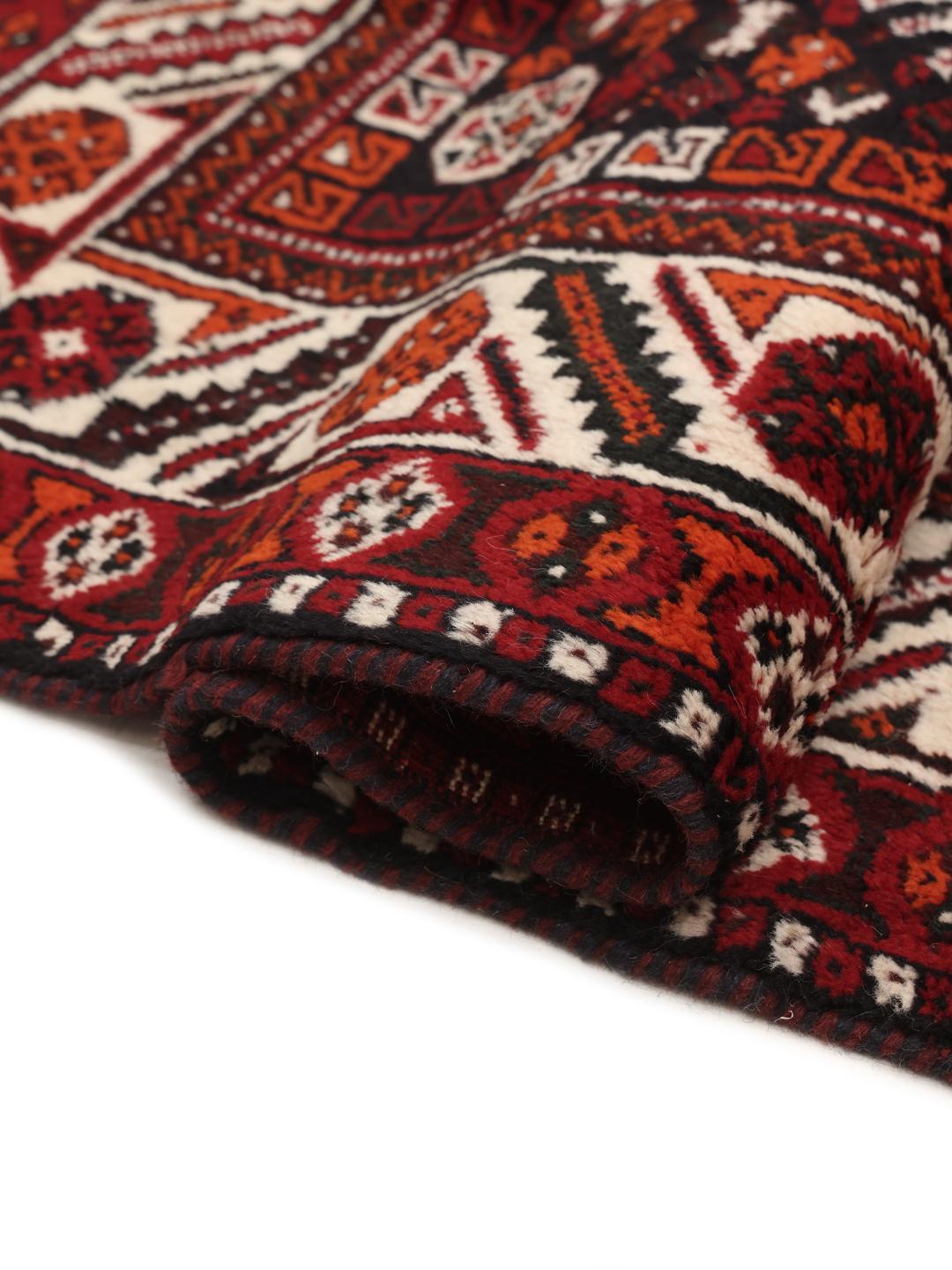
The terminology associated with these rugs reflects a tradition that prizes resilience and utility alongside beauty. The use of Wool for both the pile and the foundation is a hallmark of this style, chosen for its availability in the region and its natural ability to withstand the harsh conditions of nomadic life. This construction ensures that the finished piece is not only visually striking but also incredibly sturdy.
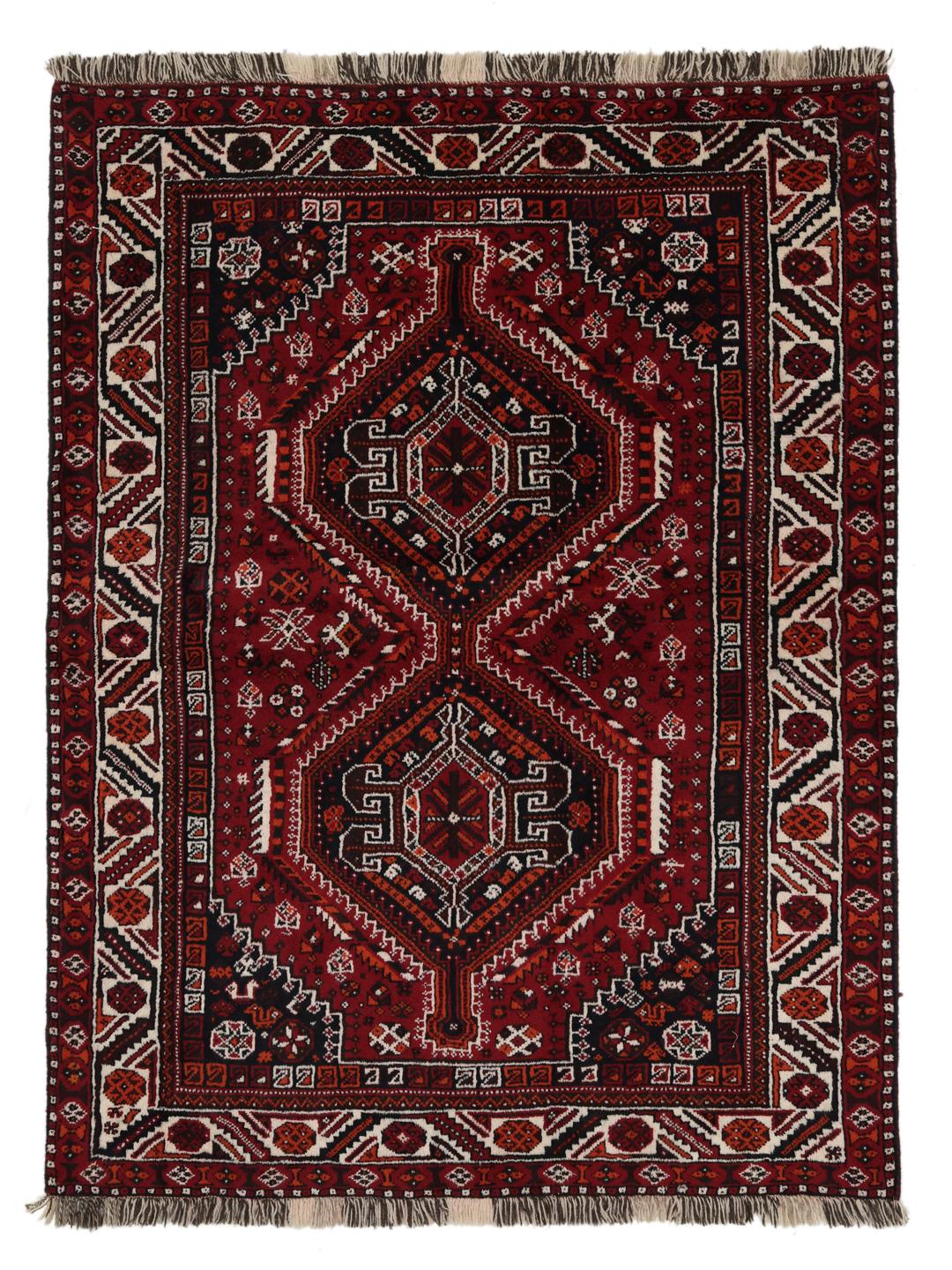
Signature design elements of these rugs often include geometric medallions, stylized floral motifs, and repeating patterns known as guls. The borders are typically filled with intricate, angular designs that frame the central field perfectly. While many rugs follow traditional layouts, the individual weaver often adds personal touches or spontaneous variations, making every rug a unique reflection of the weaver's environment and imagination.
Owning a piece from this tradition is an act of preserving a rich cultural heritage. These rugs are highly valued by collectors for their authenticity, the skill required to produce them, and the way they tell the story of the people who made them. They represent a connection to a way of life that has thrived for centuries, bringing a sense of history and human artistry into the modern home.