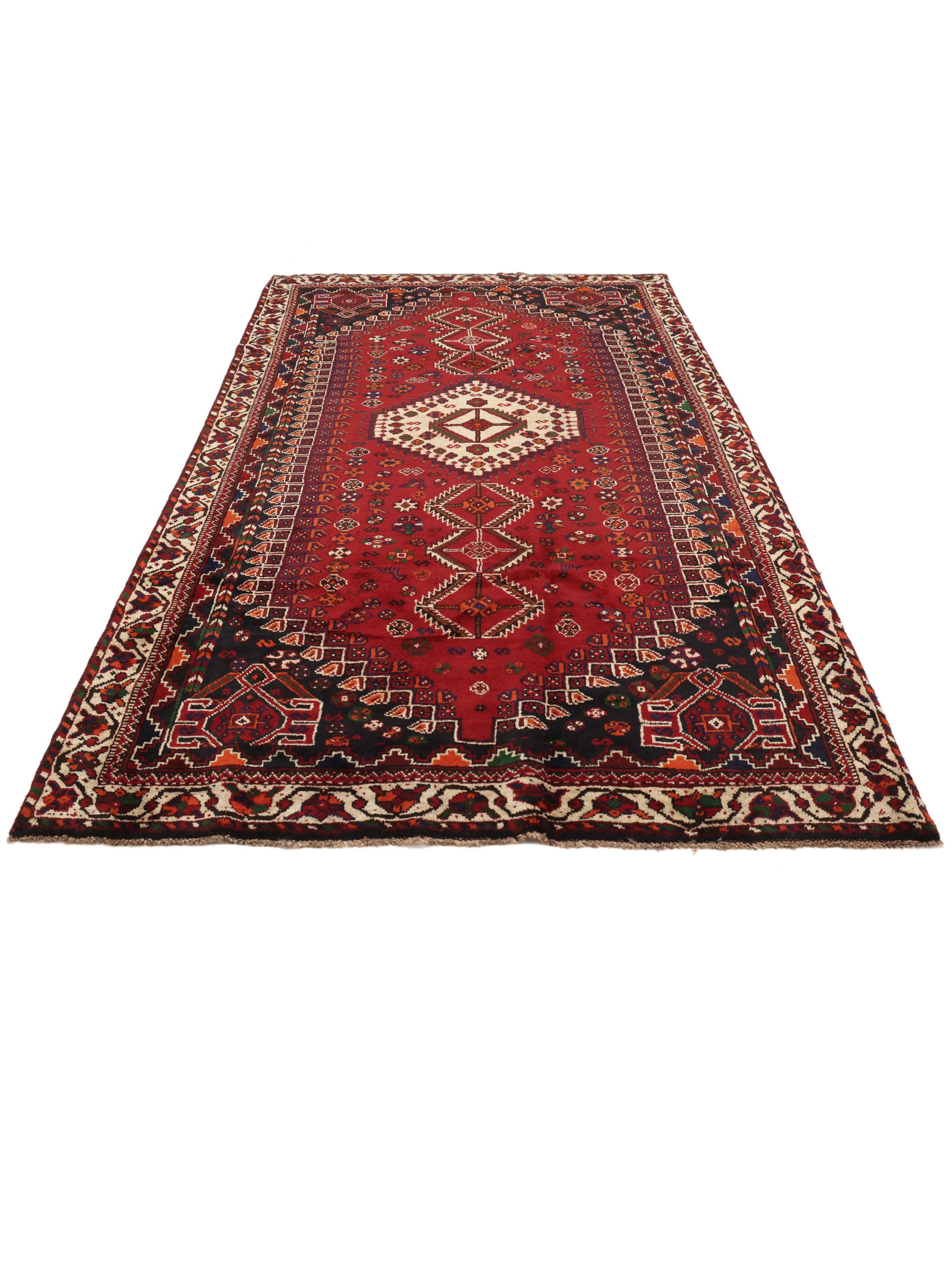
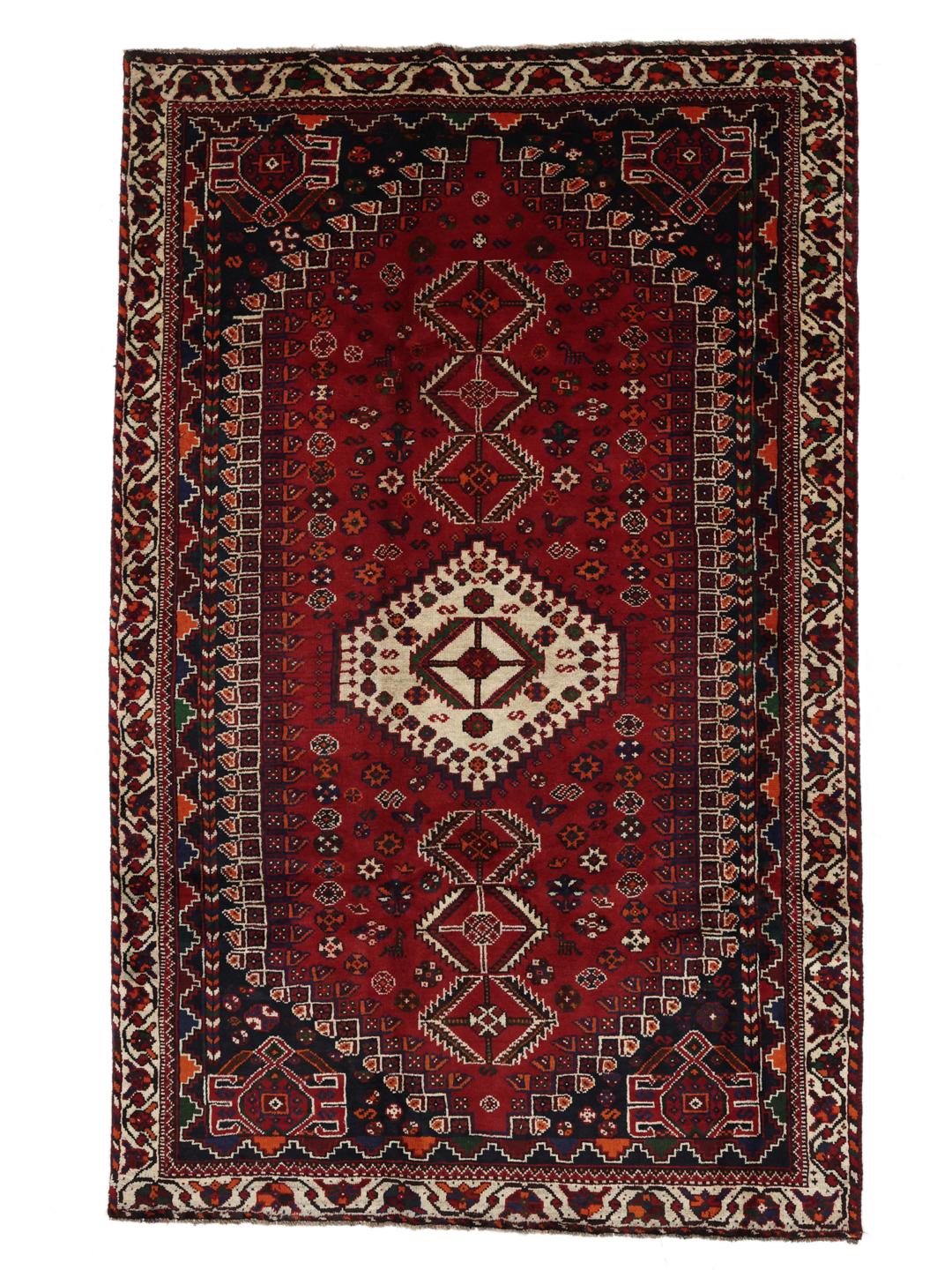
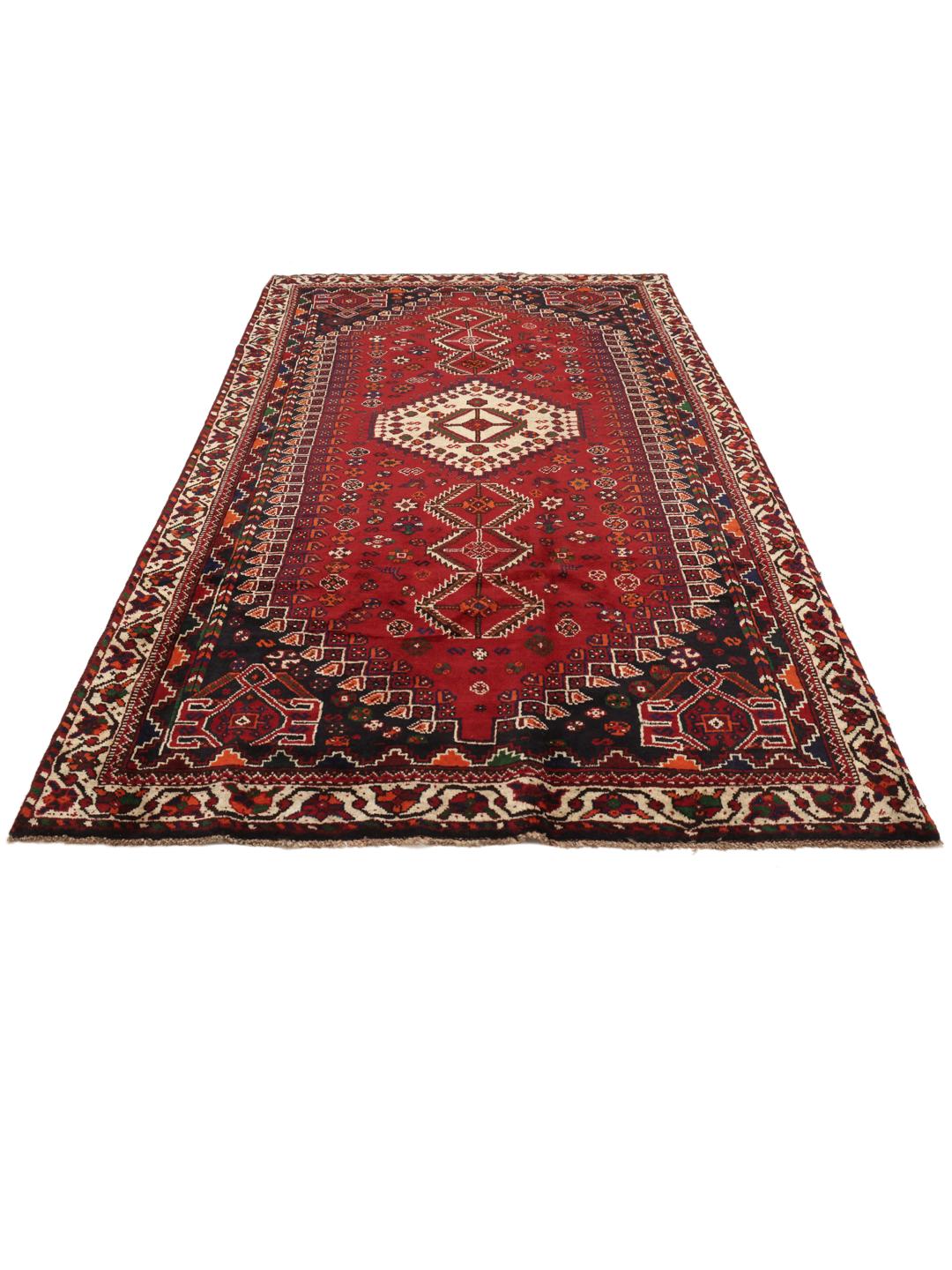
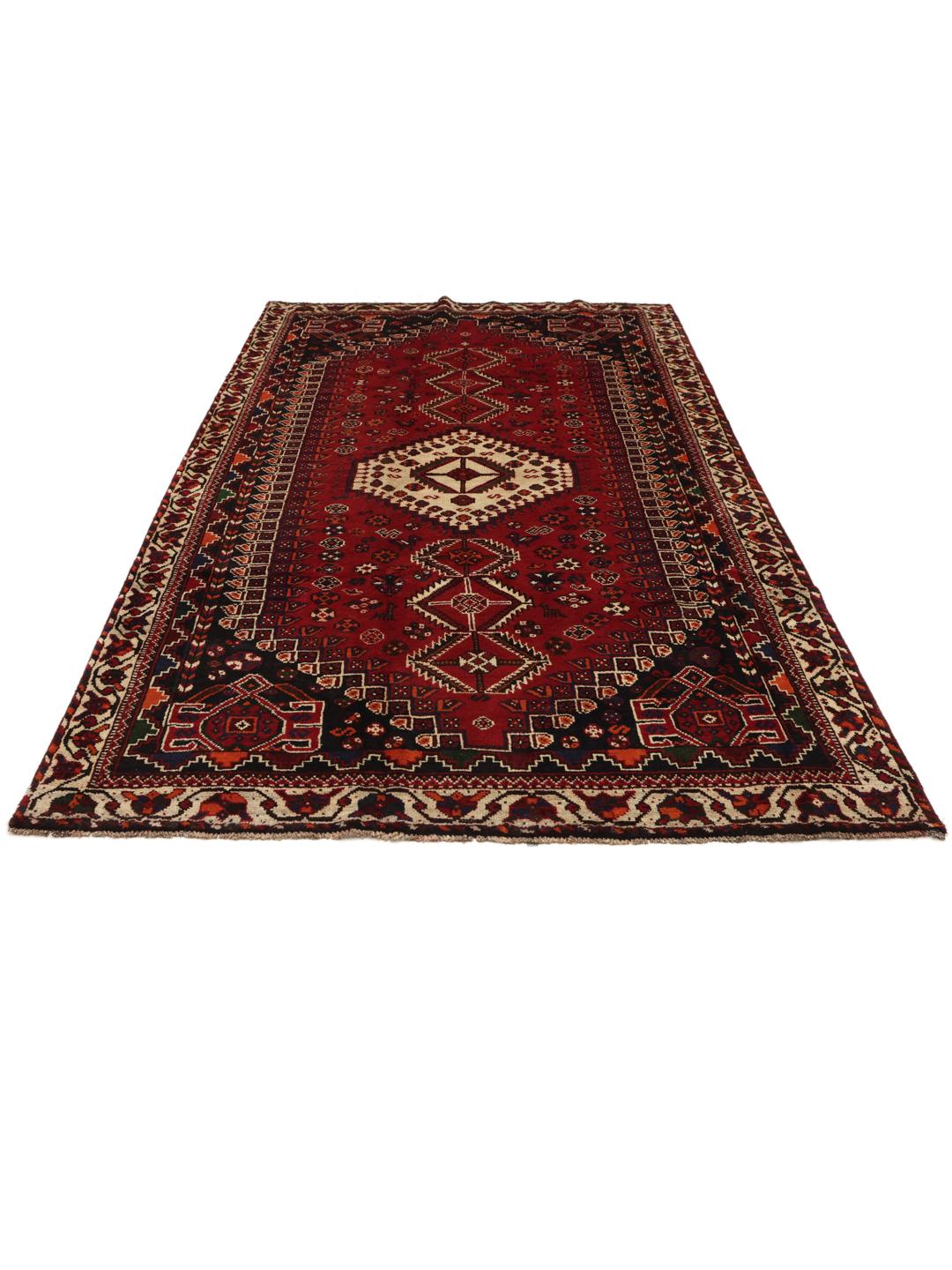
The Shiraz rug tradition originates from the Fars province in the Middle East, a region with a long history of nomadic and semi-nomadic weaving. These rugs are traditionally crafted by various tribal groups, including the Qashqai and Khamseh confederacies, who translate their daily lives, environment, and ancestral stories into complex geometric patterns. This heritage of nomadic artistry has been passed down through generations, resulting in a style that is both deeply rooted in tradition and remarkably expressive.
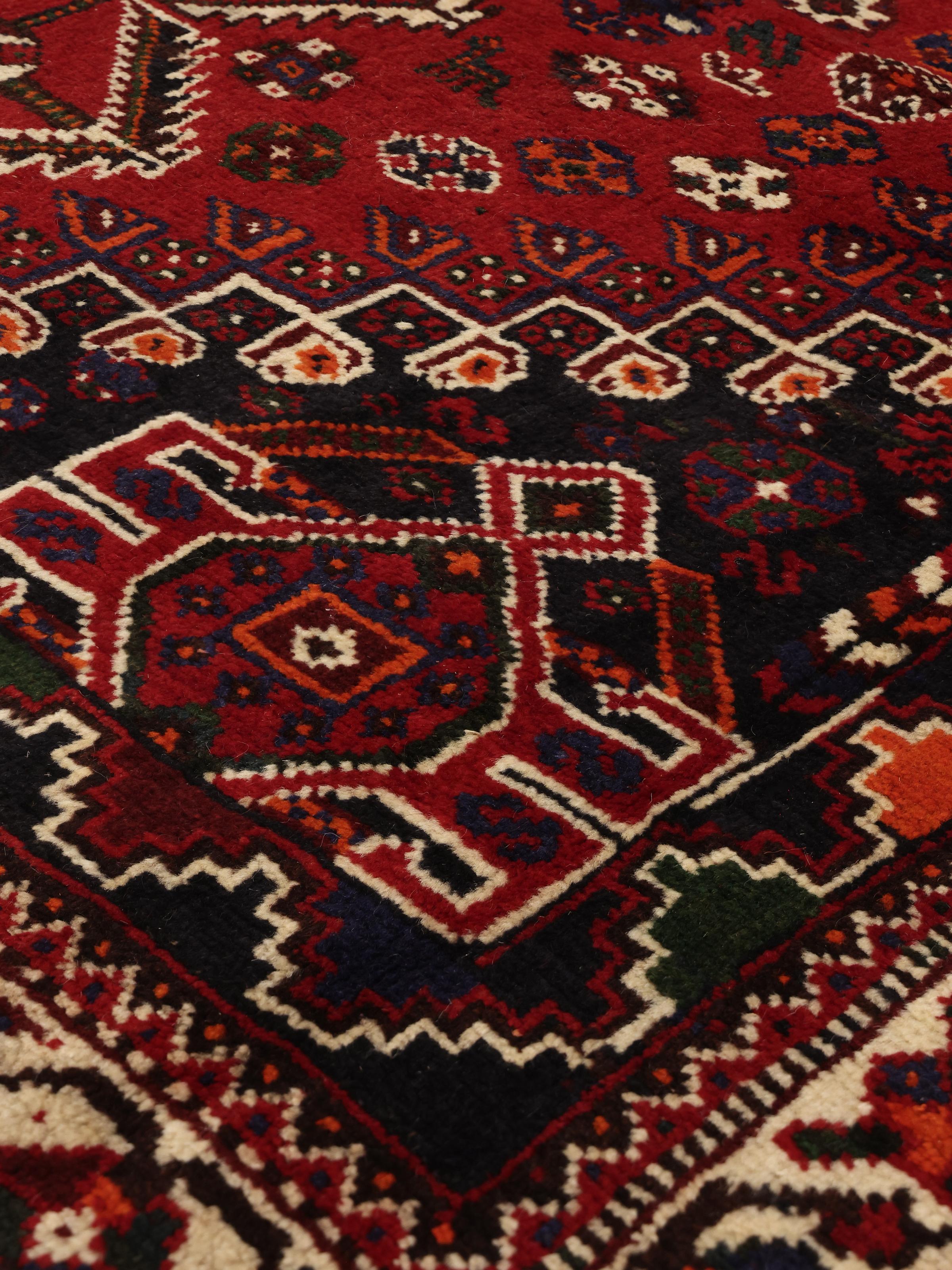
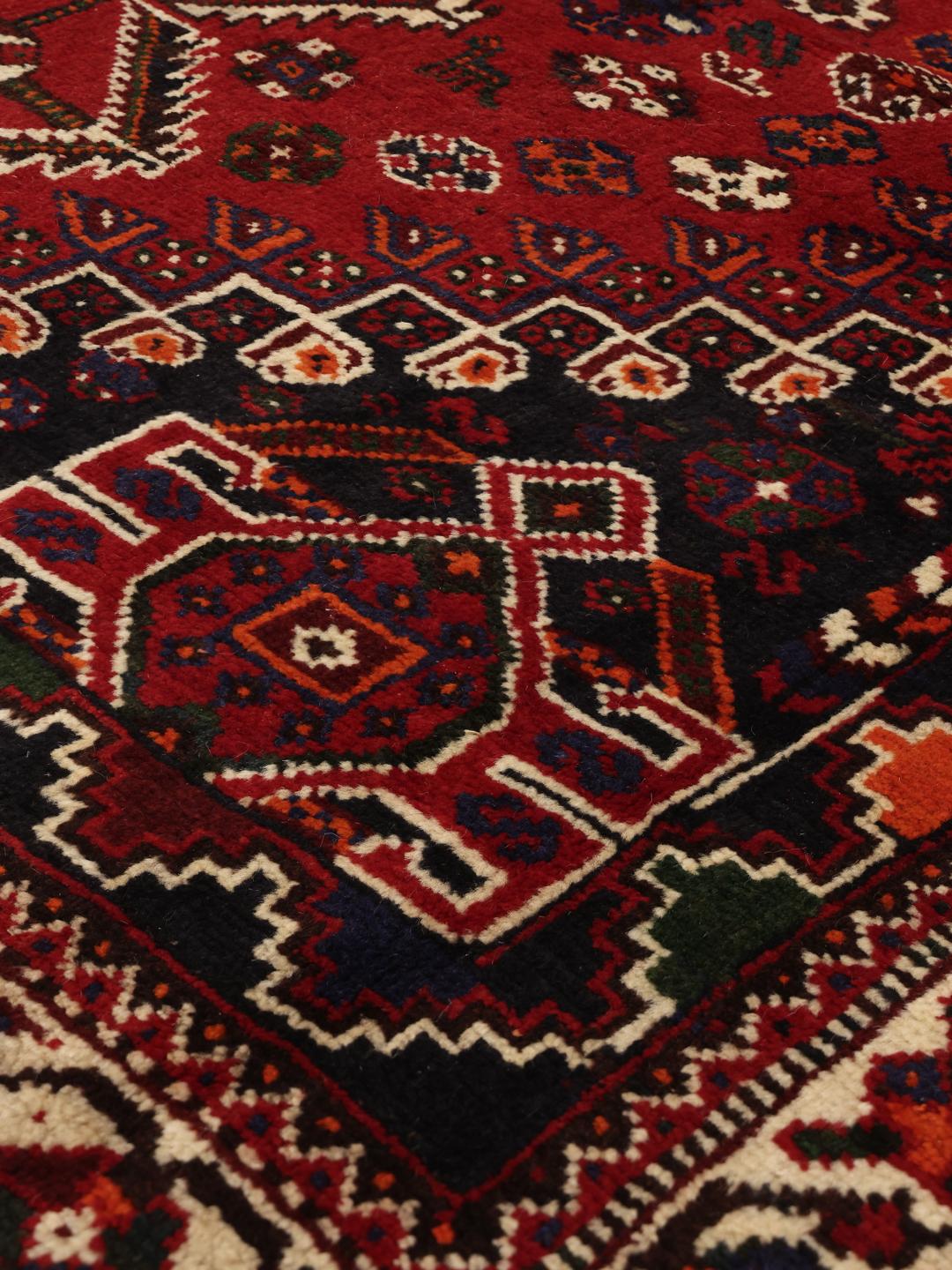
What defines the Shiraz tradition is its authentic, tribal approach to design. Unlike formal court rugs, these pieces often feature spontaneous, stylized motifs such as geometric medallions, birds, and animals that reflect the weaver's natural surroundings. The use of deep, earthy colours like dark red and dark blue is a hallmark of the style, typically achieved through natural dyes that develop a beautiful, muted patina as the rug ages.
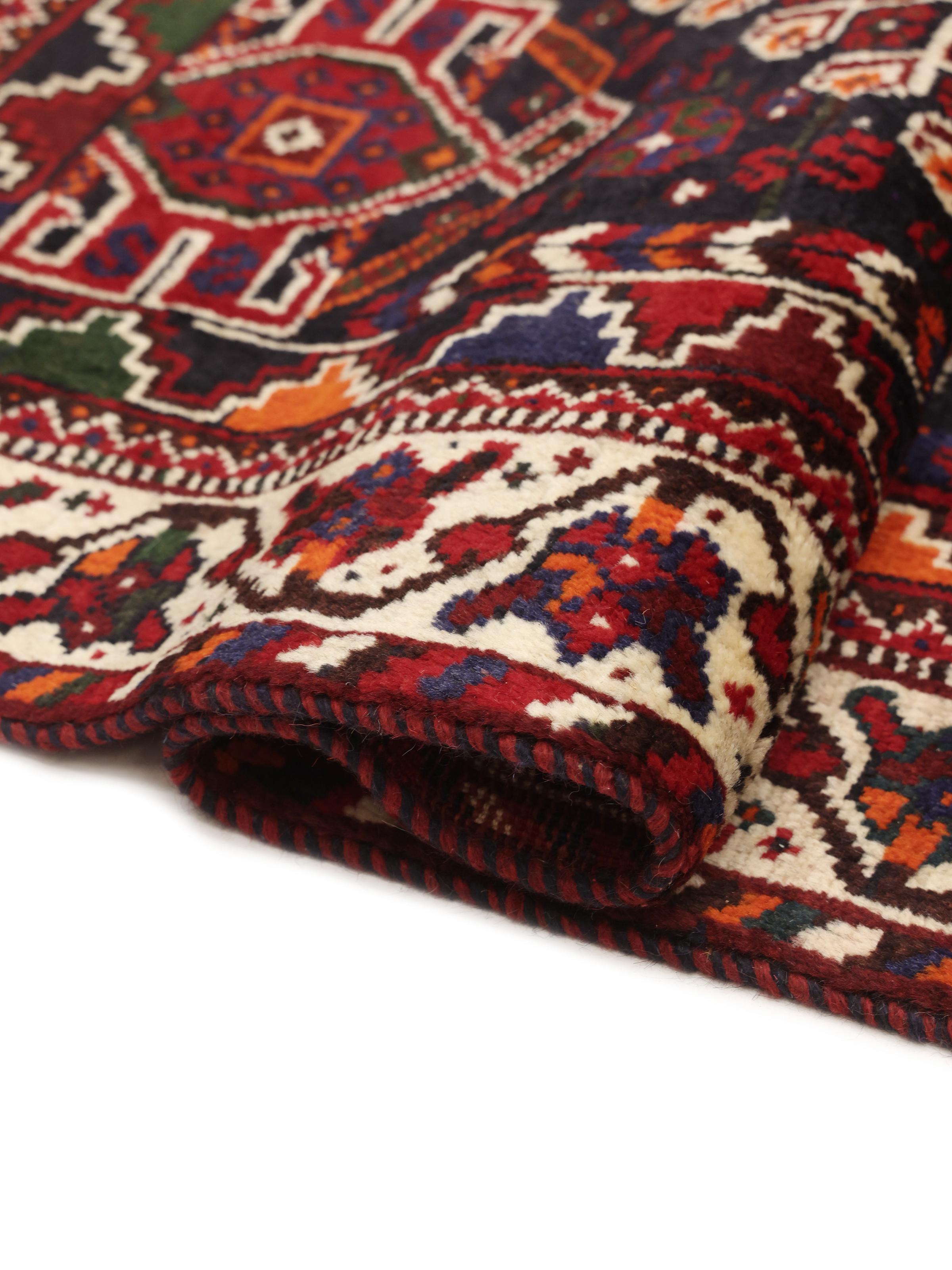
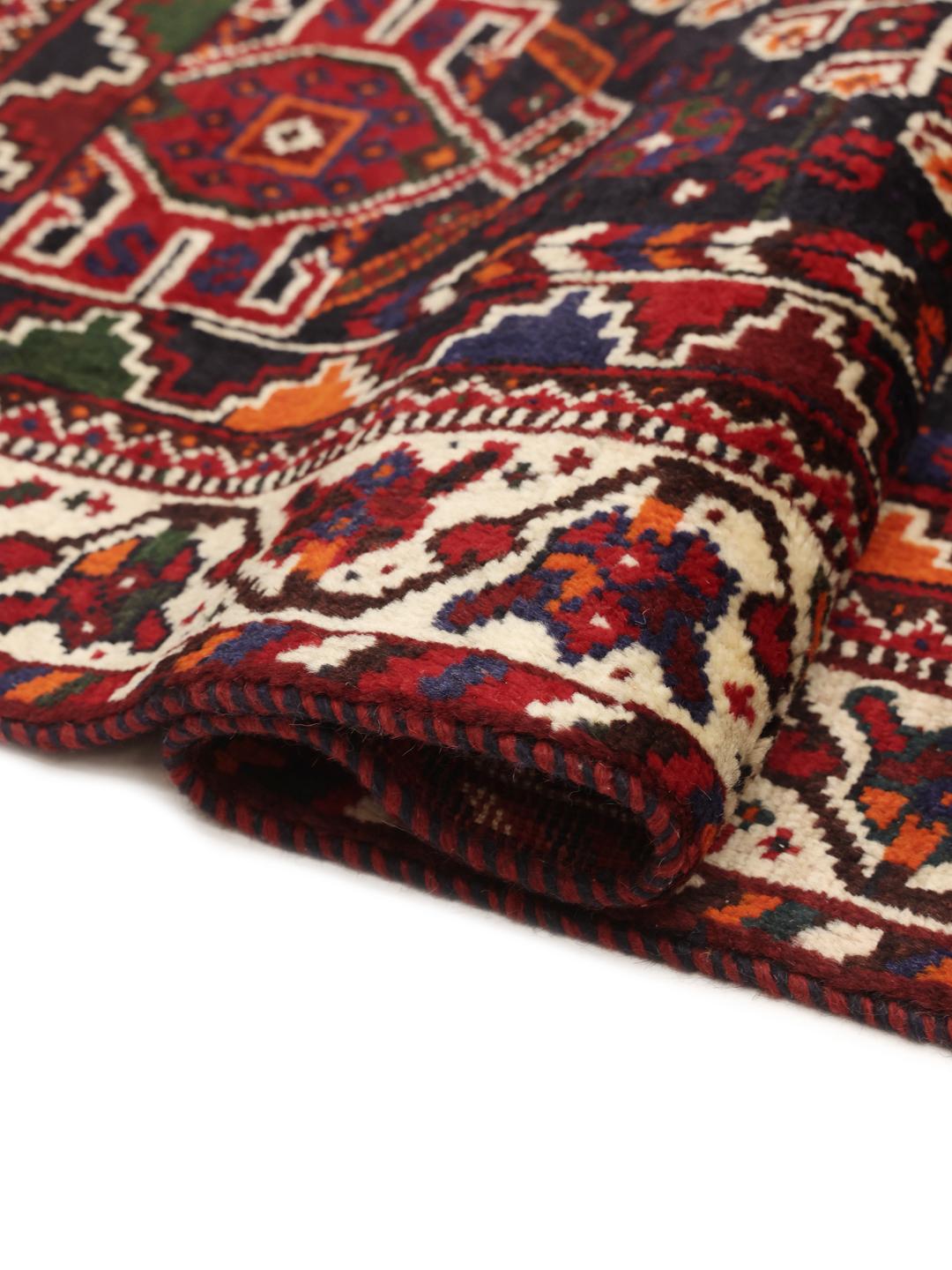
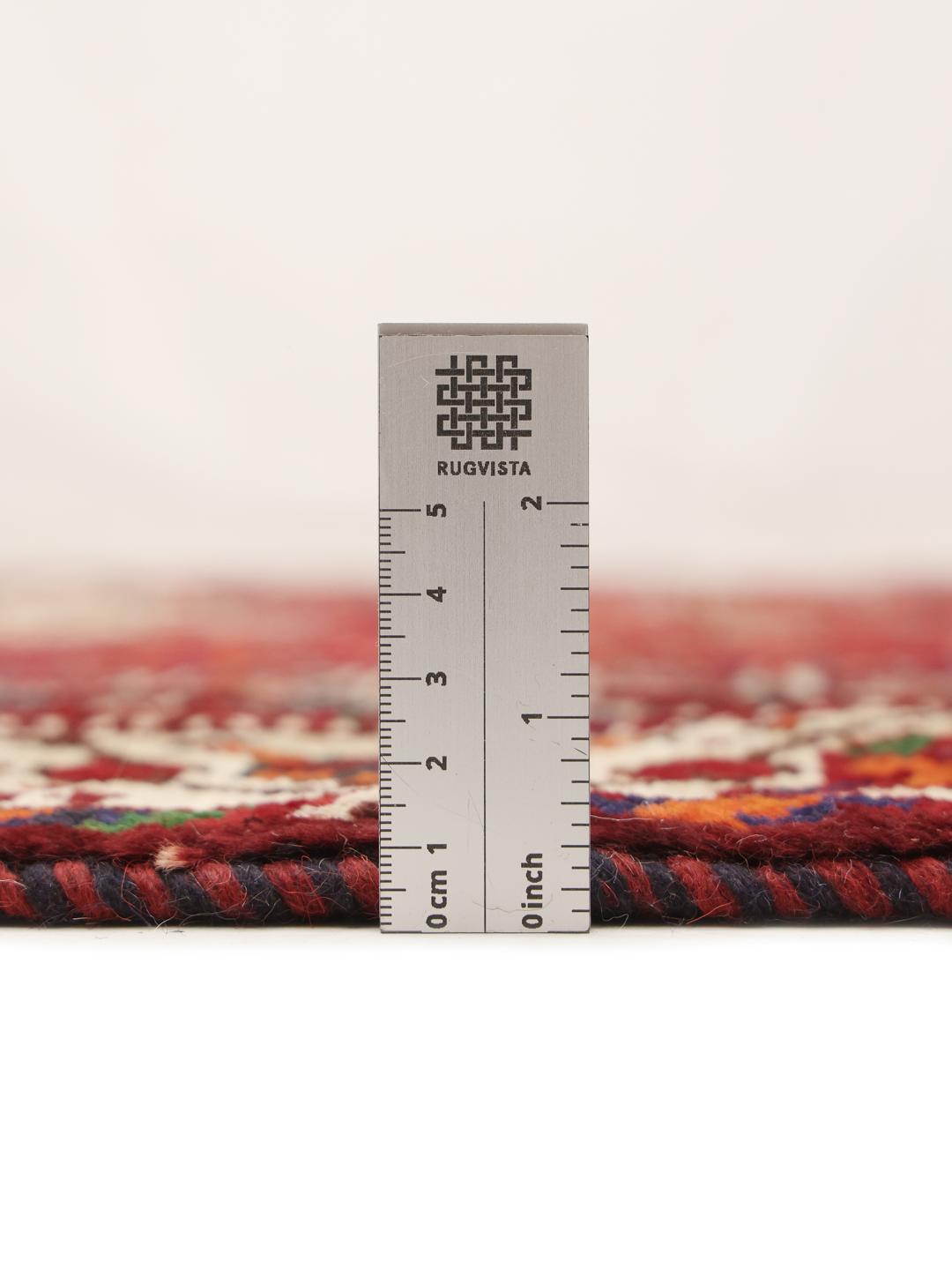
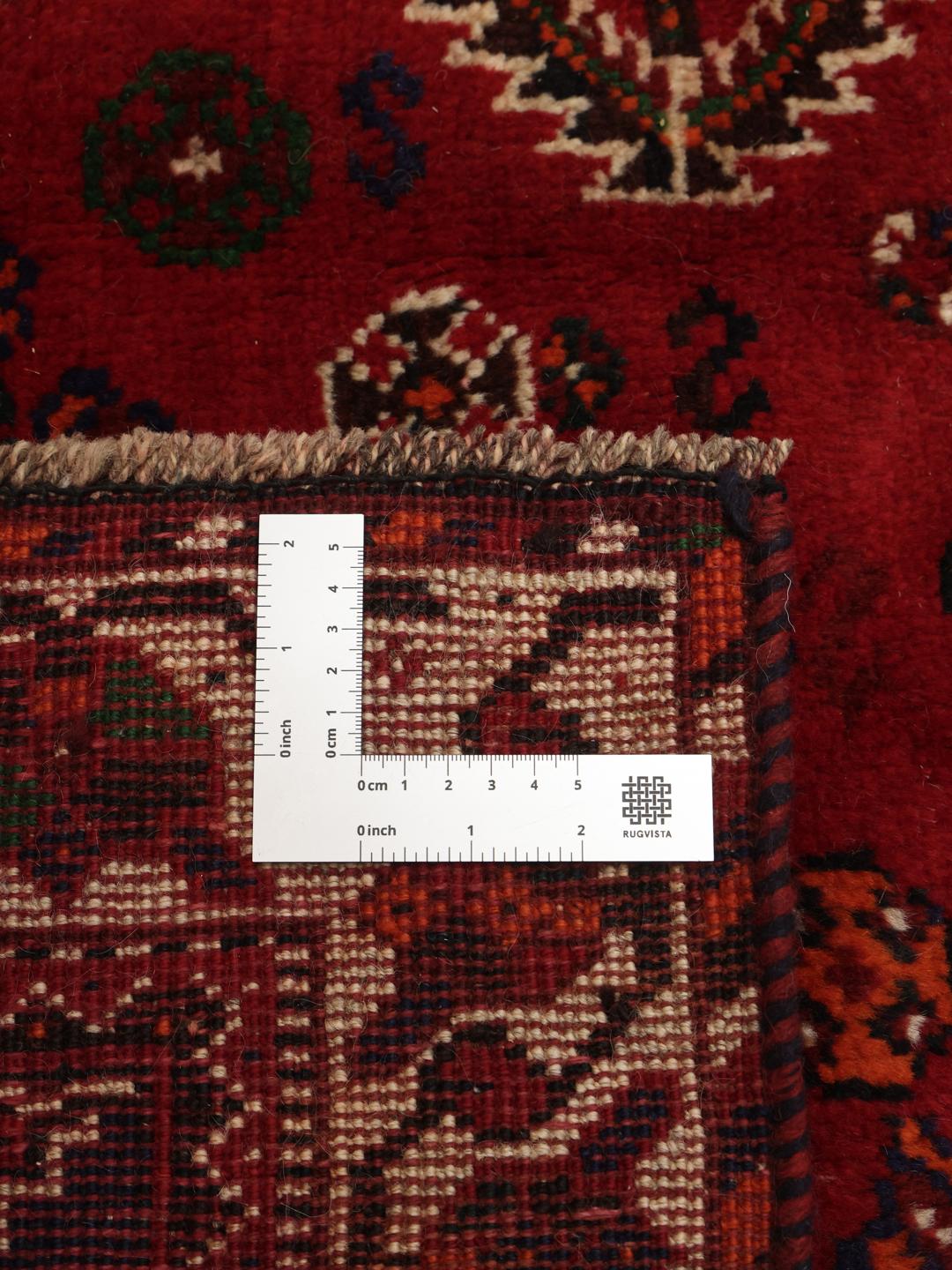
Technical features such as the wool-on-wool construction are central to the quality and feel of these rugs. The use of wool for both the pile and the foundation creates a durable, flexible structure that is well-suited to the changing environments of the region. This material choice provides a sturdy base that allows the rug to withstand the rigours of floor use while maintaining its shape and softness over time.
Collectors value Shiraz rugs for their unpretentious beauty and the human story behind every knot. Owning one is an opportunity to preserve a living art form that is becoming increasingly rare in an era of mass production. These rugs carry the weight of cultural history, offering not just a functional item, but a testament to the enduring skill and creativity of the weavers who have kept this tradition alive for centuries.