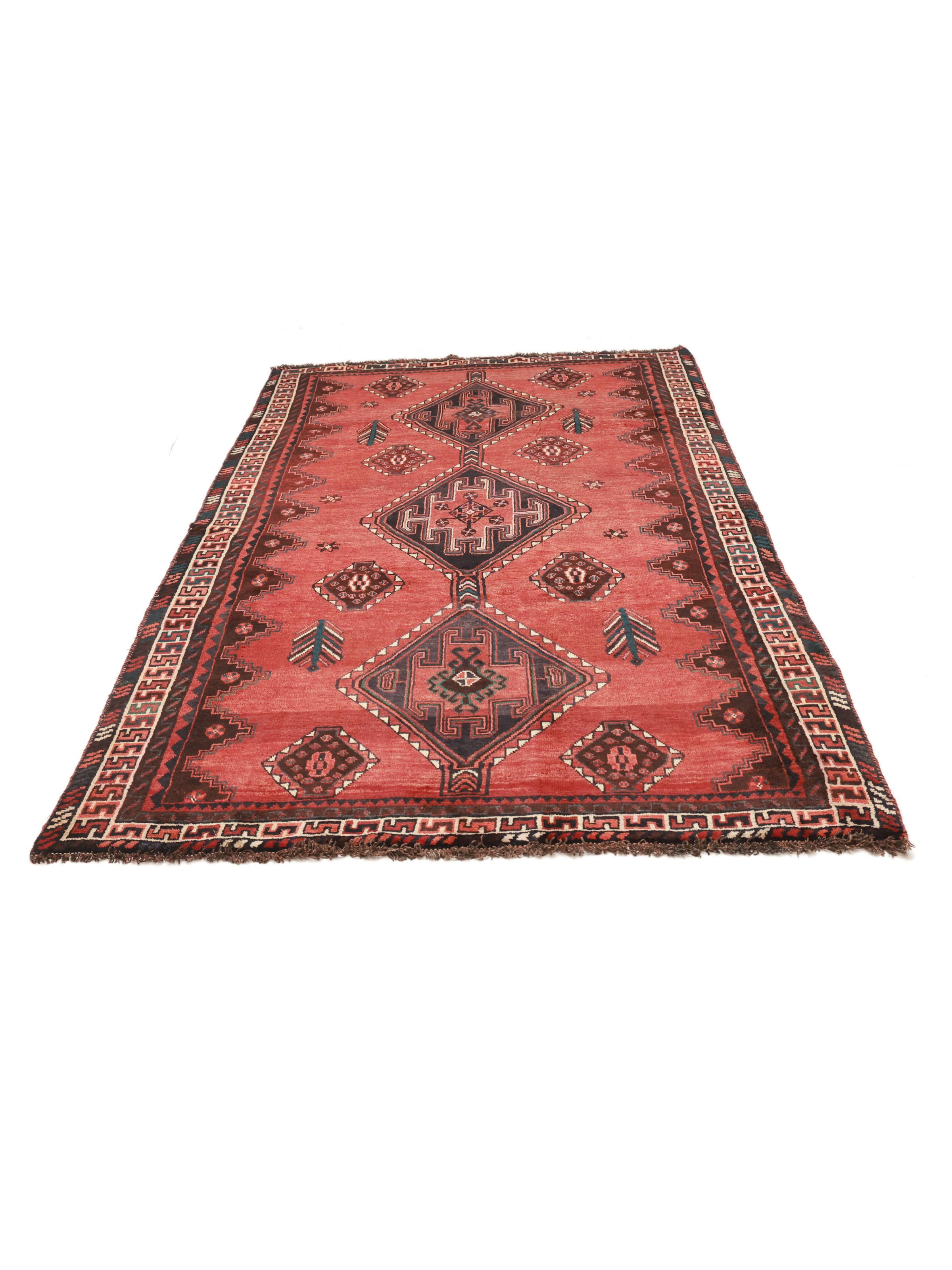
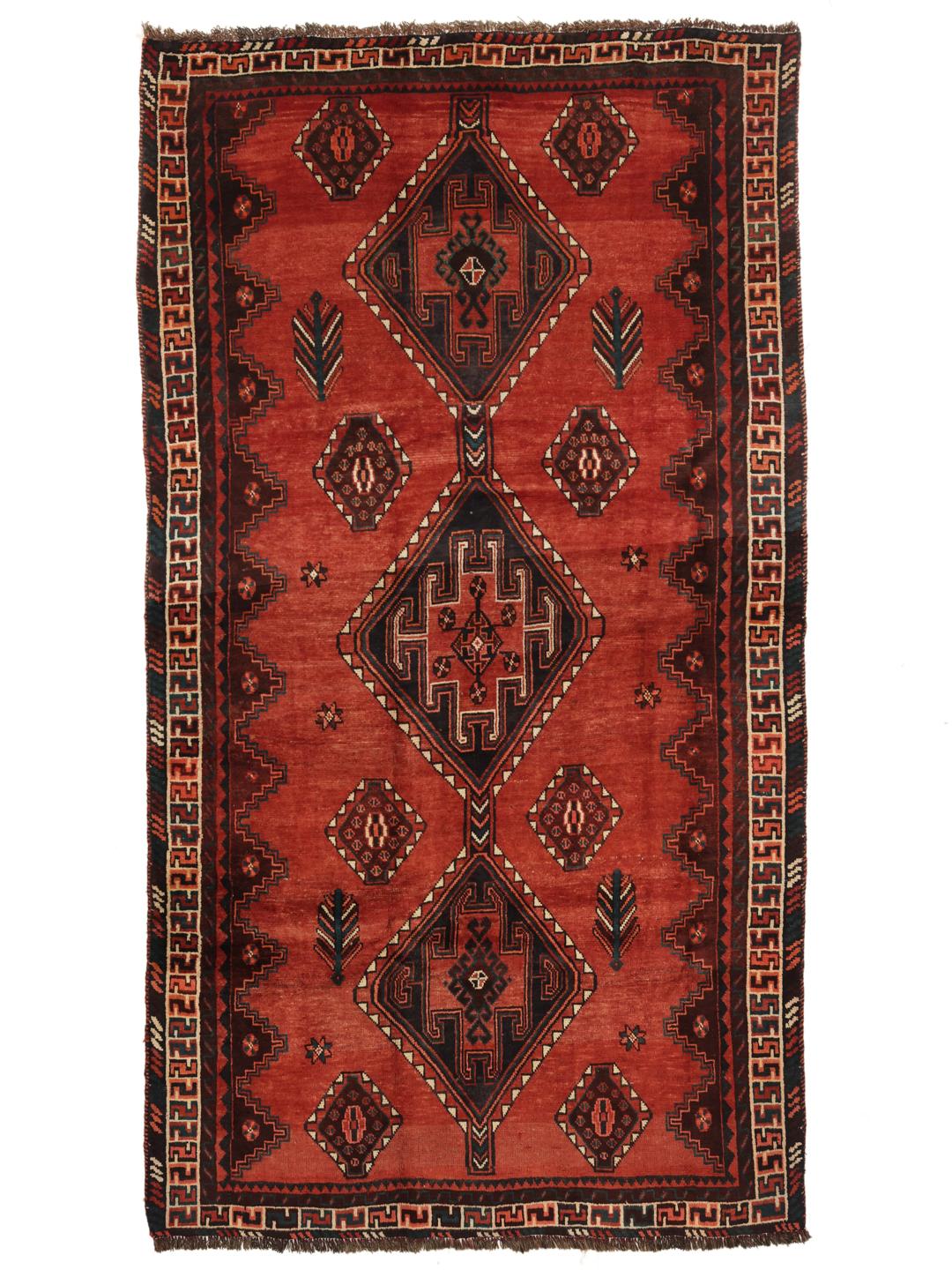
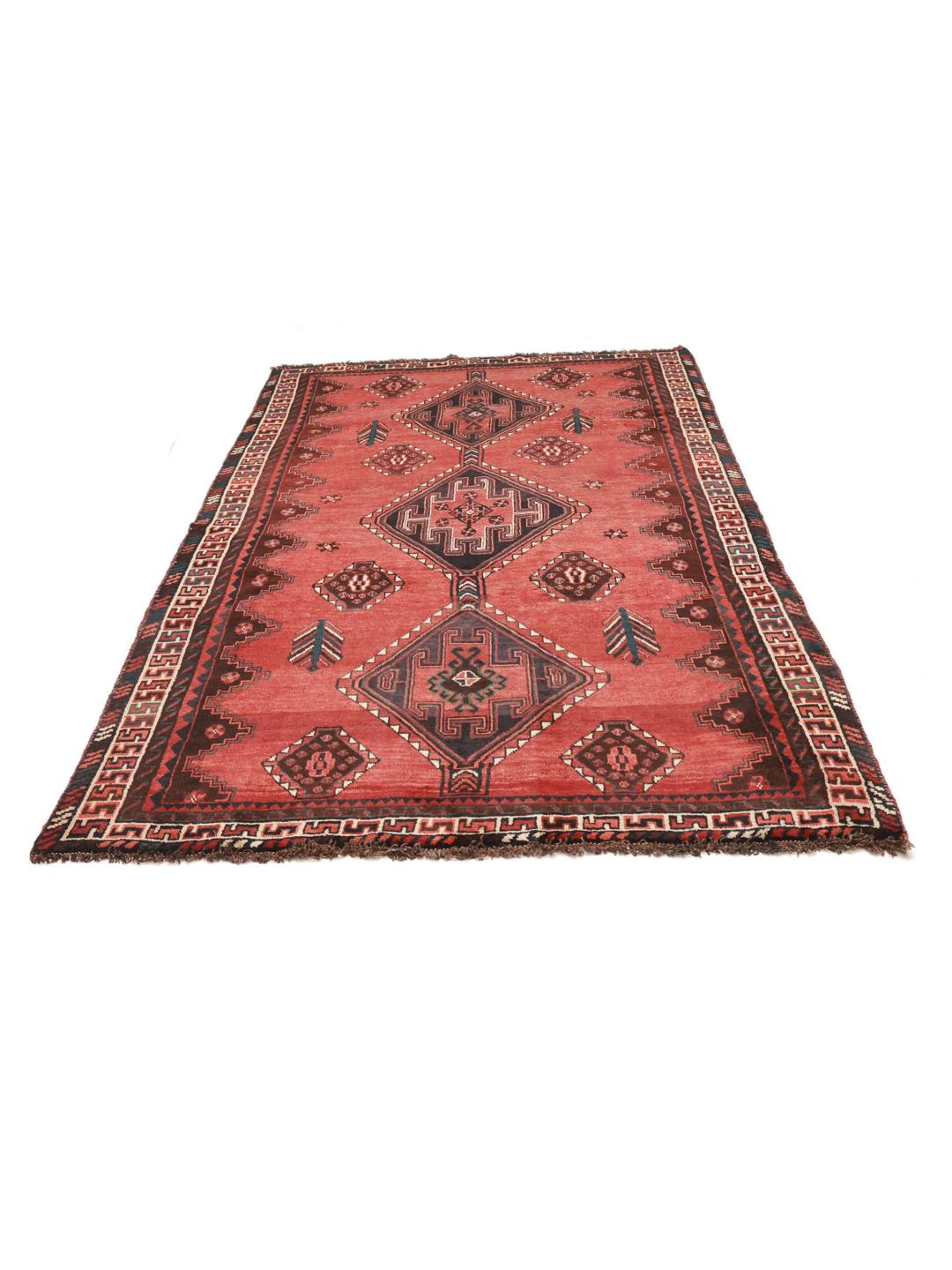
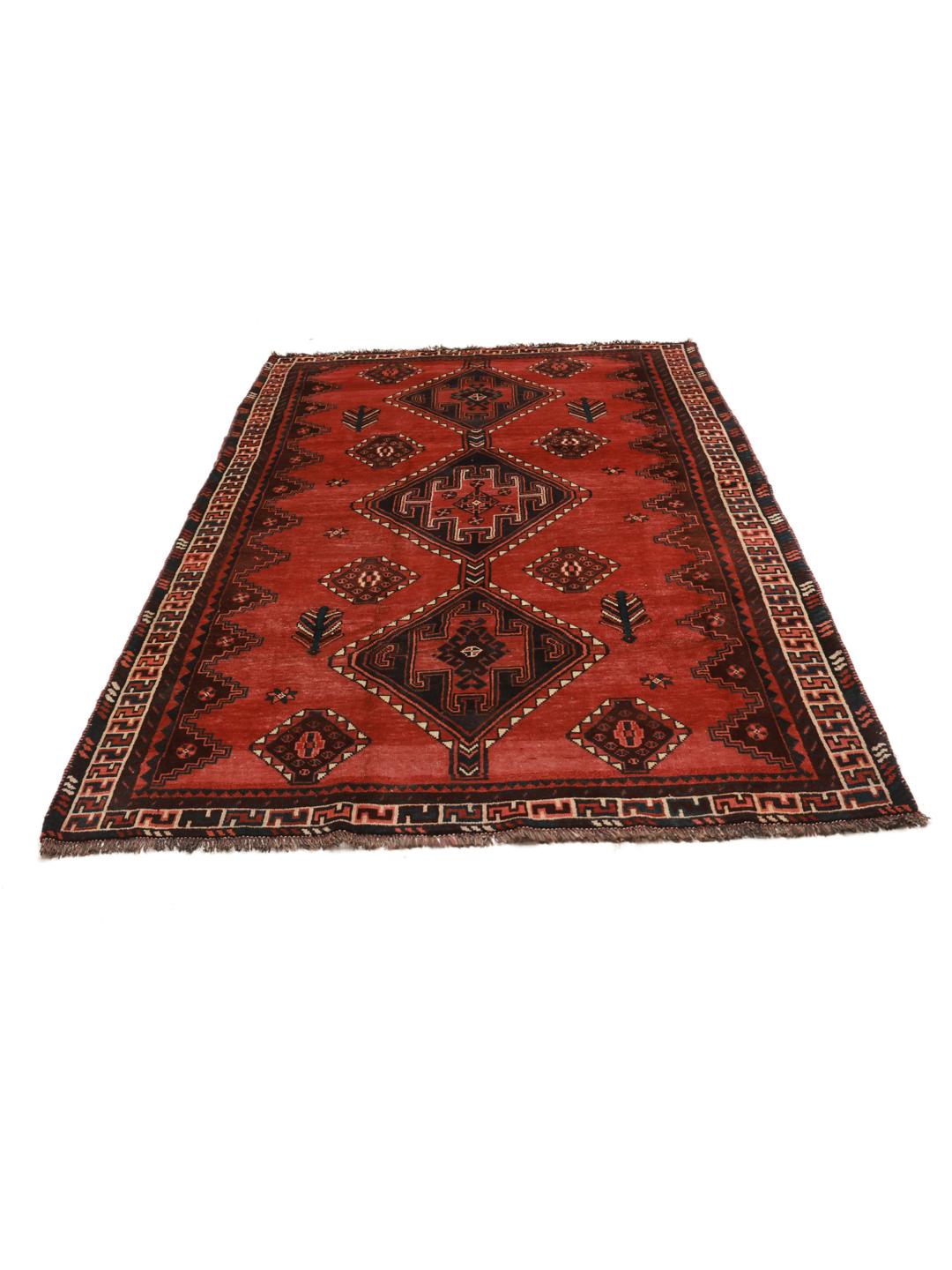
Shiraz rugs originate from the Fars province in the Middle East, a region with a deep-rooted history of tribal weaving. These rugs are traditionally crafted by nomadic and semi-nomadic tribes, who draw inspiration from the natural landscapes and cultural symbols of their environment. This tradition has been passed down through generations, resulting in a distinct visual language that prioritises bold, geometric shapes over the more fluid, floral patterns found in other parts of the region.
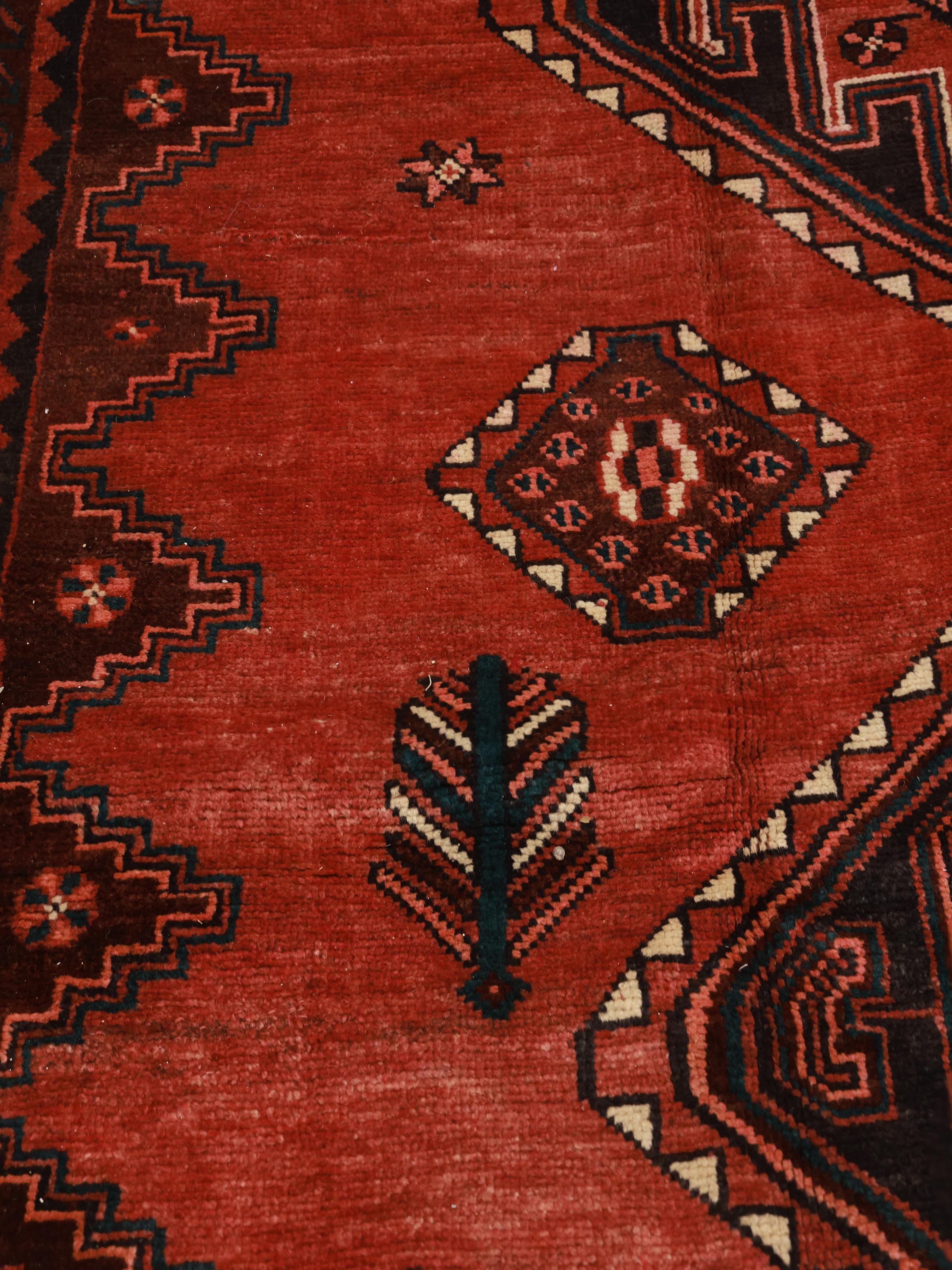
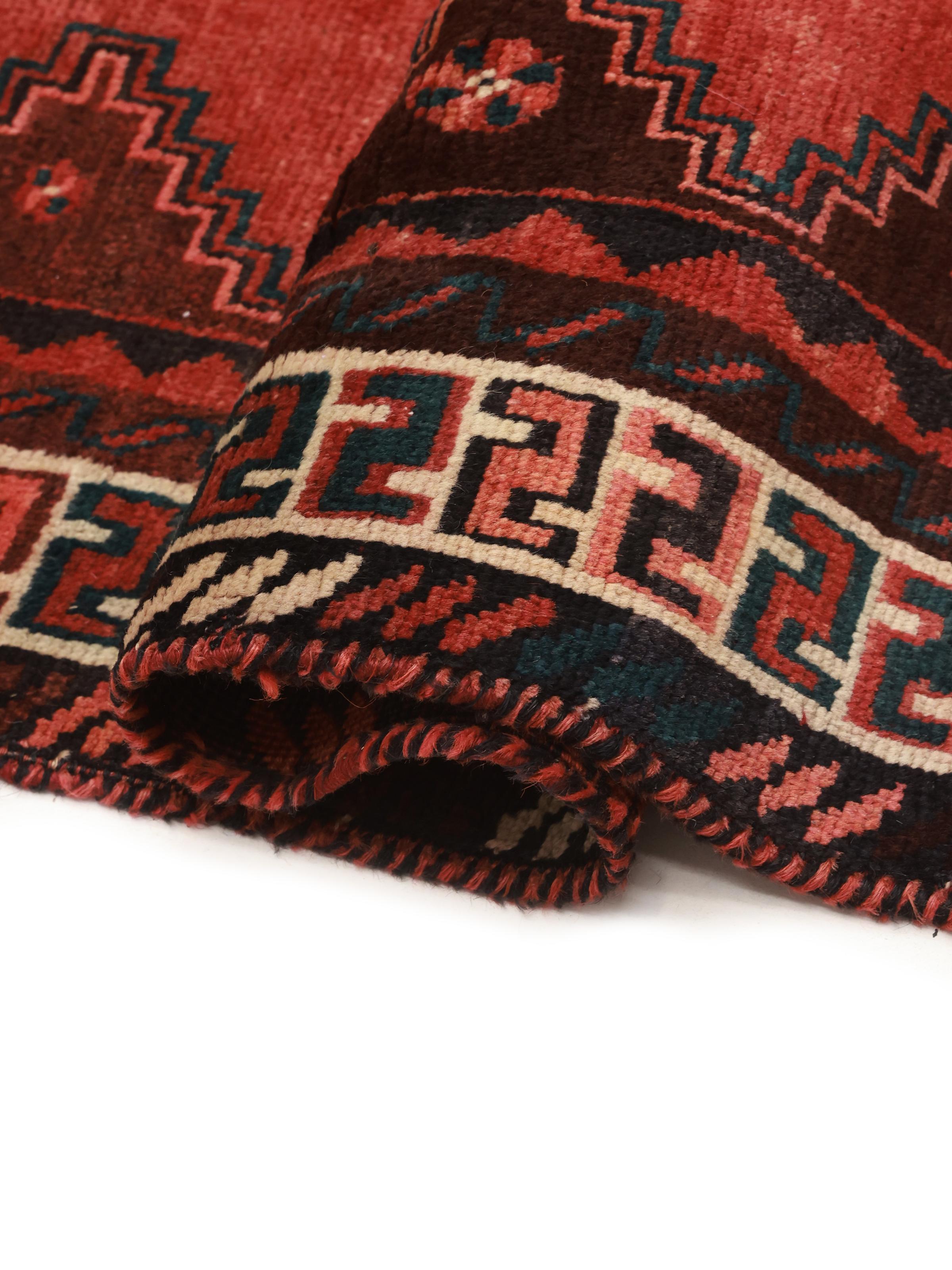
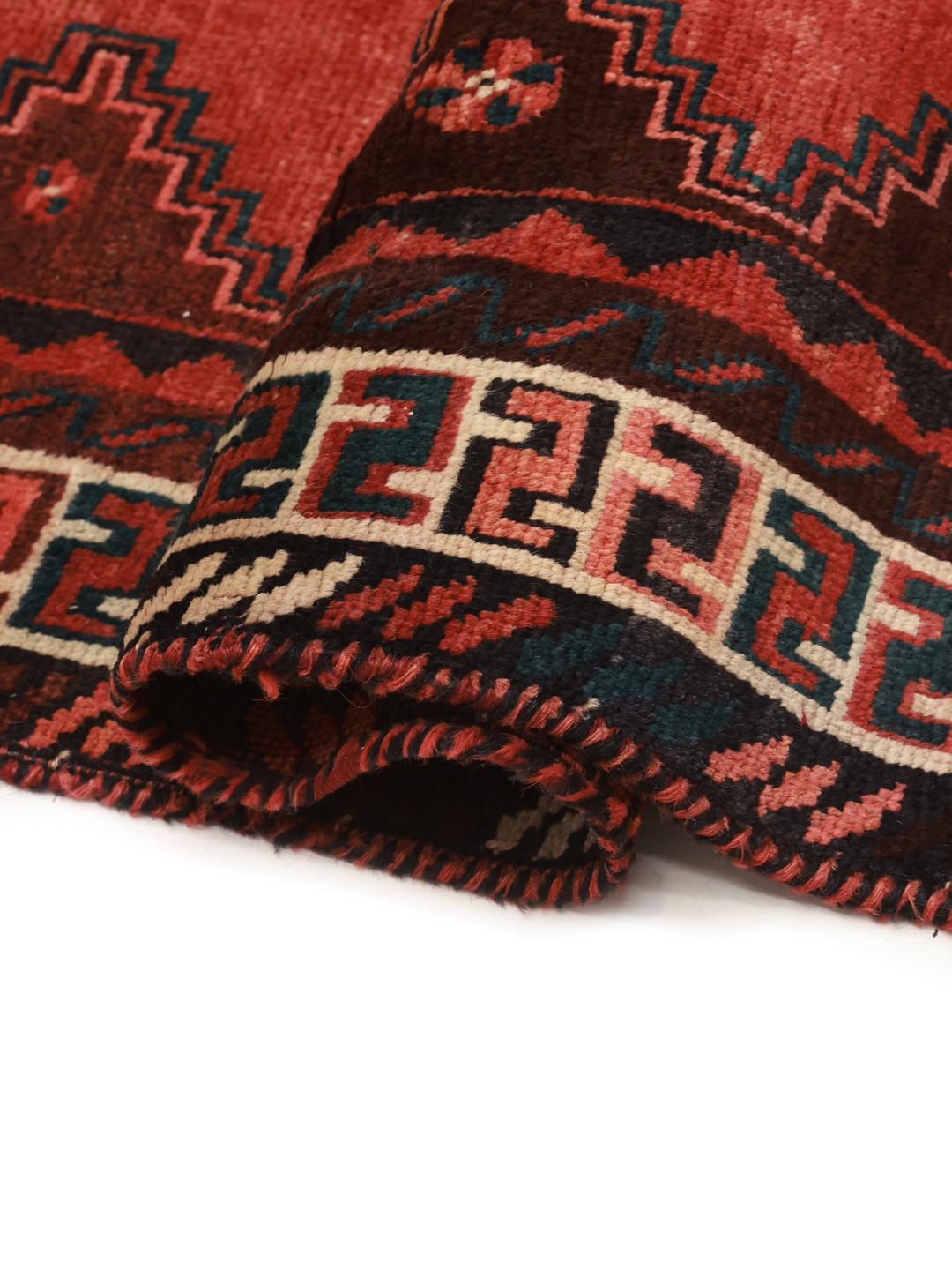
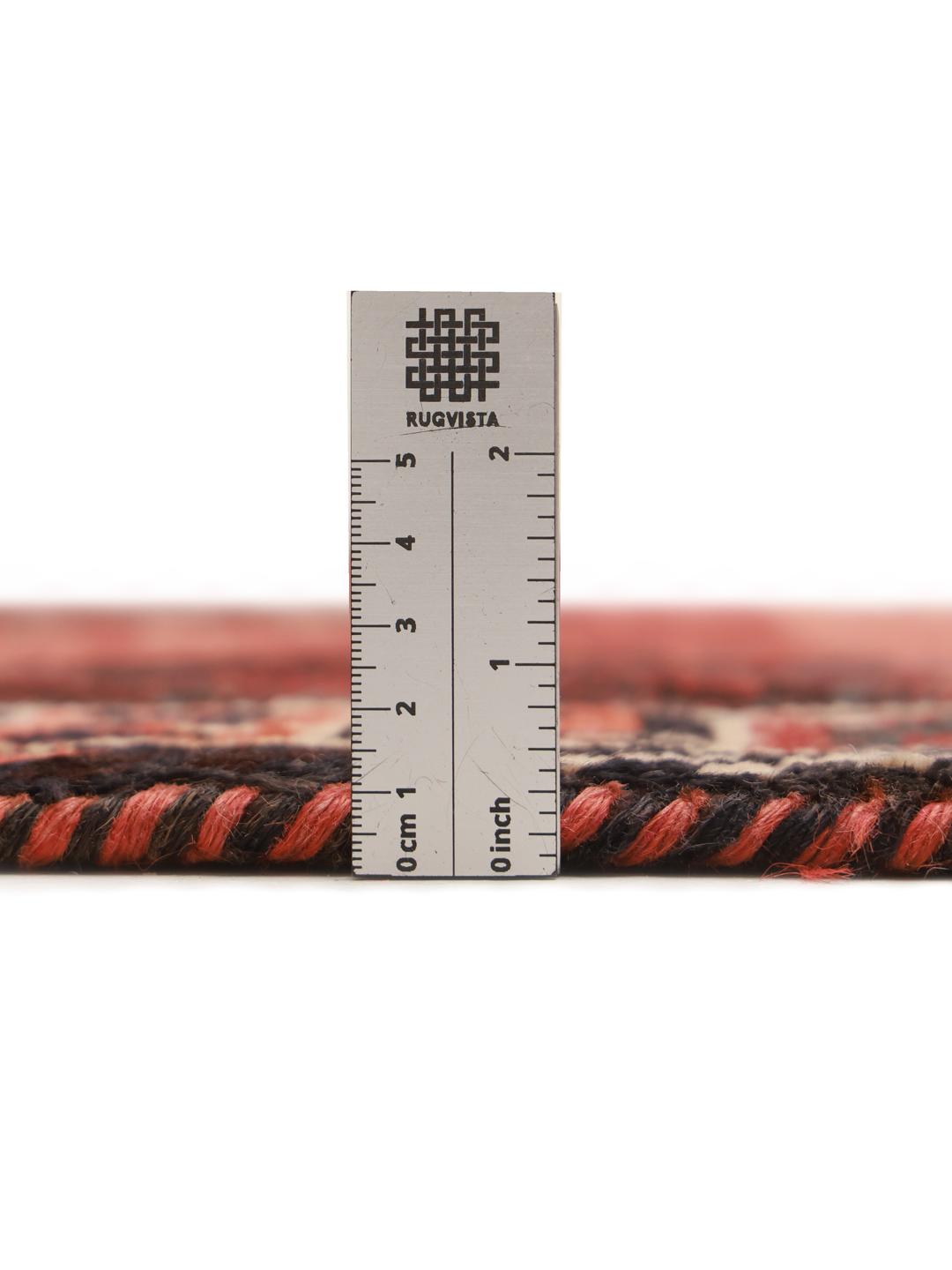
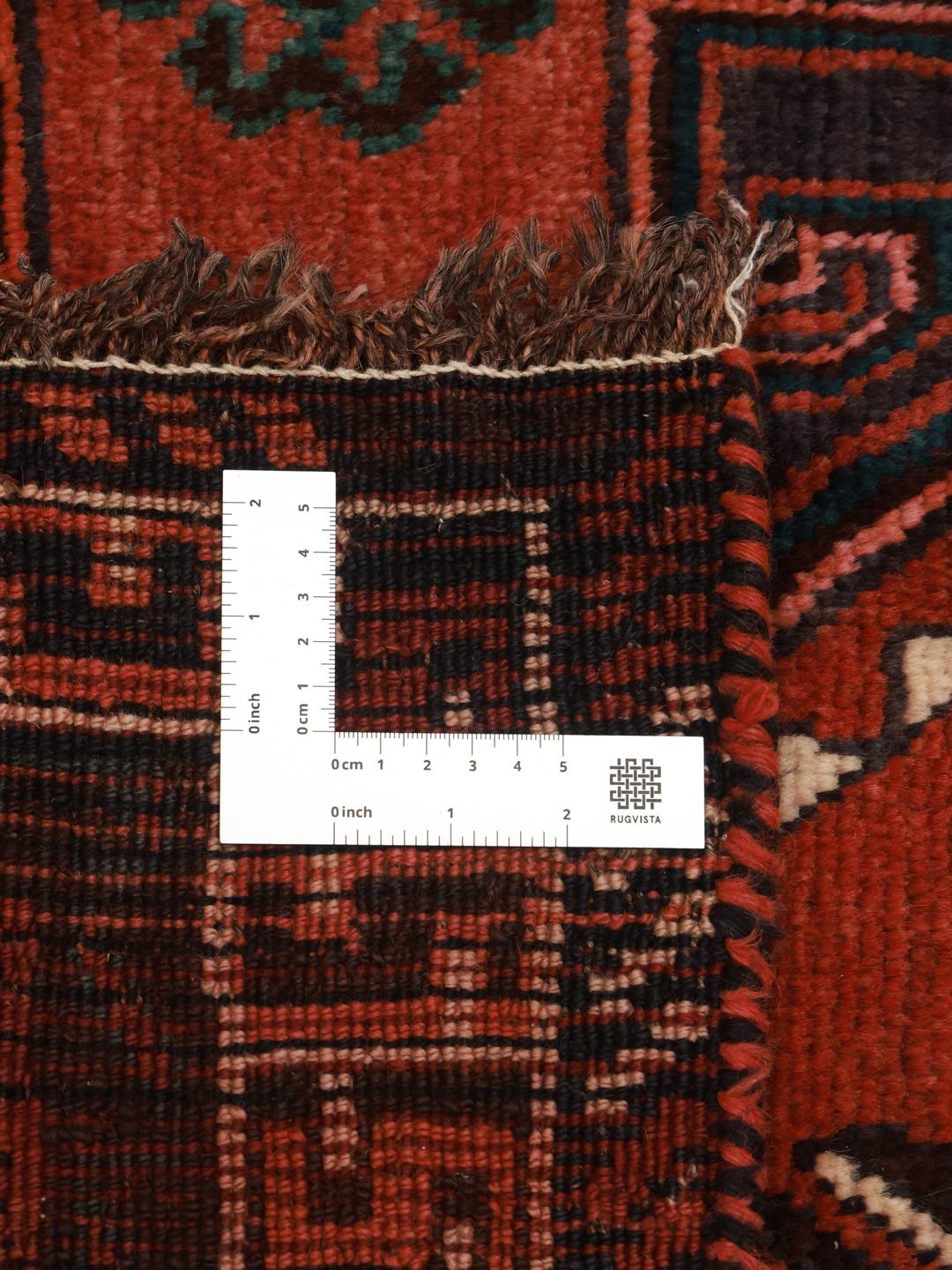
The term Shiraz refers to the regional market centre where these rugs were traditionally traded, rather than a single village. This has historically allowed for a diverse range of styles and interpretations to emerge under the Shiraz name. The construction often features a durable wool foundation, which provides the necessary strength to support the intricate, hand-knotted pile. This foundation is essential for ensuring the longevity of the rug, allowing it to withstand the rigours of nomadic life and daily use.
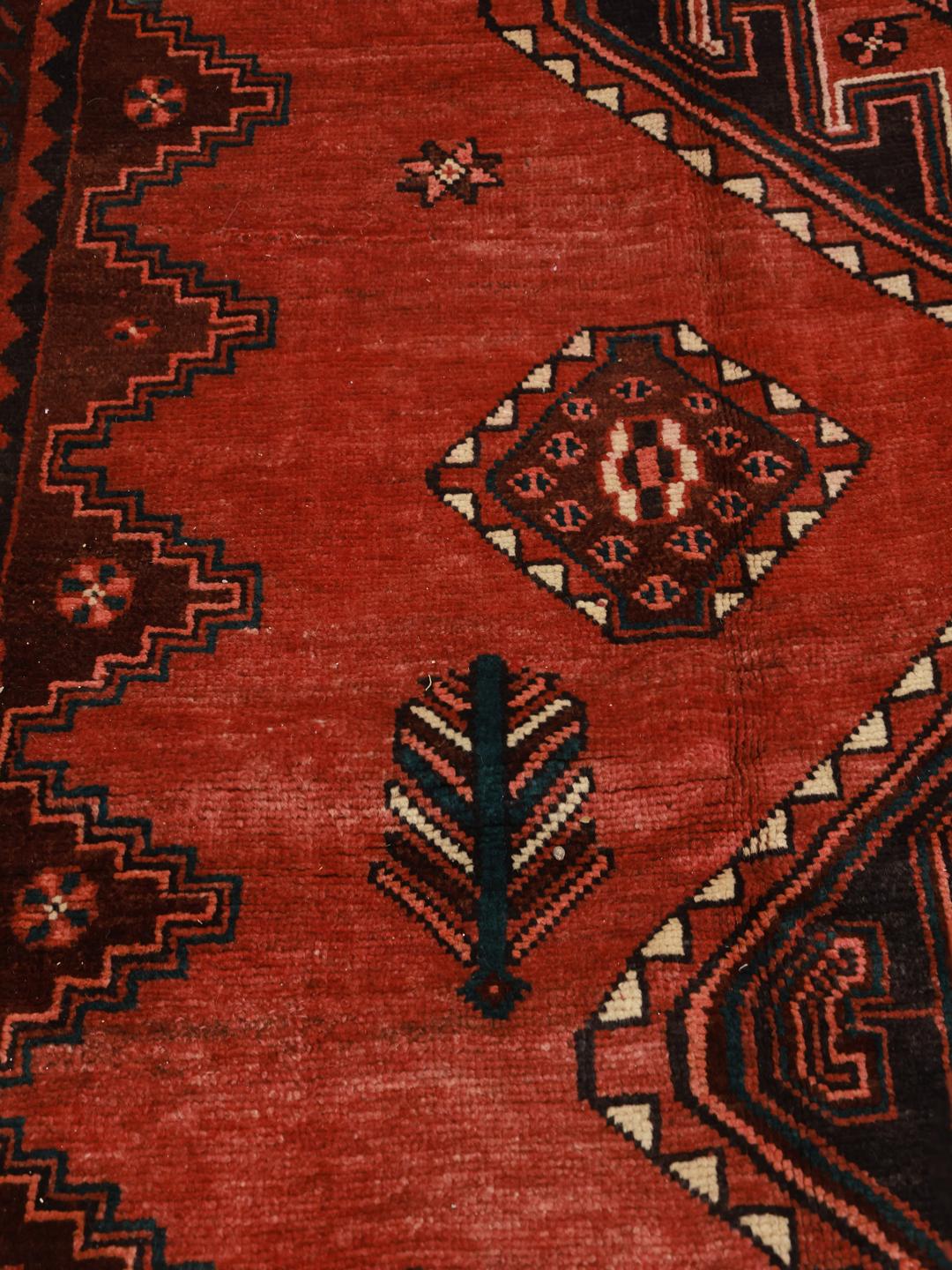
Signature design elements of this tradition include diamond-shaped medallions, stylised animal motifs, and repeating geometric borders. The colour palettes are typically dominated by rich, earthy reds and deep dark tones, often derived from natural dyes that age beautifully over time. These rugs are known for their lively and sometimes asymmetrical character, which reflects the spontaneous creativity of the weavers rather than a strict, pre-planned design template.
Collecting a Shiraz rug is an opportunity to acquire a piece of living heritage. These rugs are valued not just for their aesthetic beauty, but for the story of the artisan and the centuries-old techniques they represent. Owning one is a testament to the appreciation of traditional skill, offering a connection to the nomadic cultures of the Middle East that continues to resonate in contemporary homes around the world.