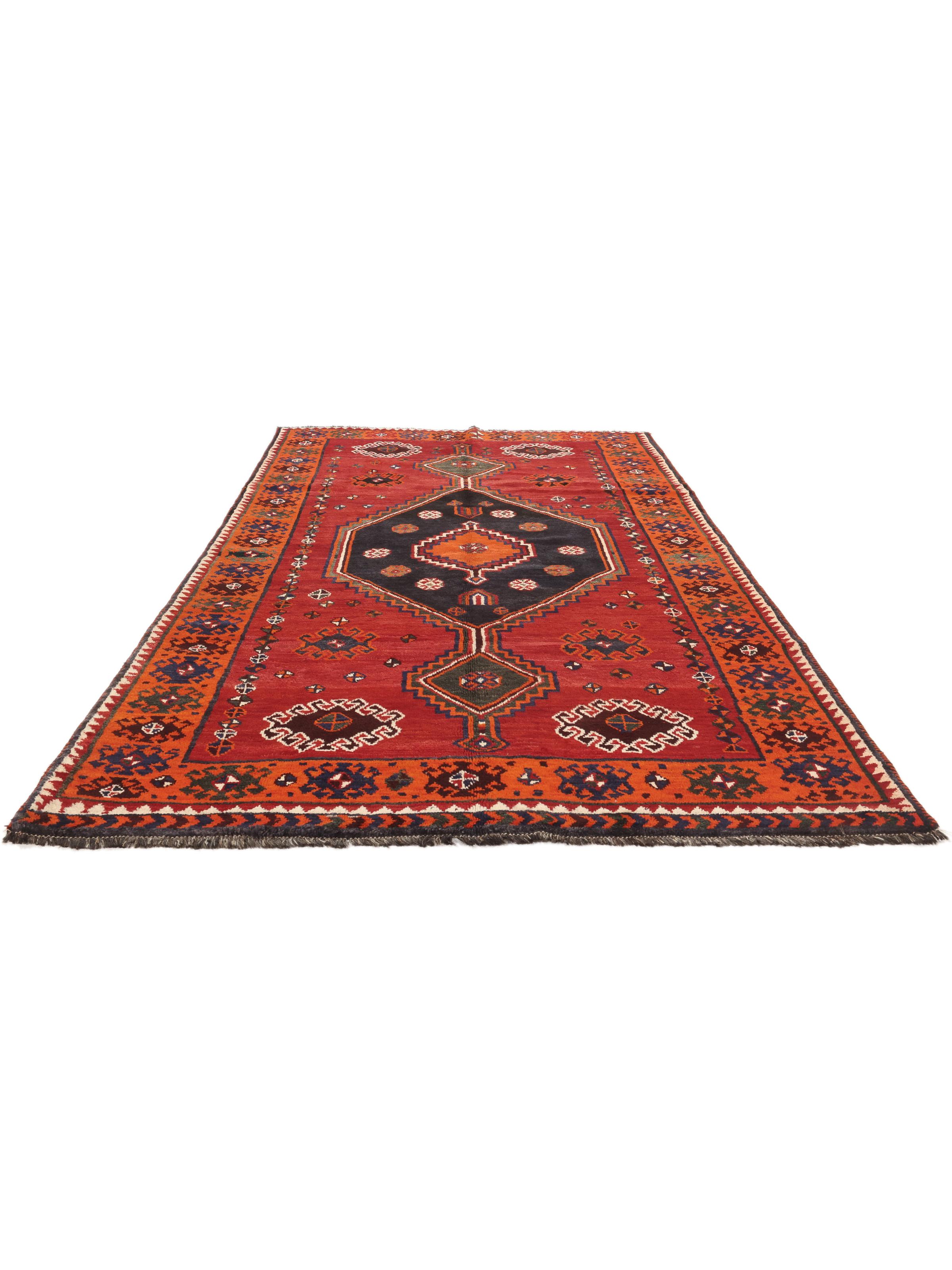
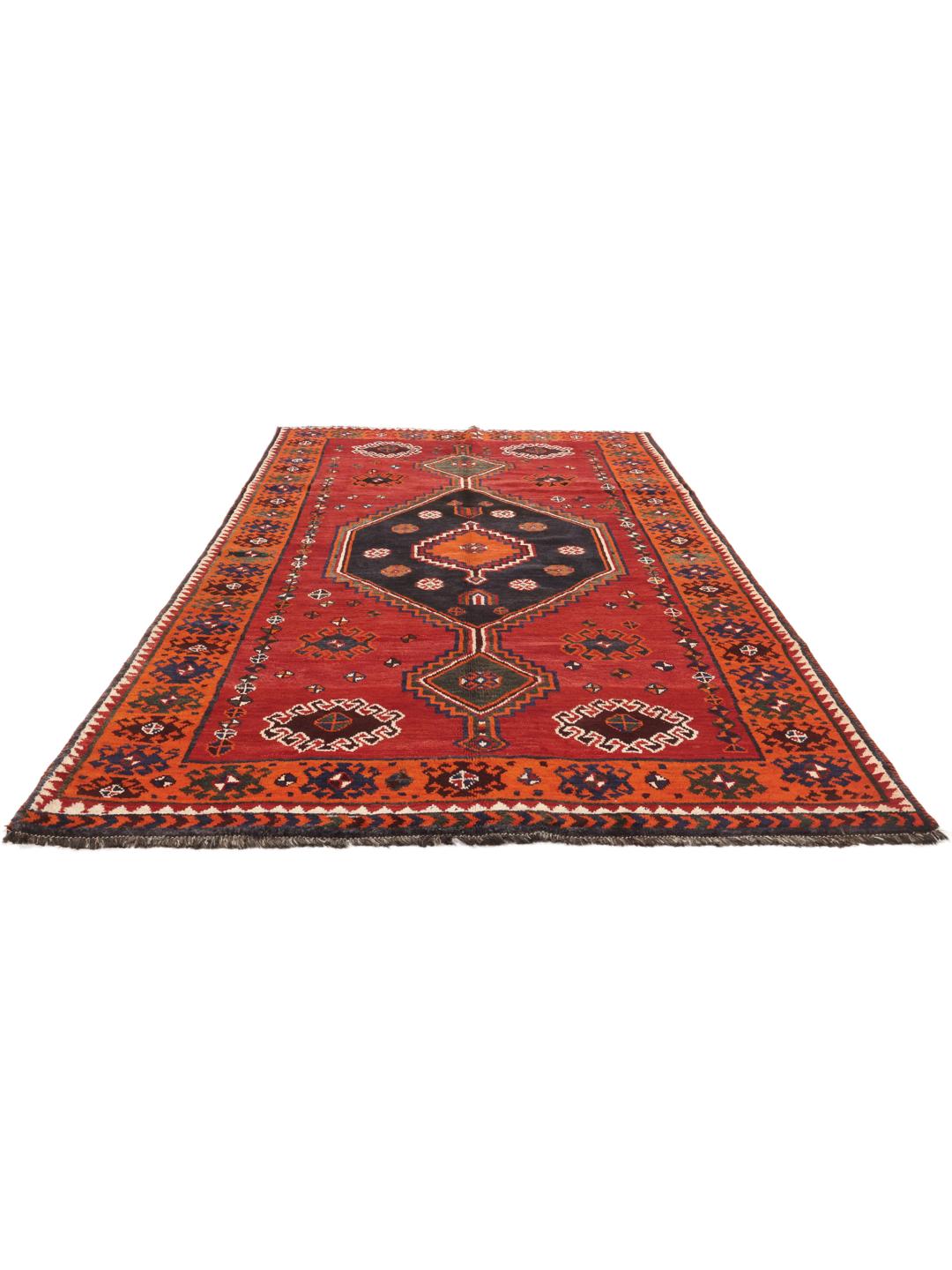
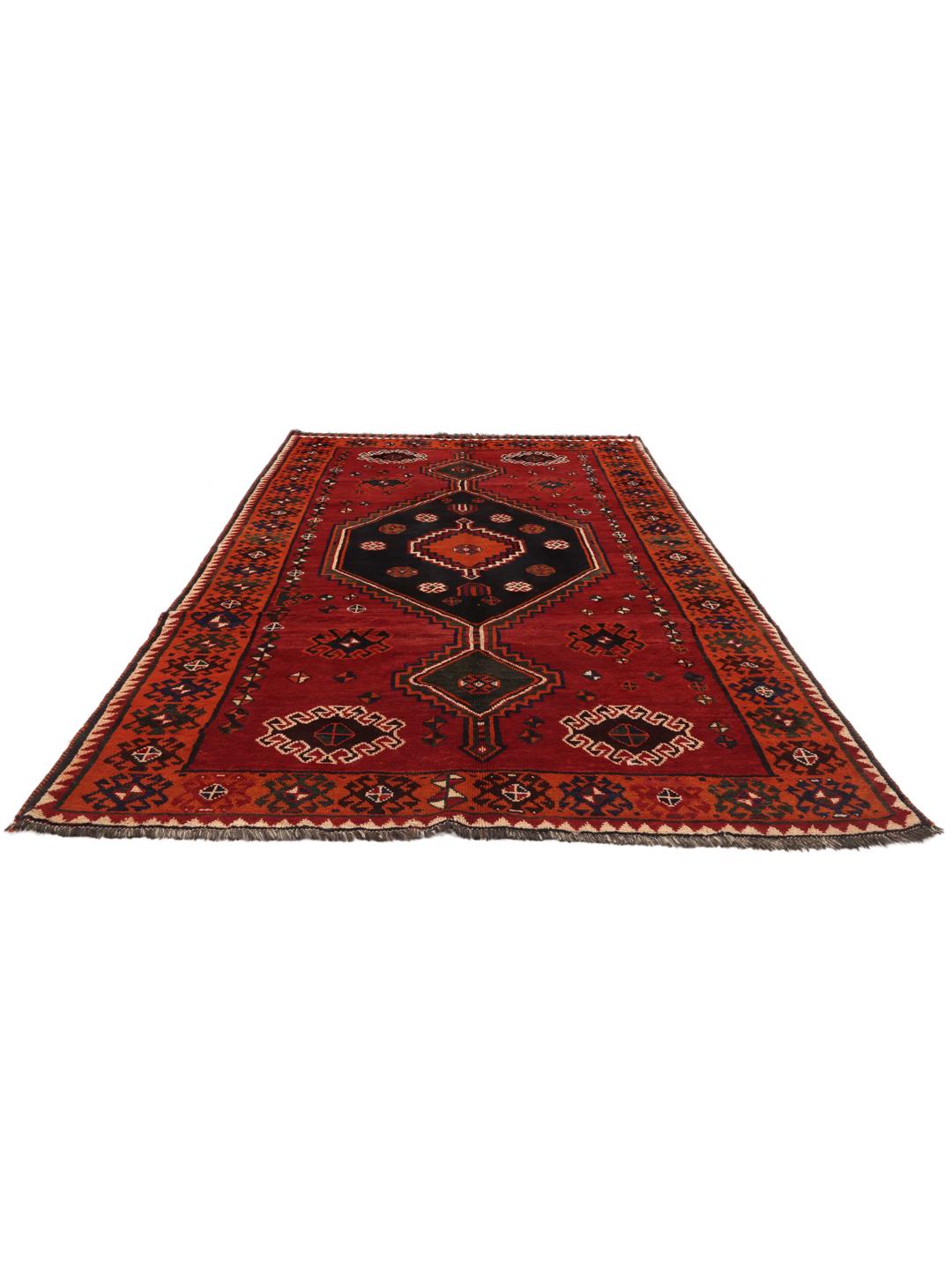
The Shiraz rug originates from the Fars province in the Middle East, a region with a storied history of nomadic and semi-nomadic weaving traditions. These rugs are traditionally crafted by various tribal groups, including the Qashqai and Khamseh, who have long used their weaving to express cultural identity and record the folklore of their people. Over centuries, these traditions have evolved, yet they remain deeply connected to the landscapes and lifestyles of the people who create them.
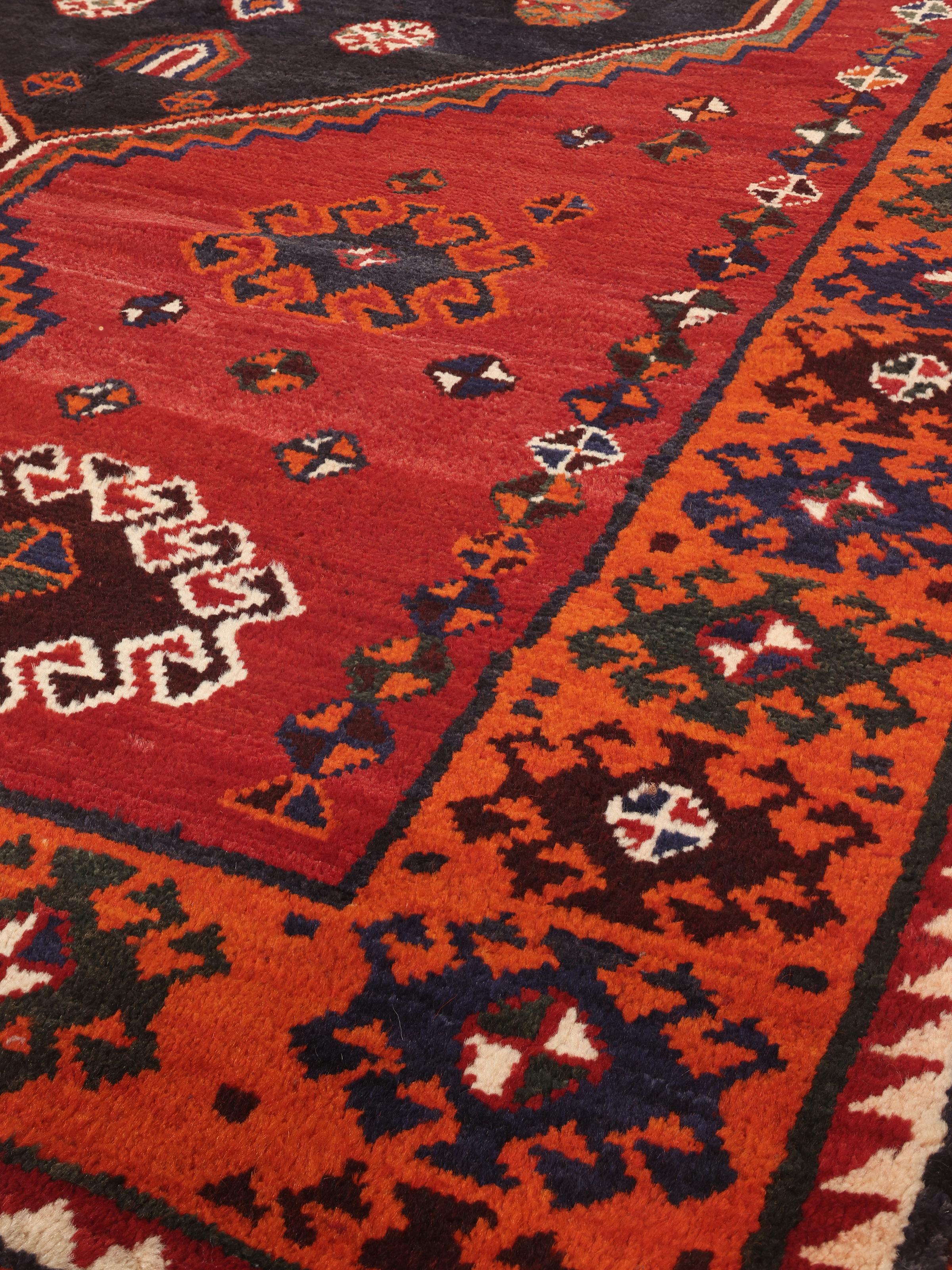
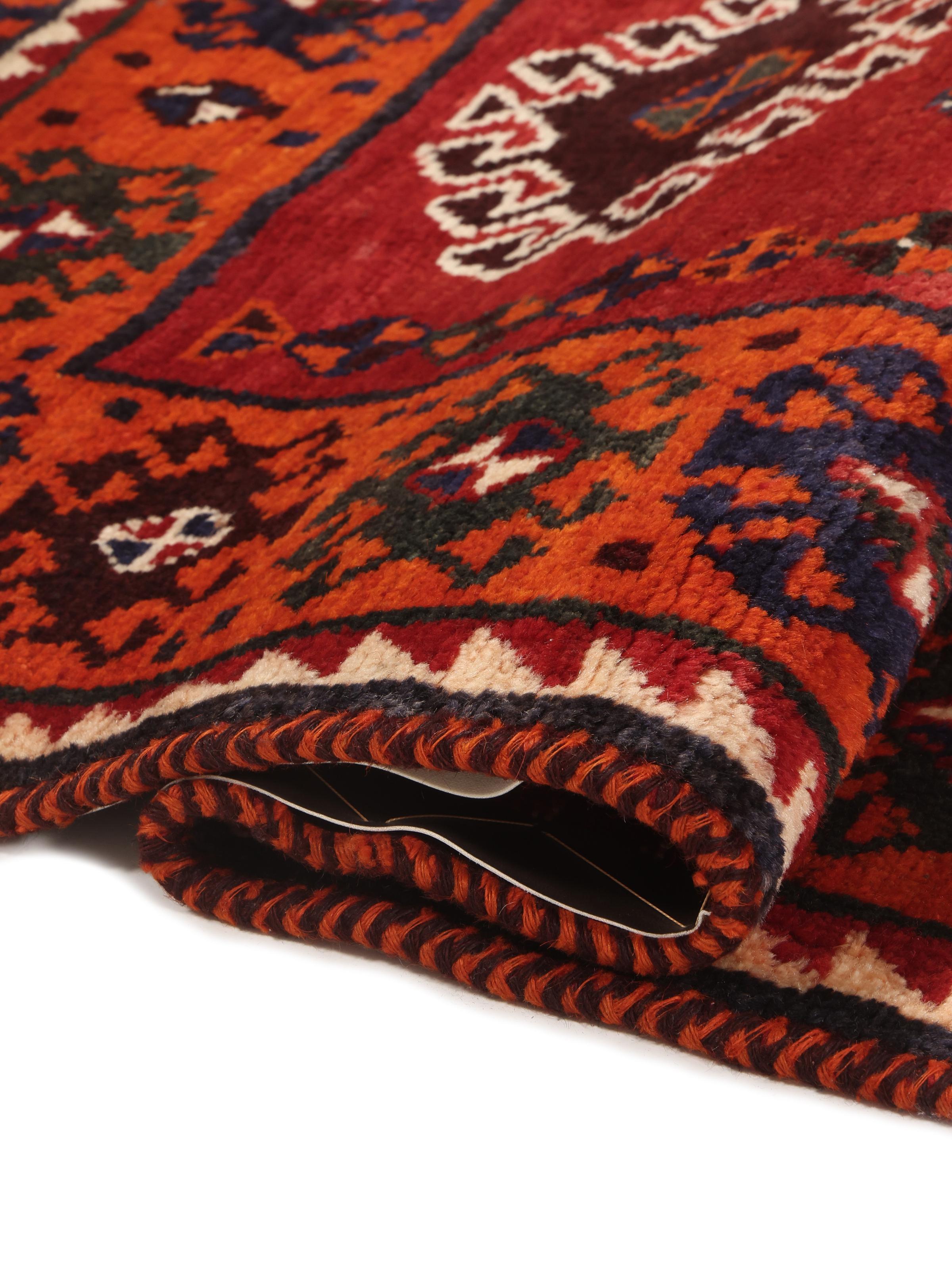
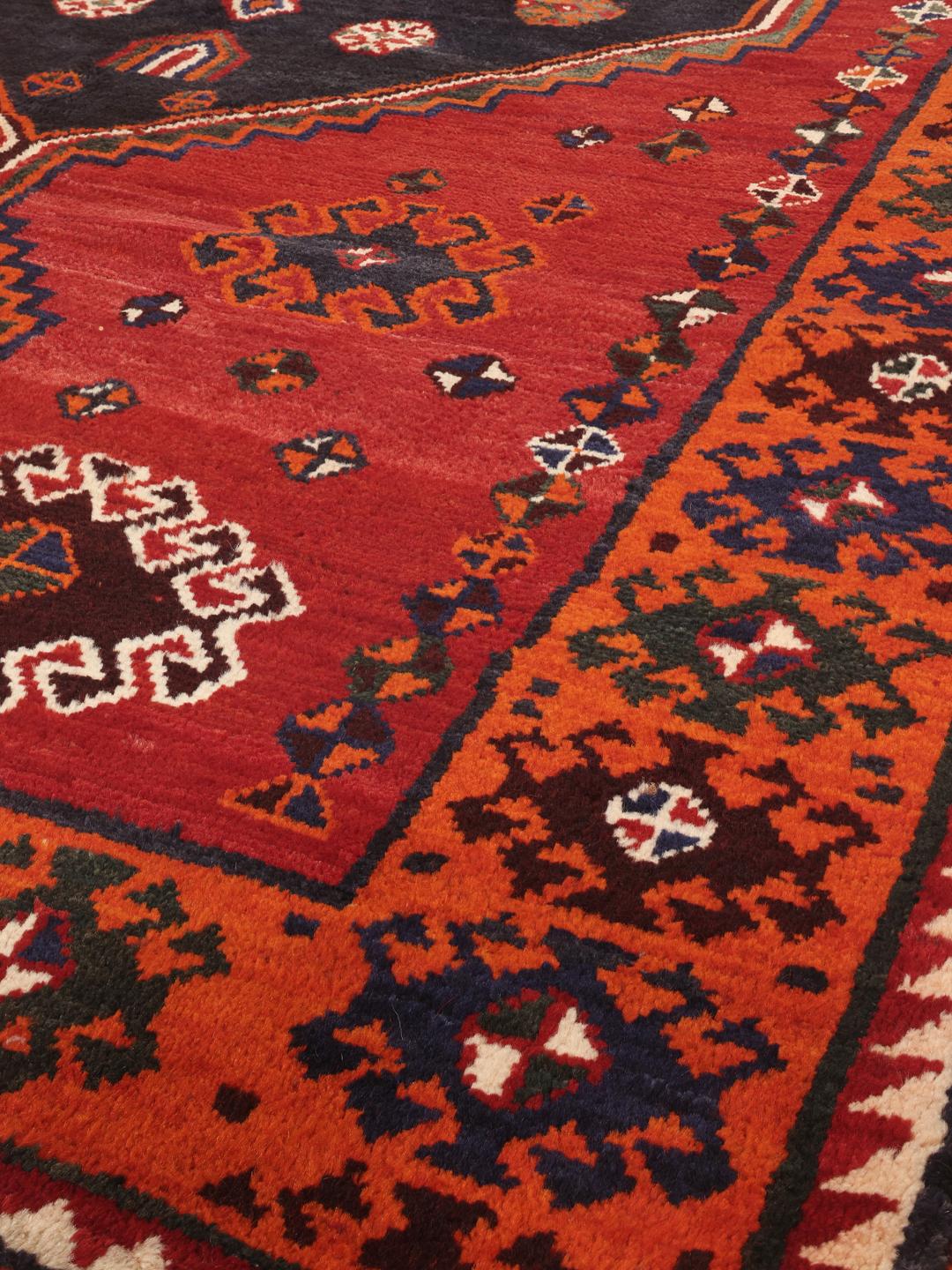
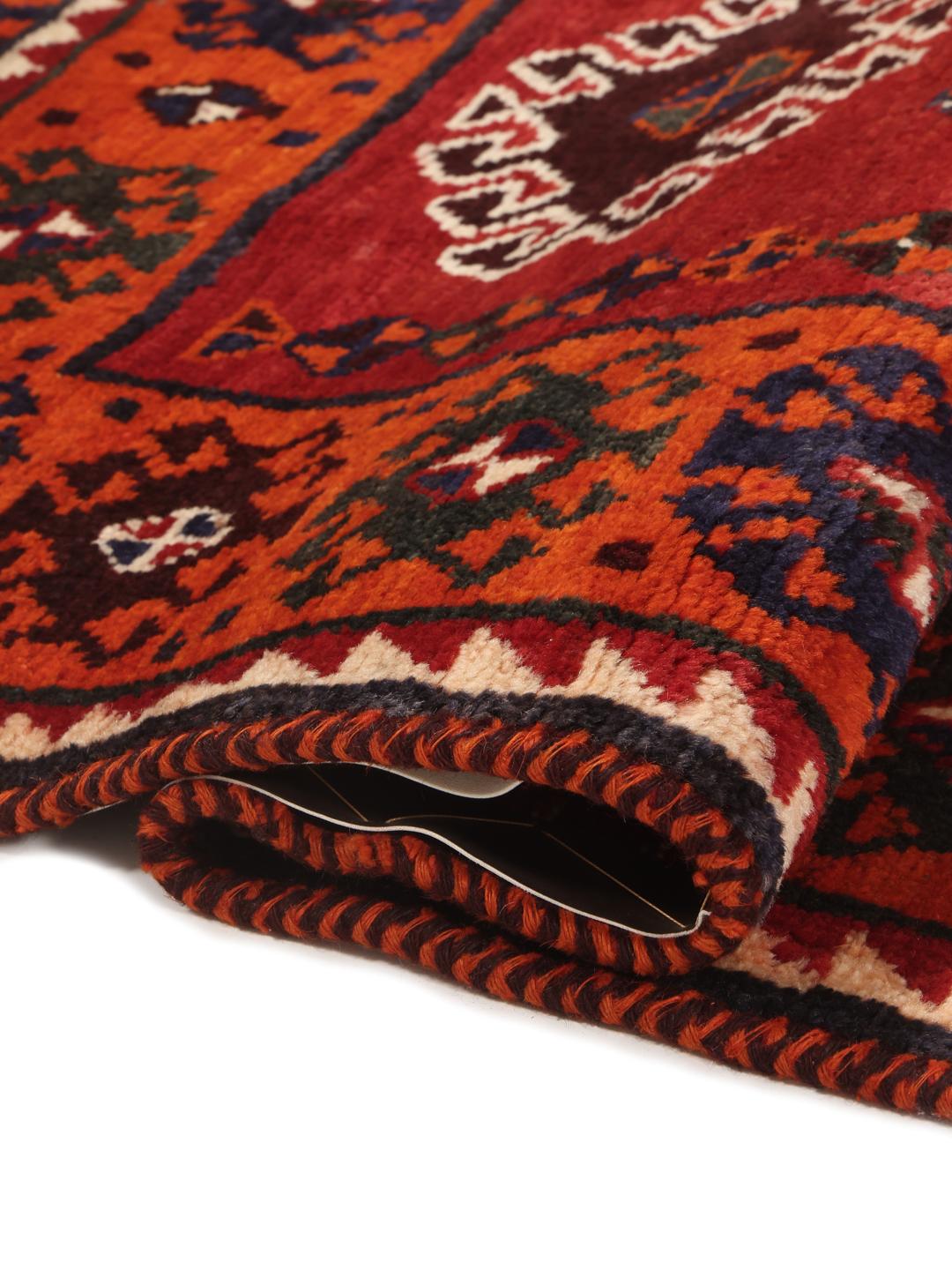
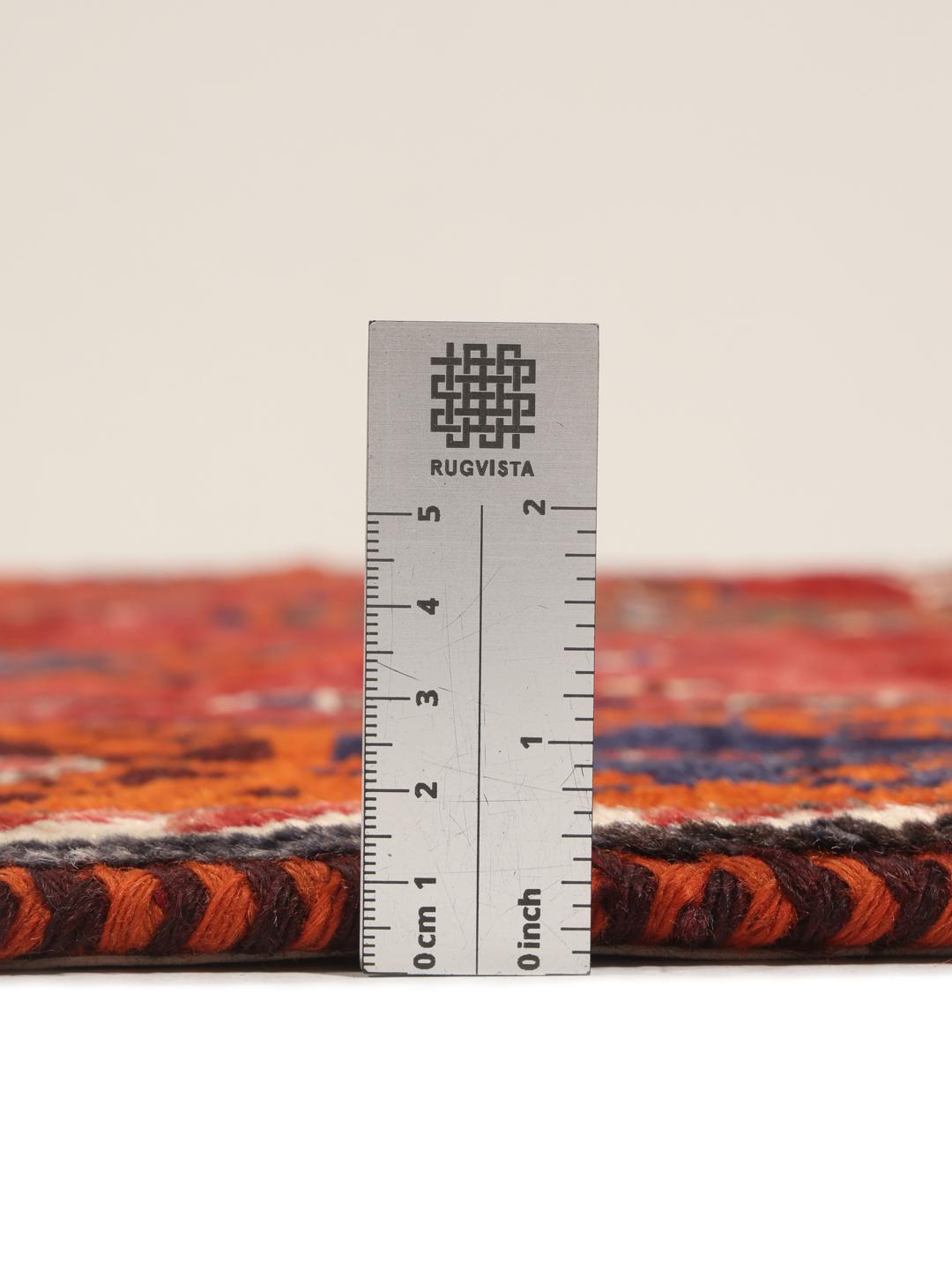
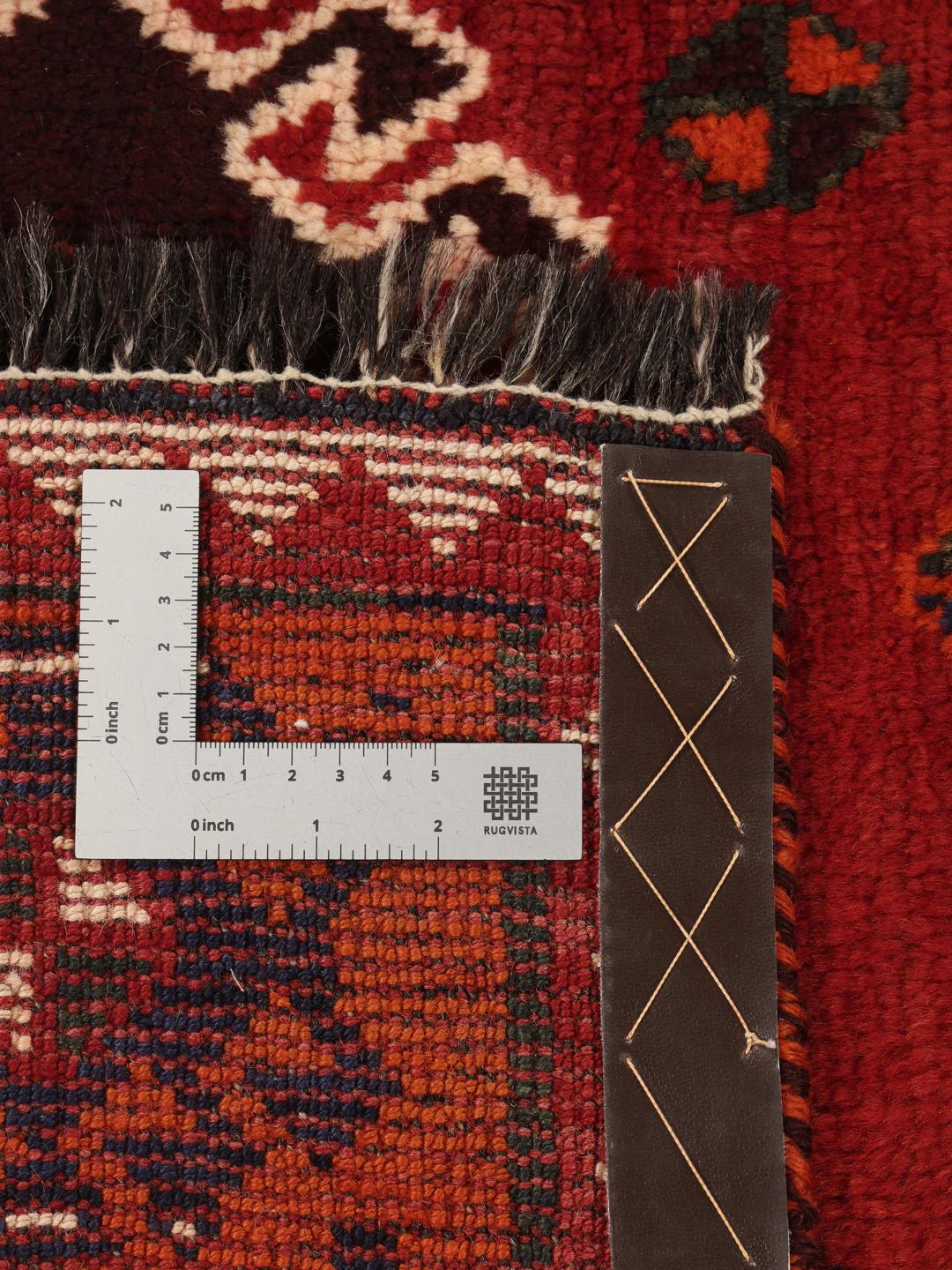
A defining feature of these rugs is the use of wool for the entire construction, which provides a natural lustre and durability that improves with age. The weaving process often incorporates a double weft, which adds significant weight and structural integrity to the rug. This traditional construction method is why these pieces are so highly regarded; the density of the weave ensures that the rug can withstand generations of use while maintaining its vibrant colours and intricate details.
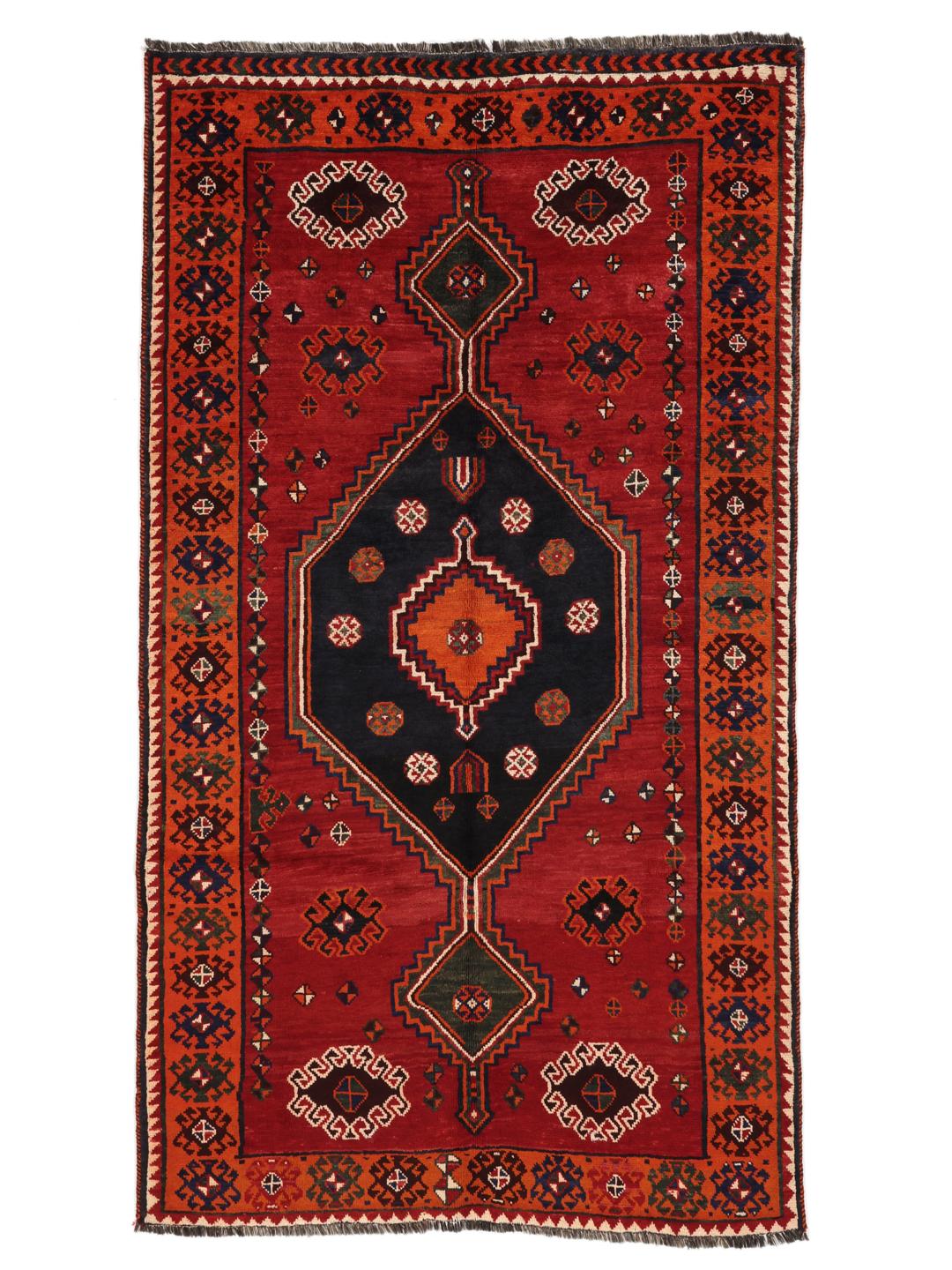
Visually, Shiraz rugs are known for their bold, geometric designs and a preference for earthy, saturated colours like deep reds, blues, and browns. Common motifs include stylized floral patterns, birds, and the iconic stepped medallion, often arranged in a way that feels both spontaneous and balanced. This specific rug showcases these classic elements with a design that is deeply rooted in the tribal aesthetic, offering a timeless look that bridges the gap between ancient craft and modern interior design.
Collecting a rug from this tradition is an act of preserving a piece of cultural history. These rugs are valued not just for their utility, but for the immense skill and heritage they represent. When you bring a Shiraz rug into your home, you are acquiring a piece of art that carries the weight of a long-standing craft tradition, offering a sense of connection to the artisans whose hands brought it into existence.