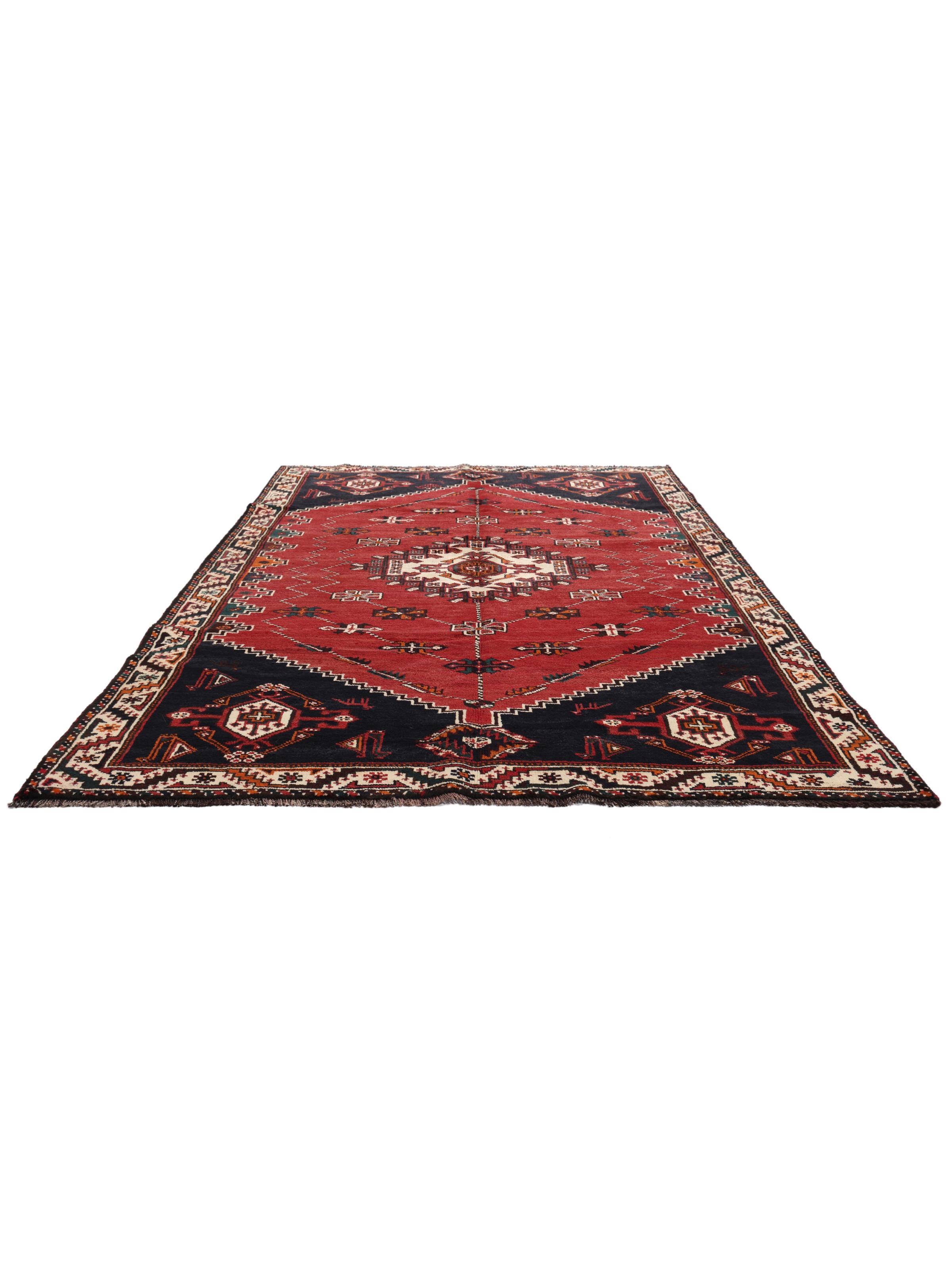
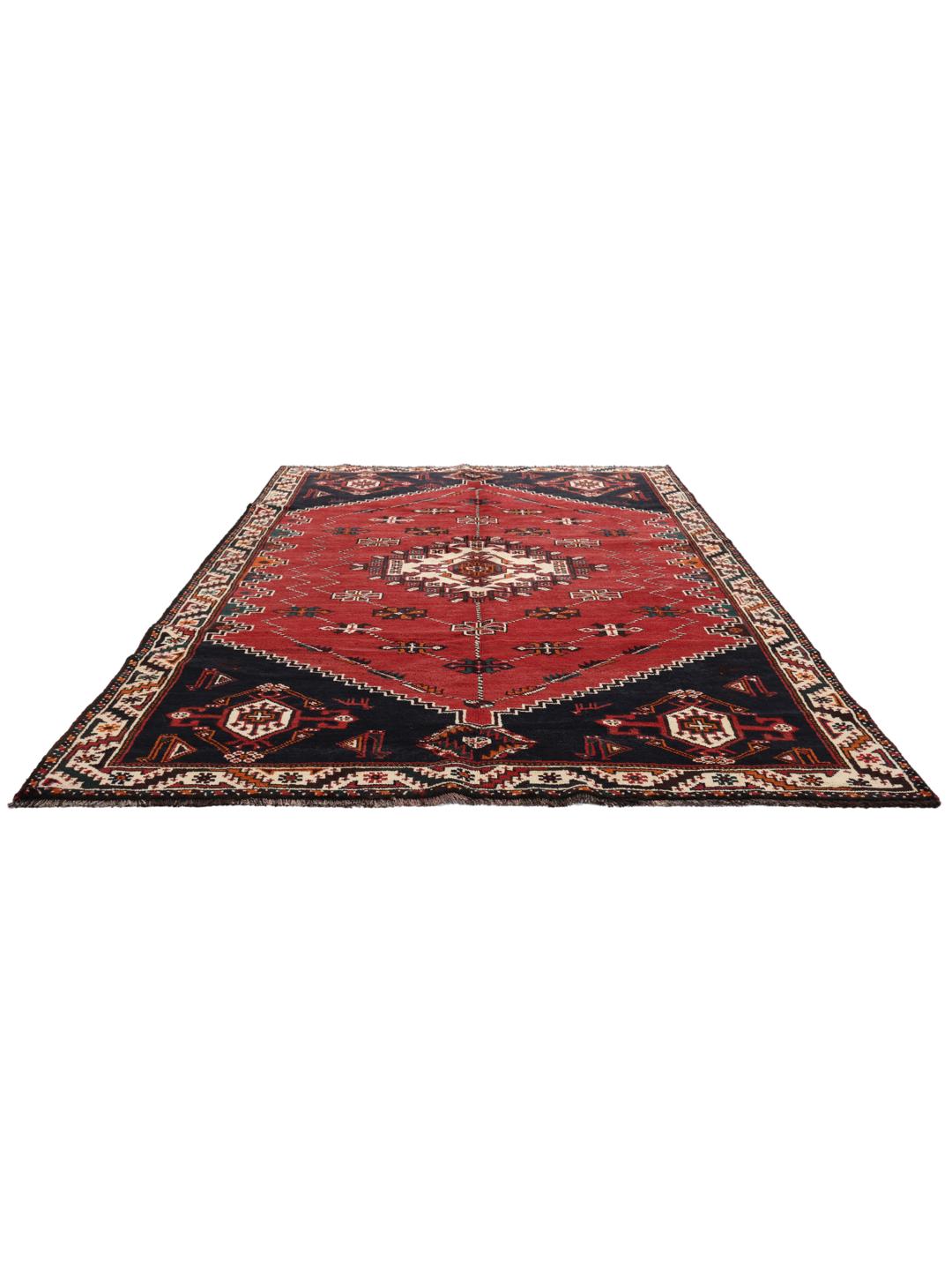
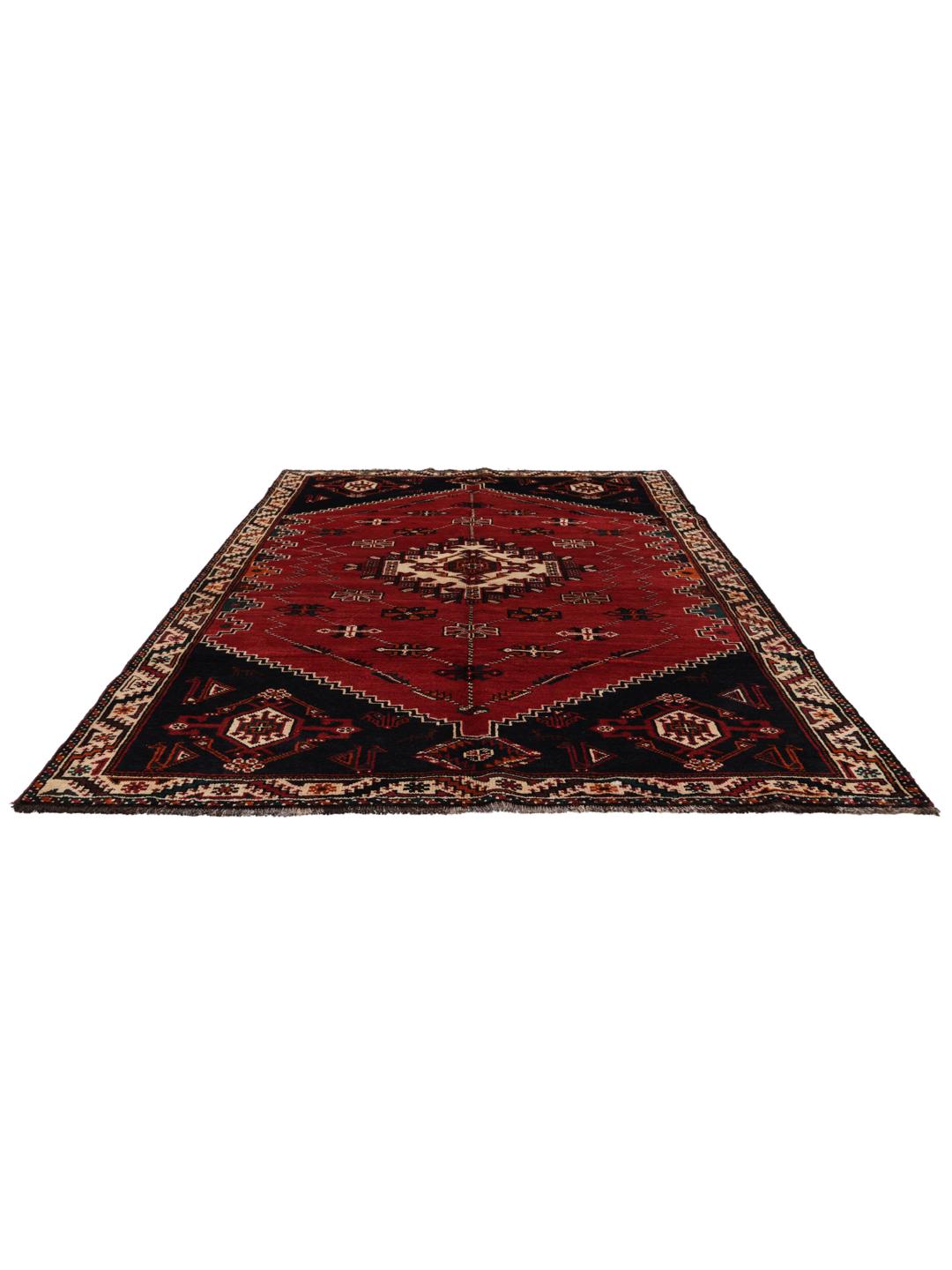
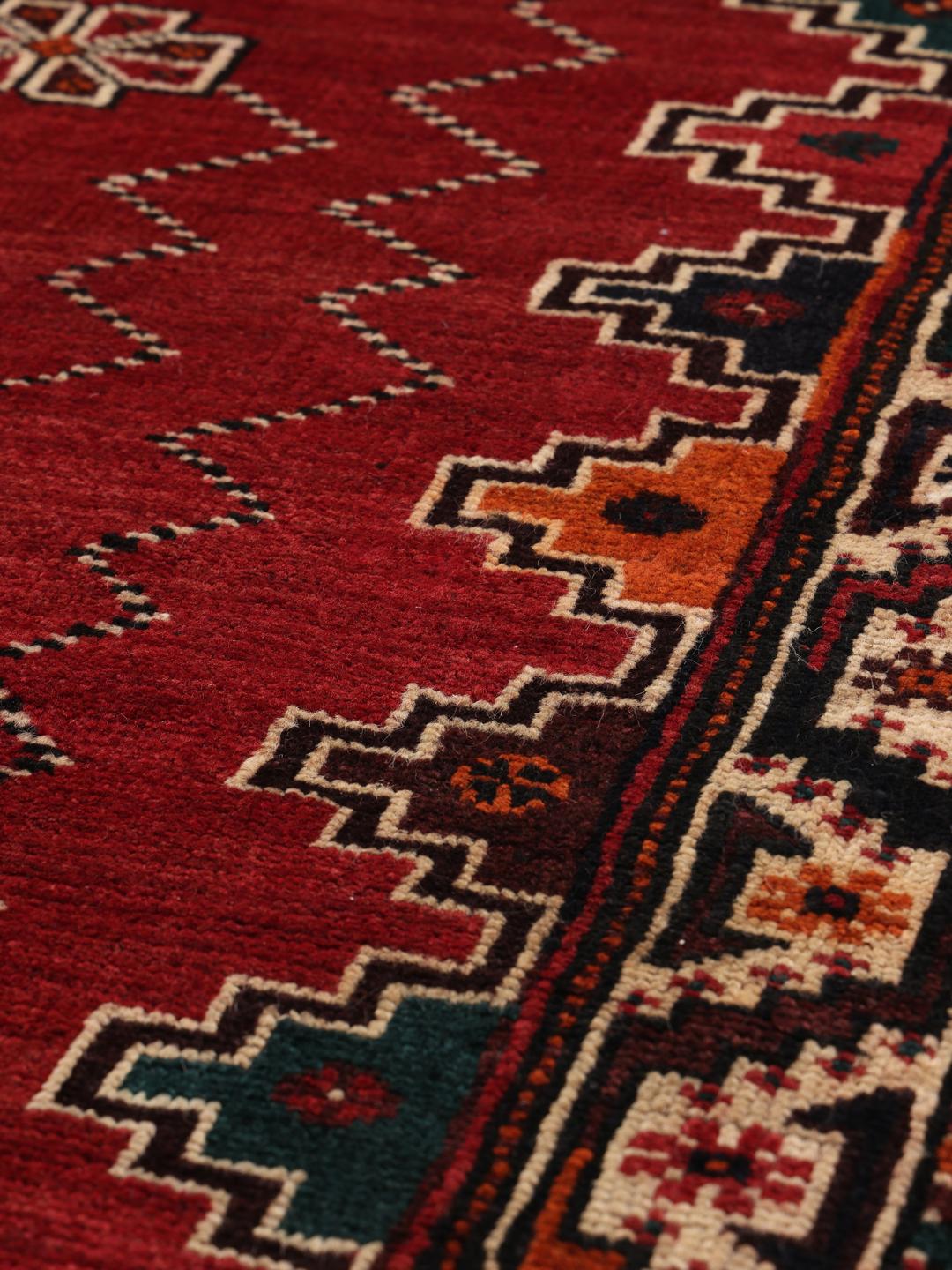
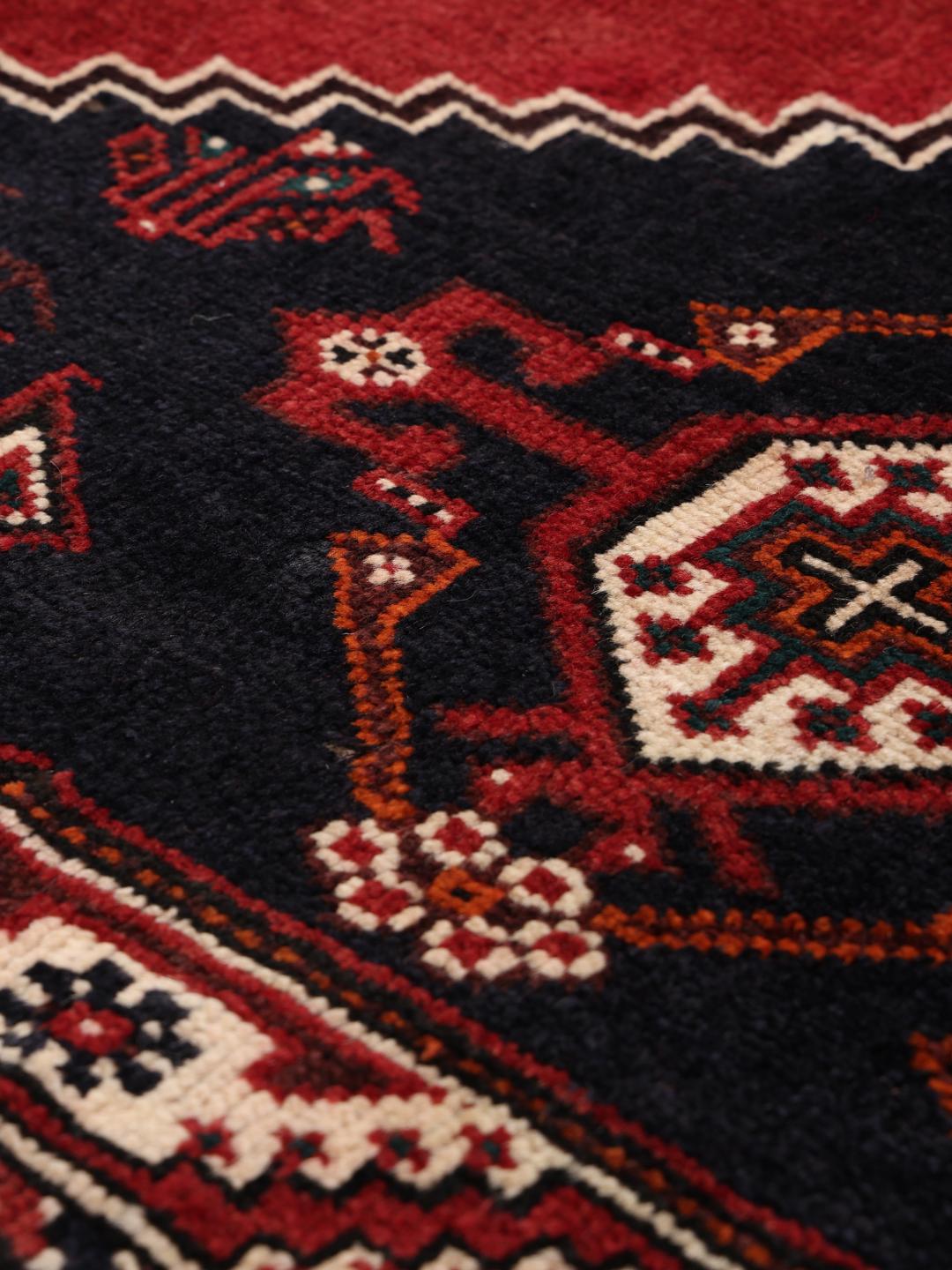
Shiraz rugs originate from the Fars province in the Middle East, a region with a long and vibrant history of nomadic and semi-nomadic weaving. These rugs are traditionally produced by tribal groups, such as the Qashqai, who have passed down their design language through generations. The patterns often reflect the landscape and cultural identity of the weavers, resulting in highly expressive and authentic works of art.
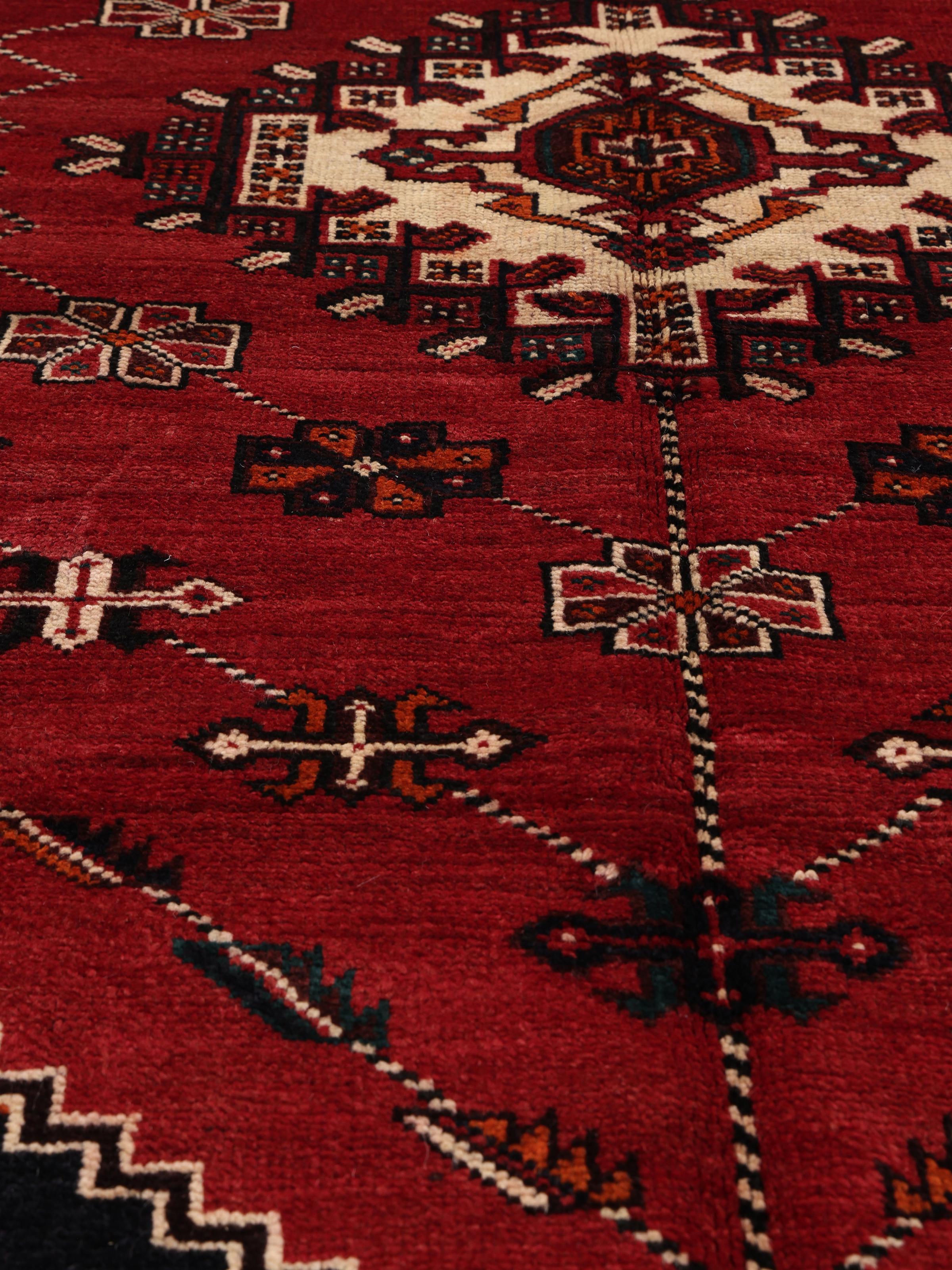
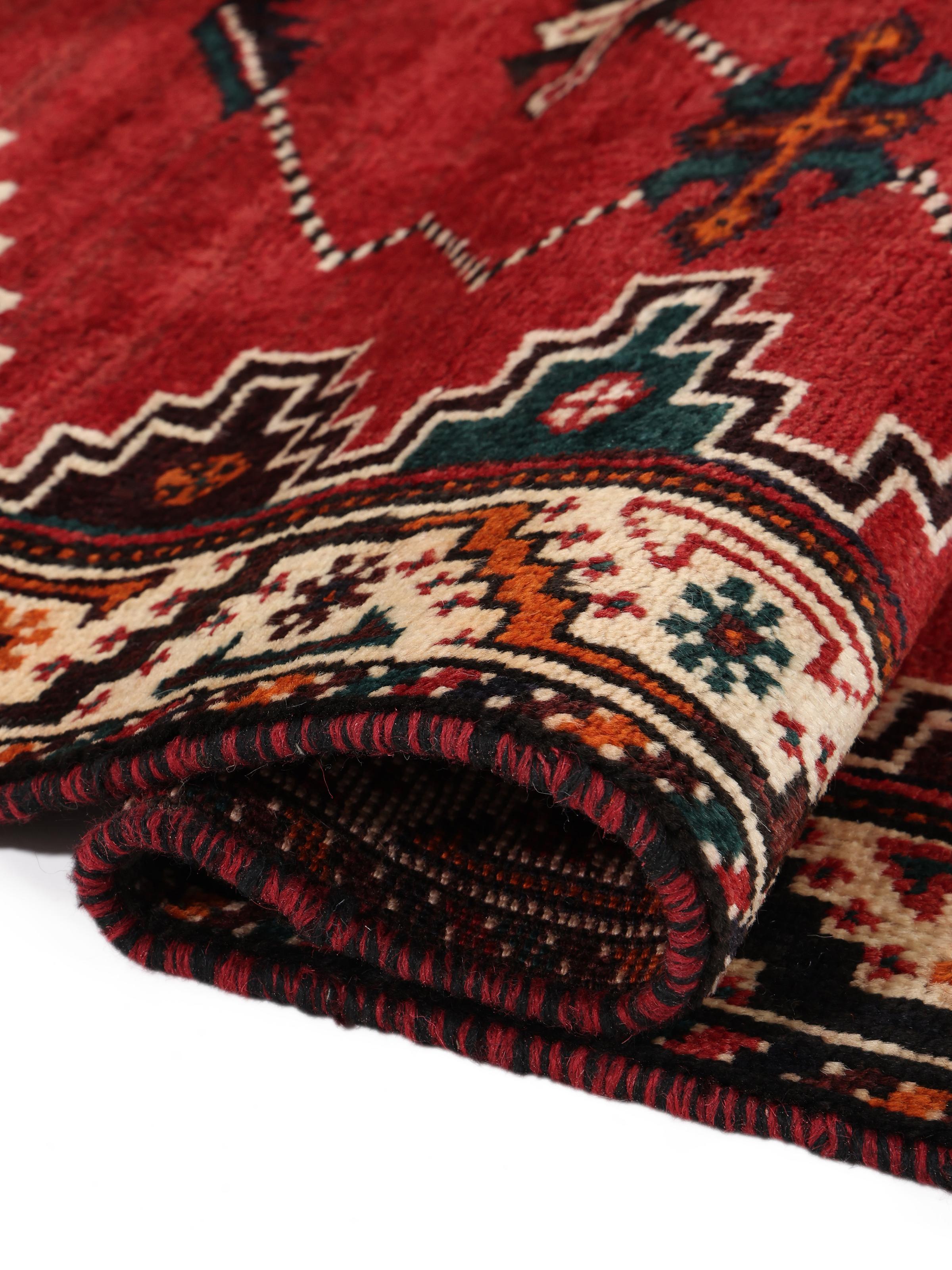
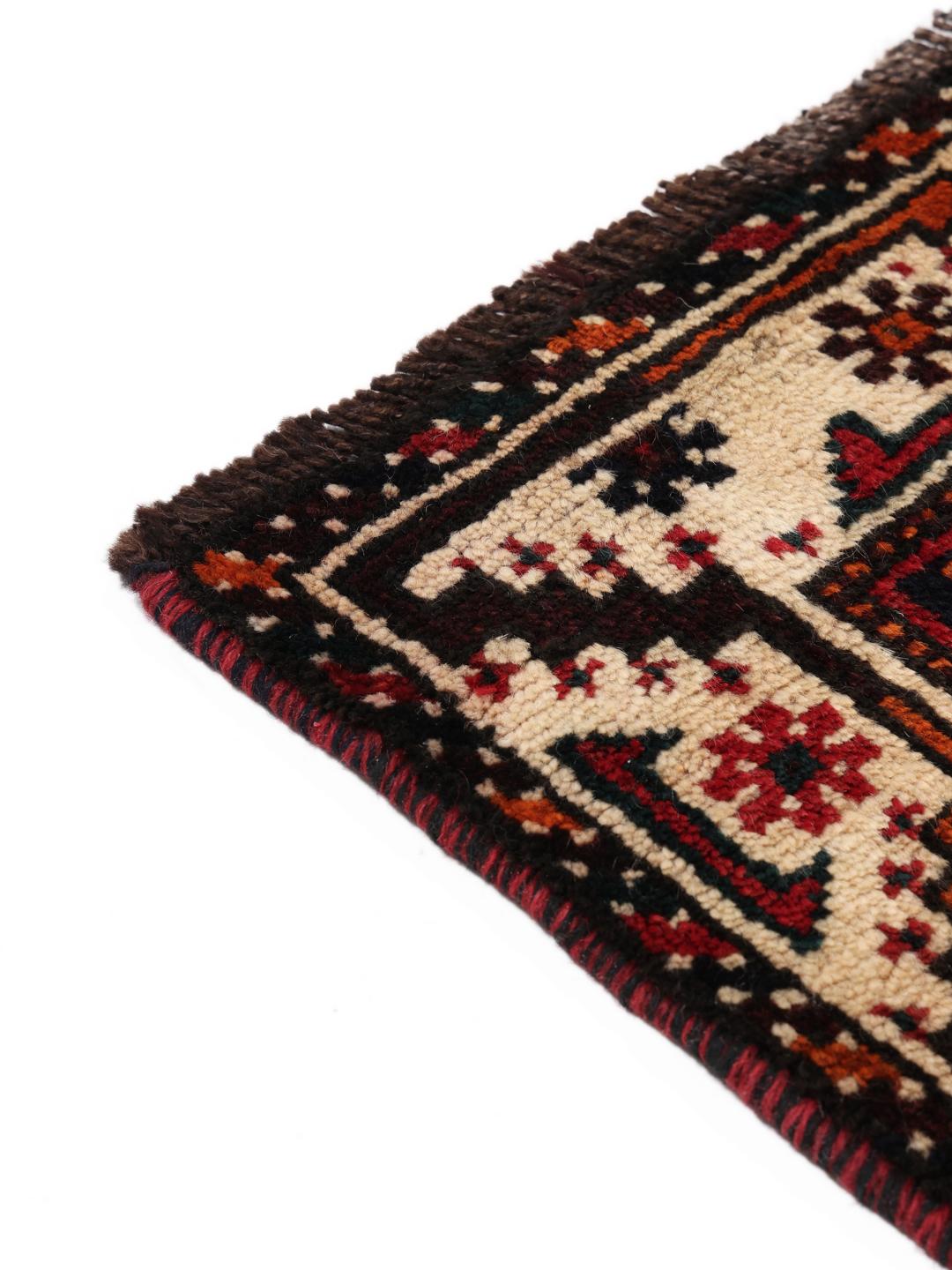
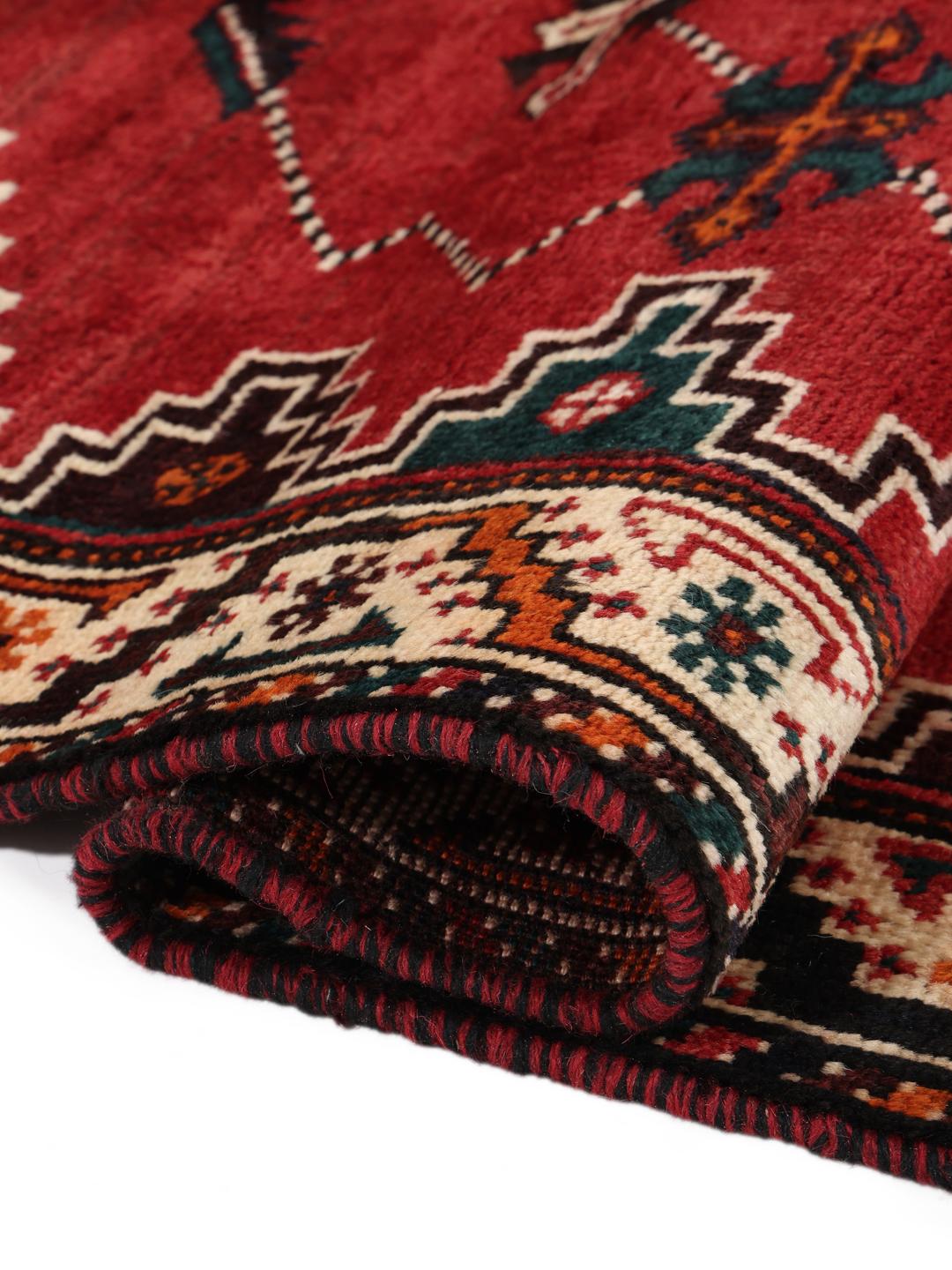
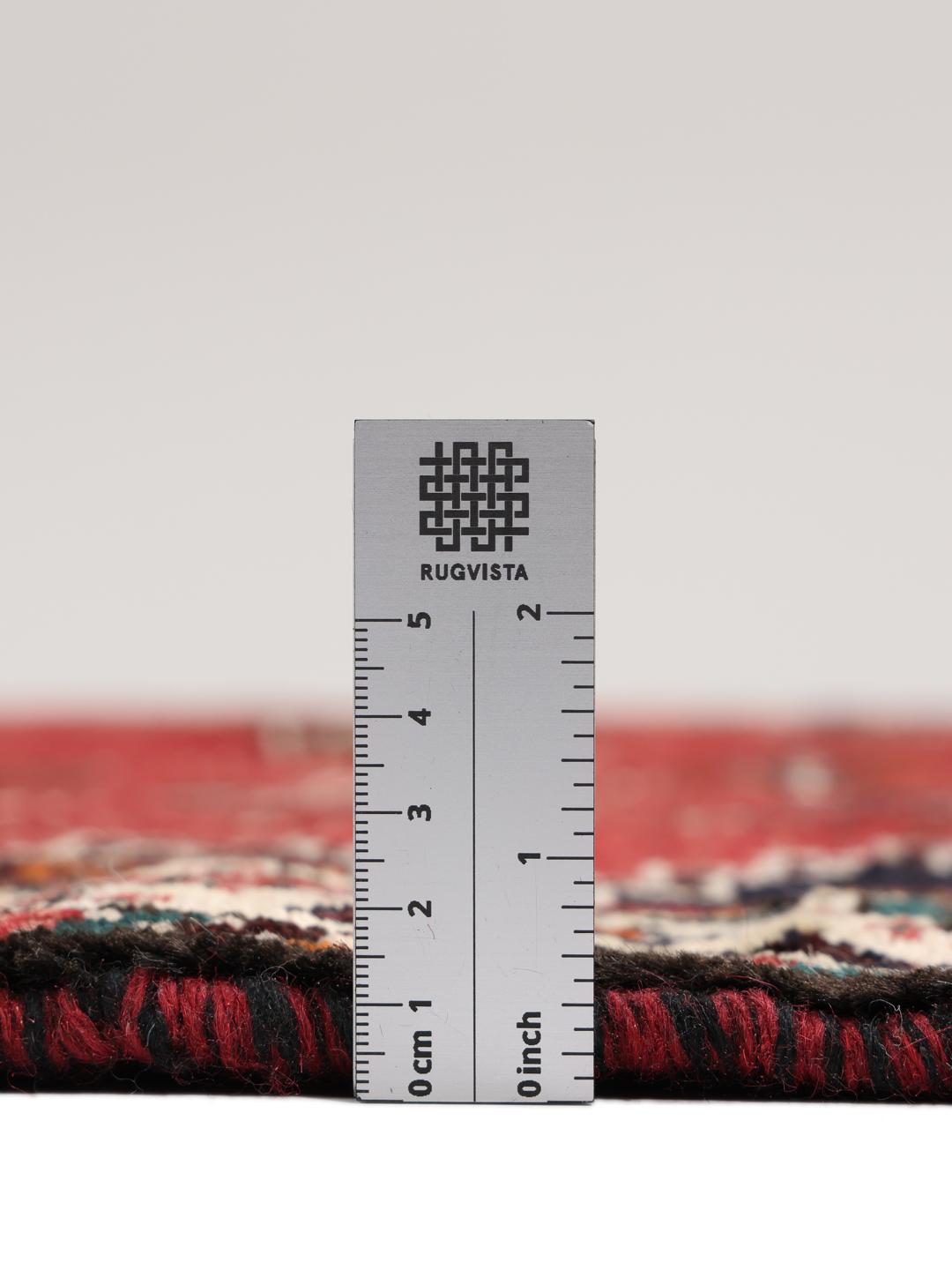
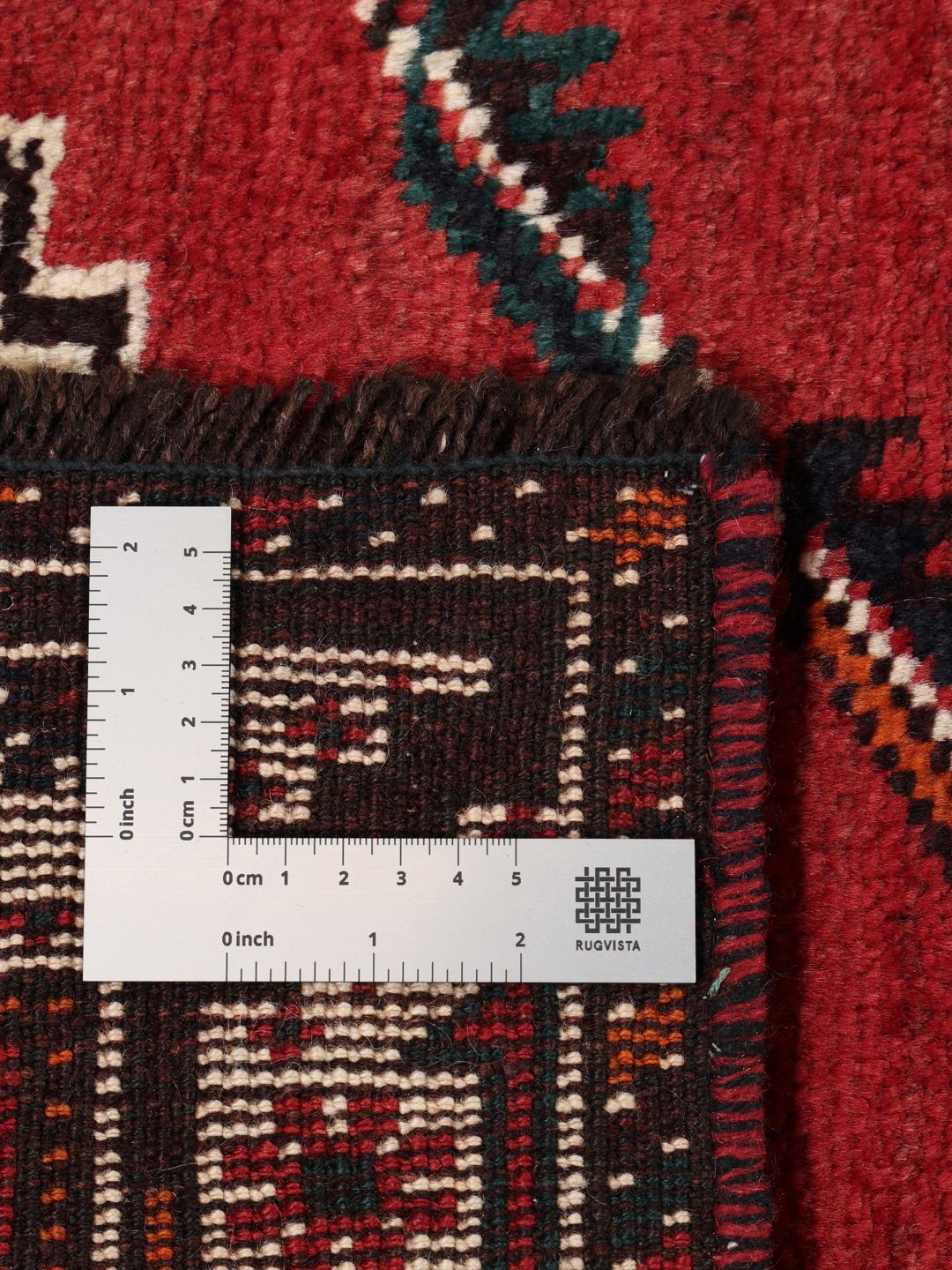
The craft of these rugs is defined by their unique construction, which often includes a Wool foundation. This material choice is practical for nomadic life, as it provides a sturdy, flexible, and long-lasting base that can withstand the rigours of travel and heavy use. The use of Wool throughout ensures a consistent texture and a rich, saturated colour absorption that deepens as the rug ages.
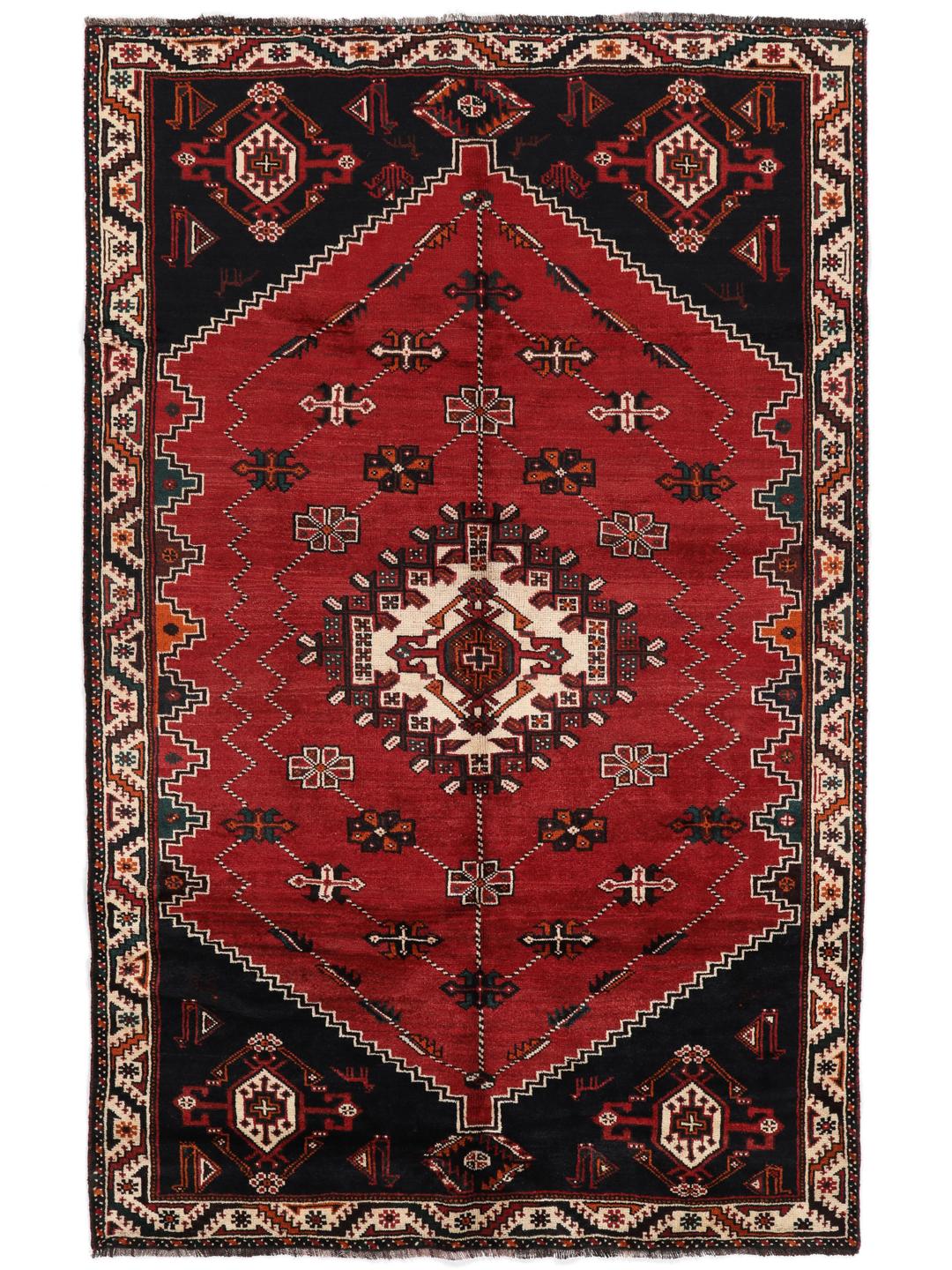
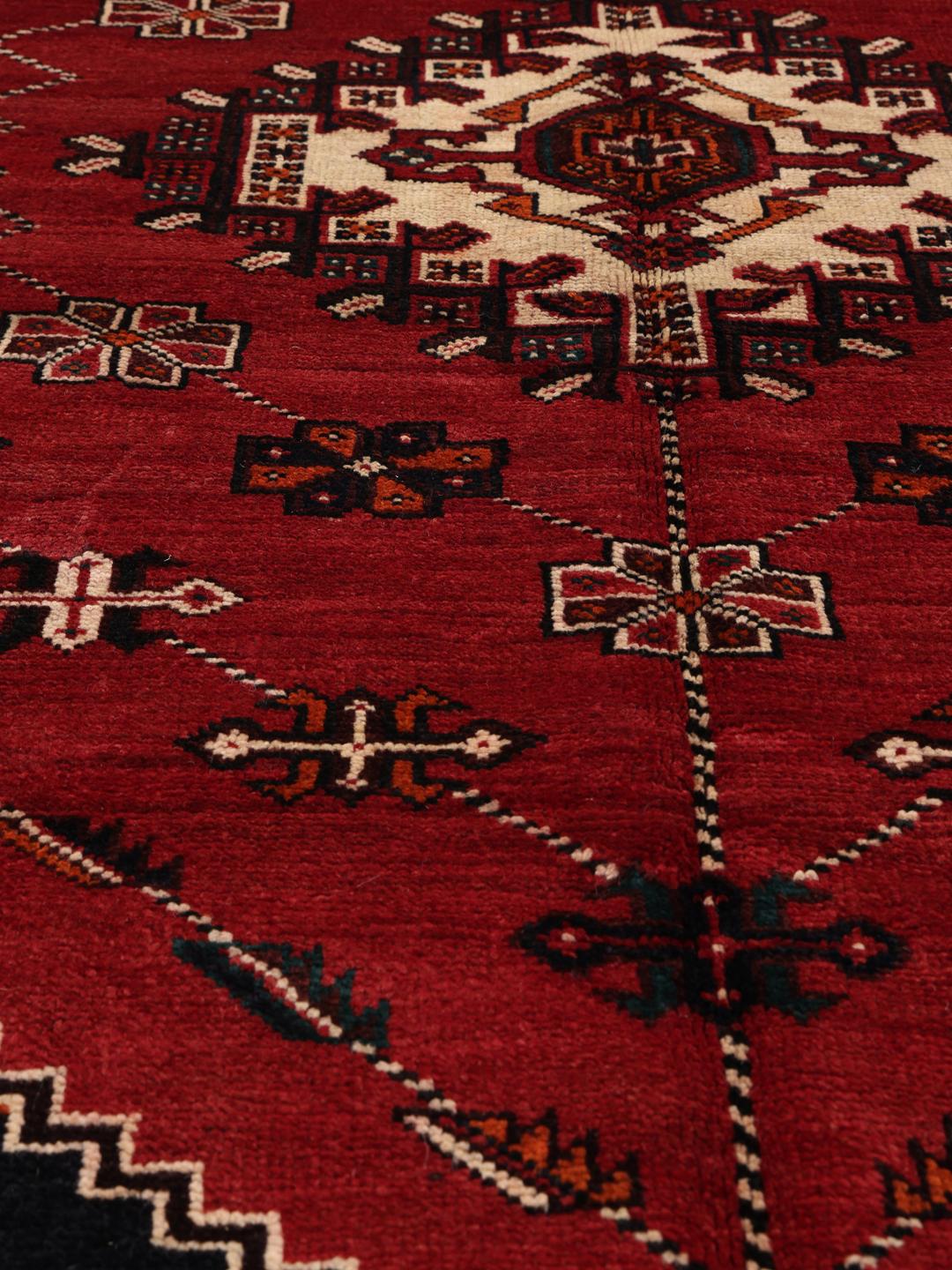
Visually, these rugs are known for their geometric vocabulary, which frequently includes stylized floral elements, birds, and the iconic central medallion. Unlike the formal, symmetrical designs found in urban centres, these tribal pieces often feature delightful irregularities and spontaneous motifs that tell a story of the weaver's inspiration in the moment, making each example visually distinct.
Collecting these rugs is an investment in cultural heritage and human skill. They are valued not just for their aesthetic appeal, but for the connection they offer to a way of life that prizes community, tradition, and creative expression. By bringing such a piece into your home, you are preserving a craft tradition that has been perfected over centuries.