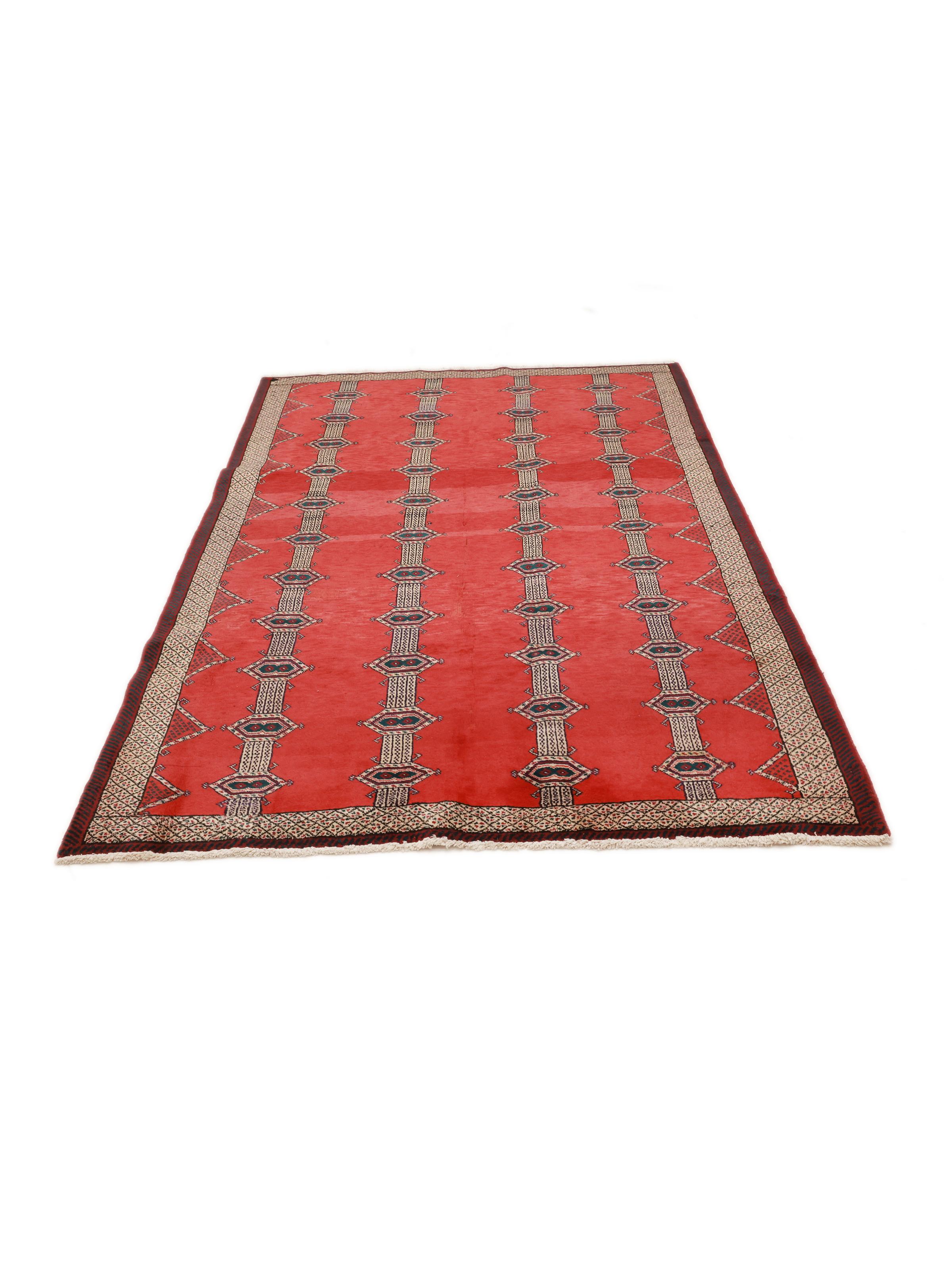
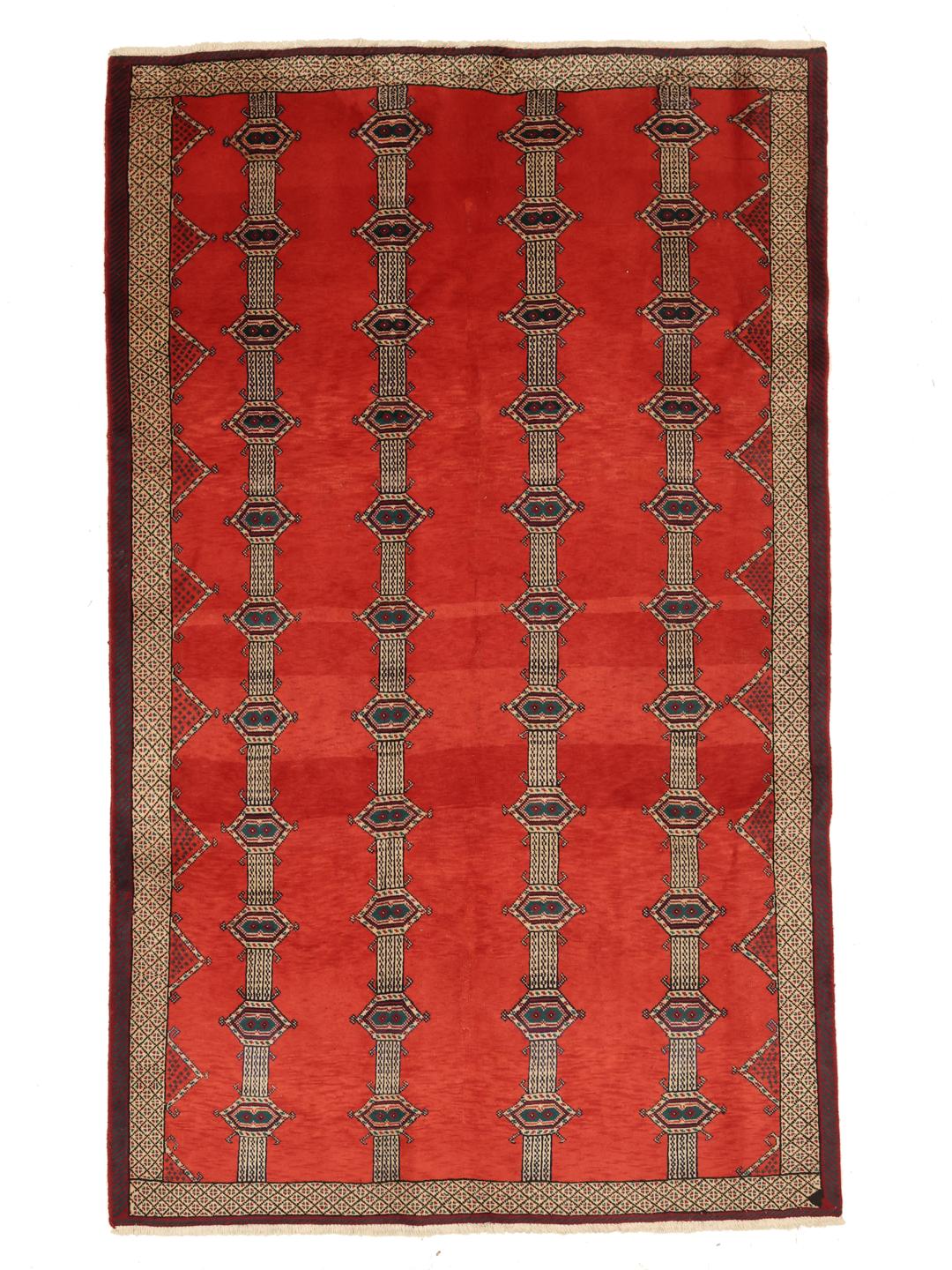
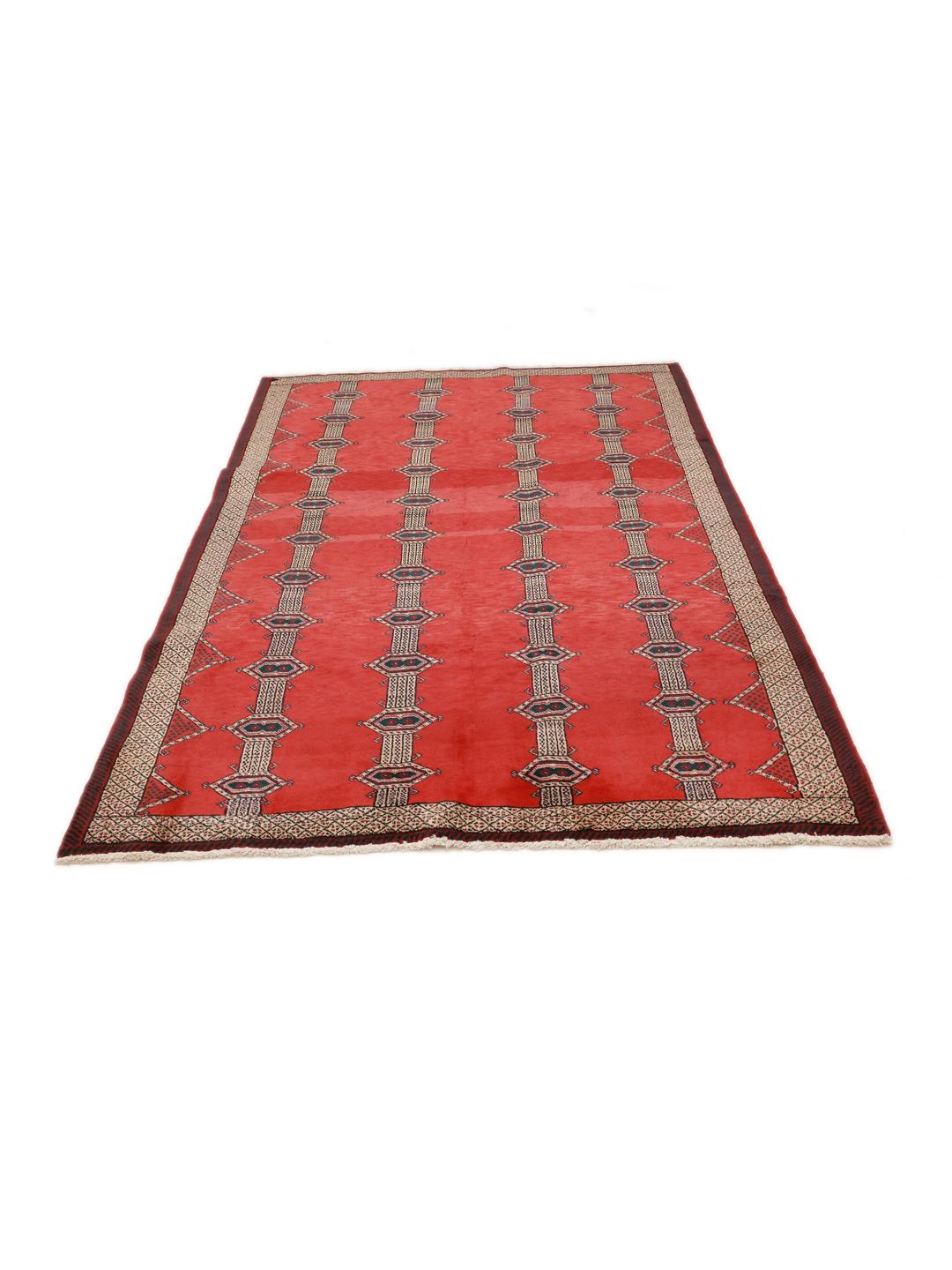
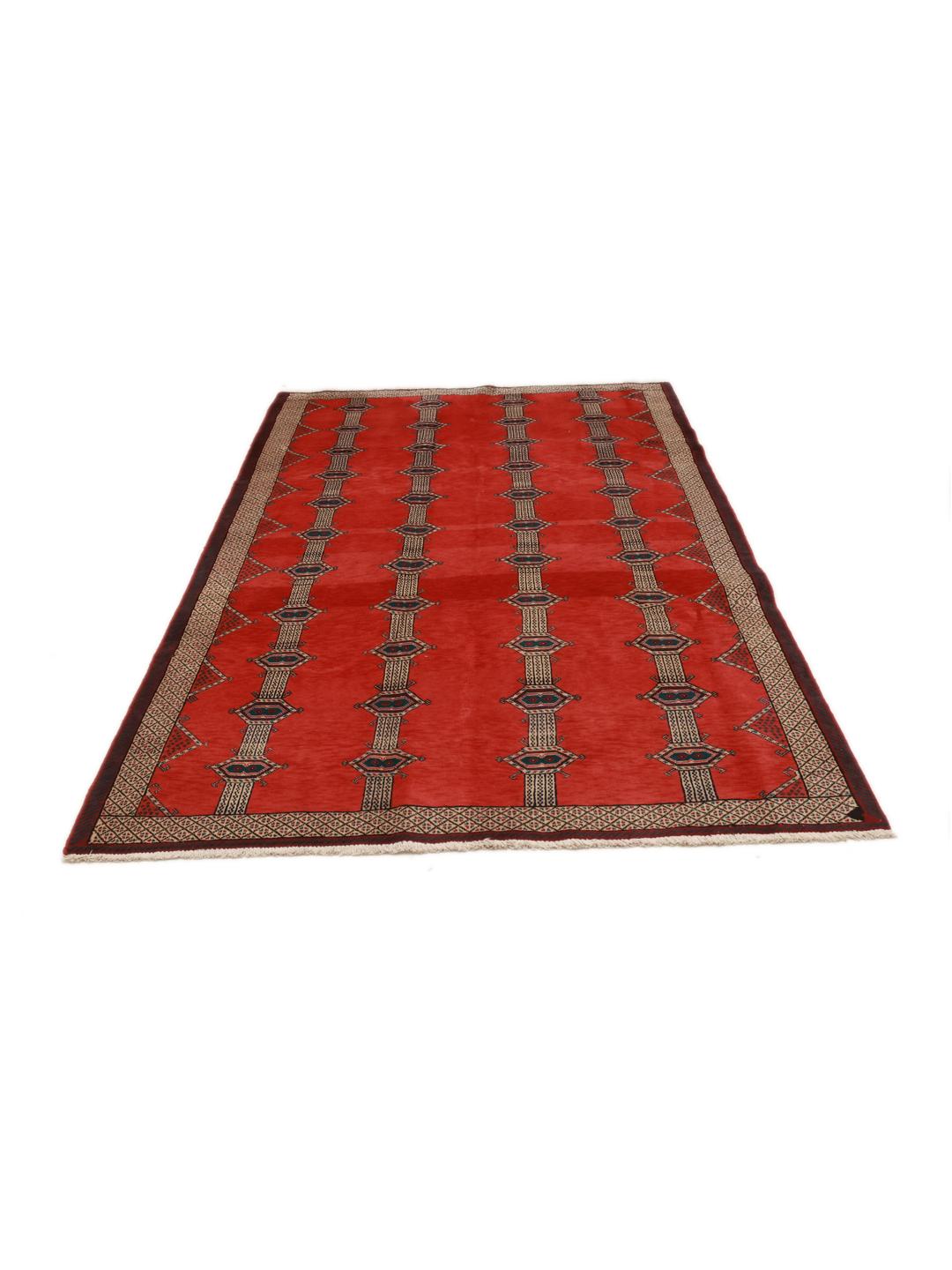
Shiraz rugs originate from the Fars province in the Middle Eastern region, a territory historically associated with nomadic and semi-nomadic tribes. These rugs are deeply connected to the daily lives and cultural narratives of the Qashqai and other tribal groups who have migrated through these rugged landscapes for centuries. The tradition of weaving in this area is not merely an industry but a way of preserving the artistic identity of the tribes.
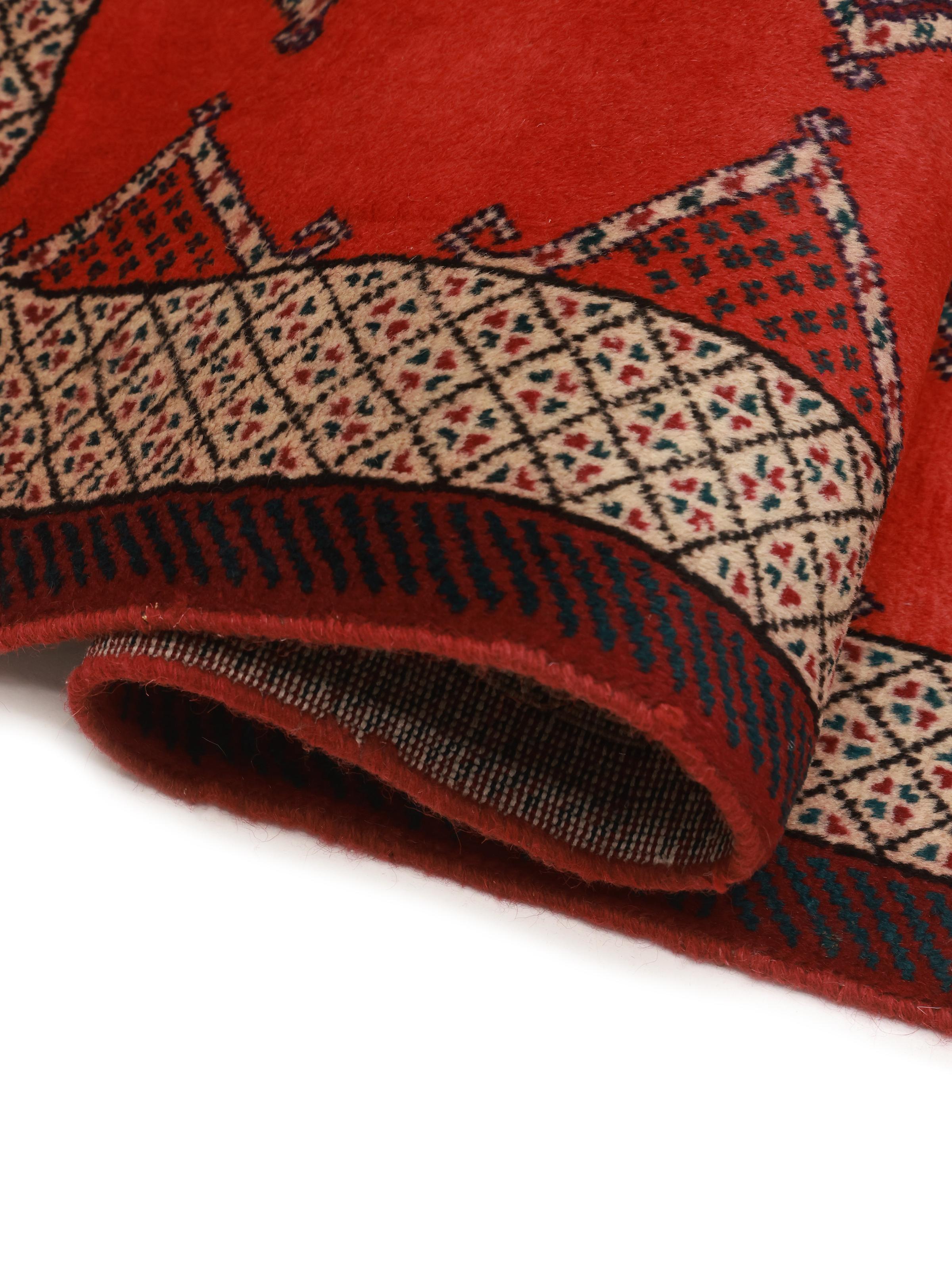
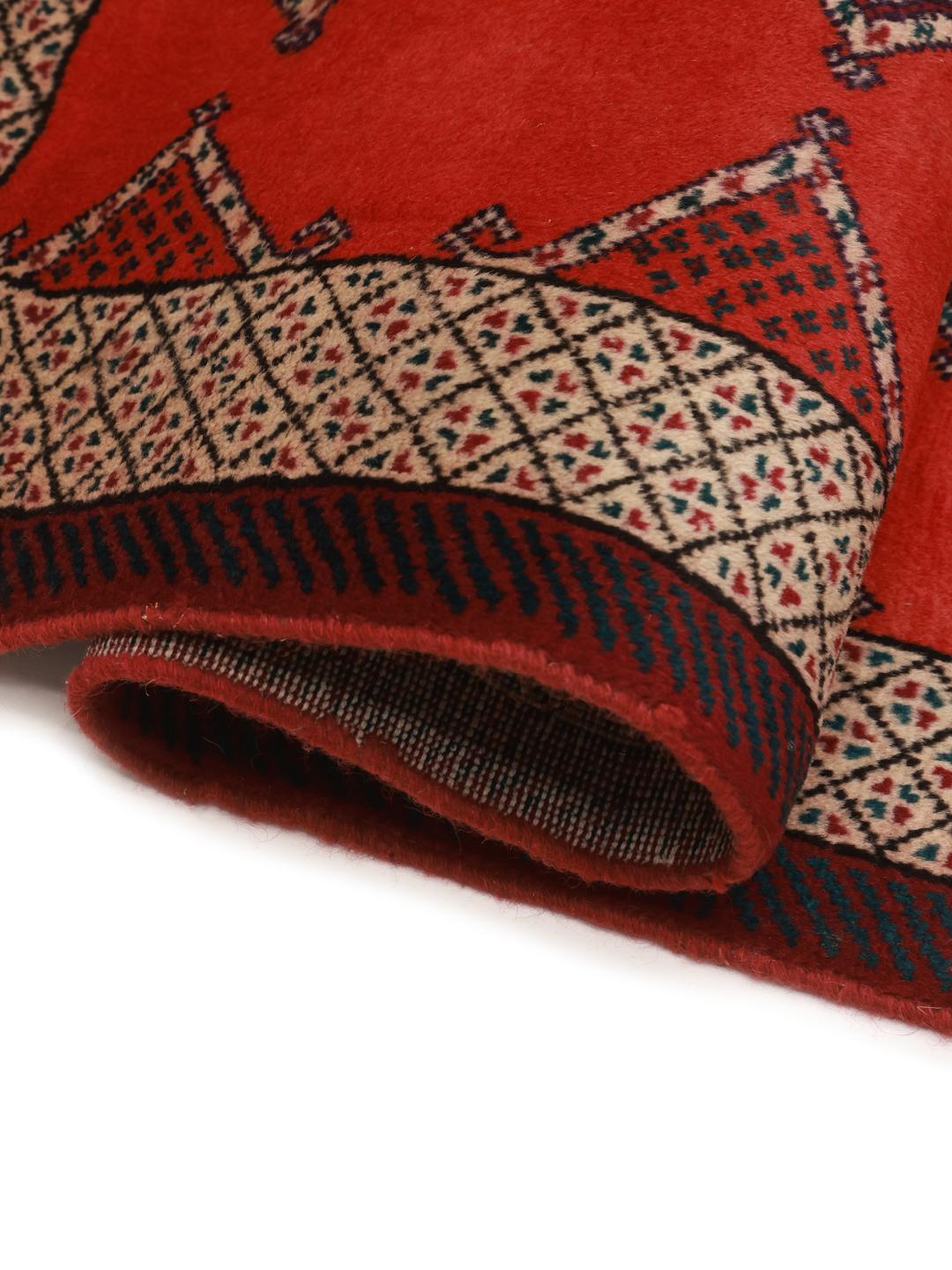
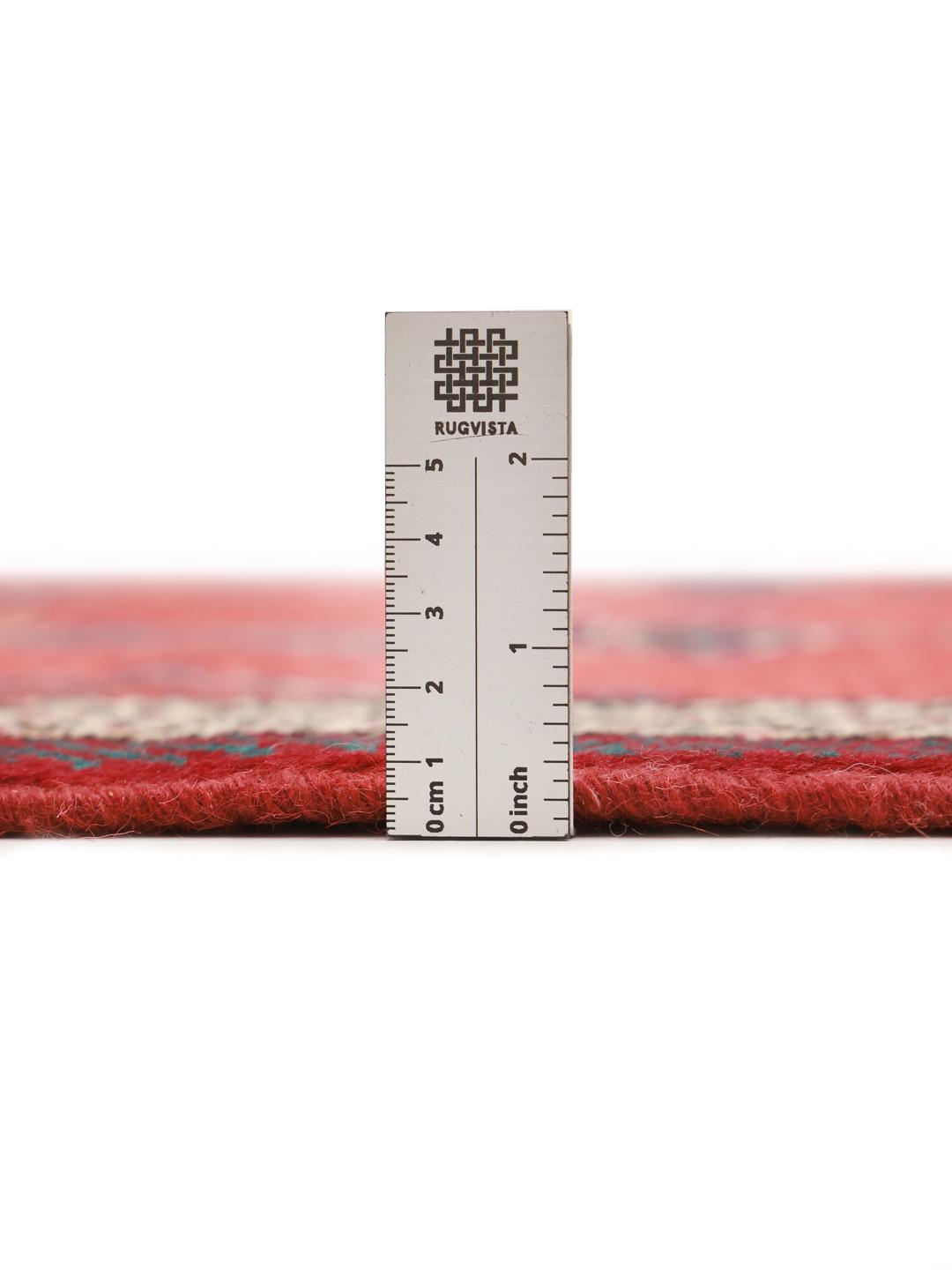
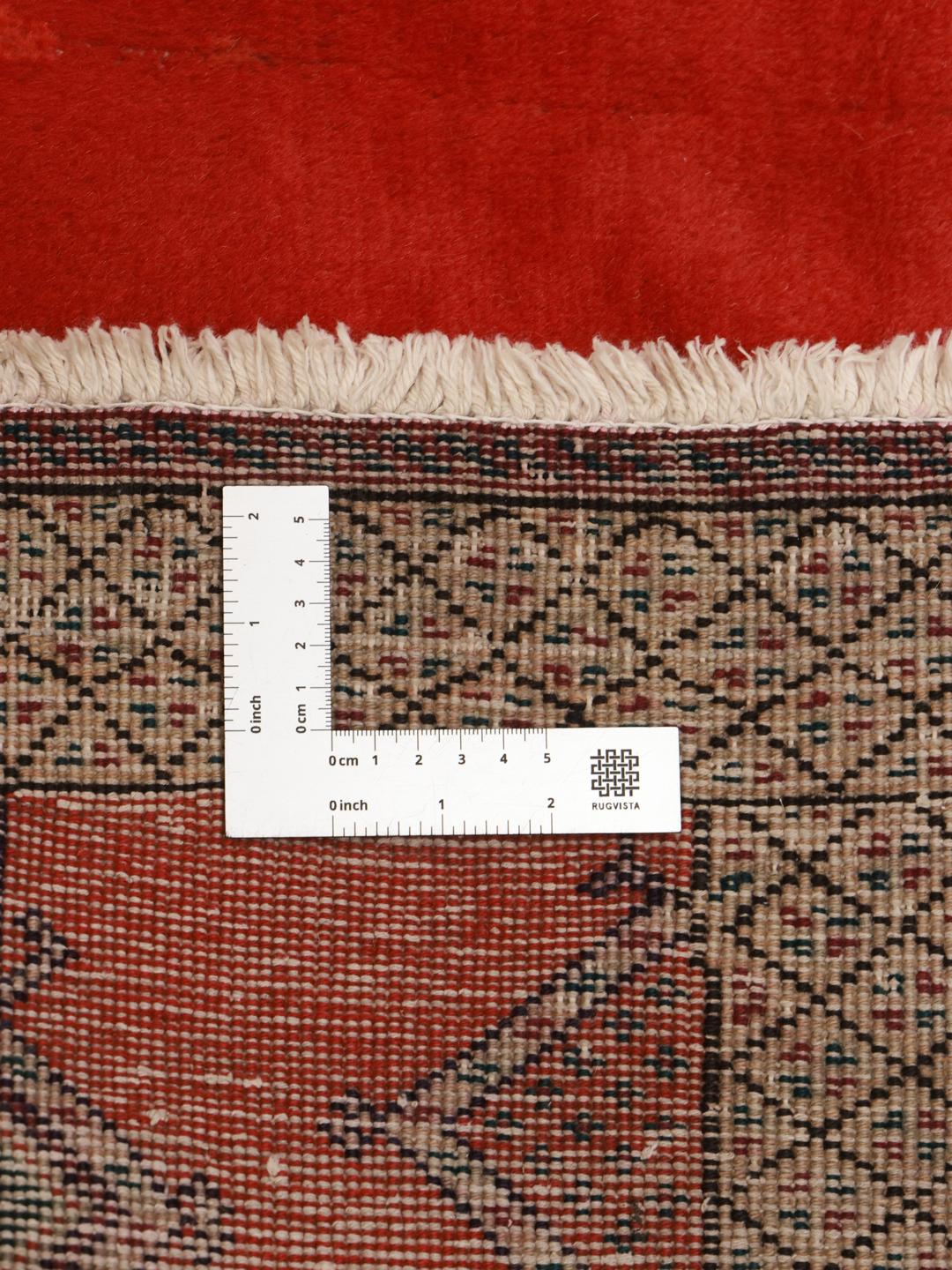
Technically, Shiraz rugs are known for their sturdy construction. Often woven on vertical or horizontal looms, the artisans utilise wool for the pile, weft, and warp, creating a balanced and robust foundation. This all-wool construction is highly prized because it ensures that the rug is both durable and capable of developing a beautiful patina as it ages, reflecting the high standards of craft passed down through generations of weavers.
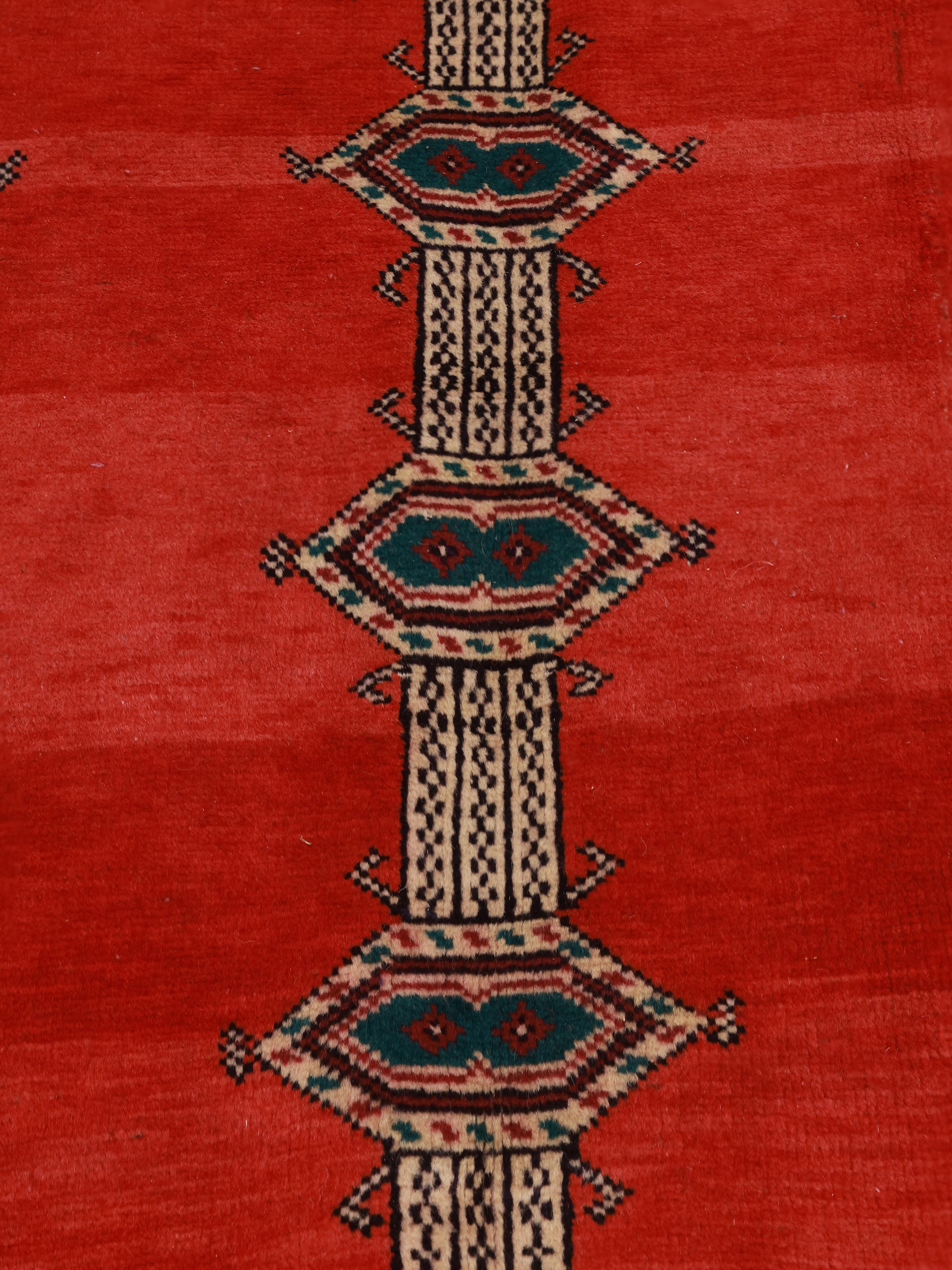
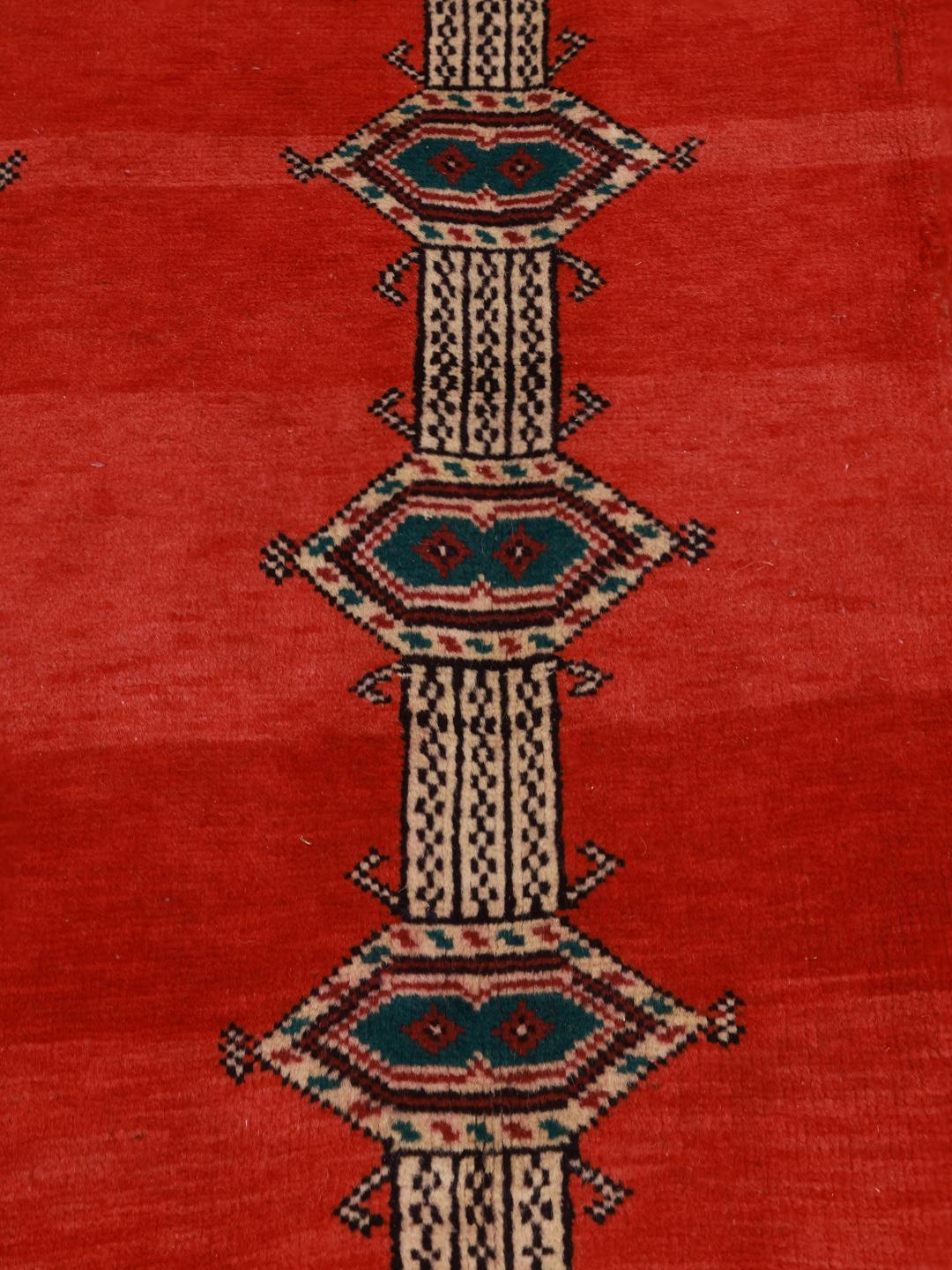
The design language of a Shiraz rug is distinctly tribal and geometric. You will frequently find stylised representations of flowers, birds, and animals, alongside the classic medallion and repeating diamond motifs. The borders are typically decorated with complex, repeating patterns that frame the field. Because these rugs are traditionally woven from memory rather than a set template, the designs often feature spontaneous, creative flourishes that make each rug a unique document of the weaver's imagination.
Collectors value Shiraz rugs for their authenticity and the human story they carry. They are seen as a bridge between ancient nomadic traditions and modern home interiors. By choosing a Shiraz, you are not just acquiring a decorative item; you are supporting a lineage of craft and securing a piece of cultural heritage that has been refined by time and the hands of skilled artisans.