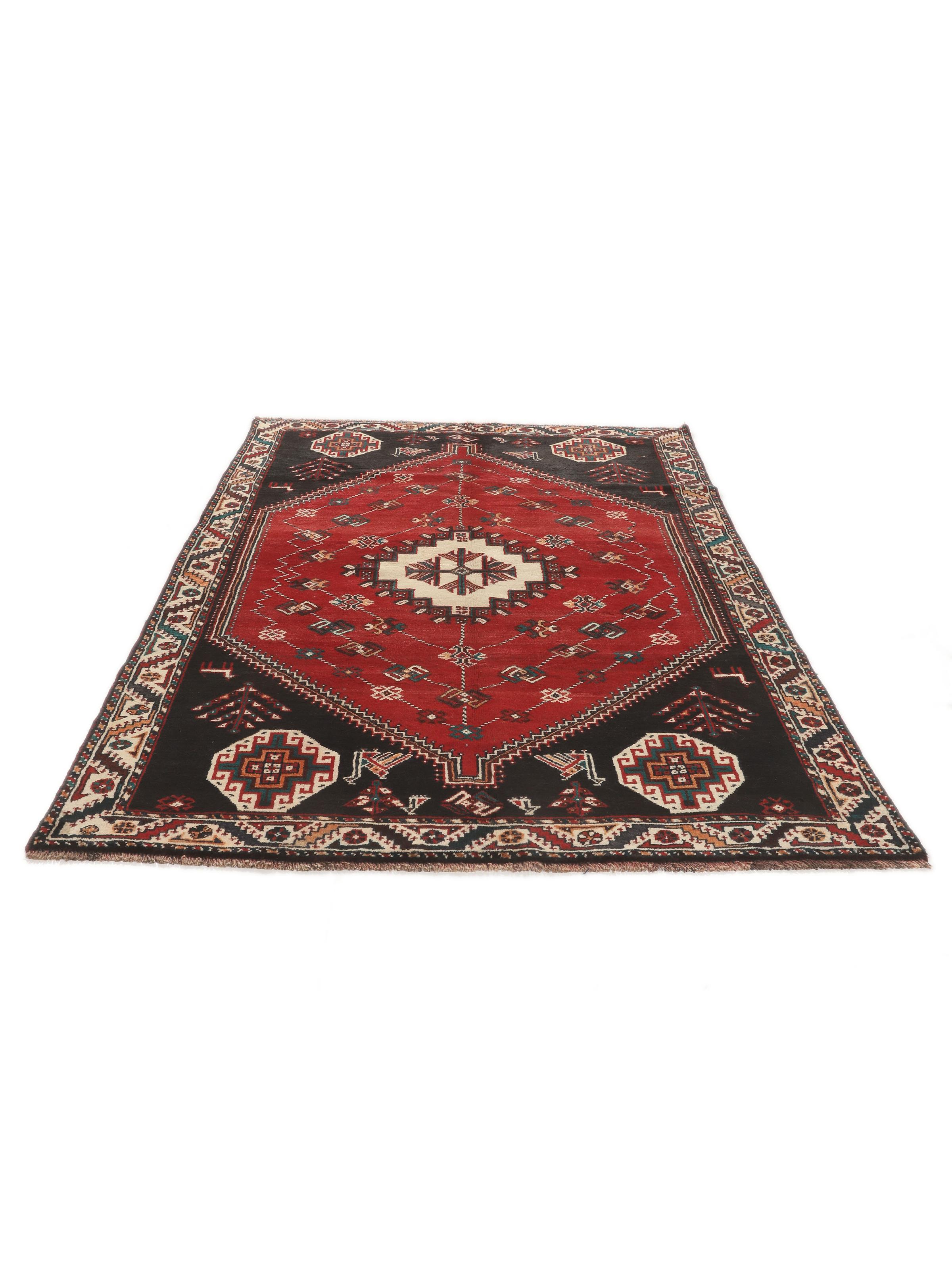
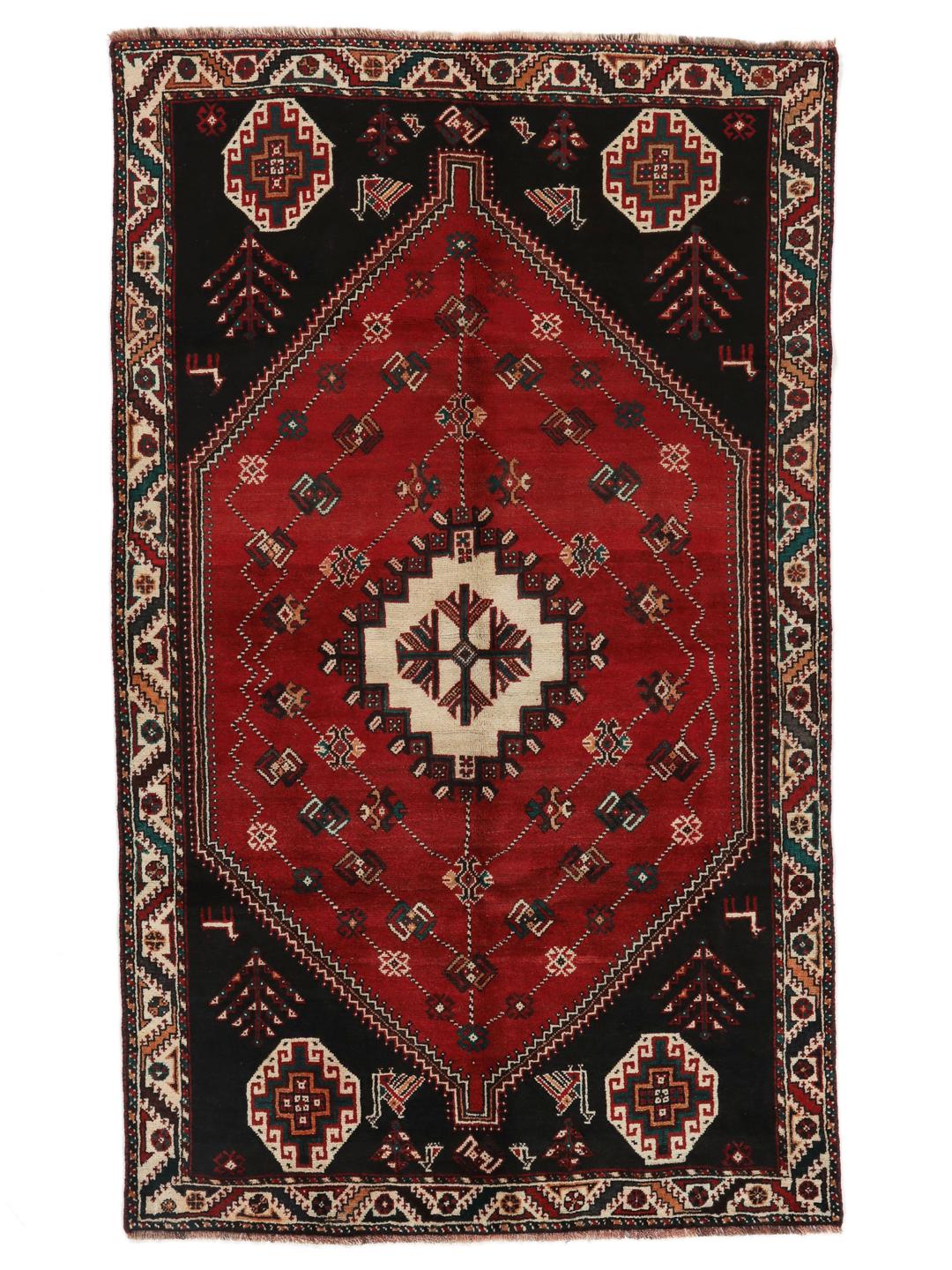
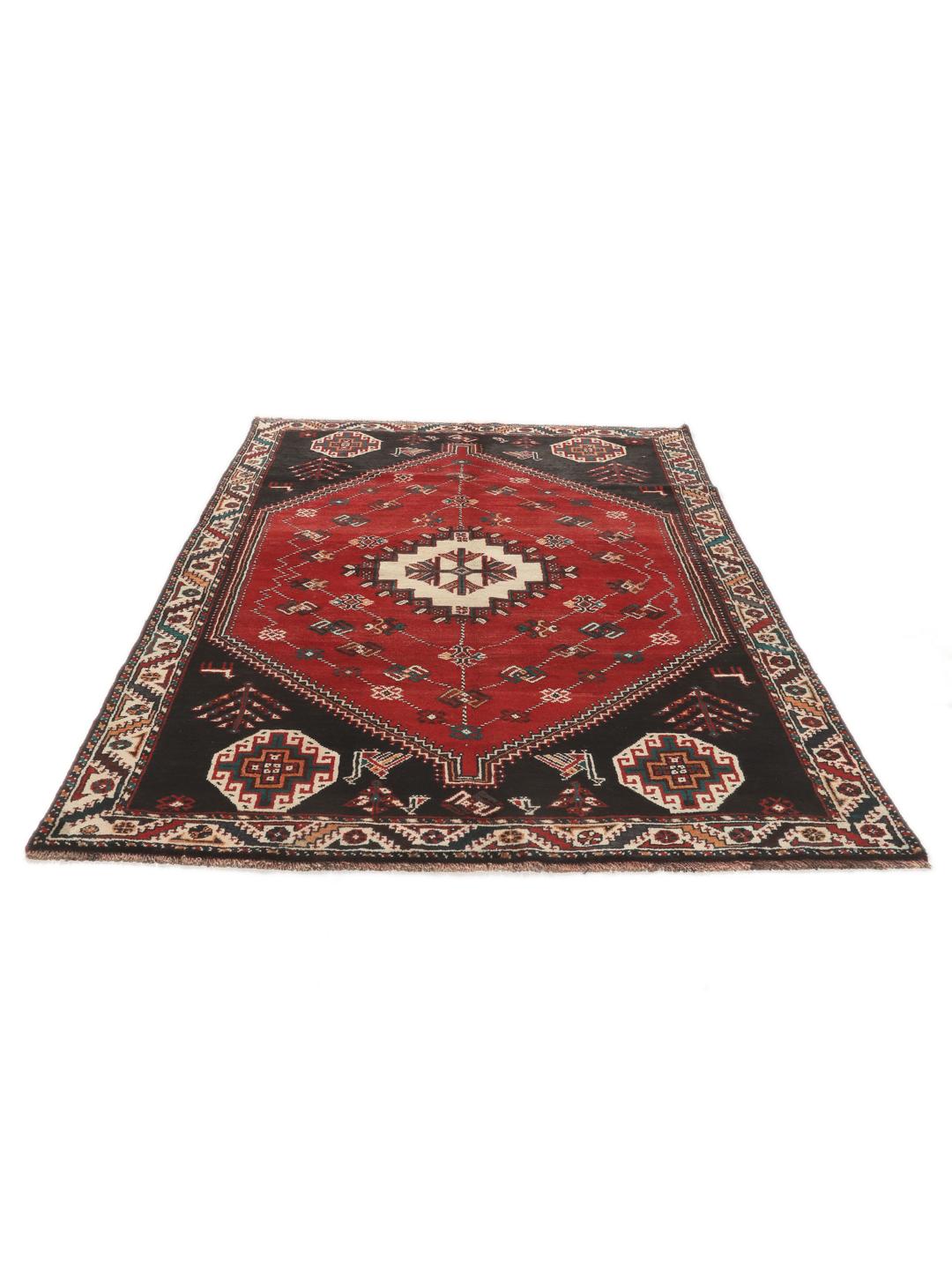
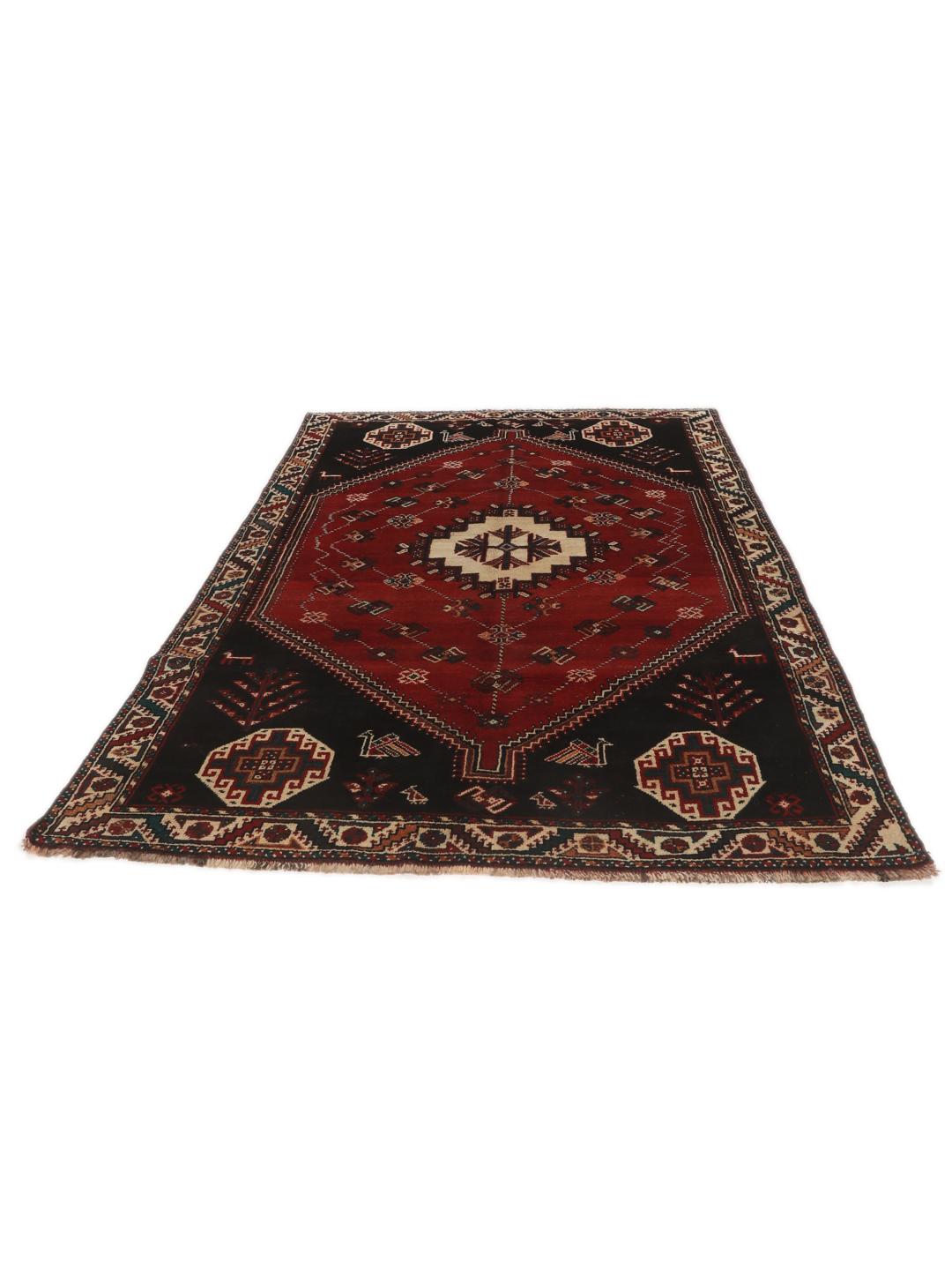
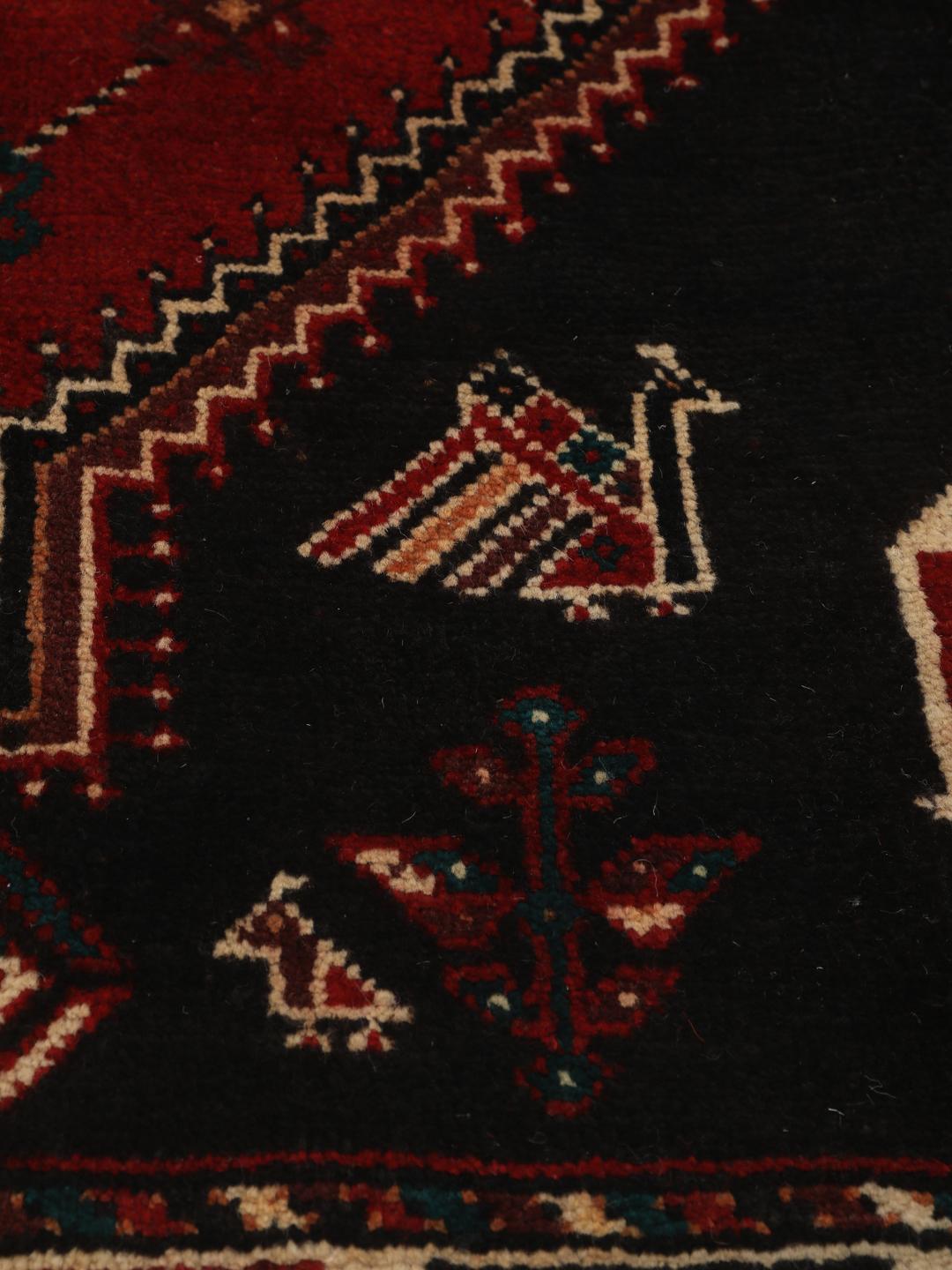
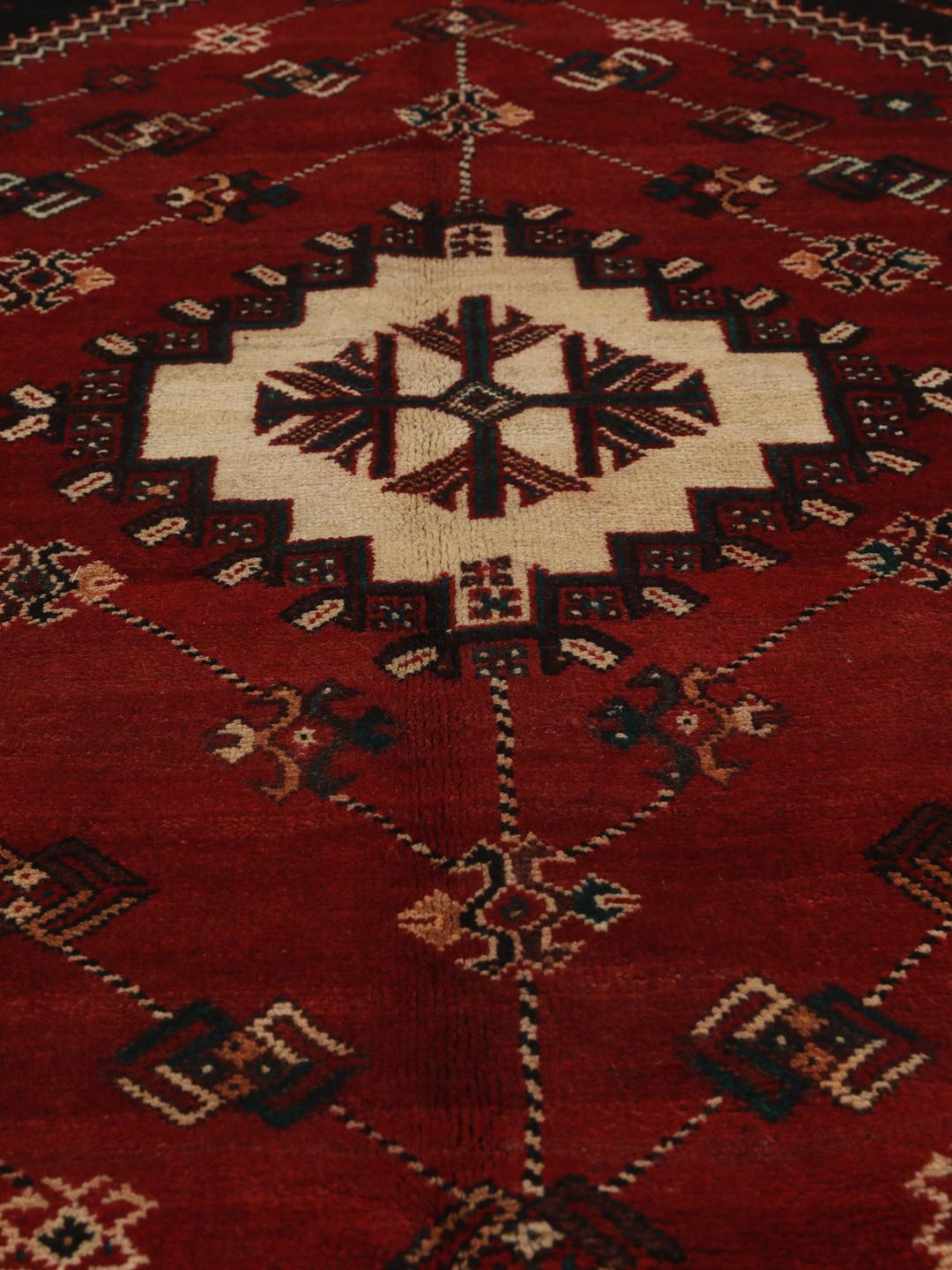
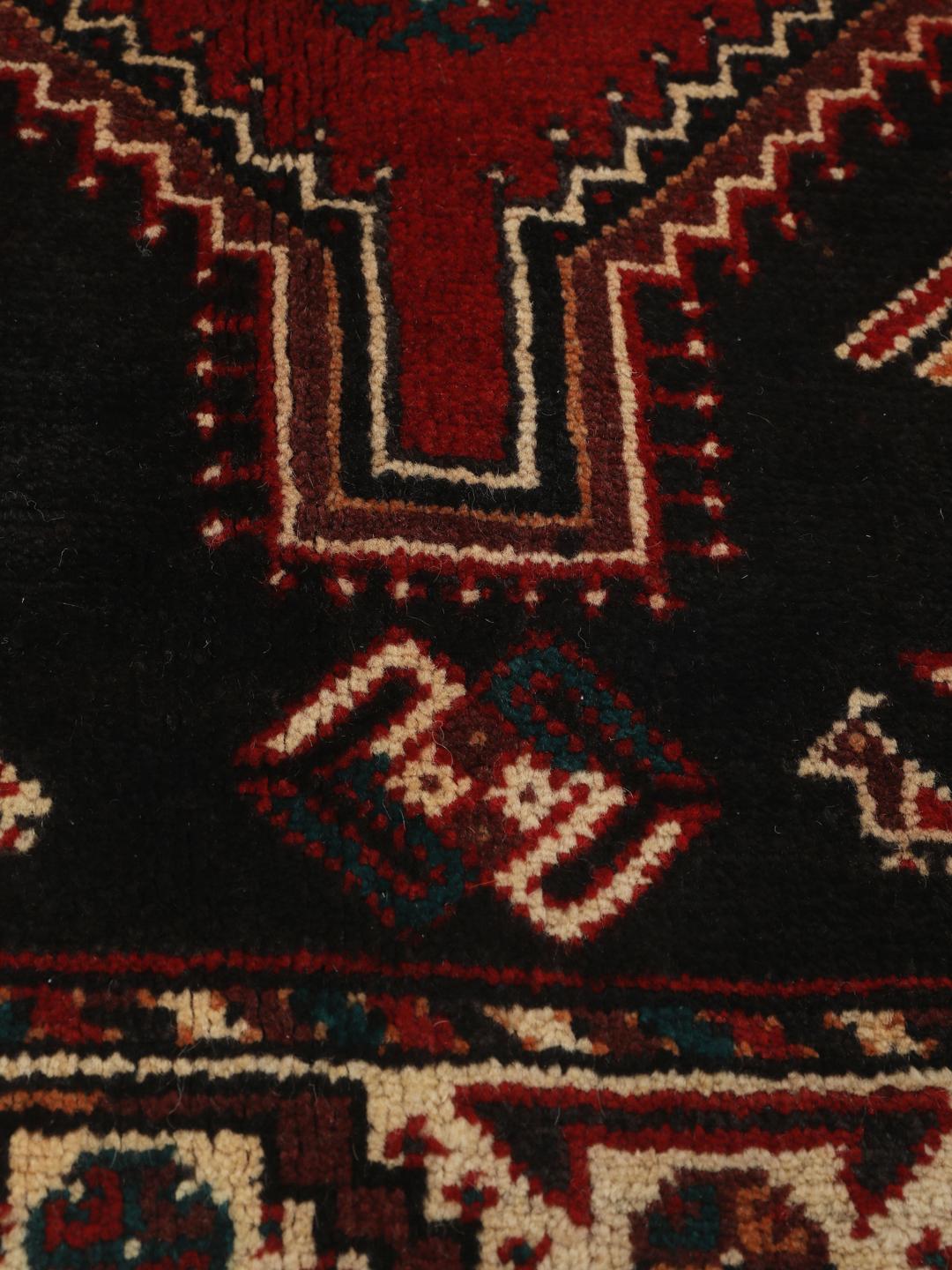
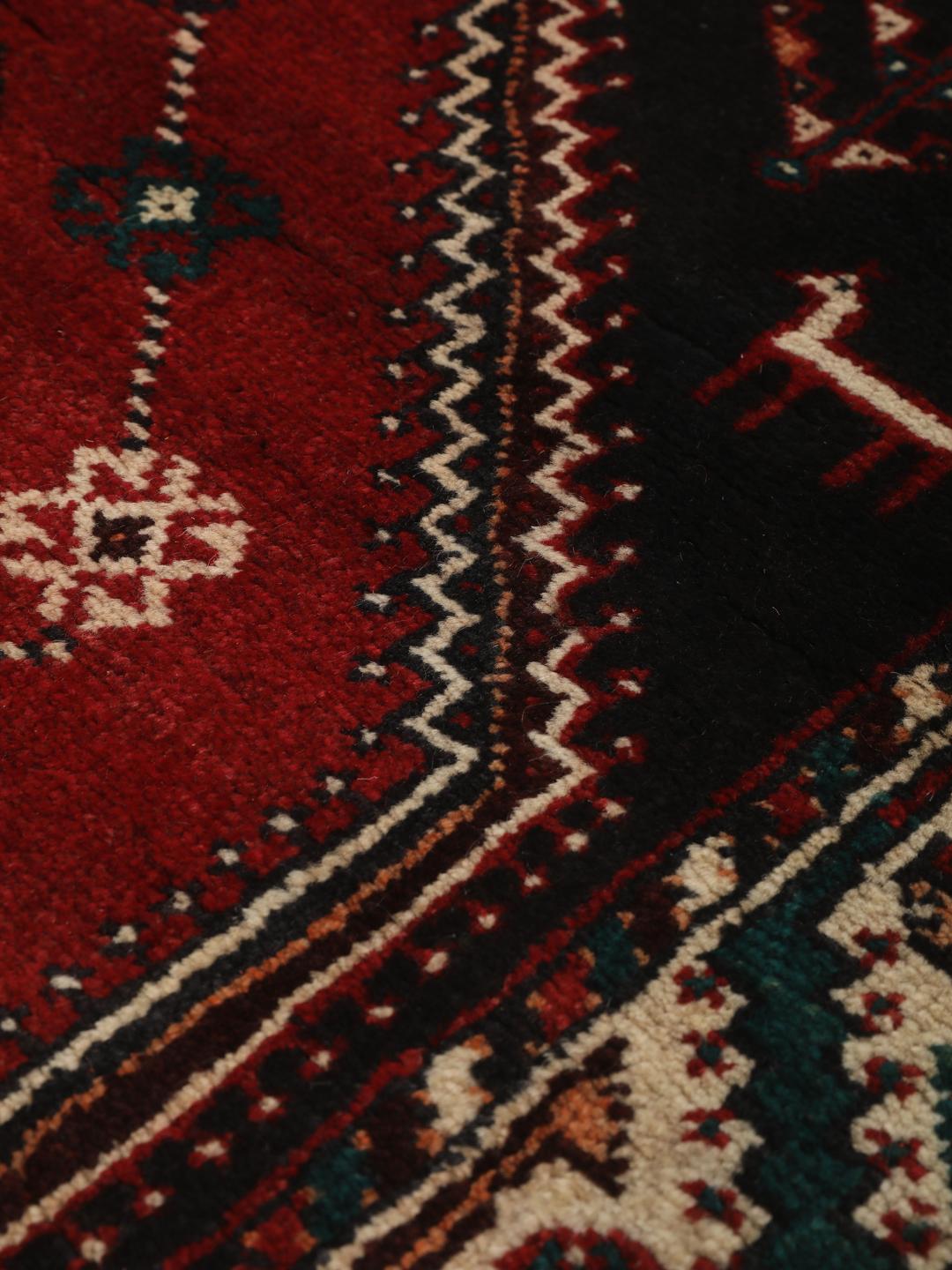
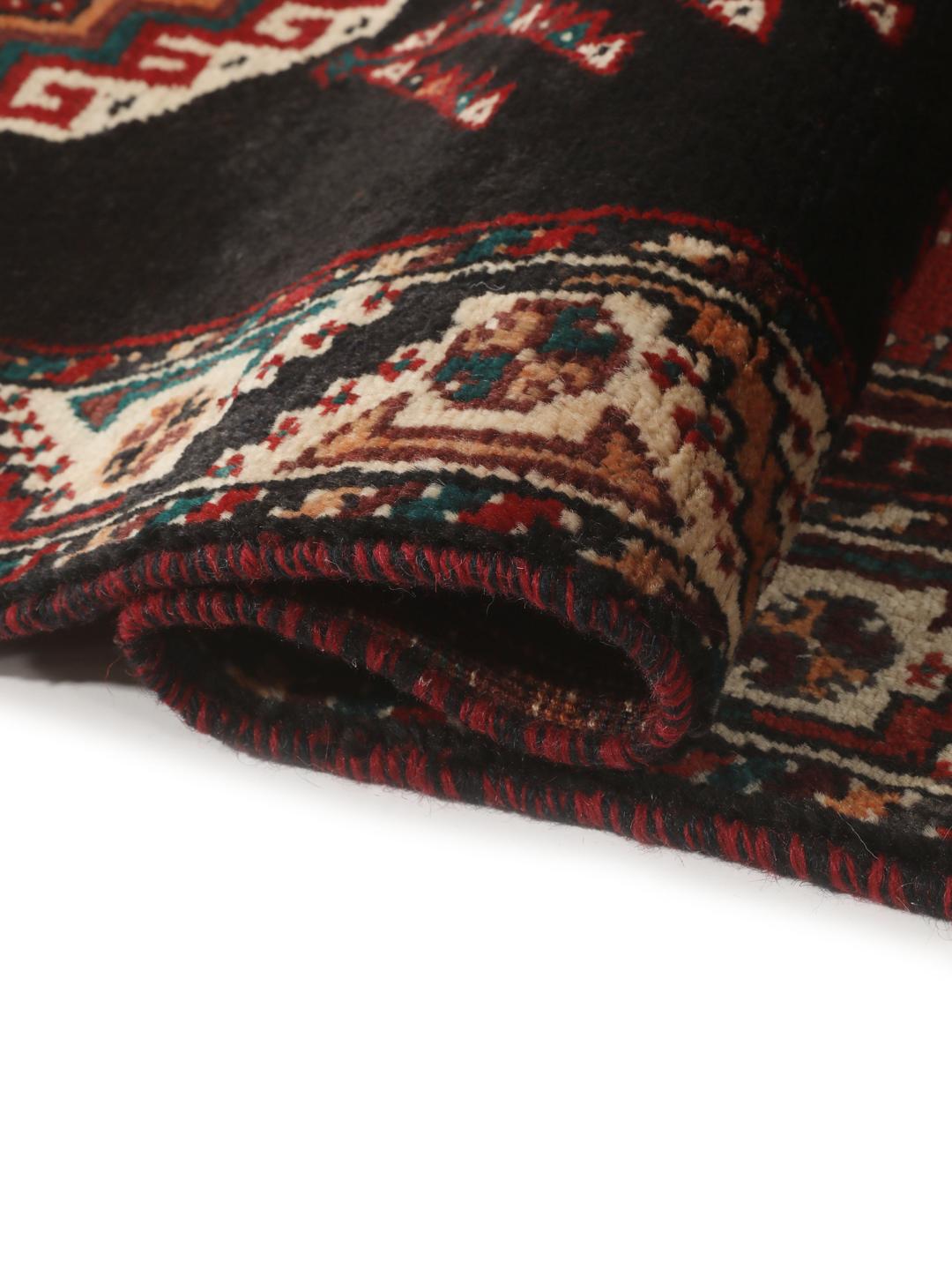
The Shiraz rug tradition originates from the Fars province in the Middle Eastern region, a land historically shaped by nomadic and semi-nomadic tribes. These rugs are not produced in large factories but are born from the lifestyles of tribal weavers who translate their environment, memories, and cultural stories into complex geometric patterns. This nomadic background gives Shiraz rugs their spontaneous, authentic character, distinct from the more formal, city-made carpets of the region.
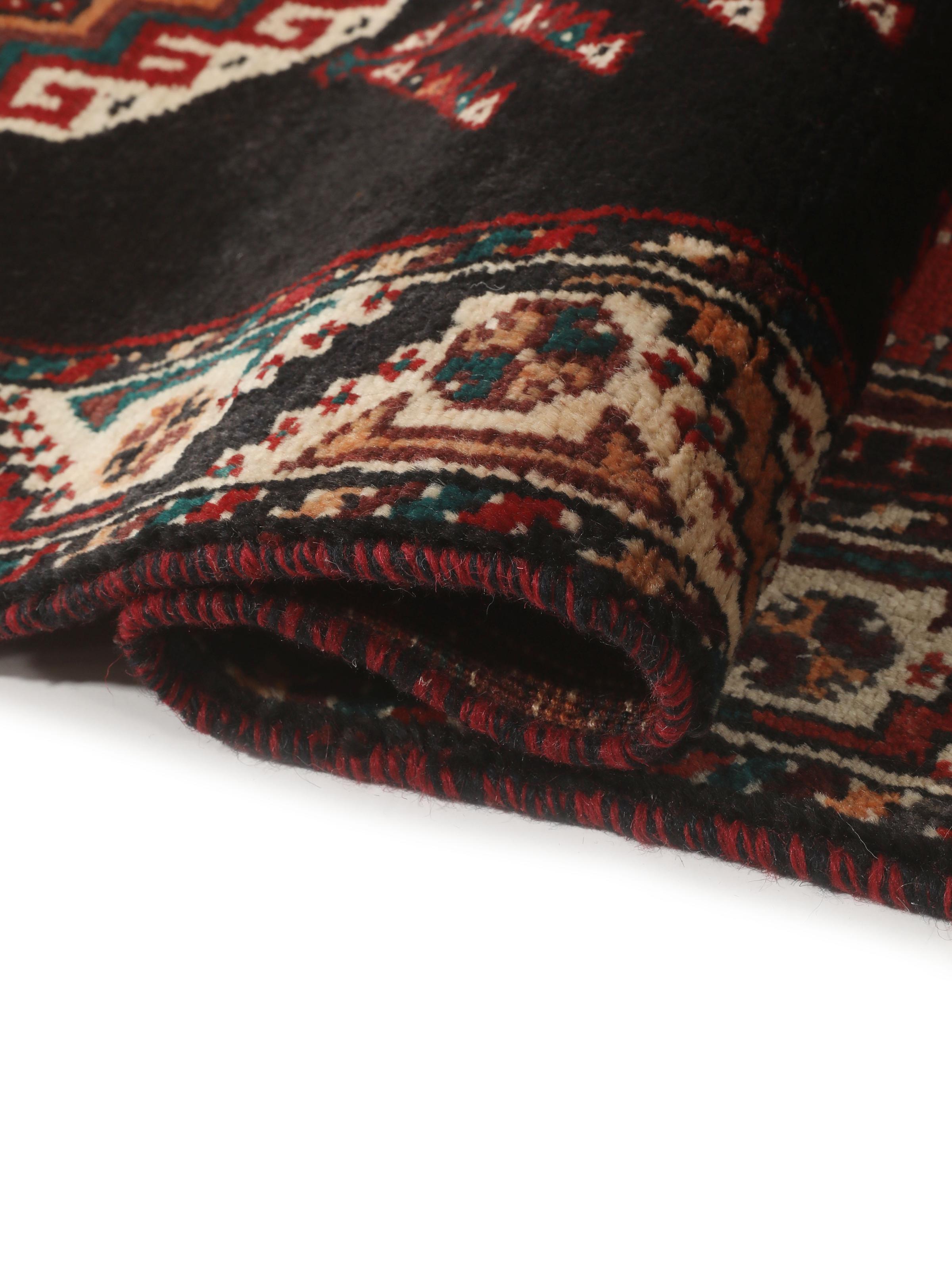
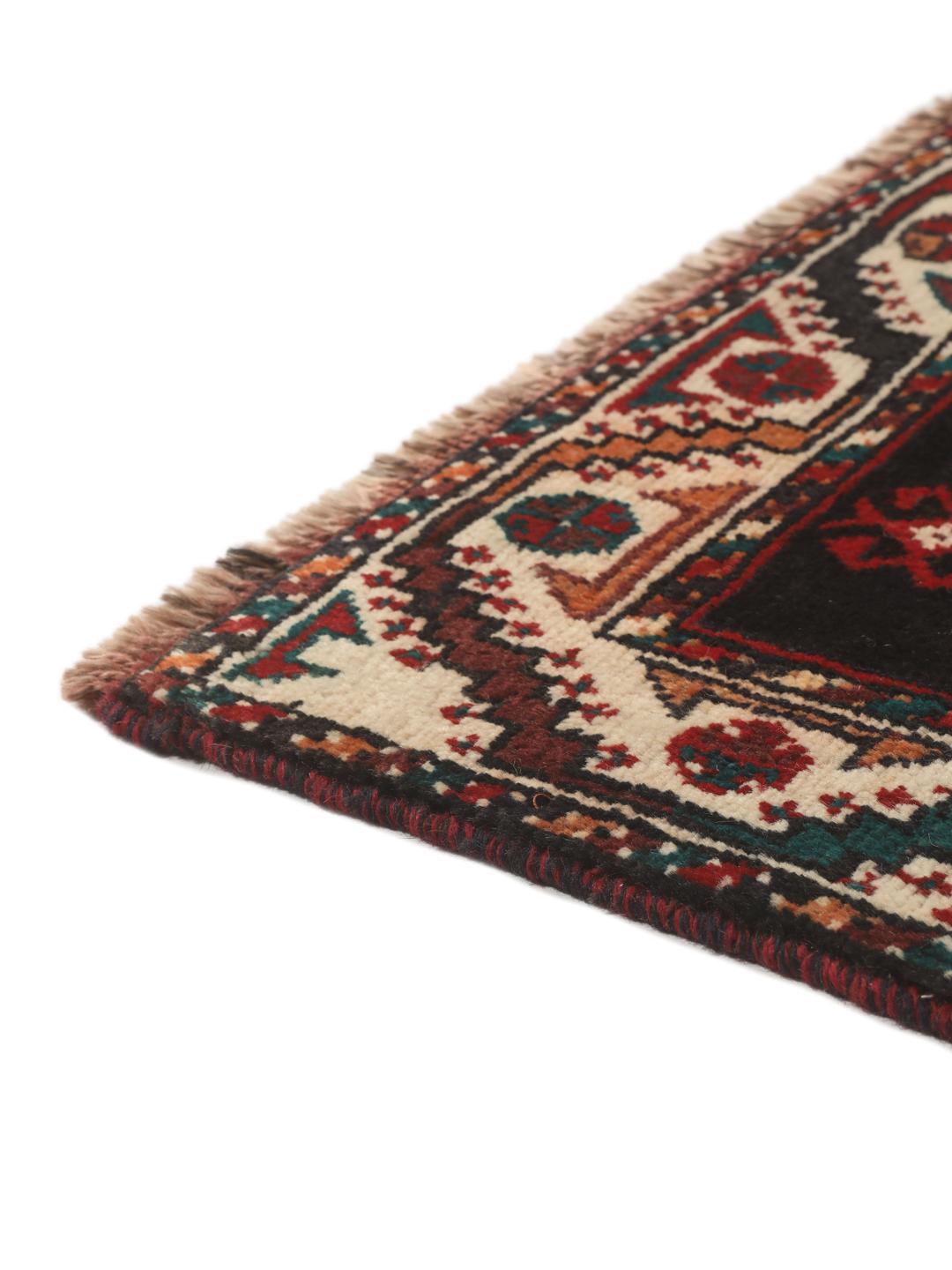
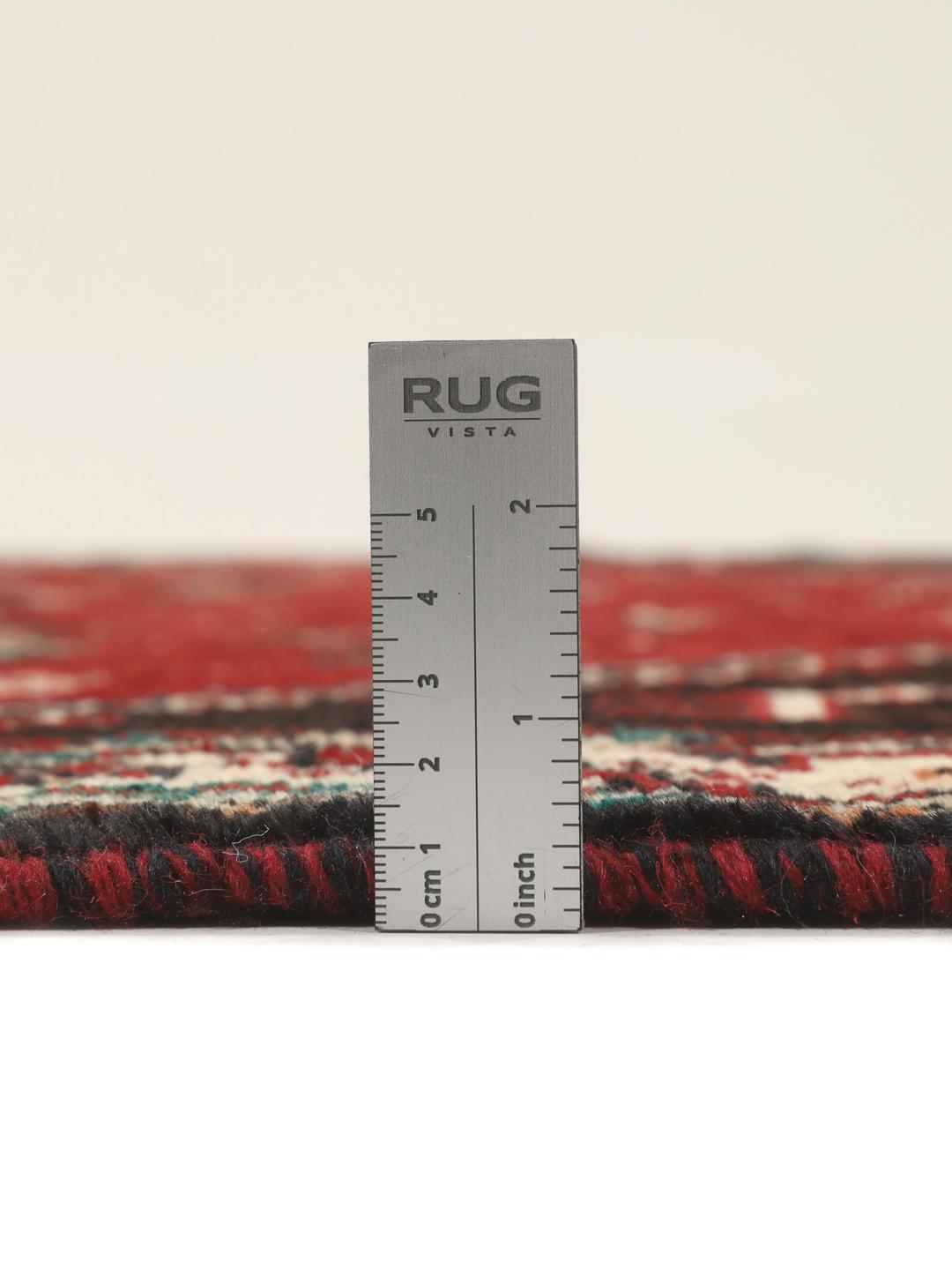
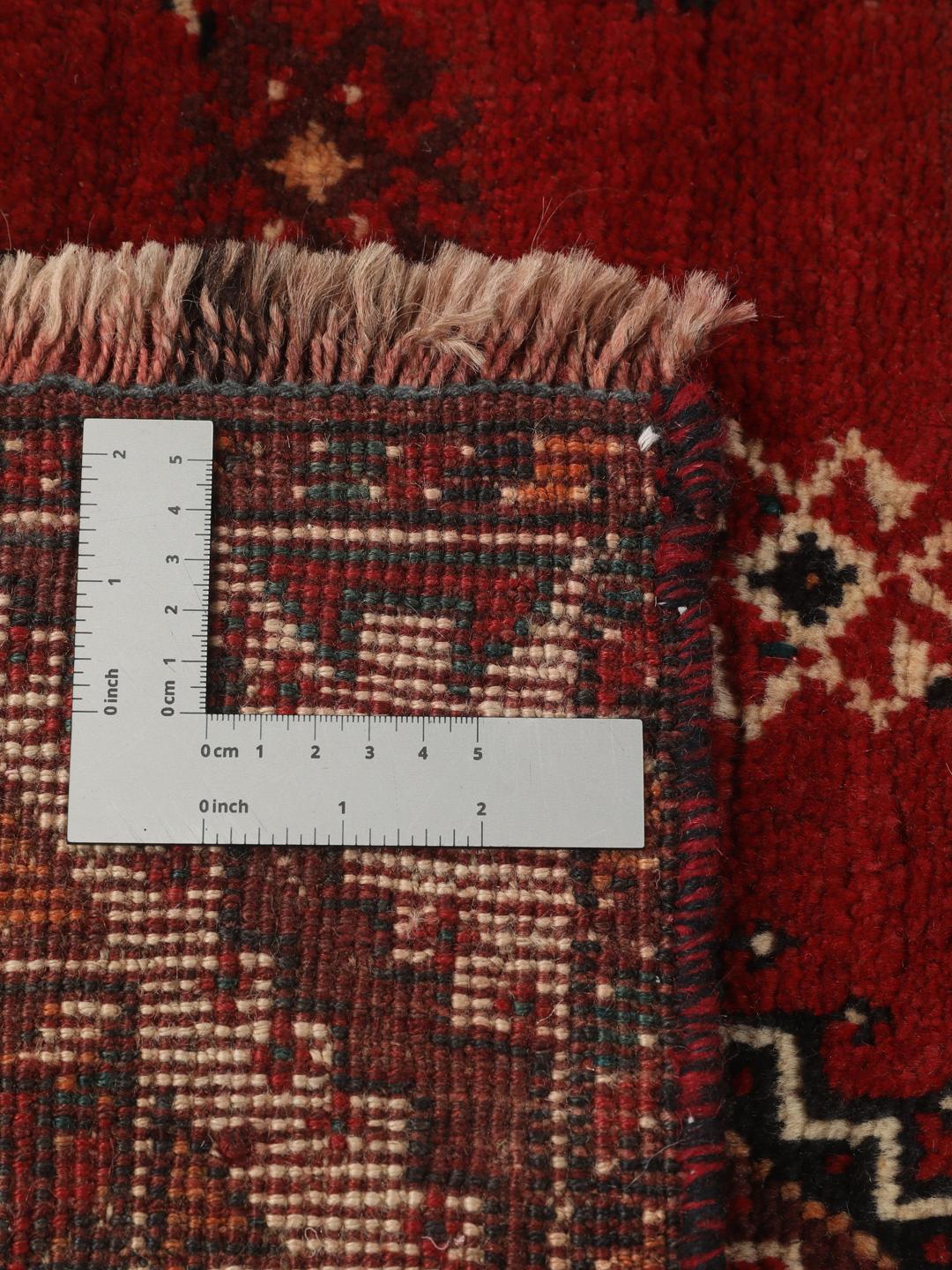
Technically, these rugs are defined by their sturdy construction and the use of natural, locally sourced materials. The term hand-knotted here refers to the traditional methods where weavers rely on memory and ancestral patterns rather than written charts. This reliance on inherited knowledge is what keeps the regional style alive, ensuring that the specific aesthetic—often characterised by bold, angular motifs—remains connected to its historical roots.
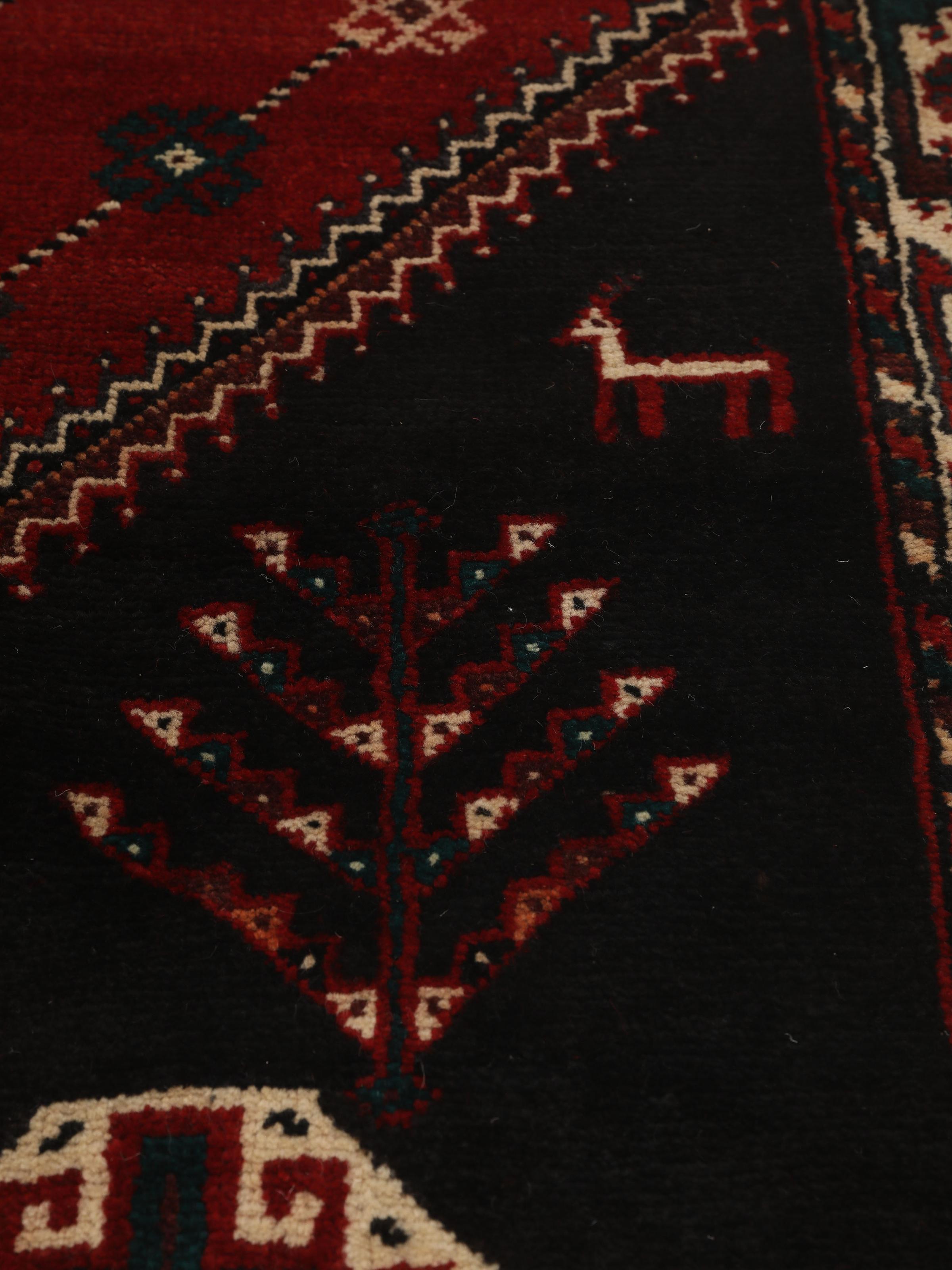
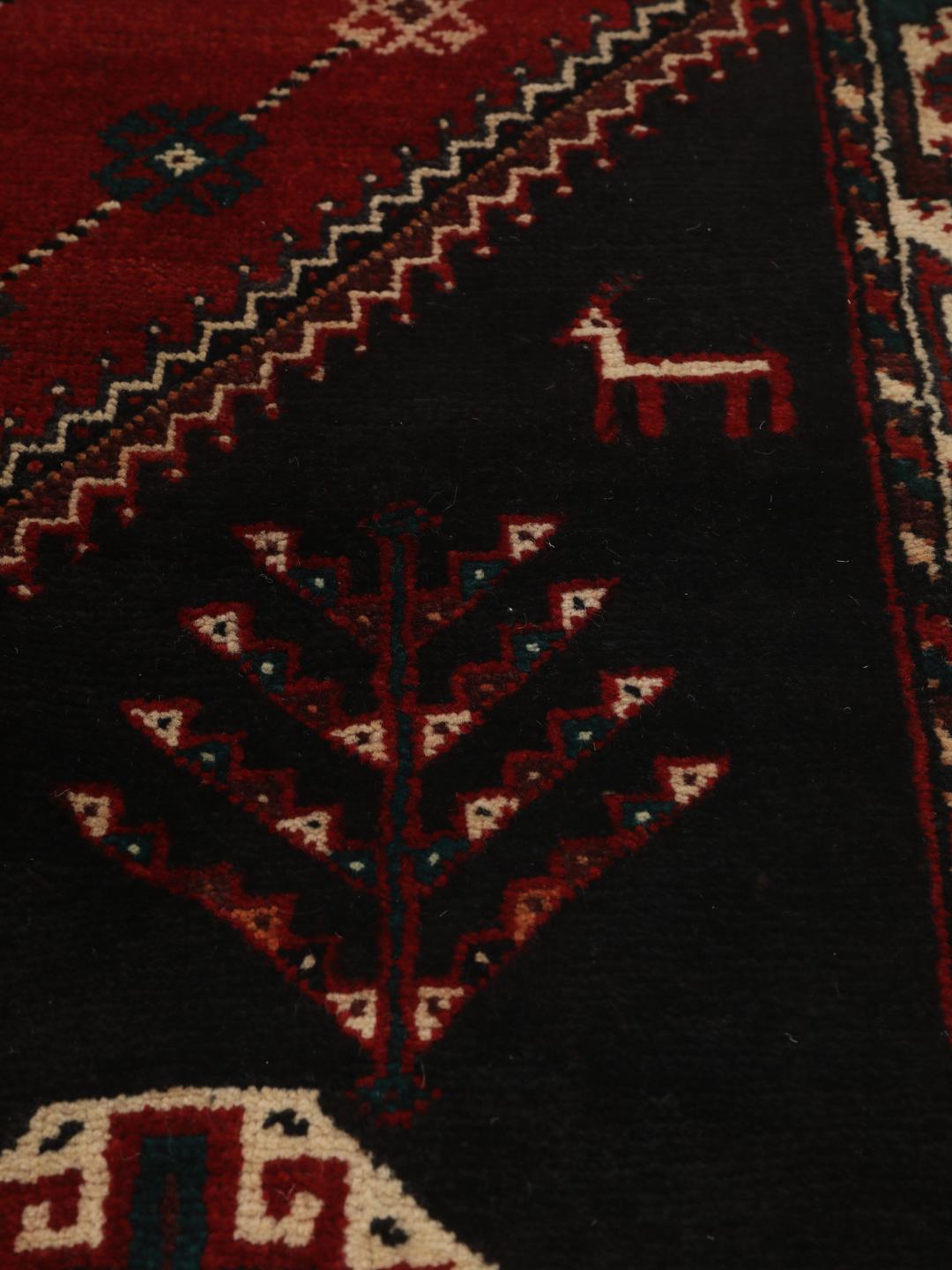
Signature design elements of the Shiraz tradition typically include geometric medallions, stylised floral motifs, and repeating tribal symbols like birds, animals, or trees of life. The use of a vibrant colour palette, particularly deep reds and dark blues, is a hallmark of the style. The borders are often complex, filled with smaller, repeating geometric shapes that frame the central field, providing a sense of order to the more free-form, creative expression found in the middle of the rug.
Collectors value Shiraz rugs for their genuine, unrefined beauty and the cultural weight they carry. Owning a piece from this tradition is an investment in a living history, representing a bridge between ancient tribal life and the modern home. Because they are hand-crafted without mass-production techniques, they possess a soul and an individual character that mass-market rugs simply cannot replicate, making them highly sought after by those who appreciate heritage and human artistry.