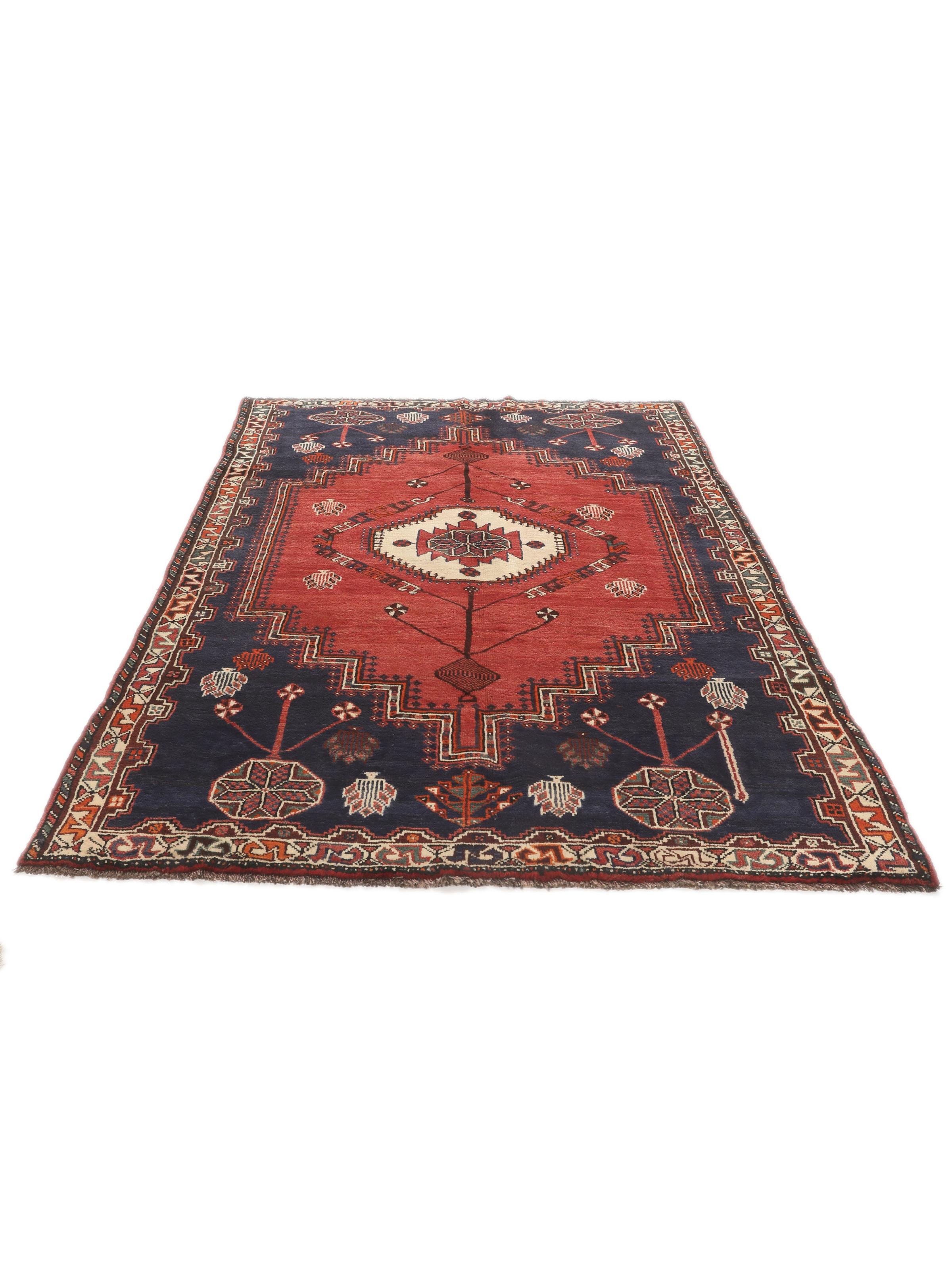
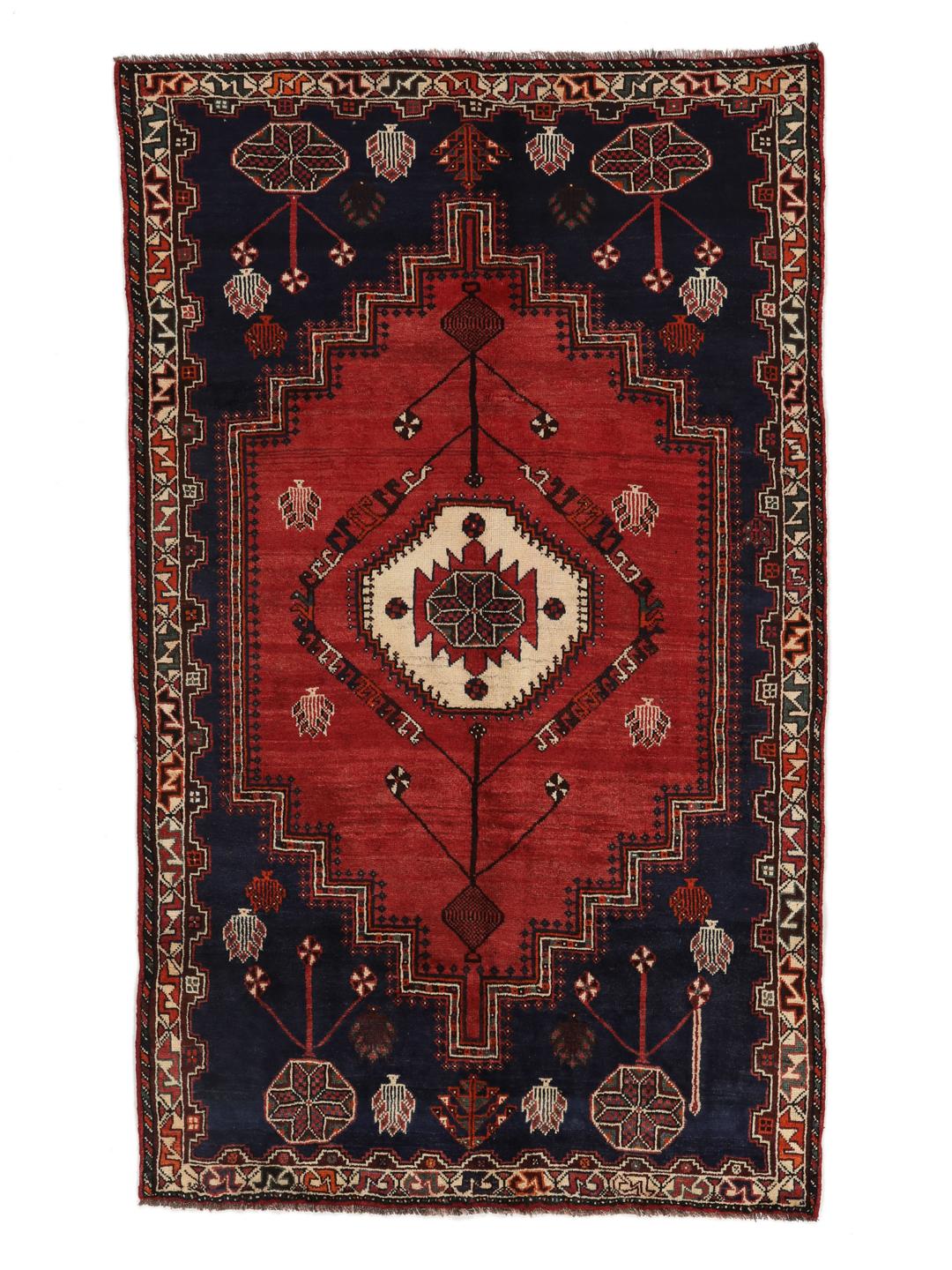
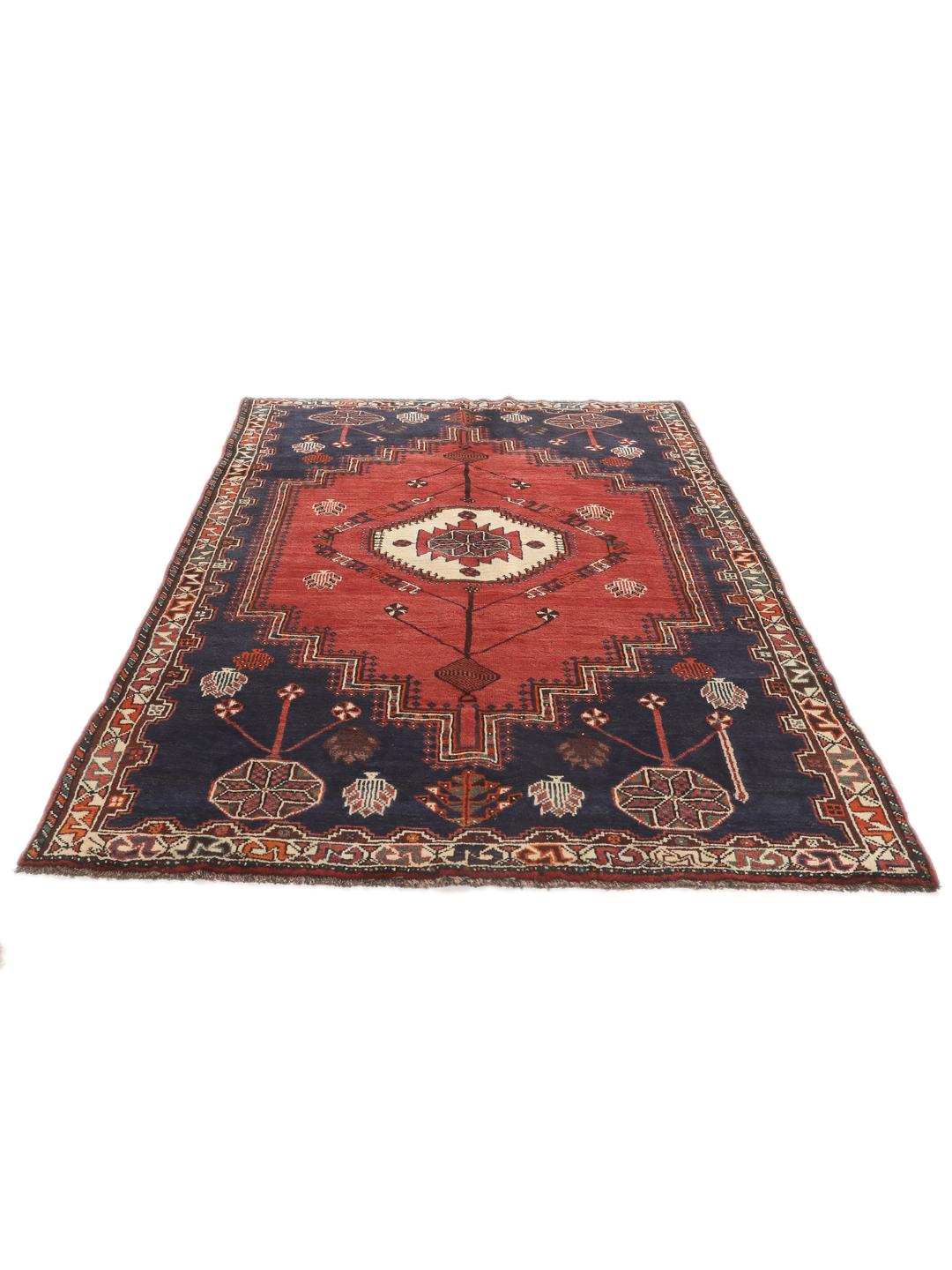
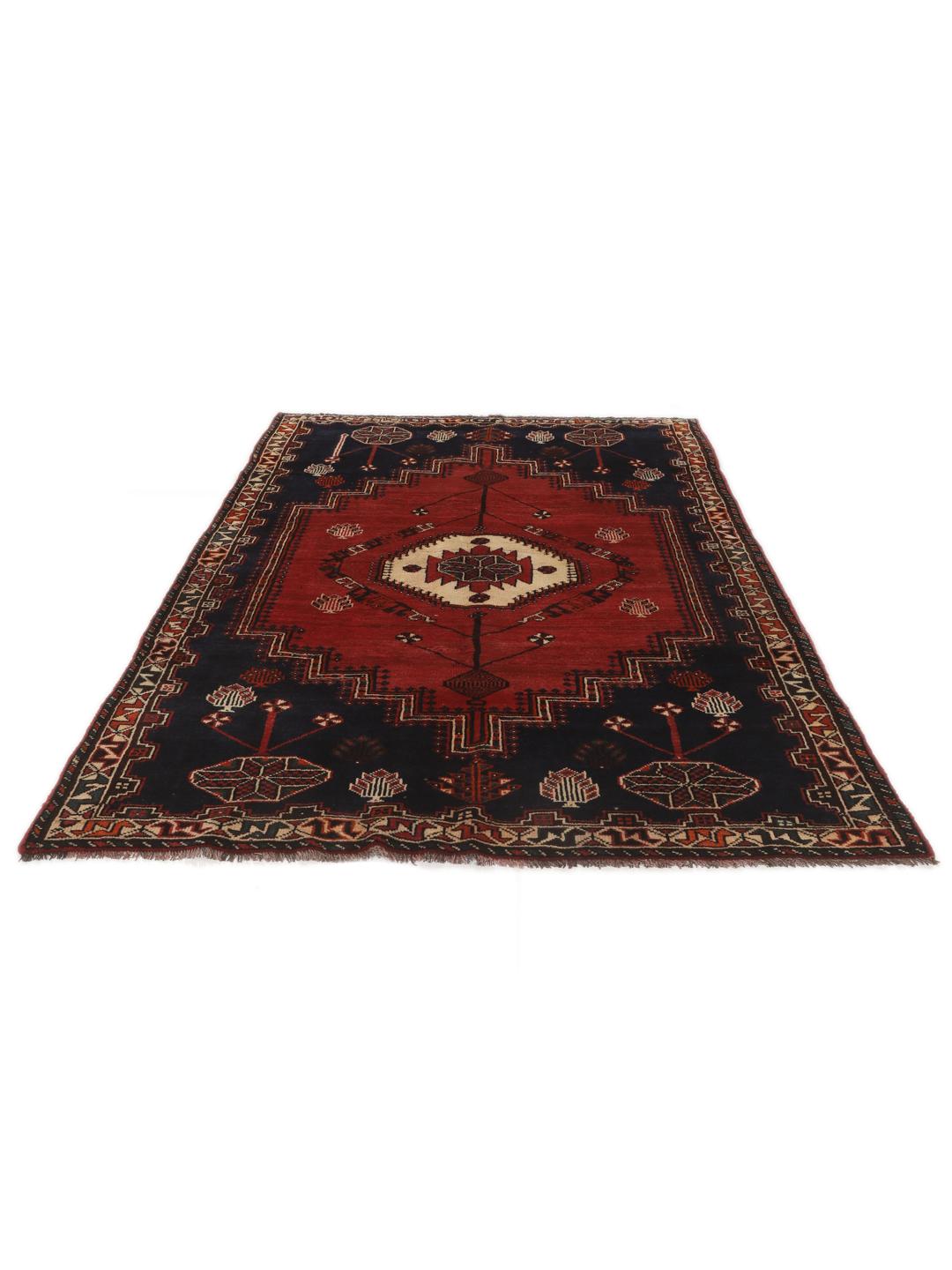
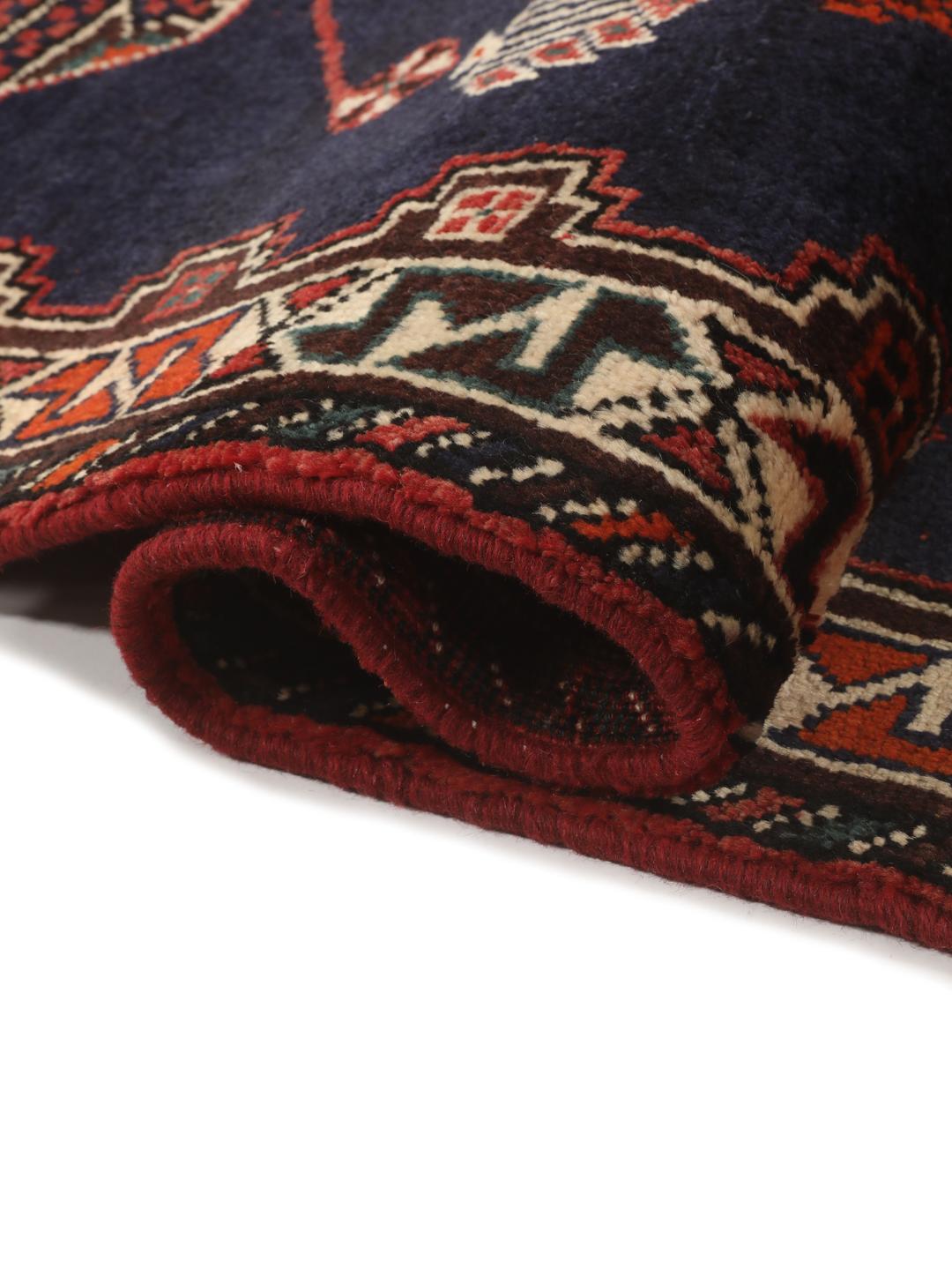
Shiraz rugs are deeply rooted in the nomadic traditions of the Fars province in the Middle East. Historically, these rugs were woven by various tribal groups, such as the Qashqai and Khamseh, who moved their flocks through the rugged landscape. The designs are not pre-planned on paper but are instead passed down through generations, reflecting the weaver's surroundings and cultural heritage.
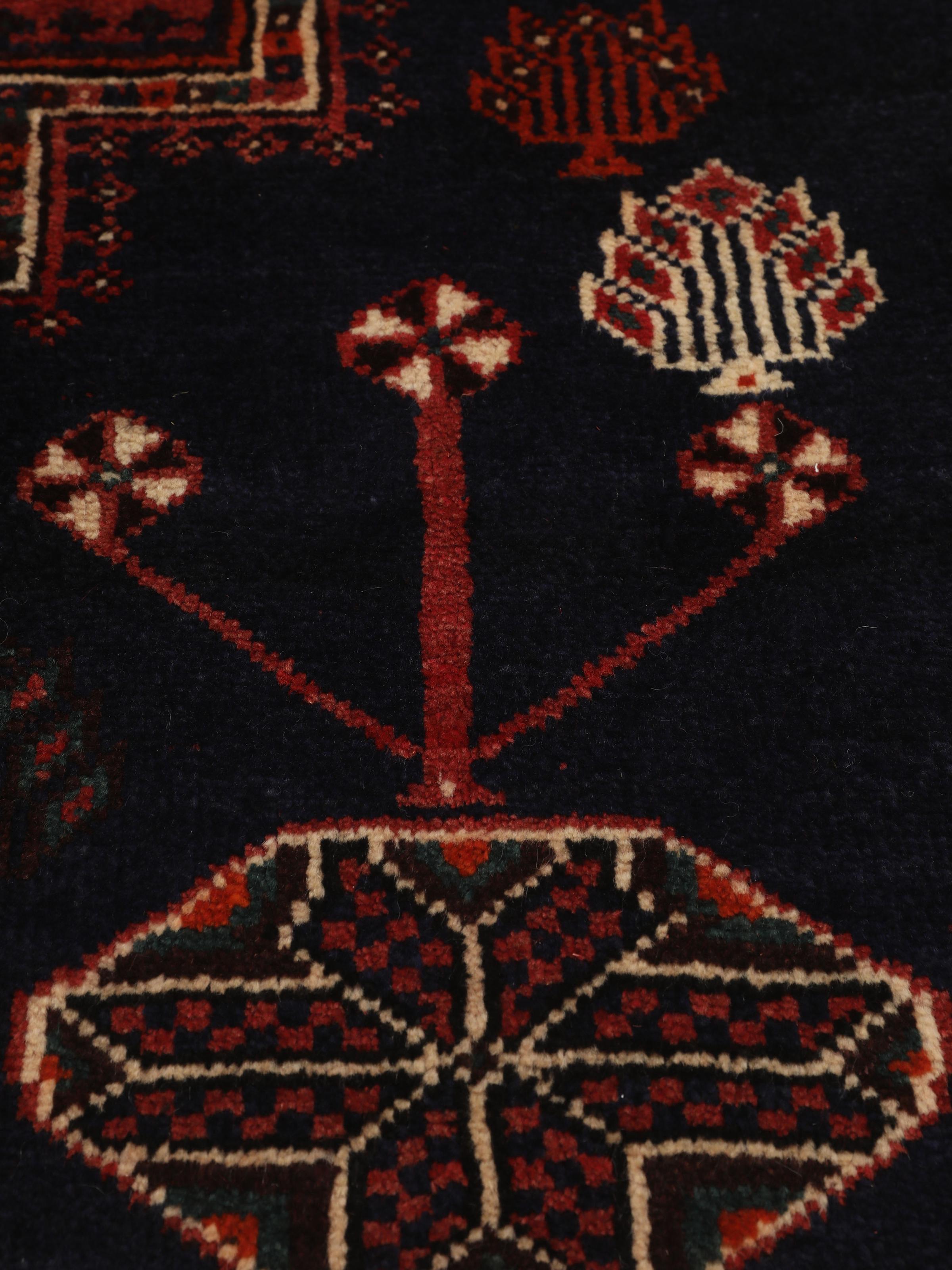
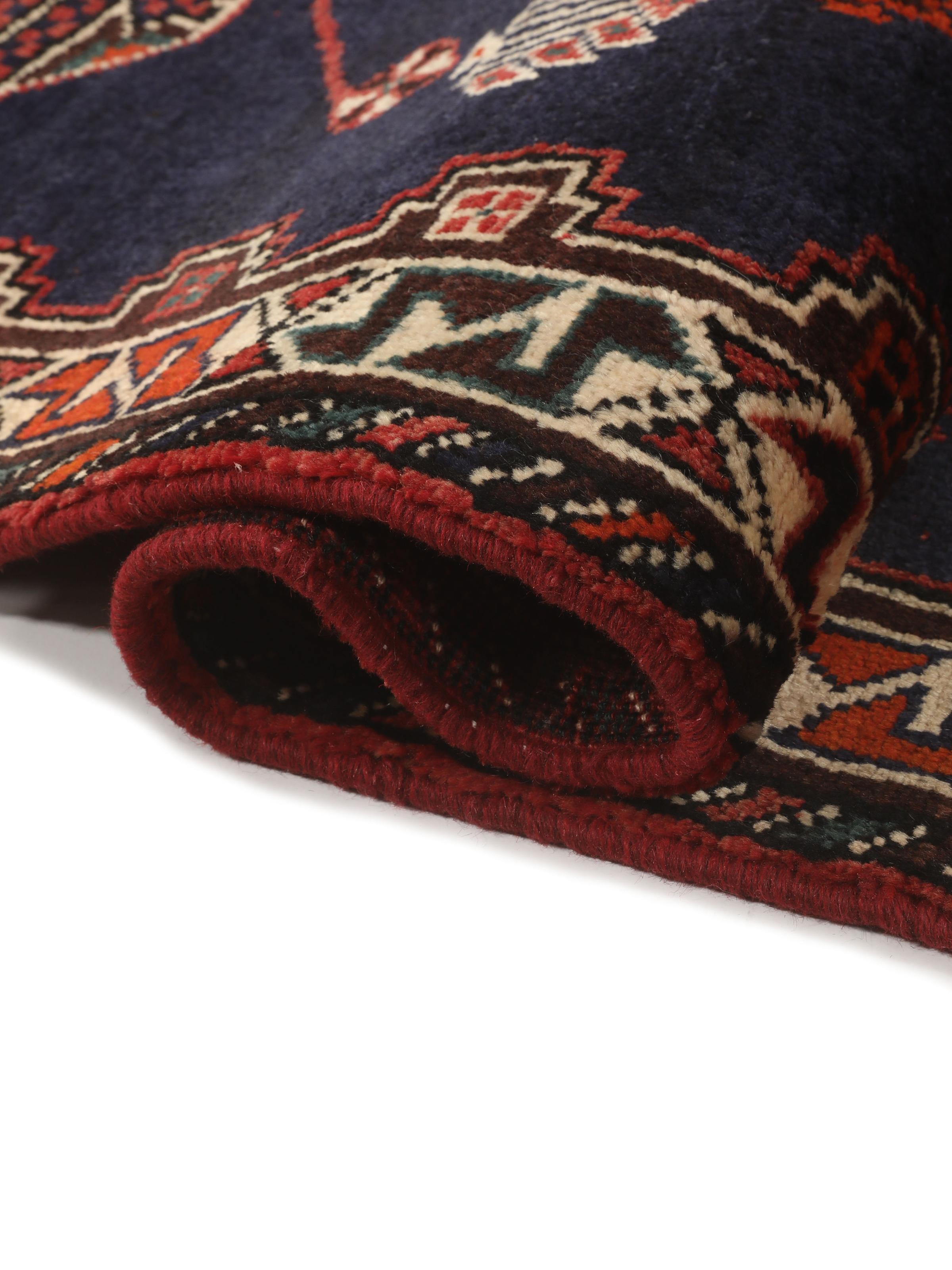
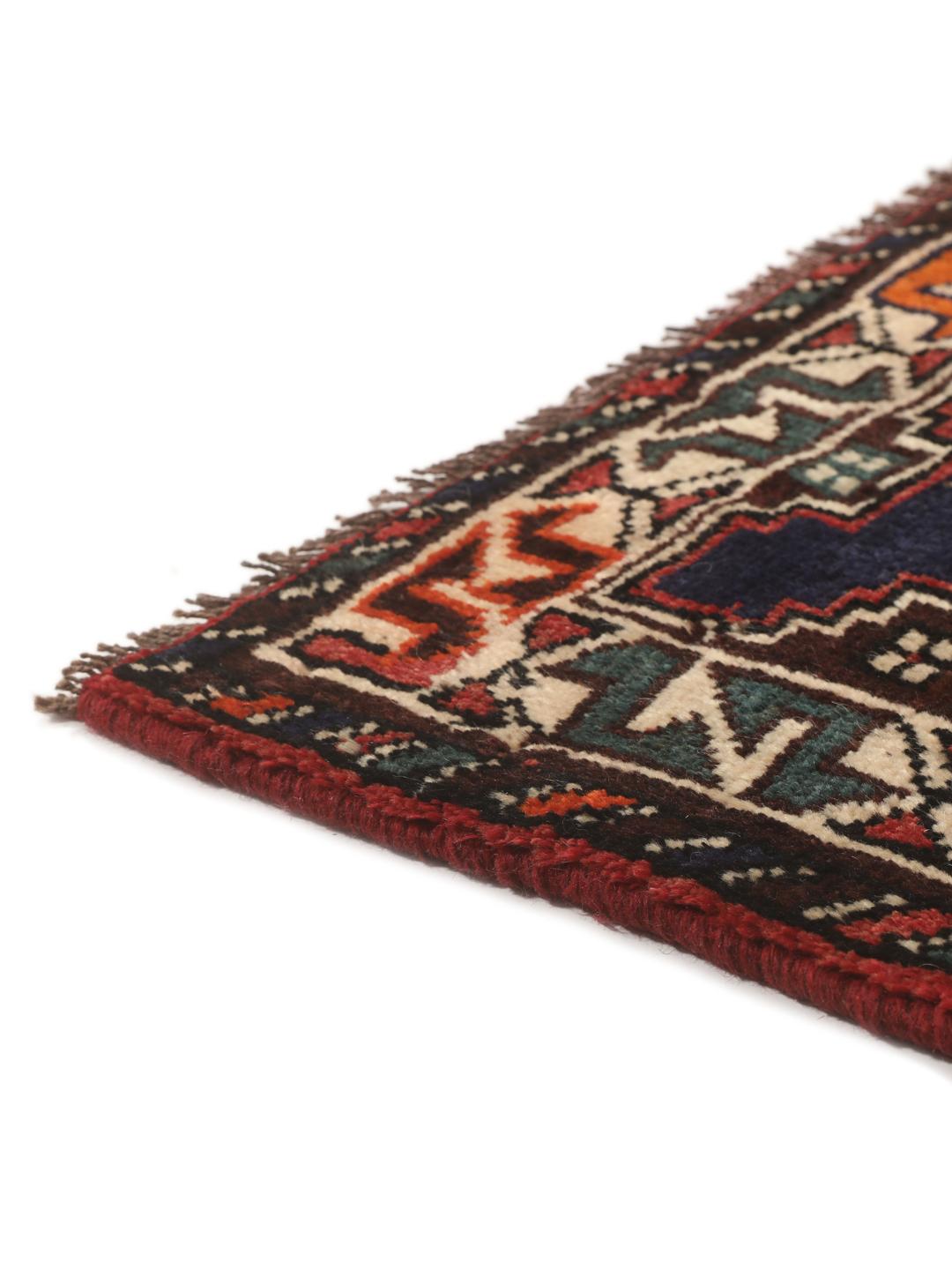
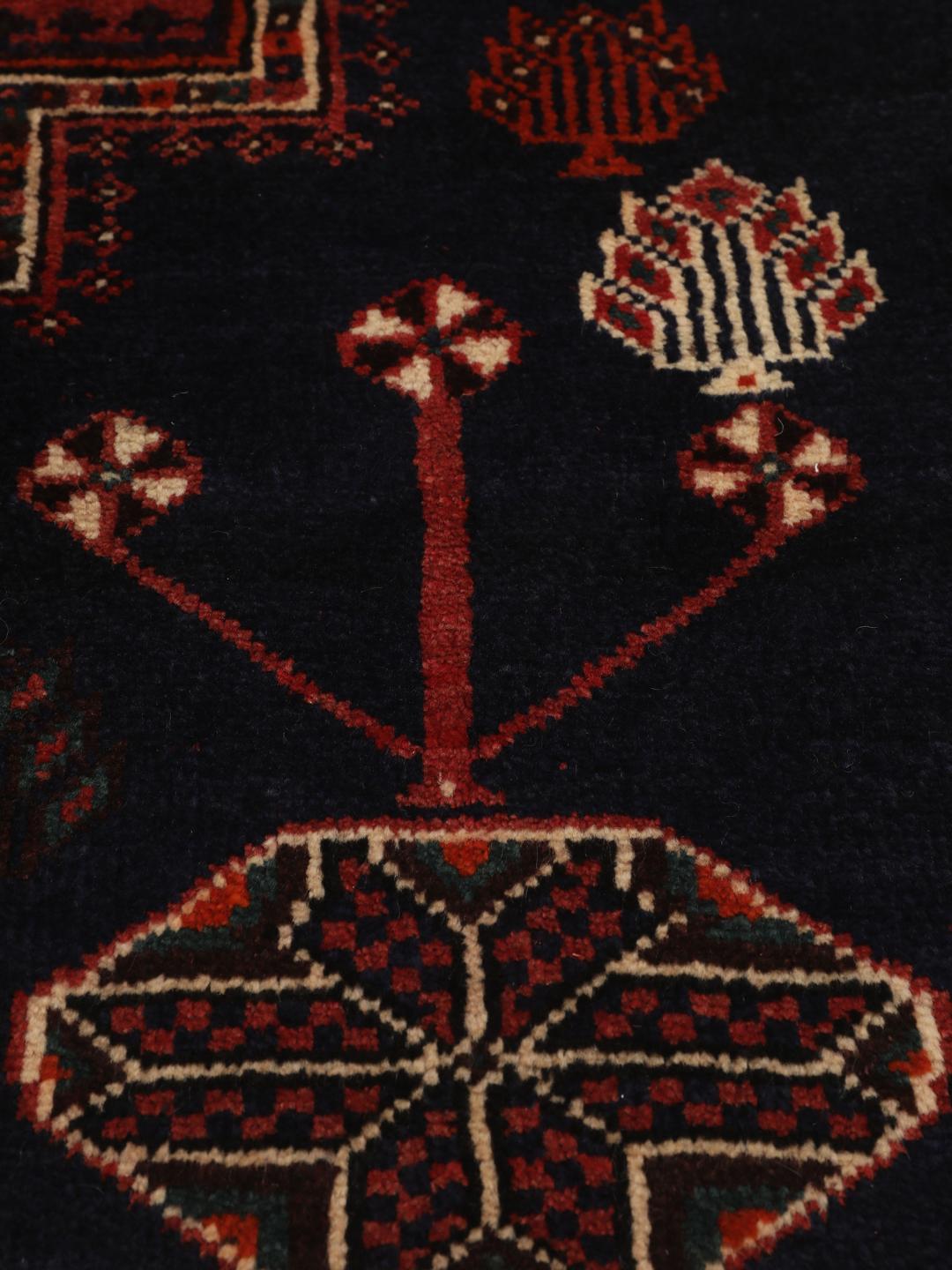
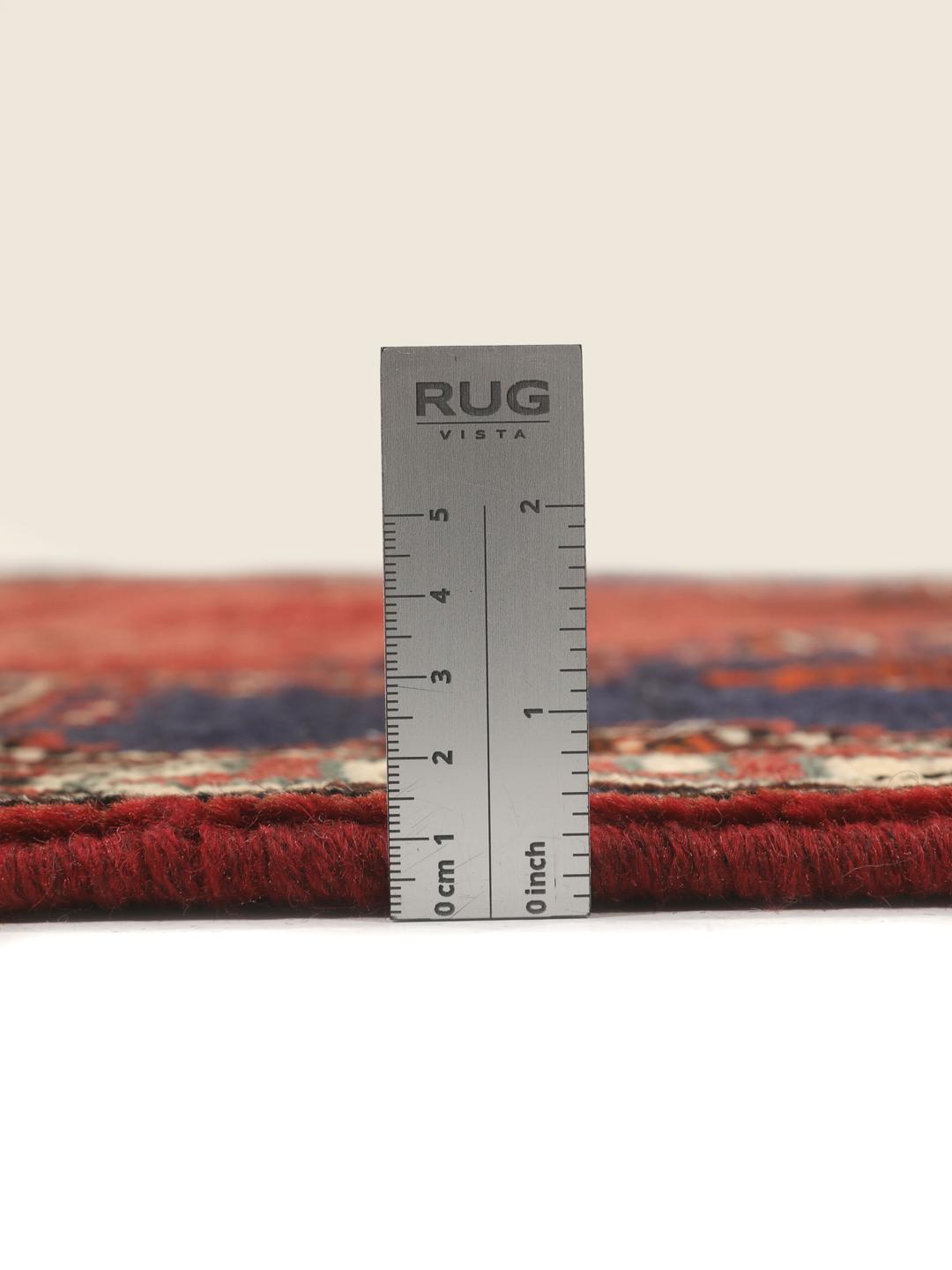
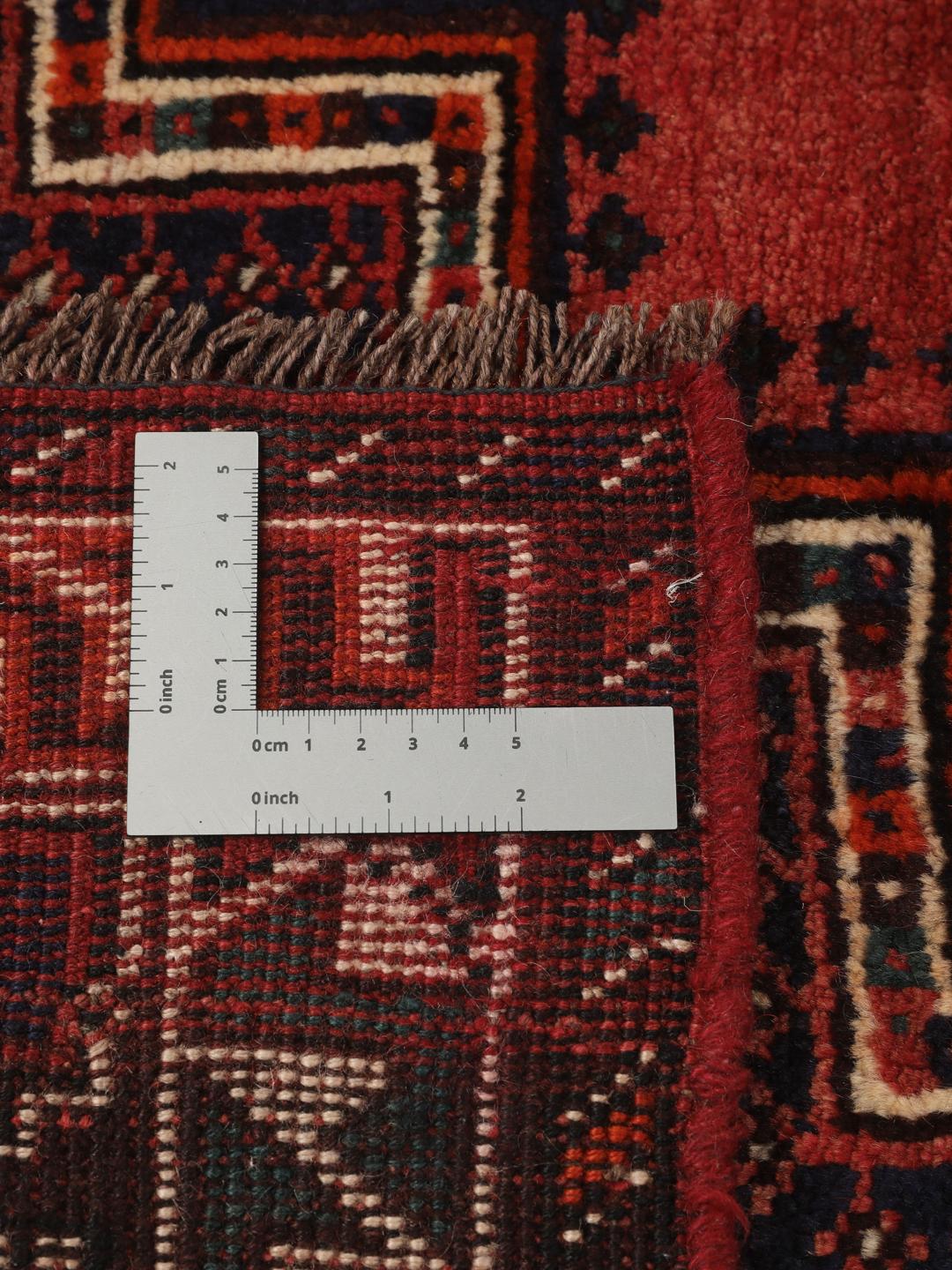
The term 'hand-knotted' refers to the classic technique where individual strands of wool are tied around the warp threads. This method is the hallmark of quality in the region, creating a pile that is incredibly resilient and capable of standing up to the demands of everyday life. The density of these knots dictates the clarity of the design and the long-term lifespan of the rug.
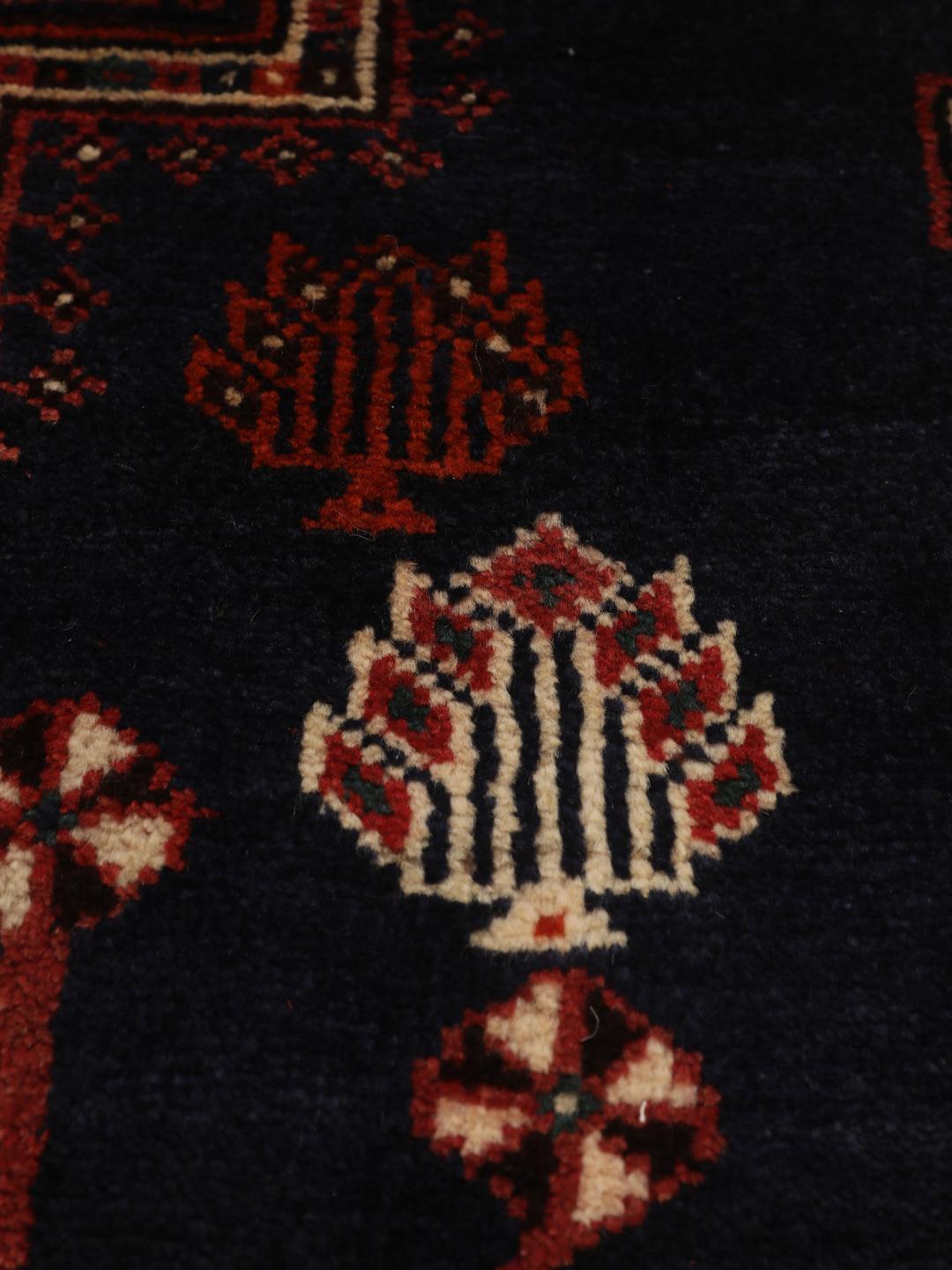
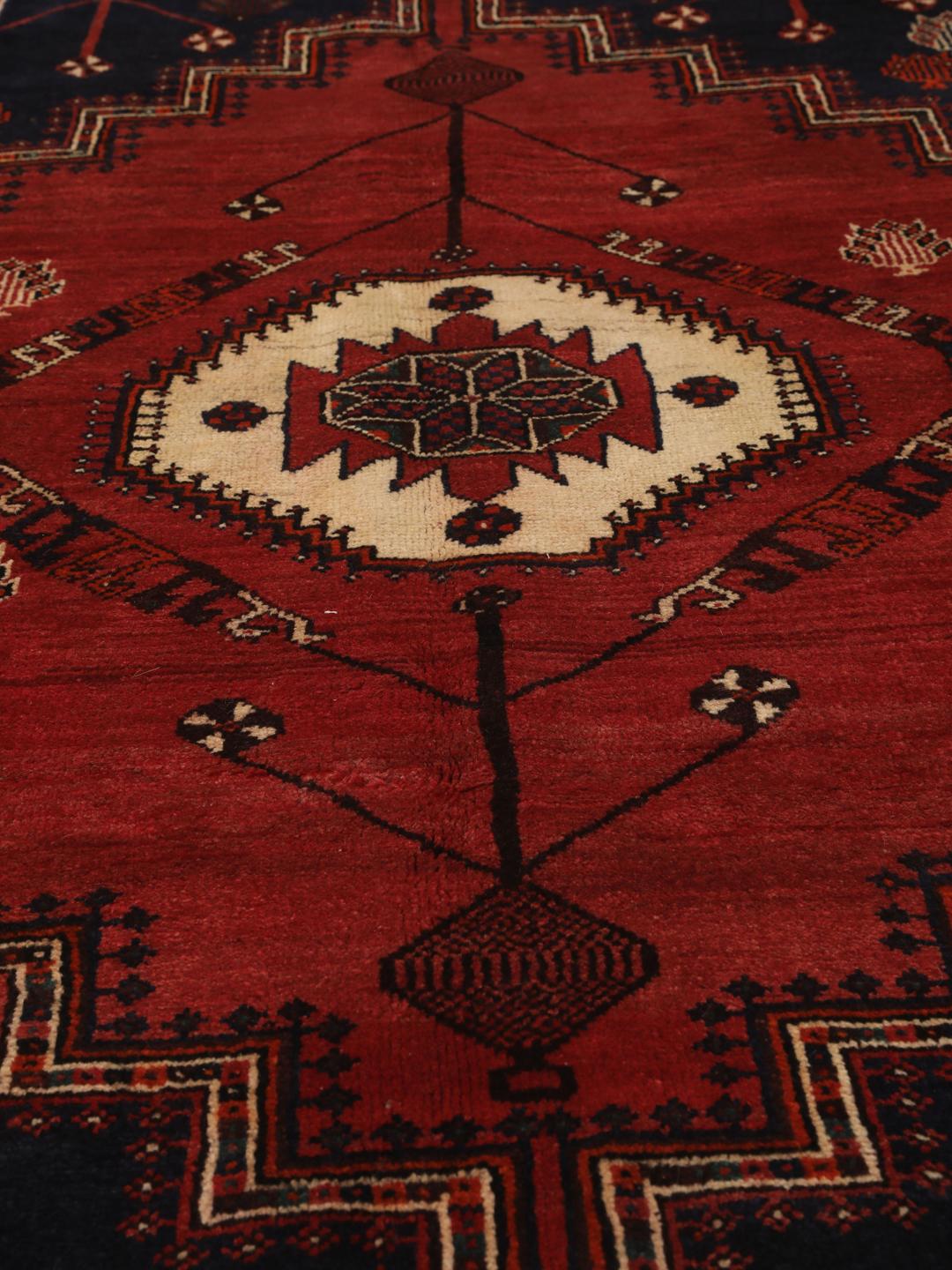
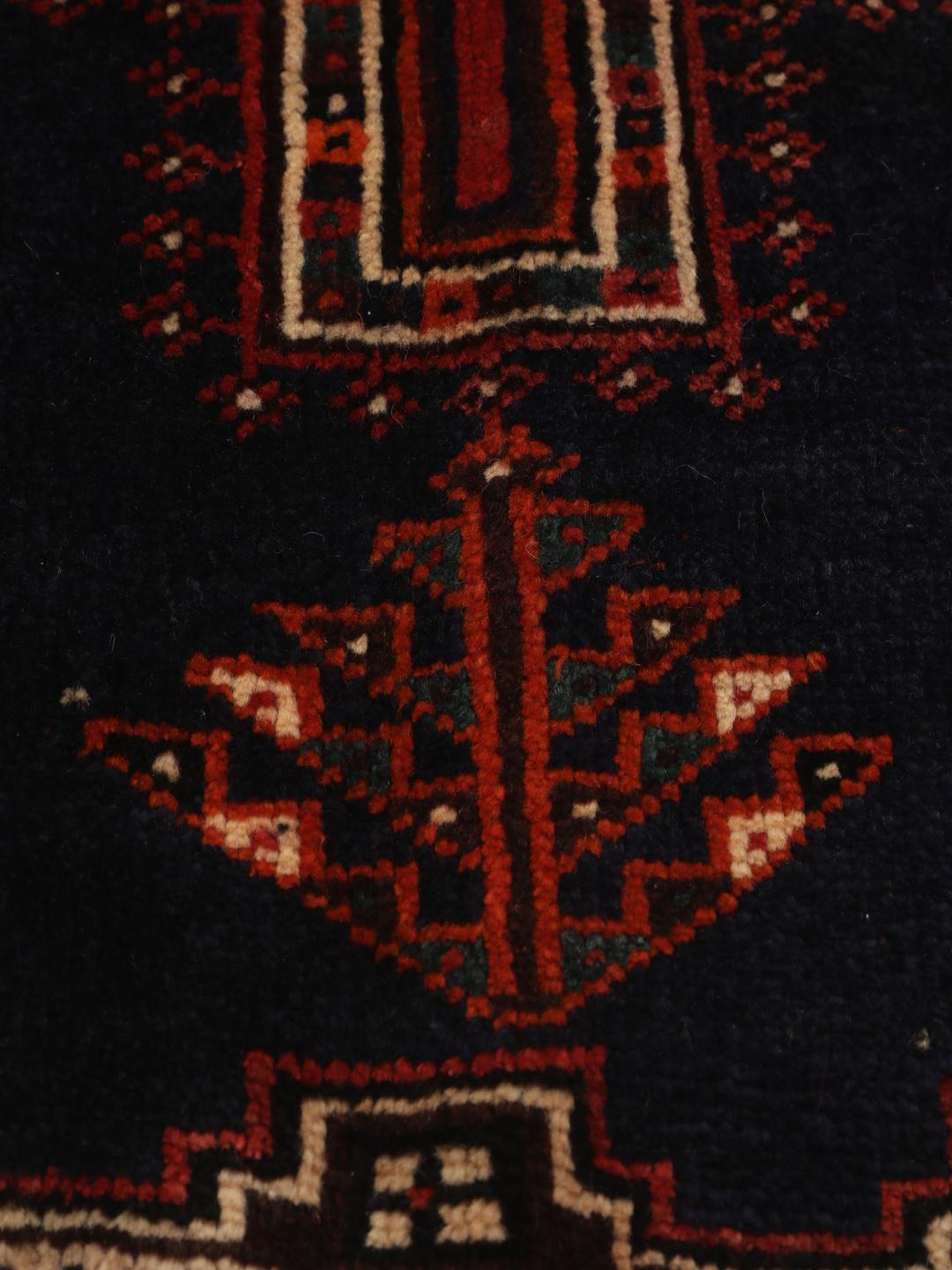
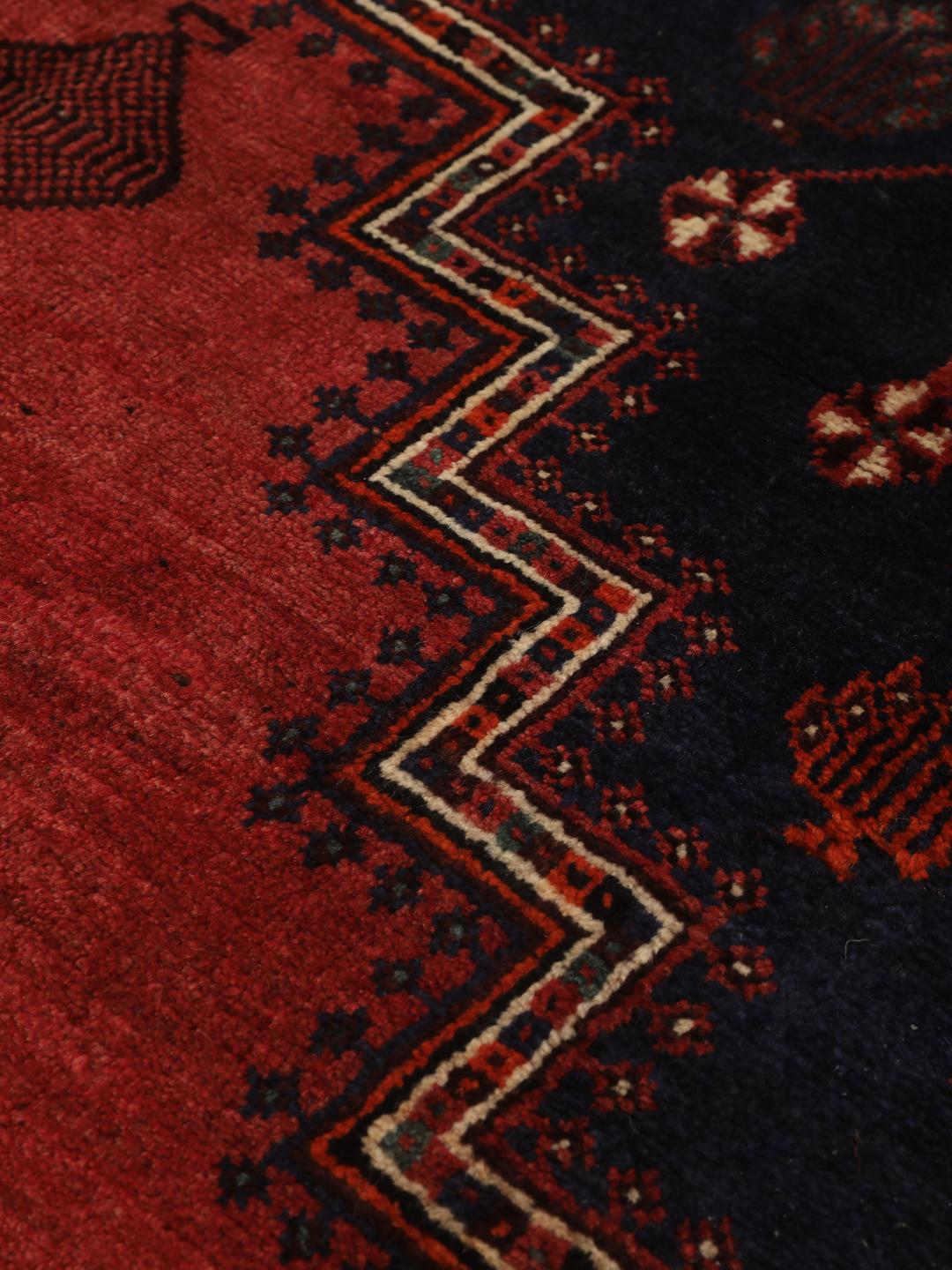
Signature elements of a Shiraz rug include geometric medallions, stylised birds, and floral motifs, all framed by intricate, repeating borders. The colours are traditionally derived from local, natural sources, resulting in the deep, saturated reds and blues that give these rugs their characteristic warmth. It is common to see small, intentional 'imperfections' in the pattern, which are considered a sign of the rug's genuine, human-made origin.
Today, these rugs are highly sought after by collectors who appreciate the connection to a vanishing nomadic lifestyle. Owning a Shiraz rug is an investment in a living tradition, representing a bridge between ancient craftsmanship and contemporary home decor. They are valued not just for their aesthetic appeal, but for the skill, history, and cultural identity woven into every thread.