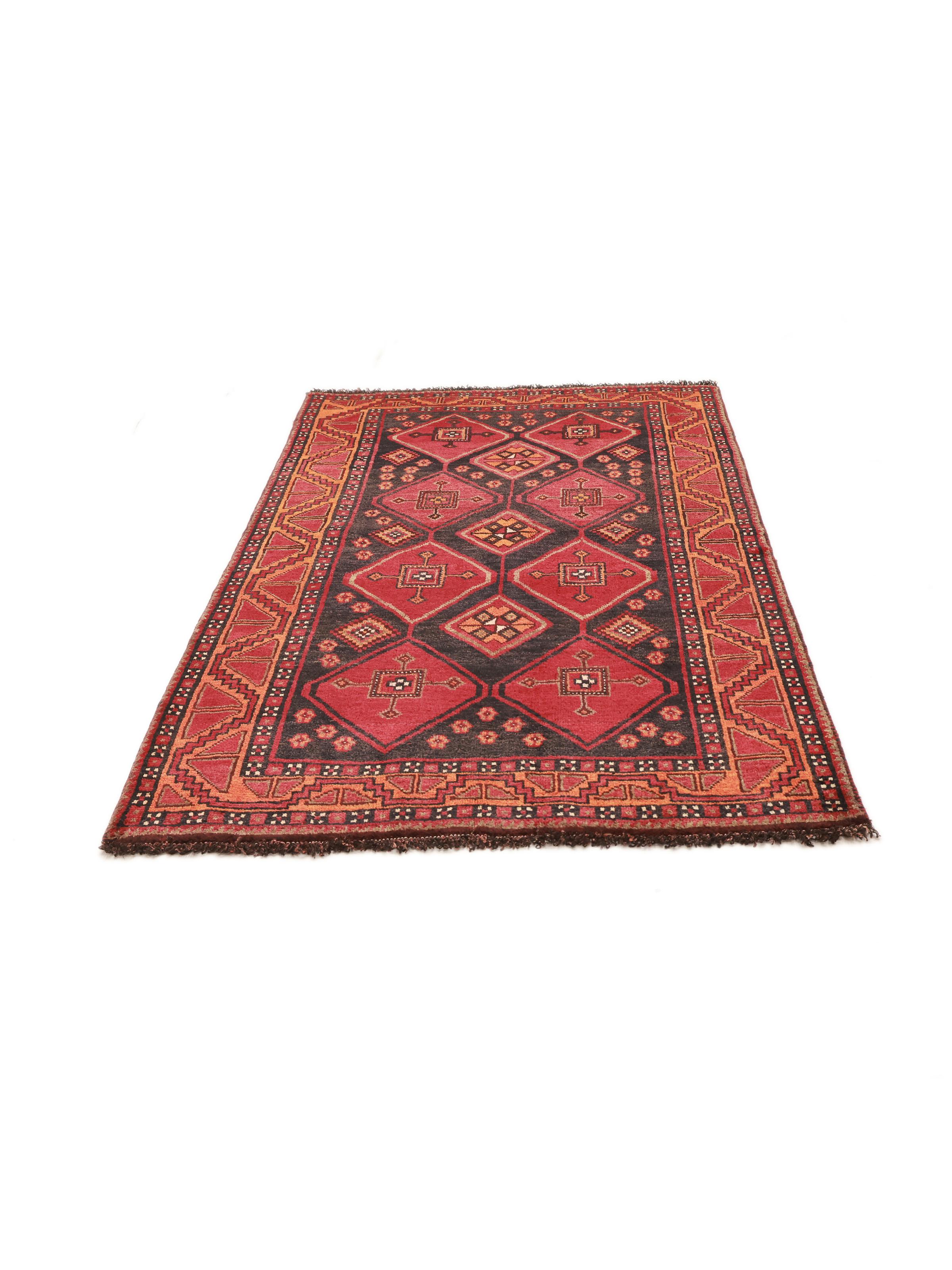
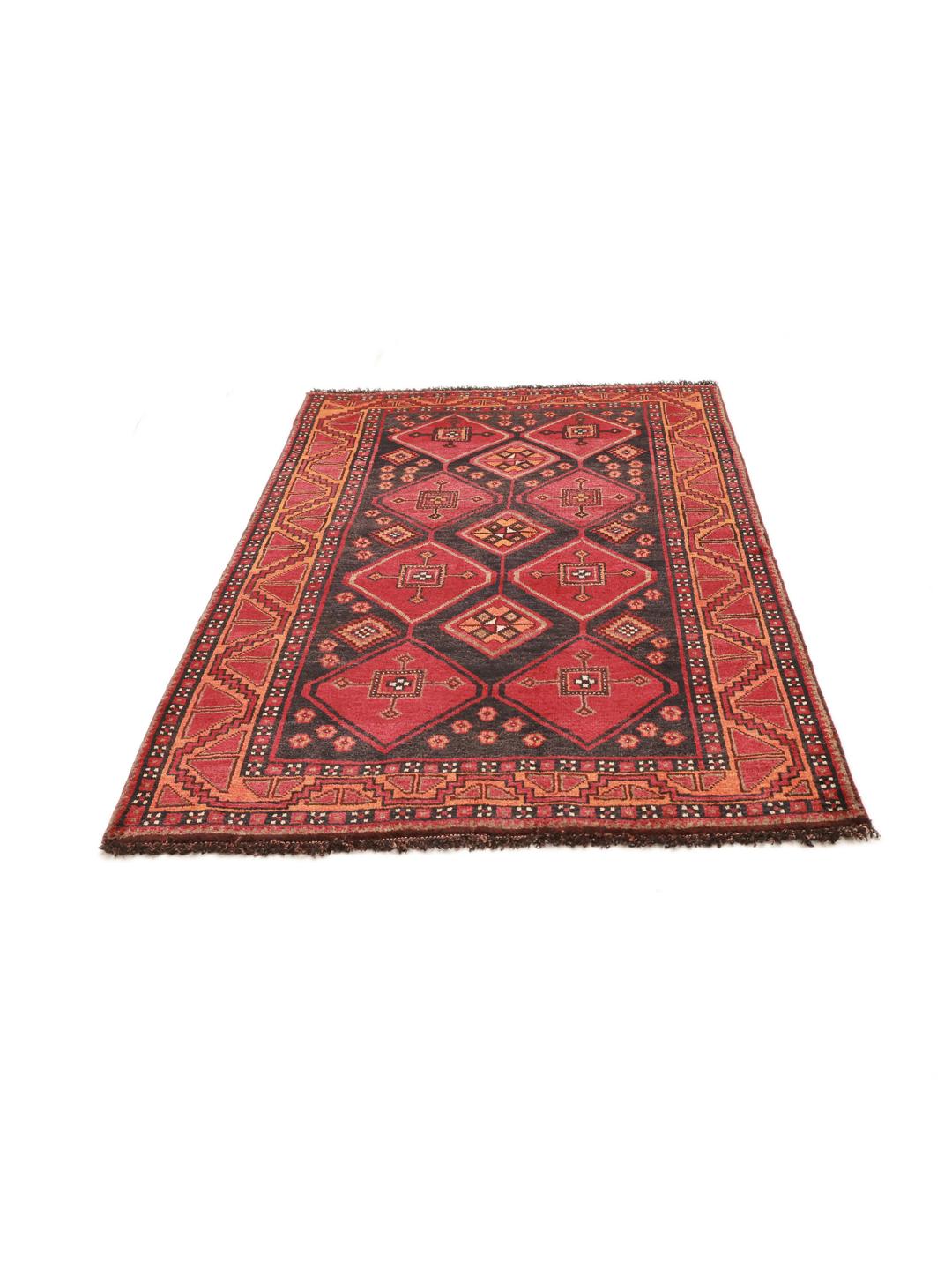
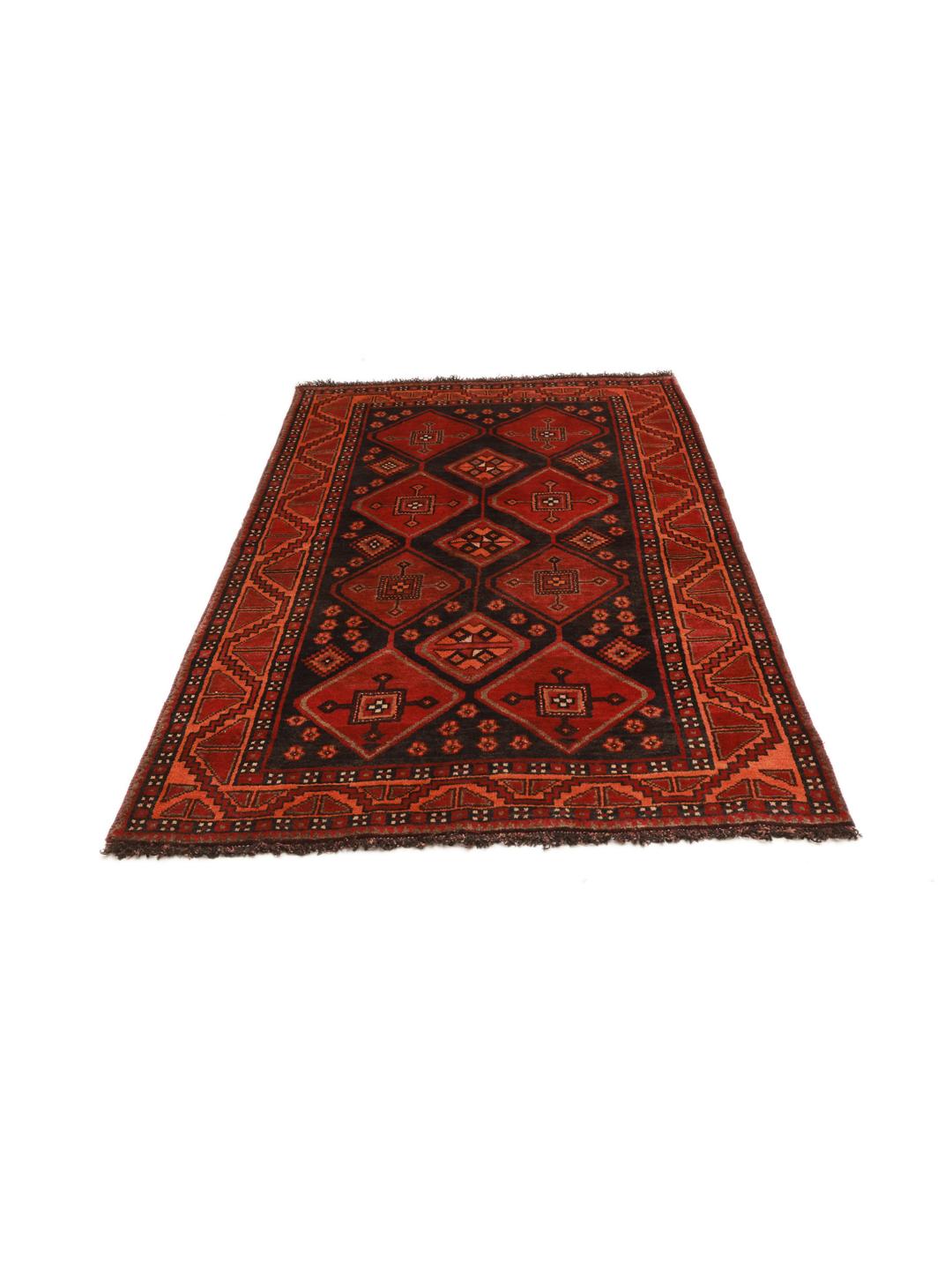
Shiraz rugs originate from the Fars province in the Middle East, a region with a deep-rooted history of nomadic and semi-nomadic weaving. These rugs are traditionally associated with the Qashqai and other tribal groups who have traversed these landscapes for centuries, carrying their weaving traditions with them as they moved with the seasons.
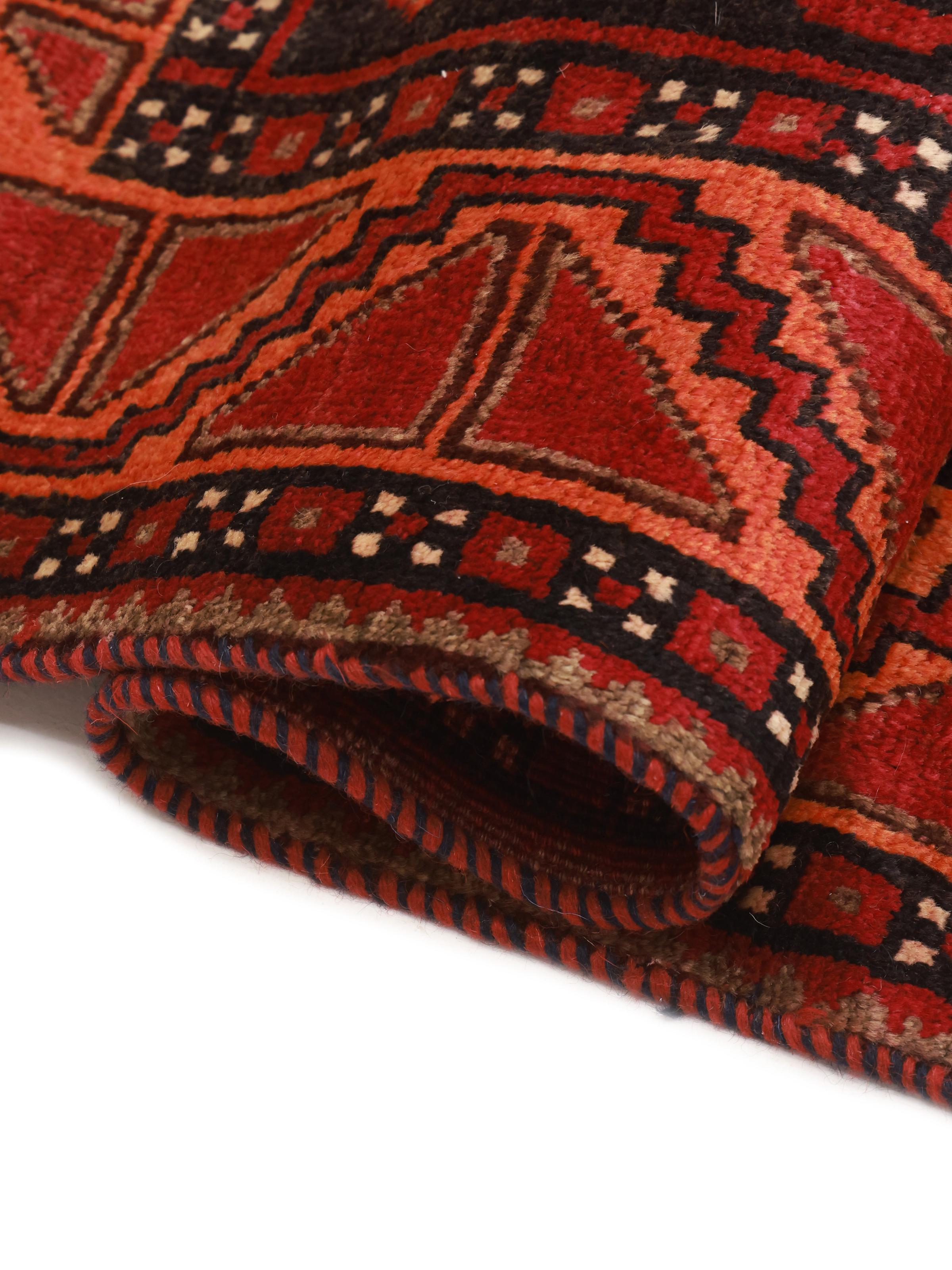
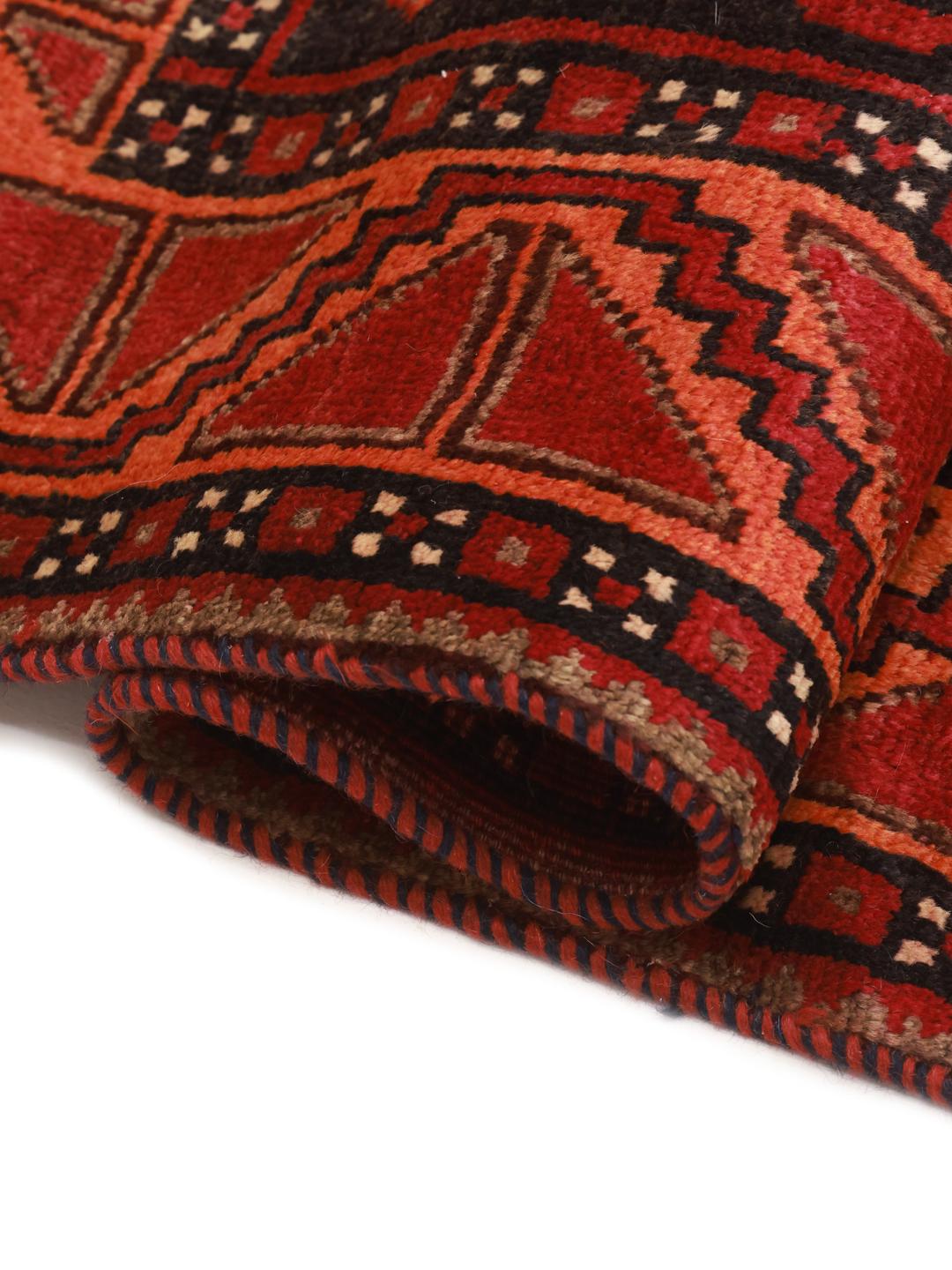
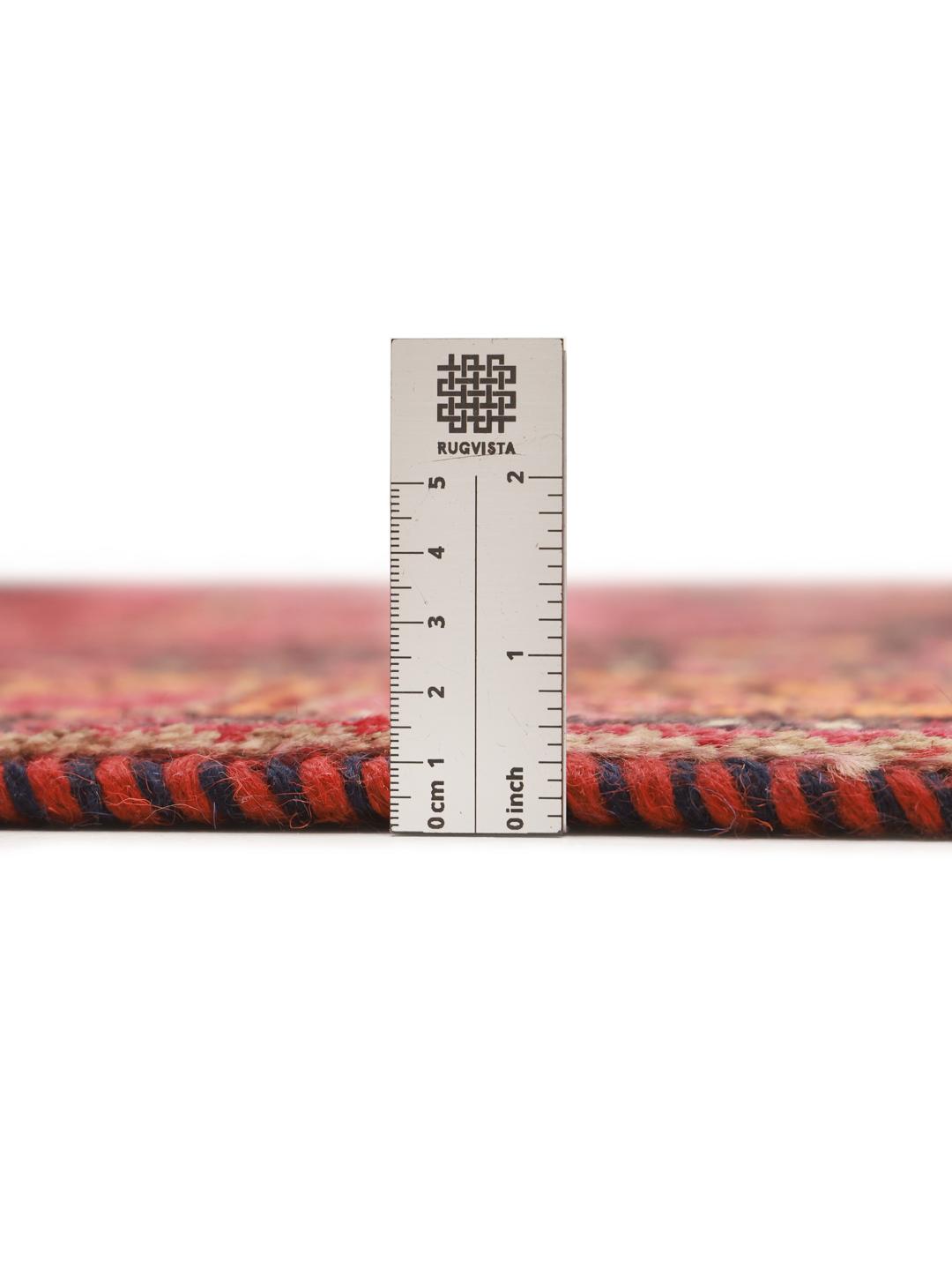
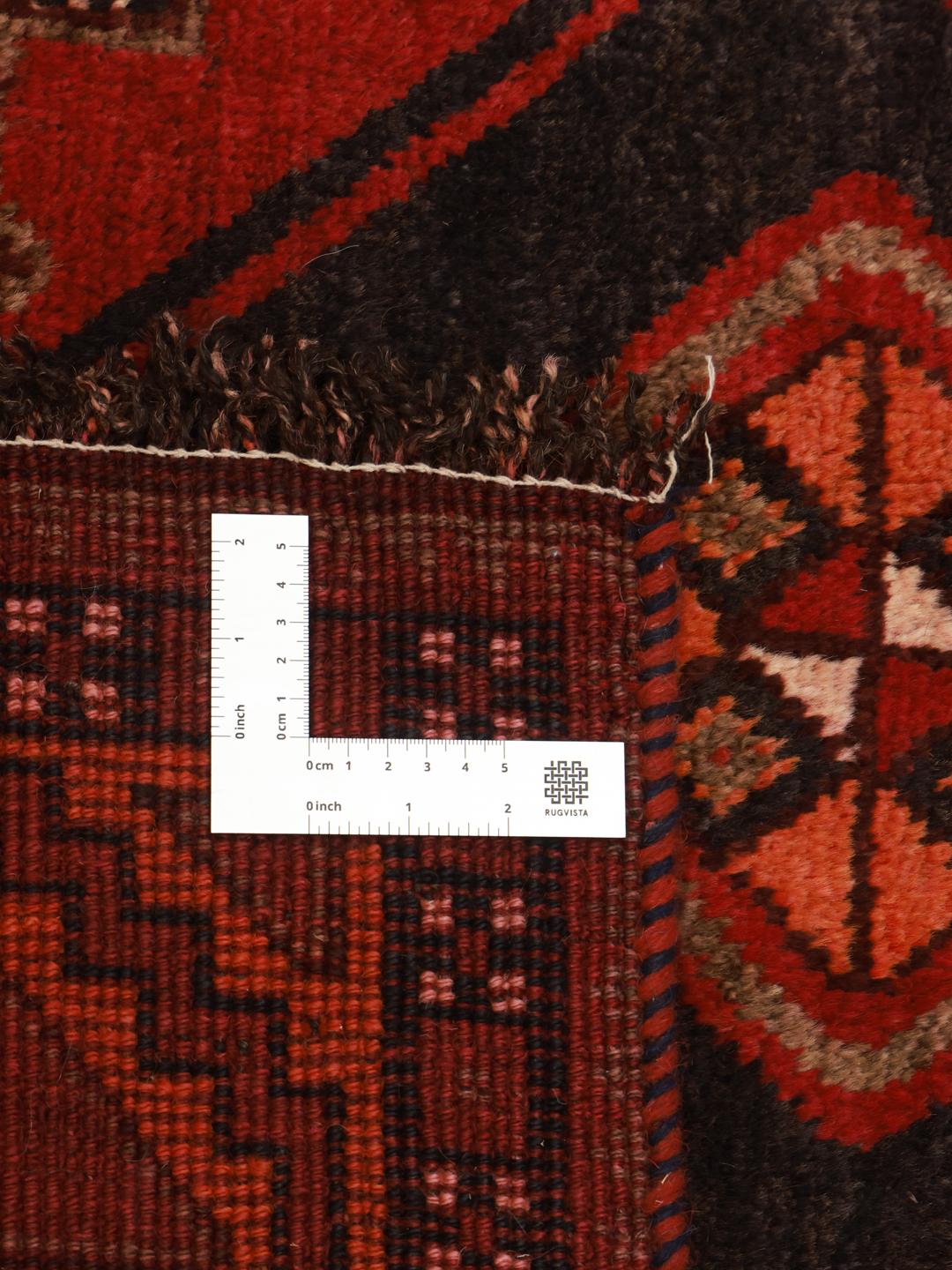
The construction of a Shiraz rug is rooted in ancient craft techniques, often characterised by the use of wool for both the pile and the foundation. This all-wool construction is highly valued for its durability and natural resilience, creating a rug that is both sturdy and flexible, designed to withstand the rigours of both tent life and modern homes.
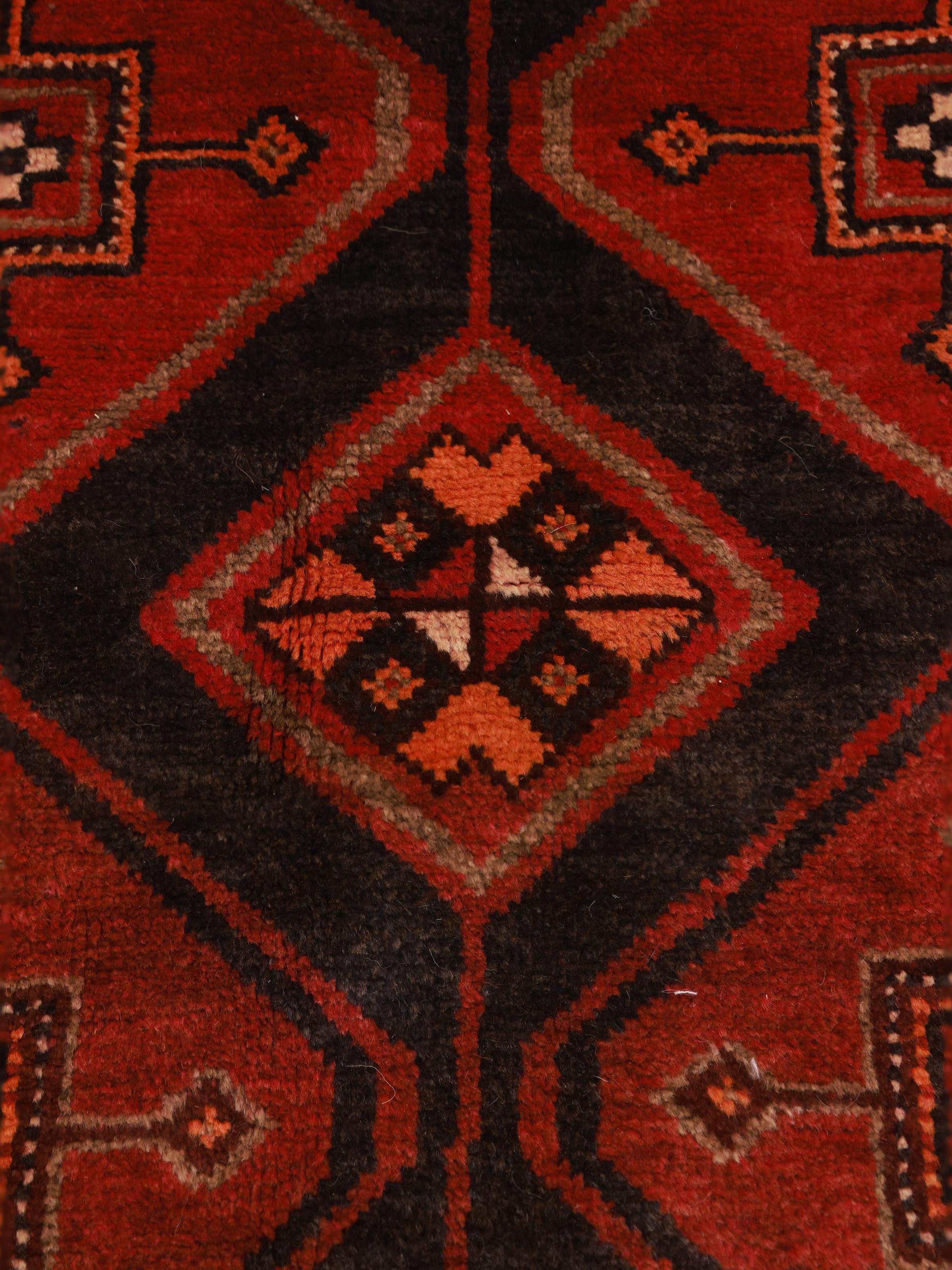
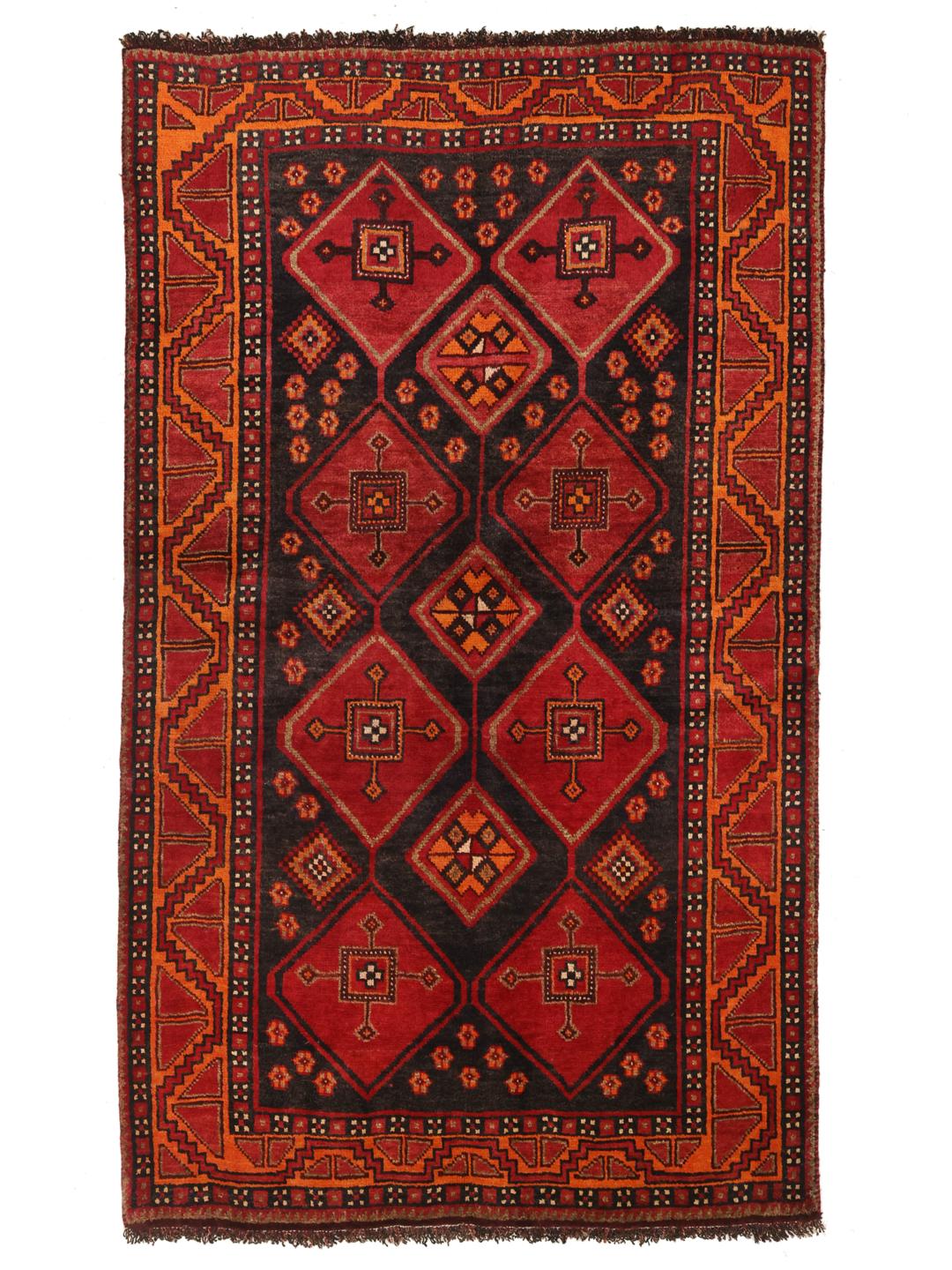
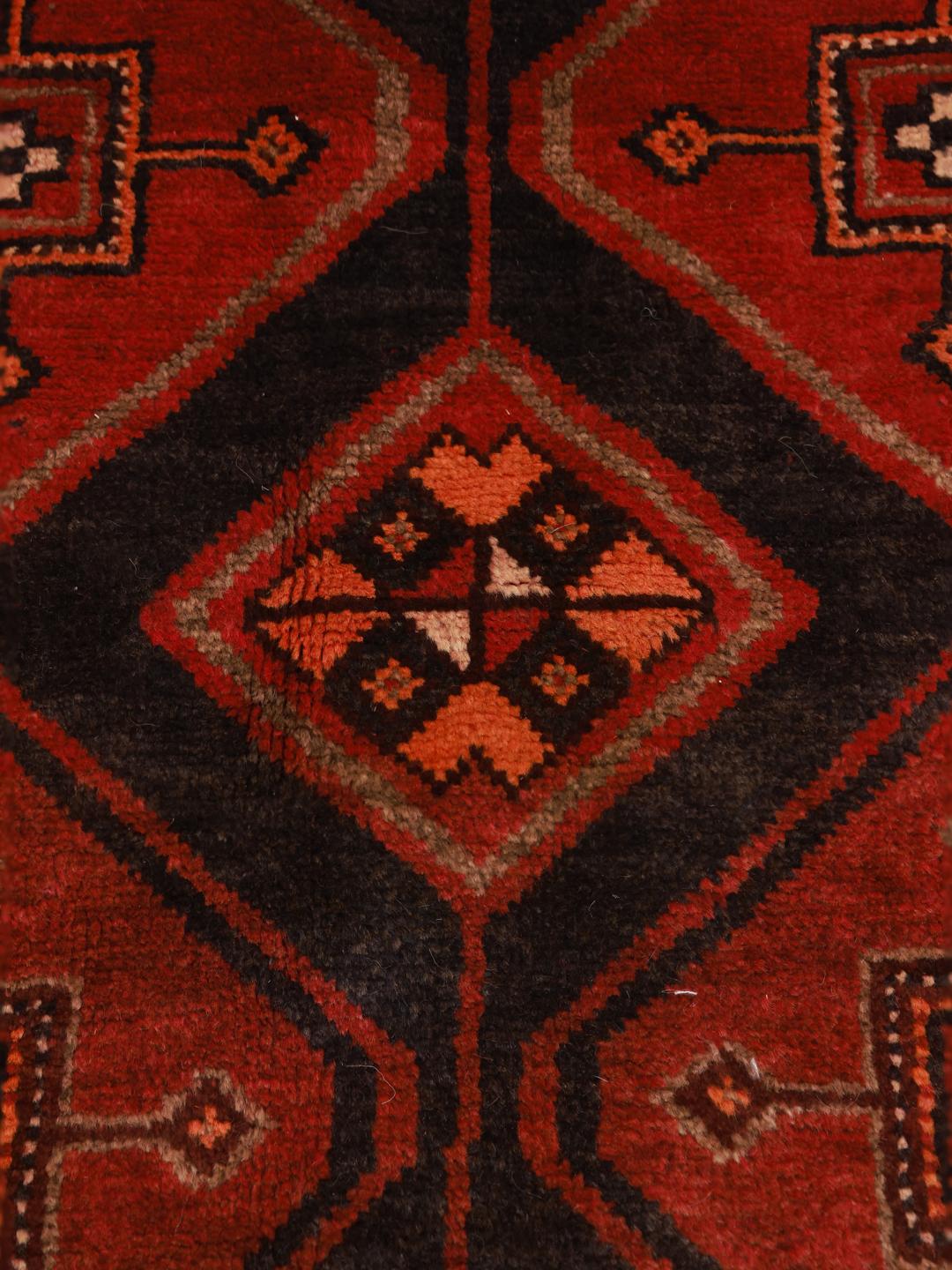
Visually, these pieces are celebrated for their expressive, geometric language. The field is typically organised with repeating motifs such as diamonds, stylized birds, or floral elements, all enclosed by intricate, multi-layered borders. The use of vibrant, locally sourced dyes gives these rugs their signature warm tones, often featuring deep reds and earthy browns that reflect the rugged landscape of their origin.
Collecting a Shiraz rug is an investment in cultural heritage. Because they are often woven from memory and tradition rather than pre-drawn patterns, each piece serves as a personal narrative of the weaver. Owning one is a way to connect with a centuries-old craft, preserving the skill and artistic legacy of the tribal weavers who continue to define this distinctive style.