The art of rug making in Afghanistan is deeply rooted in a history of resilience and nomadic traditions. For centuries, these rugs have served as both essential household items and expressions of cultural identity, with designs passed down through families as a form of visual storytelling. Today, Afghan weavers are celebrated for their ability to blend ancient techniques with a sophisticated sense of colour and form.
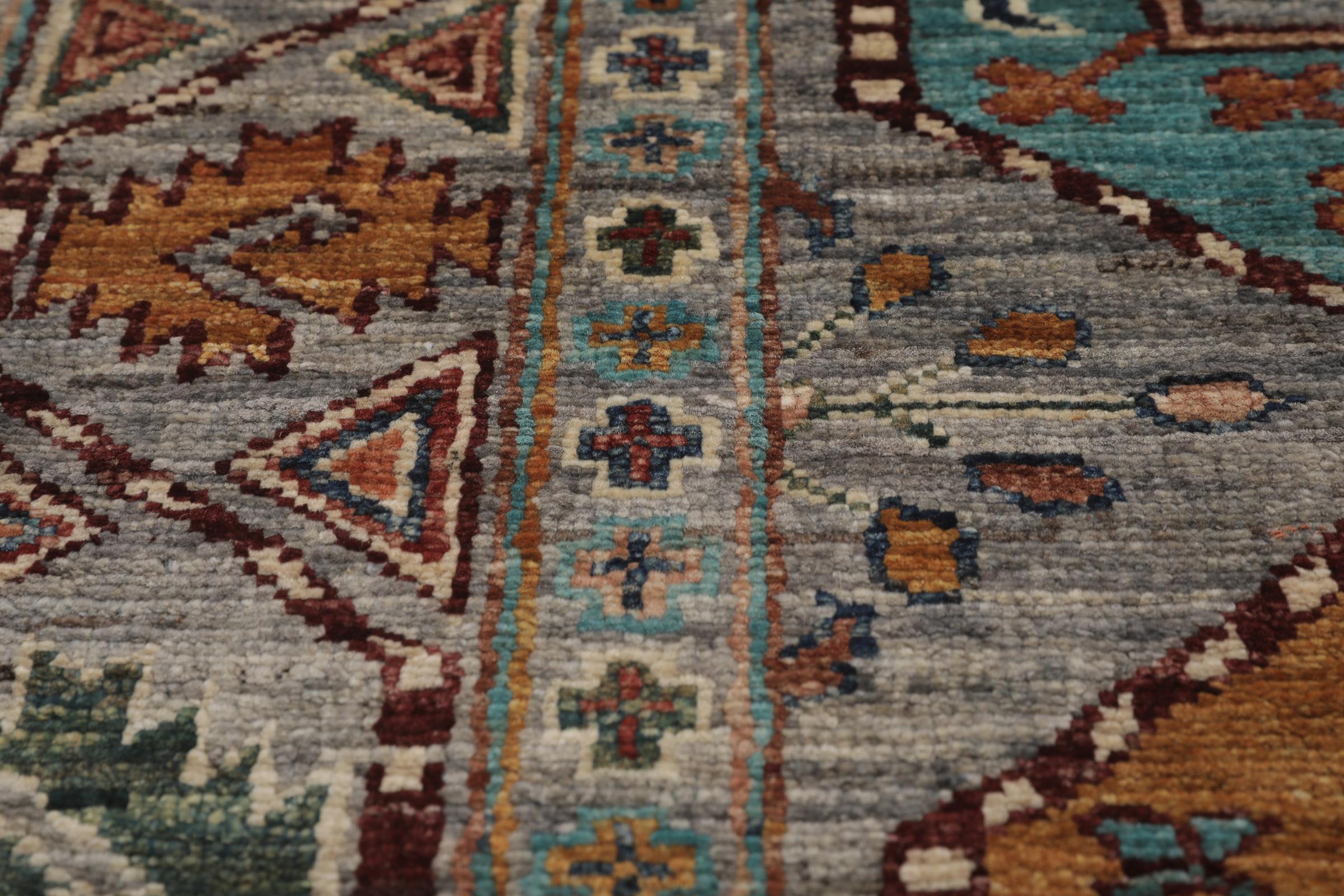
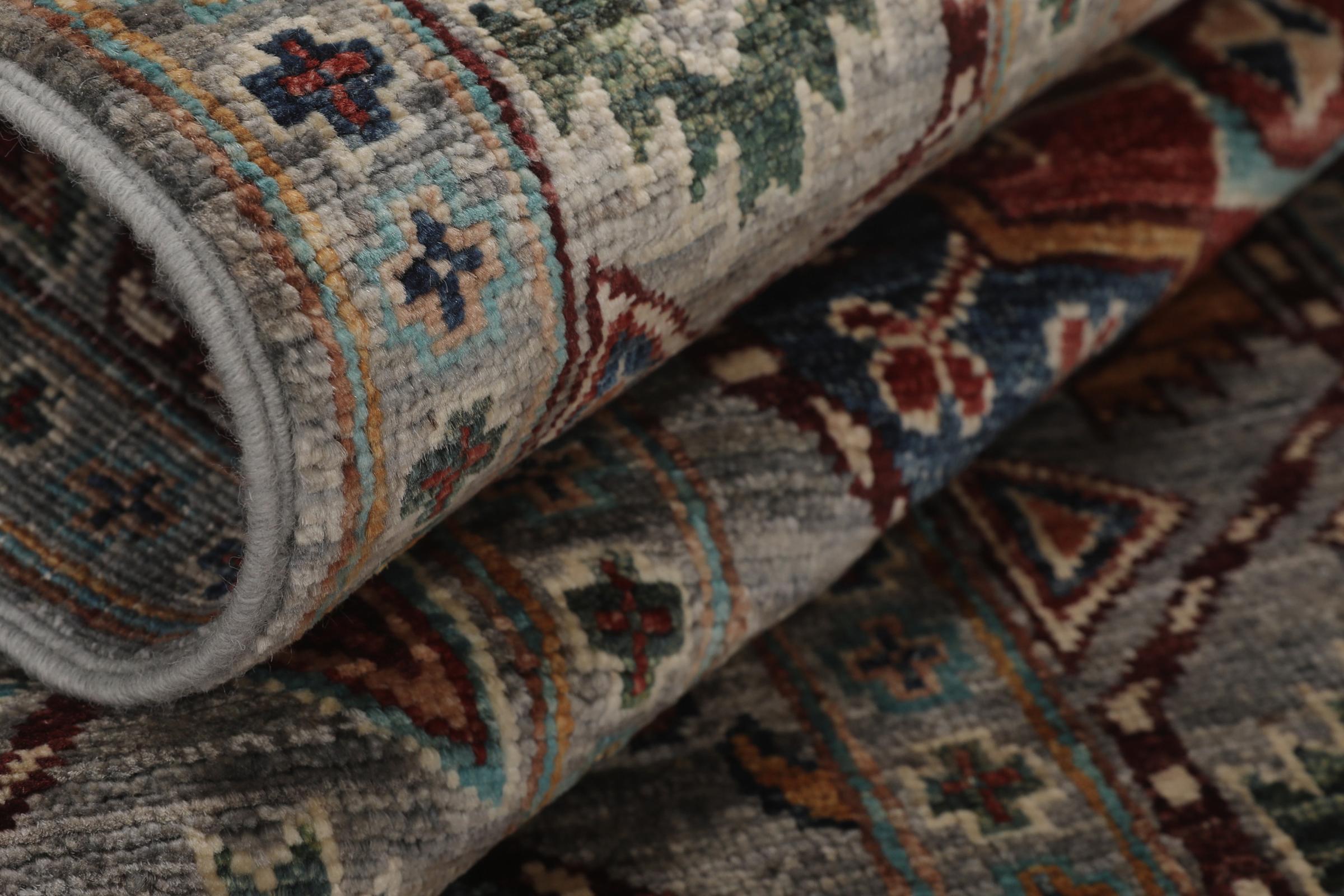
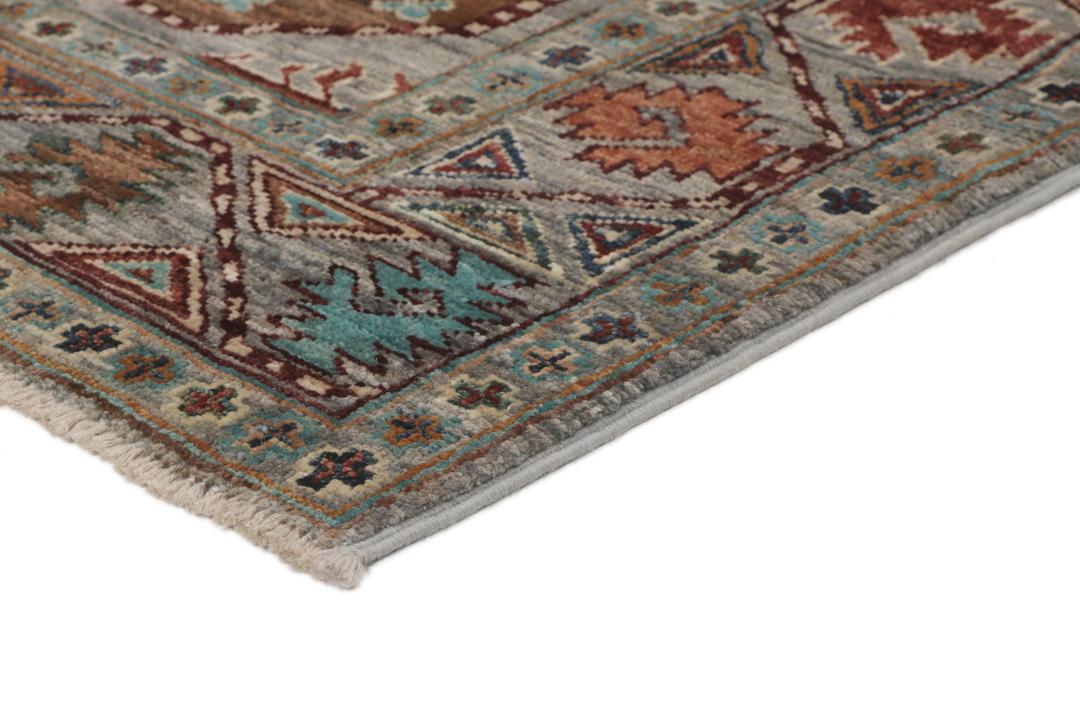
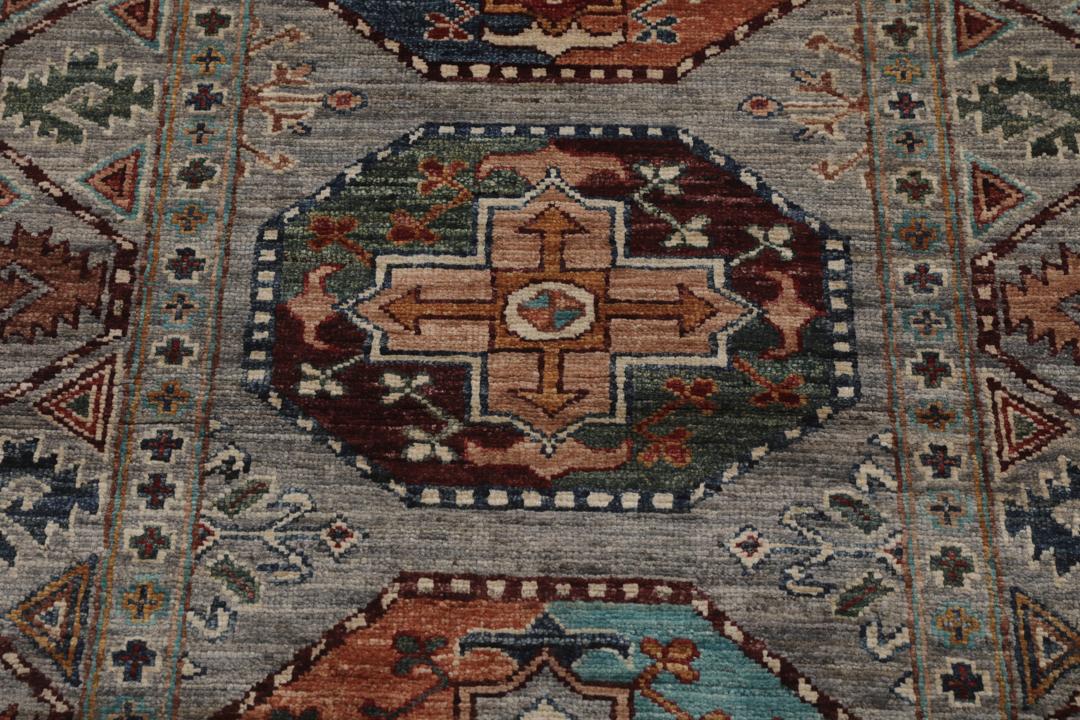
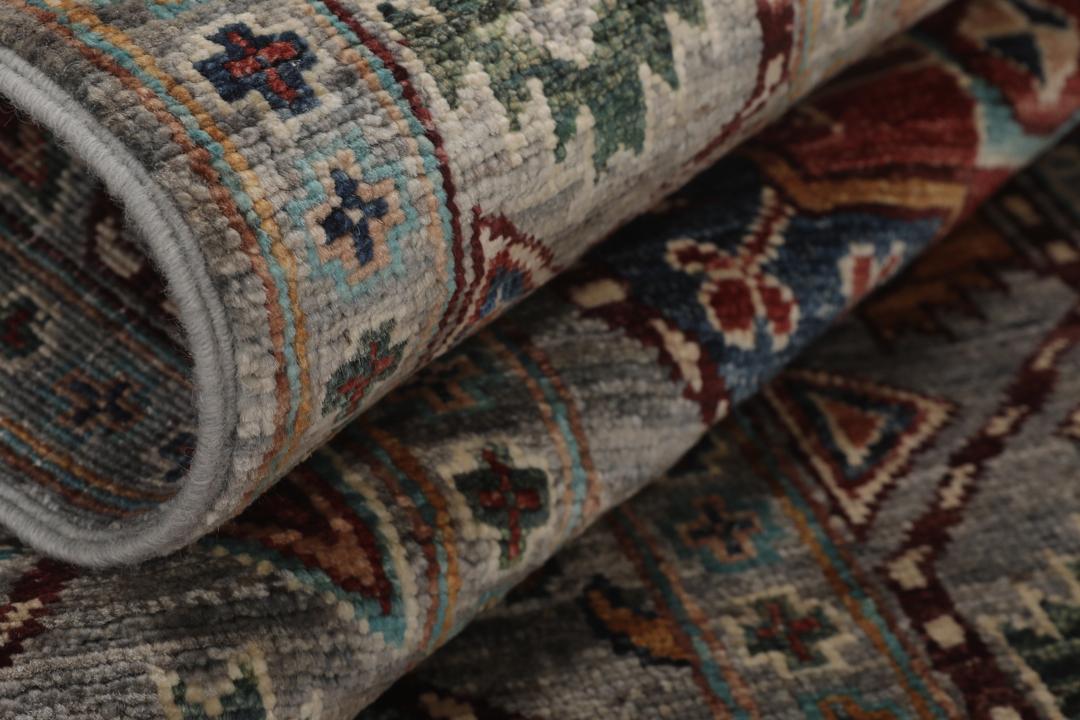
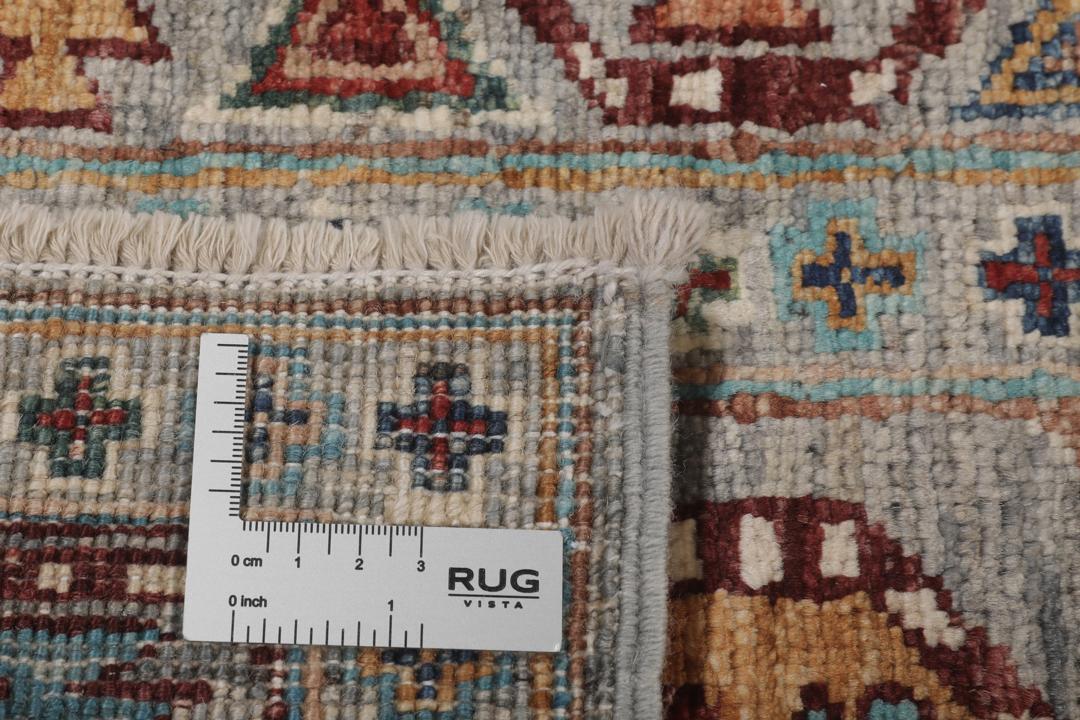
The term hand-knotted refers to the time-honoured method of tying individual knots of Wool onto a foundation of cotton. This traditional technique is what gives the rug its lasting strength and depth. Because the pile is built knot by knot, the density is controlled by the weaver’s hand, resulting in a surface that is both resilient and capable of showcasing complex, detailed patterns that retain their clarity for decades.
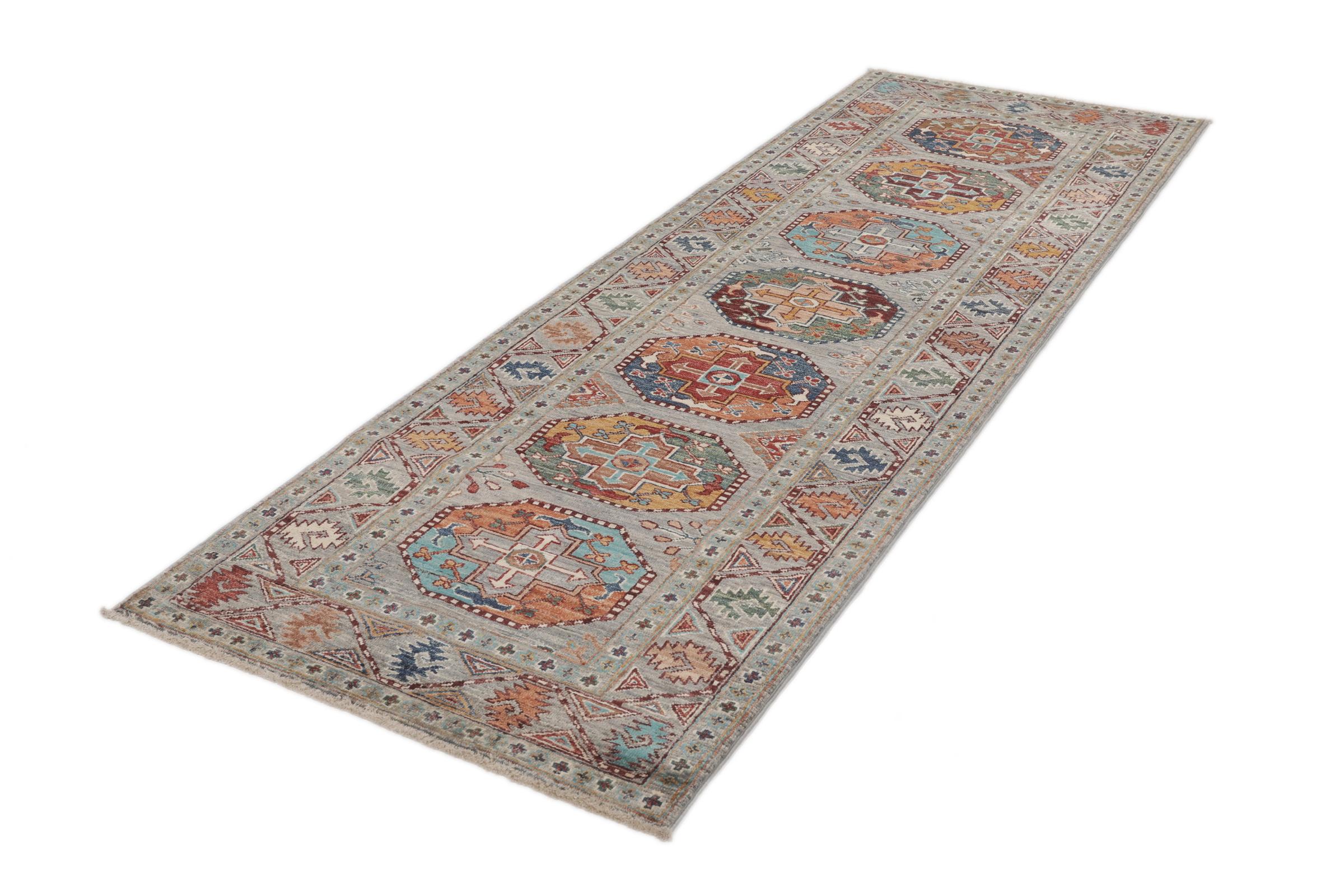
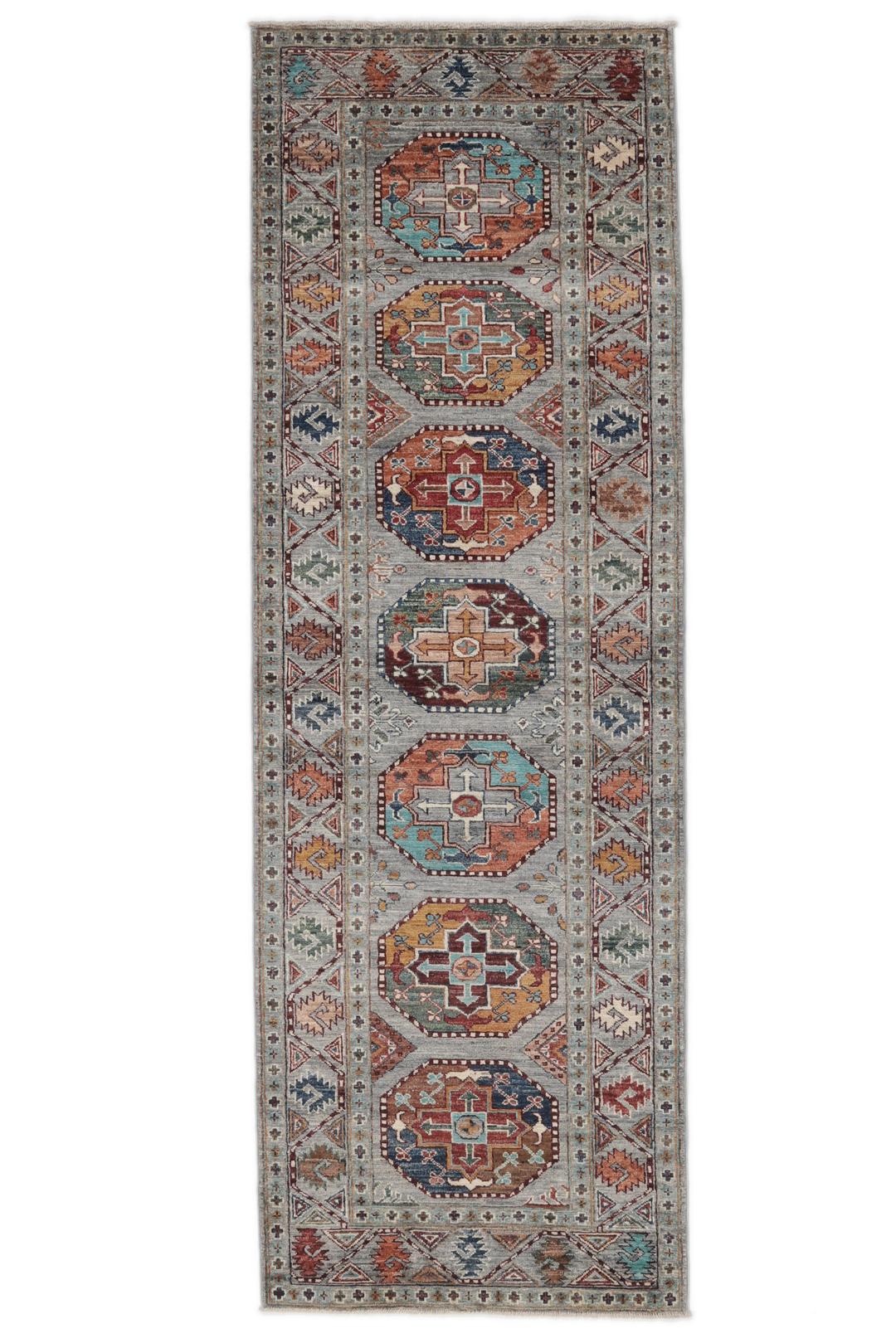
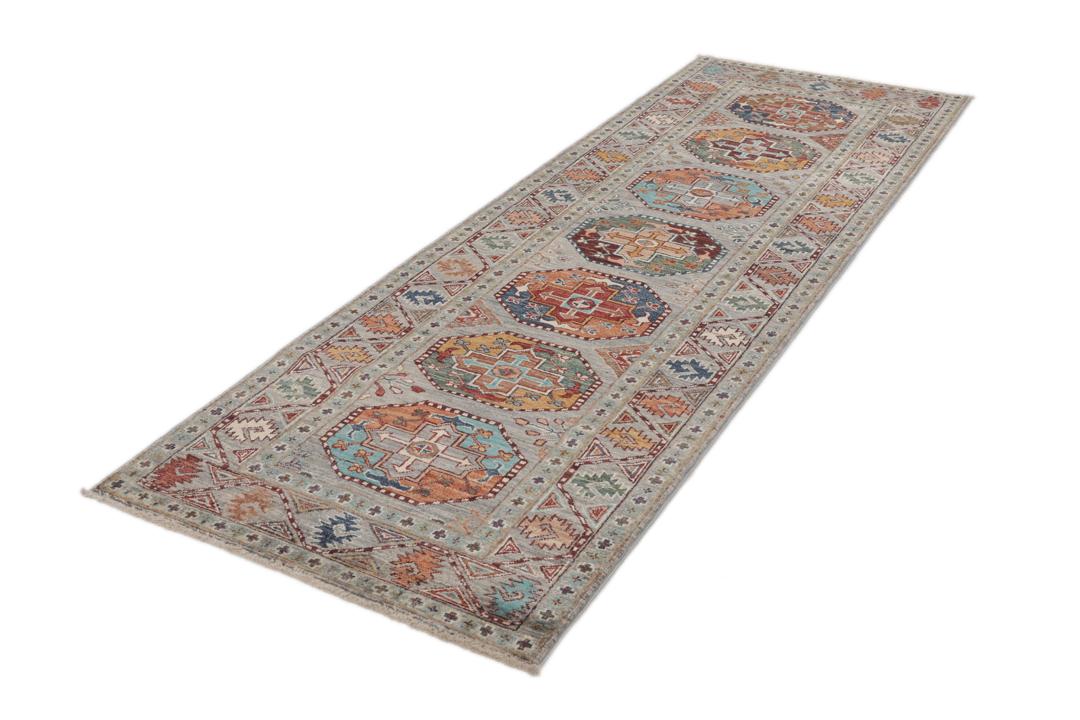
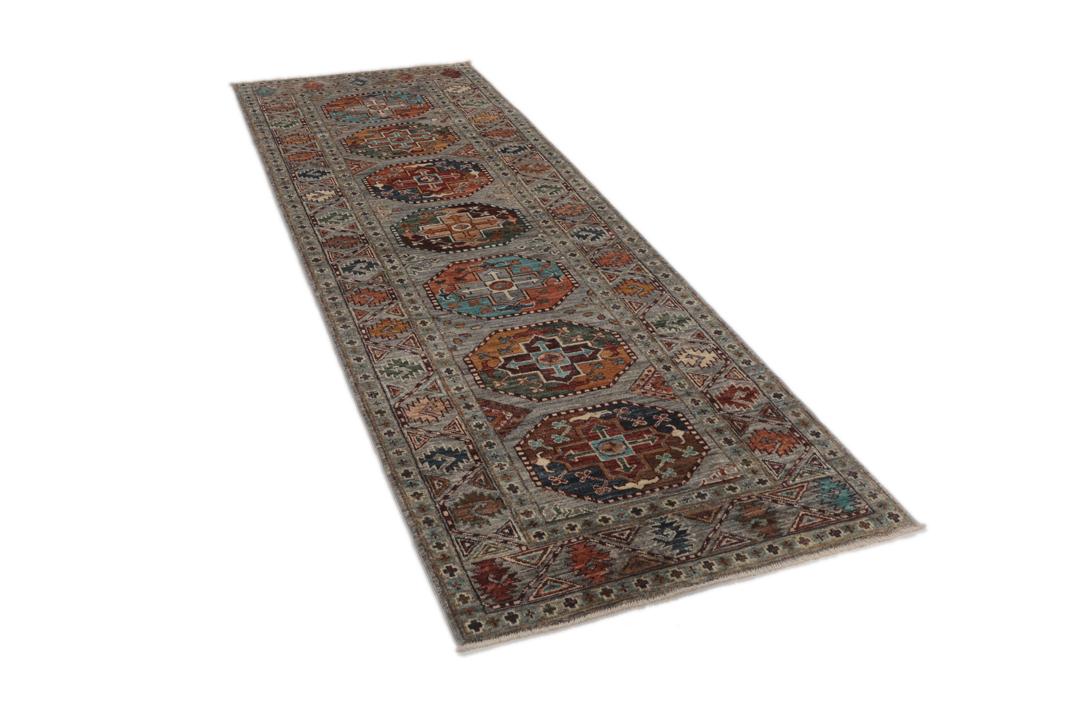
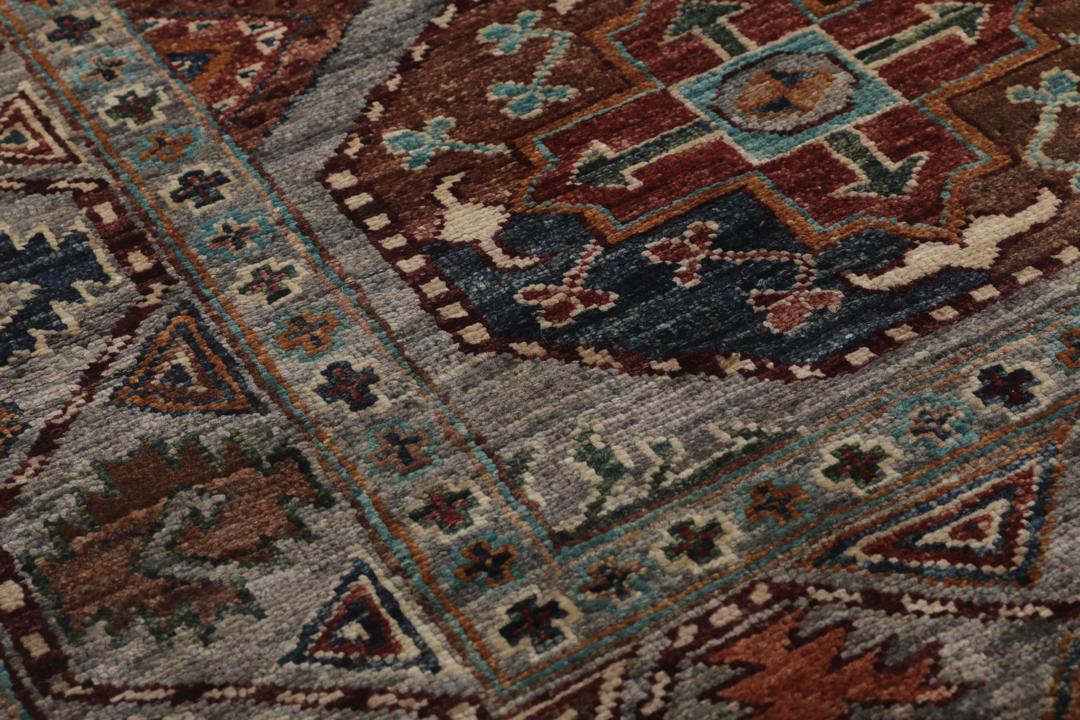
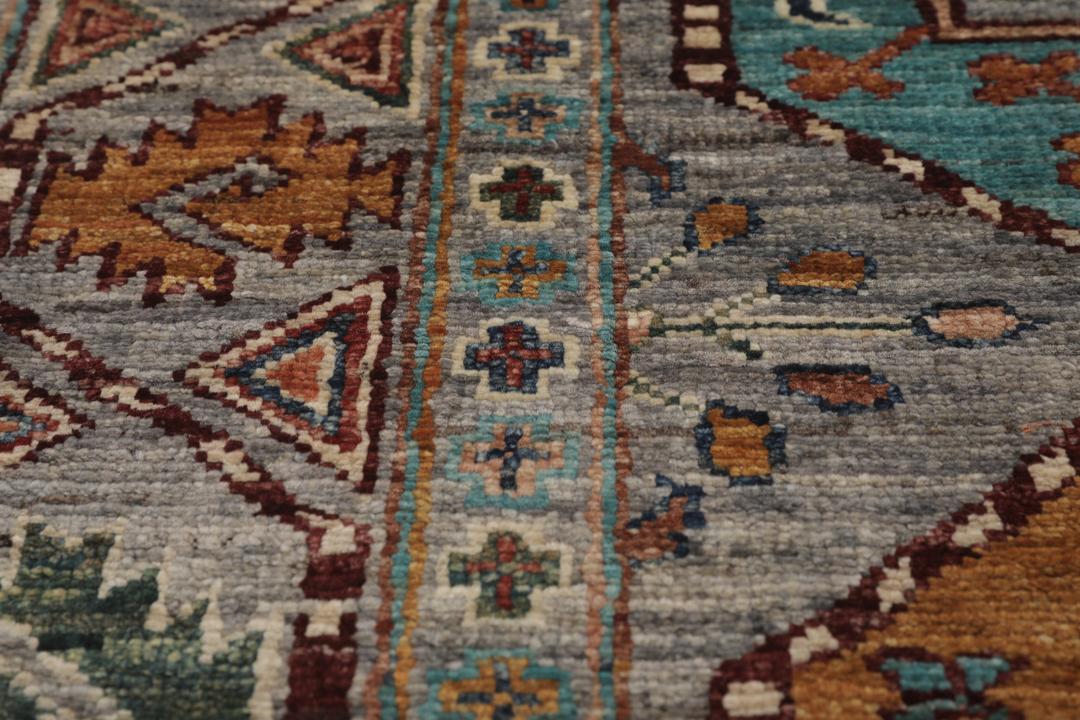
This rug features a series of geometric medallions, which are a hallmark of the regional style. These motifs often represent protective symbols or tribal signatures, arranged in a way that creates a balanced, harmonious composition. The inclusion of decorative borders further grounds the design, echoing the architectural and artistic influences of the Silk Road, where diverse cultural motifs have converged for generations.
Collecting a rug from this tradition is an investment in heritage and skill. These pieces are valued not only for their aesthetic appeal but for the immense effort and cultural history woven into every thread. By choosing a handmade piece, you are supporting a craft that values quality over speed, ensuring that the legacy of these talented artisans continues to thrive in homes around the world.