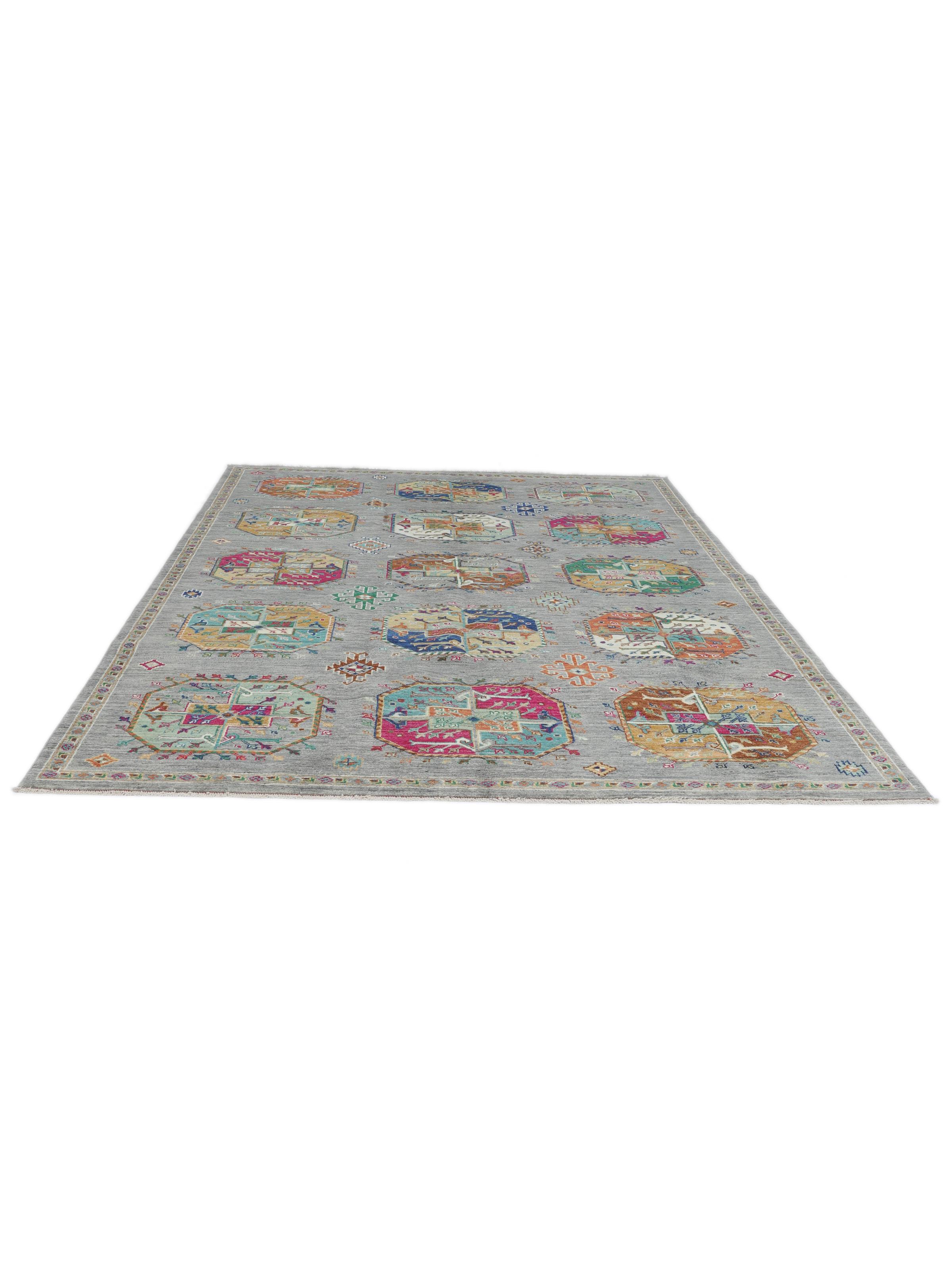
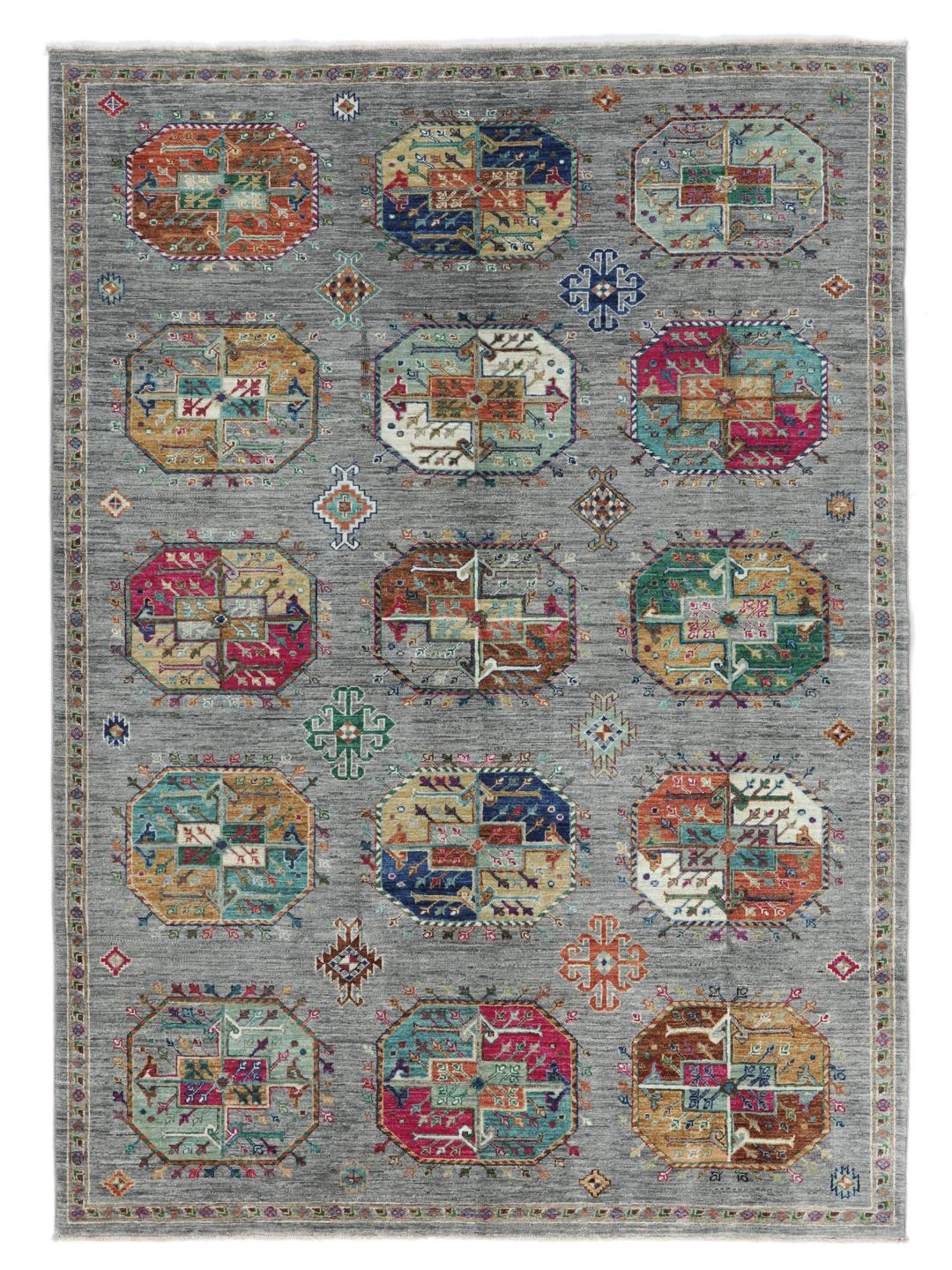
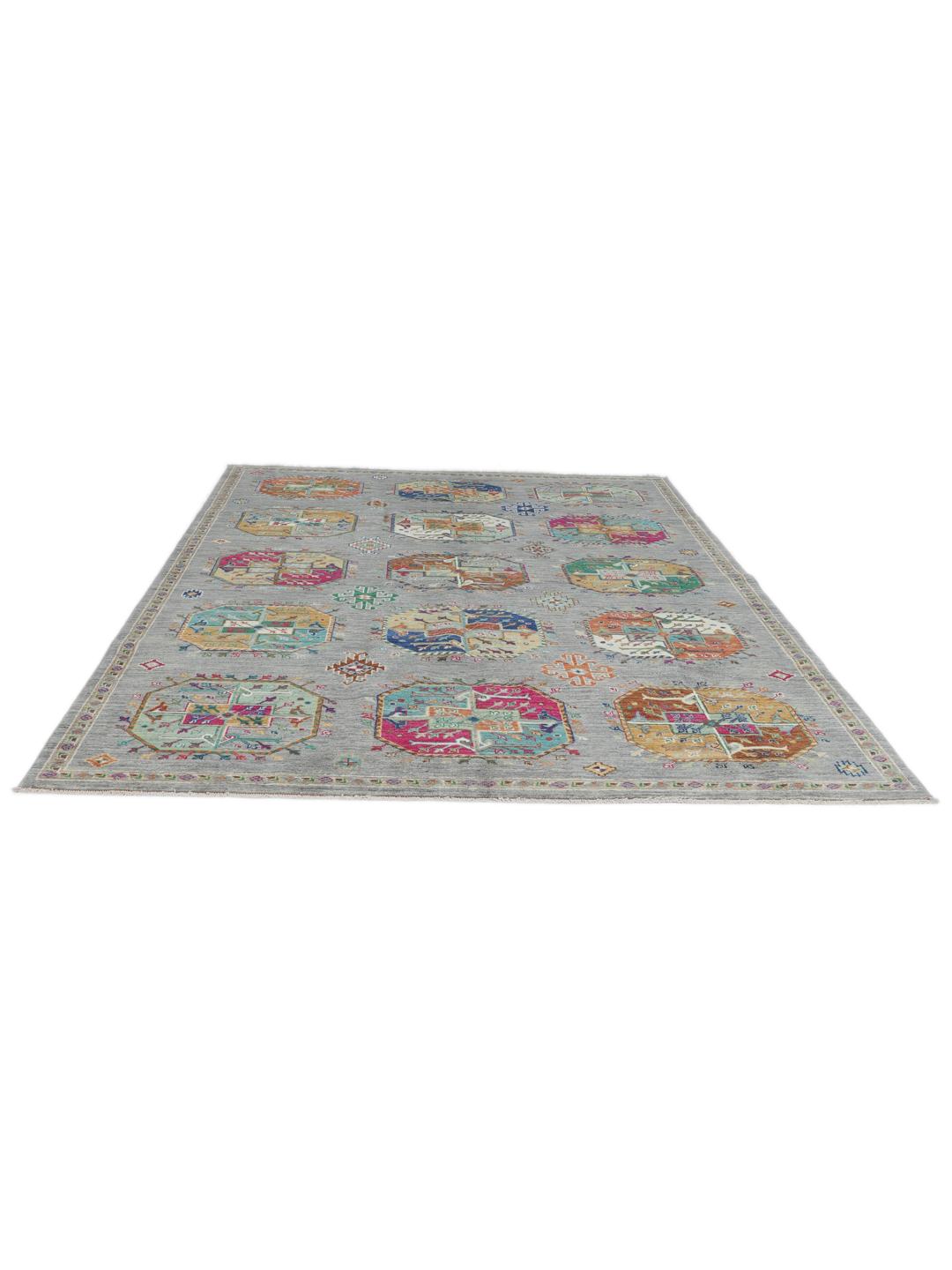
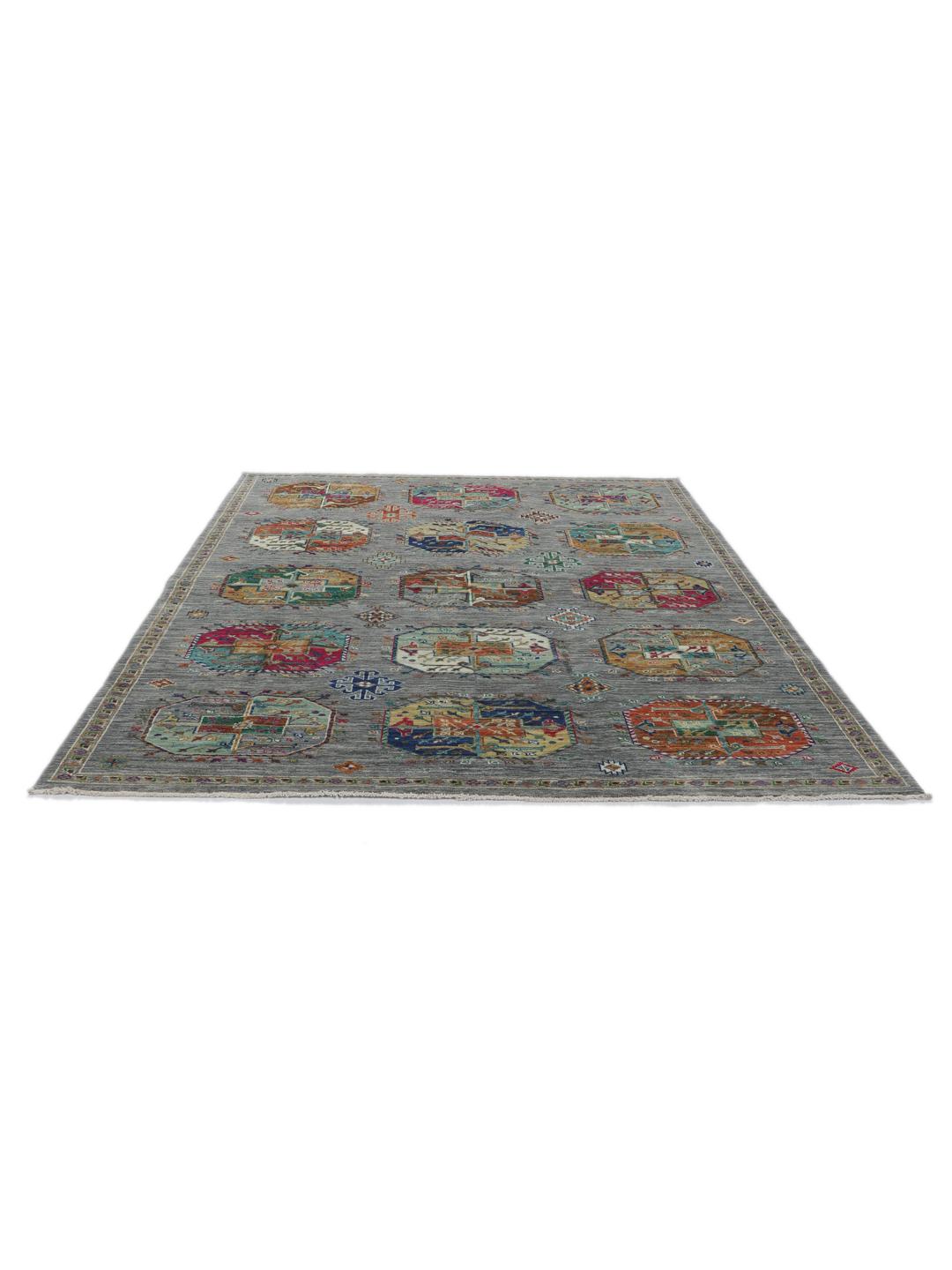
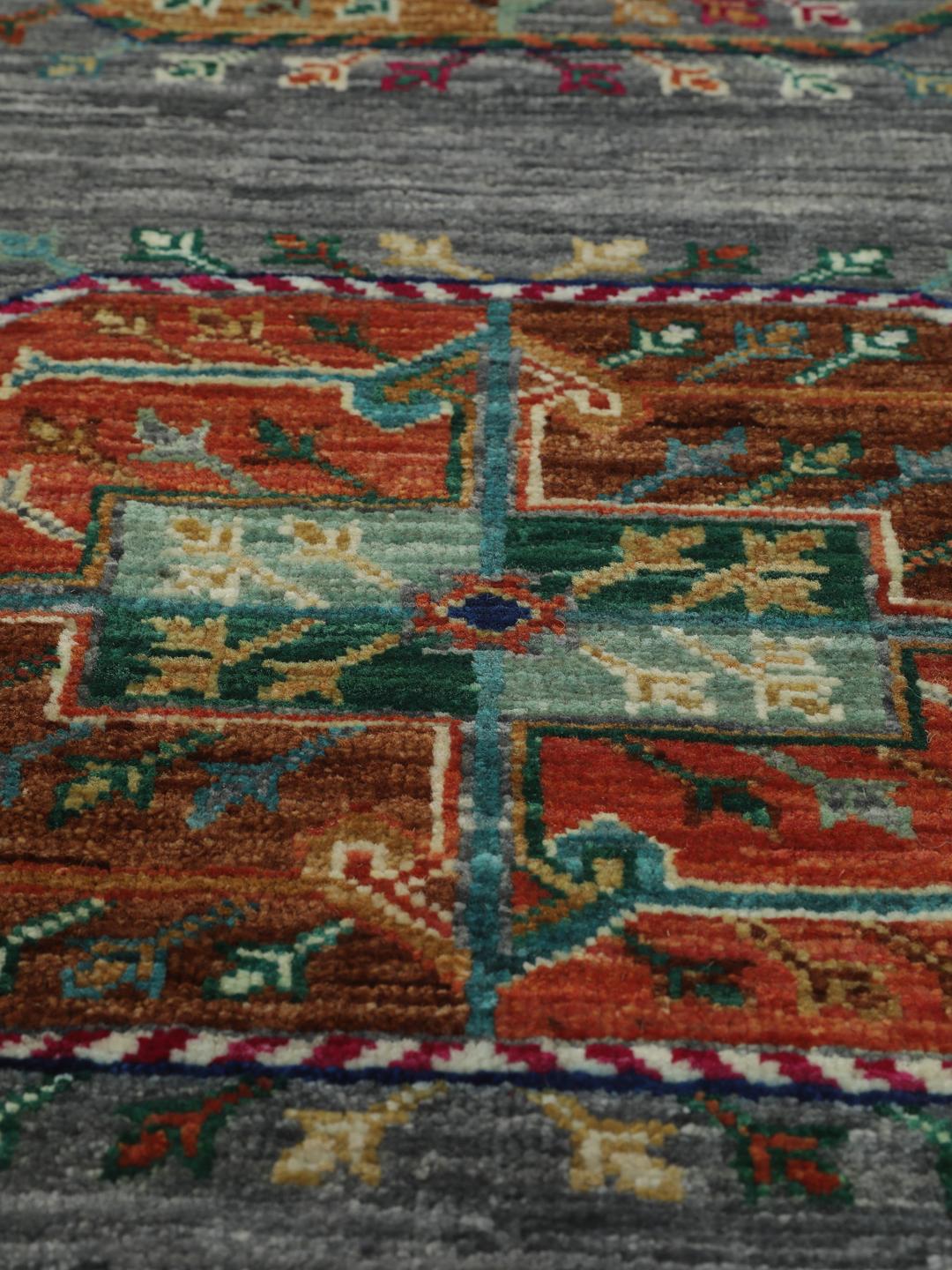
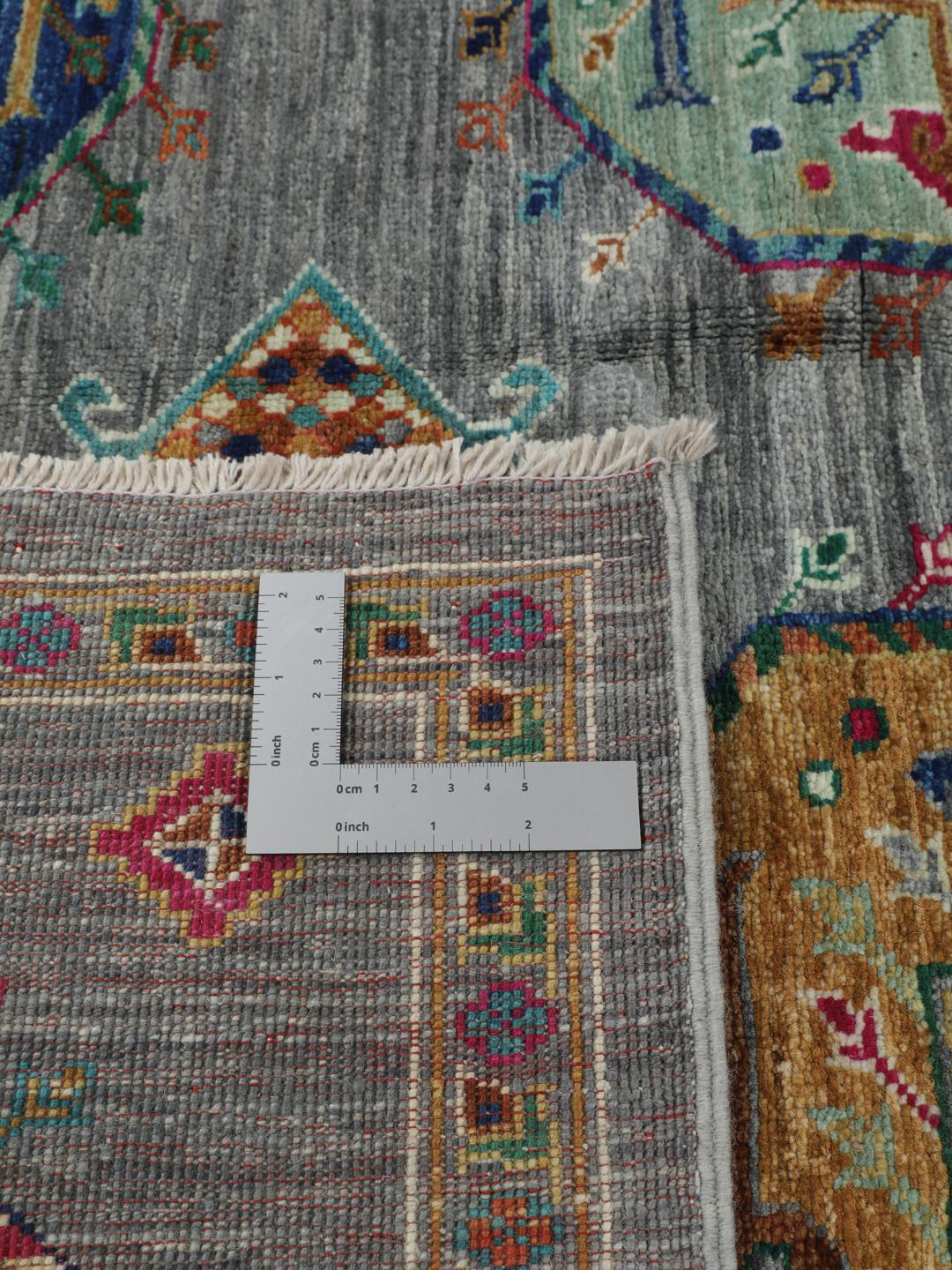
The Shabargan rug belongs to the rich tradition of Afghan weaving, a craft deeply rooted in the cultural identity of the region. Historically, these rugs have evolved from nomadic roots, where weavers drew inspiration from the natural landscapes and geometric symbolism of the Central Asian steppes. Today, this tradition continues in Afghanistan, where local artisans blend ancient design motifs with contemporary colour palettes to create pieces that are both historical and modern.
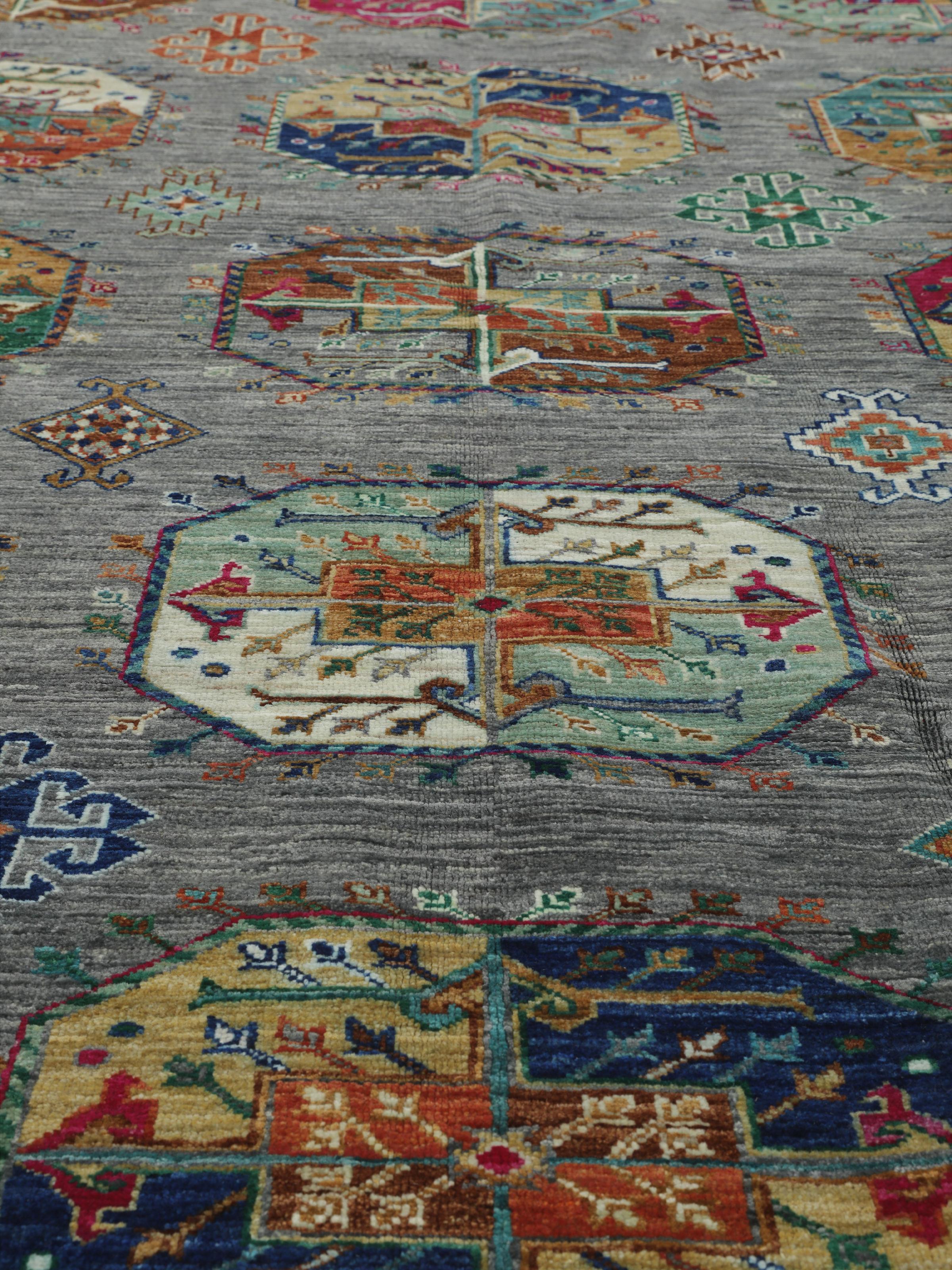
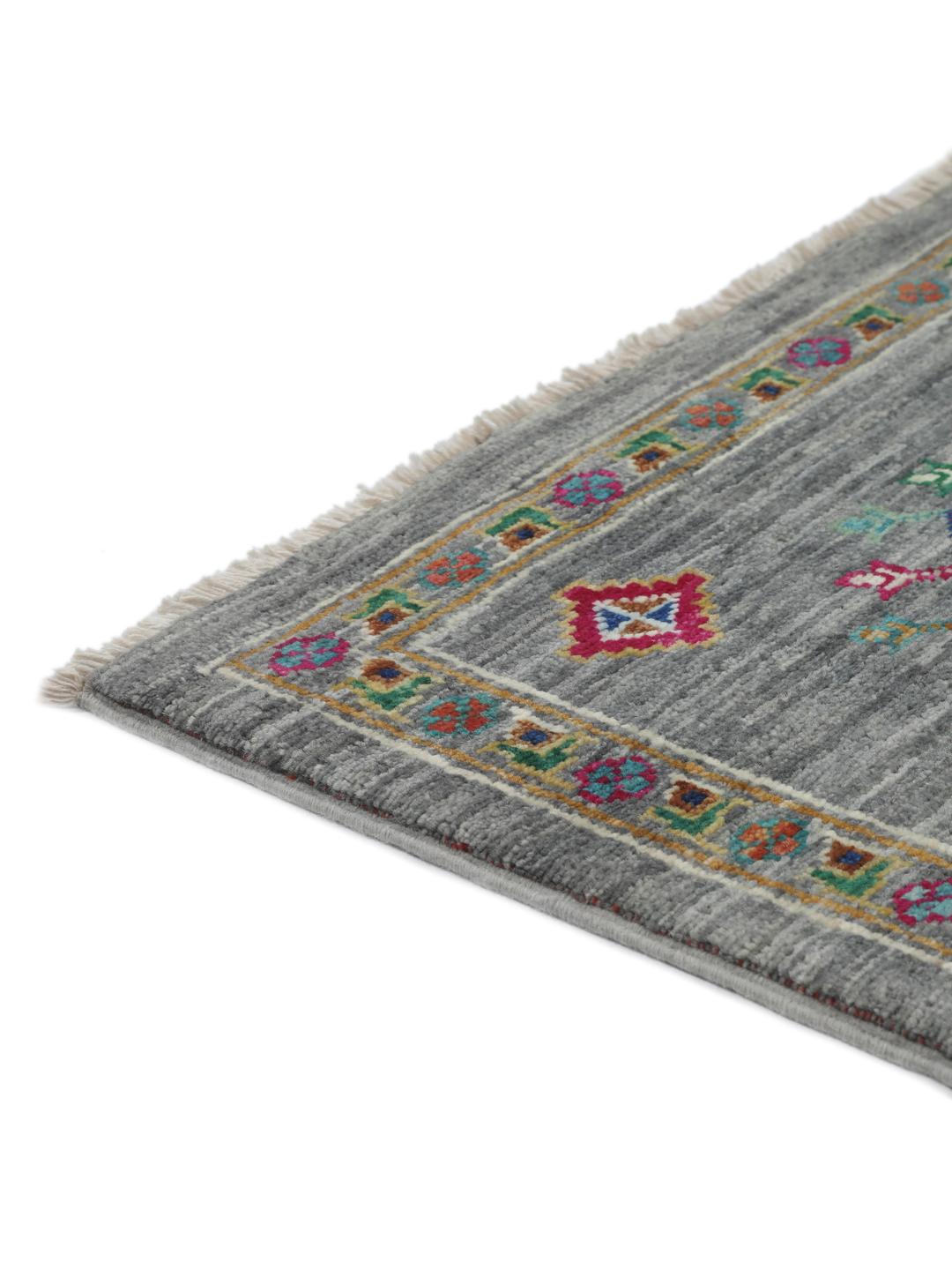
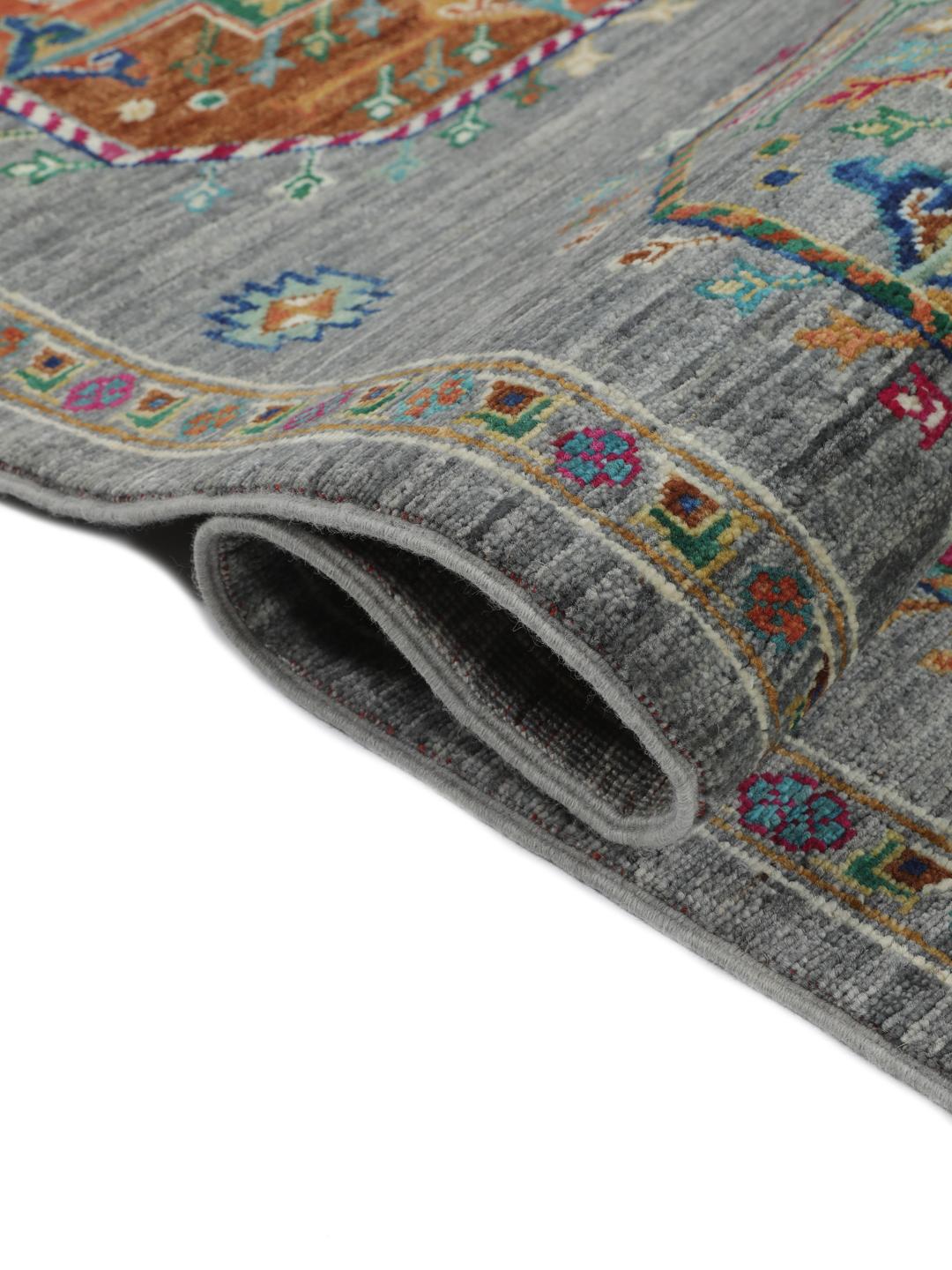
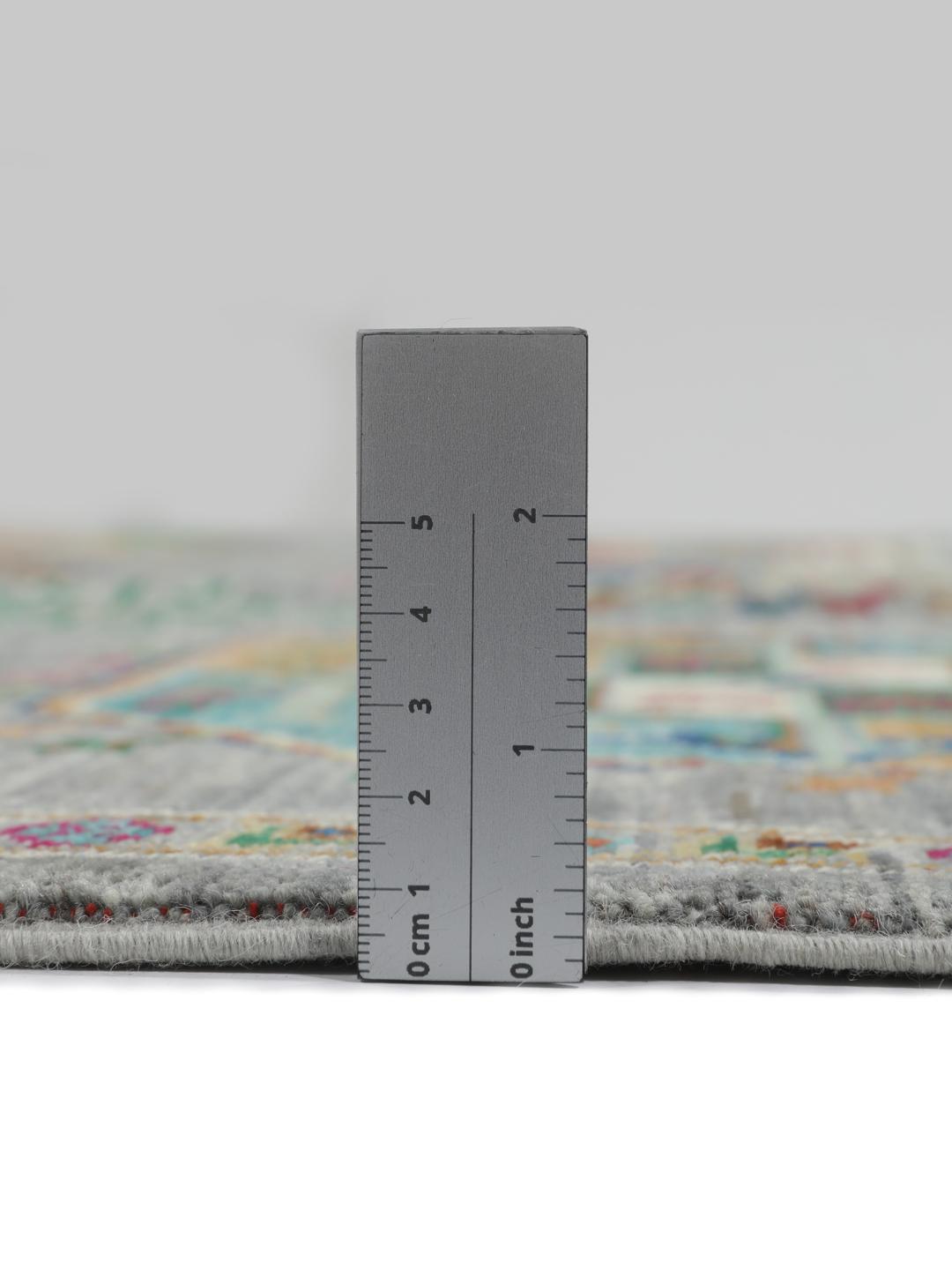
The term 'hand-knotted' refers to the technique where individual strands of wool are tied around the warp and weft foundation threads, a process that defines the rug's quality and longevity. This labour-intensive method creates a dense pile that is far more durable than machine-made alternatives. The resulting texture is not only pleasing to the touch but also capable of withstanding years of wear, as the individual knots are locked firmly into the foundation.
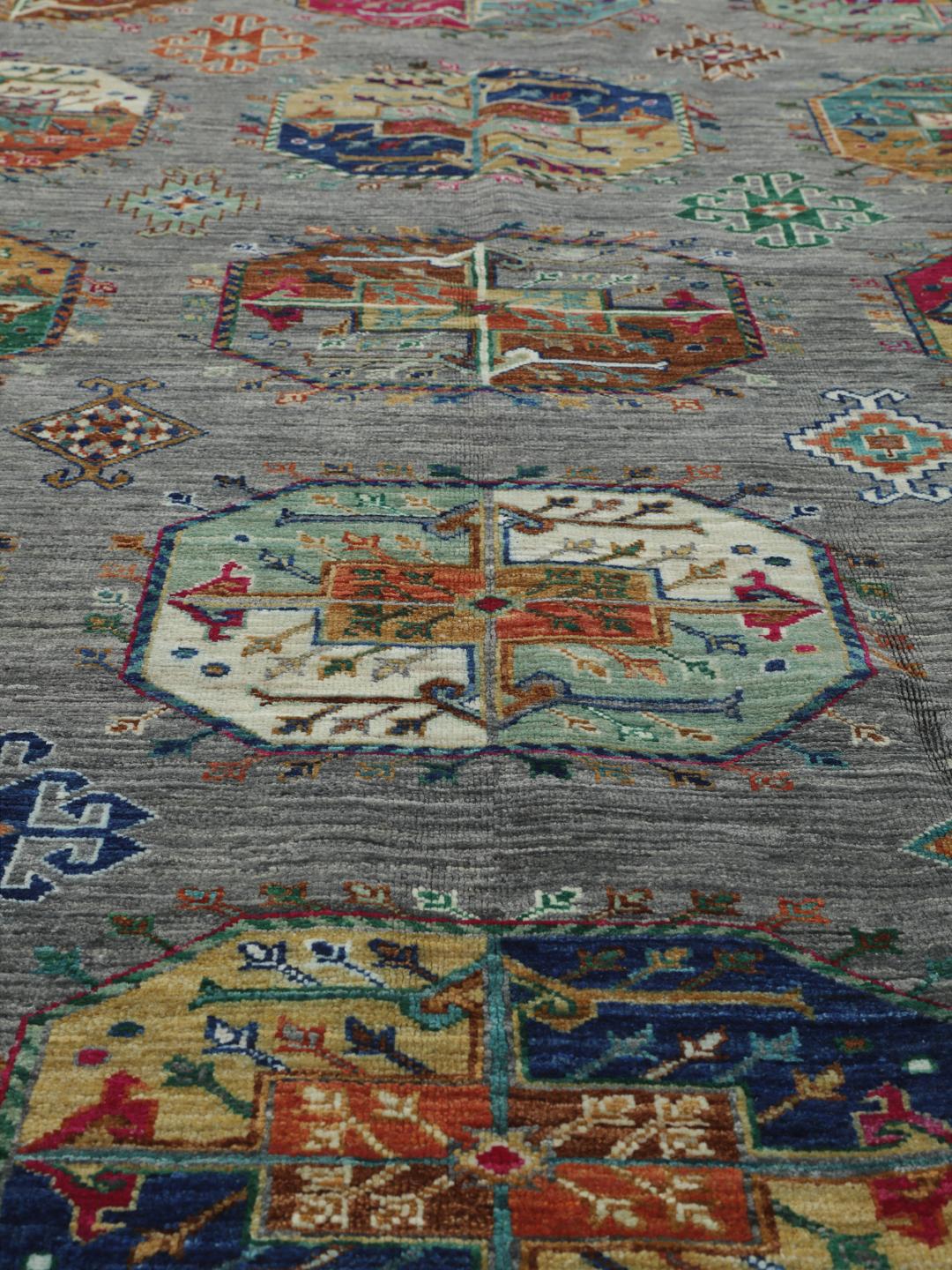
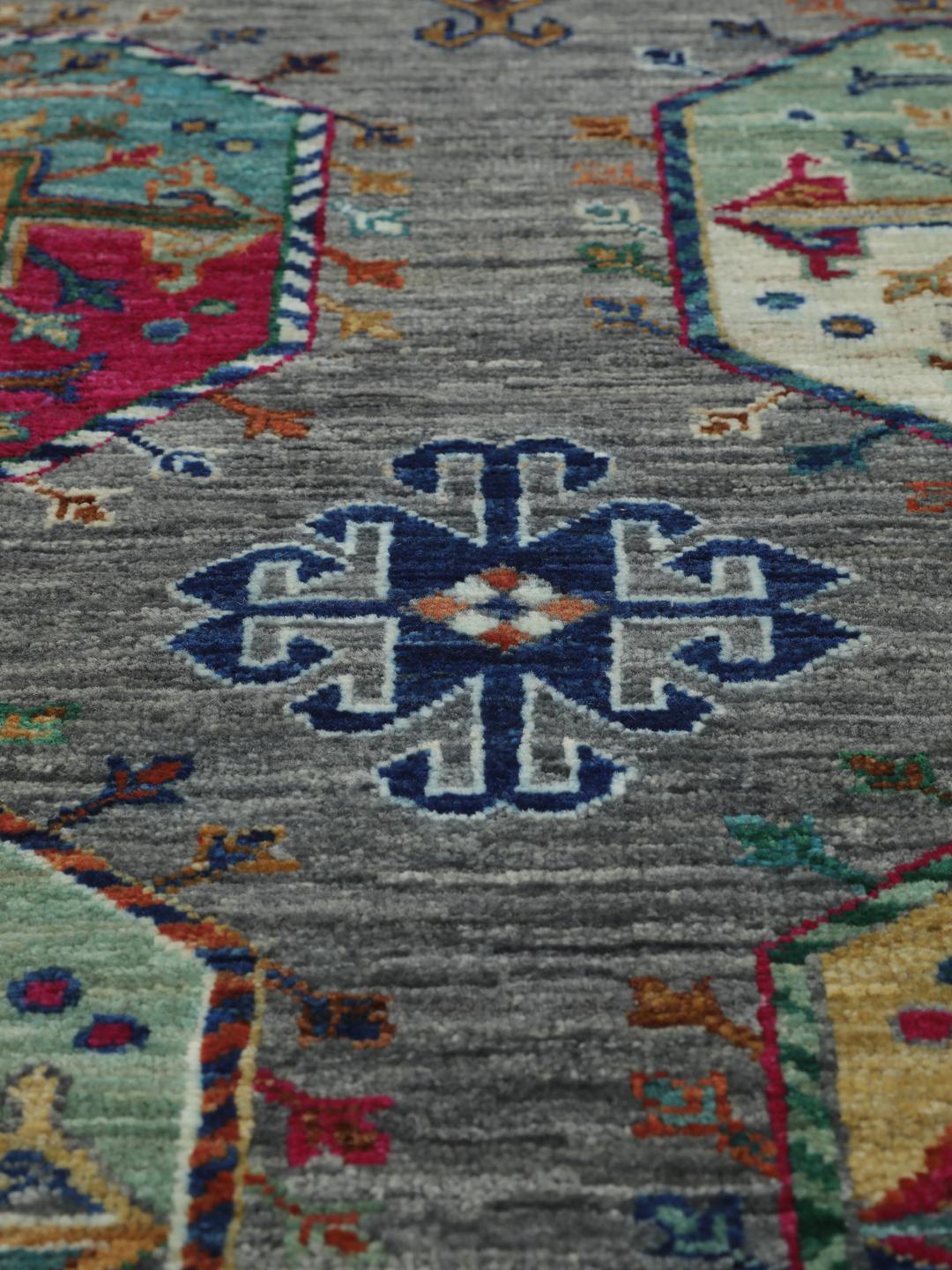
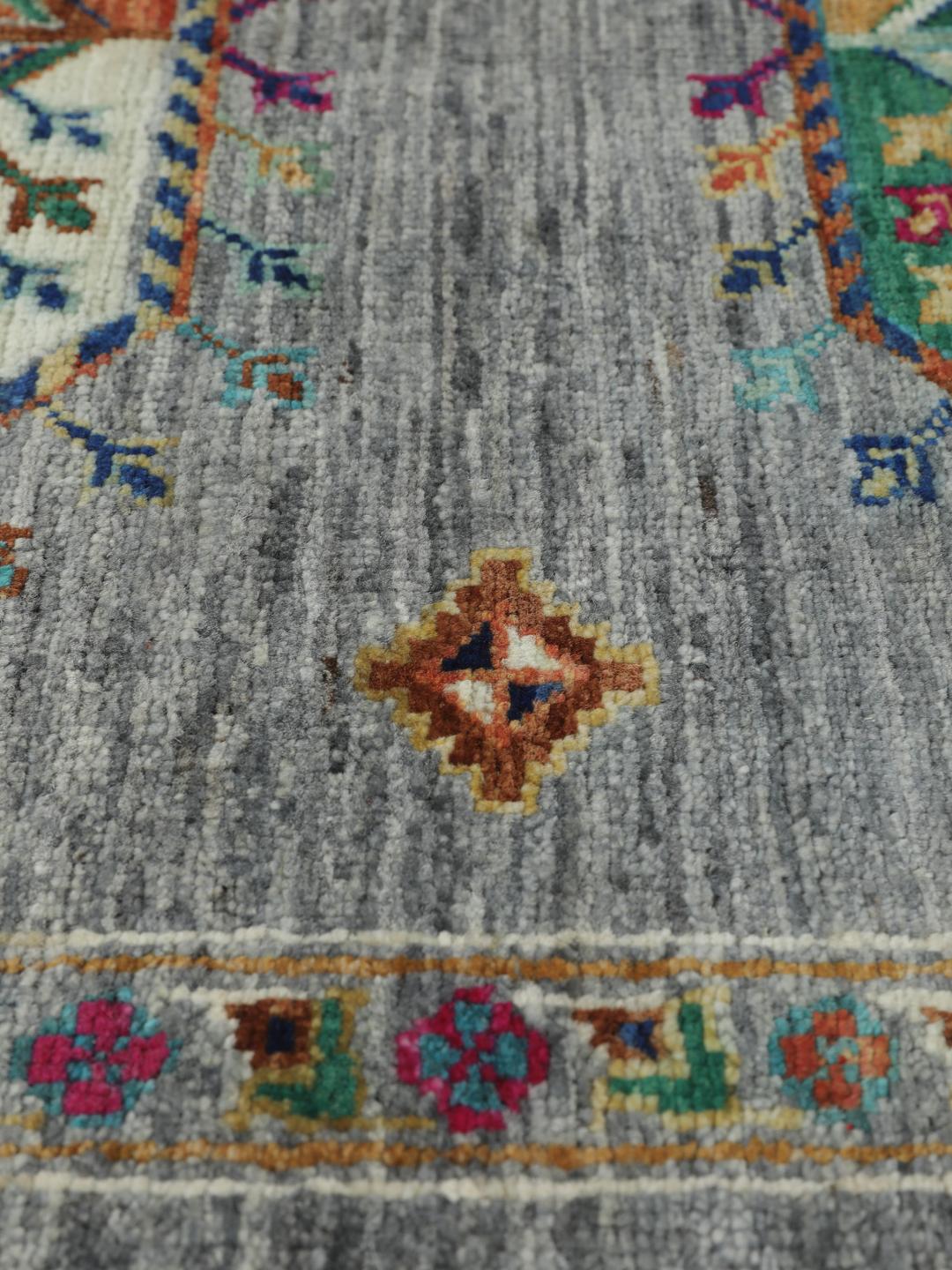
Visually, these rugs are defined by their bold geometric language and the use of repeating medallions, often referred to as guls or variations of tribal emblems. These motifs are not merely decorative; they often carry symbolic meaning, representing elements of protection, fertility, or the natural world. The use of a grey field in this particular piece is a modern interpretation that allows the vibrant colours of the medallions to stand out, creating a striking contrast that is both balanced and dynamic.
Collecting a rug from this tradition is an investment in cultural heritage and human skill. Because each rug is made by hand, no two pieces are ever exactly alike, reflecting the unique choices and artistic expression of the individual weaver. Owning such a piece is a testament to the appreciation of traditional craftsmanship and the desire to fill one's home with items that possess genuine character and a narrative of their own.