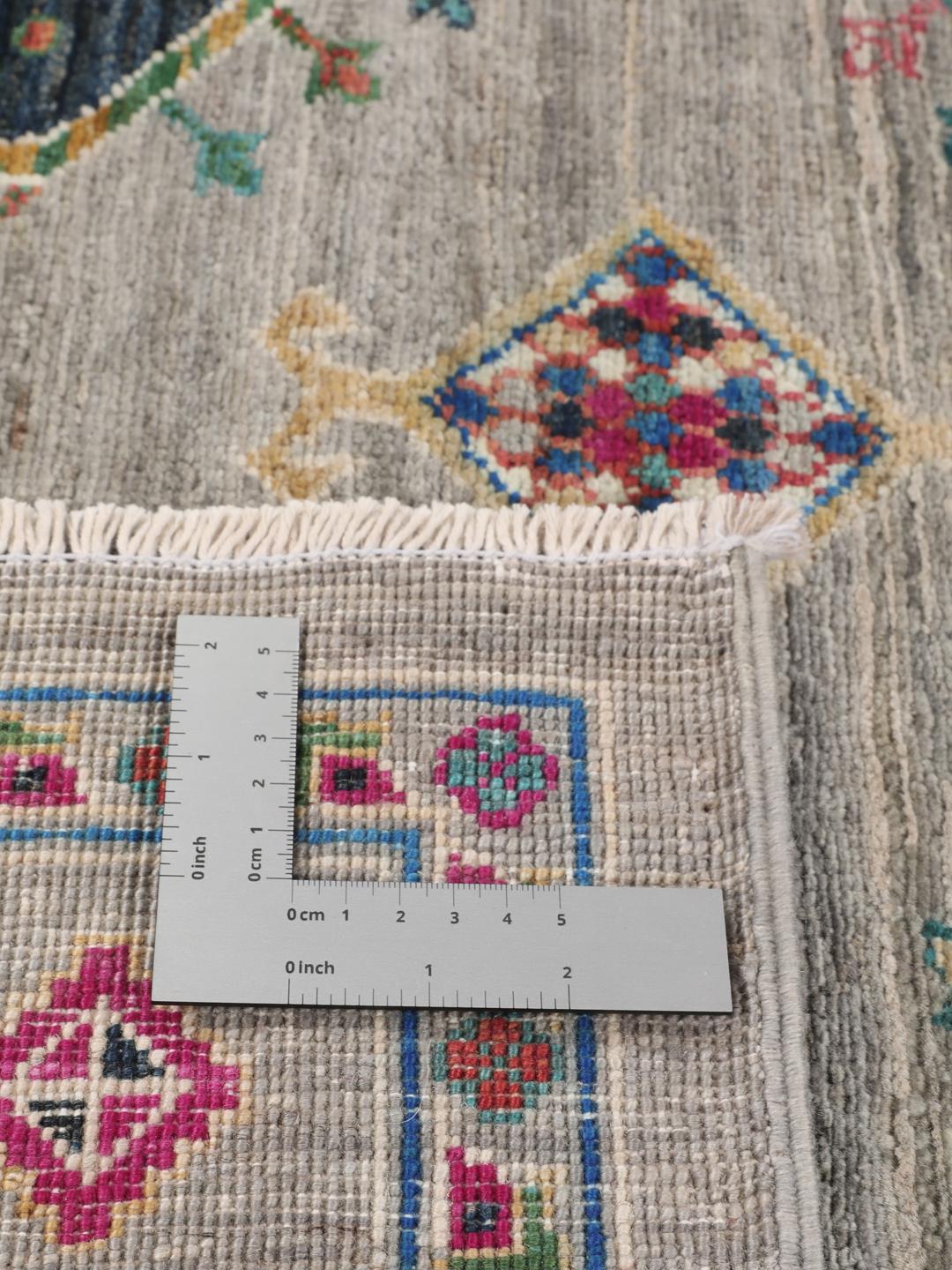
The Shabargan rug finds its roots in the storied weaving traditions of Afghanistan, a region with a profound history of textile art. The craft has evolved over centuries, passed down through generations of families who view rug-making not just as a trade, but as a vital expression of their cultural identity. These rugs are deeply influenced by the nomadic and settled tribal aesthetics of the Middle East, often reflecting the natural landscape and the rich artistic vocabulary of the local communities.
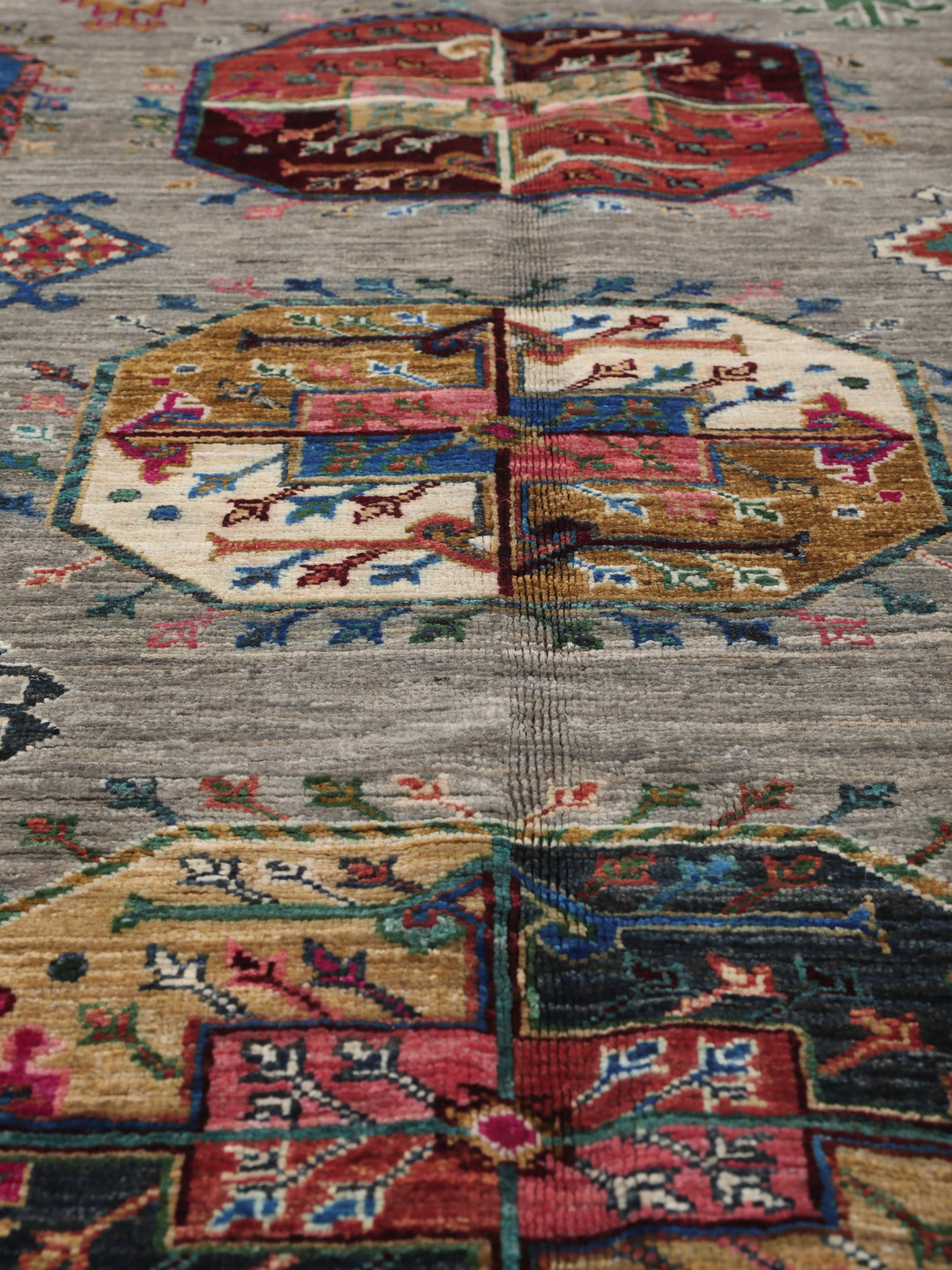
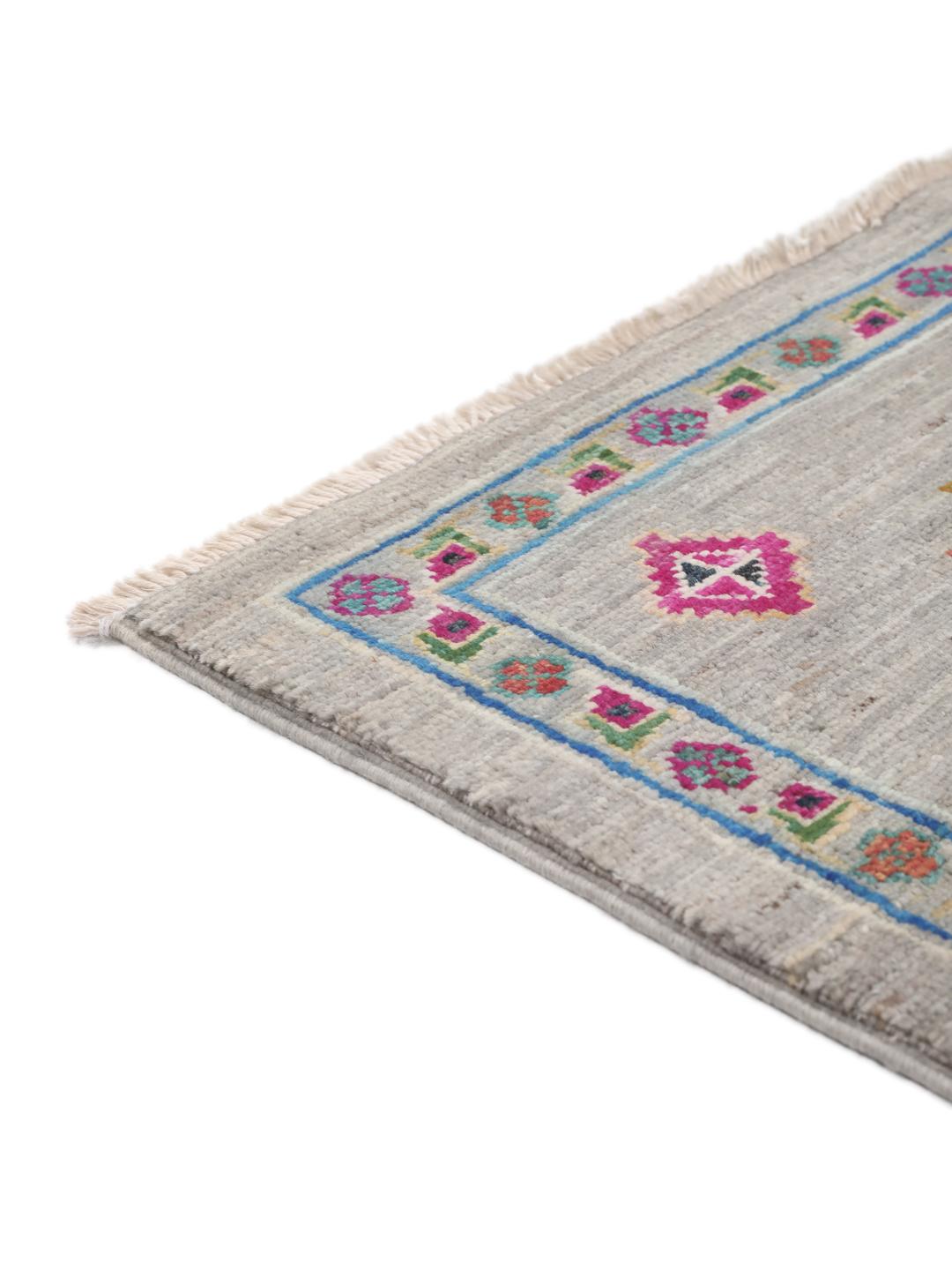
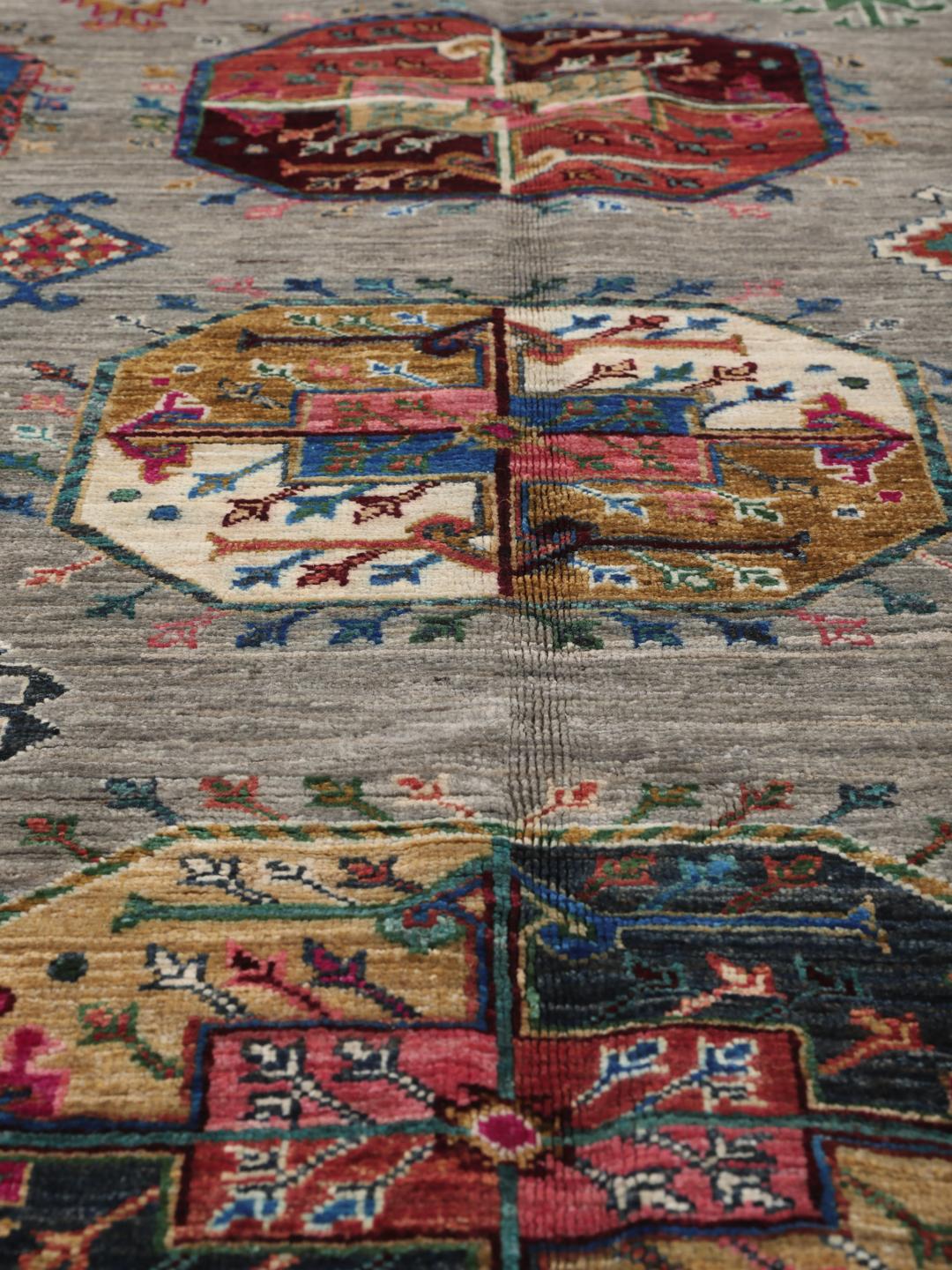
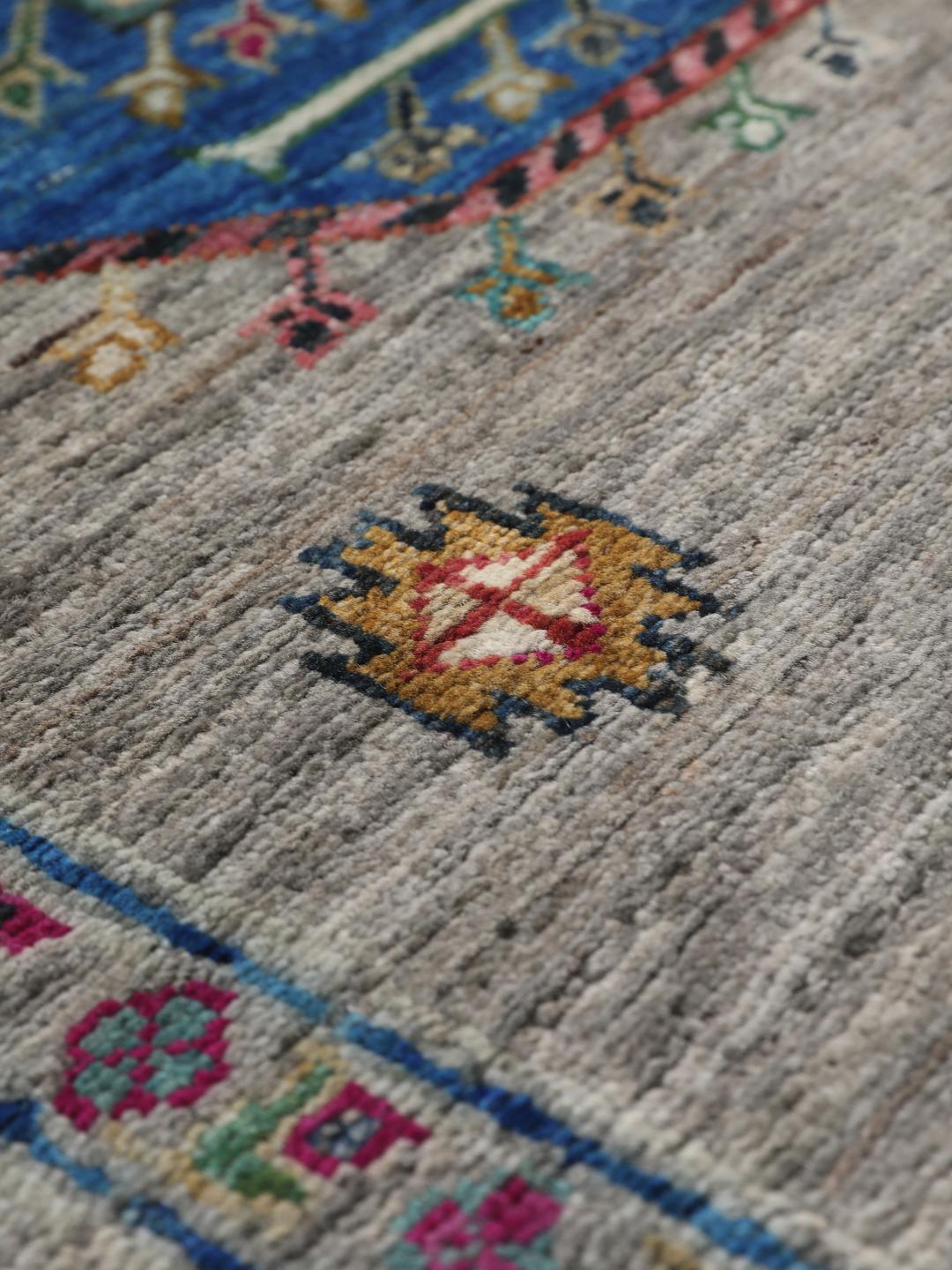
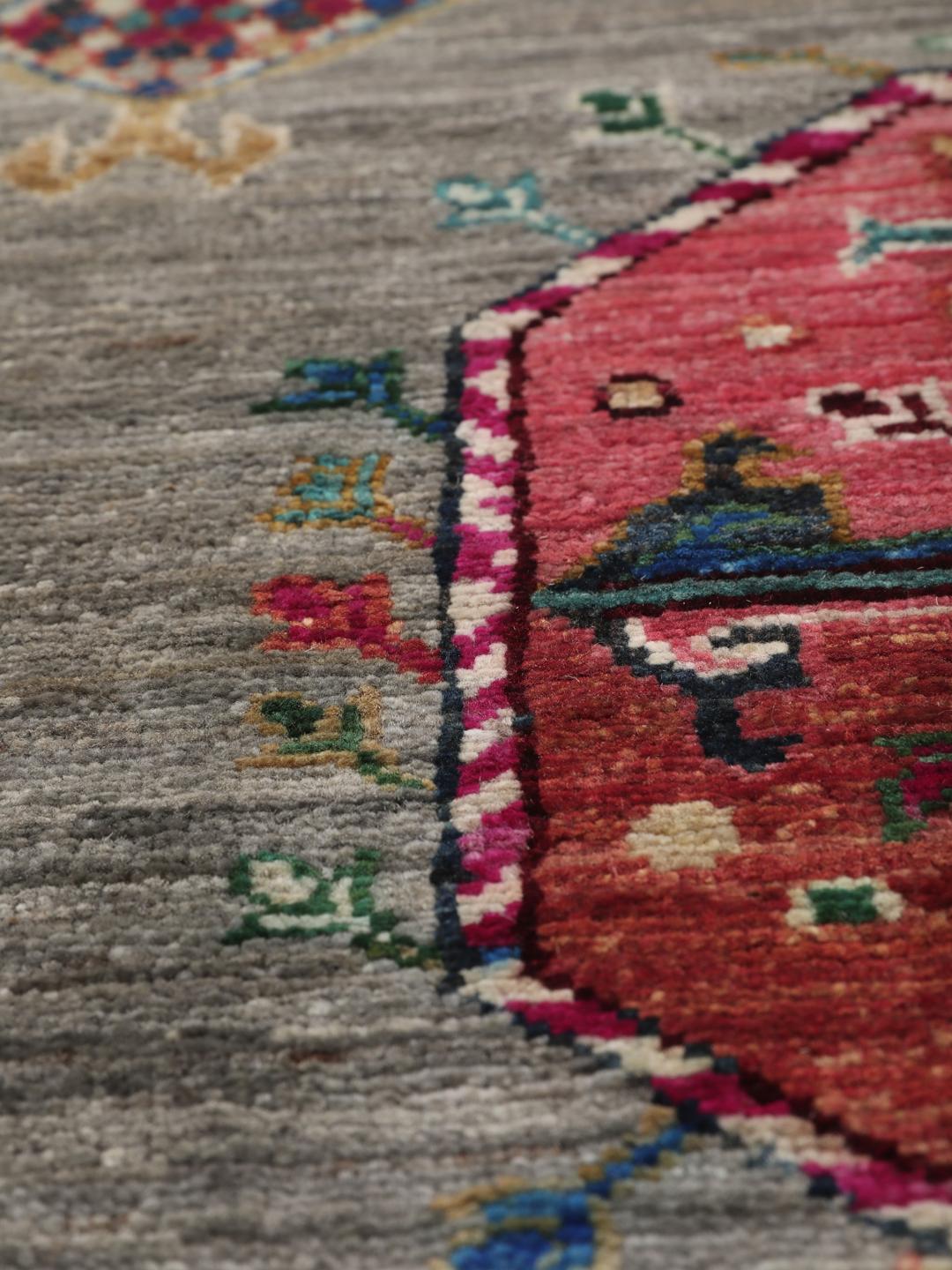
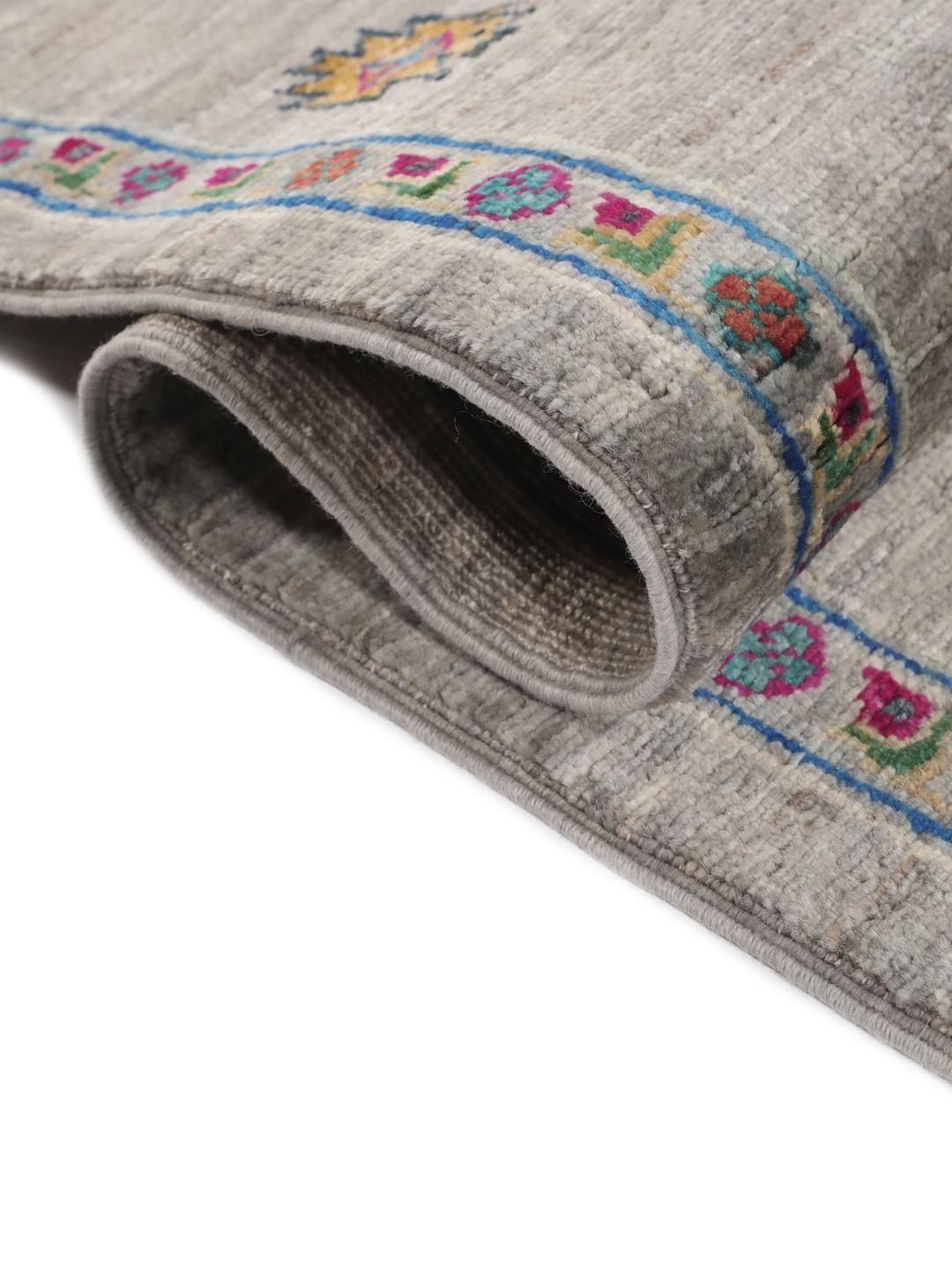
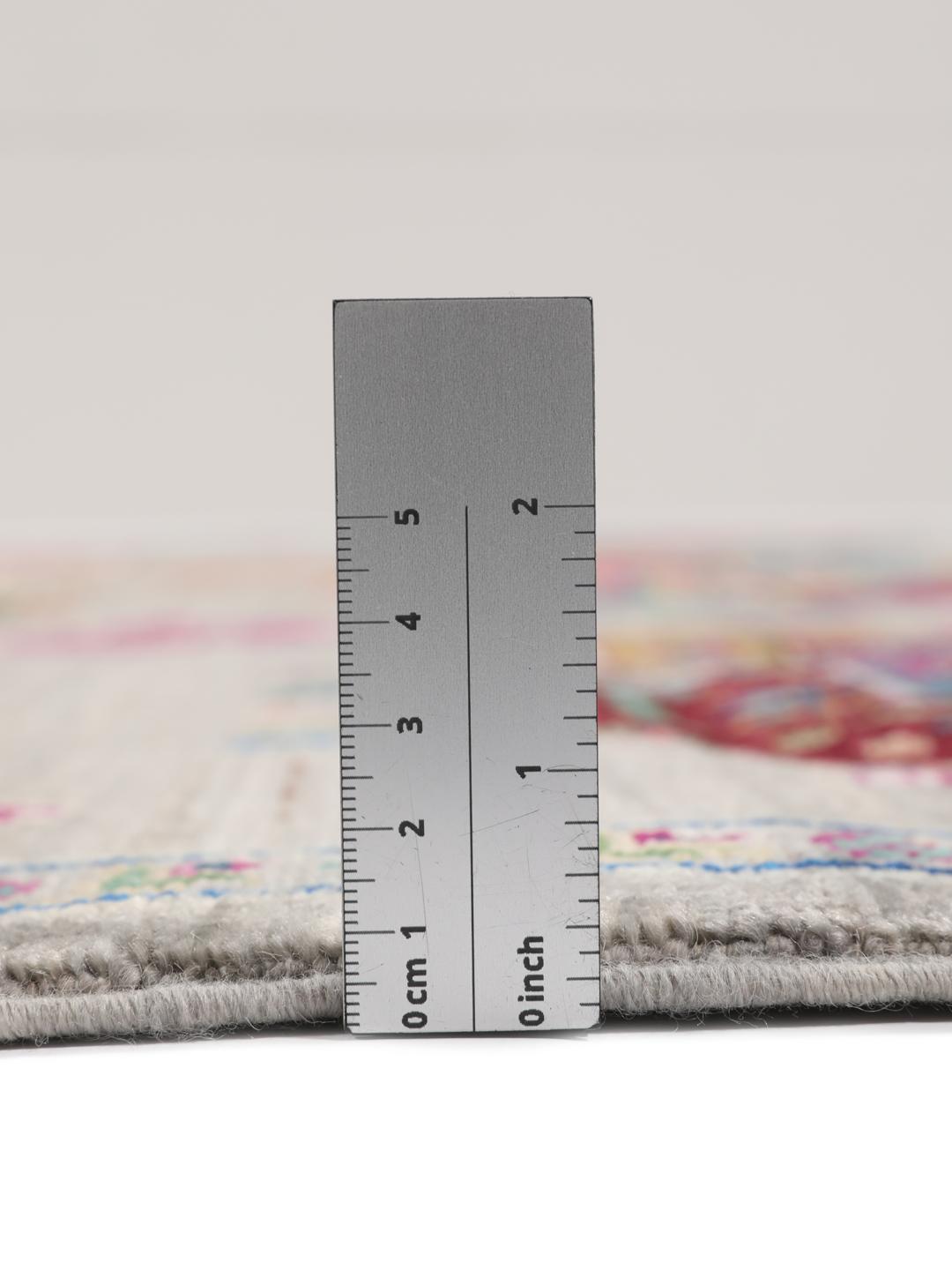
Technical excellence is central to the quality of these rugs. The term hand-knotted refers to the laborious process where each individual knot is tied by hand onto the foundation, a method that is far superior to any mechanical alternative. This construction creates a robust, long-lasting pile that is resistant to wear, while the use of quality wool ensures that the rug feels soft, warm, and inviting in any home environment.
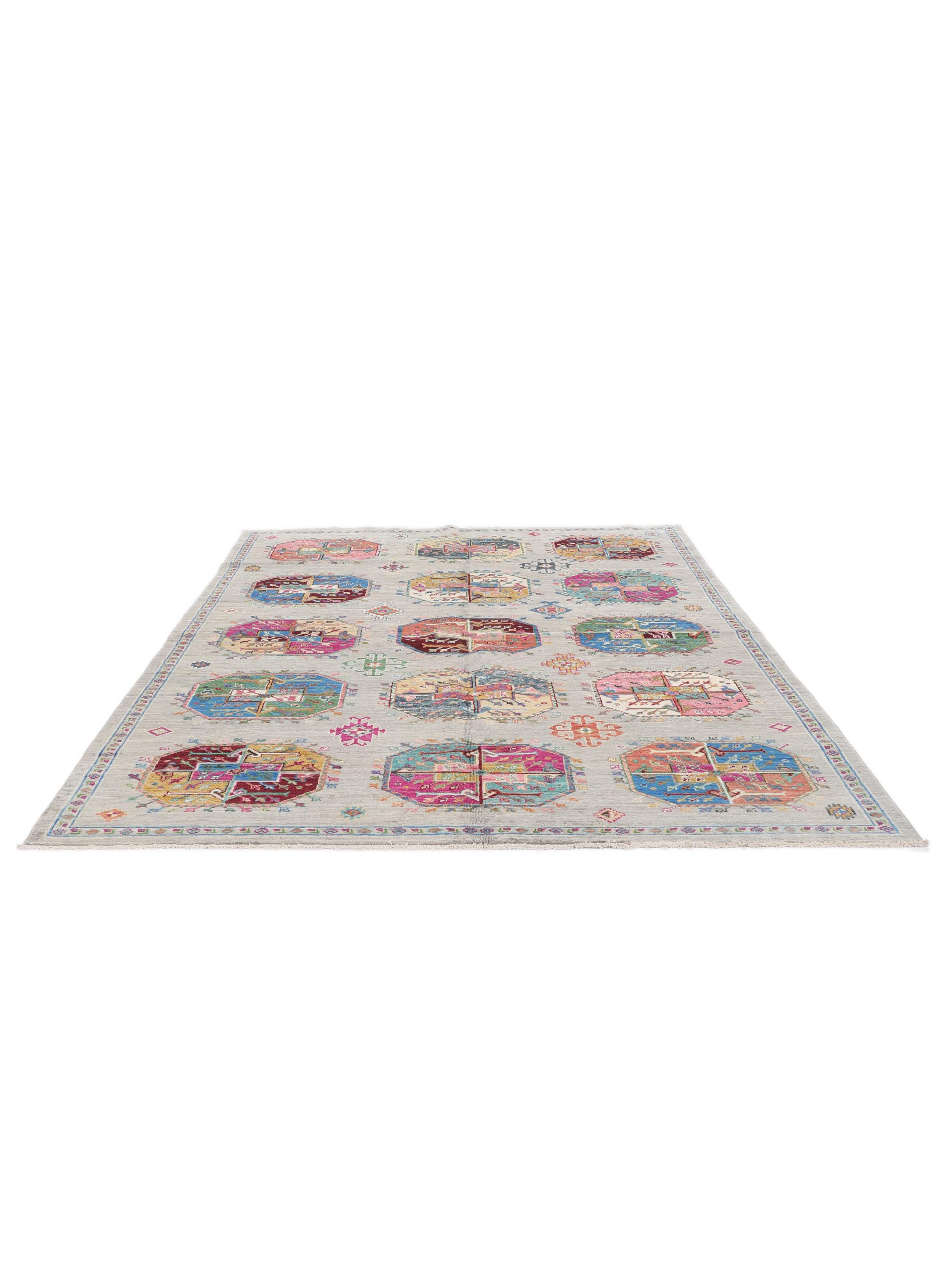
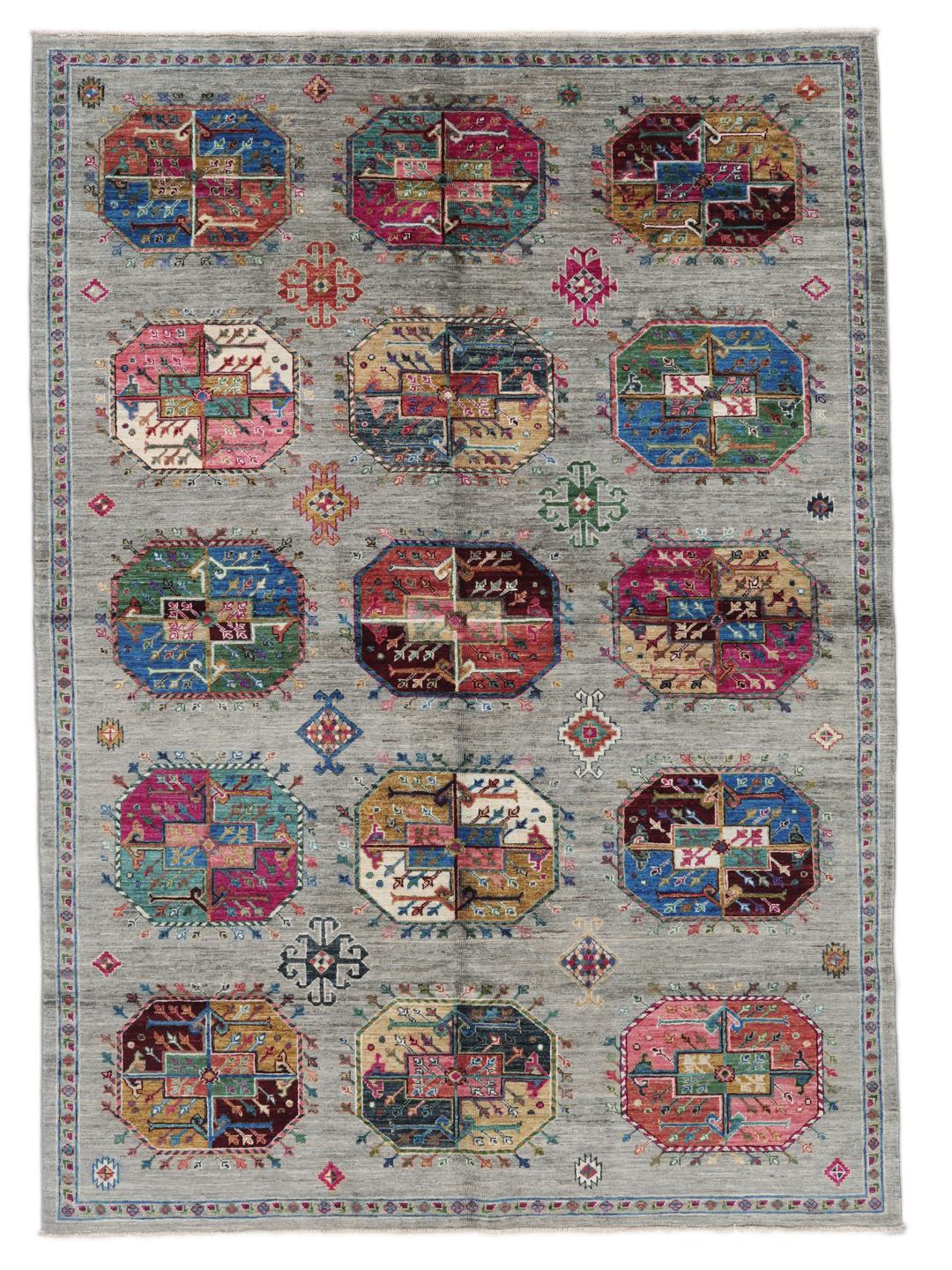
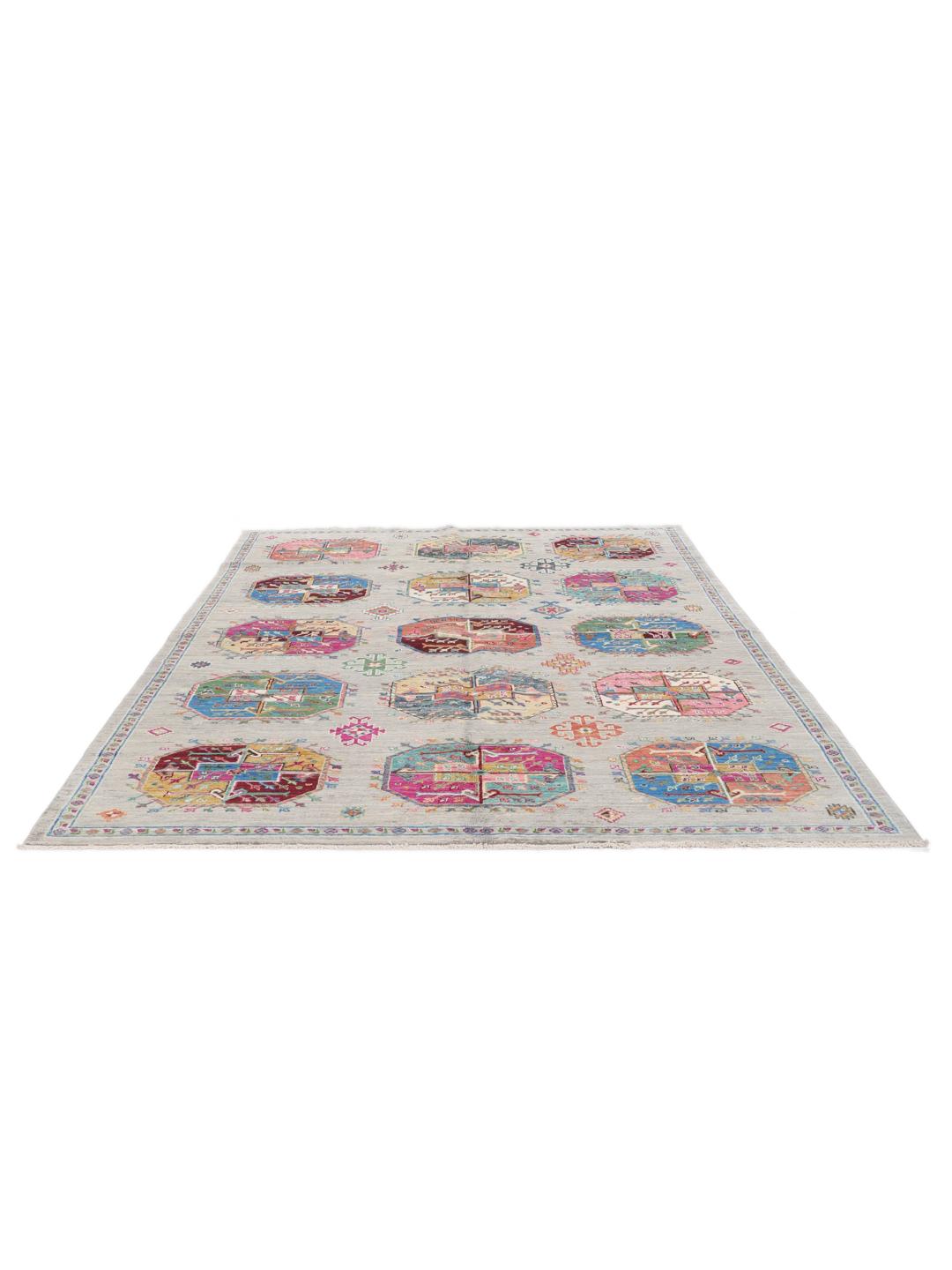
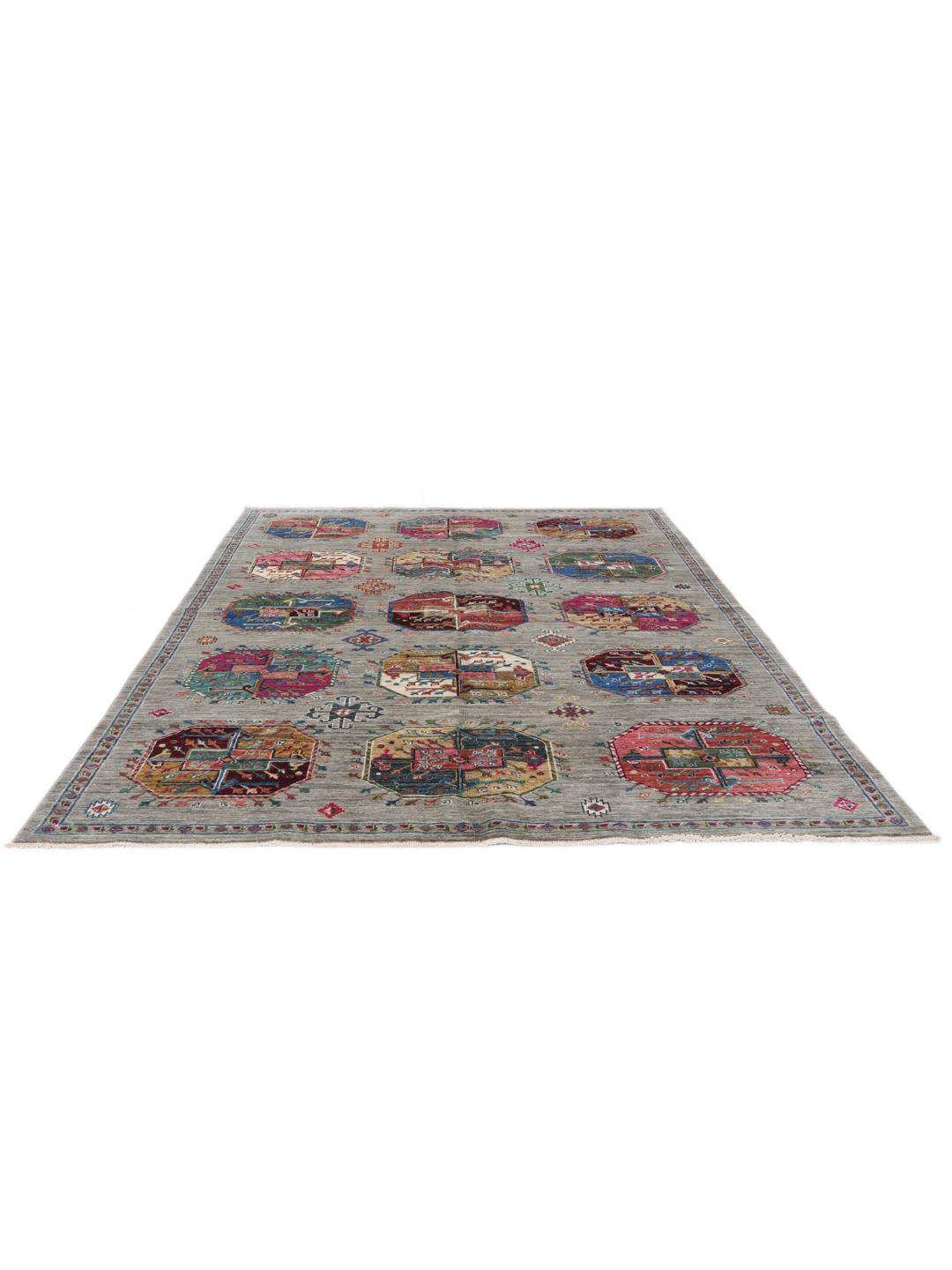
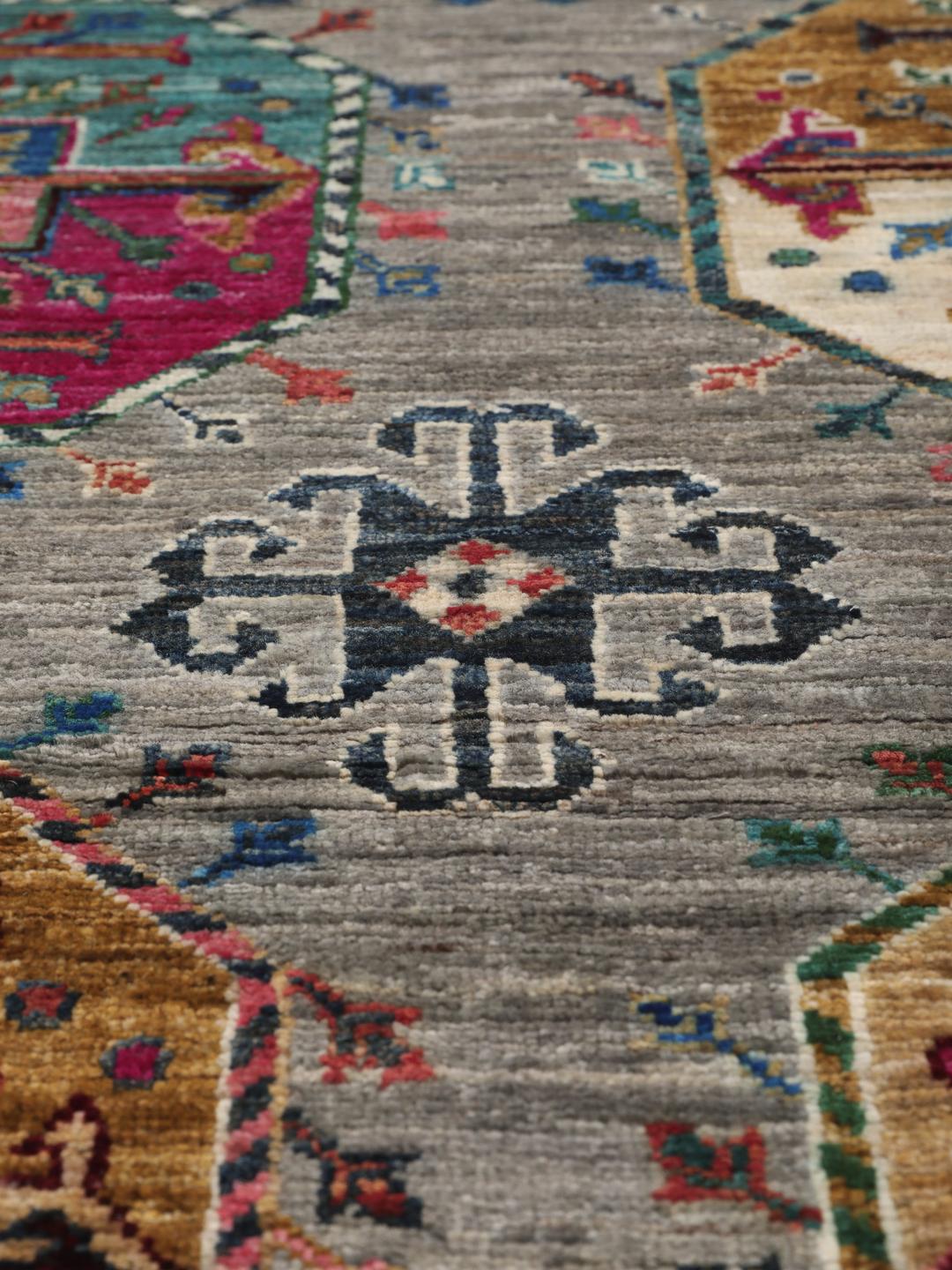
The design language of this tradition is often defined by bold geometric patterns, with medallions serving as the primary focal point. In this particular piece, the repeating octagonal motifs echo traditional designs that have been refined over generations. The use of a grey field is a modern, sophisticated choice that highlights the vibrant hues within the medallions, showcasing how traditional motifs can feel fresh and relevant in contemporary spaces.
Valued by collectors and interior designers alike, these rugs are seen as investments in craftsmanship and heritage. Owning a piece from this tradition means supporting a legacy of human skill that stands in contrast to the rapid pace of mass production. It is a commitment to quality and a celebration of the enduring beauty that can only be achieved through time, patience, and the touch of a human hand.