The art of rug weaving in Afghanistan is deeply rooted in the nomadic and village traditions of the Middle East. Over centuries, these techniques have been passed down through generations, evolving from purely functional items used in tents to highly sought-after decorative pieces that carry the distinct cultural identity of their origin.
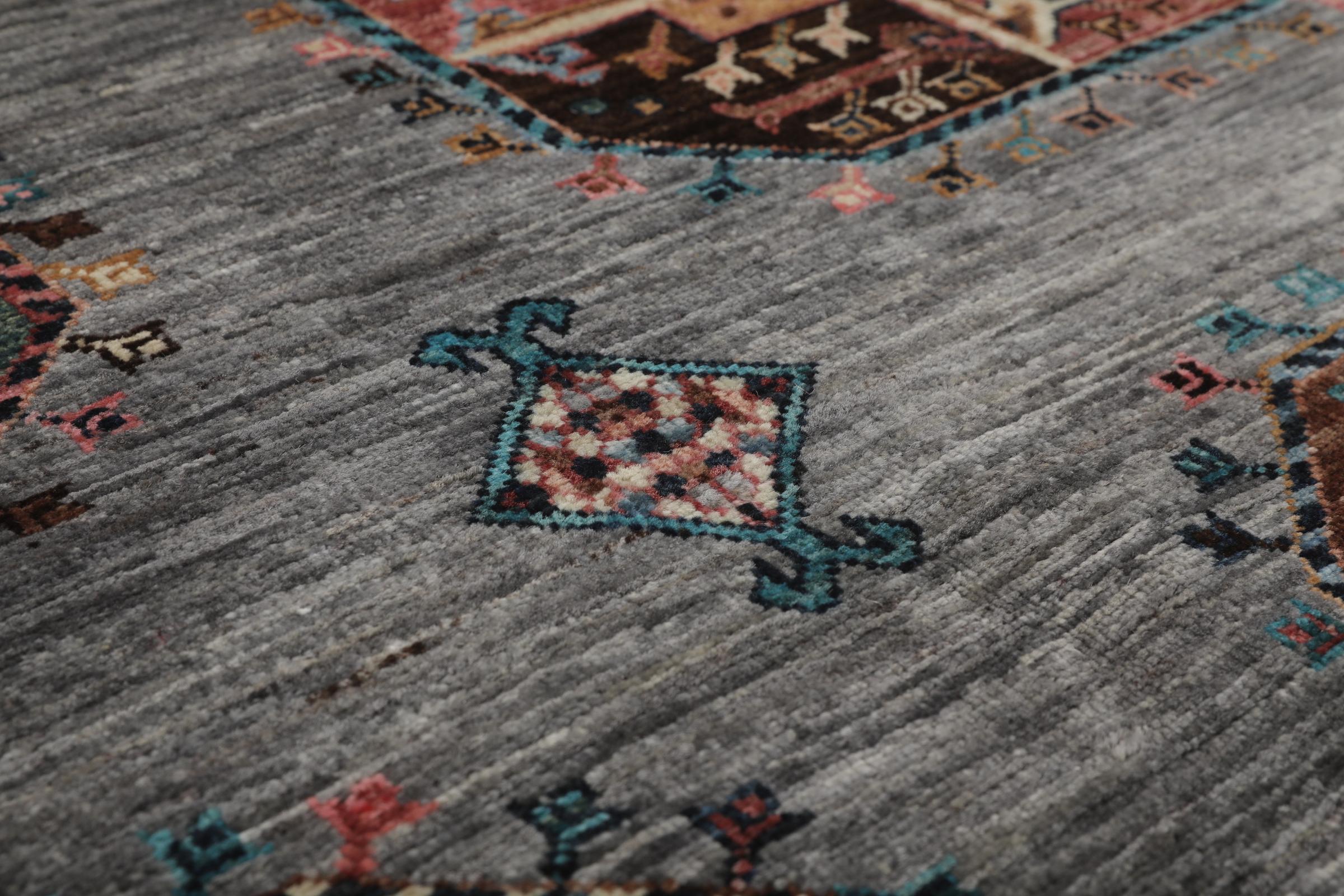
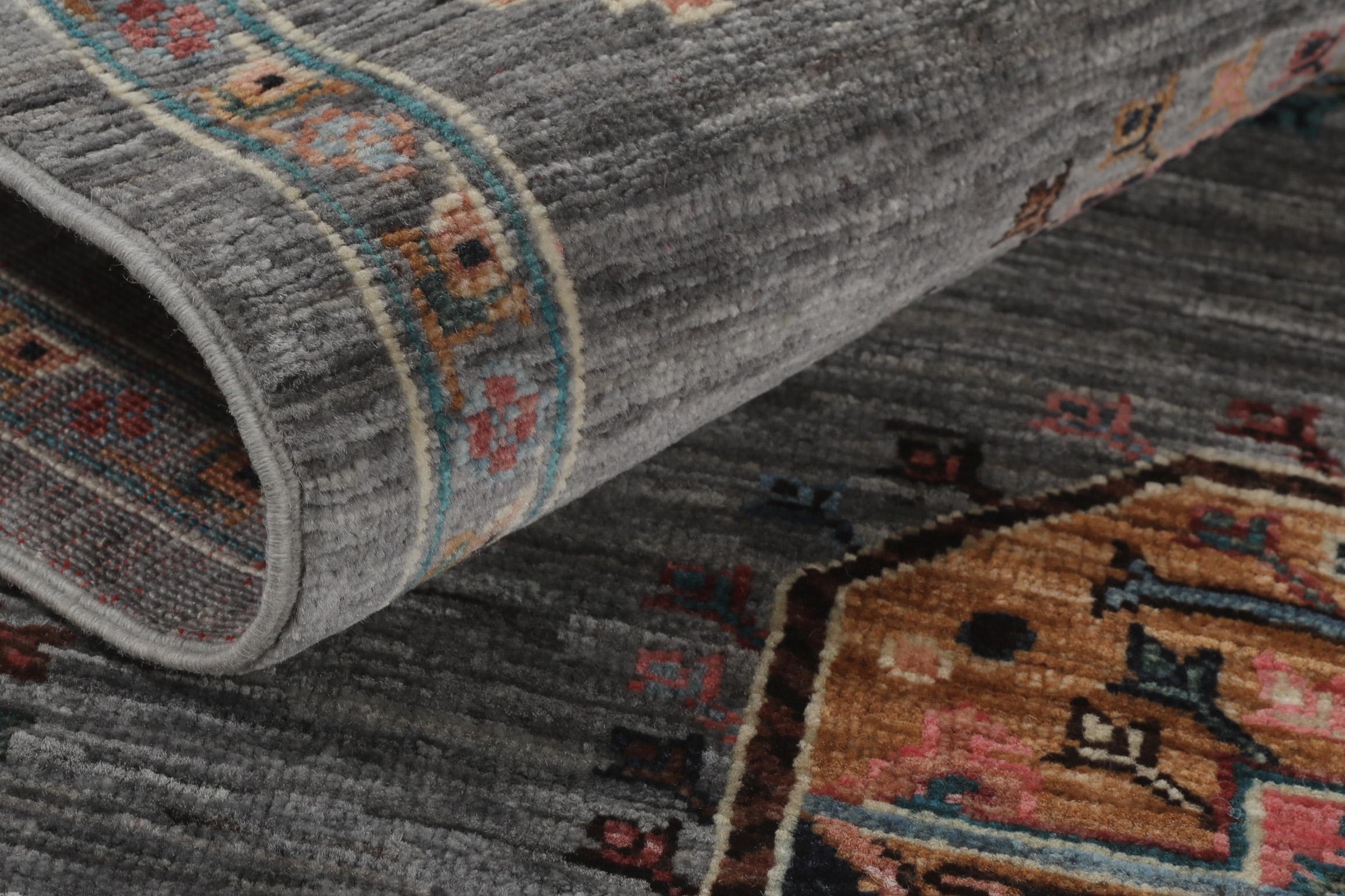
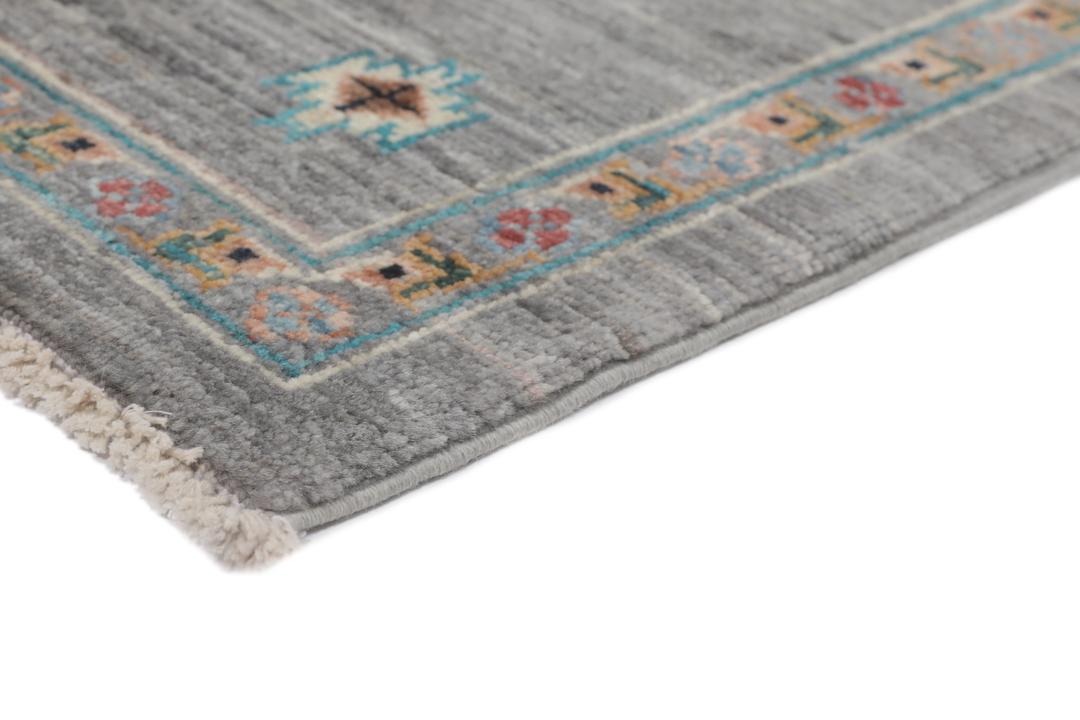
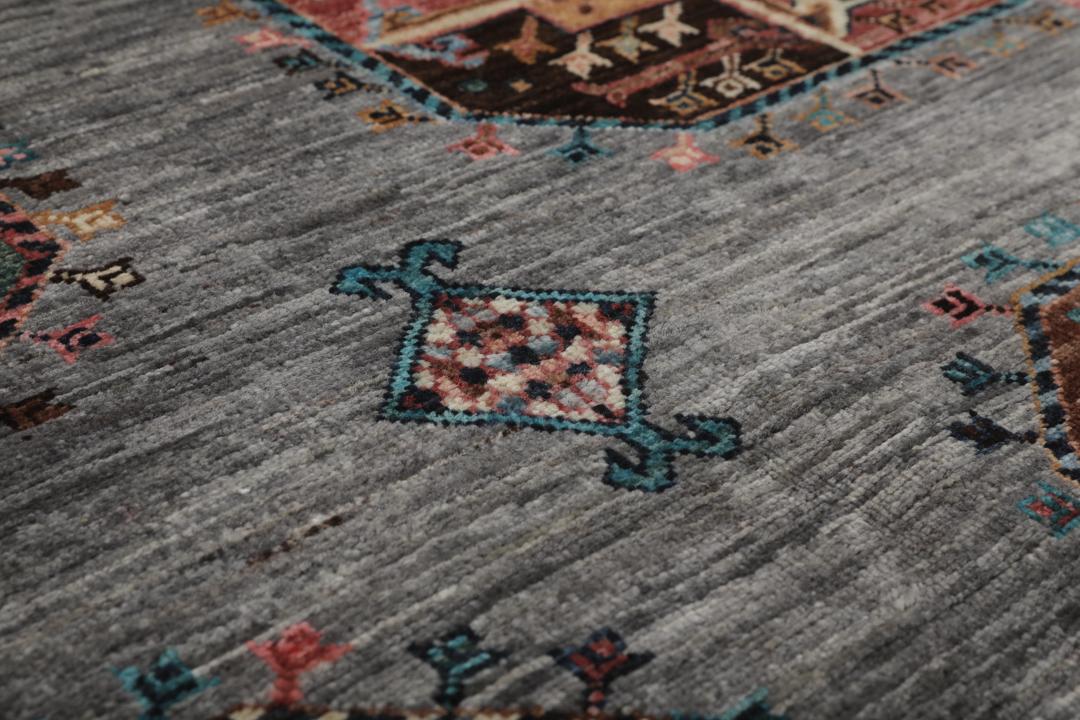
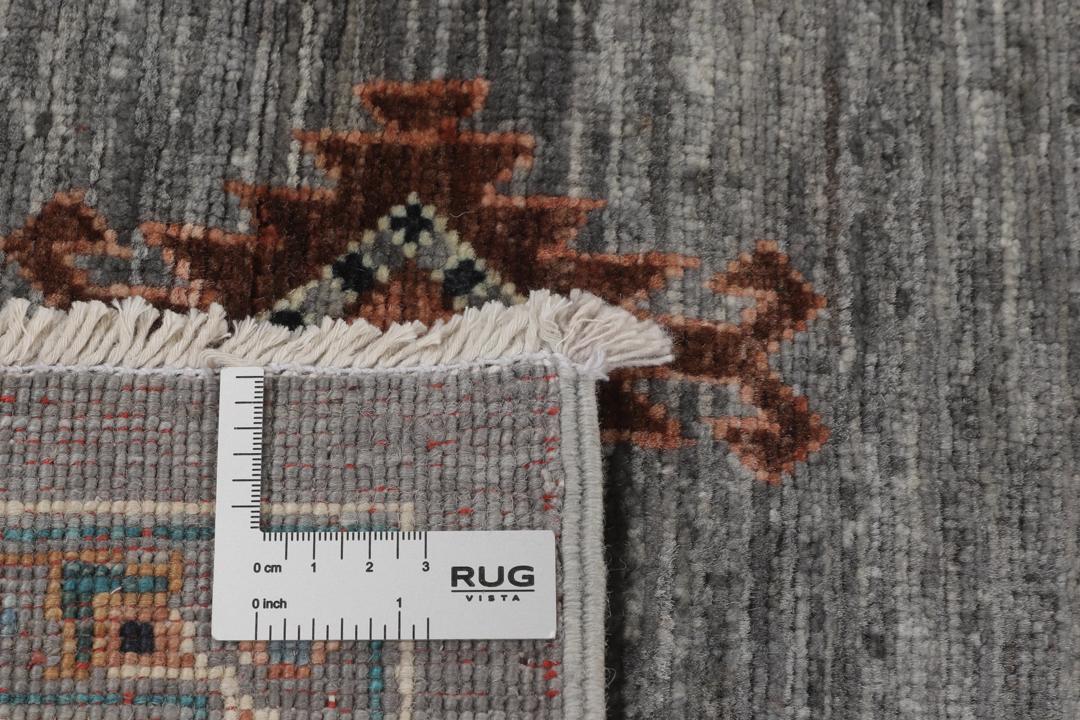
The term hand-knotted refers to the traditional method of creating the pile by wrapping yarn around warp threads. This technique is essential for creating durable, resilient rugs. The density of these knots is a key indicator of quality, as a higher count allows for more complex patterns and a more substantial, longer-lasting pile that retains its texture over many years of use.
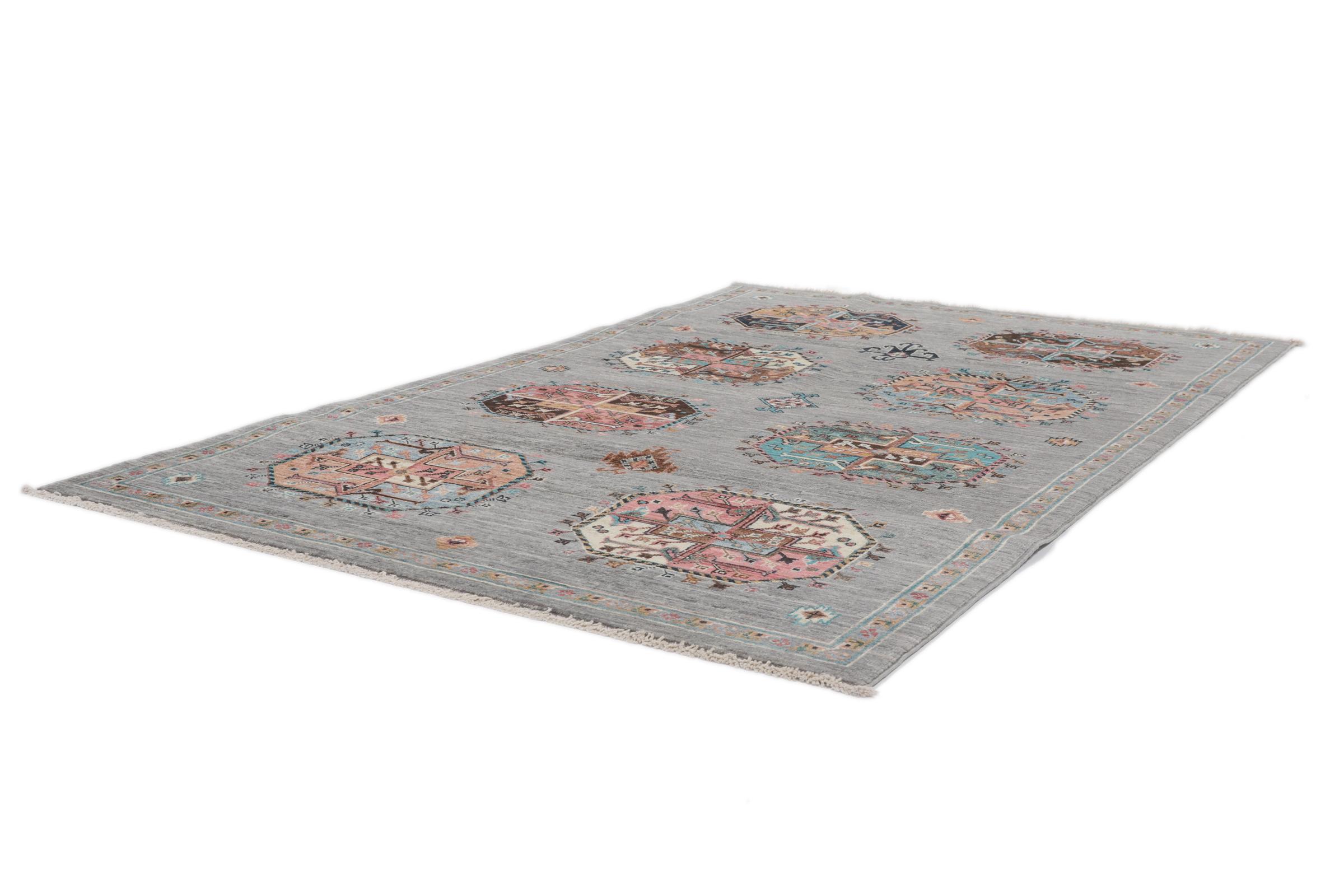
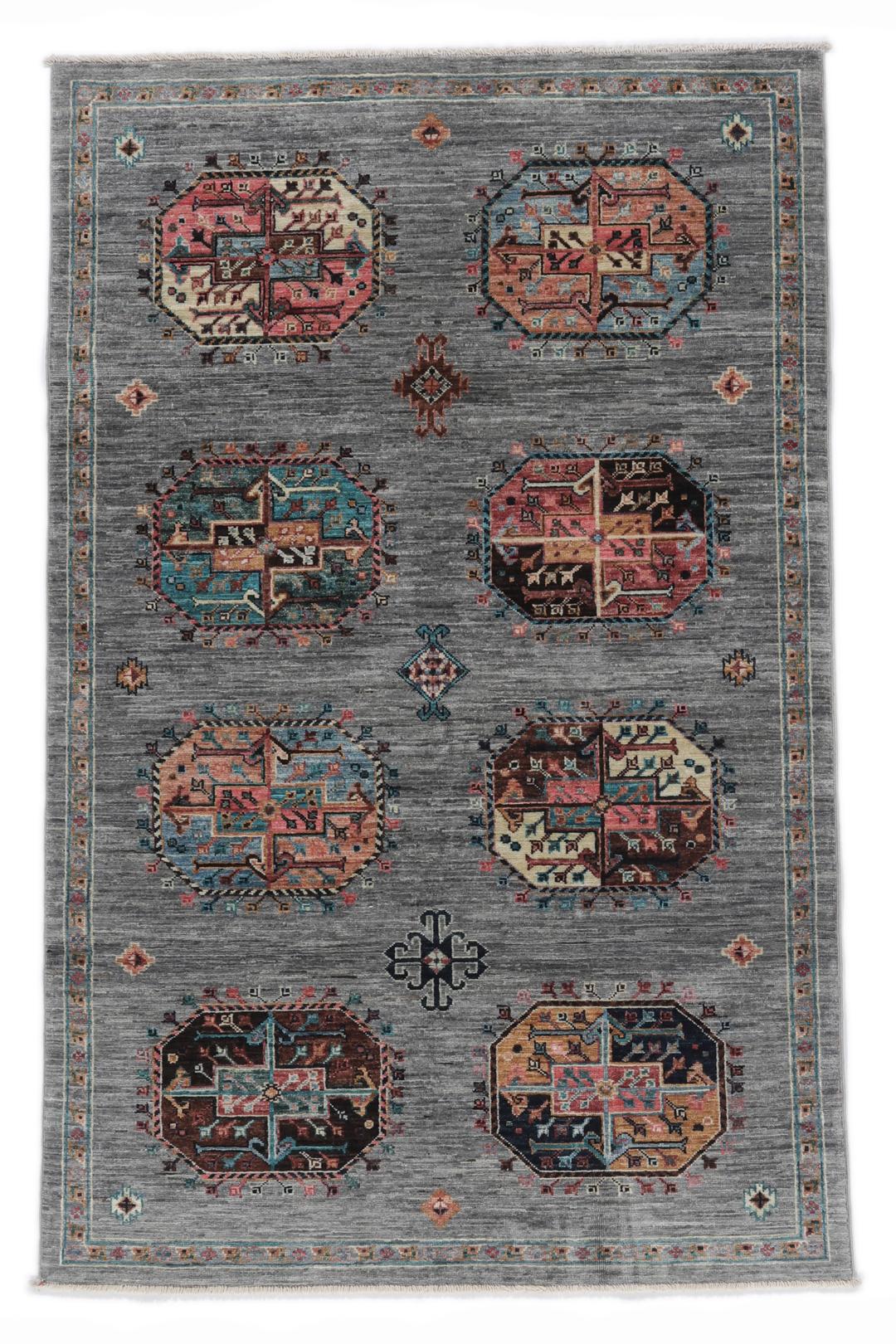
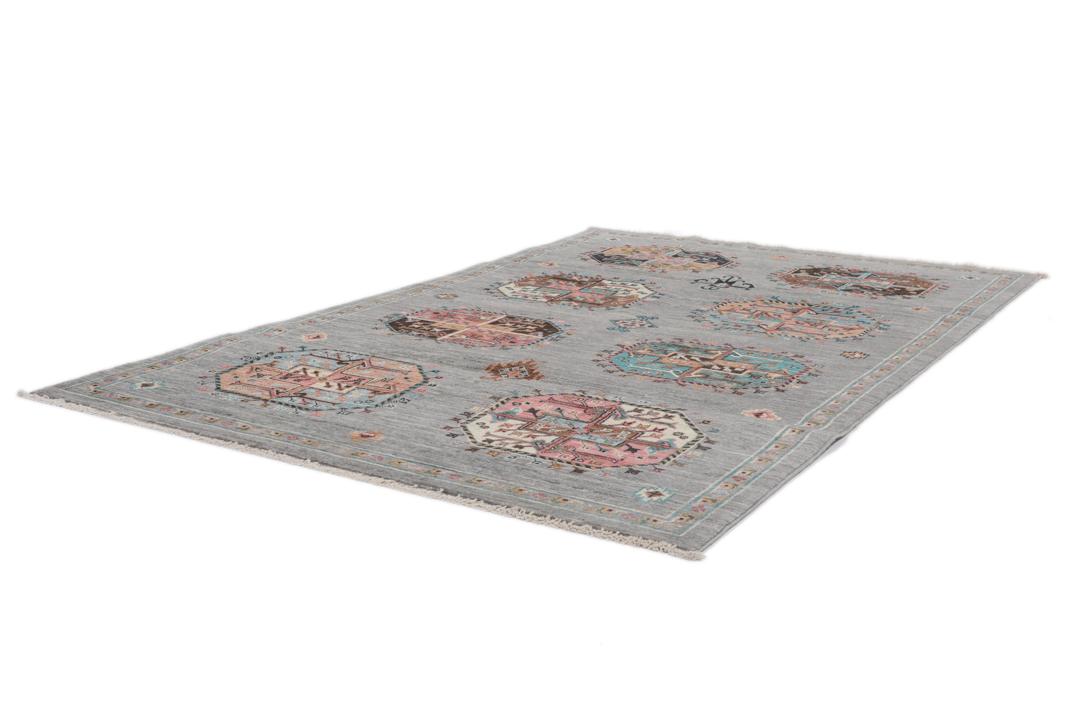
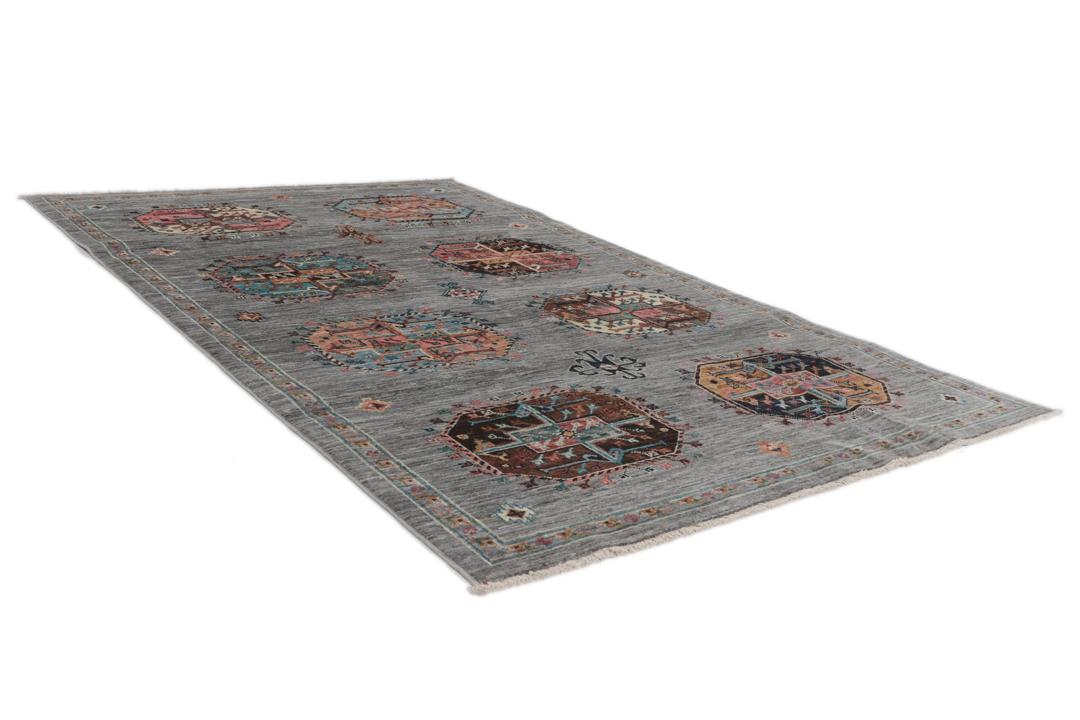
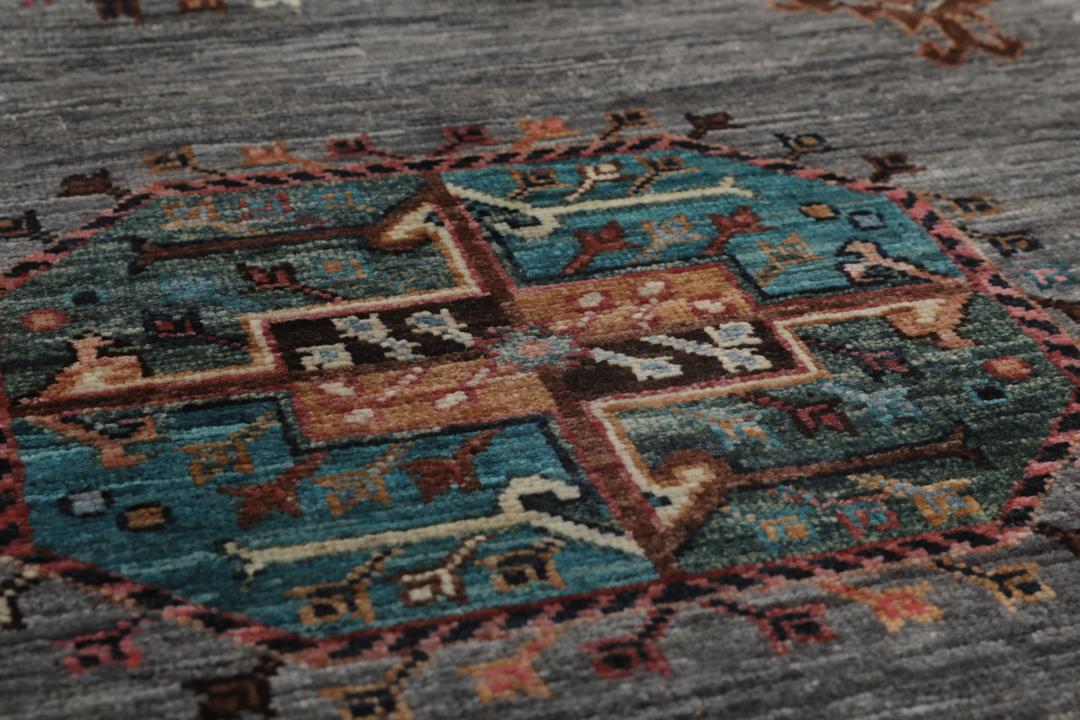
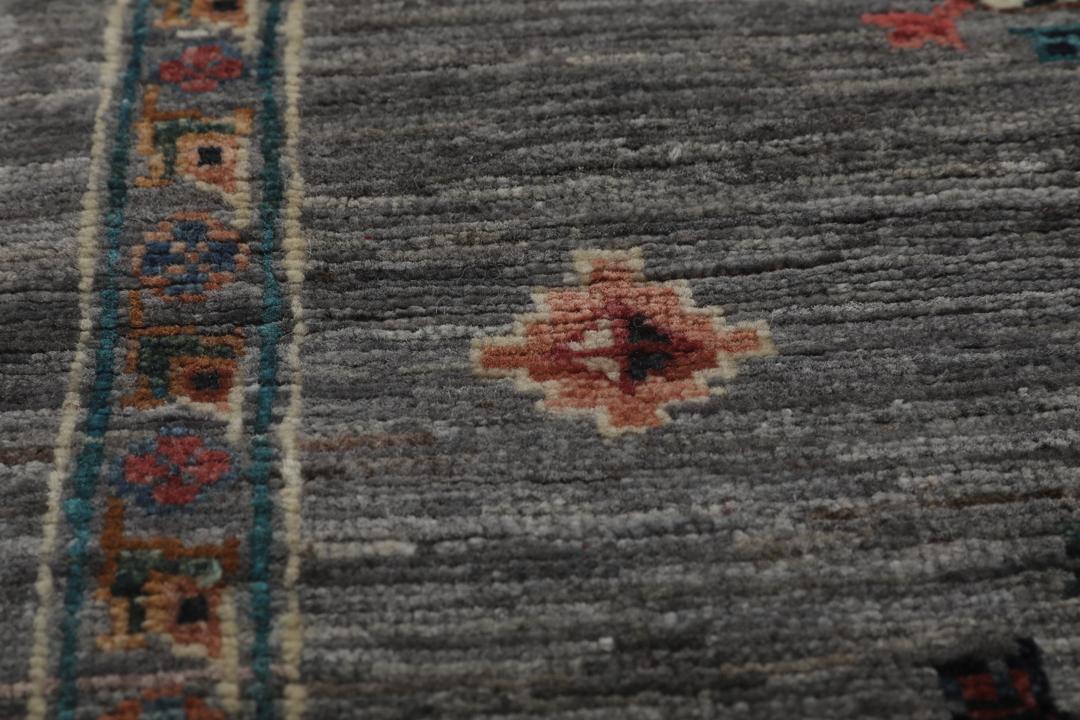
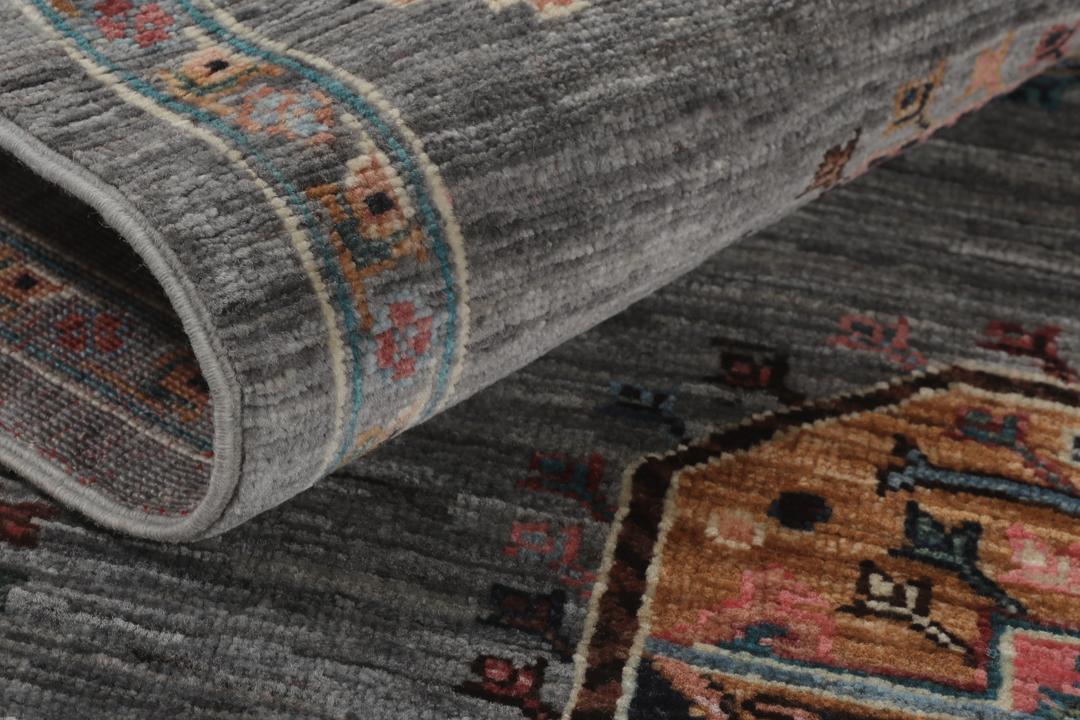
This rug features a series of geometric medallions, which are common in this tradition. These motifs often represent heritage and regional identity, with each weaver bringing their own interpretation to the classic forms. The use of a grey field is a modern, sophisticated choice that elevates the traditional aesthetic, allowing the vibrant colours within the medallions to truly stand out.
Collectors value these rugs for their authenticity and the human story behind every knot. Owning a piece from this tradition is more than just a decor choice; it is an appreciation of the immense skill and patience required to create such a work of art. These rugs are built to be heirlooms, providing lasting value and a unique connection to a rich, historical craft.