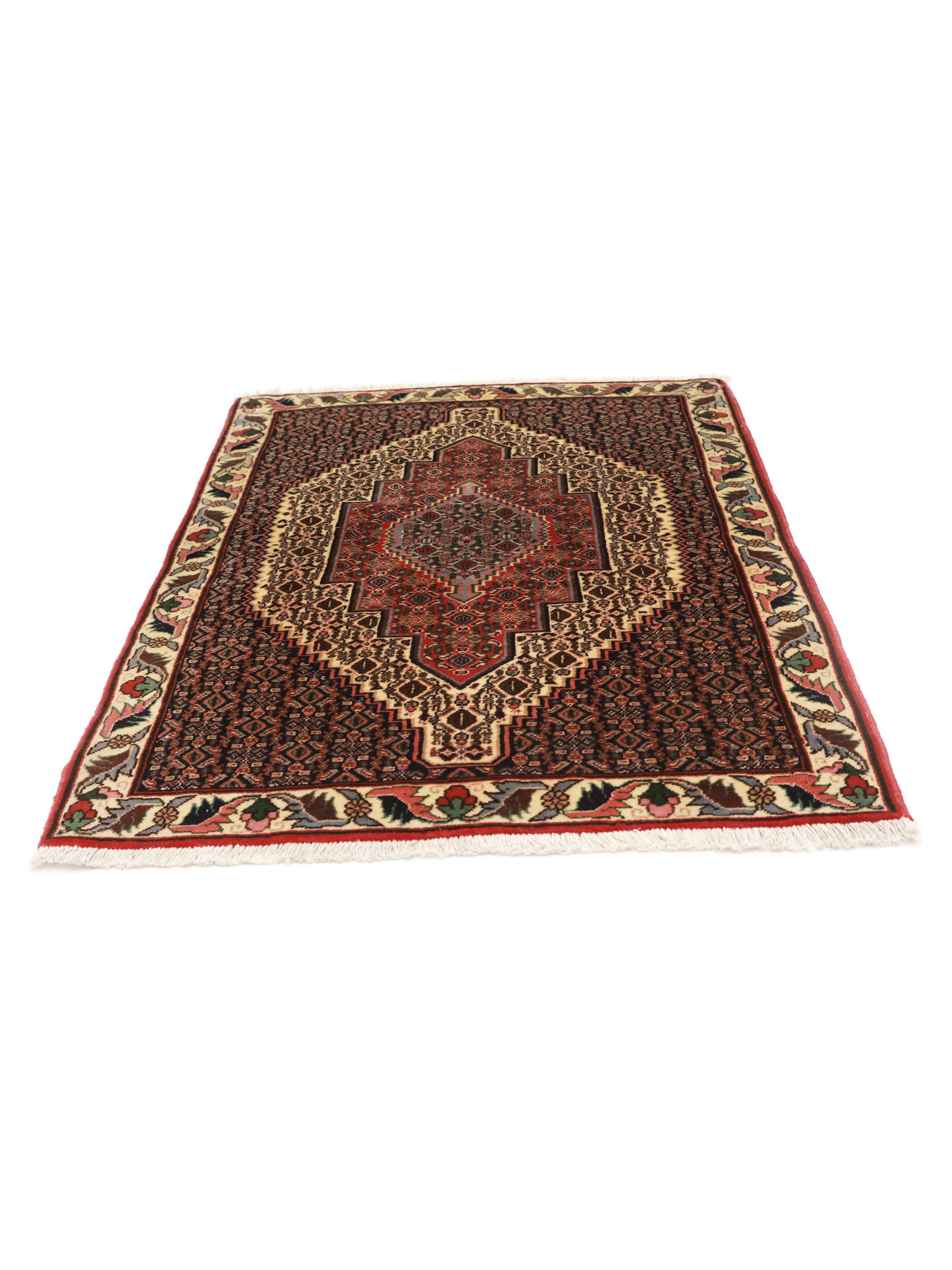
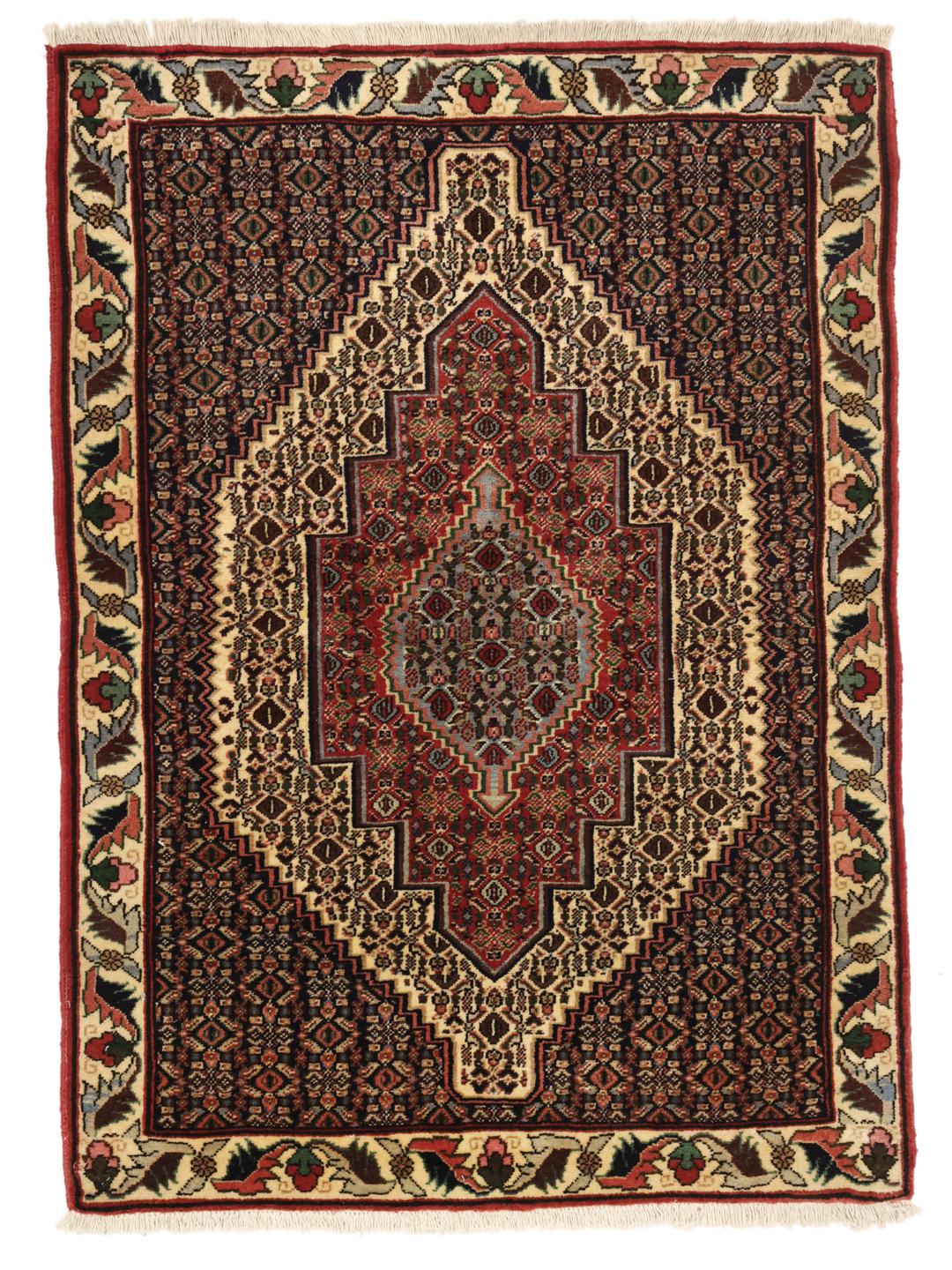
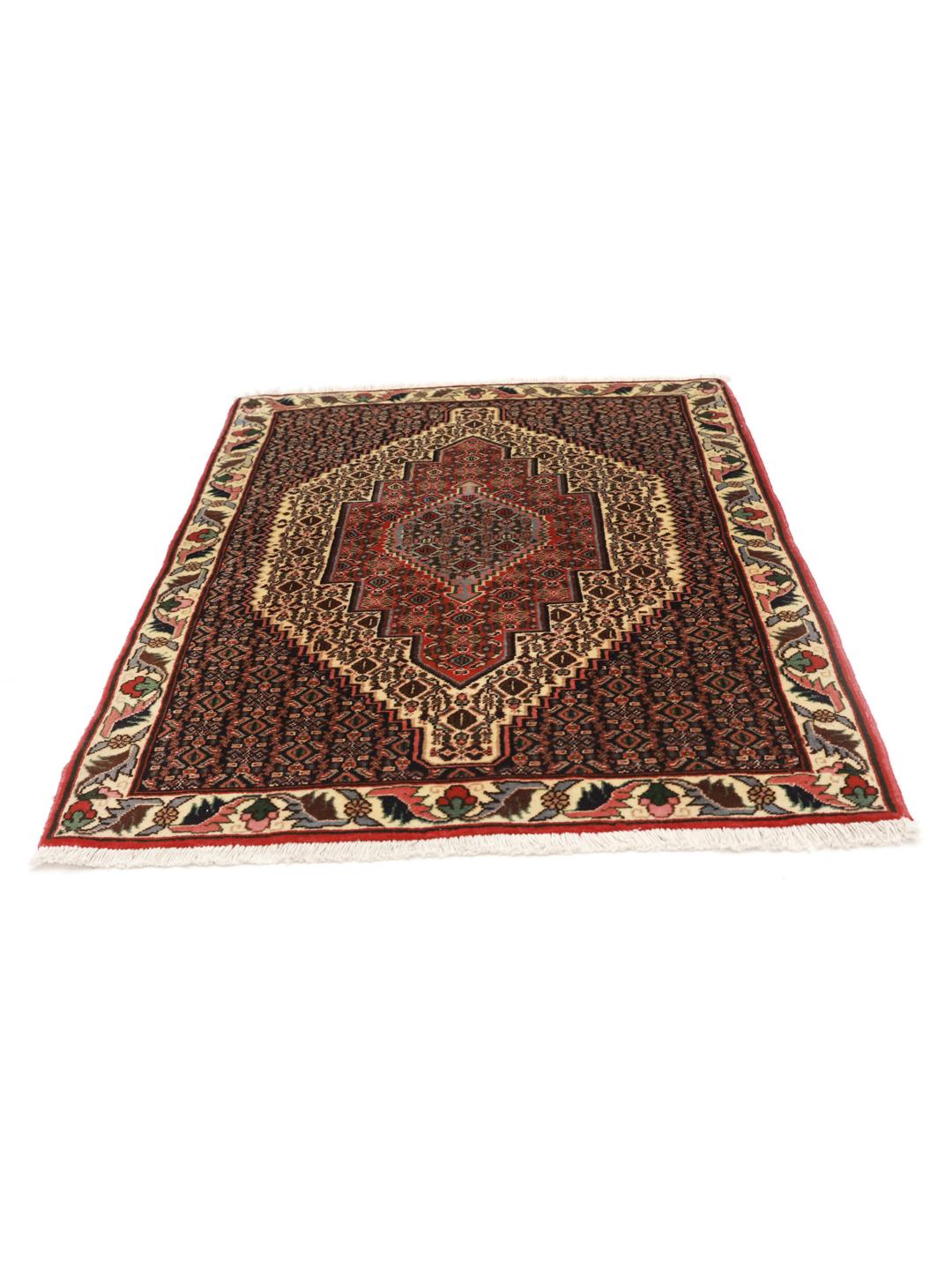
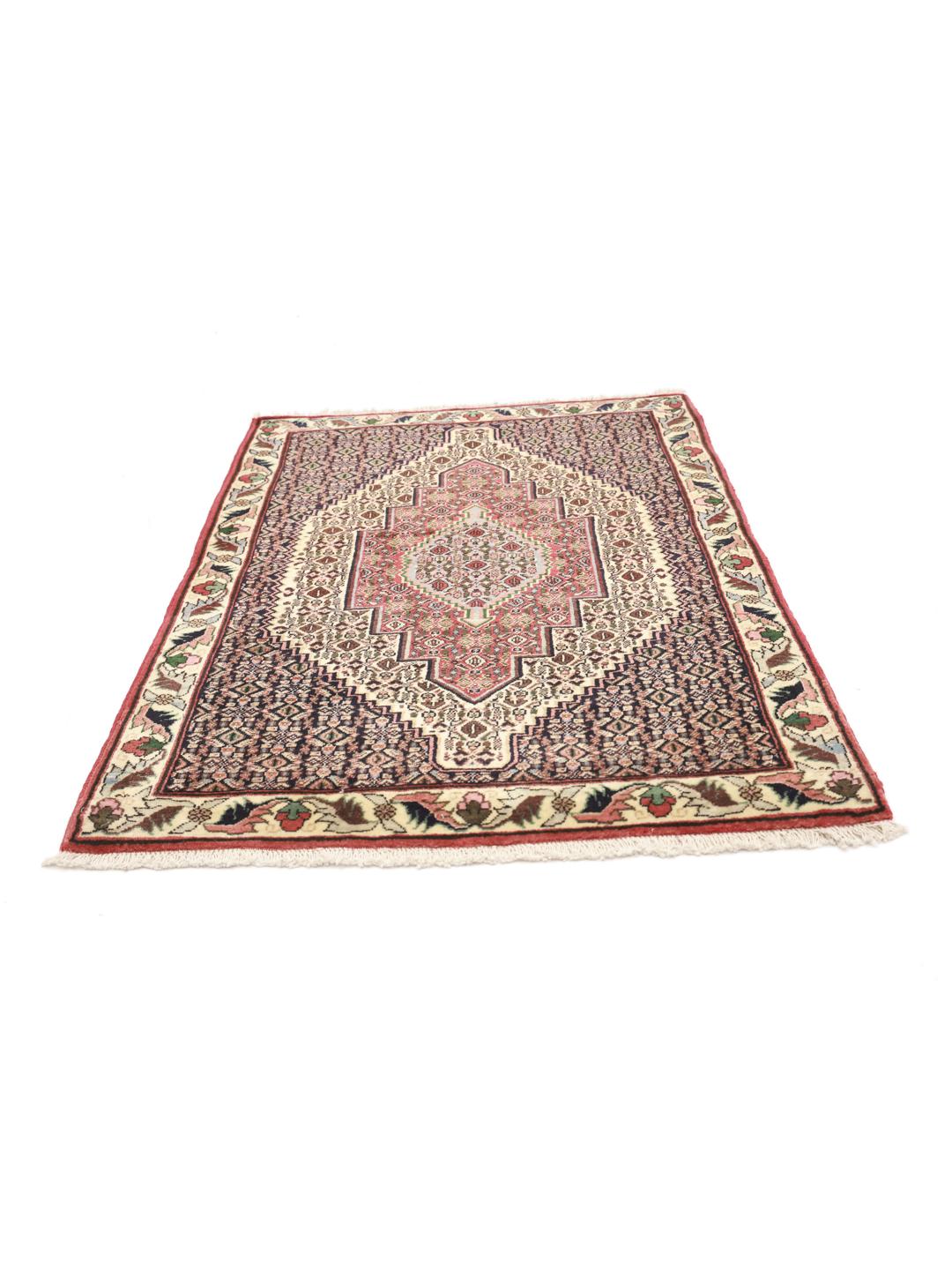
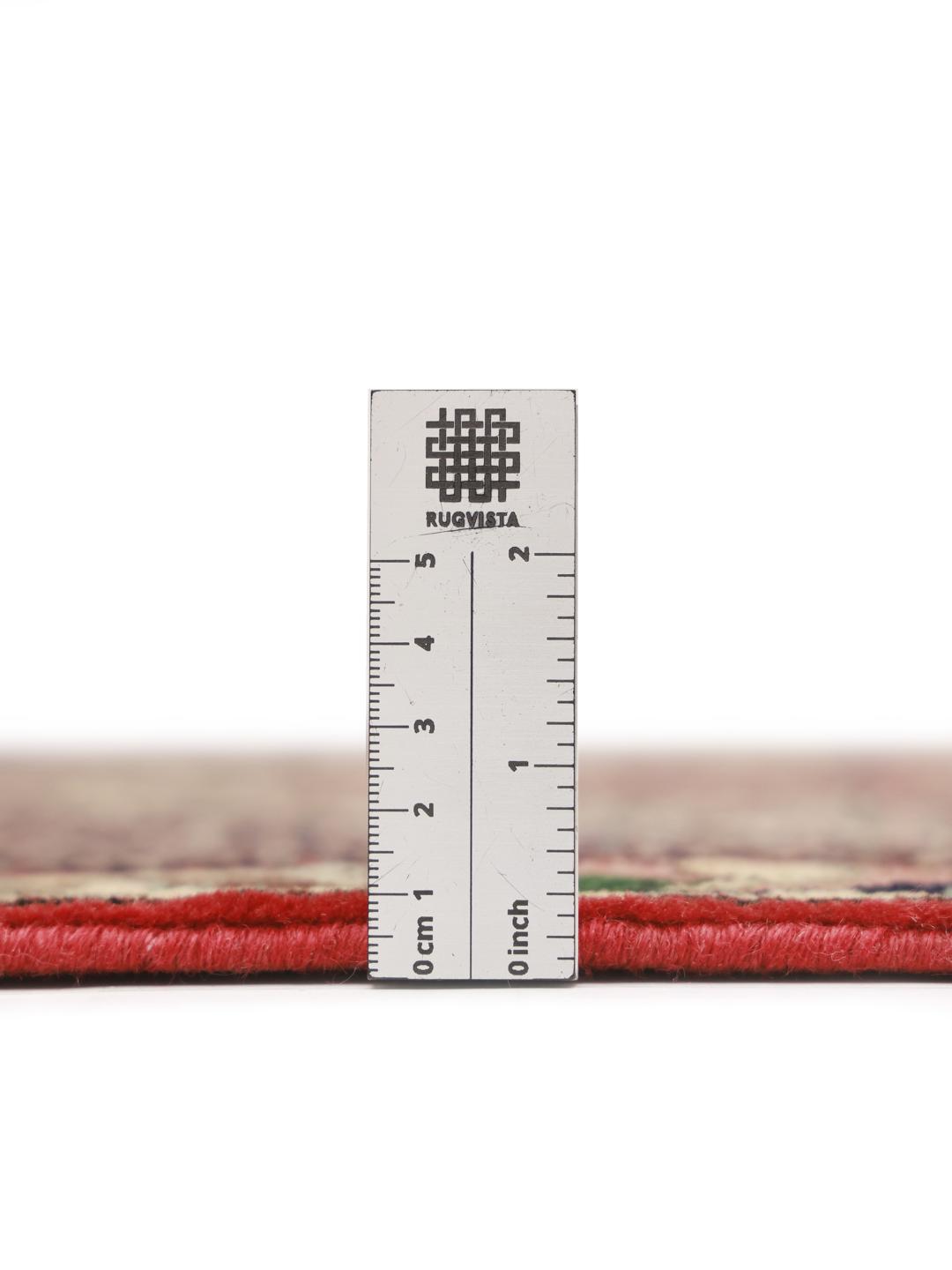
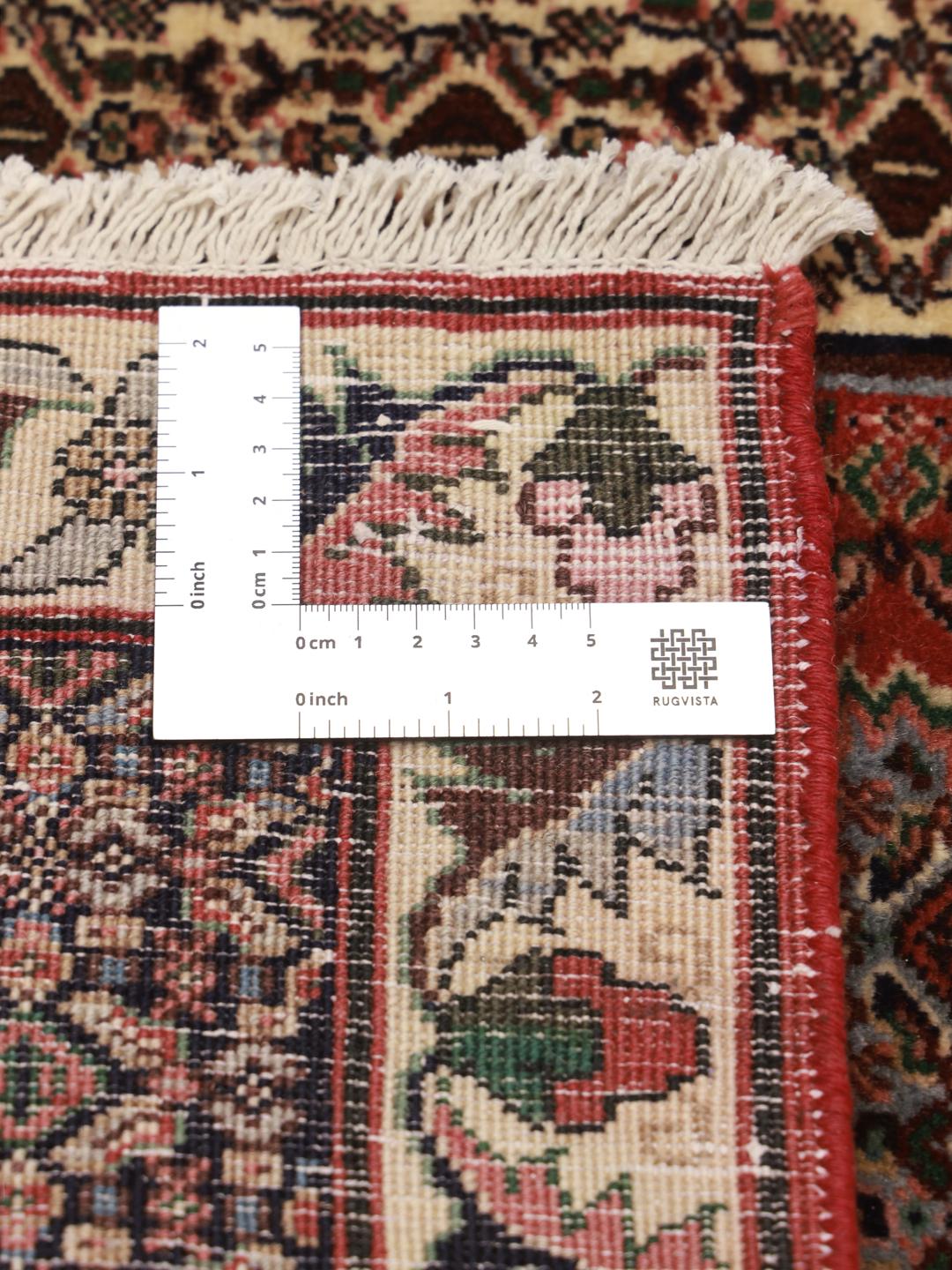
Senneh rugs originate from the city of Sanandaj, formerly known as Senneh, located in the mountainous region of the Middle East. This area has long been a cultural hub for rug weaving, celebrated for a distinct aesthetic that balances sophisticated geometric precision with a refined, artistic sensibility. These rugs are deeply rooted in the local traditions of the region, where weaving is not just a craft but a core element of the social and cultural identity.
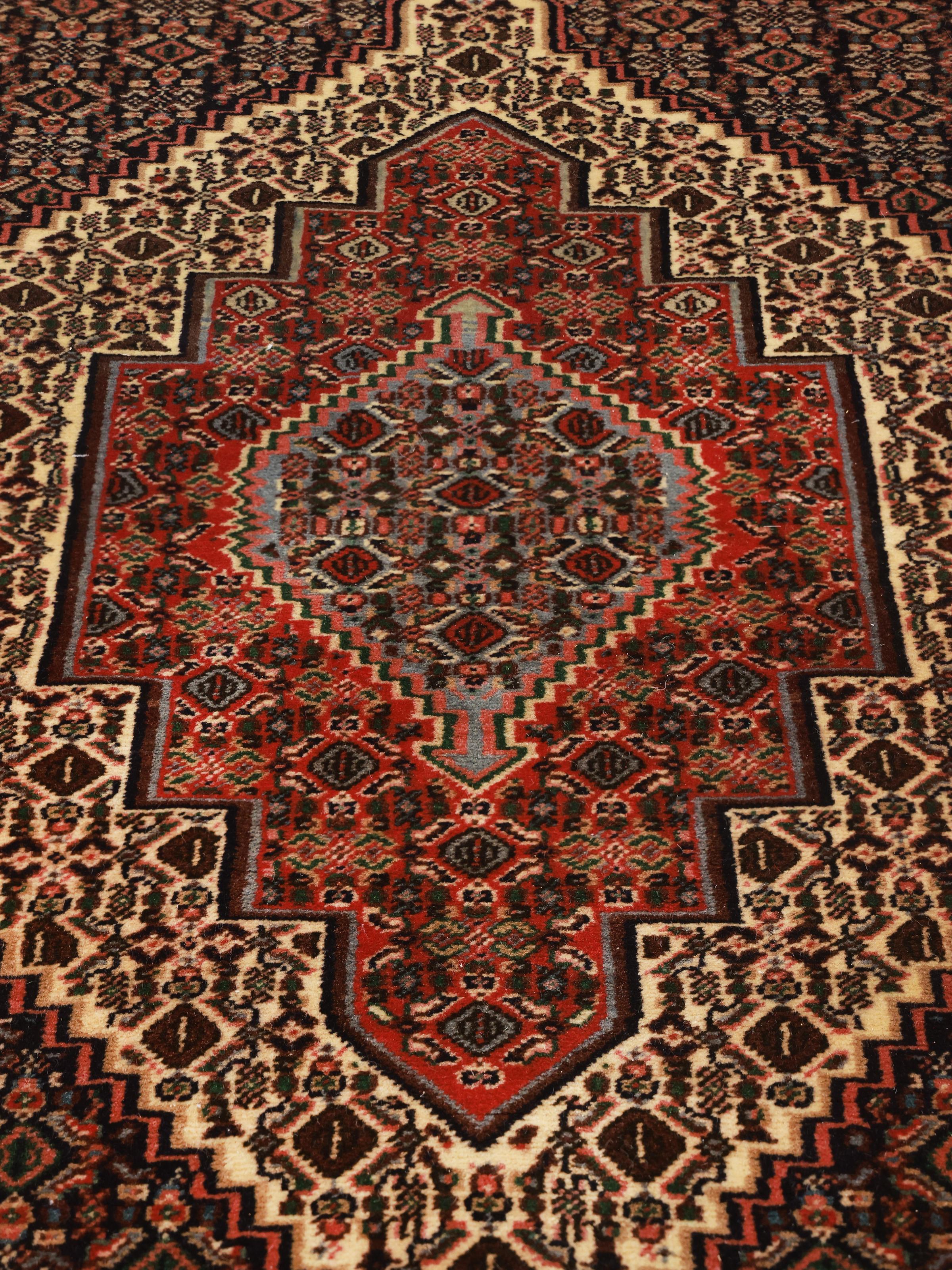
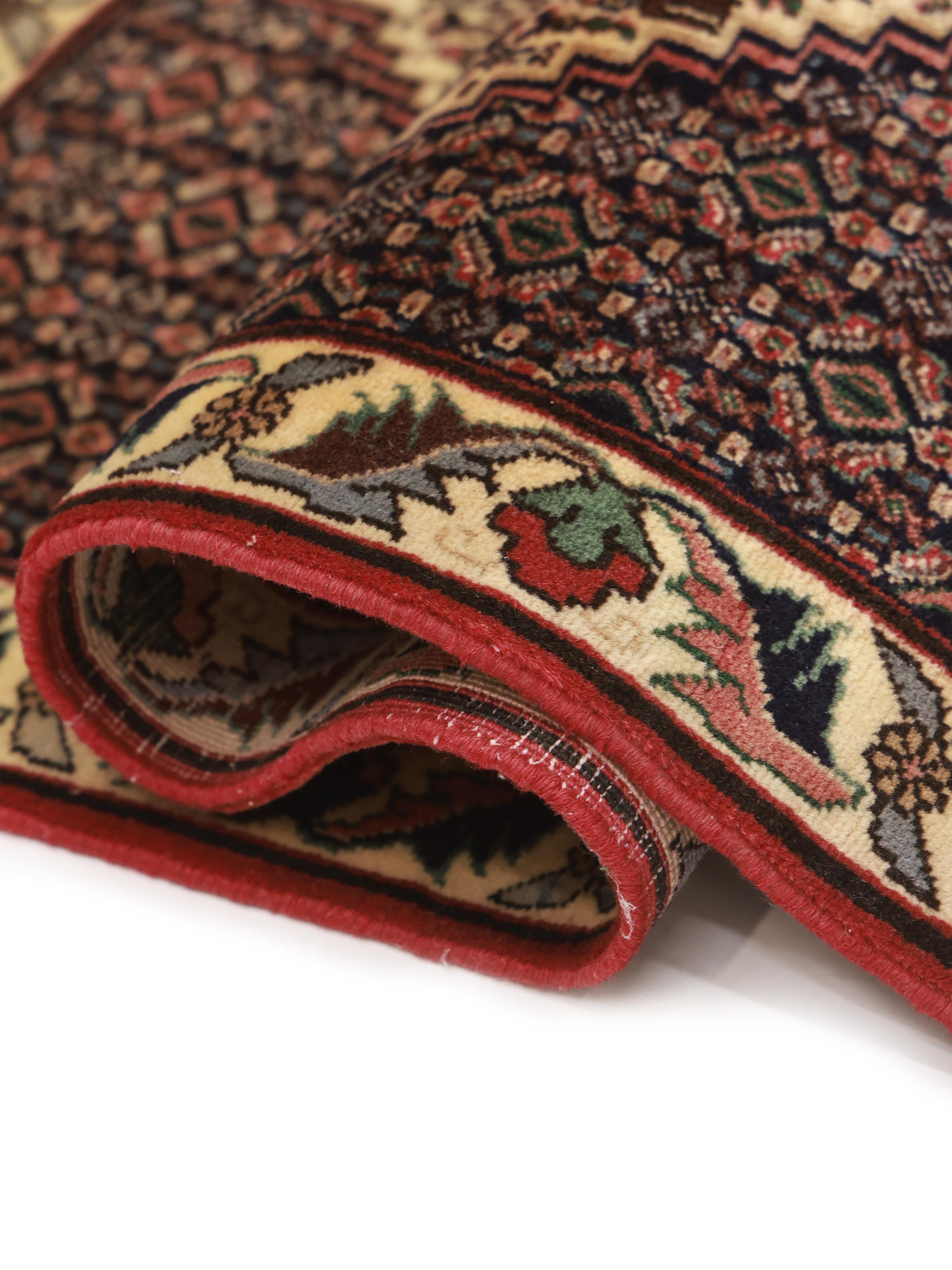
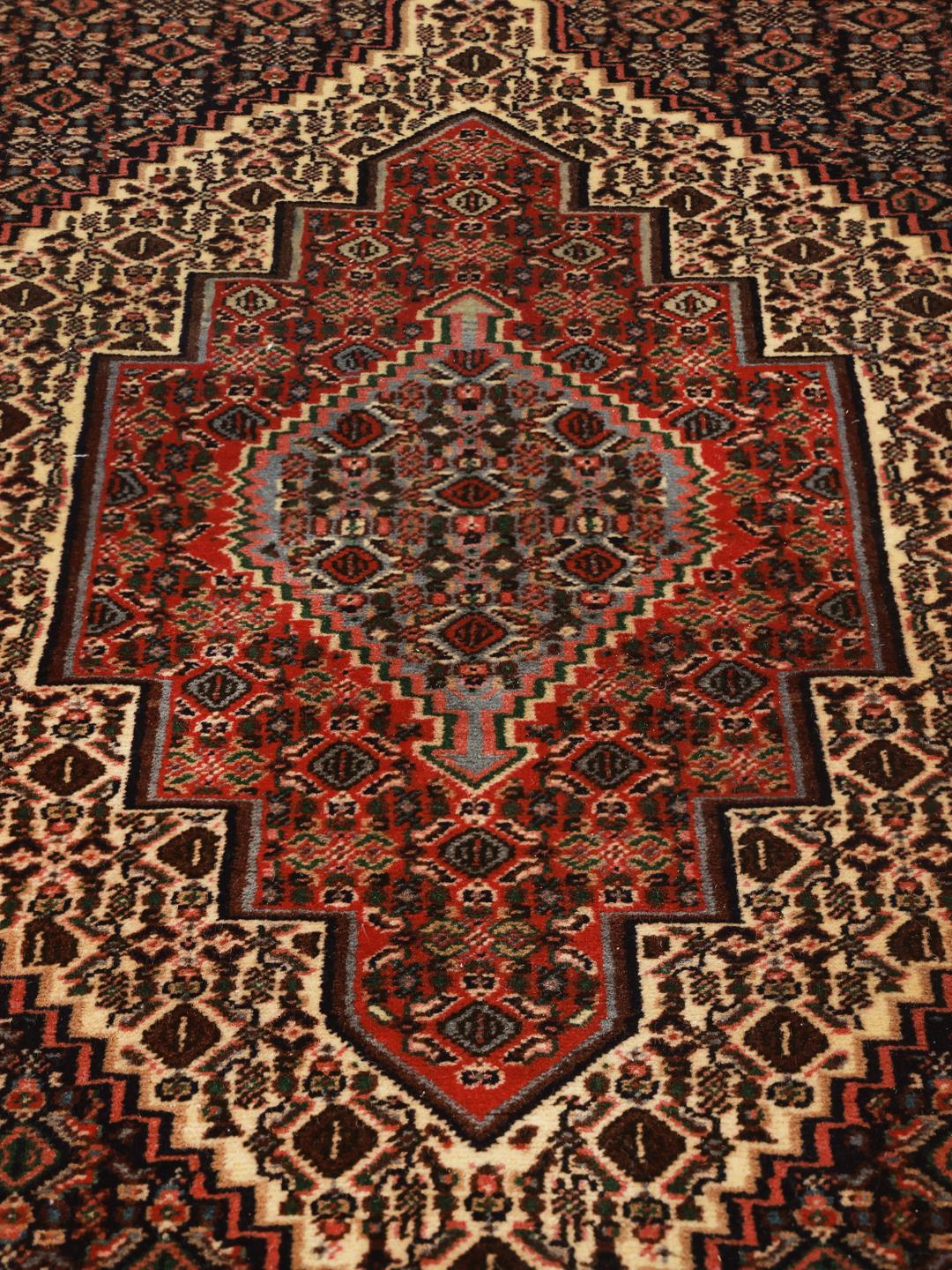
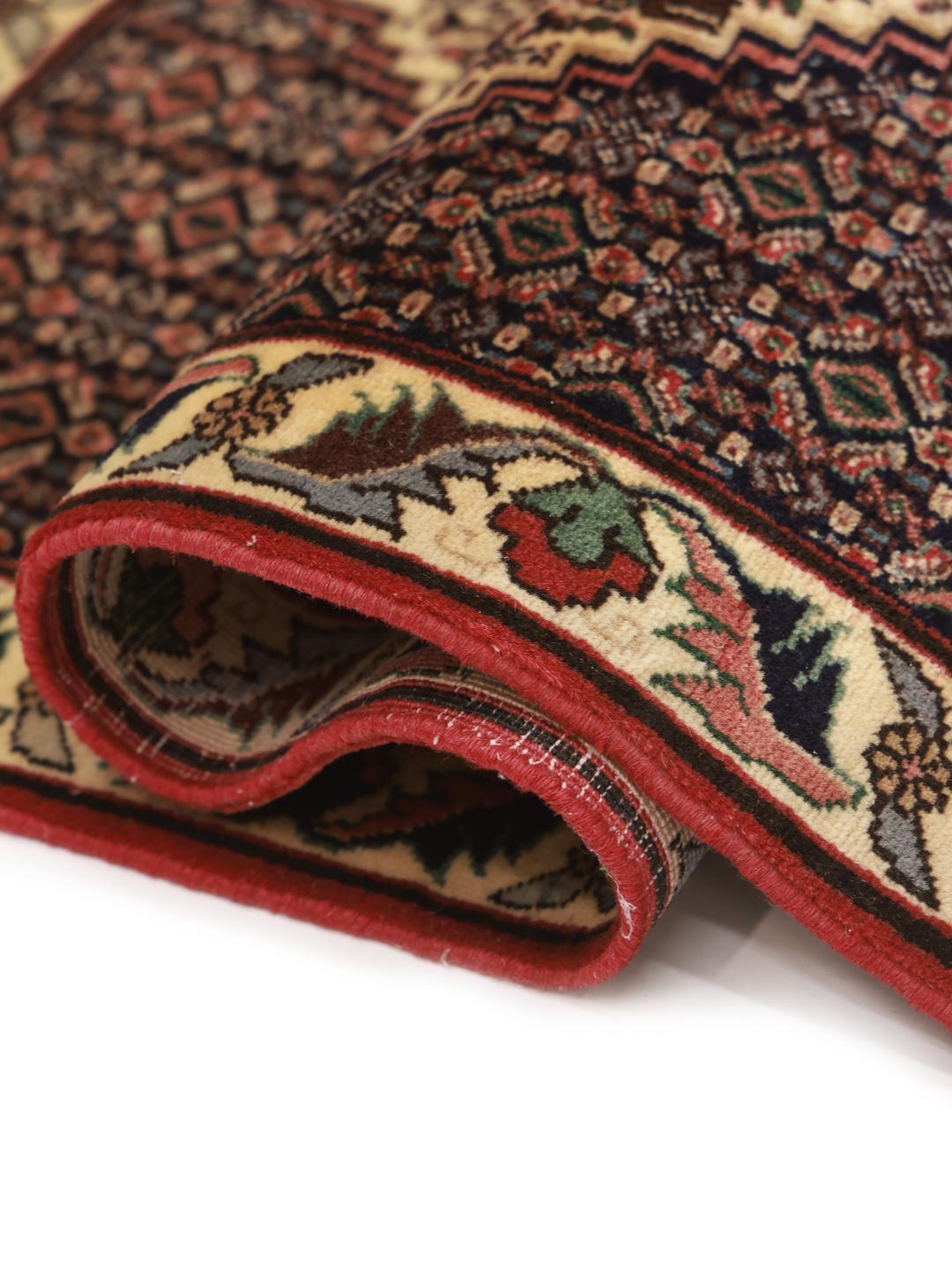
The term Senneh is synonymous with a specific, highly skilled weaving technique. The weavers in this region are renowned for their ability to create incredibly intricate and fine designs, often utilising a unique approach that results in a remarkably smooth and uniform pile. This technical mastery allows for the creation of delicate motifs that remain sharp and clearly defined, a hallmark of the finest examples from this tradition.
Visually, Senneh rugs are often defined by their masterful use of the Herati pattern, a delicate floral arrangement of a central rosette surrounded by four leaves, or complex, repeating geometric medallions. The borders are typically as considered as the field, often featuring repeating floral or geometric motifs that frame the composition. While many follow traditional palettes, each piece often includes subtle variations in hue that reflect the specific dyes and artistic intent of the weaver.
Collectors value these rugs for their exceptional blend of durability and artistic refinement. Owning a piece from this tradition is an investment in a storied heritage of craftsmanship that has survived for centuries. It represents a commitment to supporting human-centred production and a desire to bring a piece of authentic, historical artistry into the modern home.