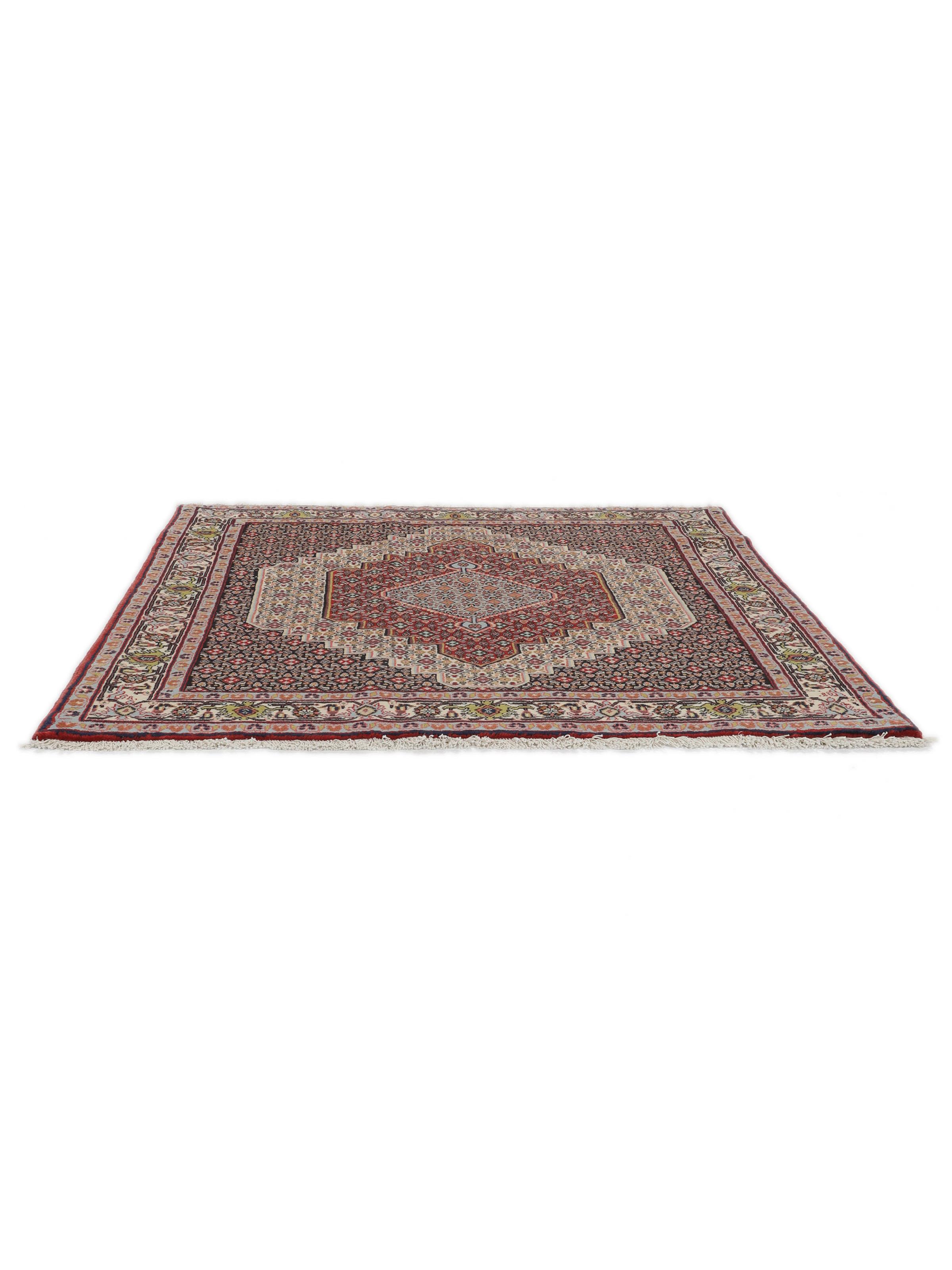
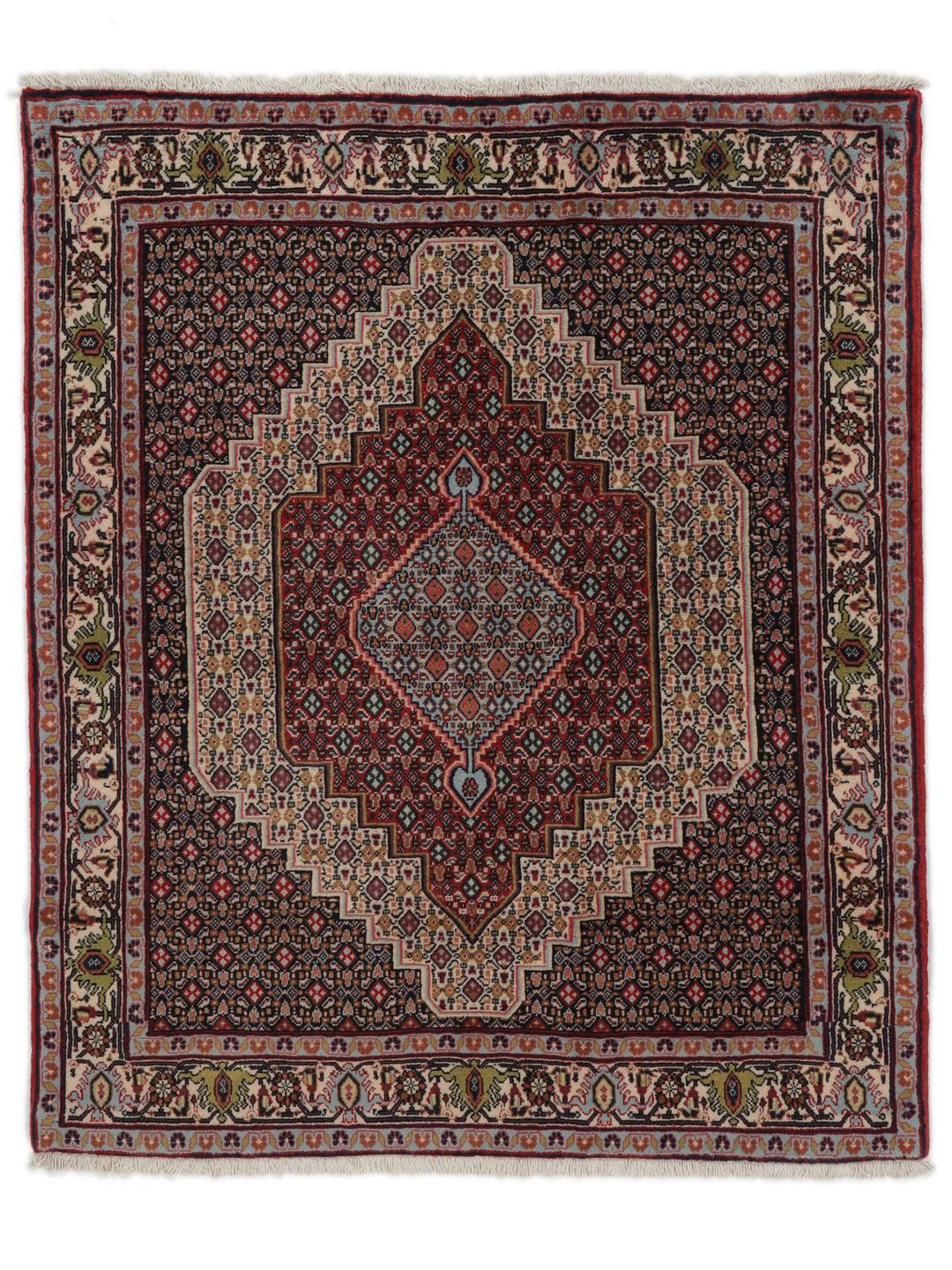
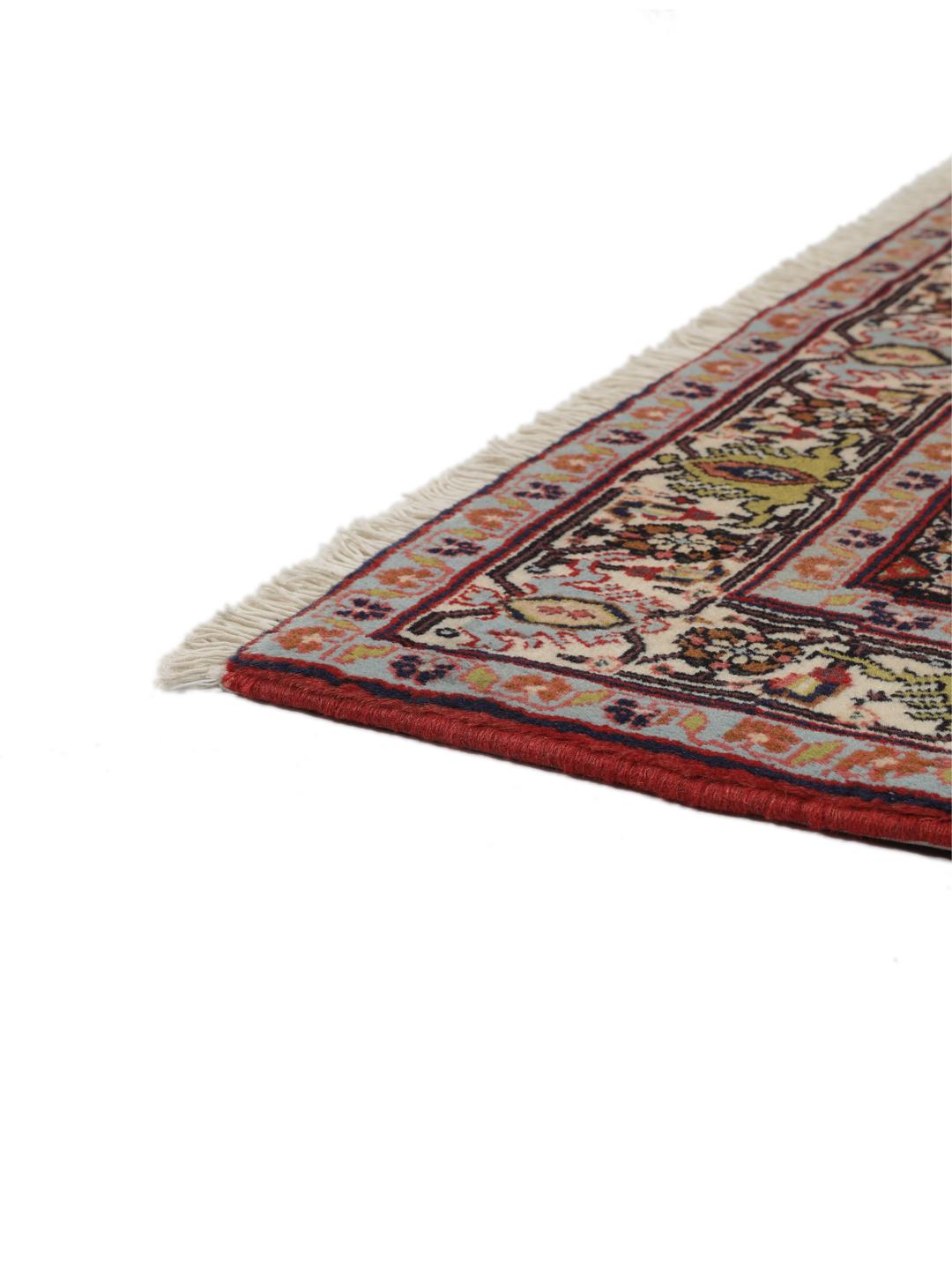
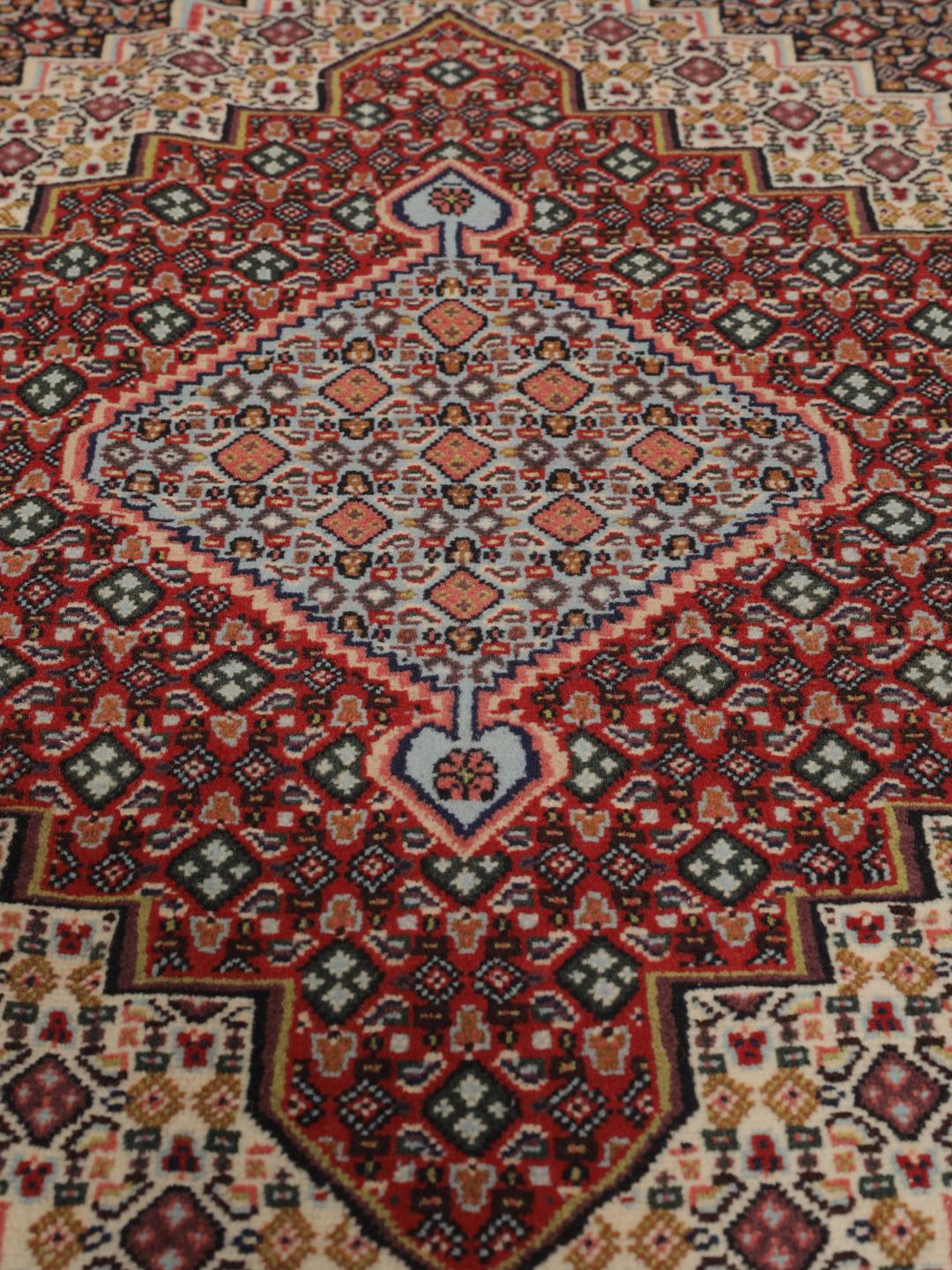
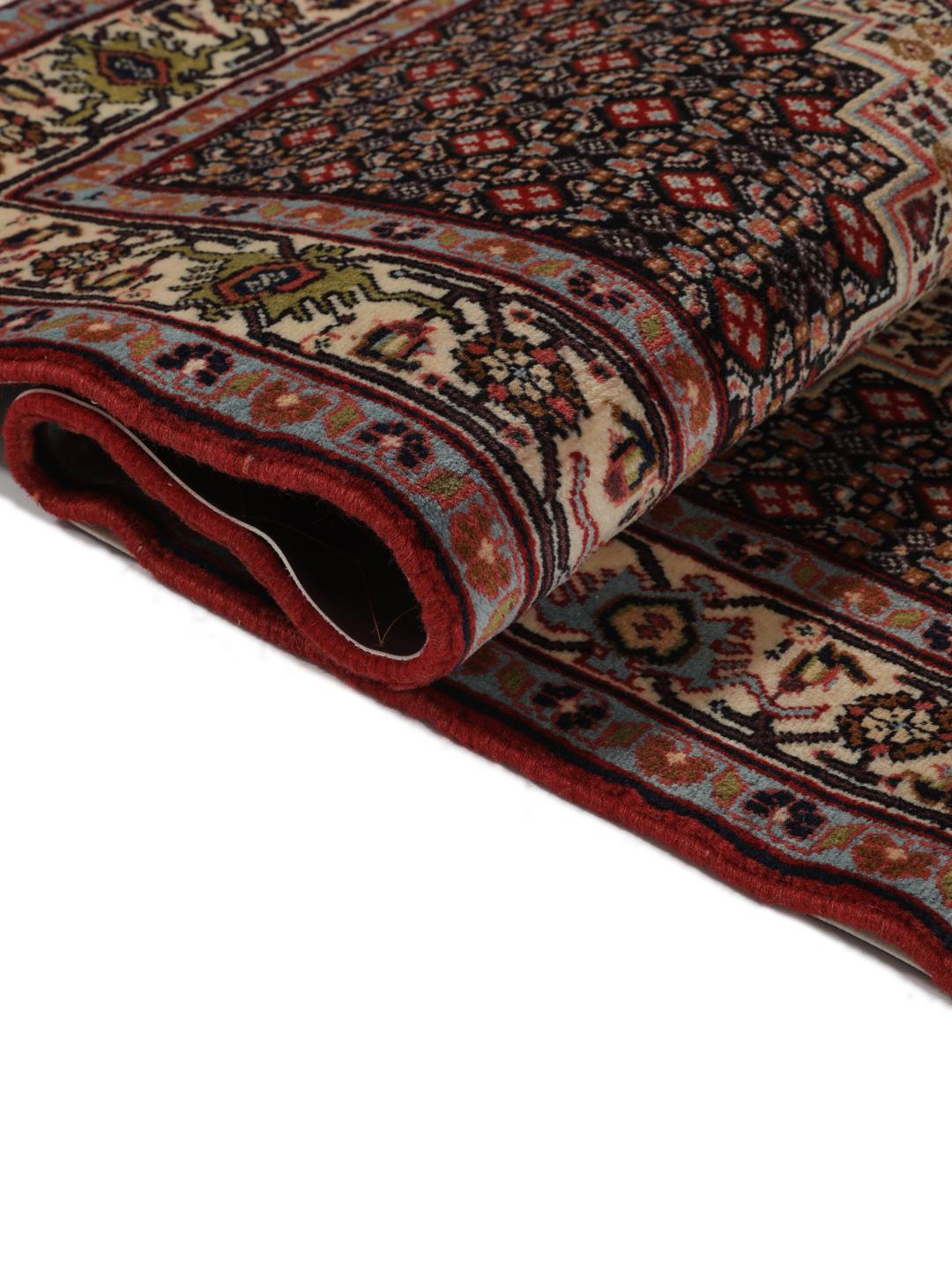
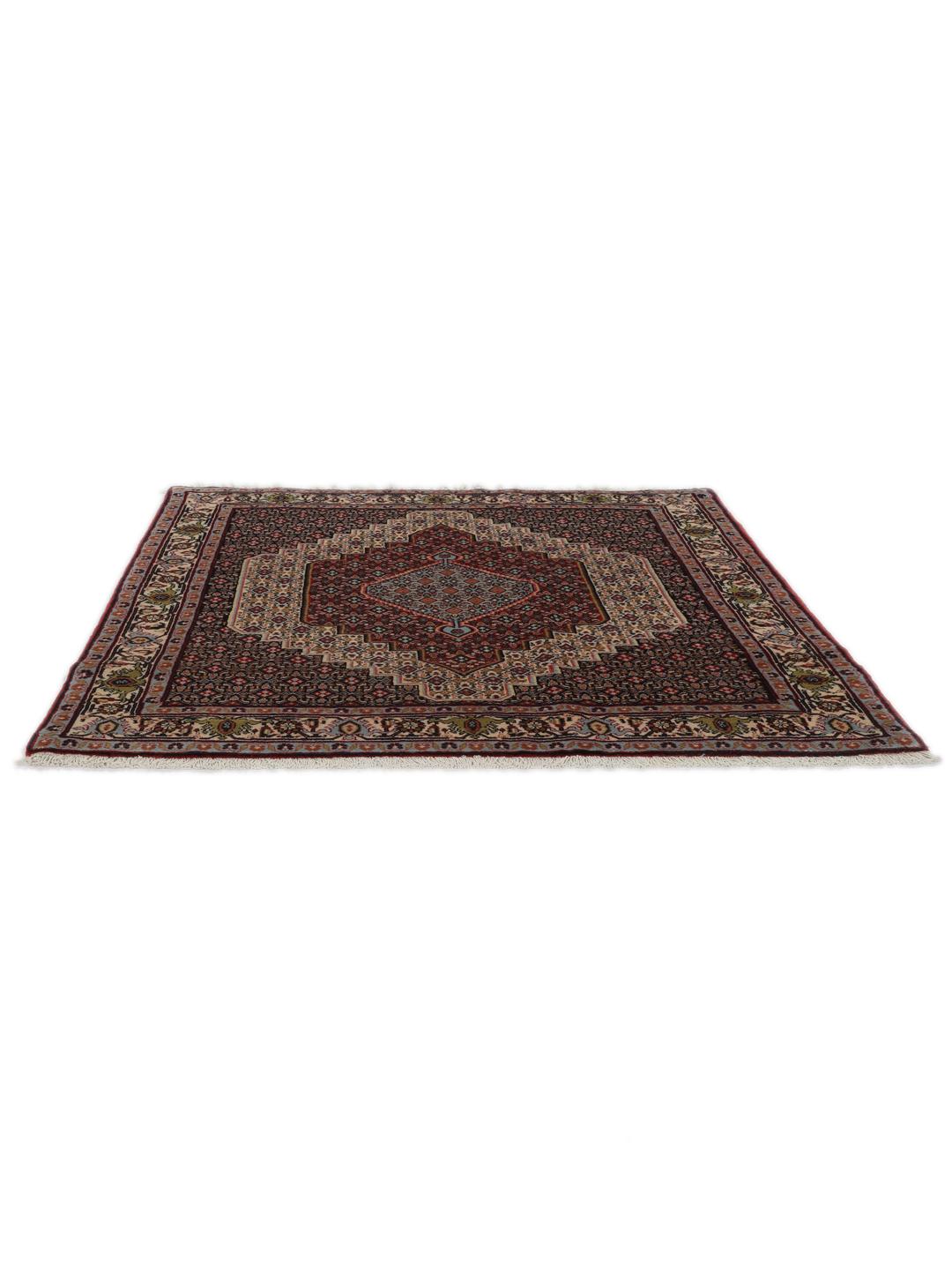
Senneh rugs originate from the Kurdish region of the Middle East, specifically from the city historically known as Senneh, now called Sanandaj. This region has long been celebrated for its distinctive weaving traditions, which often blend technical precision with expressive, artistic creativity. The rugs from this area are historically prized for their fine construction and unique approach to traditional patterns.
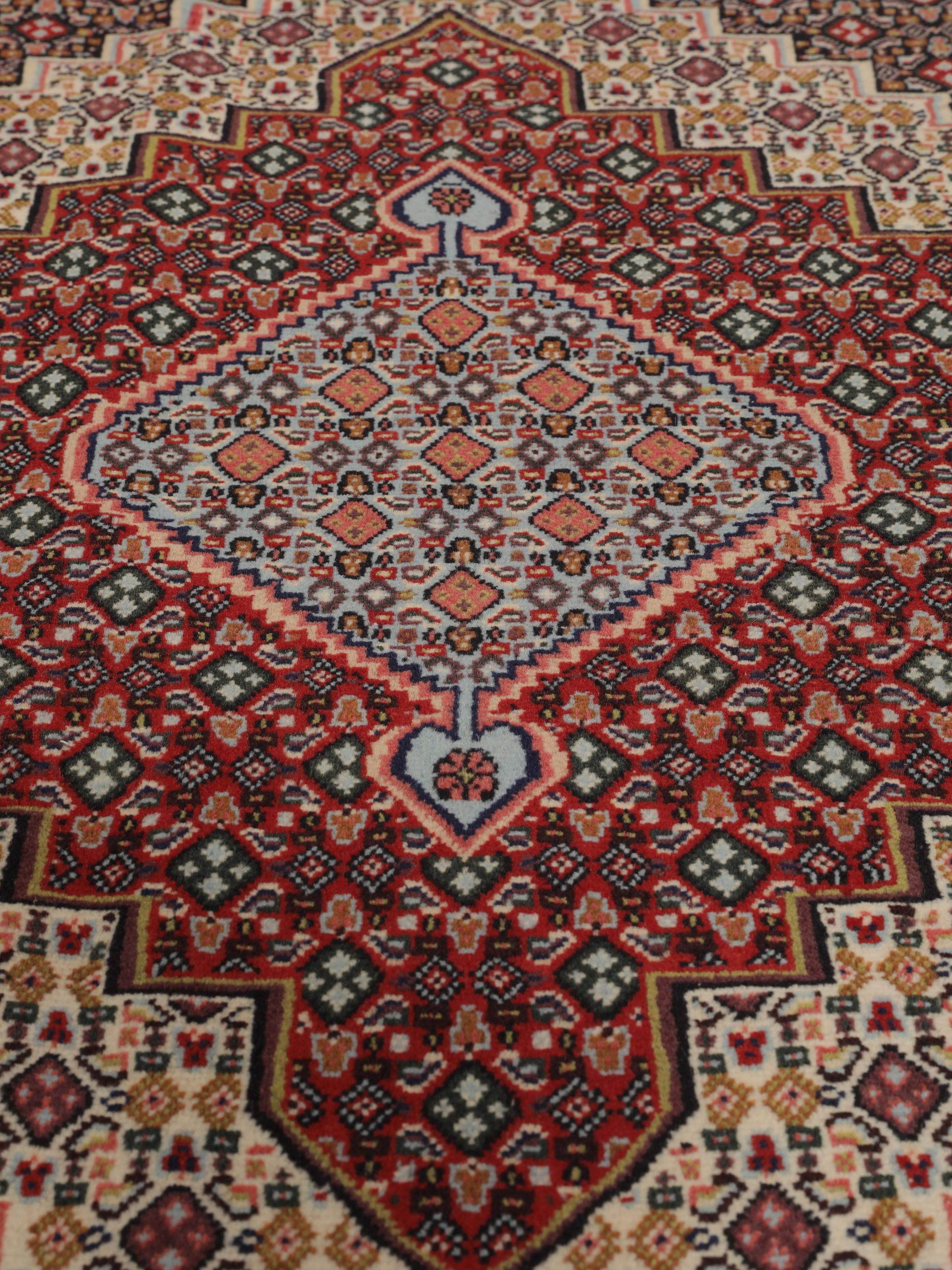
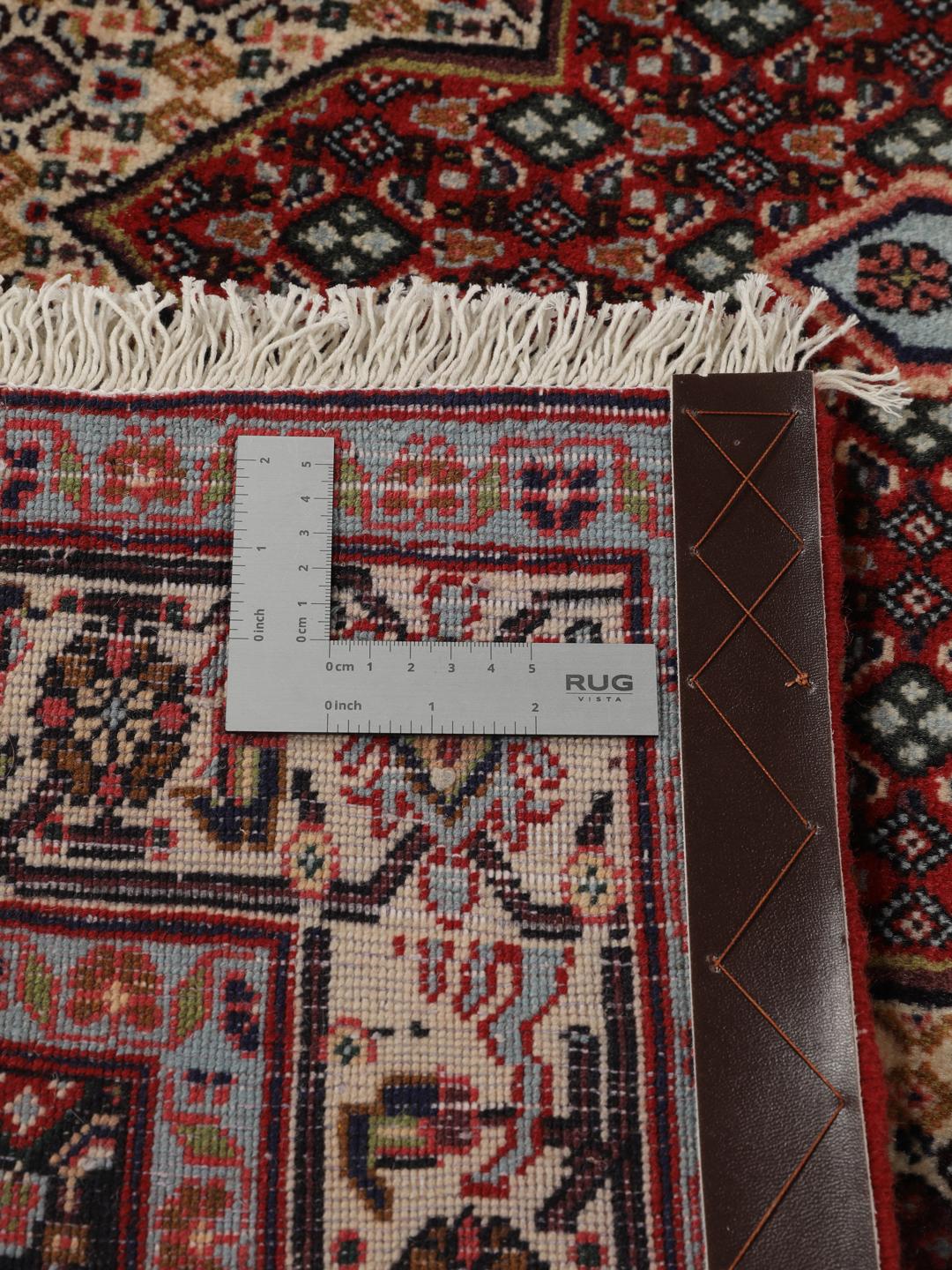
The term Senneh refers to a specific, highly skilled weaving technique characterised by the use of asymmetrical knots. This method allows for a greater degree of detail in the final design, enabling weavers to create fluid, intricate patterns that are difficult to achieve with other methods. For the collector, this technical choice is a hallmark of quality, ensuring a sharper, more defined aesthetic that has defined the region's output for generations.
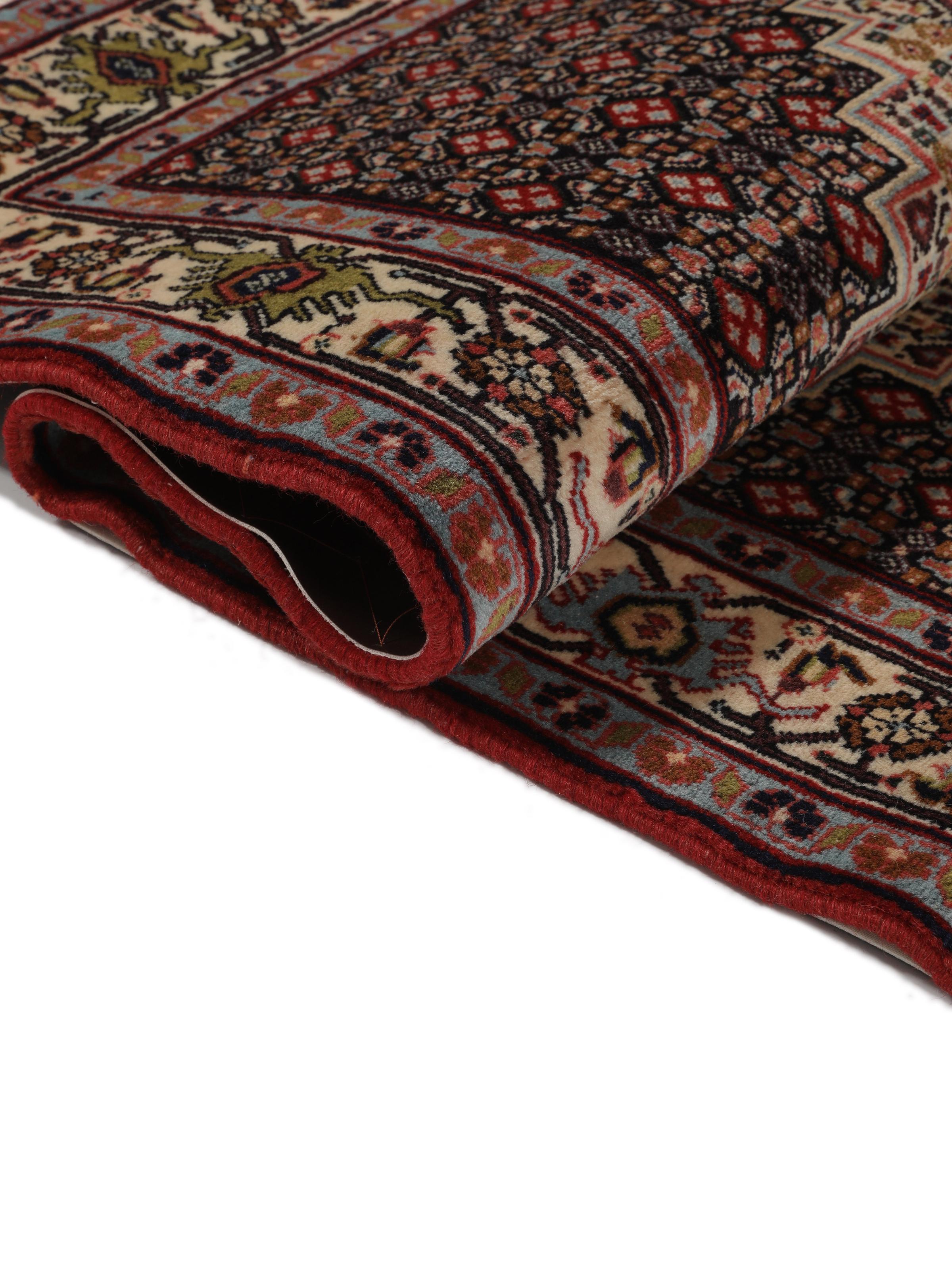
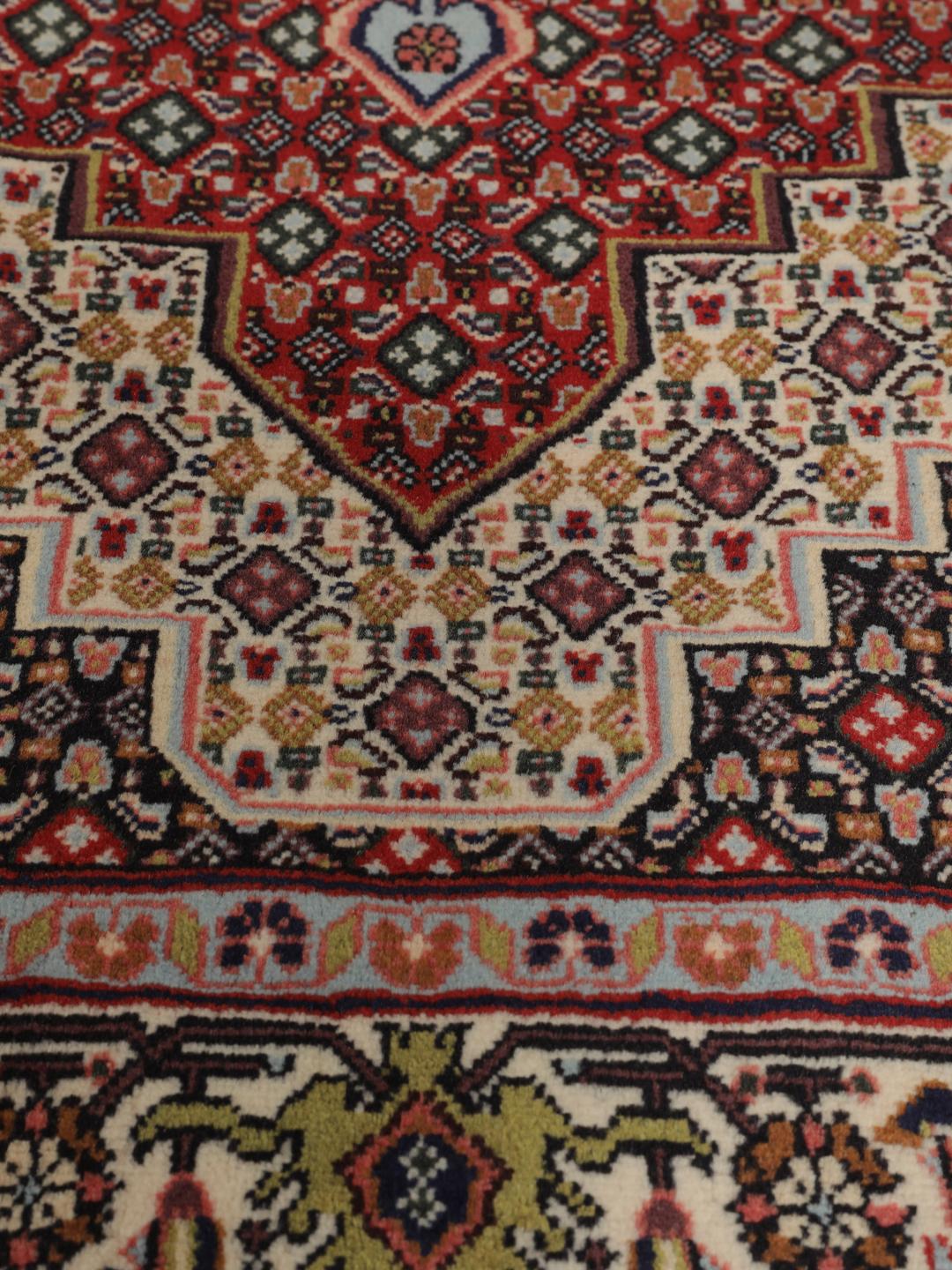
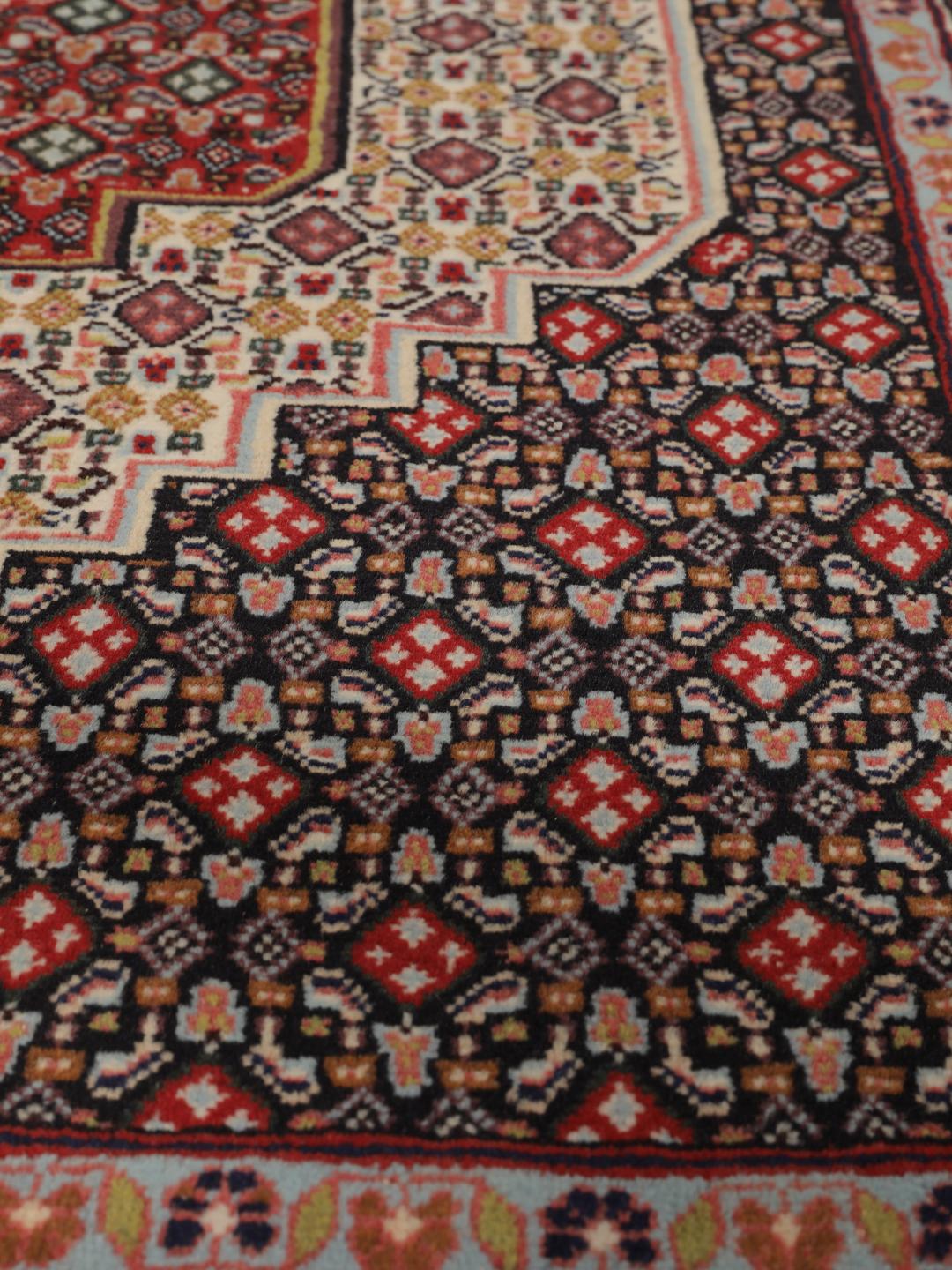
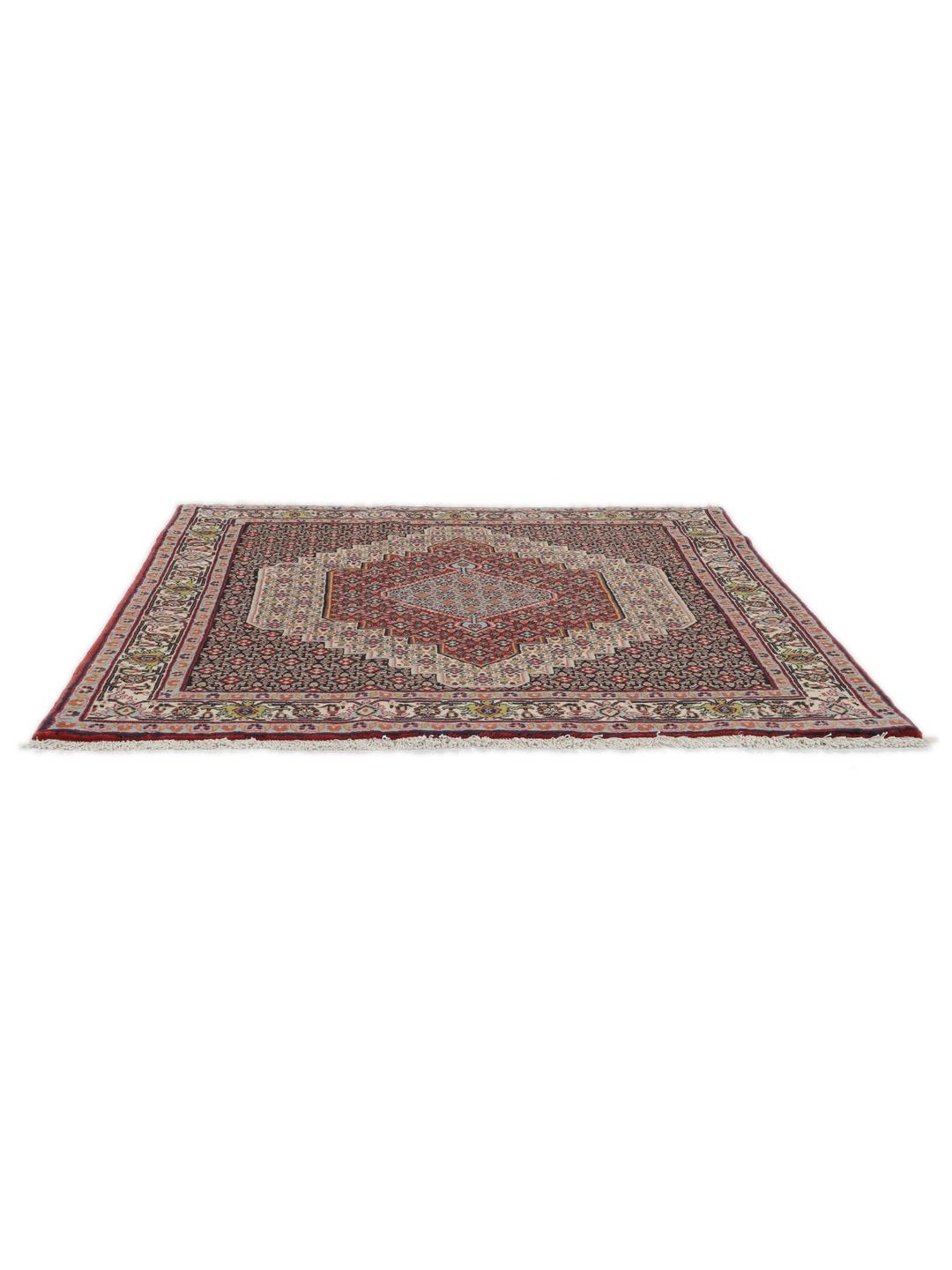
Visually, Senneh rugs are famous for their sophisticated use of space and colour. While they often incorporate traditional floral motifs or geometric medallions, they do so with a sense of balance and rhythm that is uniquely their own. The border designs are frequently elaborate, acting as a frame for the central field and showcasing a mastery of colour palettes that often include deep reds, blues, and earthy tones that are characteristic of the mountain regions where they are made.
Owning a piece from this tradition is an opportunity to connect with a rich cultural history. These rugs are not merely decorative items but are considered important examples of Middle Eastern textile art, valued for their durability and the legacy of the people who created them. By acquiring a Senneh rug, you are preserving a piece of heritage and celebrating the human skill that has kept these ancient traditions alive and relevant in the modern home.