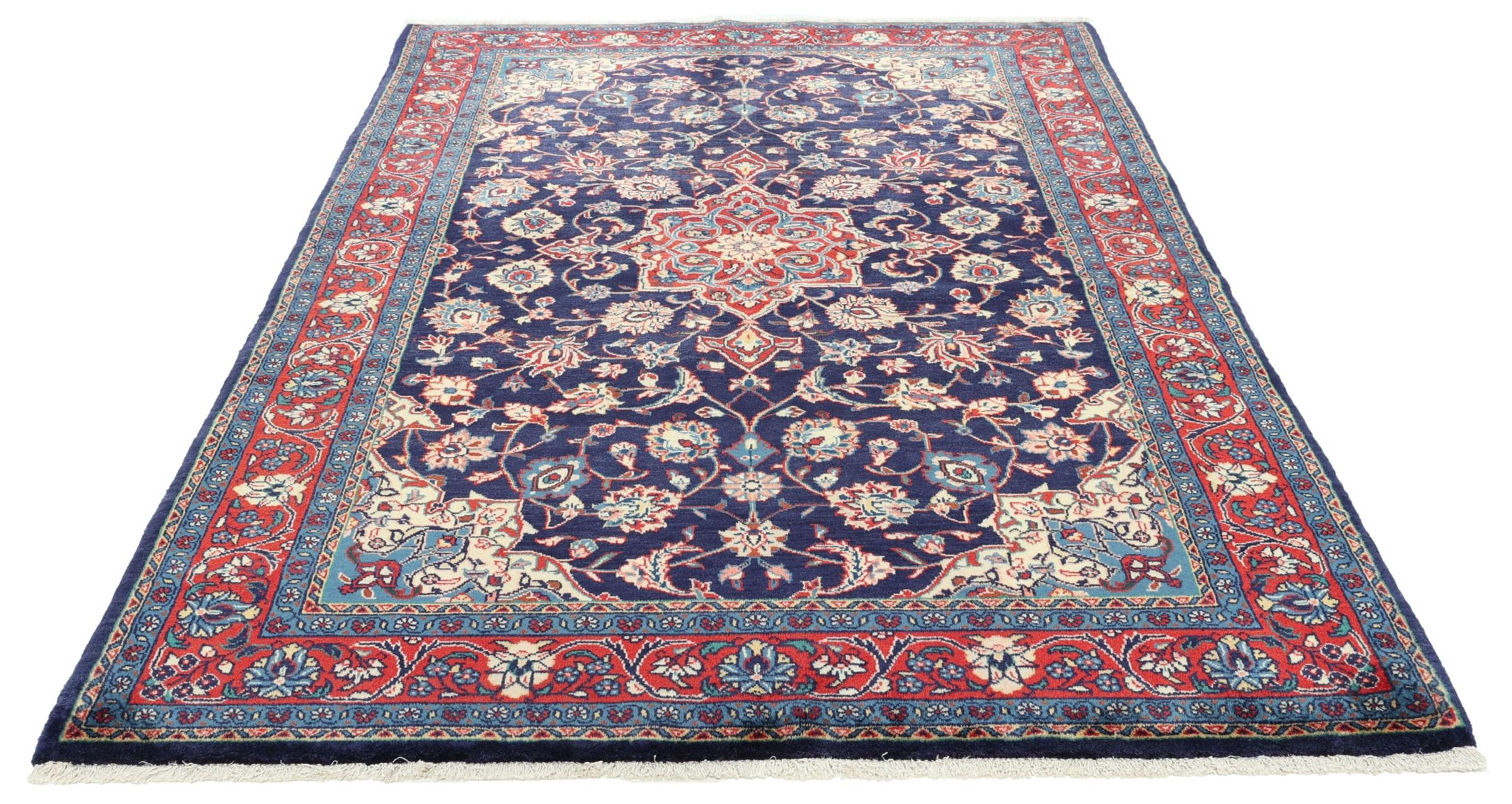
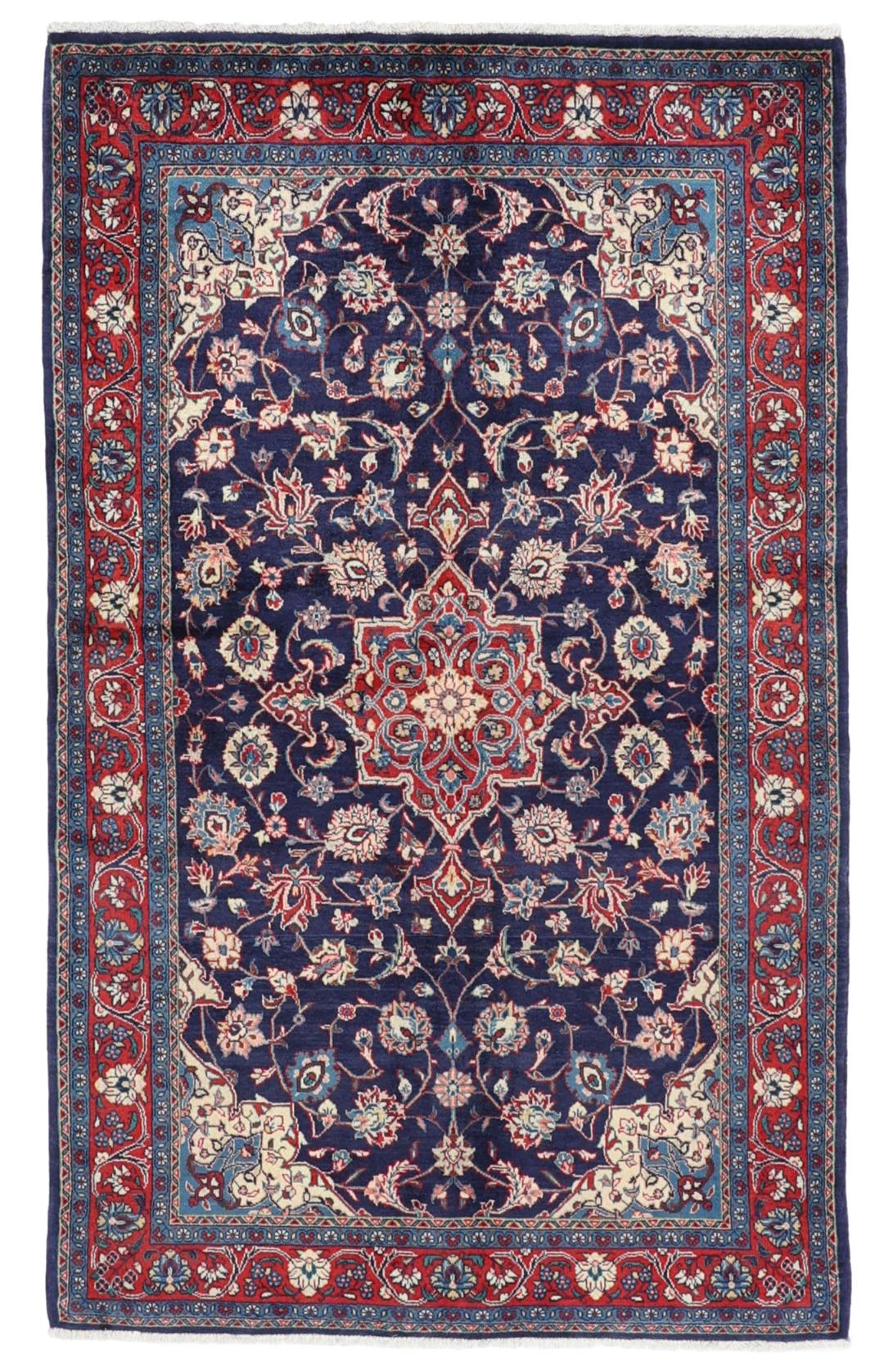
The Sarough rug tradition originates from the small village of Sarough in the Middle Eastern region, a place that has long been synonymous with high-quality textile production. Historically, these rugs became world-renowned for their exceptional durability and the sophisticated, often floral, design language that emerged in the late 19th and early 20th centuries. Today, the name Sarough represents a legacy of refined, elegant weaving that remains highly sought after by collectors.
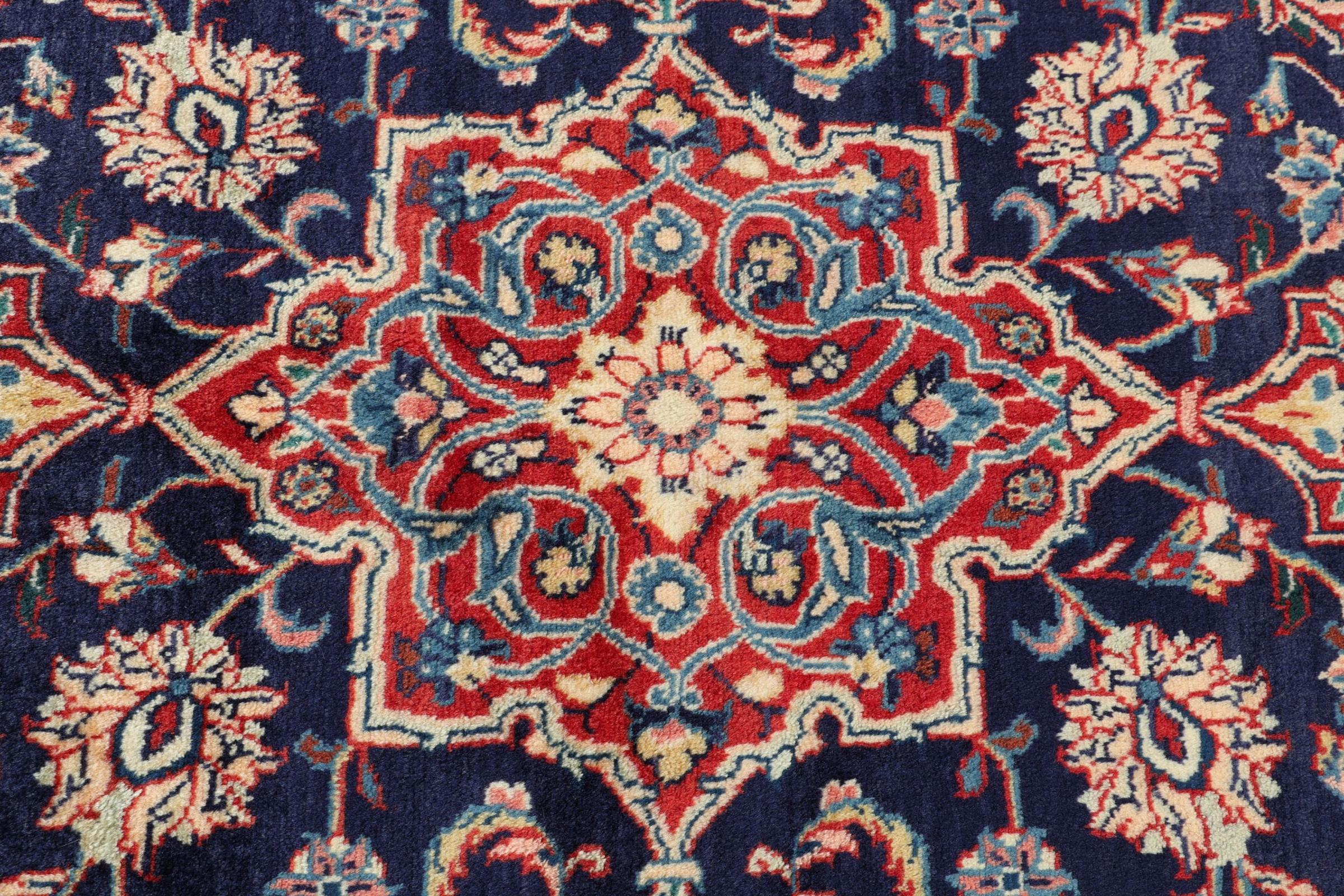
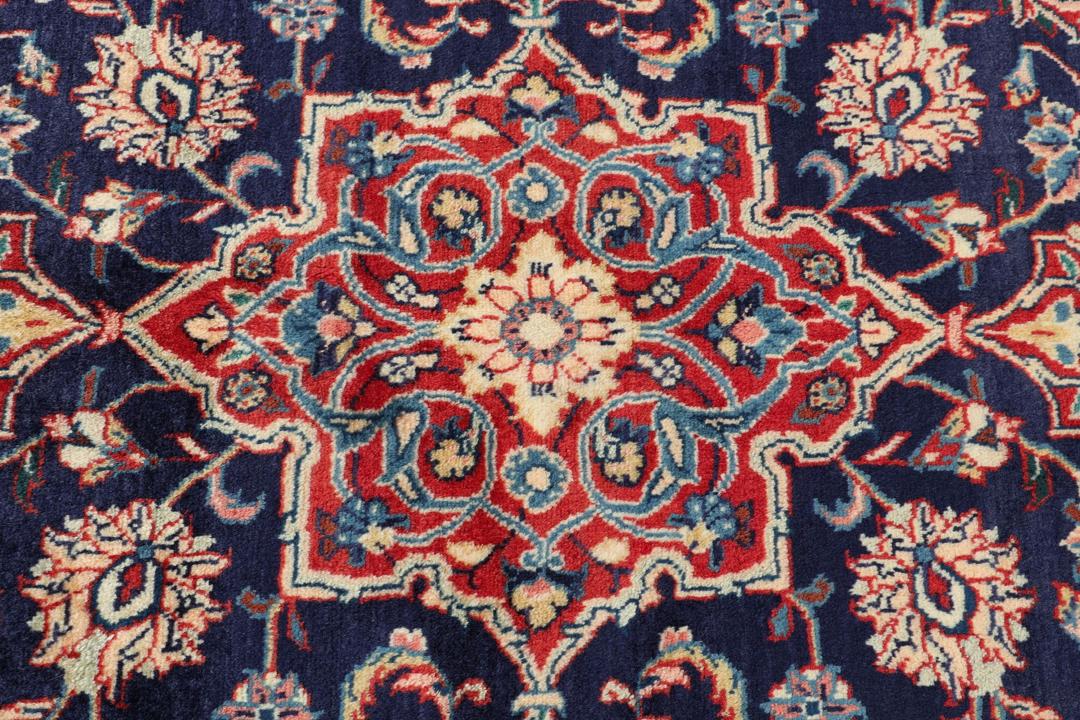
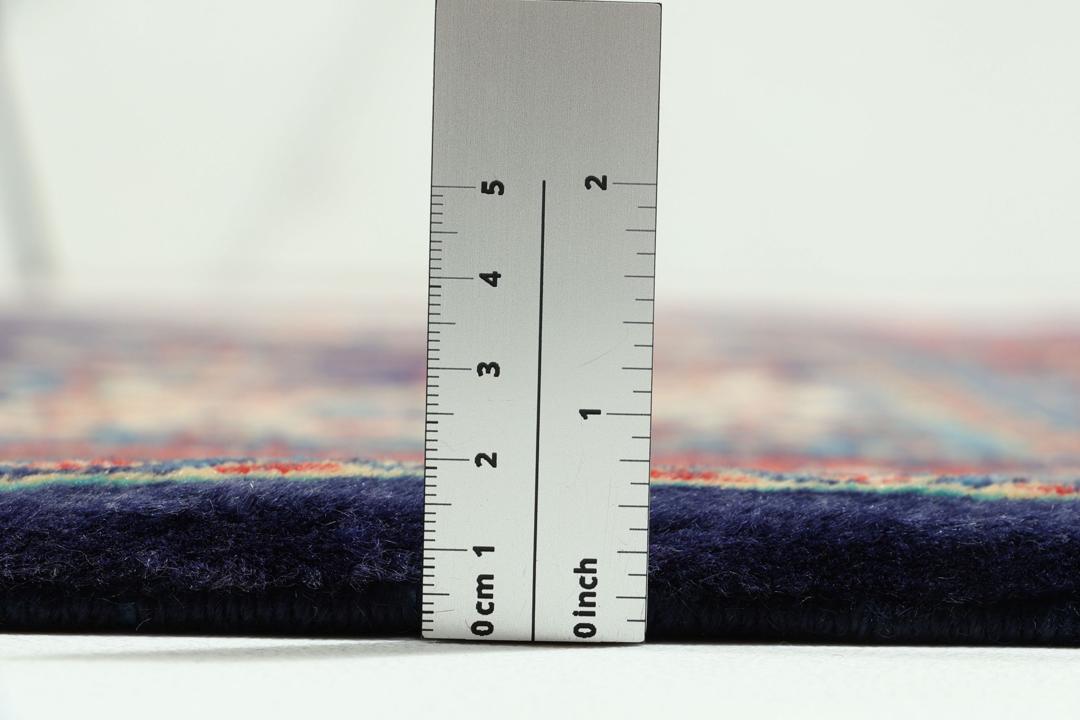
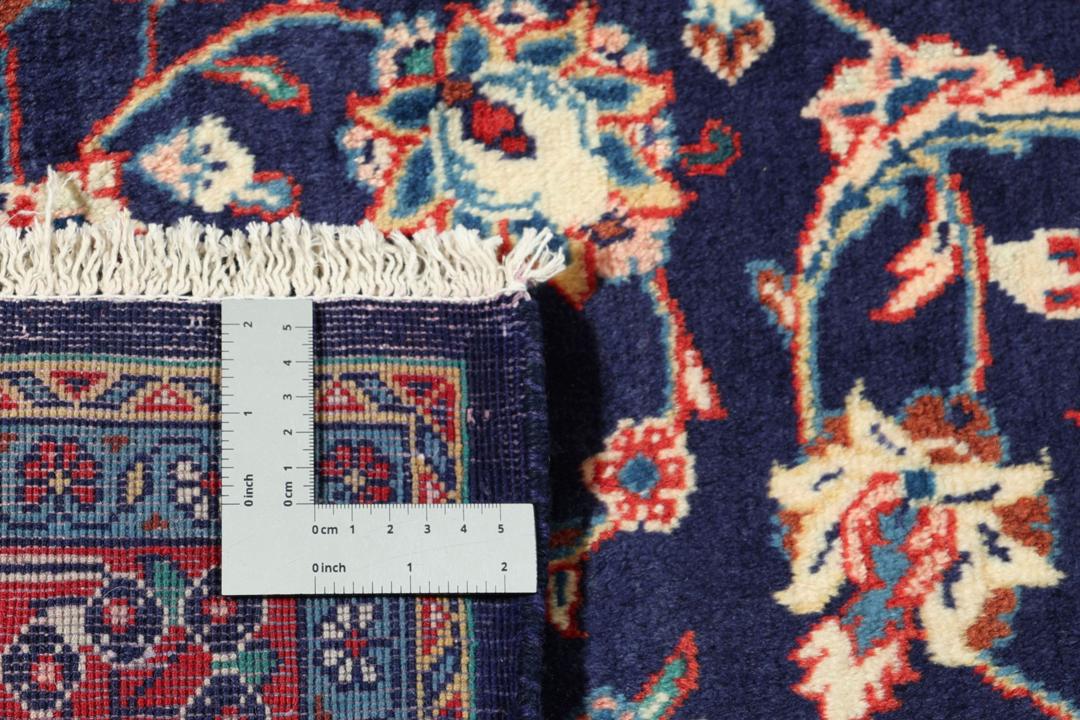
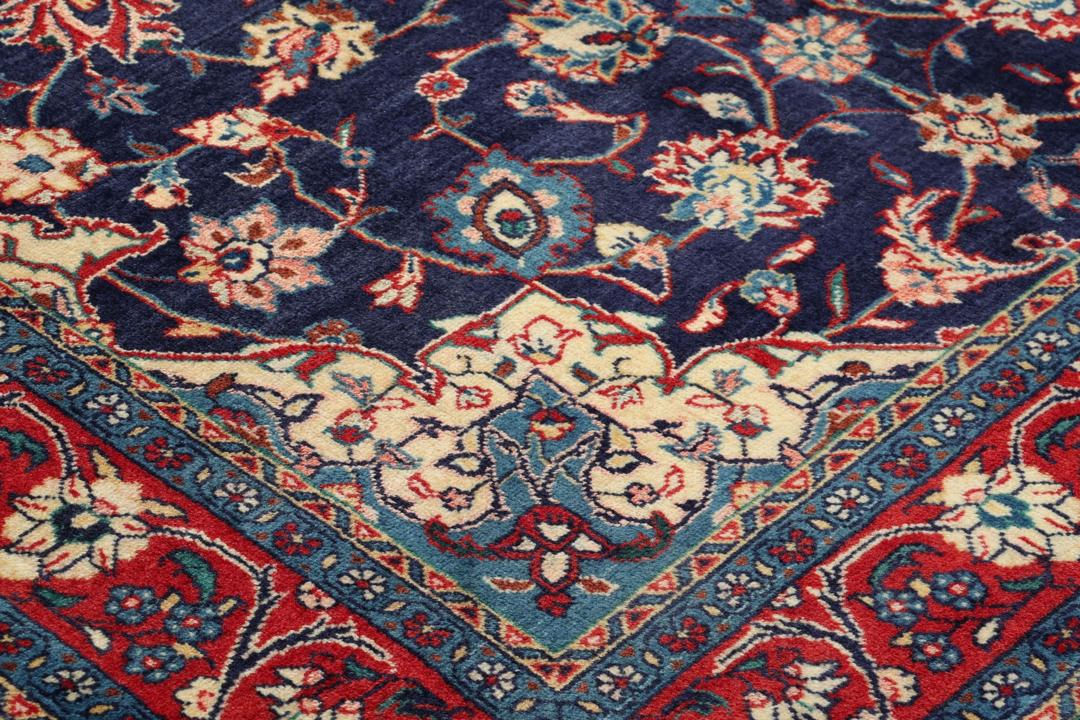
What defines the classic Sarough is its robust construction and the use of high-quality materials that allow for intricate detailing. The technique relies on a dense knotting style that provides a firm, heavy foundation. This density is not just for show; it is the reason these rugs have survived for generations, maintaining their lustre and structural shape despite years of use in busy households.
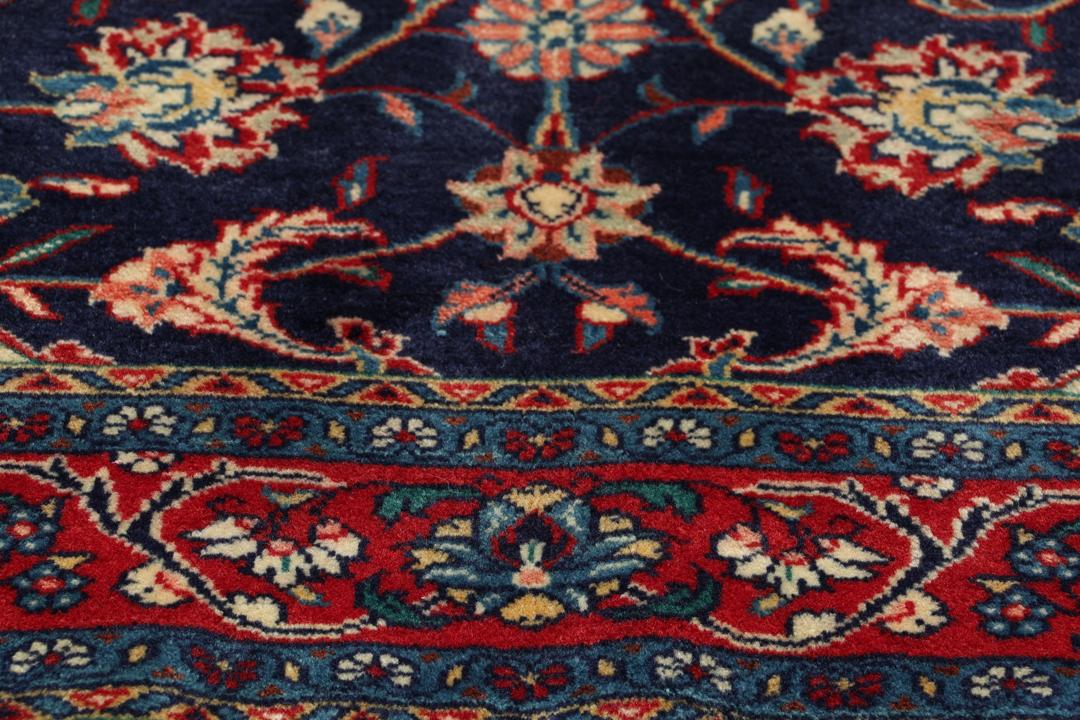
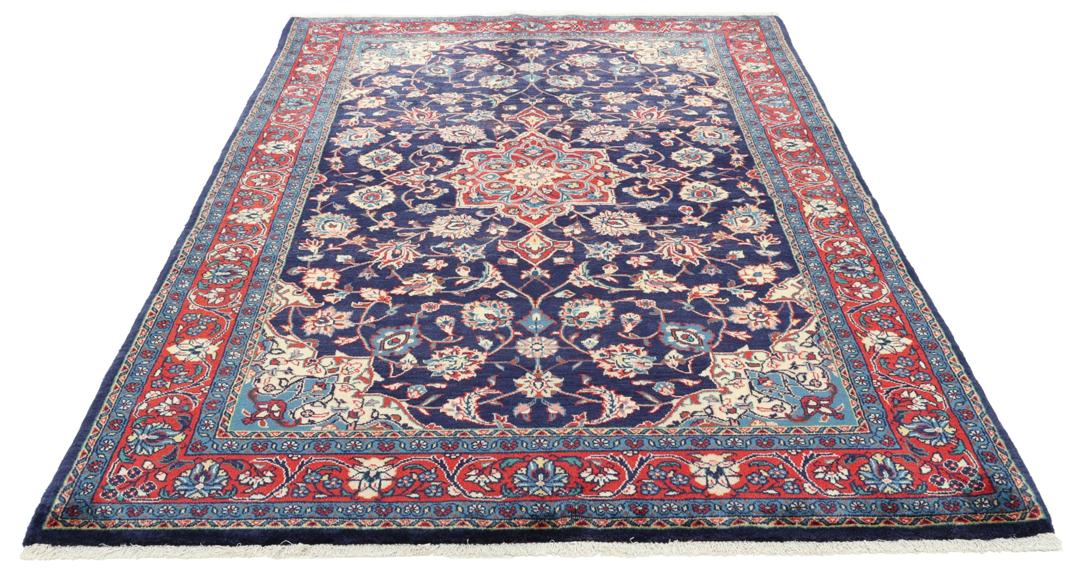
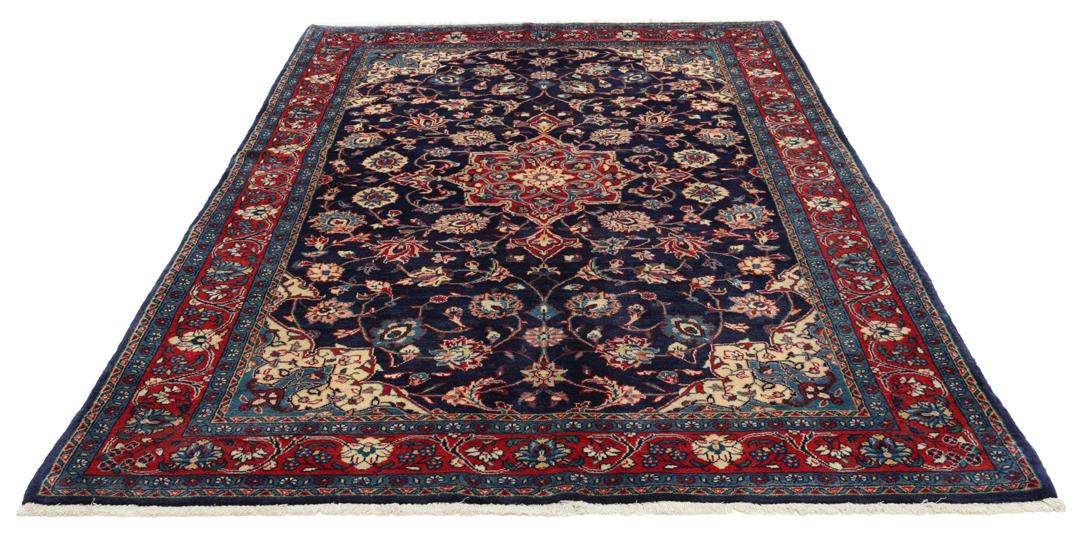
Visually, these rugs are celebrated for their sophisticated floral compositions, often featuring a central medallion surrounded by flowing vines, palmettes, and blossoms. While the classic palette is often anchored in deep blues and rich reds, the specific arrangement of these motifs can vary significantly from one piece to another. The border designs typically frame the field with a formal, rhythmic grace that draws the eye inward, creating a sense of balance and completeness.
Owning a Sarough is an opportunity to connect with a rich heritage of craft. These pieces are valued not only for their aesthetic beauty but for the immense skill required to produce them. Because each rug is a product of individual interpretation and manual effort, they are considered true collector items, holding both cultural weight and lasting value for those who appreciate the intersection of art and home utility.