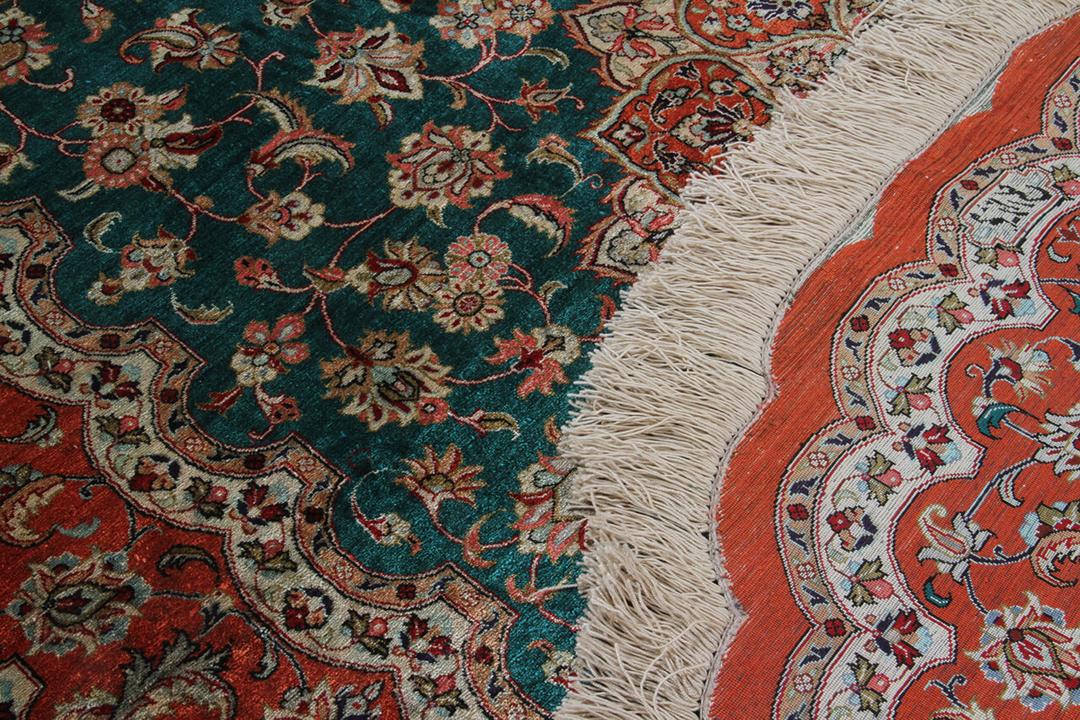
The tradition of Qum rugs is a relatively modern yet highly prestigious chapter in the long history of Middle Eastern weaving. Emerging in the holy city of Qum during the early 20th century, these rugs quickly gained fame for their technical brilliance and the innovative use of fine materials. Unlike older regional traditions that relied on age-old tribal patterns, Qum weavers were pioneers who drew inspiration from a wide variety of classical styles, blending them into a cohesive and sophisticated aesthetic.
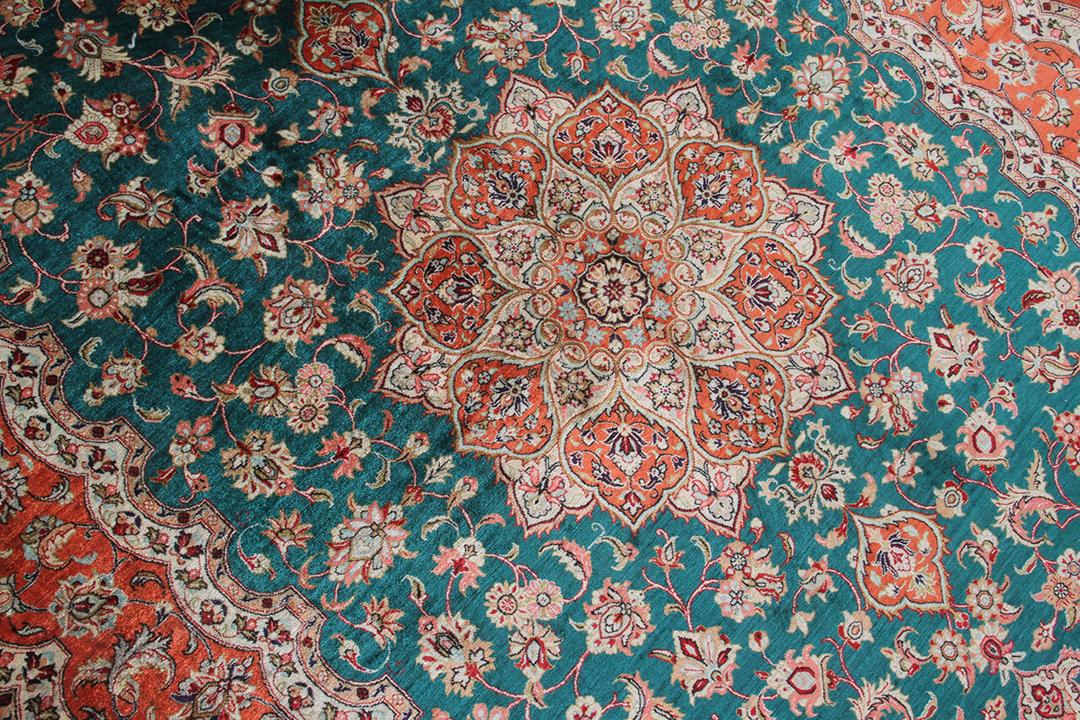
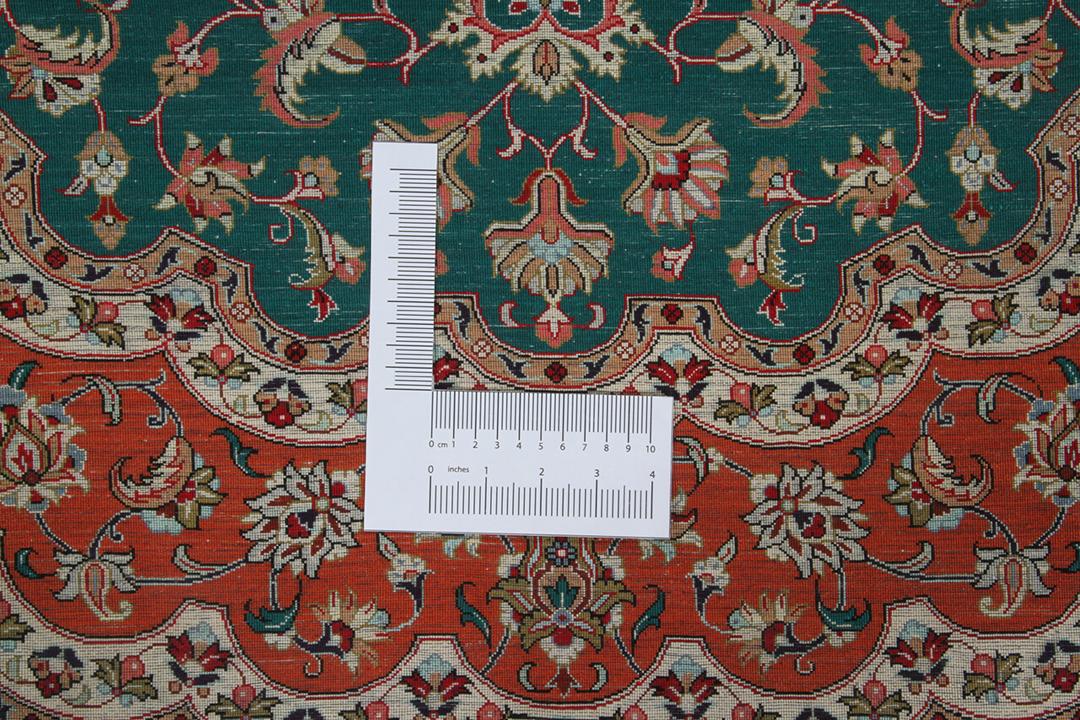
The term Qum is synonymous with technical excellence, particularly in the use of fine materials that allow for incredibly intricate designs. The high knot density is a hallmark of this tradition, enabling weavers to render complex, curvilinear floral patterns and medallions with photographic clarity. This level of detail requires immense patience and skill, making these rugs some of the most sought-after pieces for those who appreciate the intersection of mathematical precision and artistic expression.
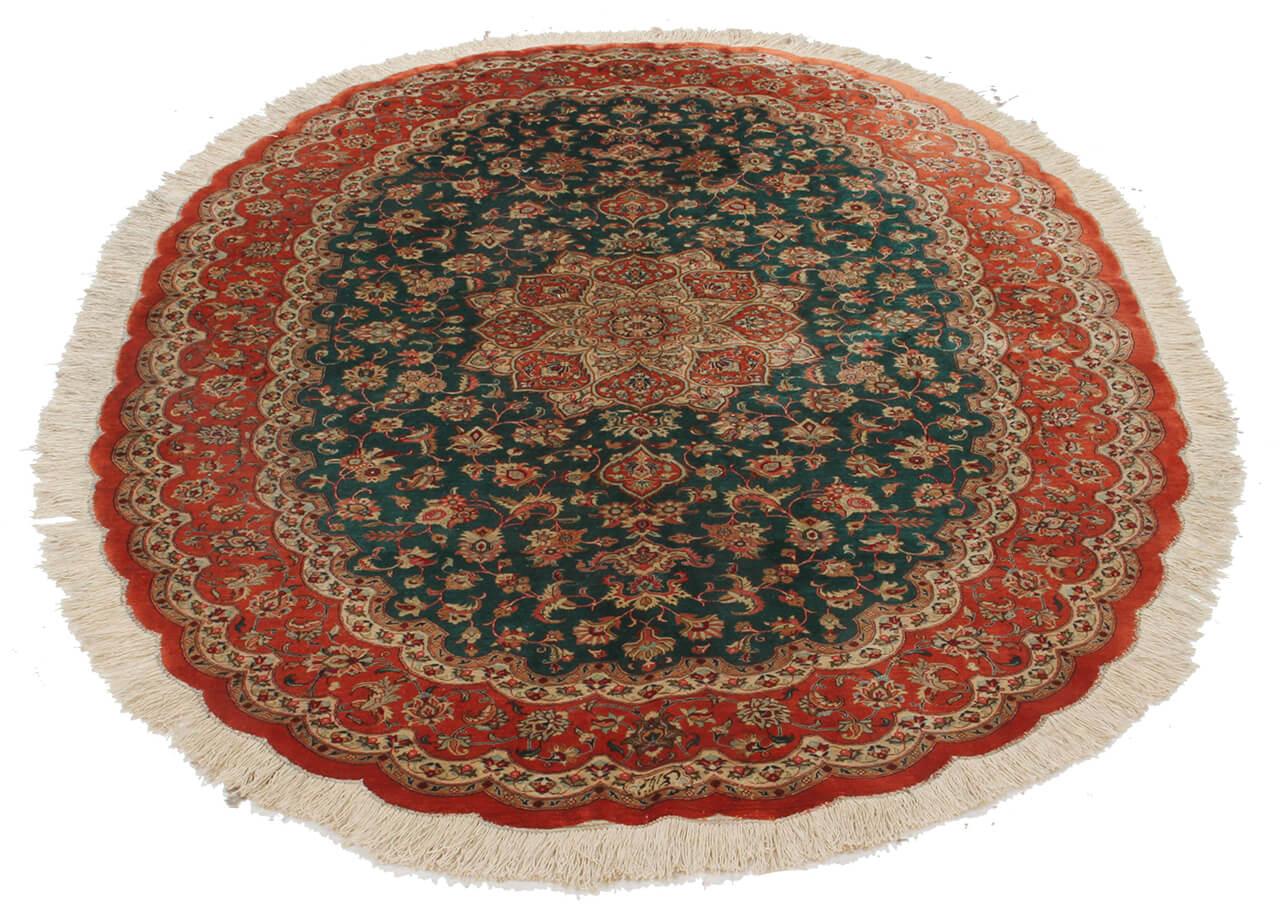
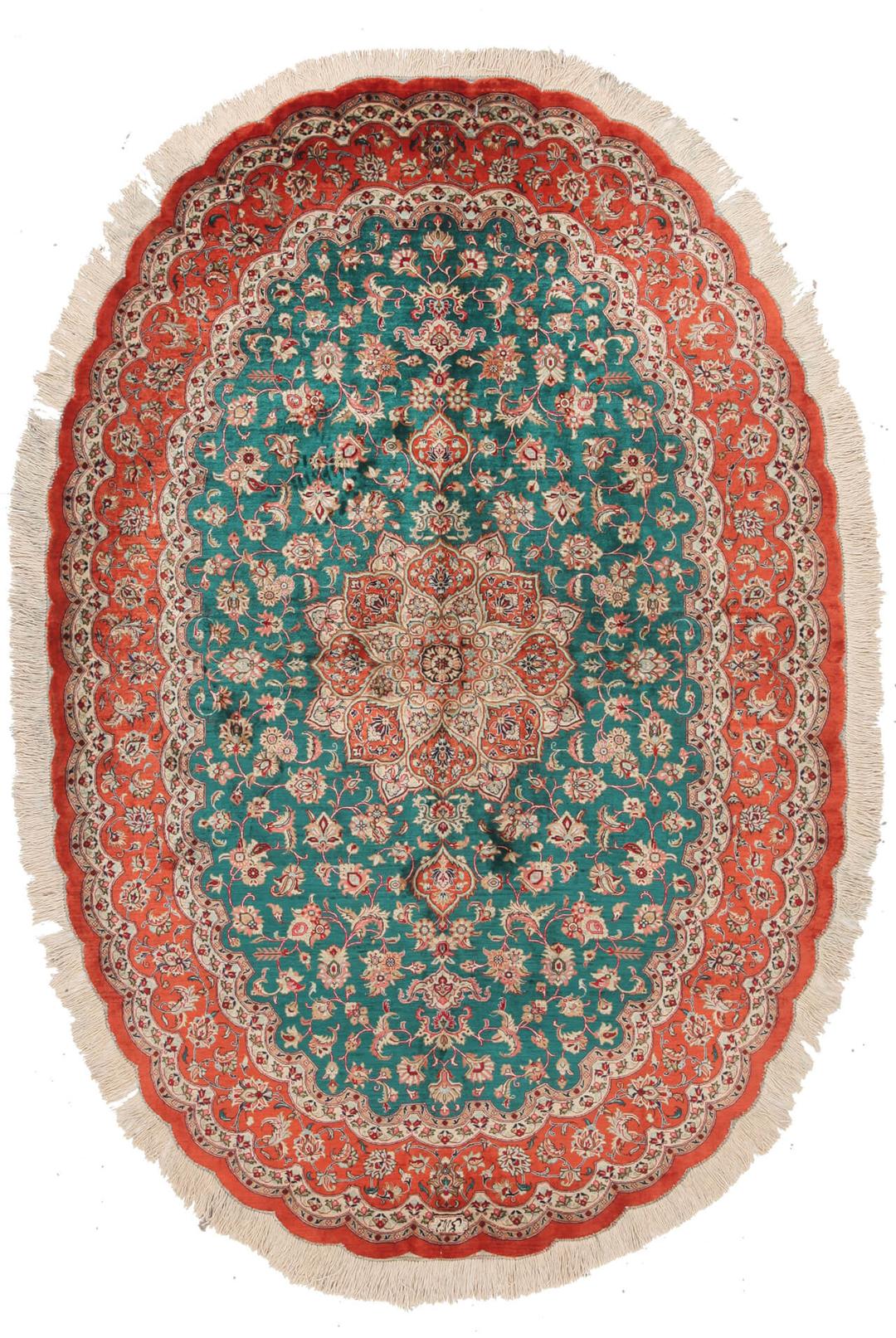
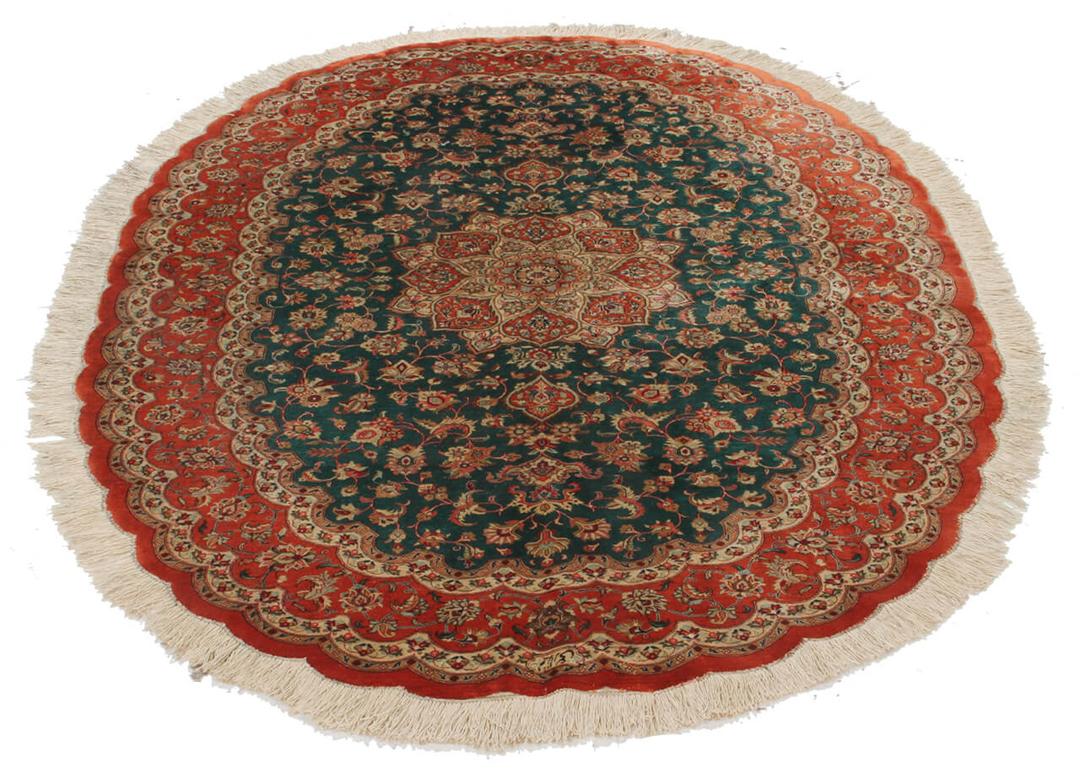
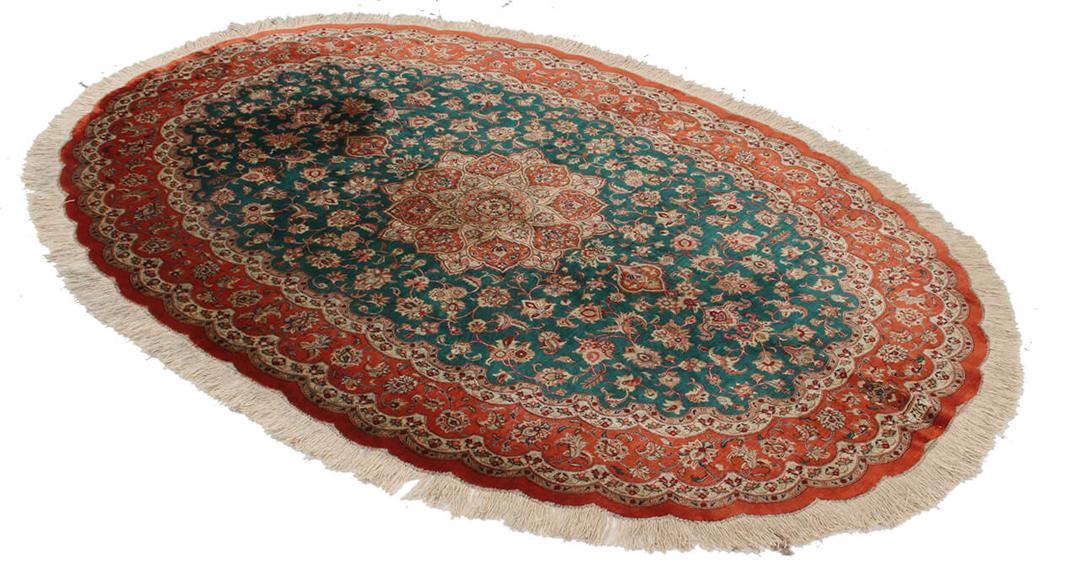
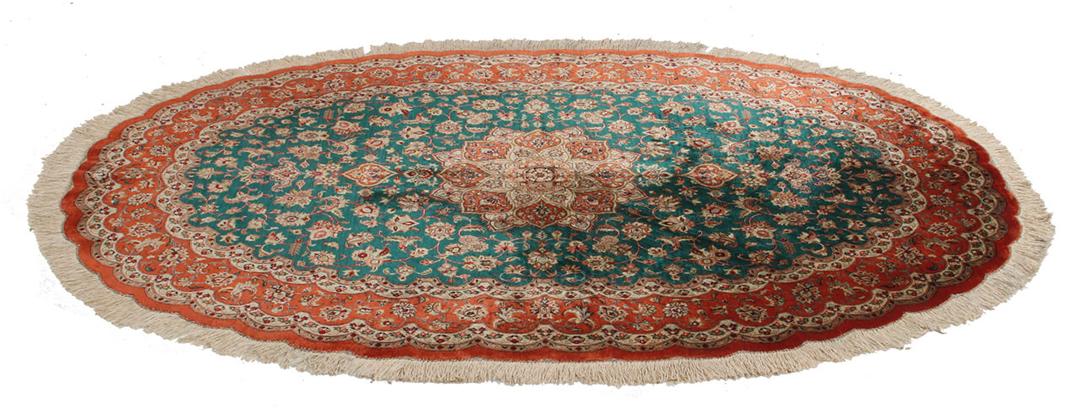
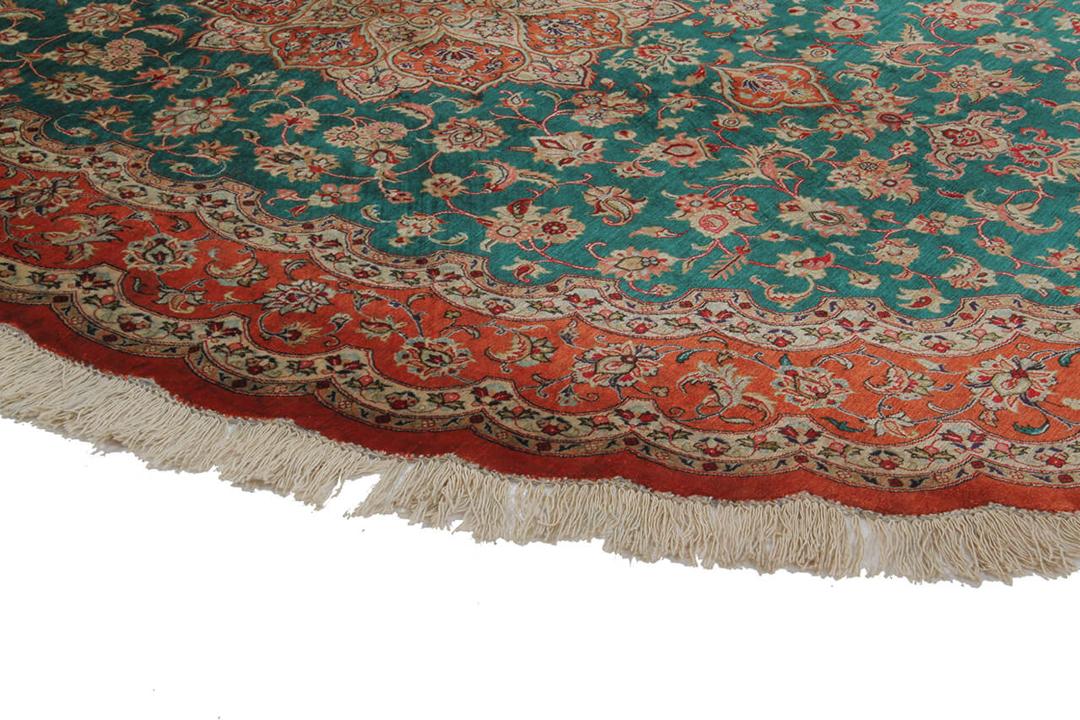
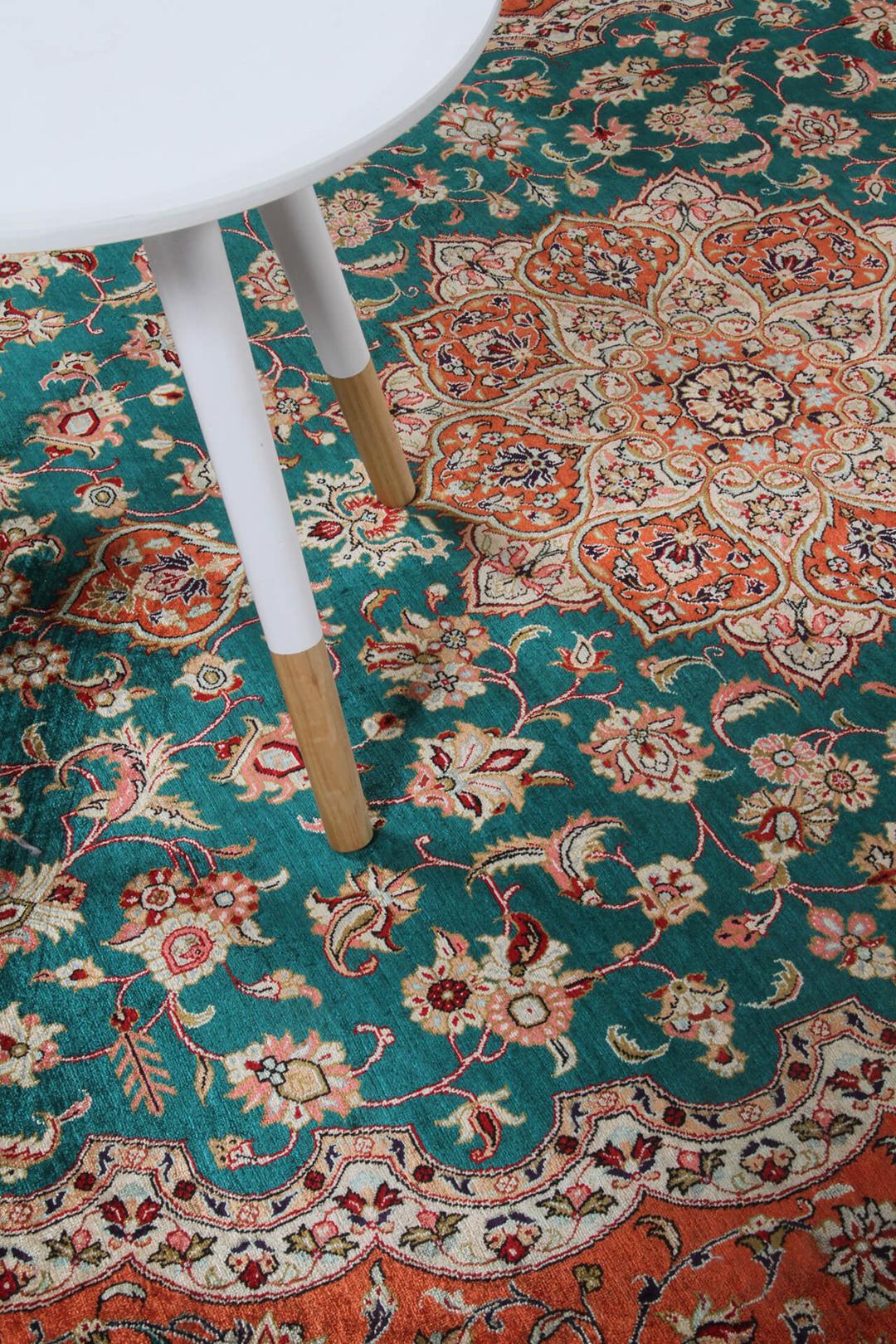
Design-wise, Qum rugs are known for their formal elegance, often featuring a central medallion surrounded by a sea of delicate, interconnected floral vines and blossoms. The borders are typically well-defined and ornate, providing a frame that emphasises the central motifs. While they draw on historical decorative traditions, Qum pieces often feel fresh and vibrant, utilising a rich palette that highlights the luminous quality of the materials used in the pile.
Collecting a Qum rug is an investment in a living tradition. They are valued not just for their aesthetic beauty, but as symbols of the artisan's ability to push the boundaries of what can be achieved on a loom. To own such a piece is to possess a tangible connection to a craft that prioritises patience and perfection, ensuring that the rug serves as a legacy piece that will continue to be admired for its skill and heritage for generations.