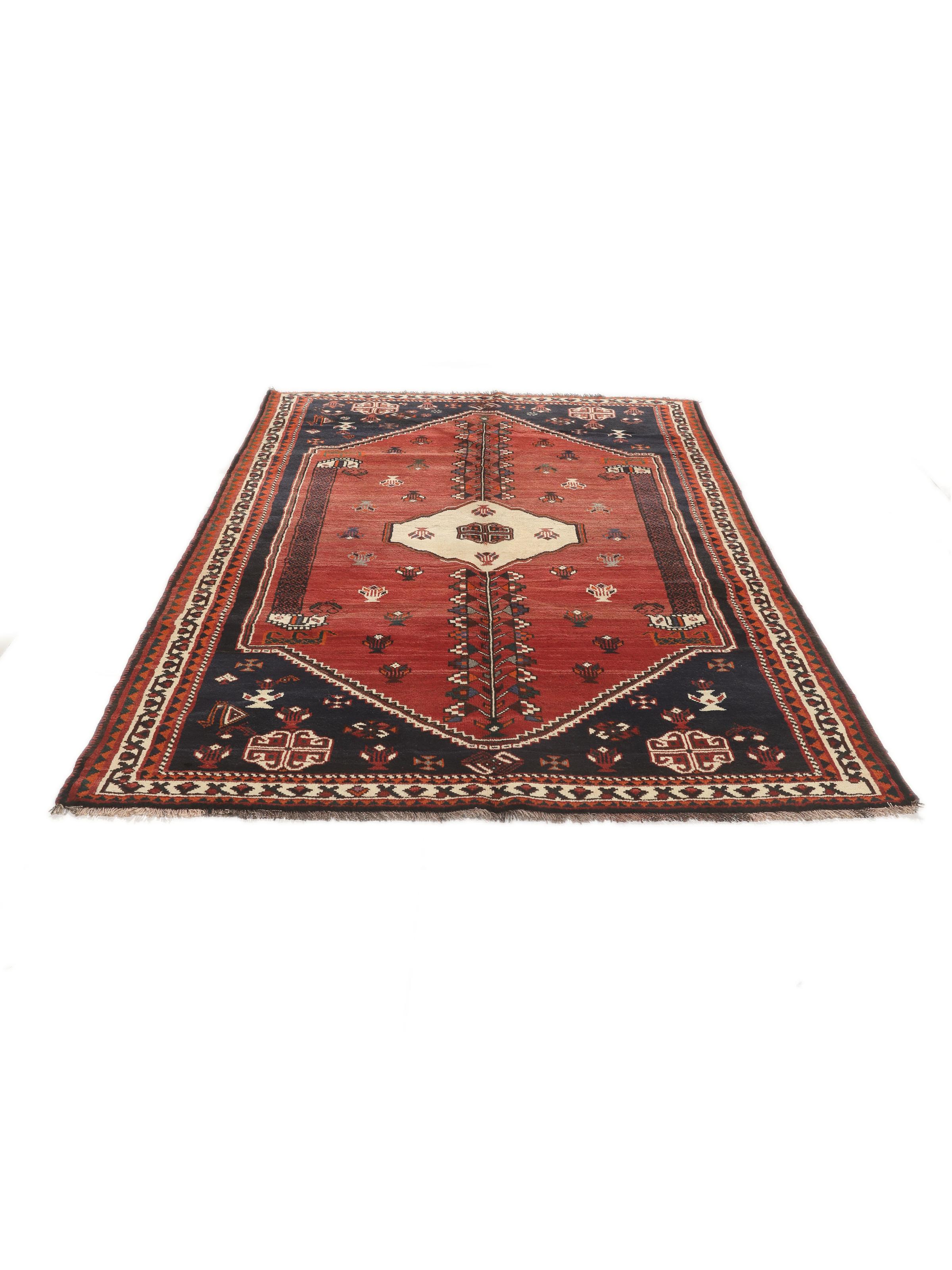
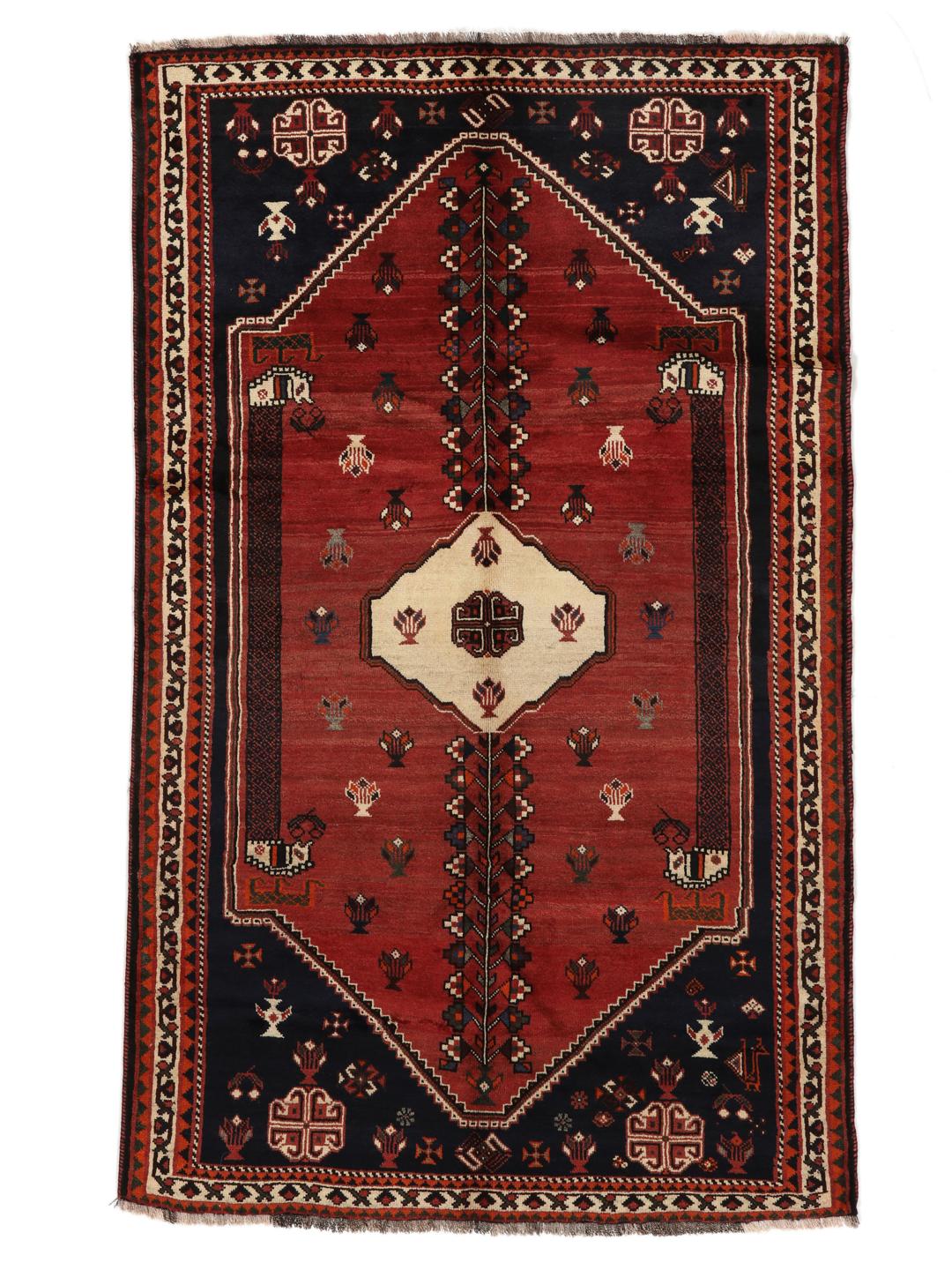
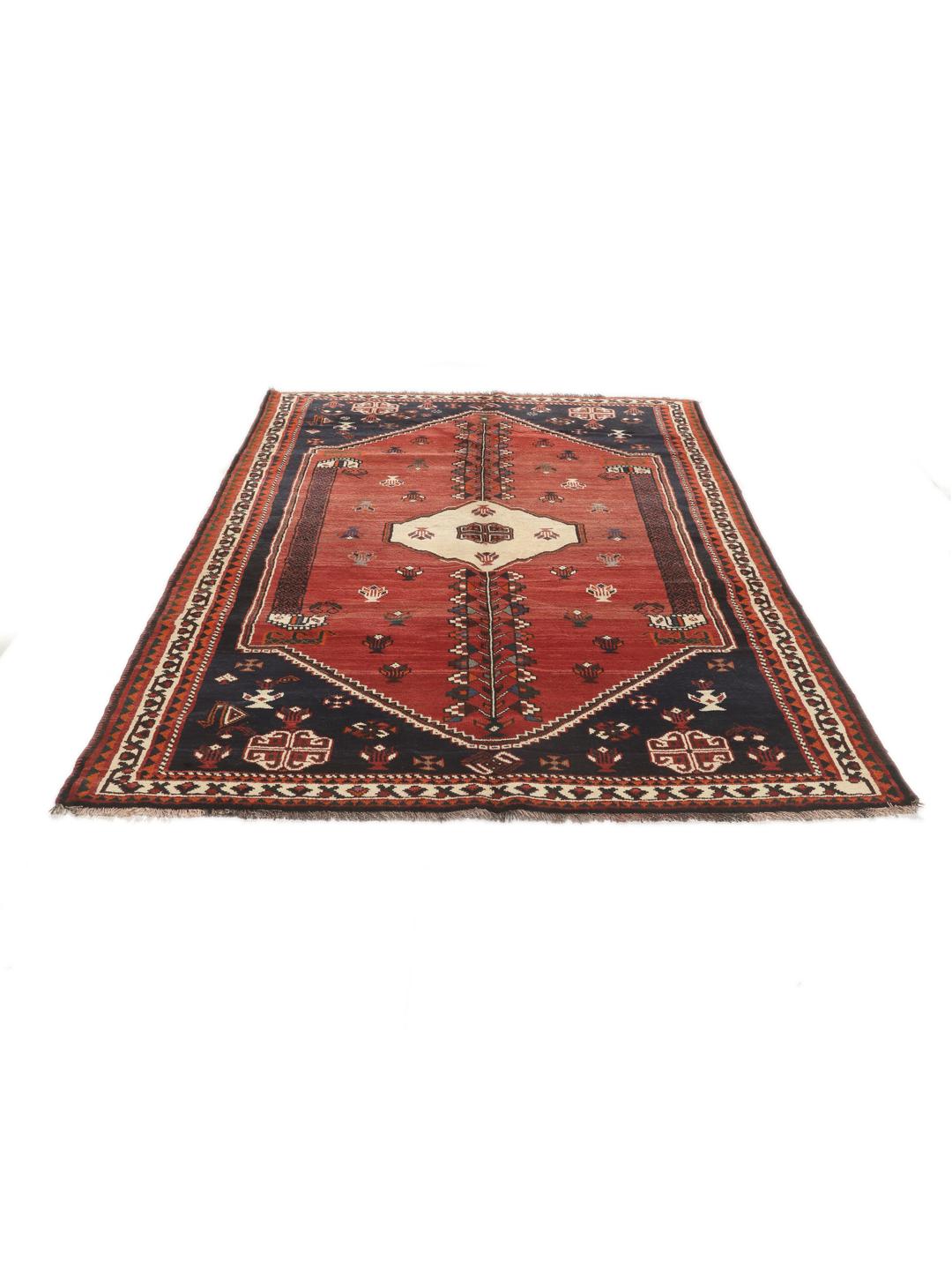
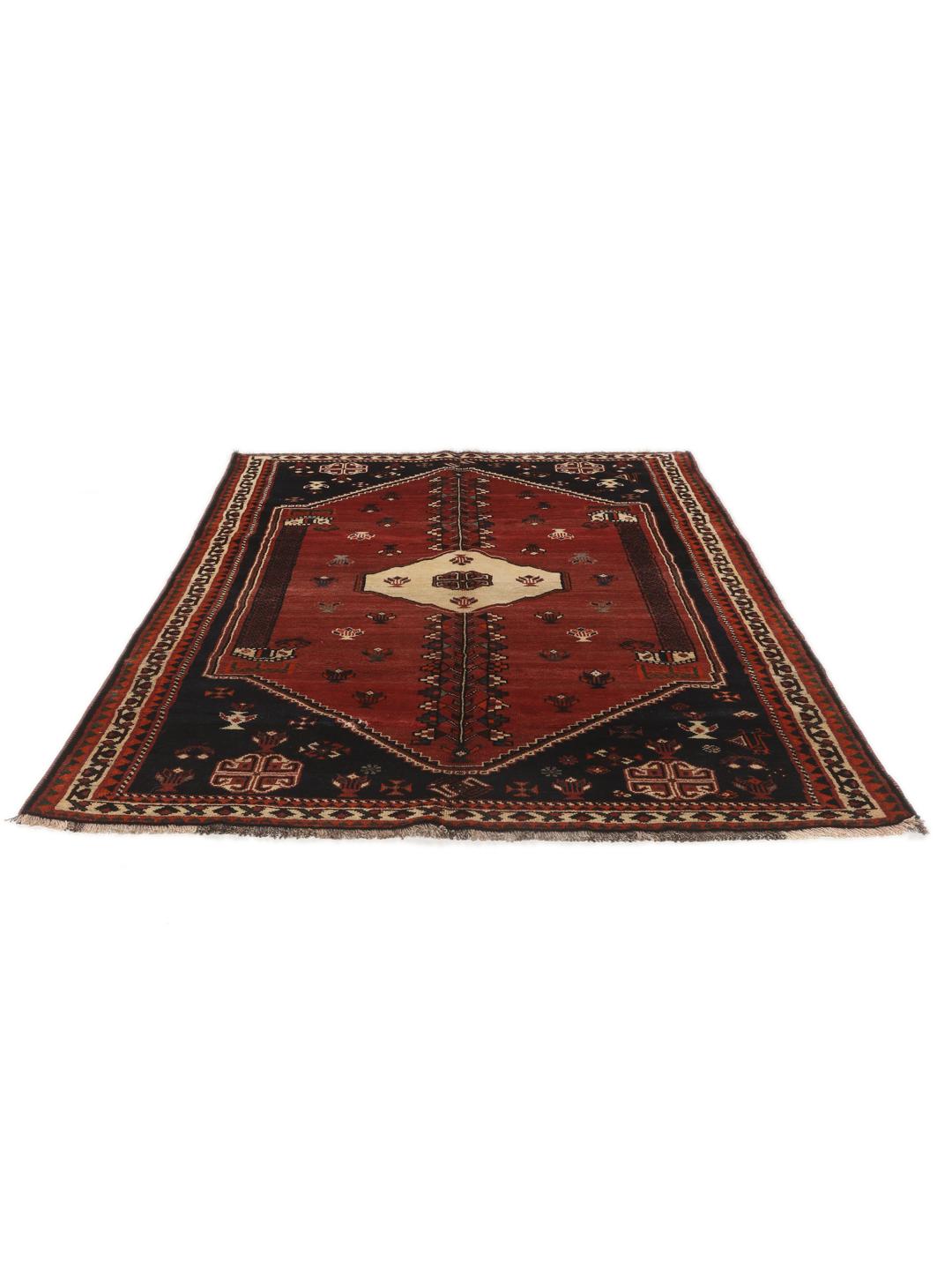
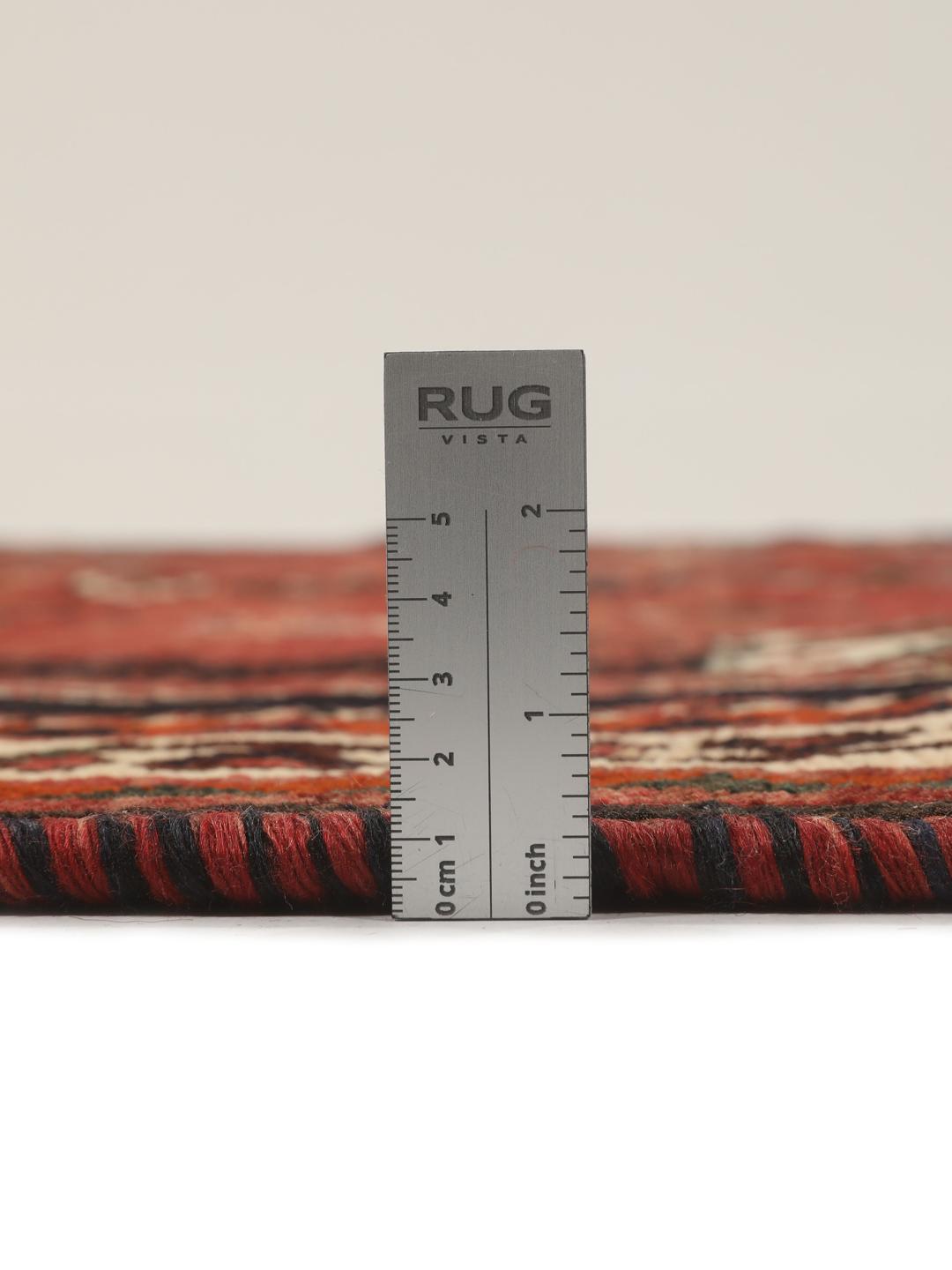
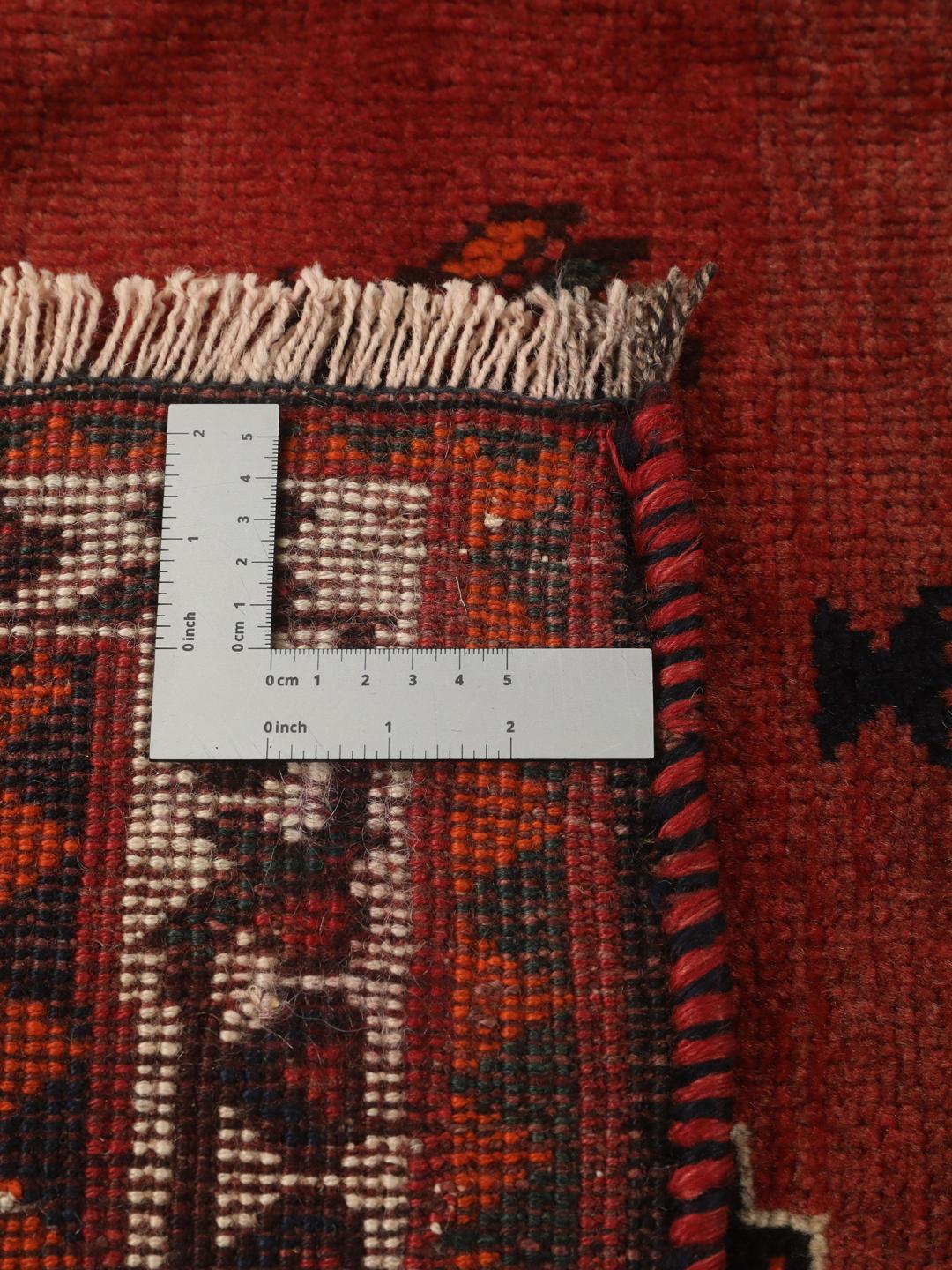
The Ghashghai people are a nomadic confederation from the Middle Eastern region, known for their centuries-old tradition of creating highly durable and expressive textiles. Their weaving culture is deeply intertwined with their migratory lifestyle, resulting in rugs that are designed both for beauty and for the practical demands of nomadic life.
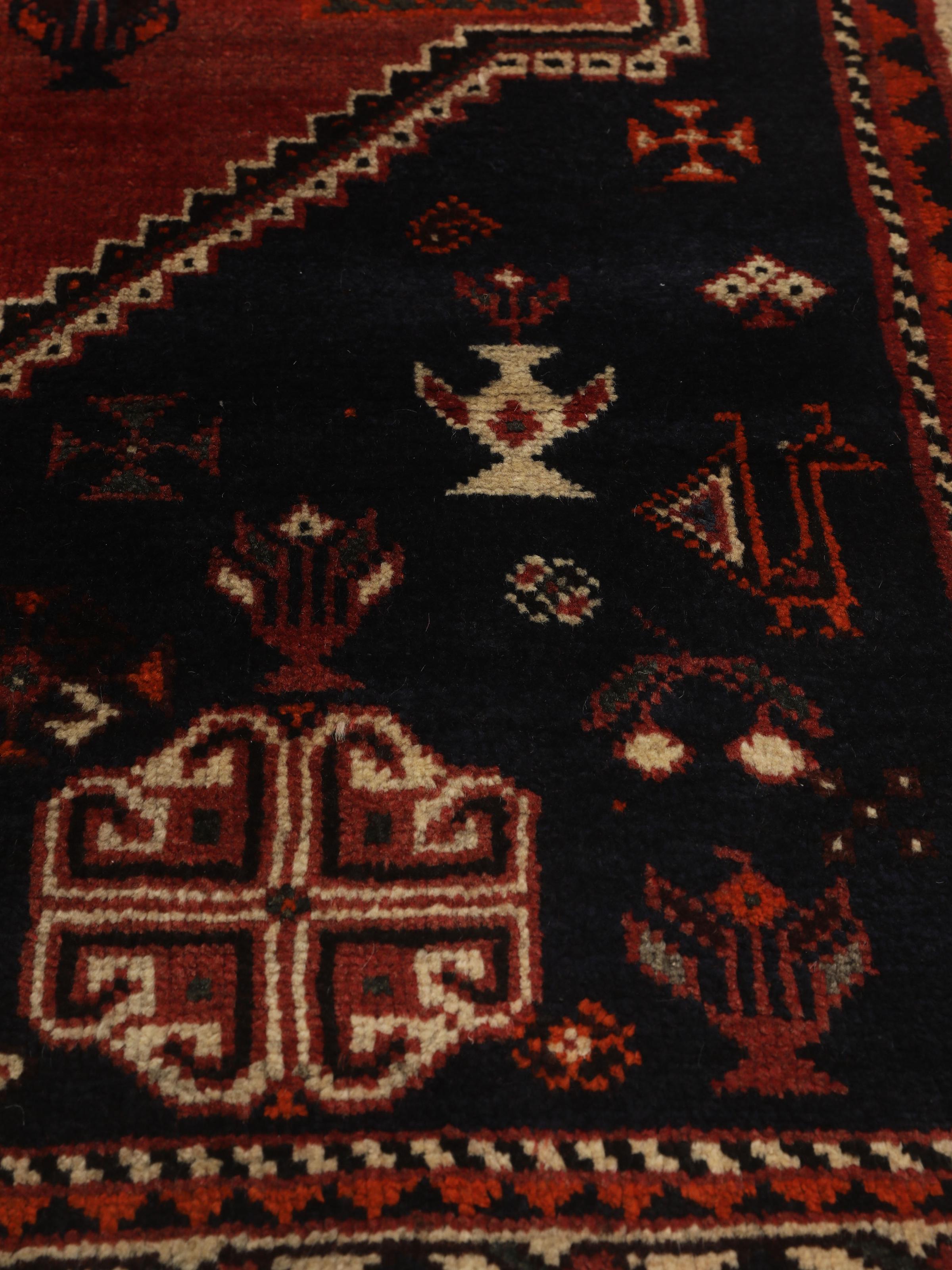
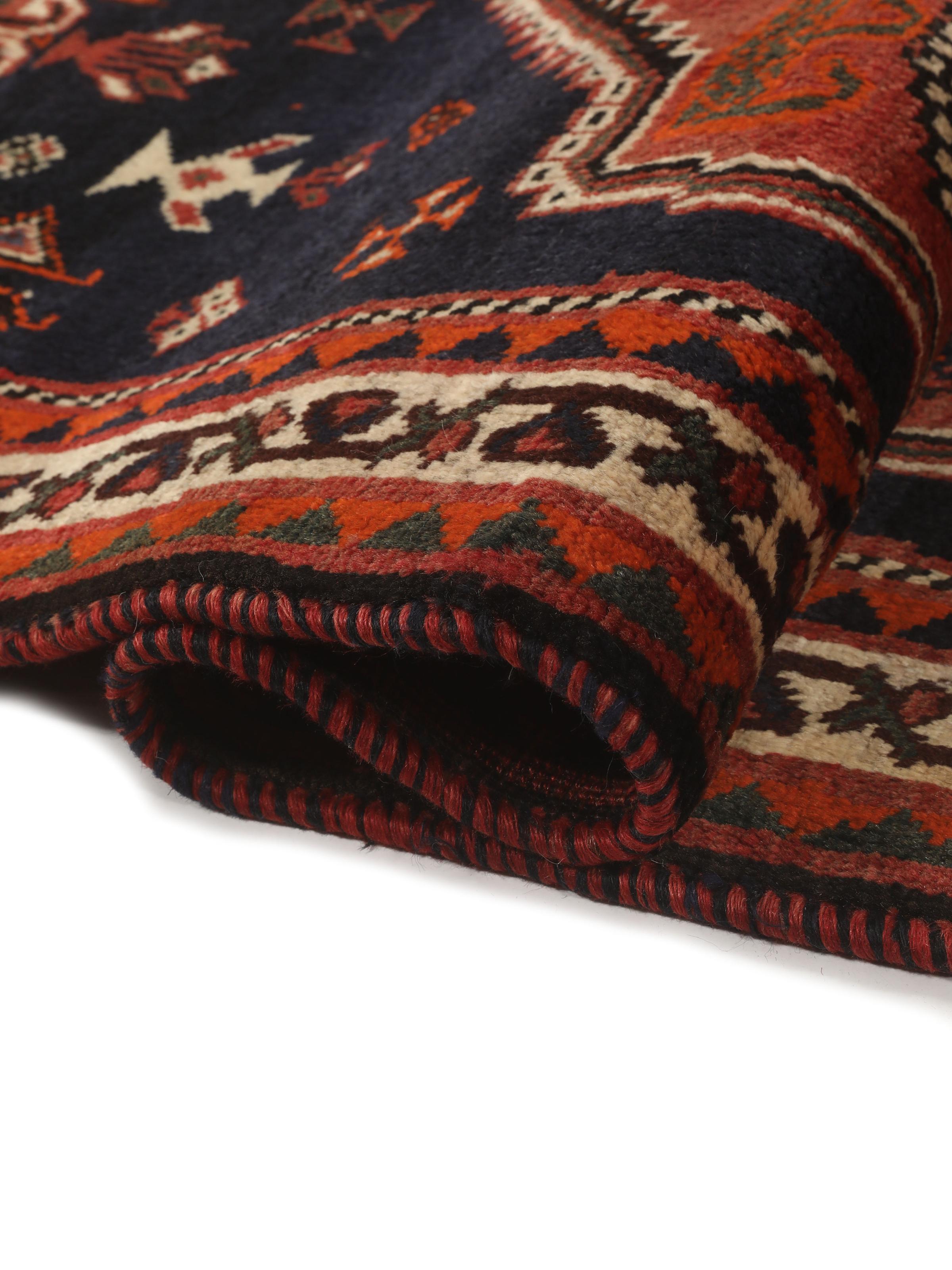
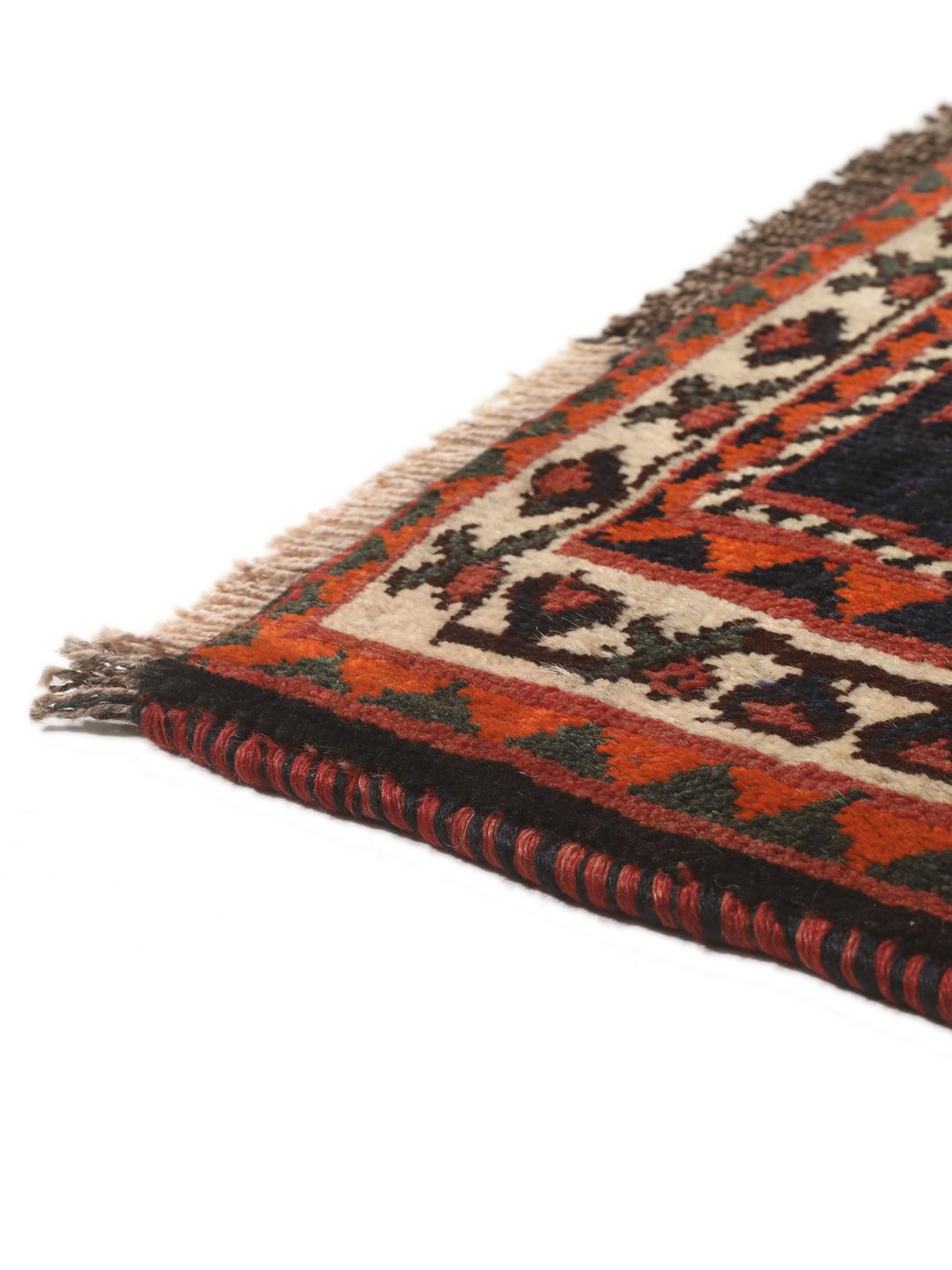
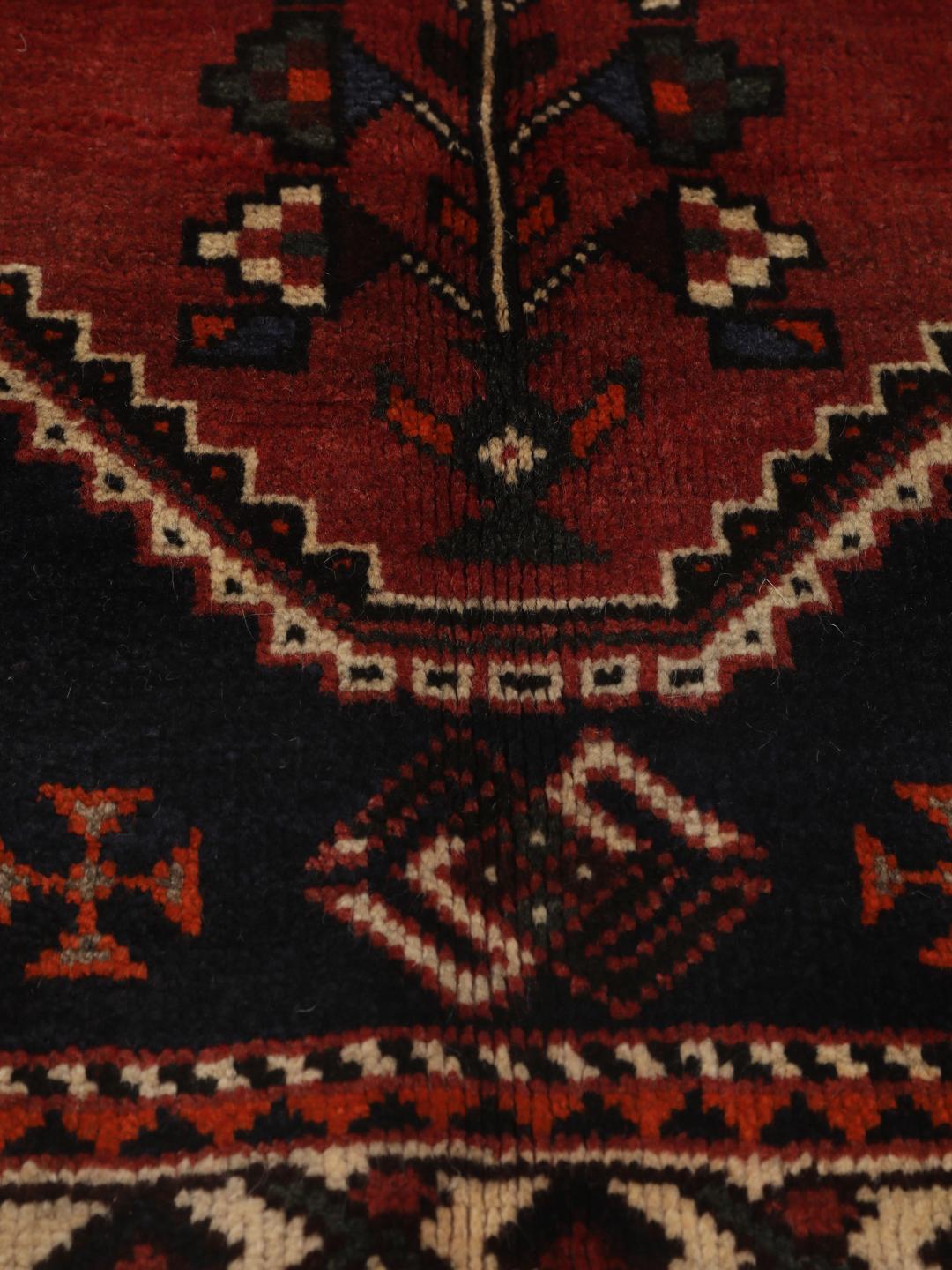
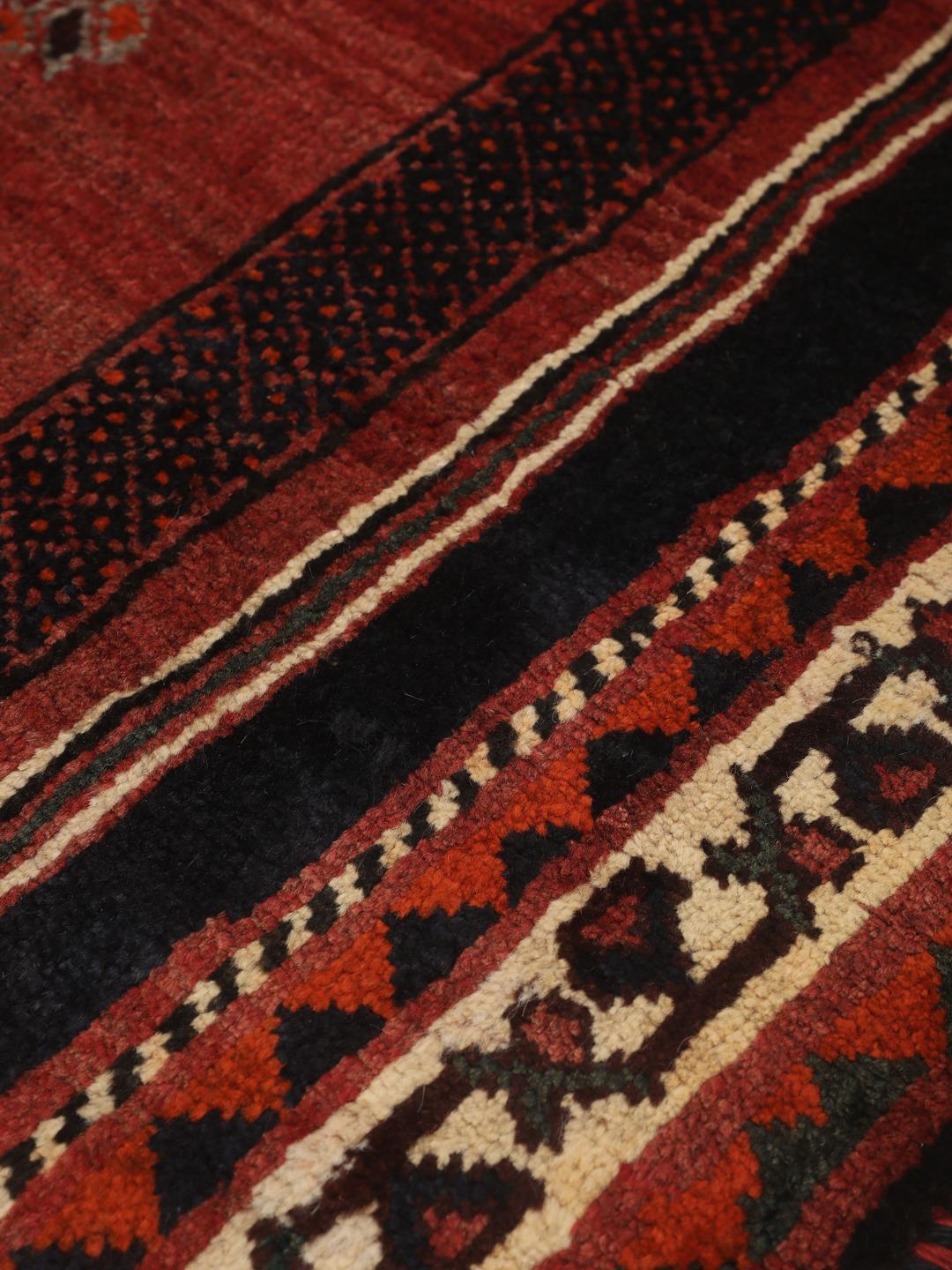
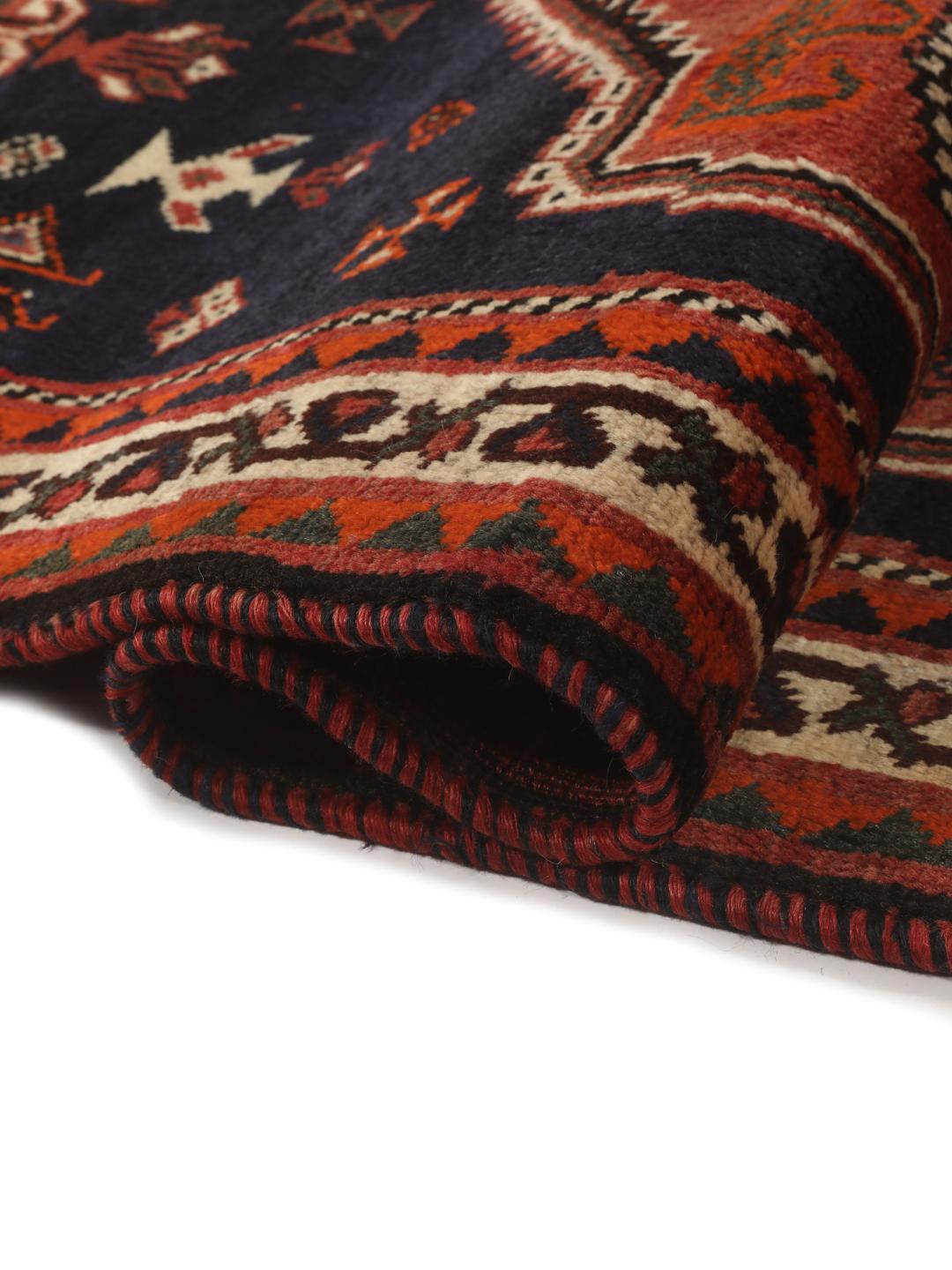
The term hand-knotted refers to the traditional method where individual strands of wool are tied around the foundation threads. This creates a resilient structure that is significantly more durable and higher in lustre than machine-made alternatives, ensuring the rug retains its form and colour vibrancy over decades of use.
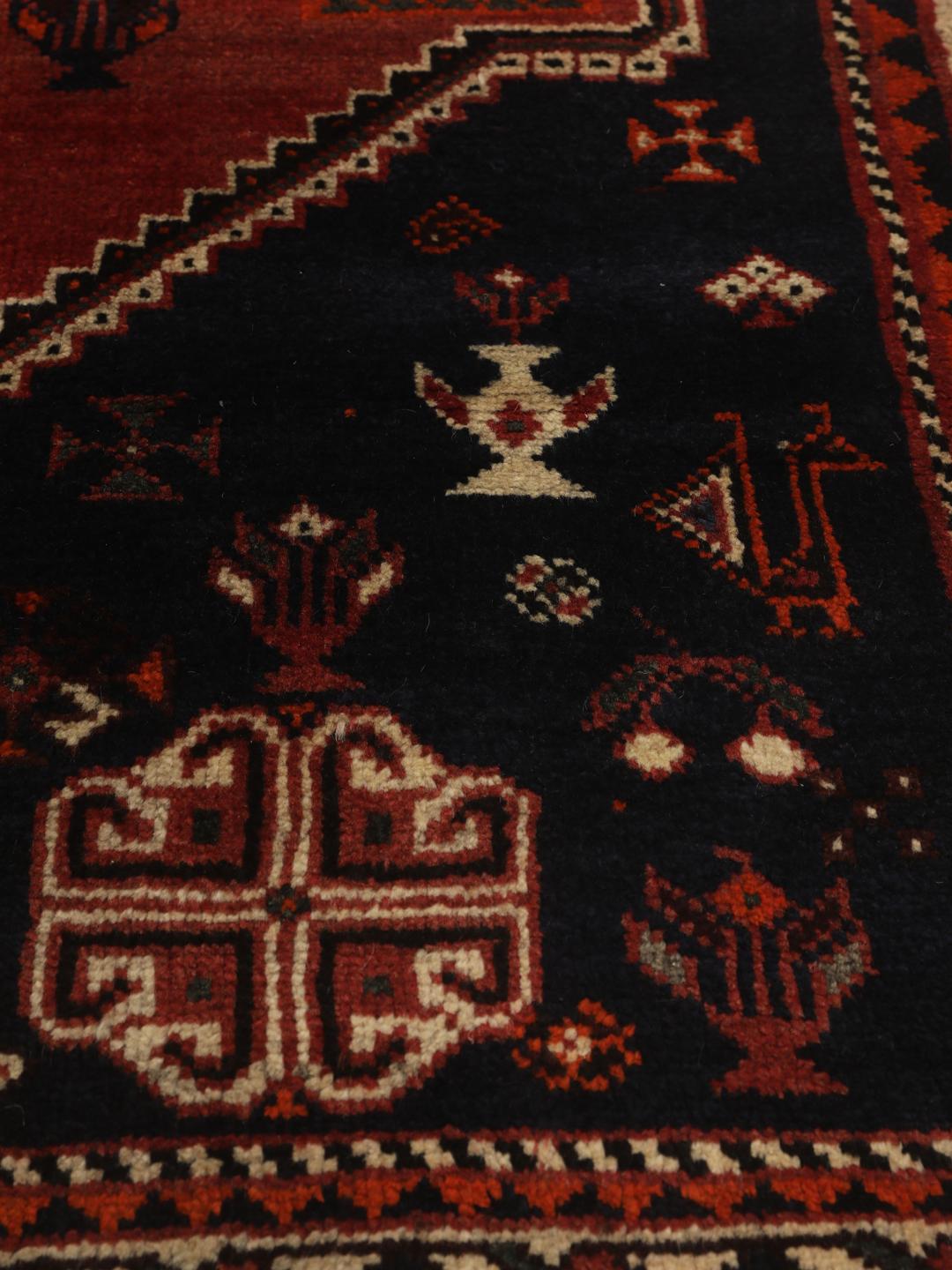
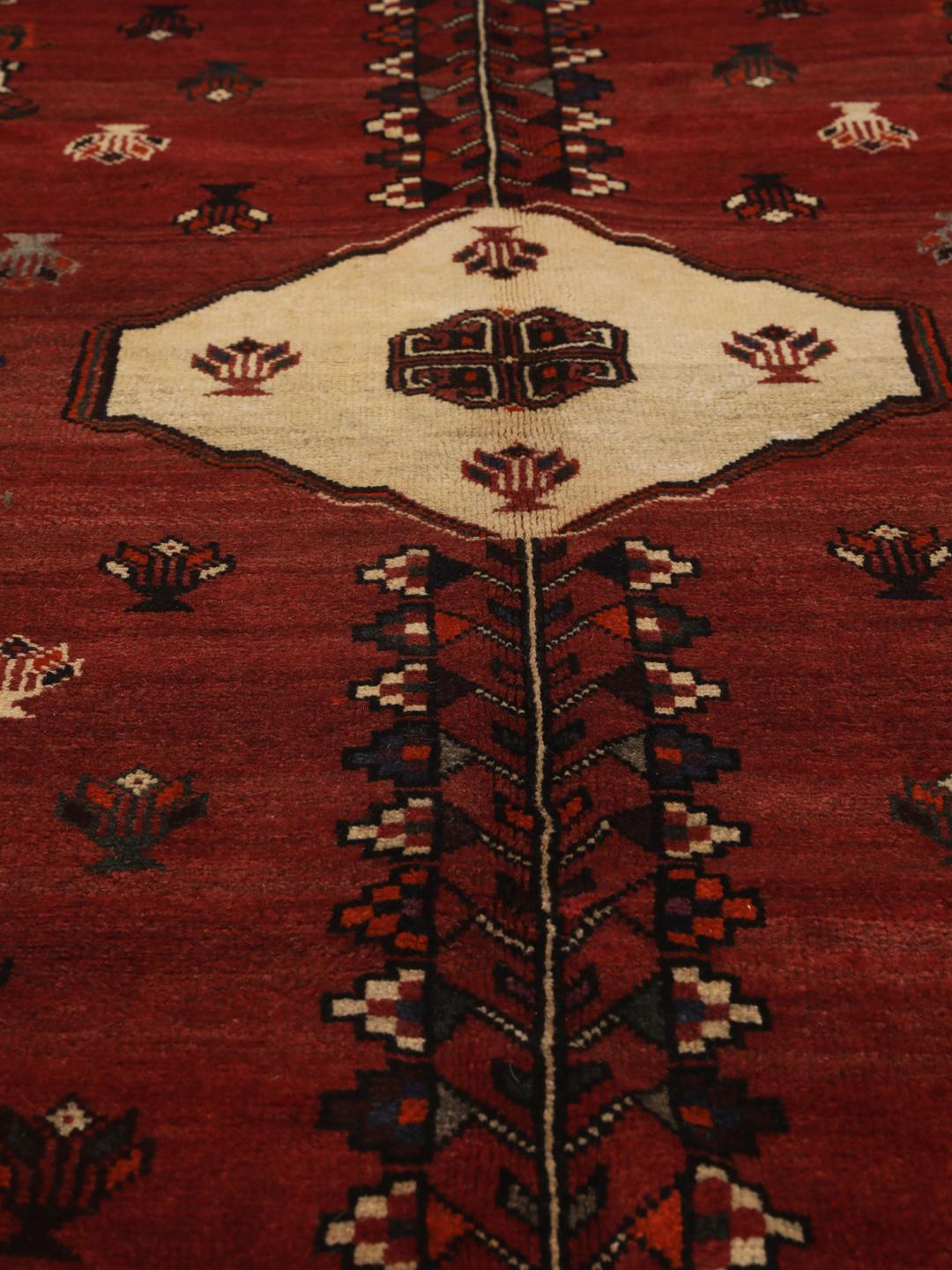
Visually, these rugs are defined by their geometric vocabulary, which often includes stylized floral elements, tribal symbols, and repeating medallions. The patterns are rarely mapped out on paper; instead, they are woven from memory and oral tradition, making each rug a reflection of the weaver's personal history and the specific clan's artistic legacy.
Collecting these rugs is an investment in cultural heritage. They are valued not just for their aesthetic appeal, but for the human story they carry. Owning a genuine Ghashghai piece connects your home to an ancient lineage of craftsmanship, representing a level of dedication and traditional skill that remains rare in the modern world.