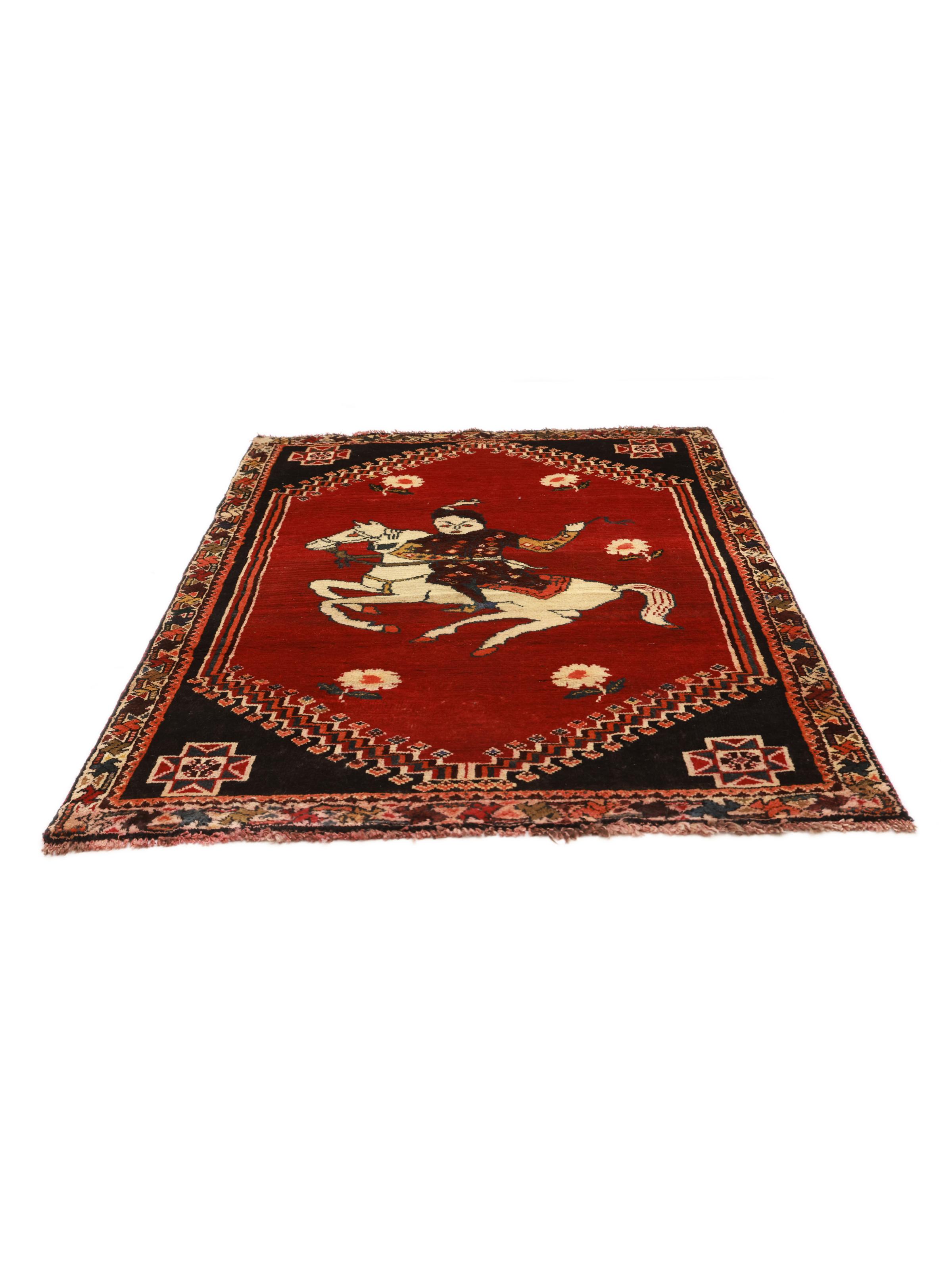
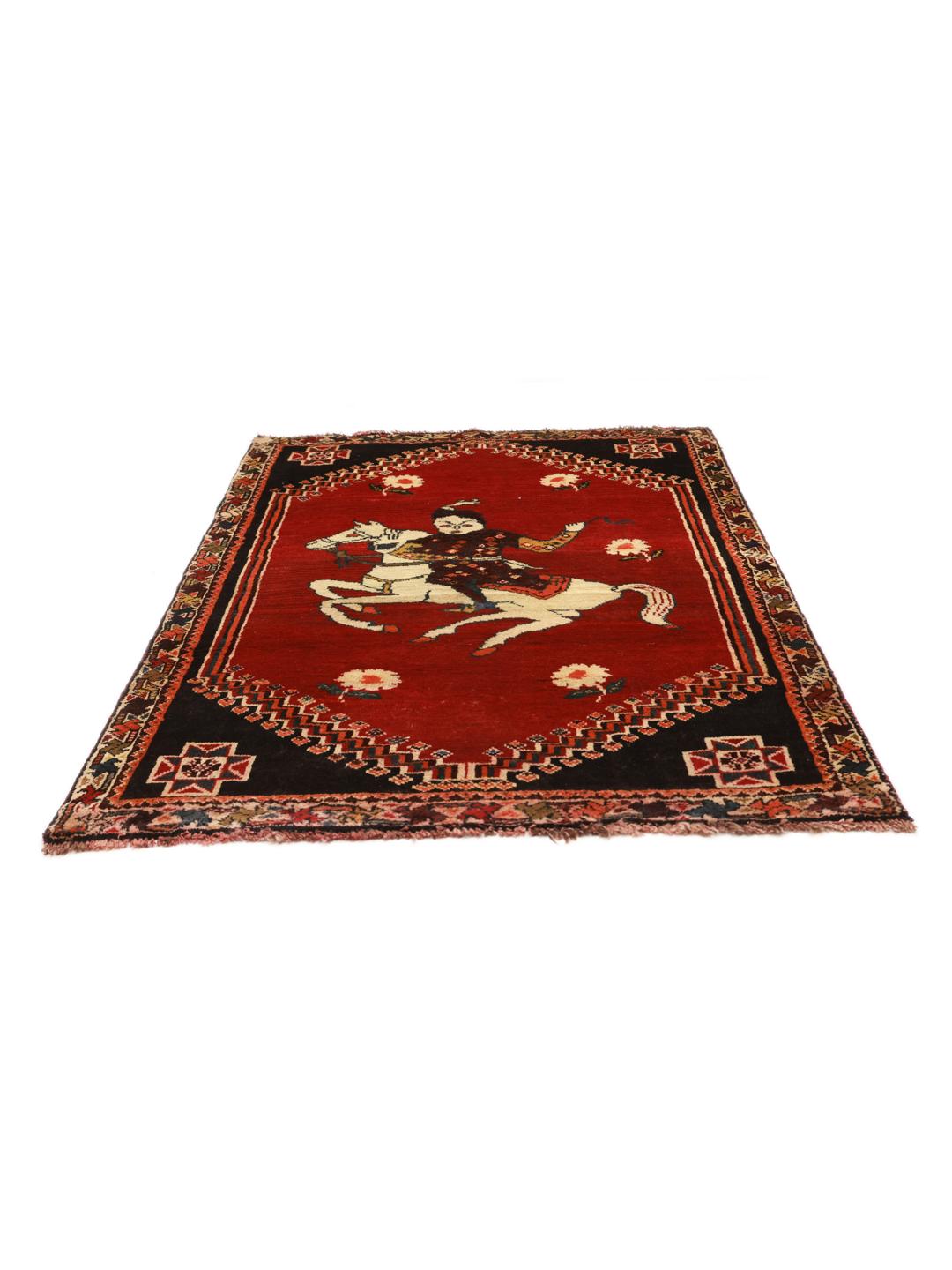
The Ghashghai rugs originate from the nomadic tribes of the Middle East, a region with a storied history of weaving that spans centuries. These tribes were traditionally migratory, and their rugs were crafted to be both portable and highly durable, designed to withstand the harsh conditions of life in the mountains and plains. This nomadic lifestyle infused their designs with a sense of freedom and a deep connection to the natural world.
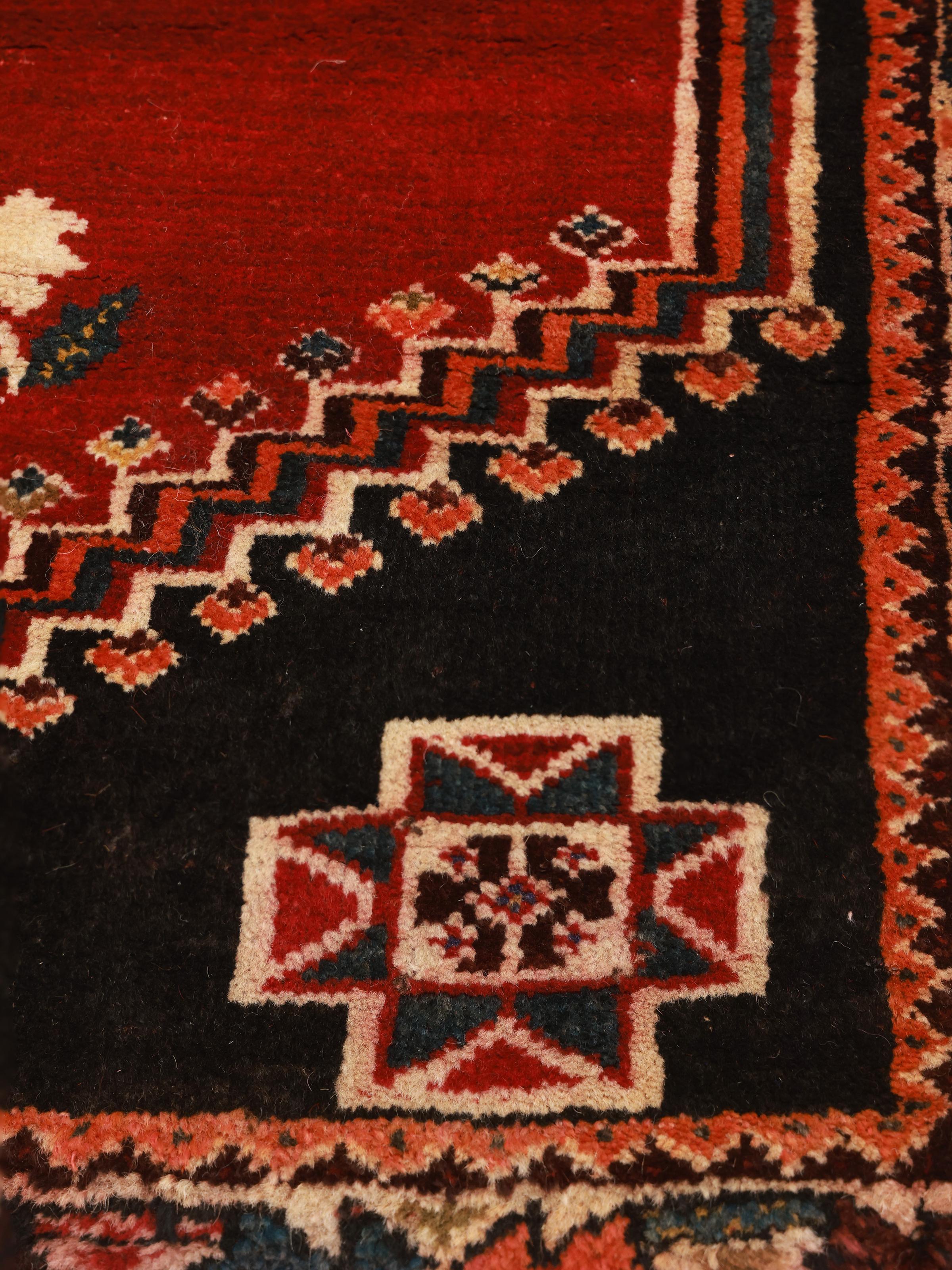
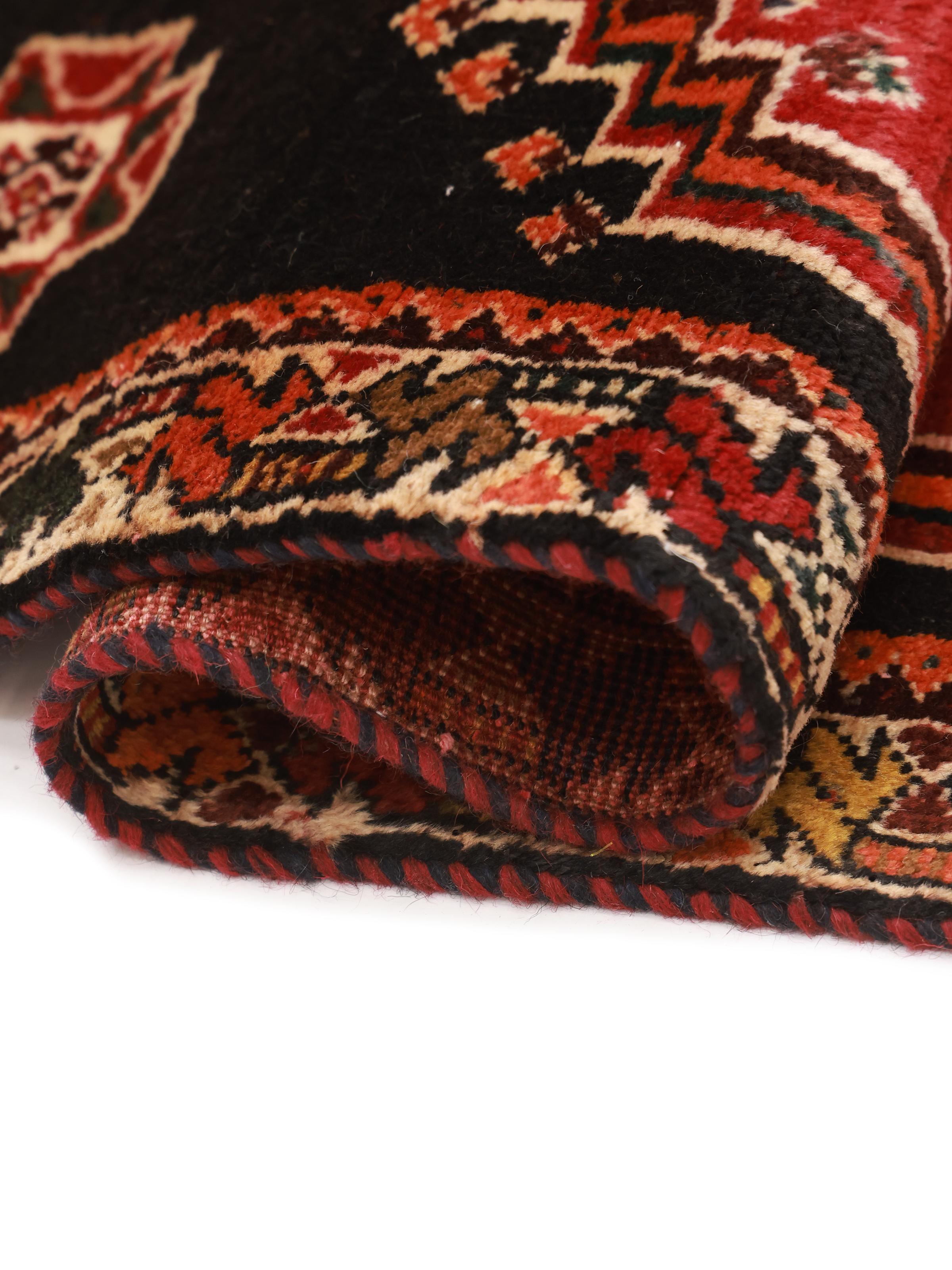
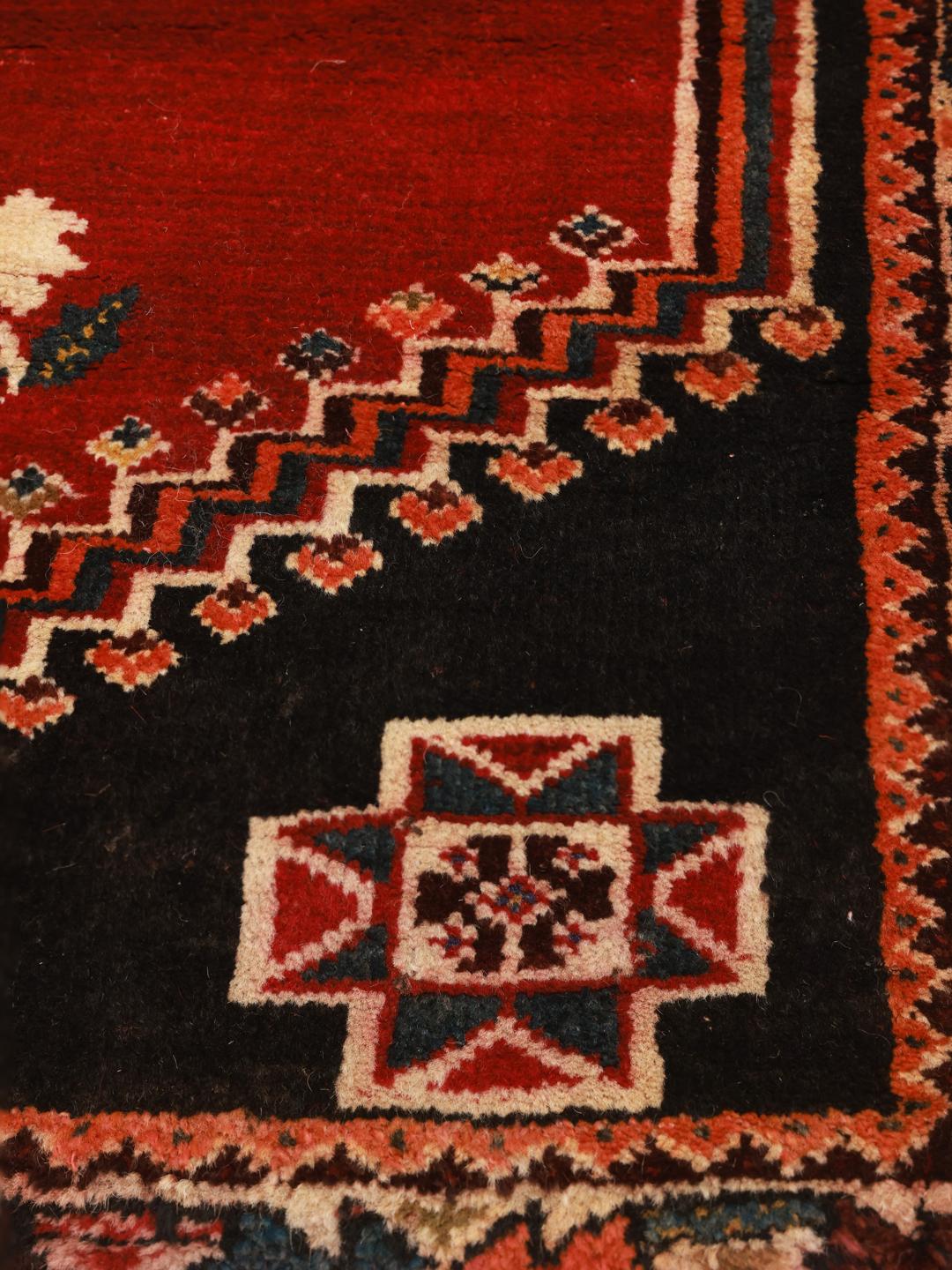
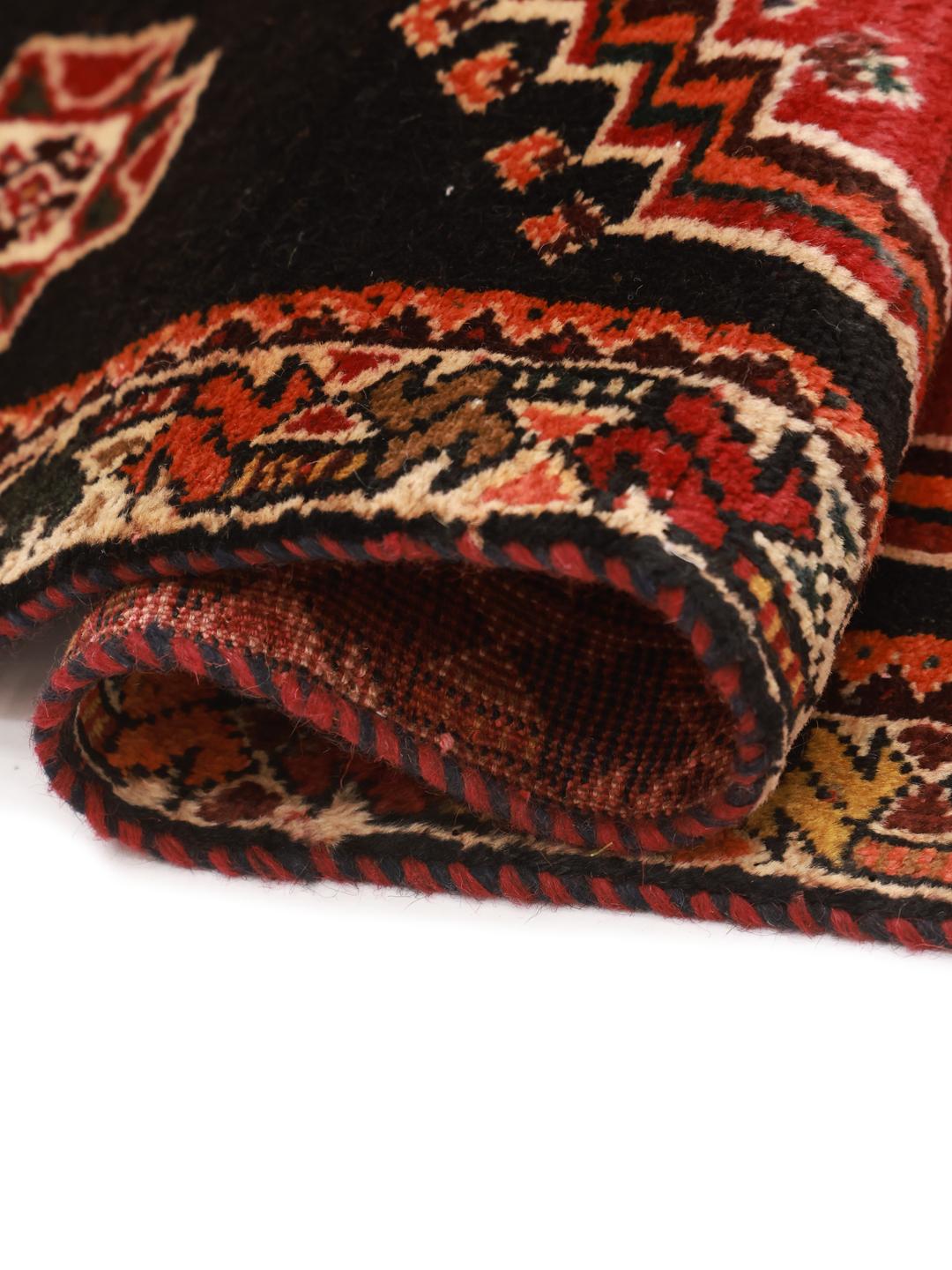
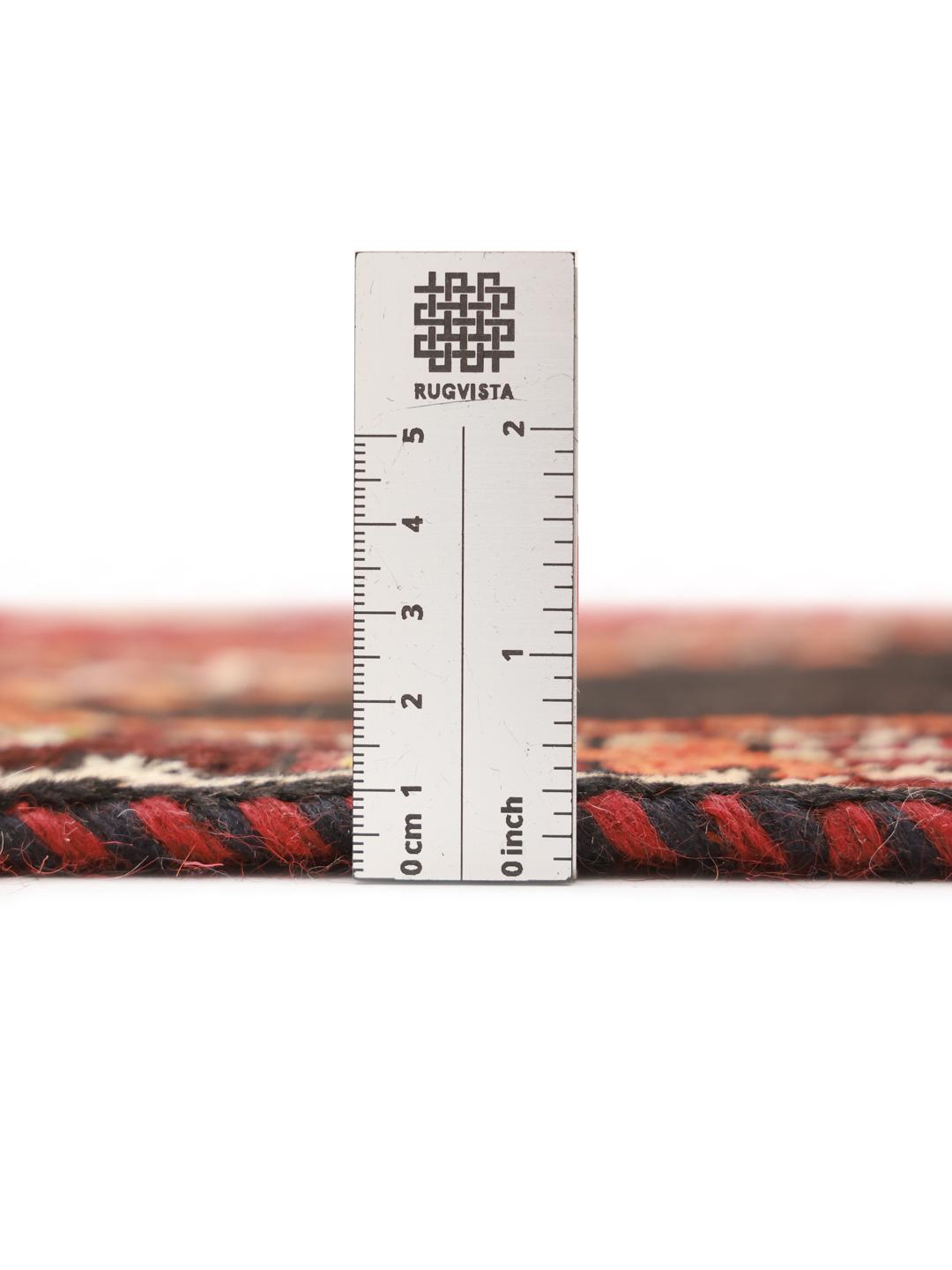
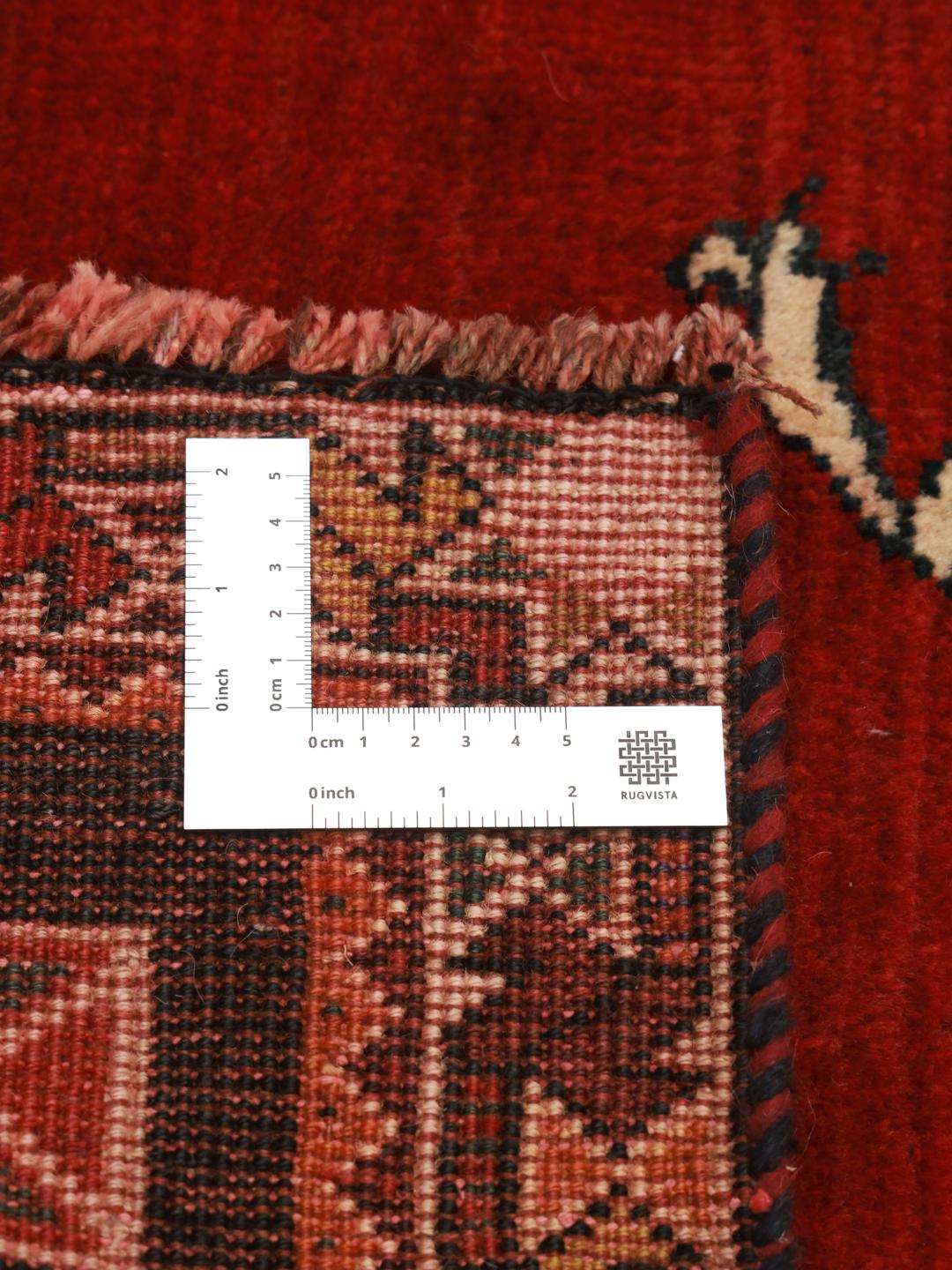
The term hand-knotted refers to the technique where each individual strand of Wool is tied onto the foundation of the rug by hand. This process is the hallmark of quality in traditional rug making, as it creates a pile that is incredibly dense and lustrous. Unlike machine-made alternatives, the hand-knotted approach allows for subtle variations in colour and pattern that give the rug its organic, living quality, ensuring that the finished product is both beautiful and built to last.
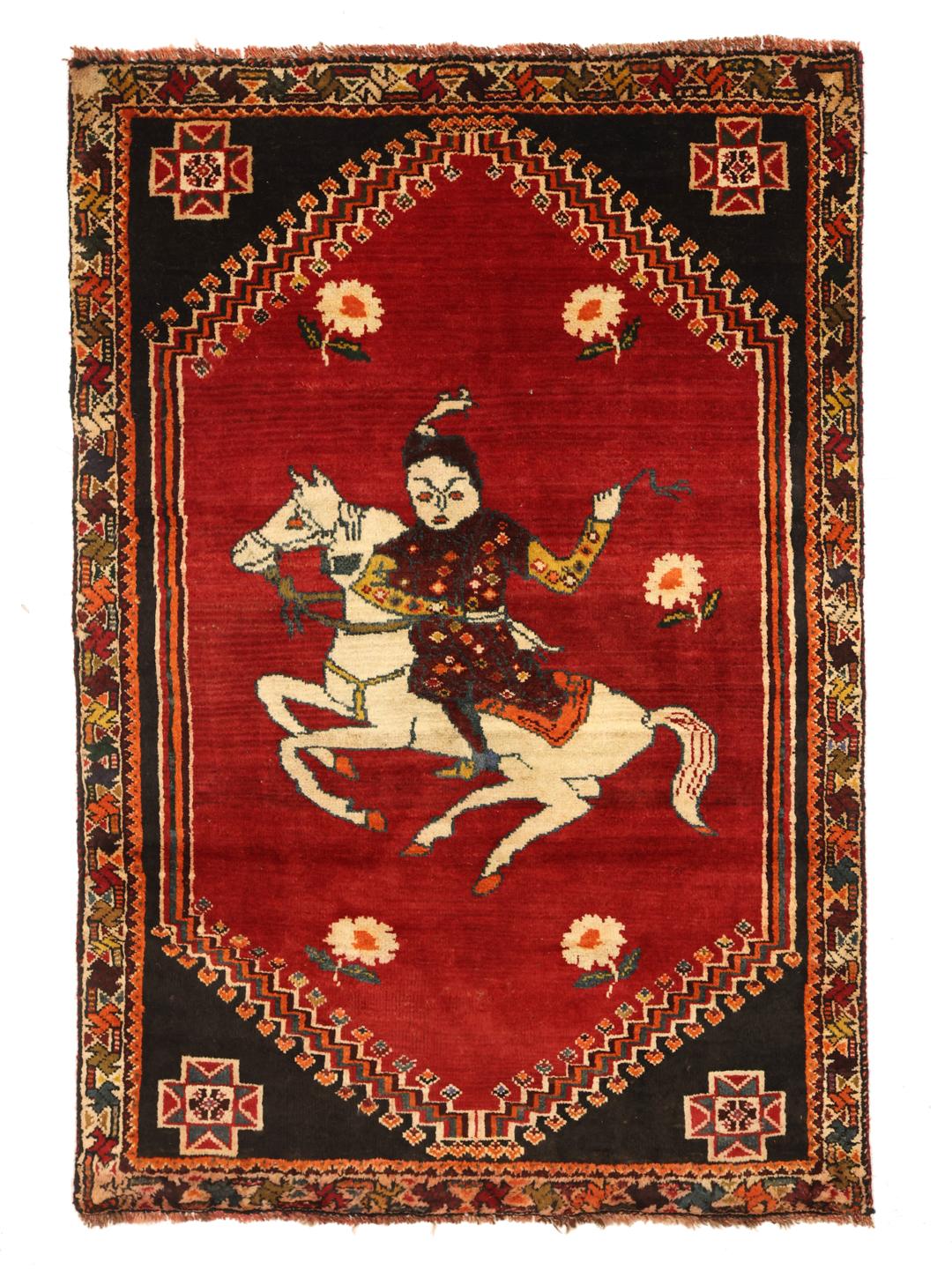
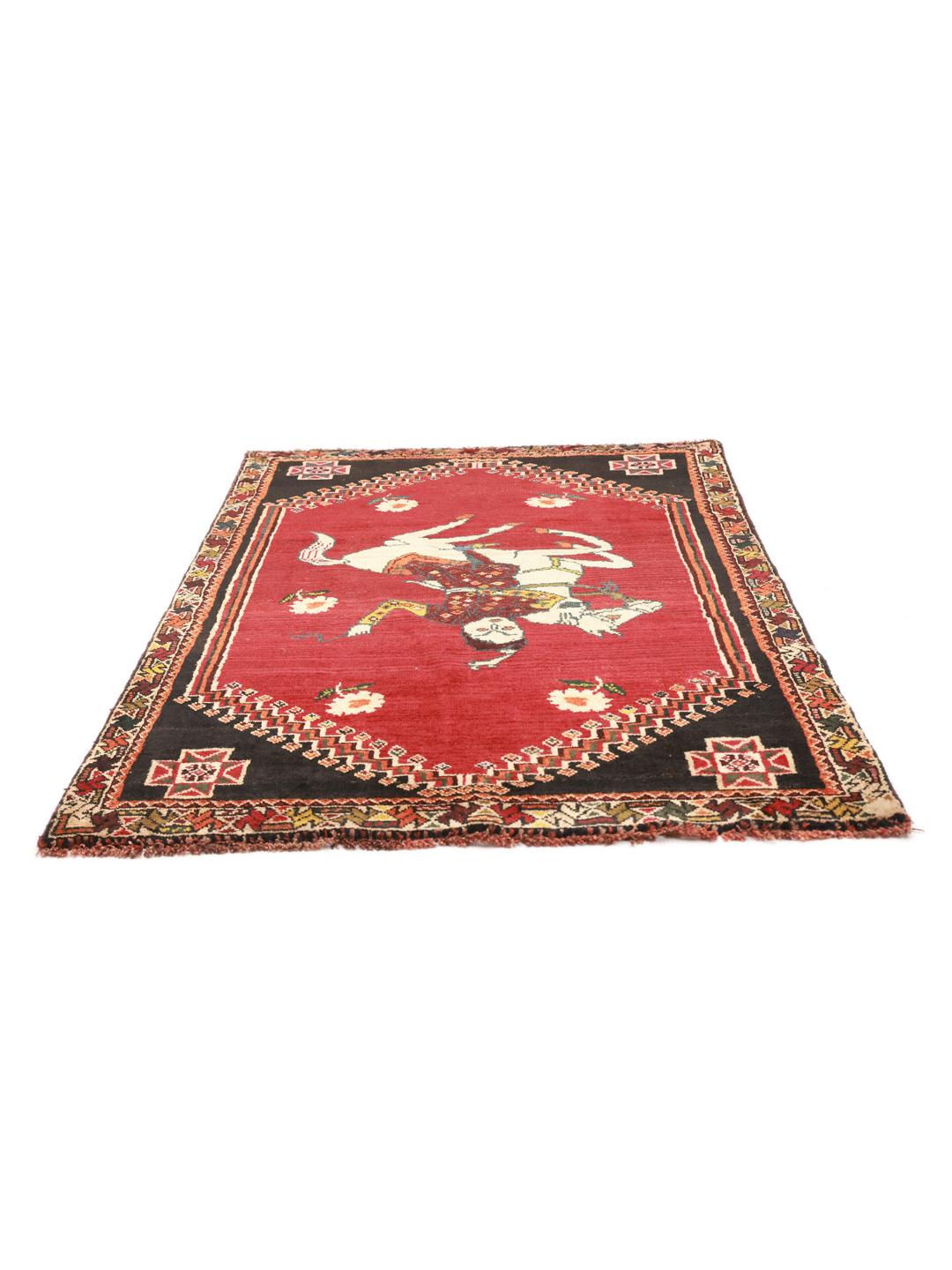
Ghashghai designs are famous for their pictorial motifs, often featuring scenes from daily life, local fauna, or symbolic representations of protection and good fortune. The horseman motif seen here is a classic example of this tradition, reflecting the importance of equestrian skill in tribal culture. The vibrant red field, often dyed with natural pigments, creates a powerful background for the dark, intricate patterns that define the Ghashghai aesthetic.
Owning a Ghashghai rug is an investment in a living tradition. These pieces are highly valued by collectors for their authenticity and the immense skill required to produce them without the aid of modern technology. By bringing this rug into your home, you are preserving a piece of cultural history and celebrating the endurance of a craft that has been passed down through generations of tribal weavers.