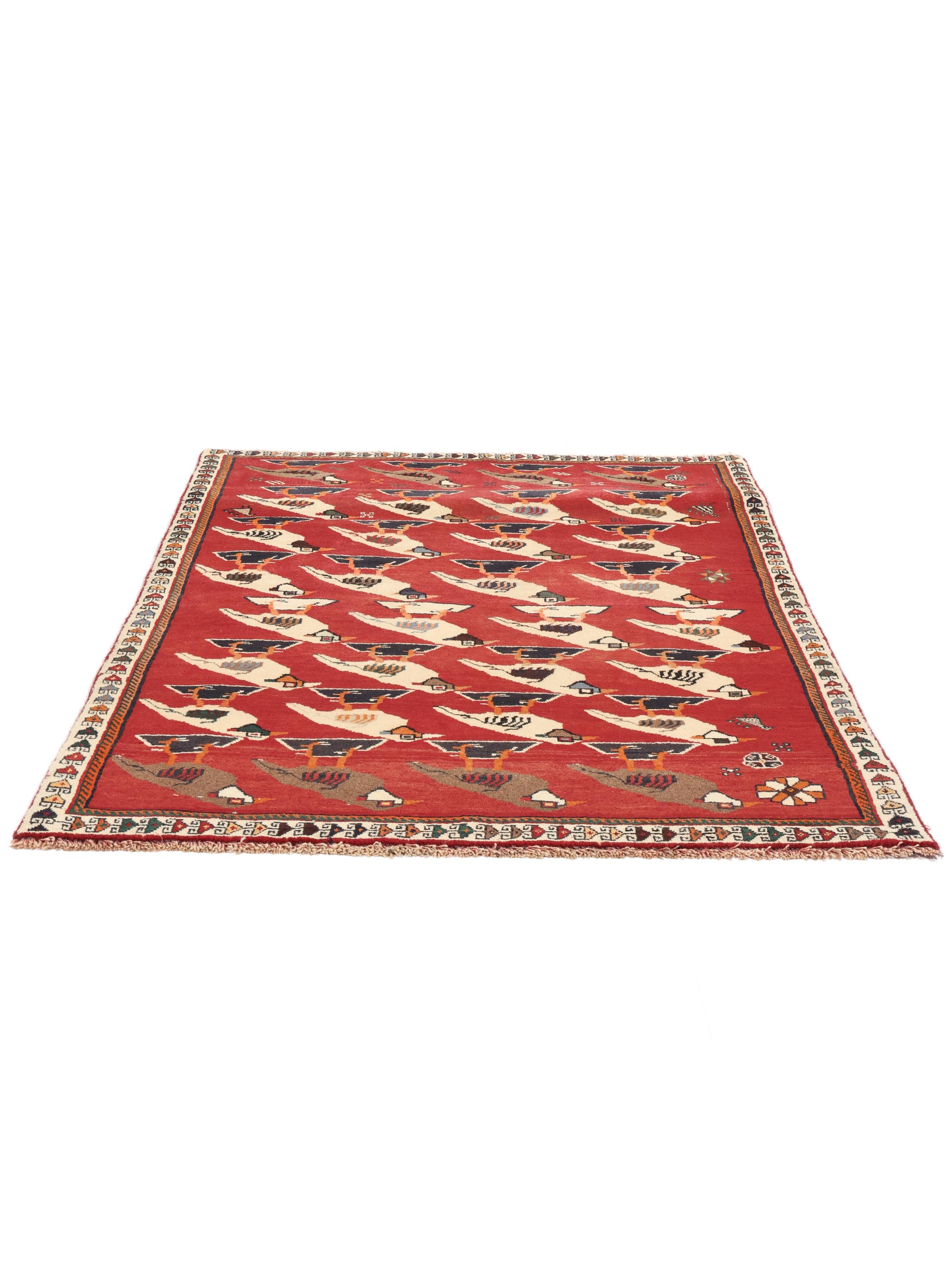
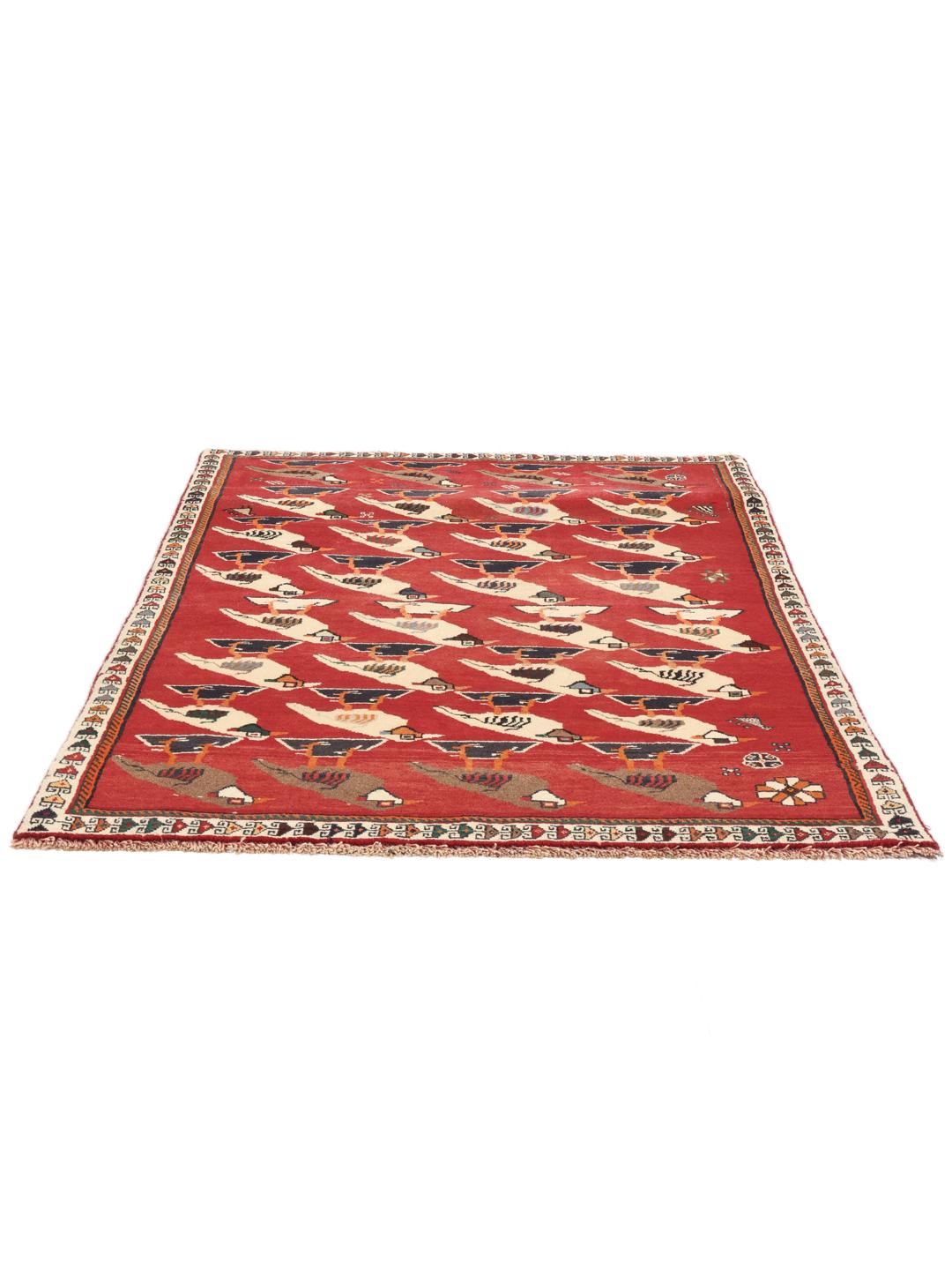
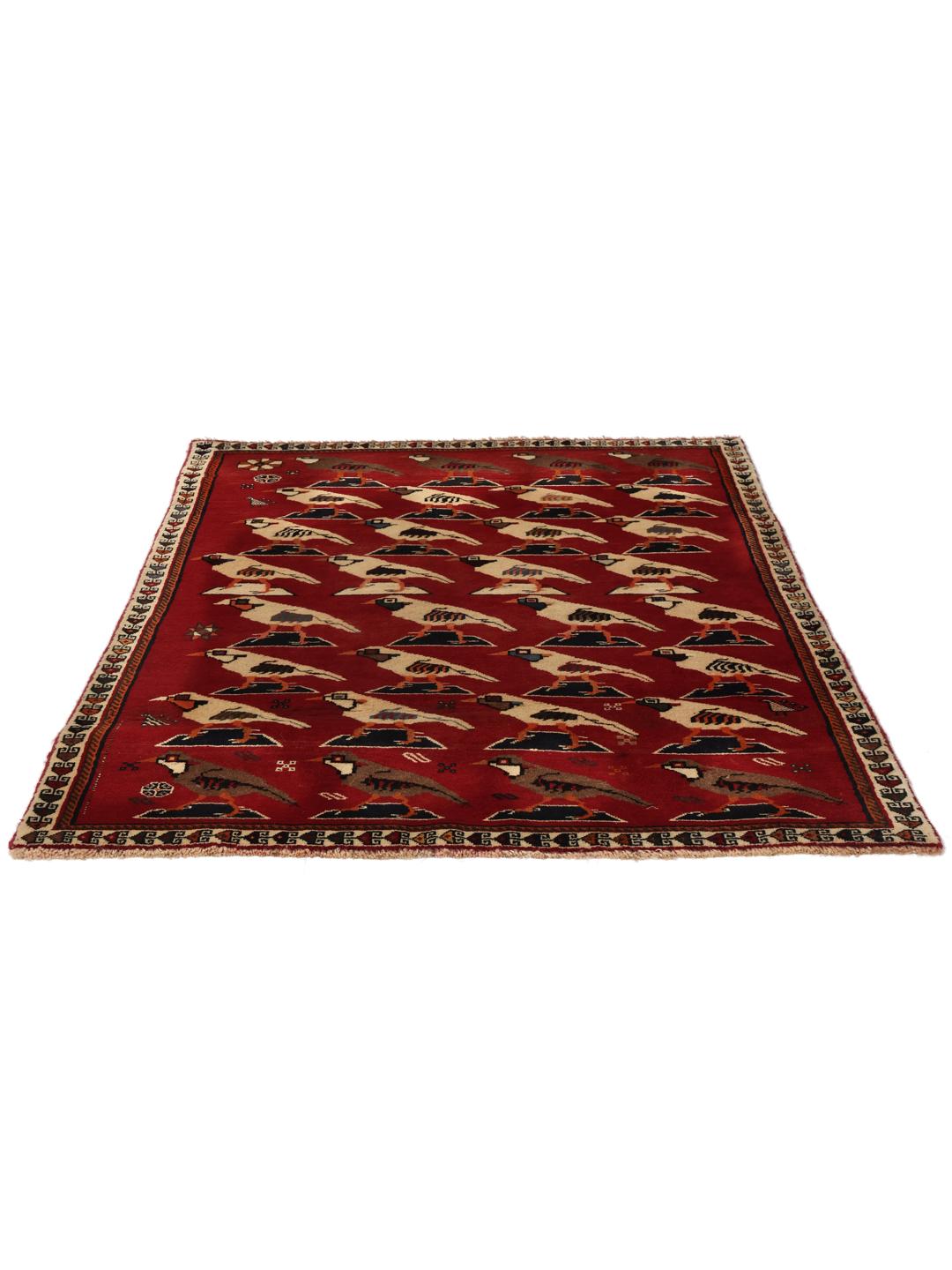
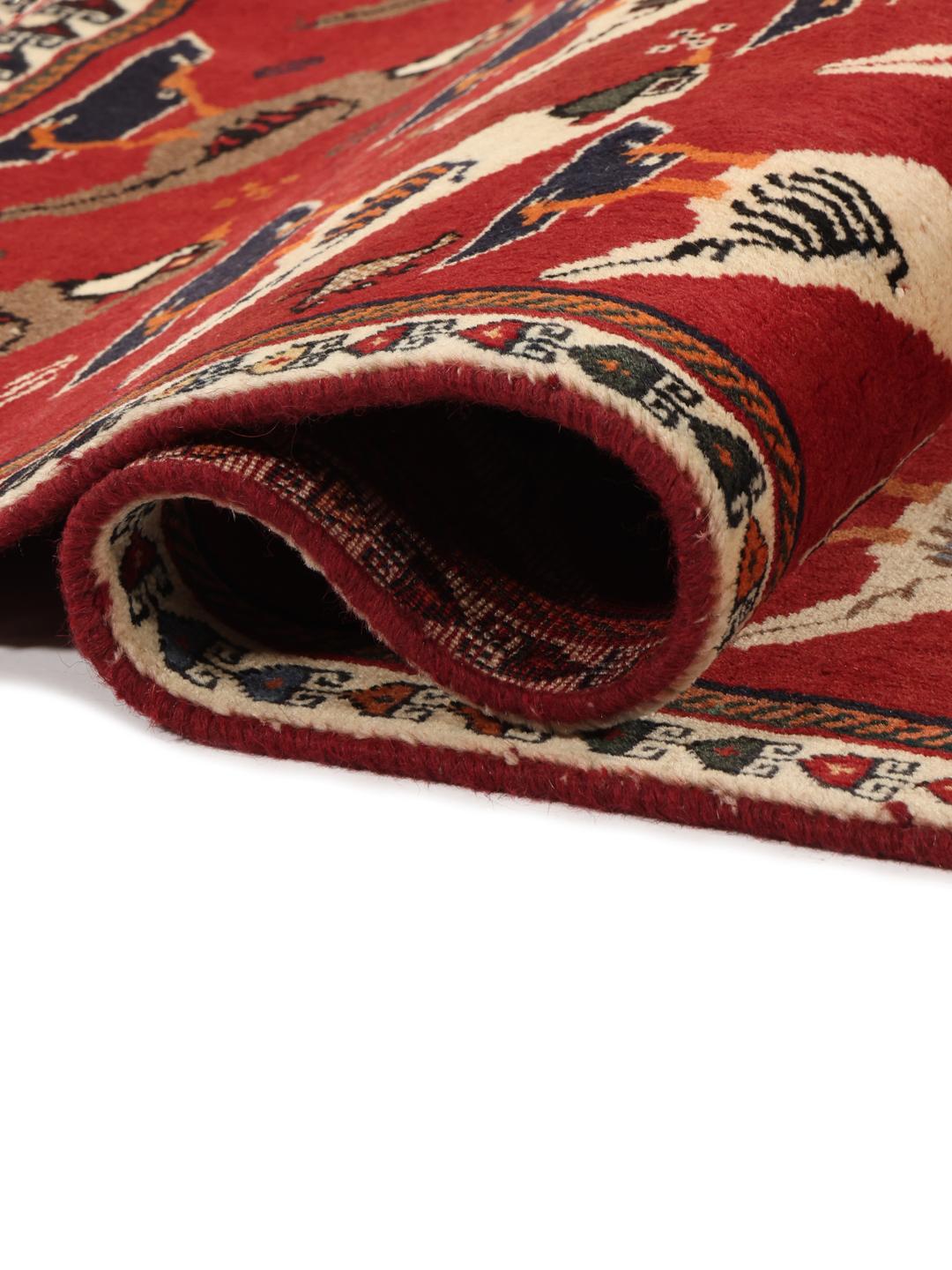
The Ghashghai rugs originate from the nomadic tribes of the Middle East, a culture defined by its seasonal migrations and deep connection to the land. These rugs were historically woven by women on horizontal ground looms, allowing the weavers to carry their work with them as they moved across the mountainous landscapes.
The term Ghashghai refers to a confederation of tribes who have long been celebrated for their weaving prowess. Their work is characterised by the use of rich, natural dyes and a design language that often reflects the natural world, including local flora, fauna, and geometric symbols that have been passed down through generations of oral history.
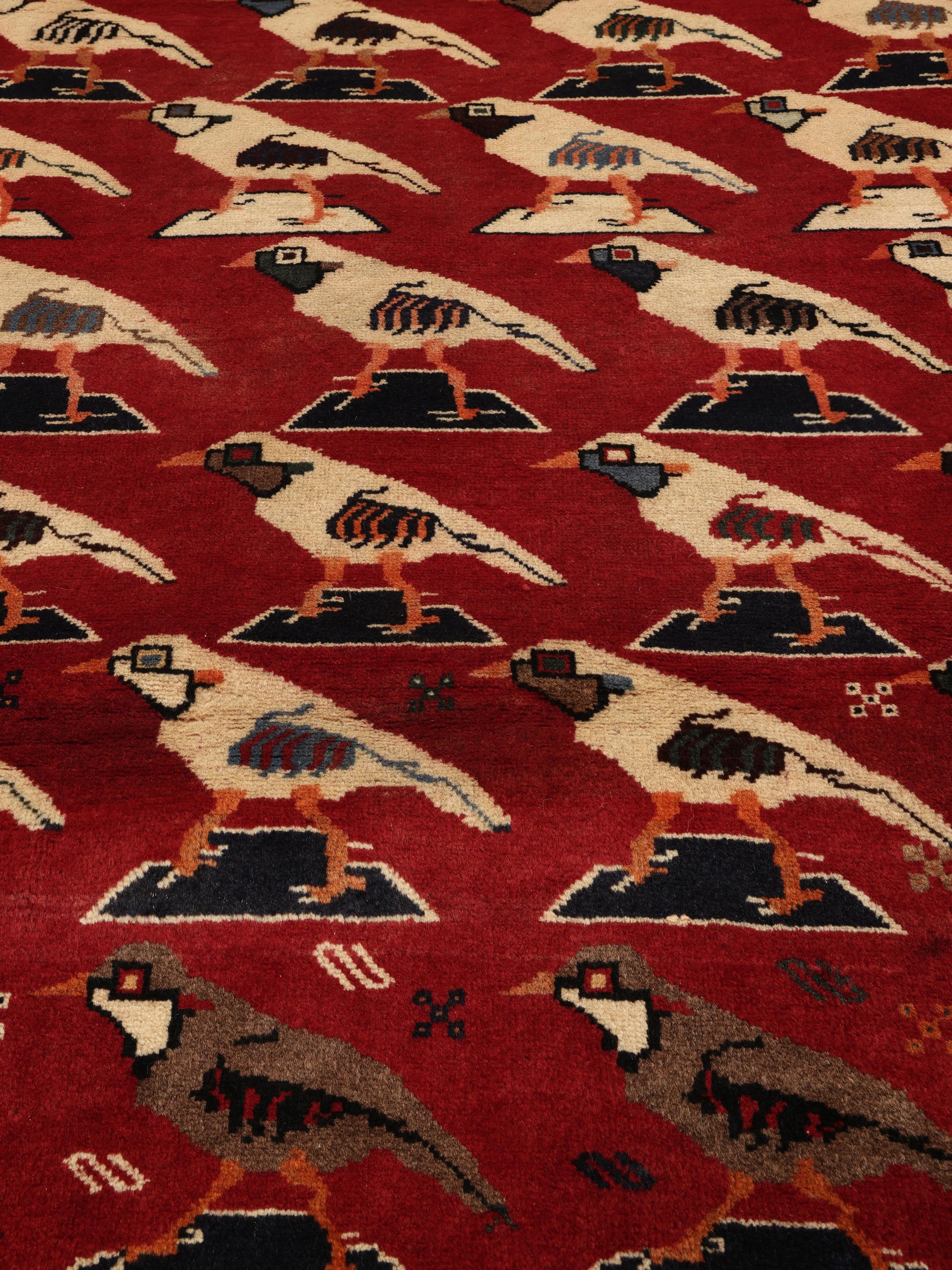
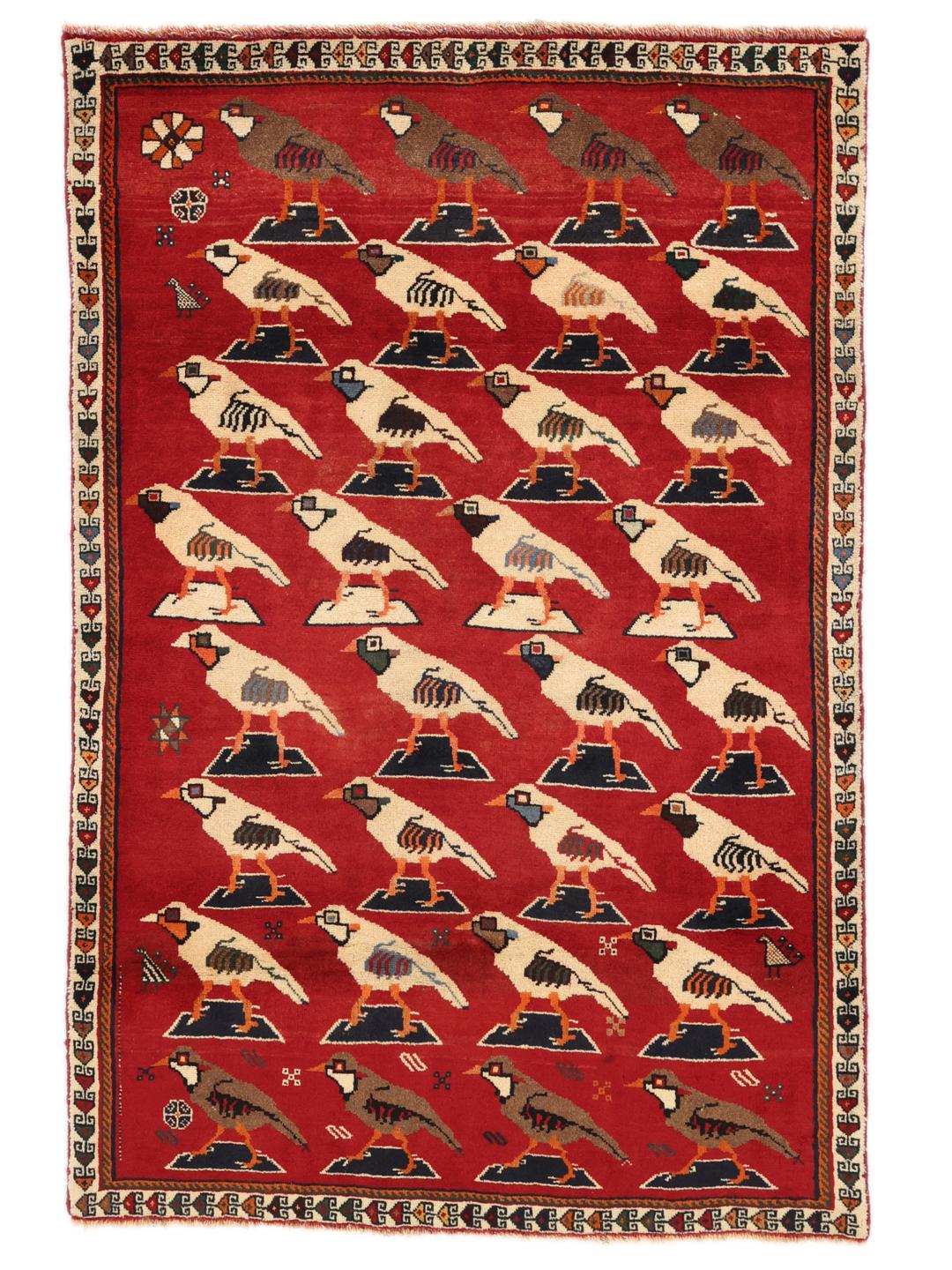
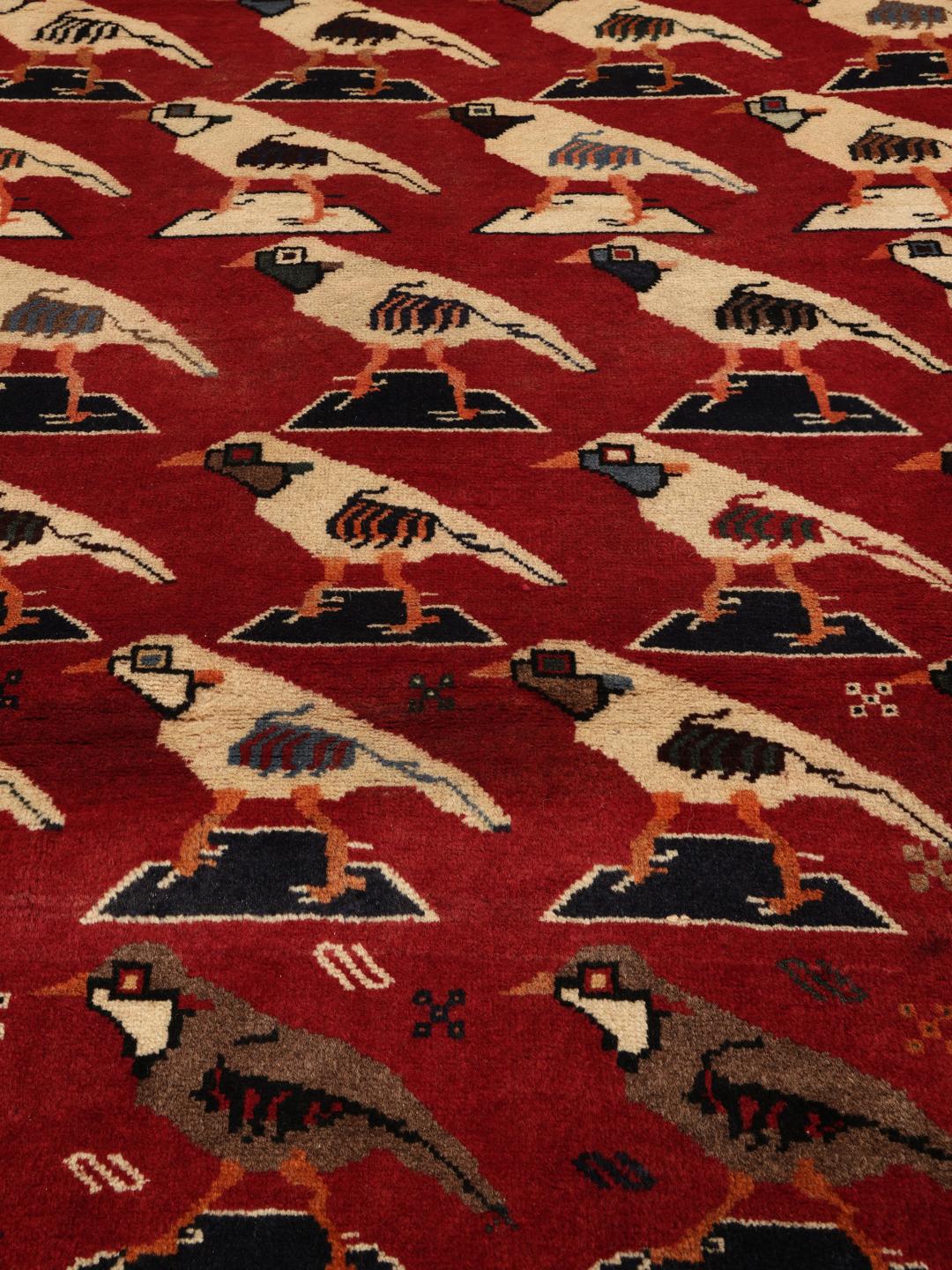
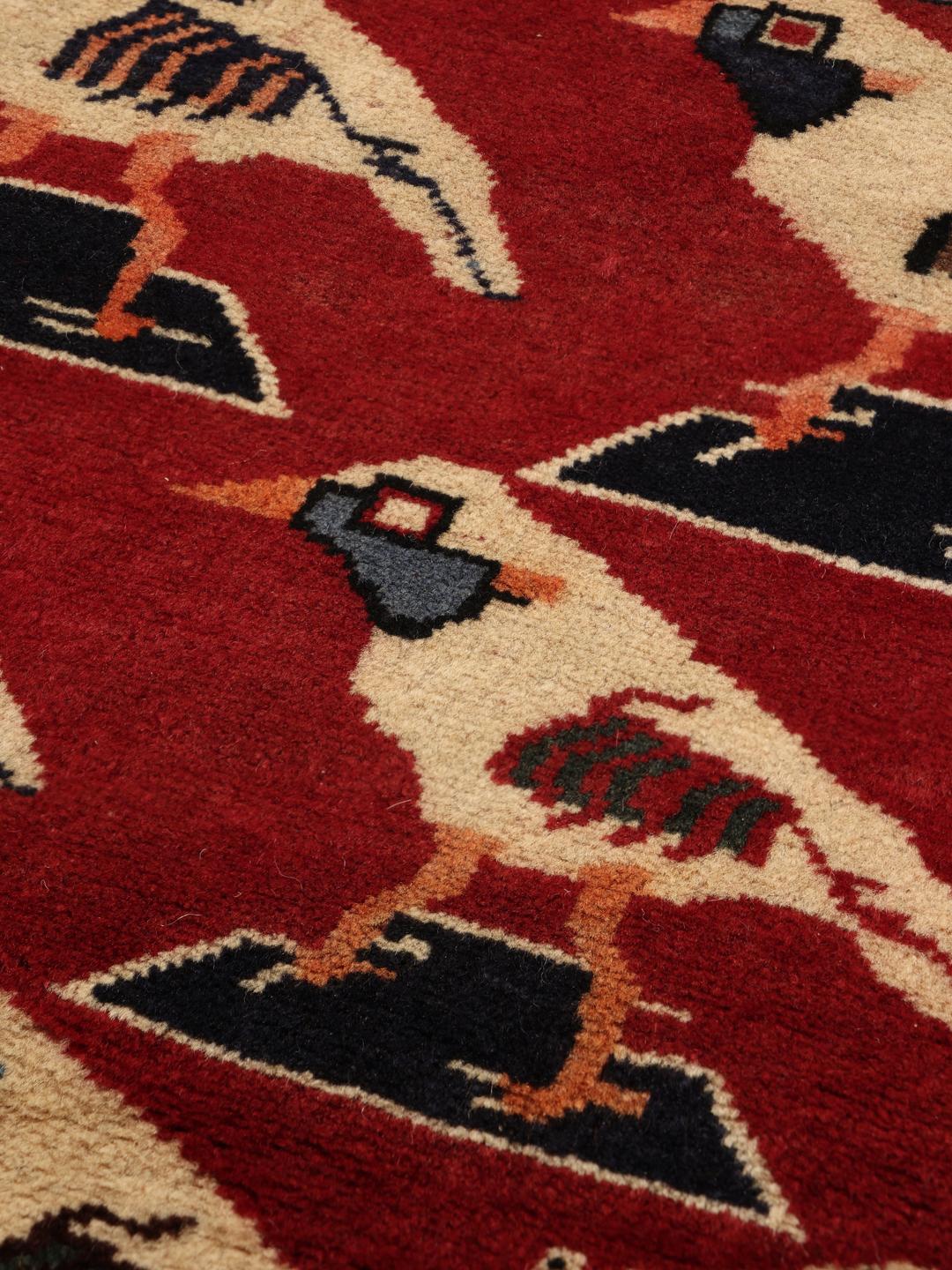
Signature design elements in Ghashghai weaving often include stylised birds, flowers, and animals, as well as complex geometric medallions. These motifs are not merely decorative but serve as a visual lexicon for the weaver's heritage, with each tribe having its own subtle variations in border patterns and colour palettes.
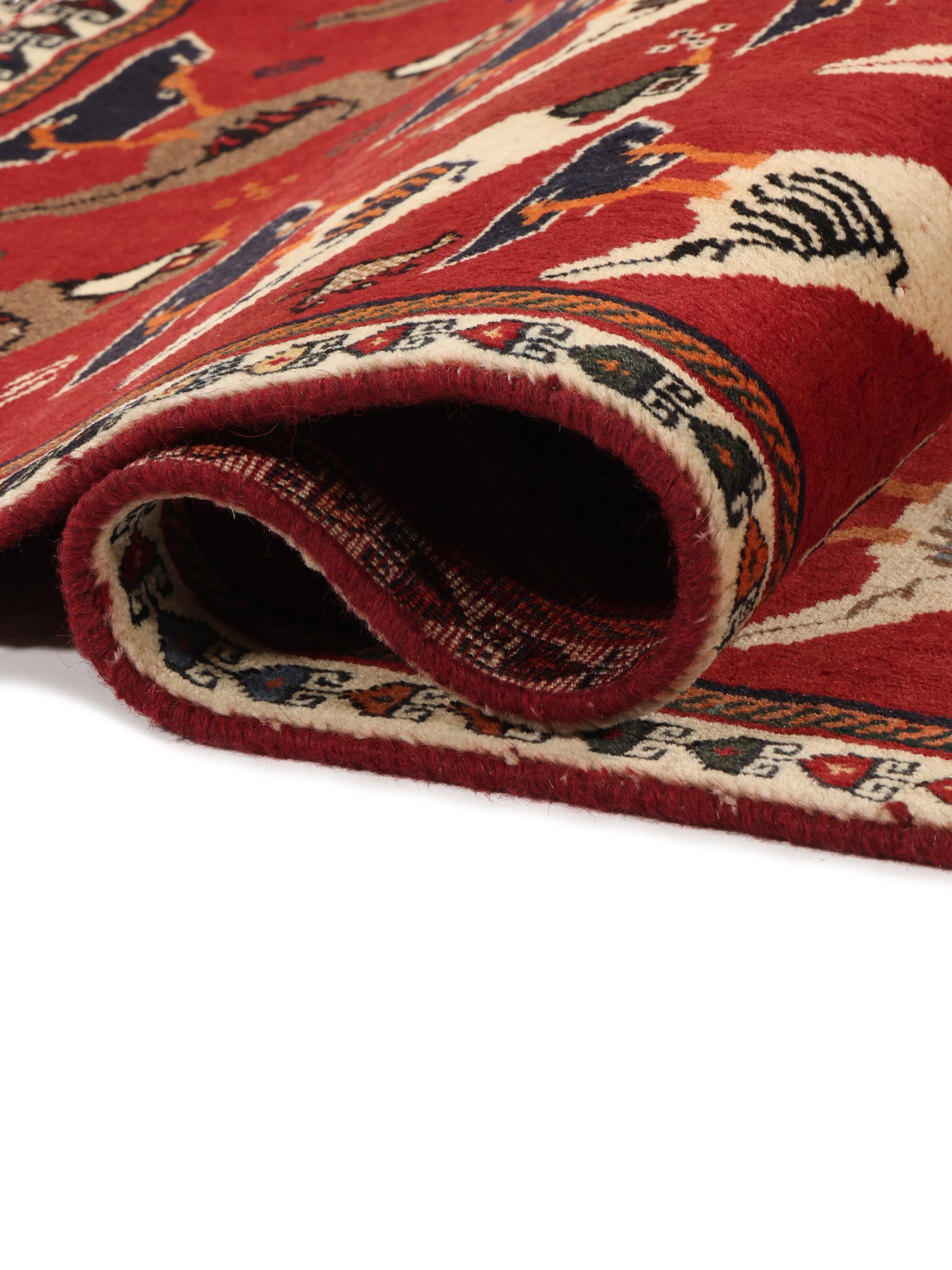
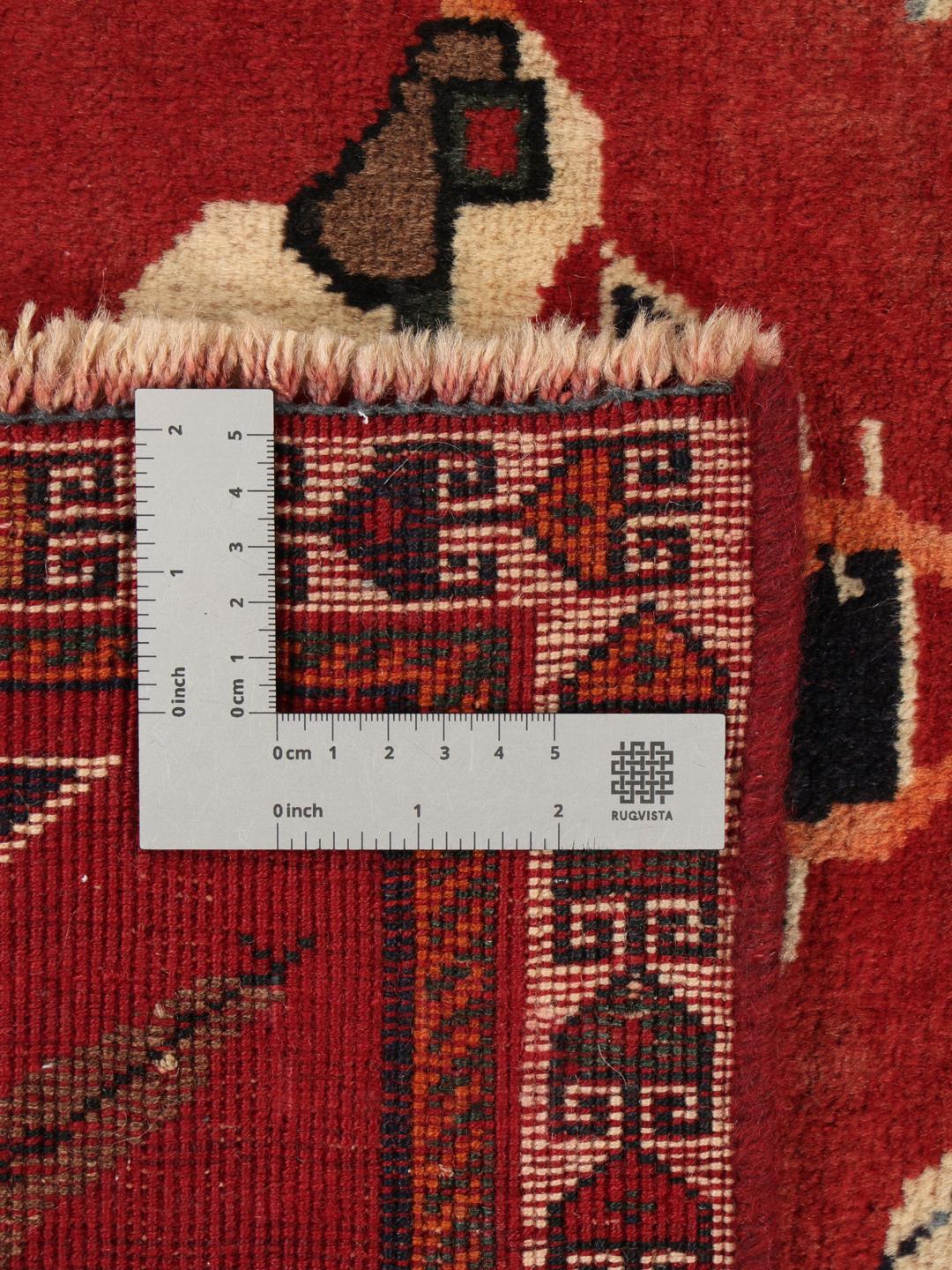
Collecting a Ghashghai rug is an act of preserving a traditional art form. These pieces are highly valued for their expressive, often spontaneous designs and the enduring quality of their hand-knotted construction. Owning one is a commitment to supporting ancient craft traditions and bringing a piece of authentic cultural history into a contemporary living space.