The history of Chinese rug weaving is a narrative of profound cultural symbolism and technical evolution. Unlike many other traditions that focus on geometric patterns, Chinese rugs, particularly those from the historic centres of production, are renowned for their use of pictorial motifs and soft, balanced compositions. These rugs were often created for the imperial court or for use in temples, where their designs—featuring landscapes, floral arrangements, and auspicious symbols—held deep philosophical and spiritual meaning.
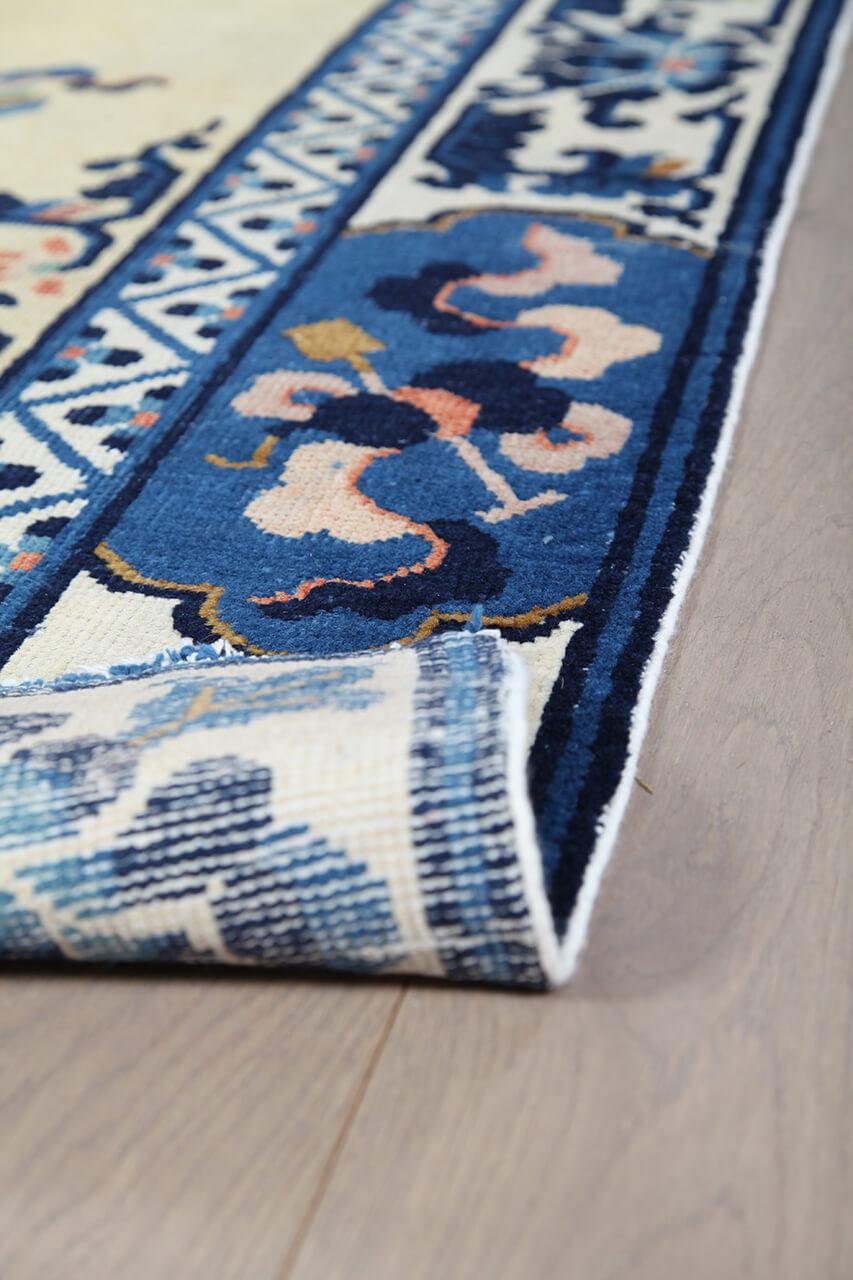
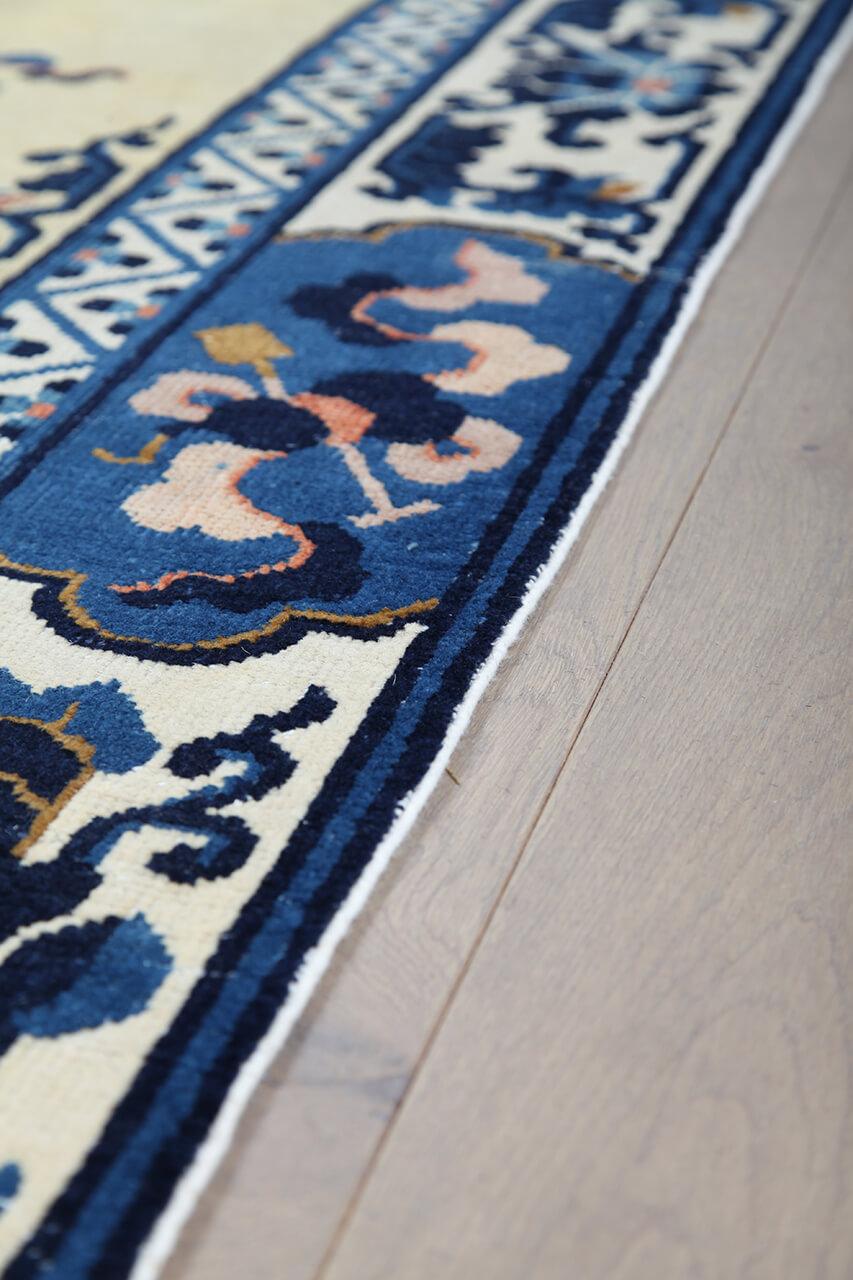
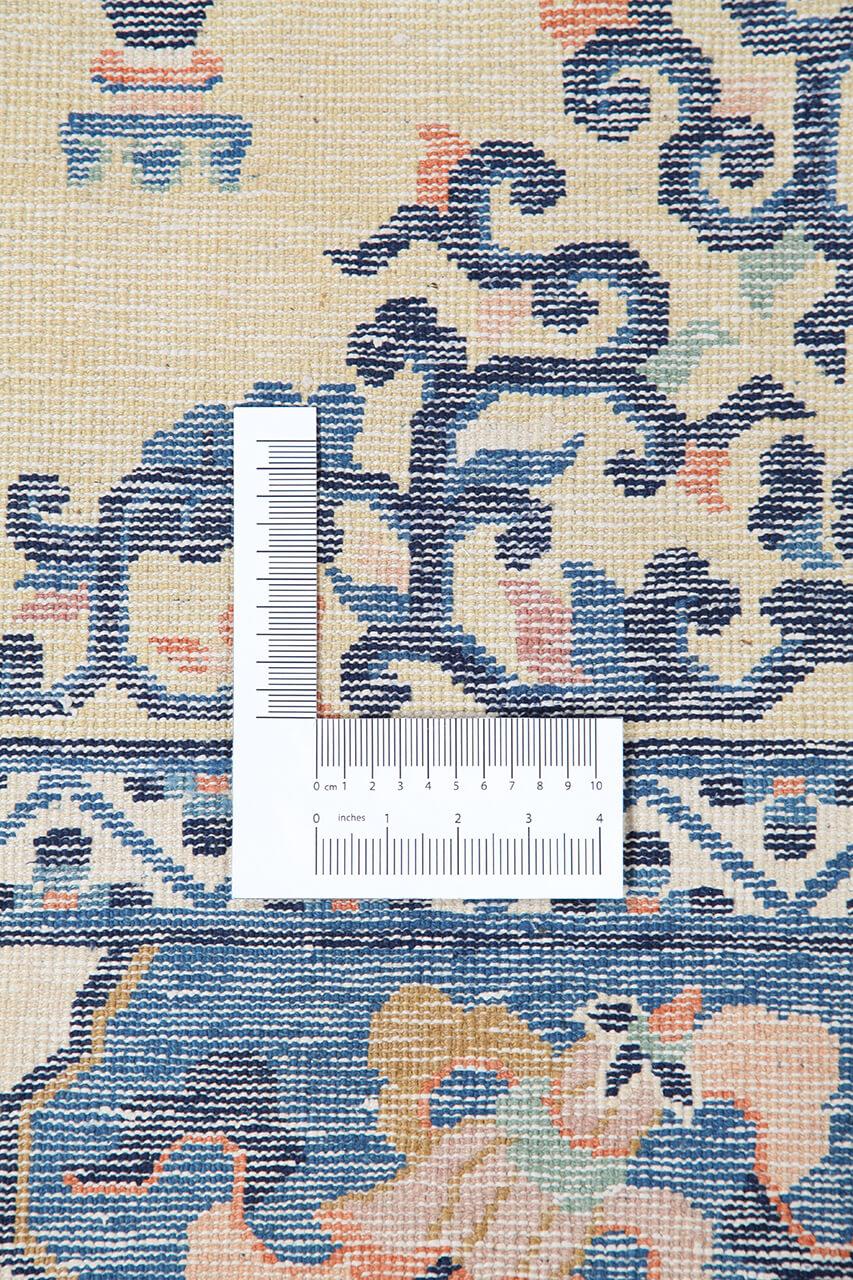
The technical quality of these pieces is rooted in the careful preparation of materials and the specific knotting techniques employed by local artisans. The foundation is constructed to support a substantial, dense pile, which allows the intricate patterns to remain clear and vibrant. This construction is not merely for aesthetic effect; it is designed to provide insulation and durability, ensuring the rug serves its purpose in both grand halls and private homes across changing seasons.
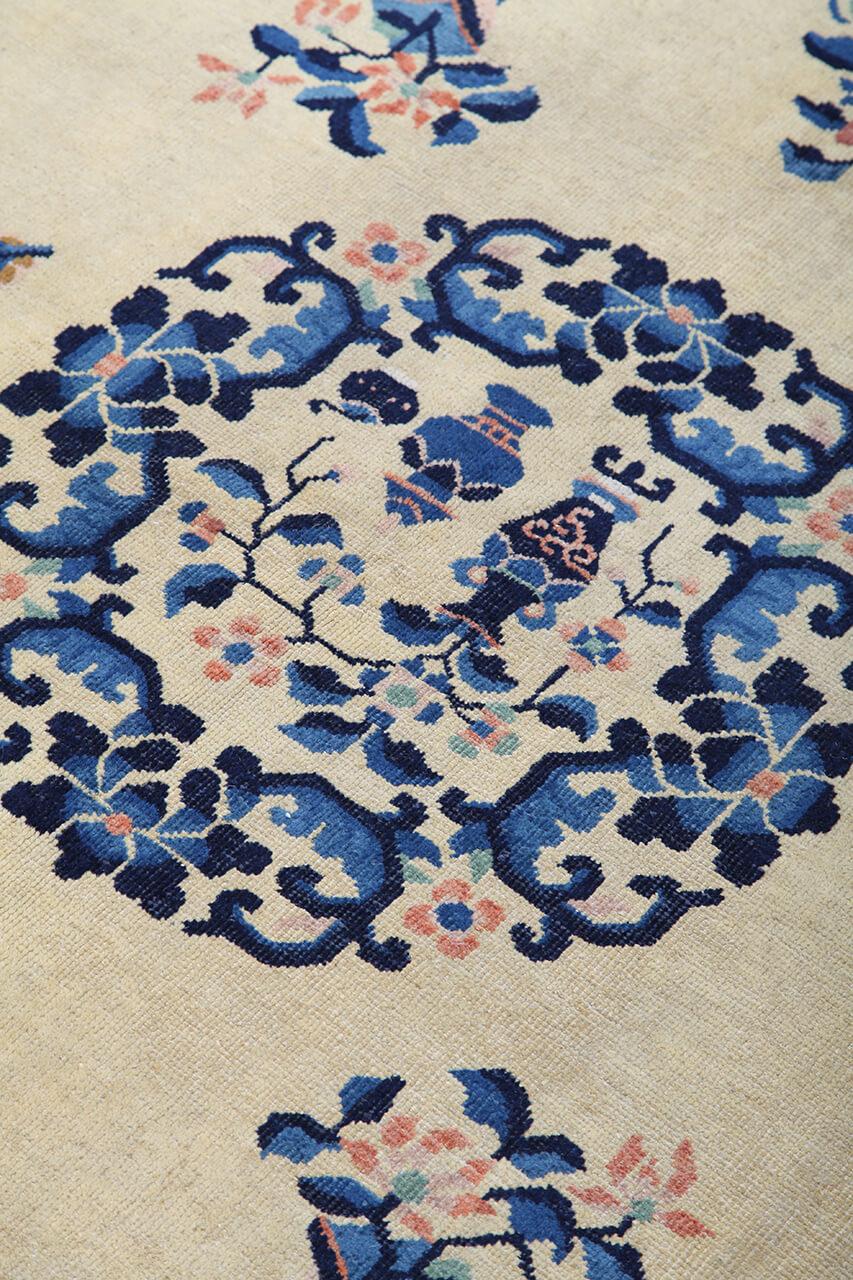
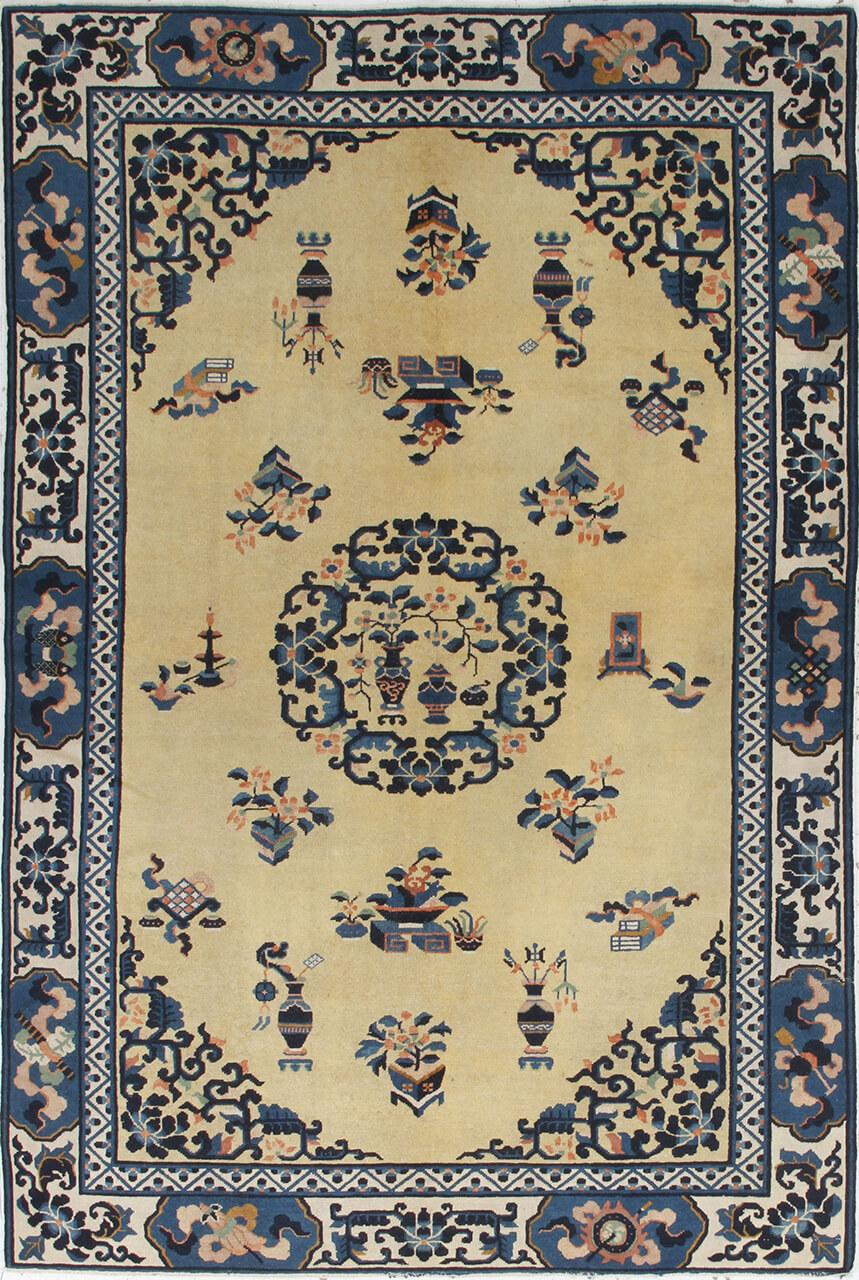
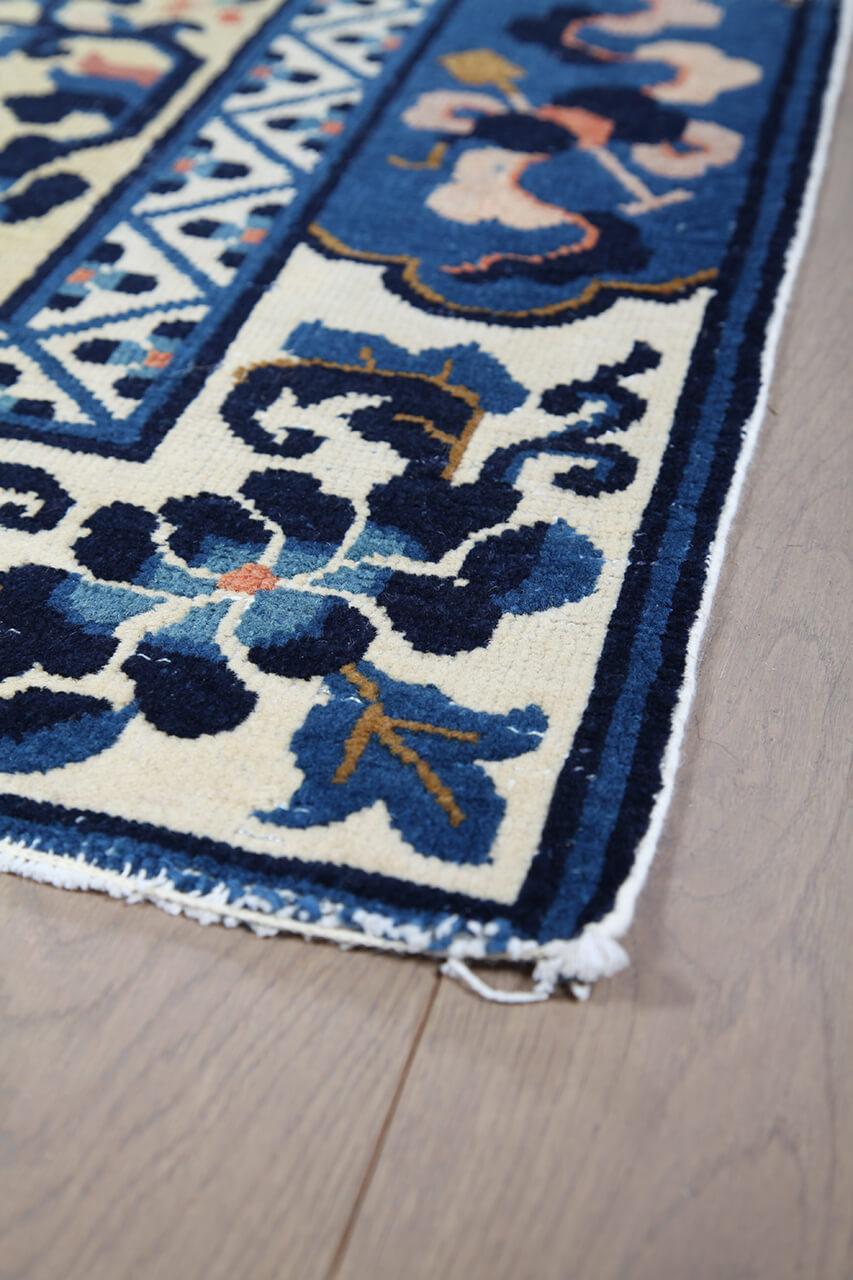
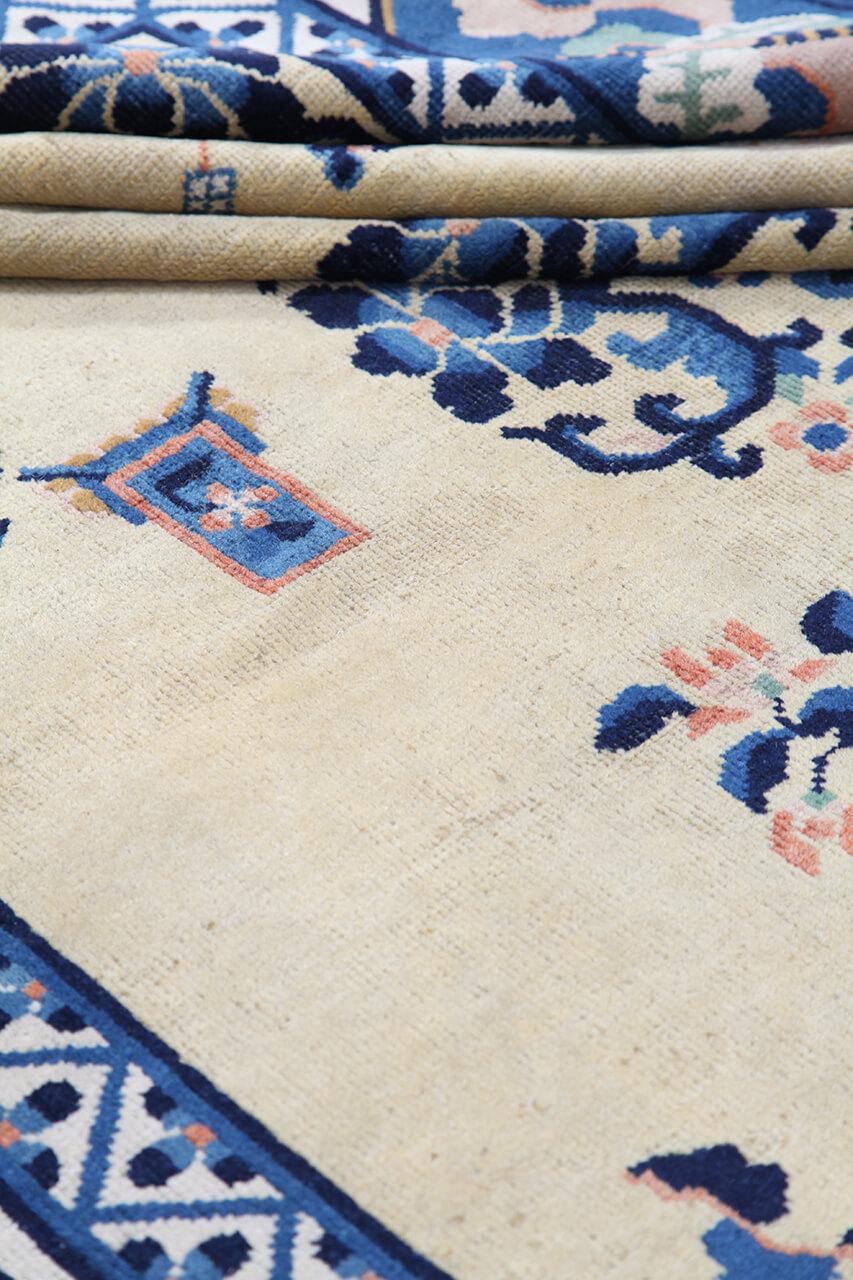
Visually, this rug tradition is easily identified by its use of negative space and curated motifs. Rather than filling every inch of the field, the designs often feature a central medallion surrounded by scattered, meaningful symbols such as vases, flowers, or mythical figures. The borders are equally considered, often framing the central narrative with continuous, flowing lines that guide the eye around the piece, creating a sense of movement and harmony within the static design.
Collecting these antique Chinese rugs is a way of participating in a long lineage of craft that values patience and precision. Each piece represents a moment in time where the weaver's skill, the region's aesthetic traditions, and the cultural values of the era converged. Owning such a rug is a privilege, offering a tangible connection to a rich, artistic heritage that continues to inspire and ground modern interiors with its enduring grace and historical weight.