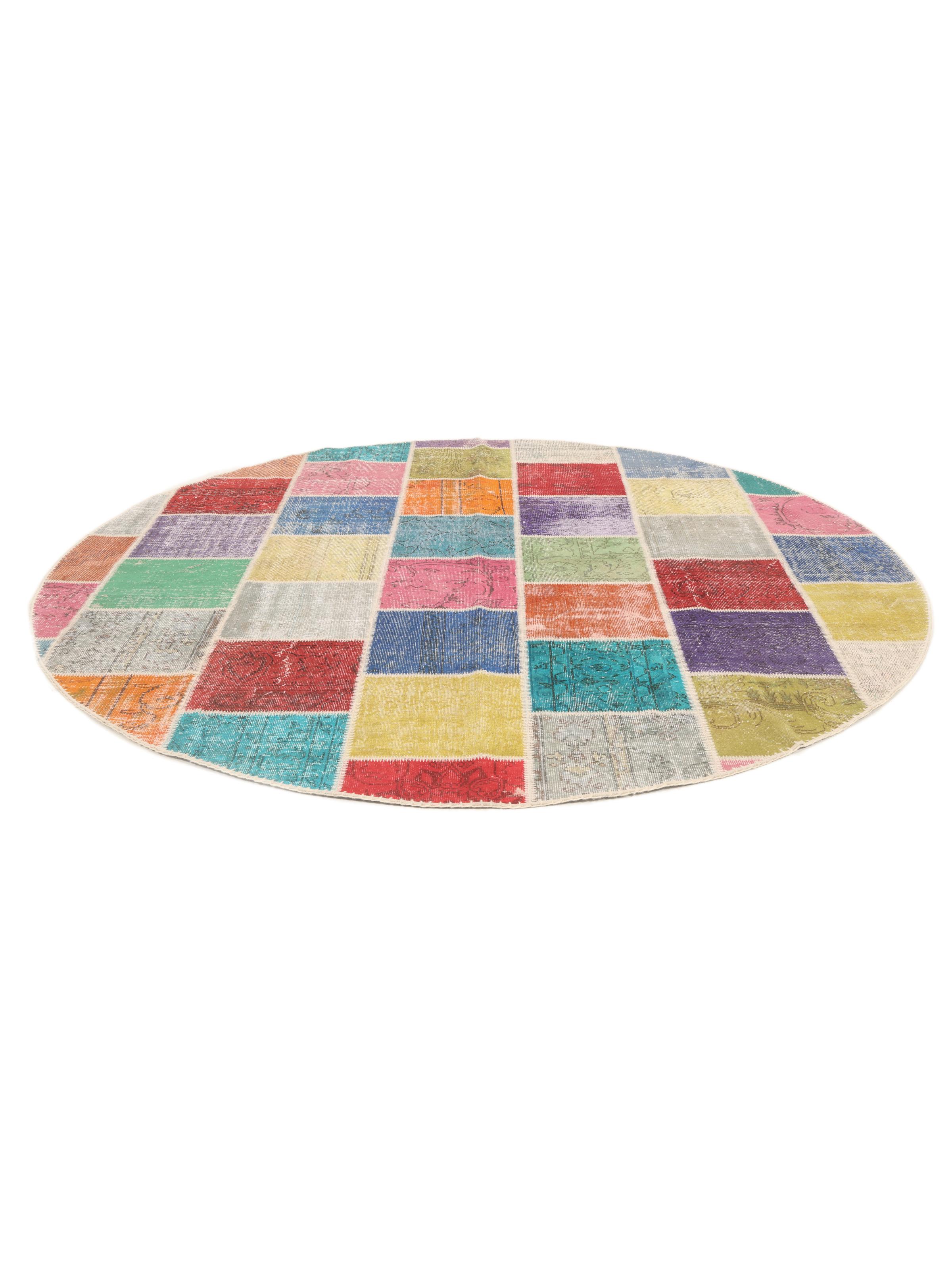
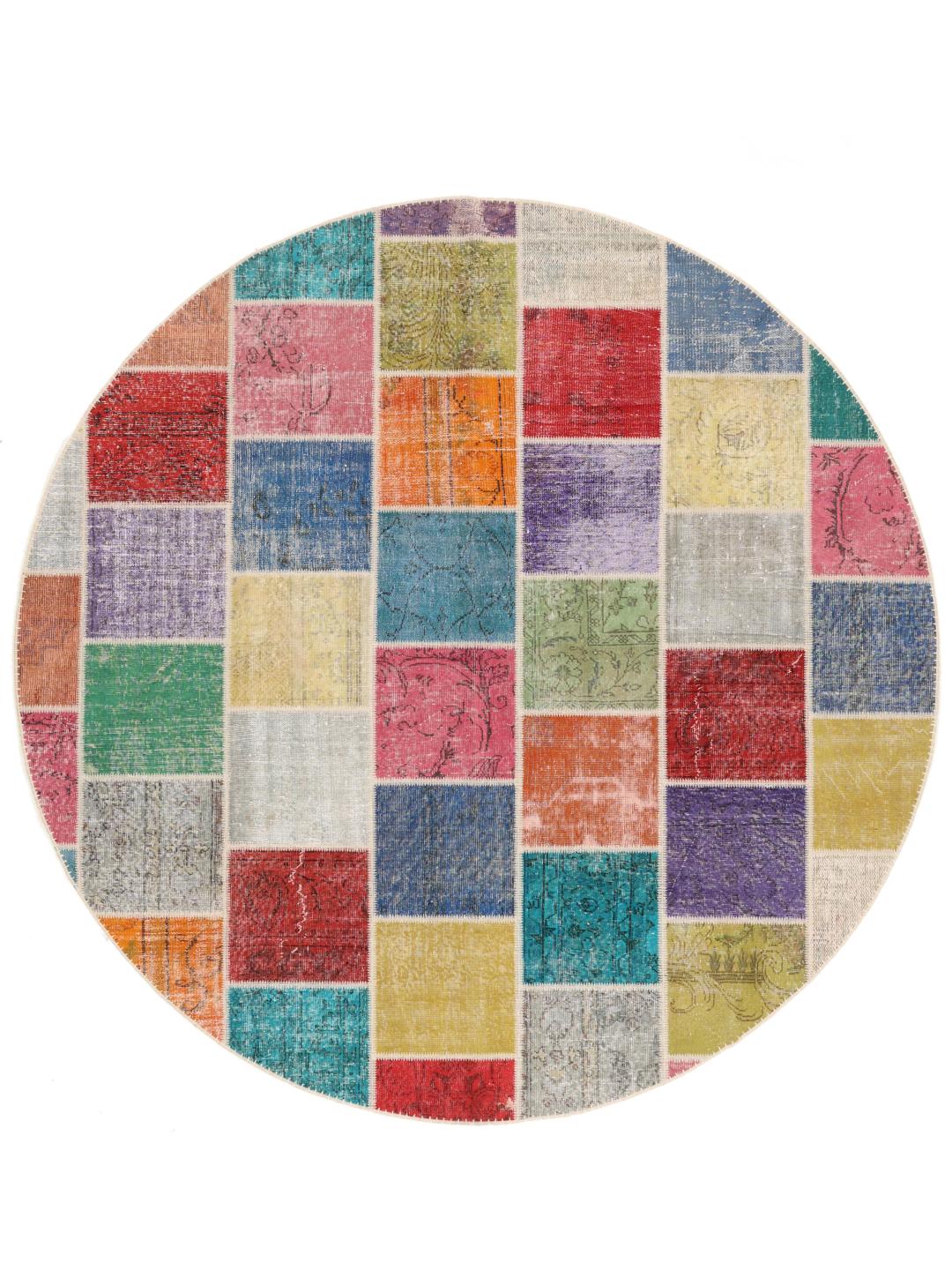
Patchwork rugs have emerged as a creative evolution within the long-standing traditions of Middle Eastern textile arts. Historically, artisans in regions like Turkey have always valued the longevity of wool, often repurposing older, worn rugs to extend their life and utility. Modern patchwork takes this concept of preservation a step further, curating fragments from various vintage carpets to create a new, cohesive visual narrative that bridges the gap between antiquity and contemporary design.
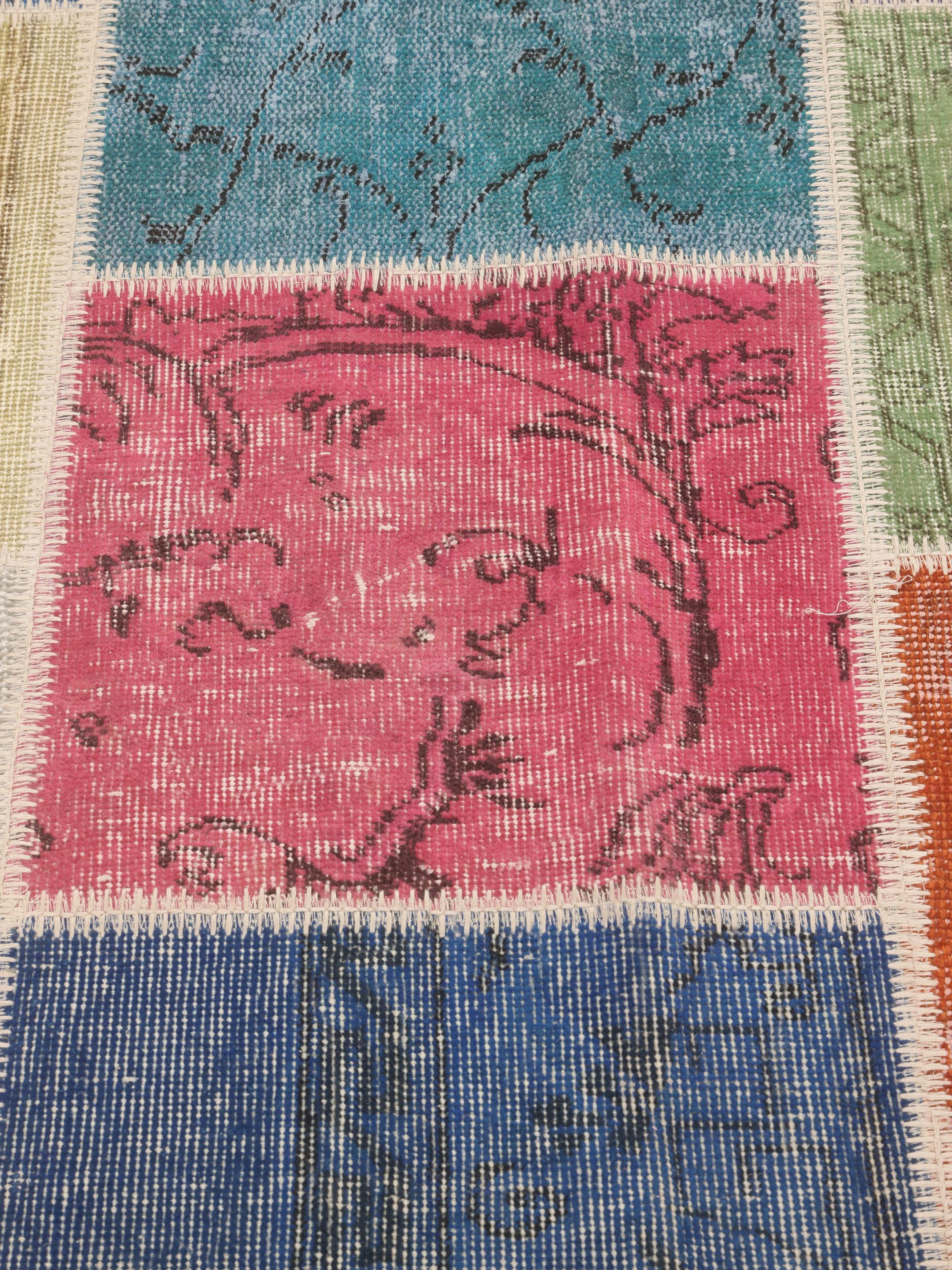
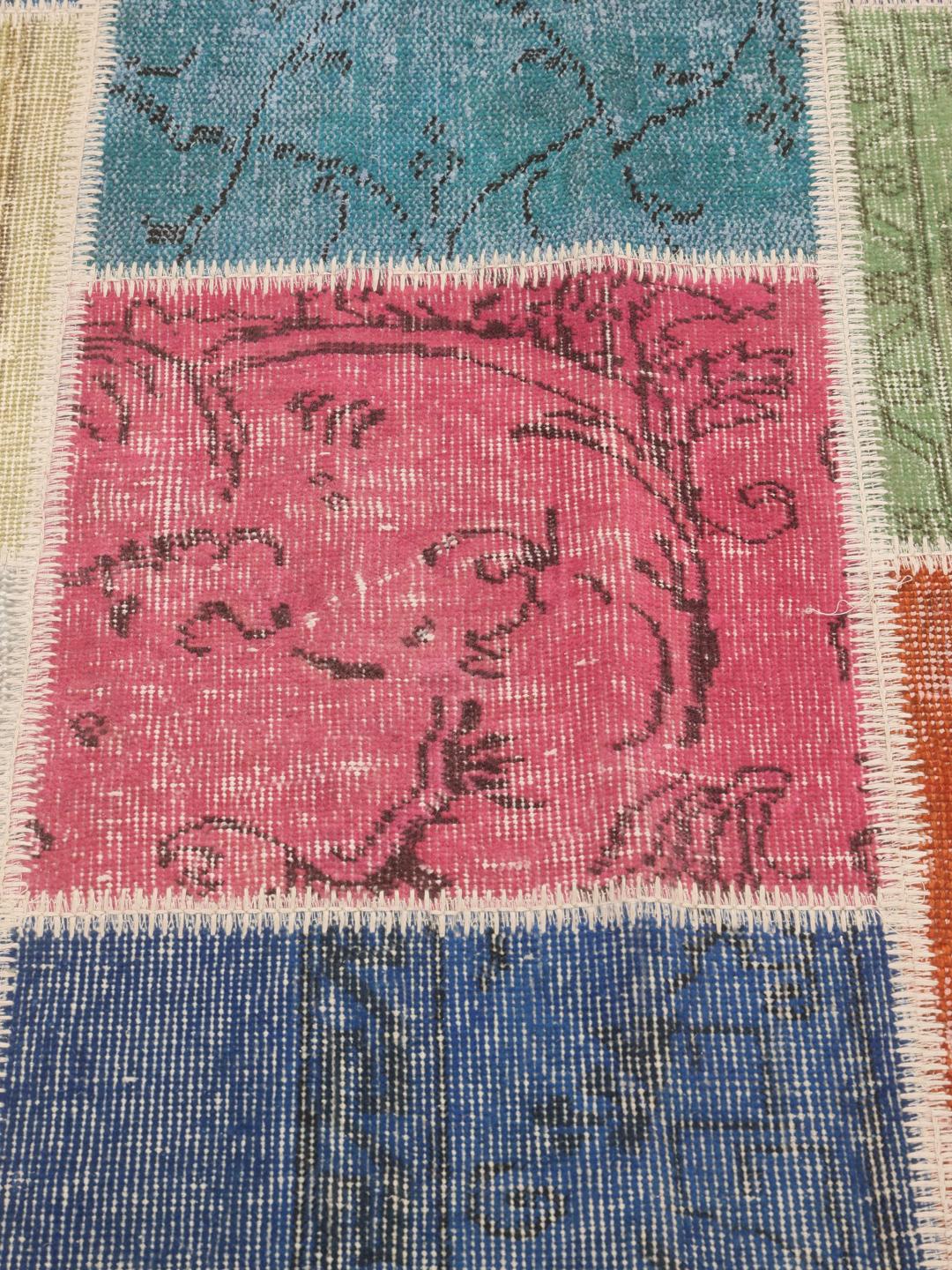
The craft of creating these rugs relies on the expertise of the artisan to select pieces that complement each other in both colour and pile density. When fragments are joined, the result is a rug that gains structural strength from the combination of different weaves and knots. This process ensures that the finished product is not only a beautiful display of colour but a robust floor covering that benefits from the resilience of high-quality wool.
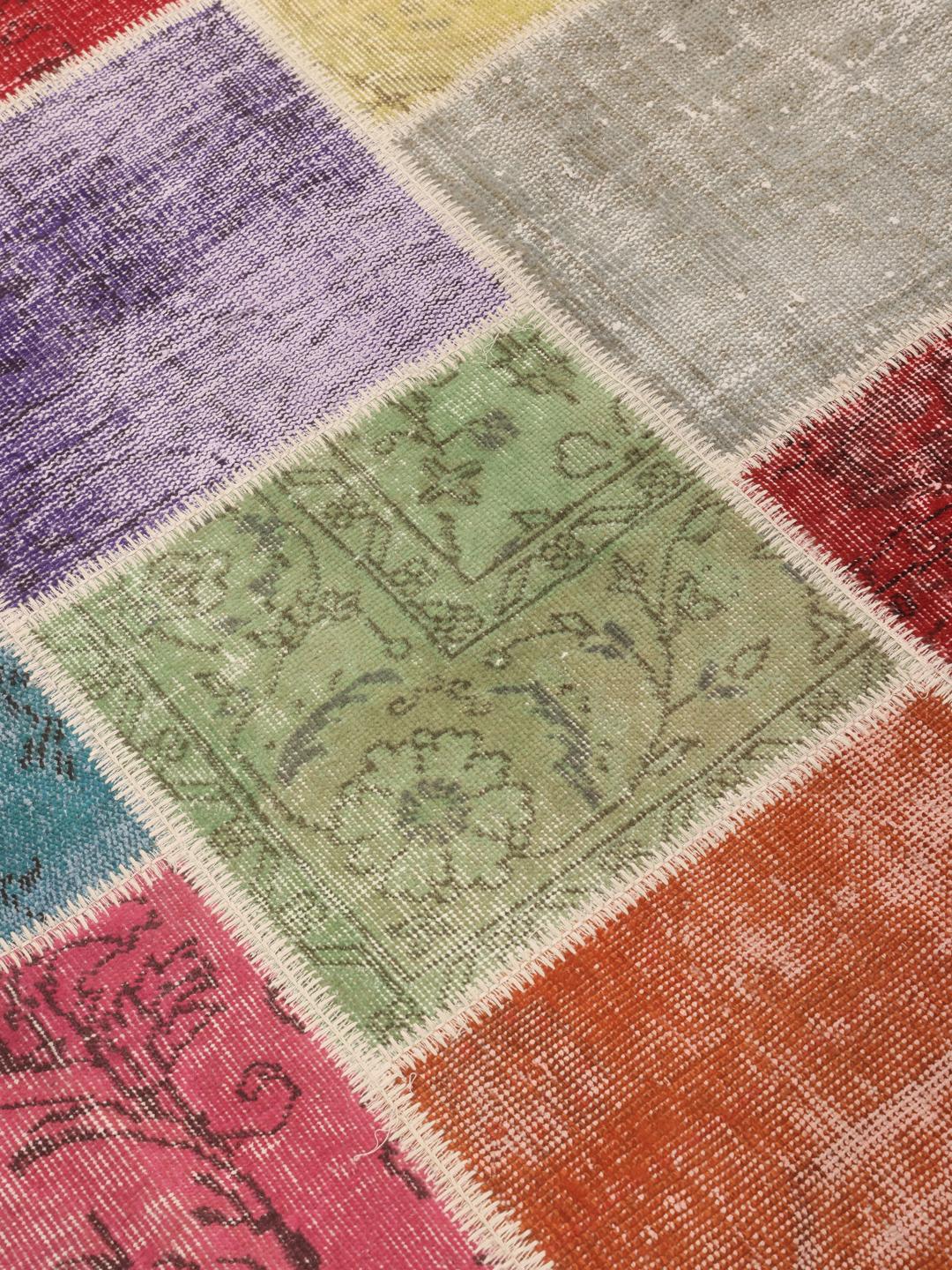
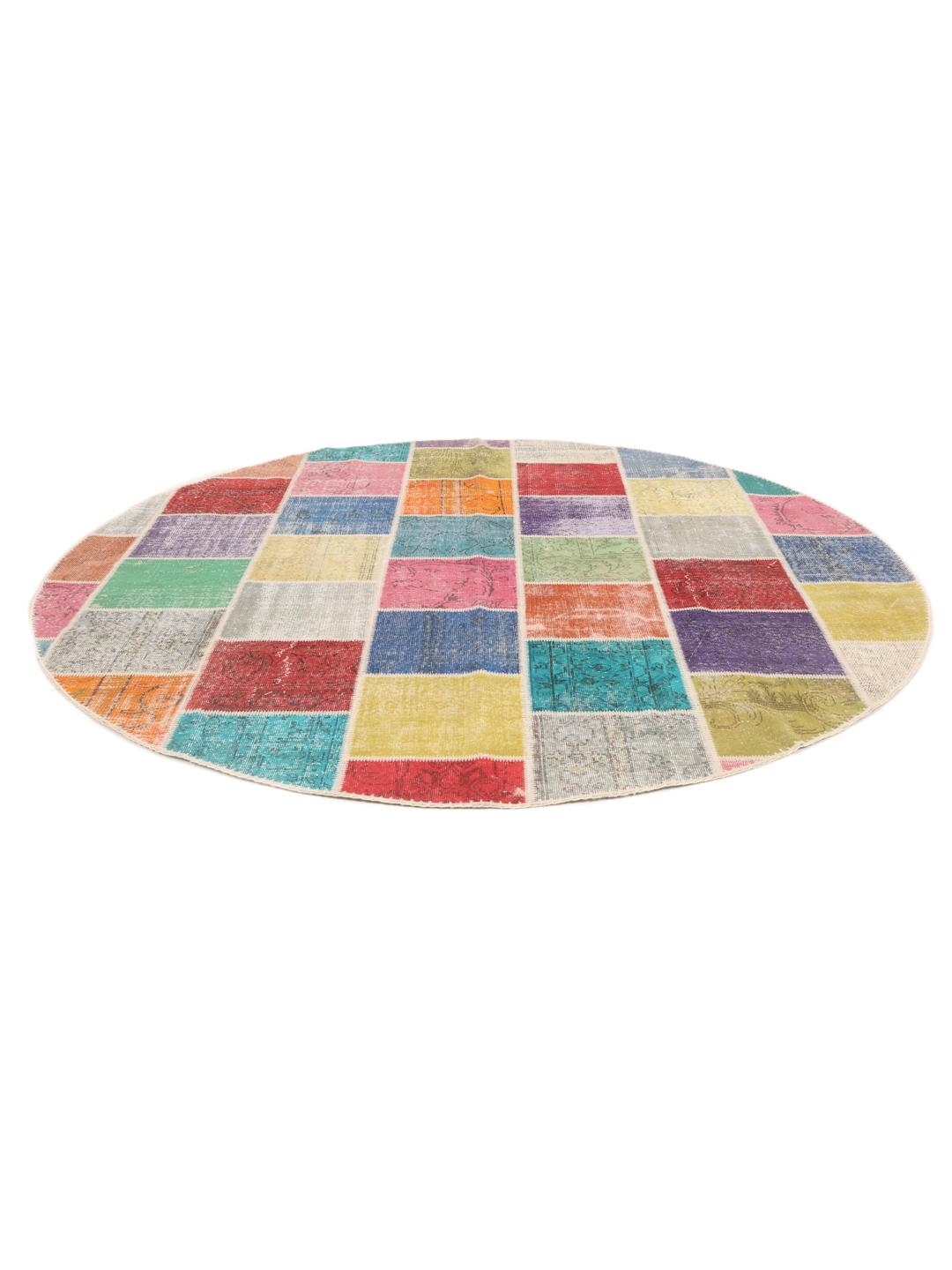
Design-wise, these rugs are defined by their vibrant, artistic arrangements. While traditional rugs often follow strict, symmetrical patterns, the patchwork style embraces an abstract and eclectic aesthetic. The use of various hues—from deep, saturated tones to faded, sun-kissed shades—creates a dynamic surface that changes as light moves across it. Each square acts as a window into a different rug, showcasing diverse motifs and colour palettes that represent different eras of weaving.
Owning a patchwork rug is a way of participating in a tradition of renewal and sustainability. Collectors value these pieces not only for their aesthetic flexibility but for the cultural weight they carry. By integrating fragments of history into a single, usable object, these rugs serve as a bridge between the past and the present, making them prized additions for those who appreciate the skill, history, and conscious use of materials in their home.