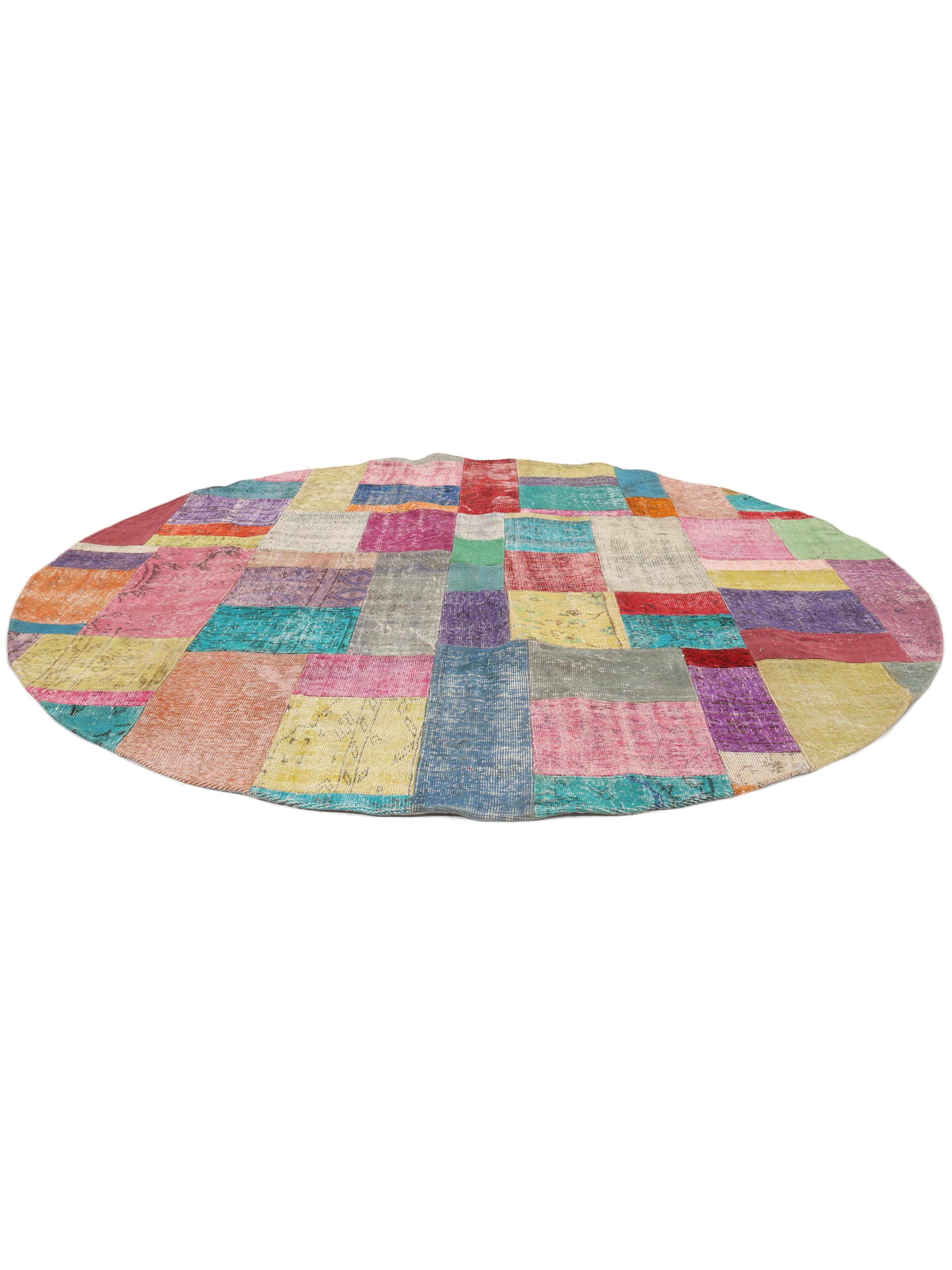
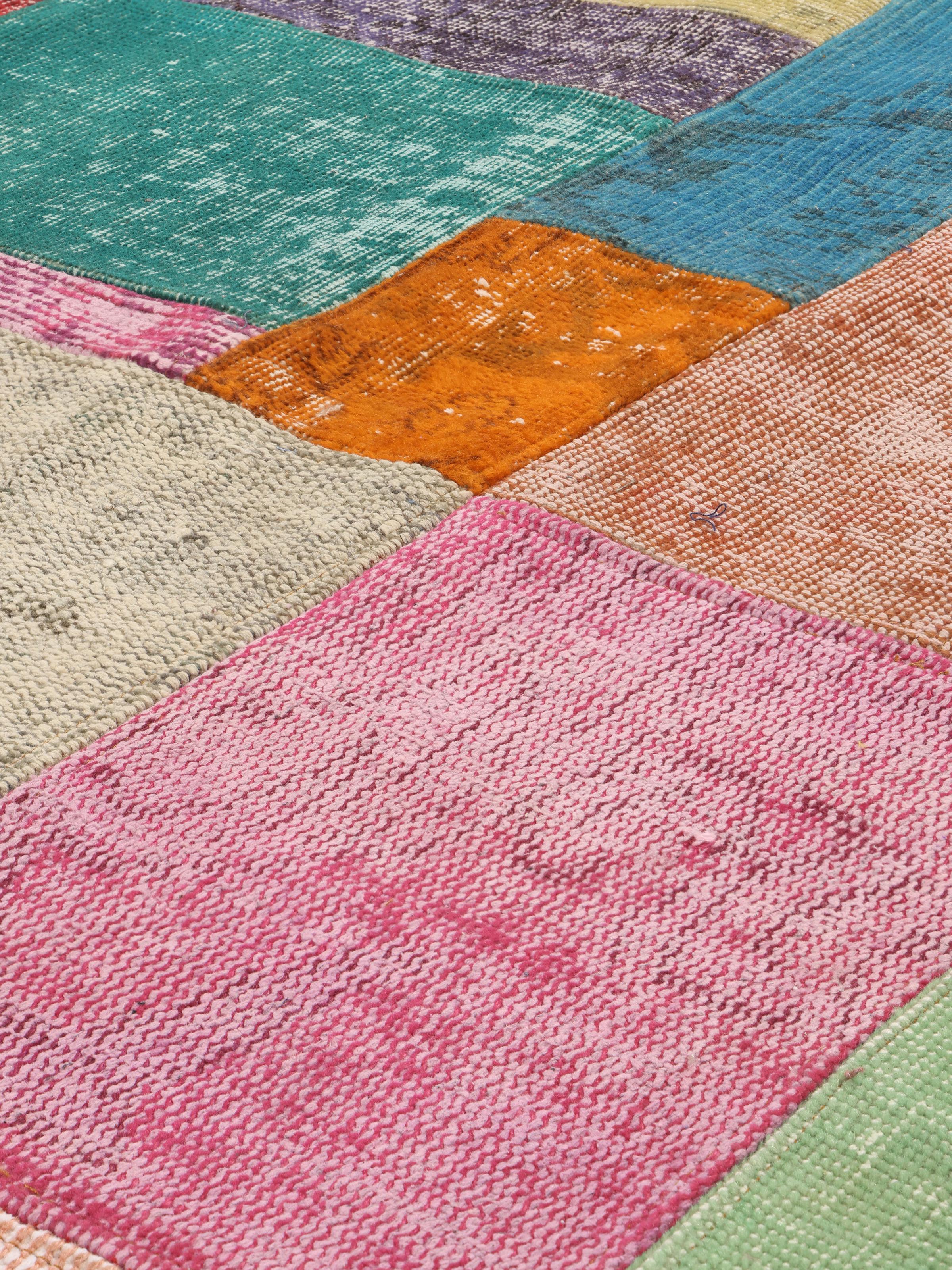
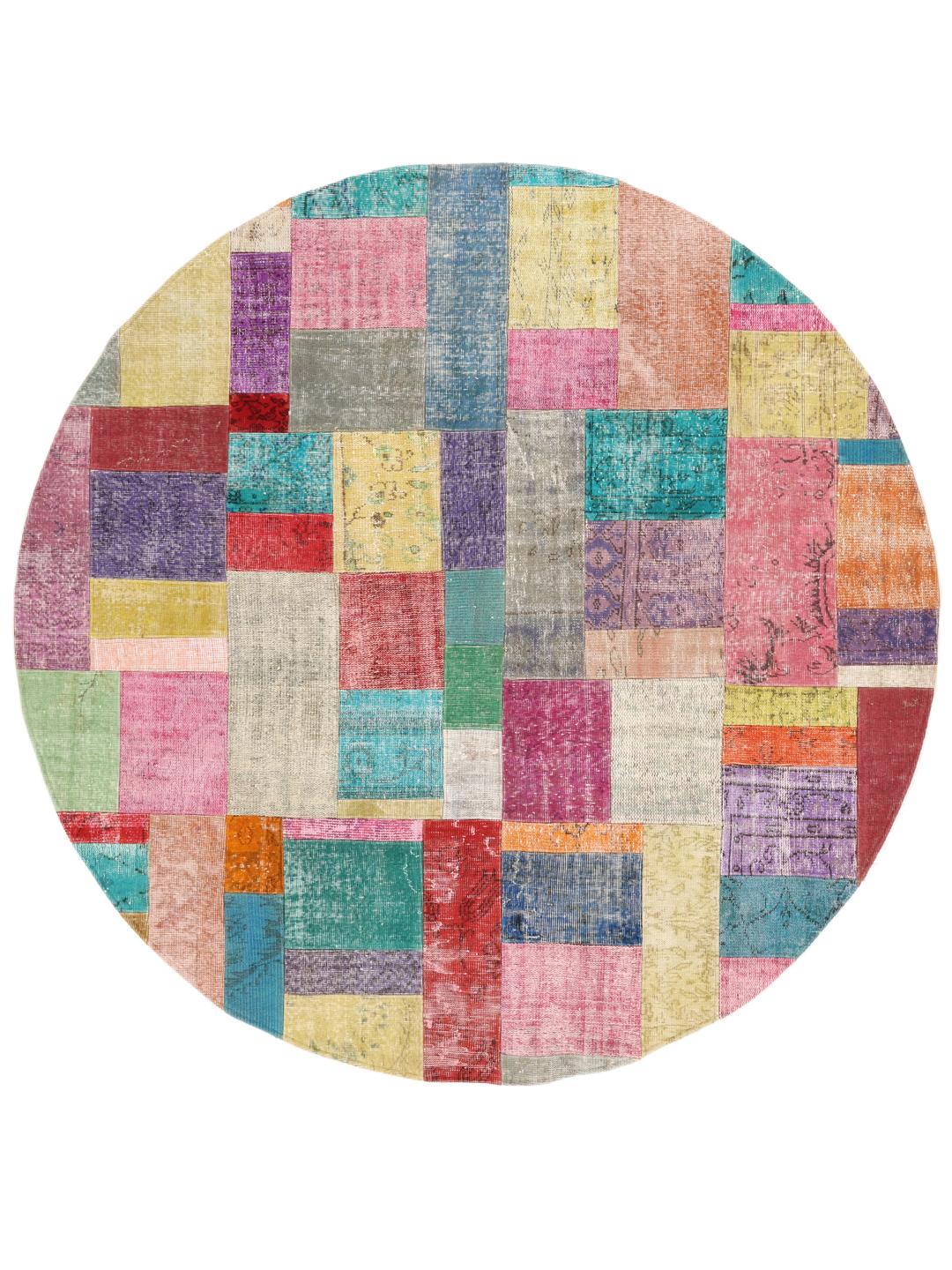
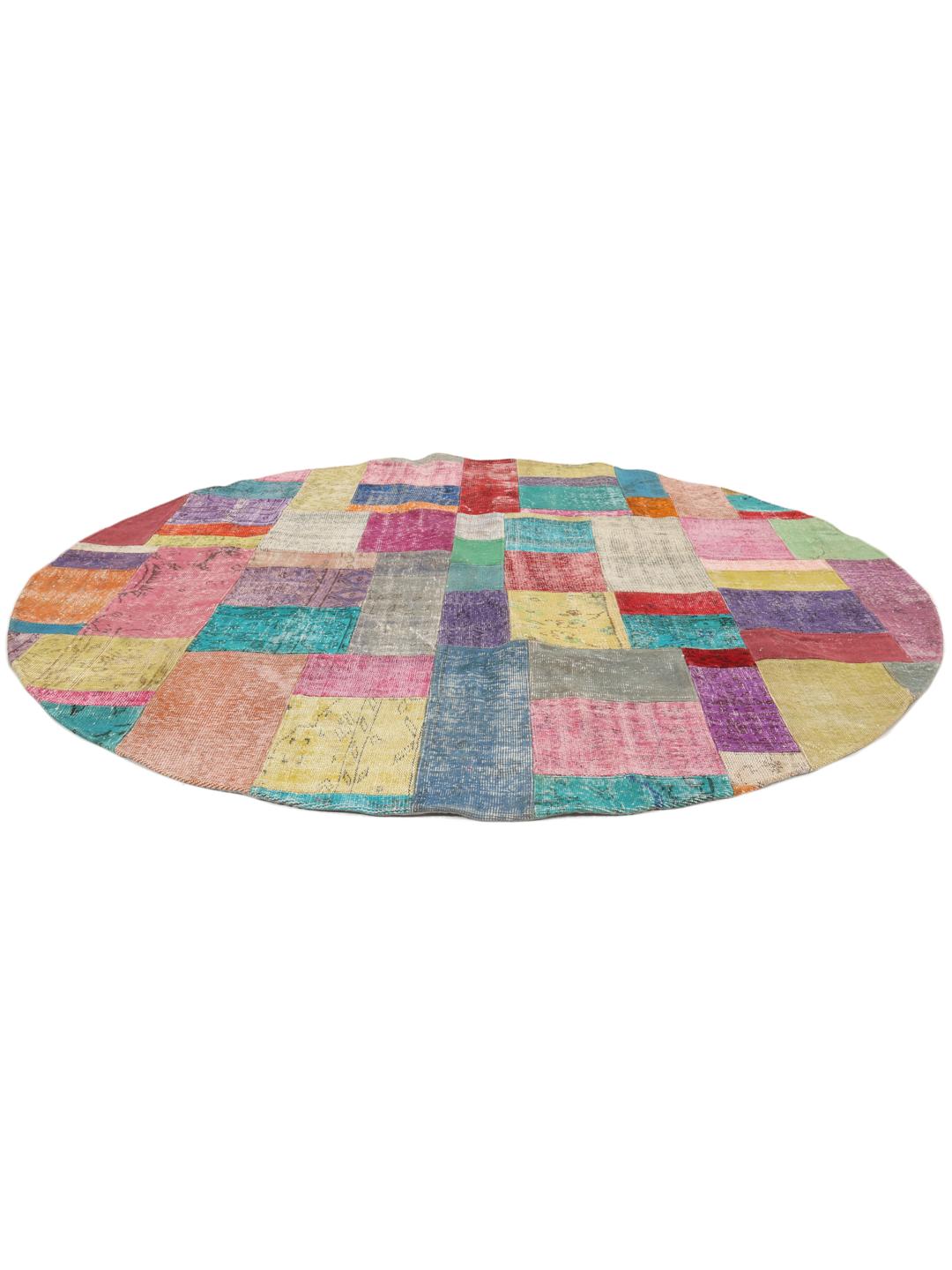
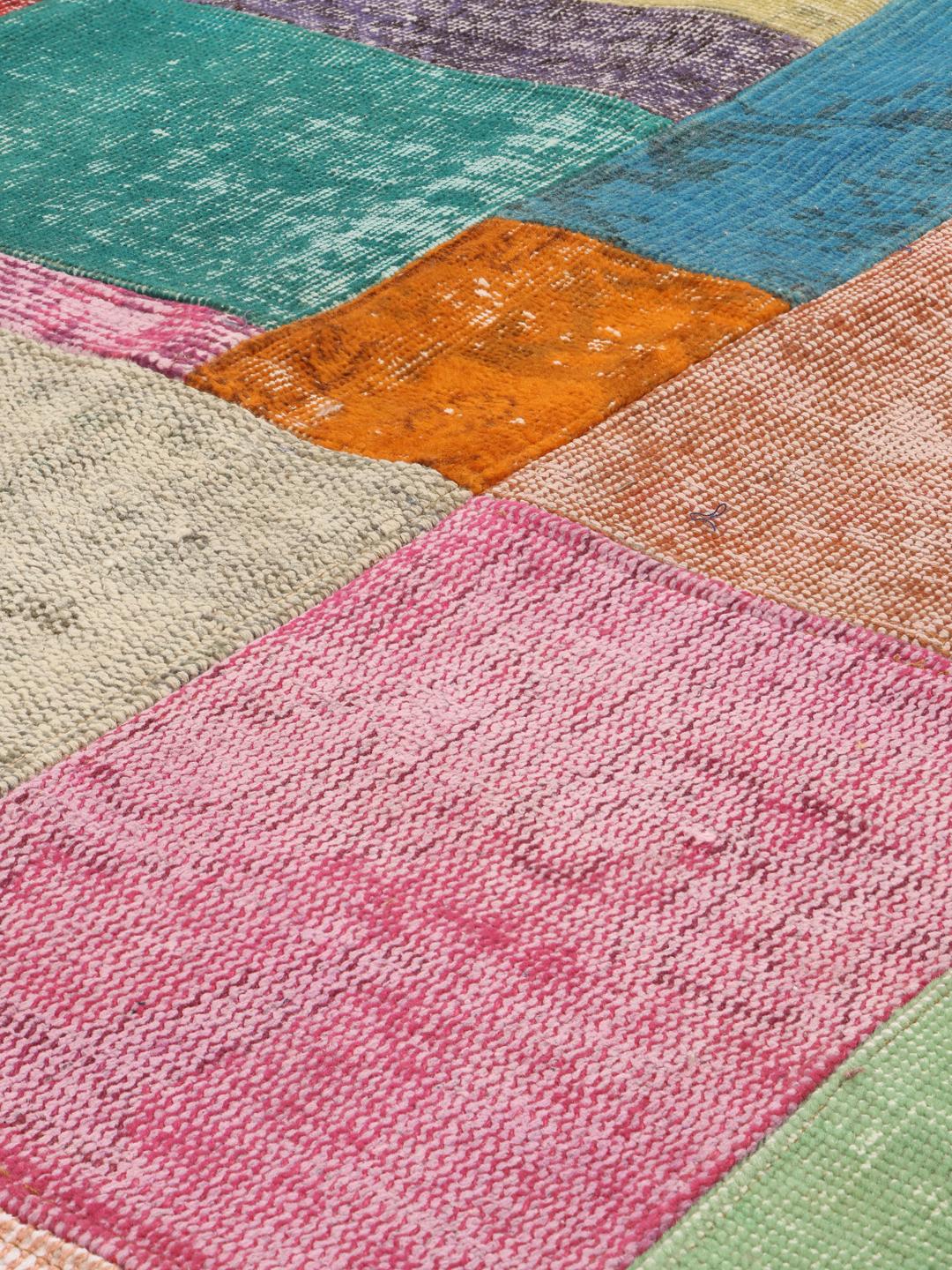
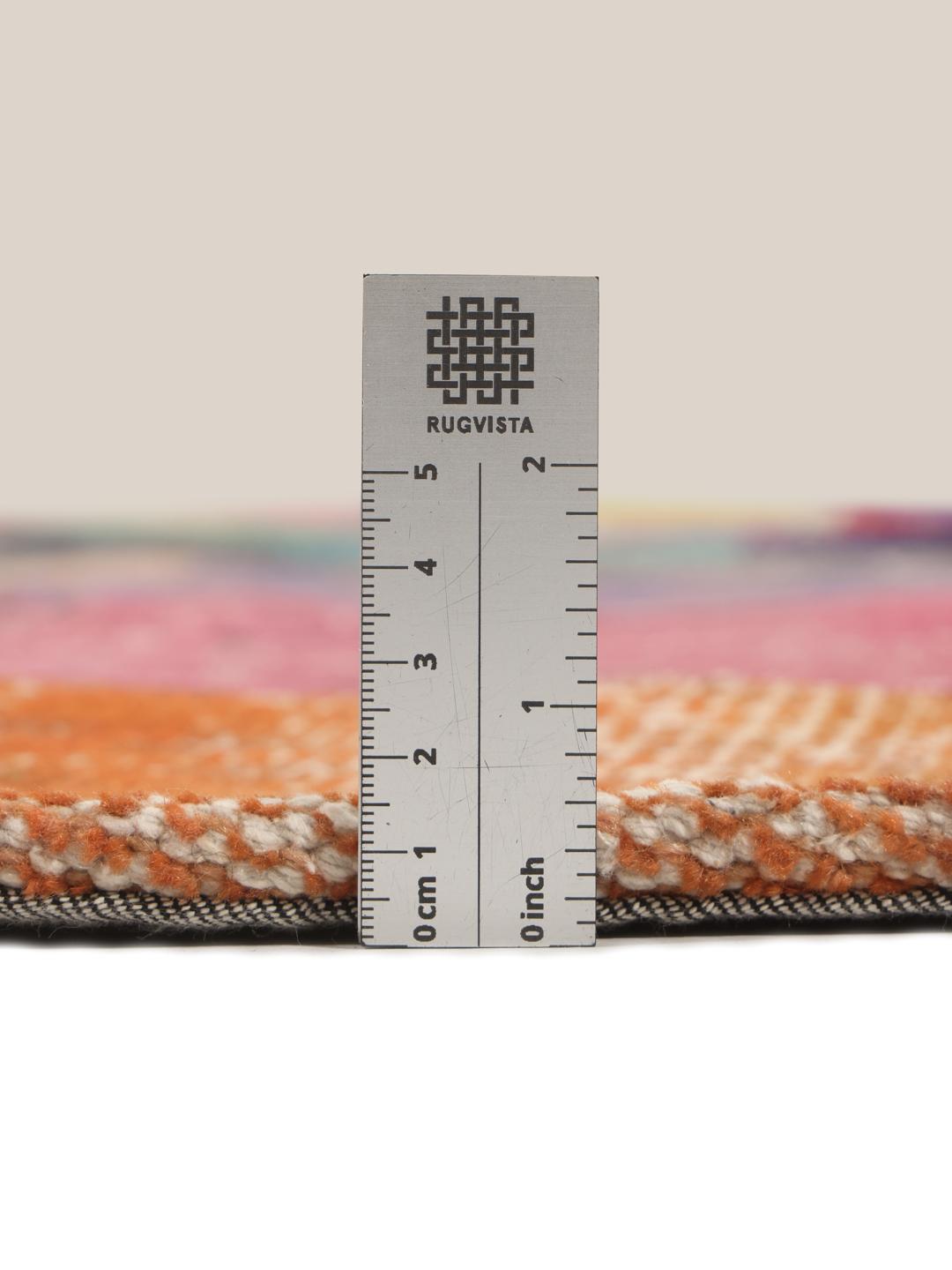
Patchwork rugs represent a fascinating evolution in textile craft, drawing on the long-standing tradition of repurposing and preserving high-quality materials. Originating in Turkey, a region world-renowned for its deep-rooted weaving history, these rugs are created by carefully selecting segments from older, hand-knotted pieces. This practice breathes new life into textiles that might otherwise be forgotten, honouring the skill of the original weavers while adapting their work for contemporary homes.
The craft of creating these rugs relies on the artisan's eye for colour, texture, and pattern. By analysing the structural integrity and aesthetic potential of various fragments, the maker constructs a new narrative on the loom. This process requires a sophisticated understanding of how different dyes and wool qualities interact, ensuring that the final composition is not just visually striking, but also structurally sound and uniform in its feel.
Signature elements in these designs often include a bold, artistic arrangement of motifs that span different regional styles. While traditional rugs might focus on a singular, symmetrical medallion, this patchwork approach embraces an eclectic, vibrant aesthetic. The result is a mosaic of cultural history, where patterns once intended for separate, traditional rugs are now brought together in a modern, circular format that celebrates variety and creative expression.
Owning a patchwork rug is an act of supporting a sustainable and heritage-focused craft. It represents a bridge between the past and the present, transforming historical artefacts into functional art. Collectors value these pieces for their authenticity and the sheer human effort involved in their assembly. Choosing such a rug means embracing a story of renewal, where the combined efforts of generations of weavers culminate in a single, irreplaceable object.