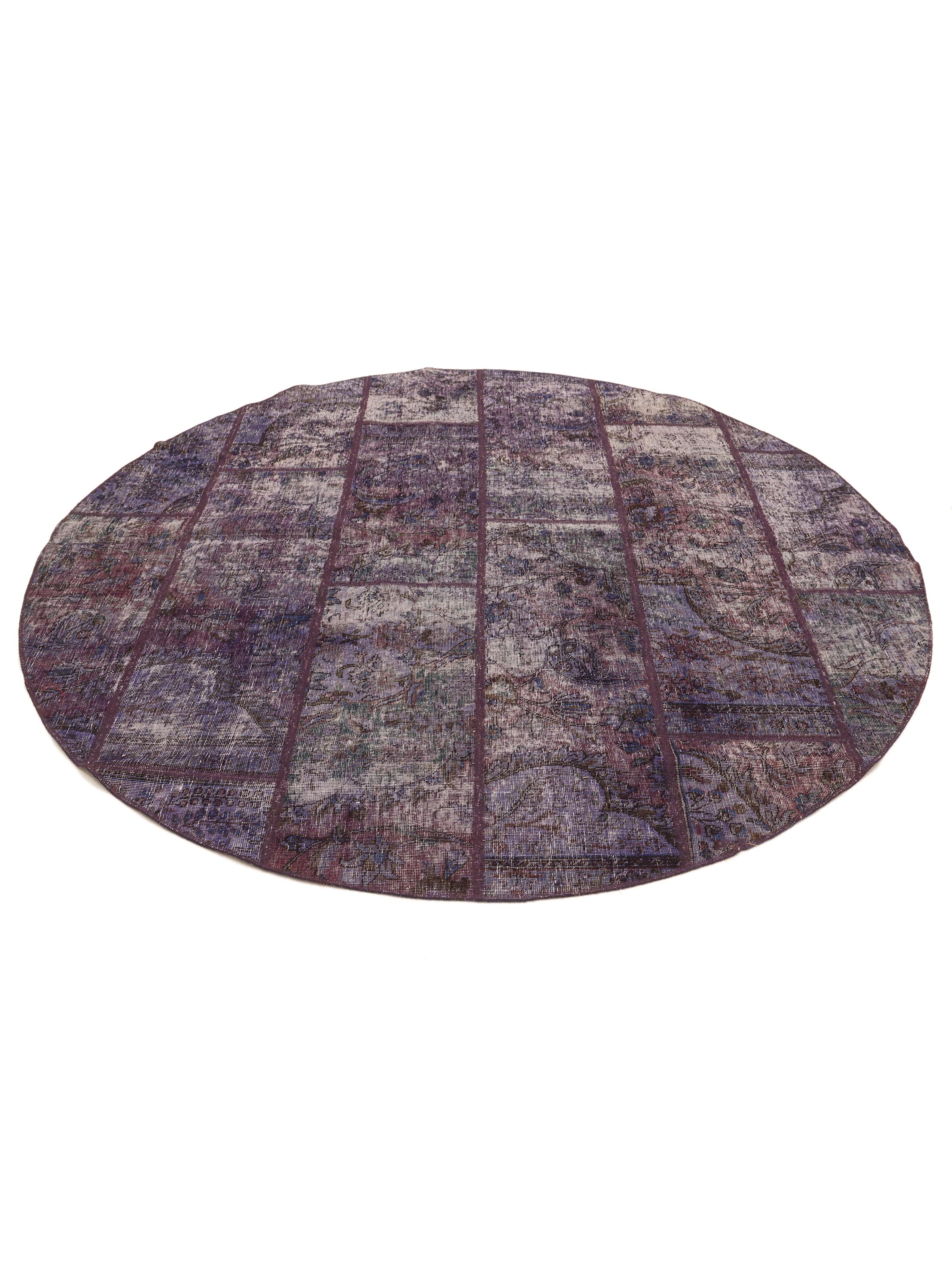
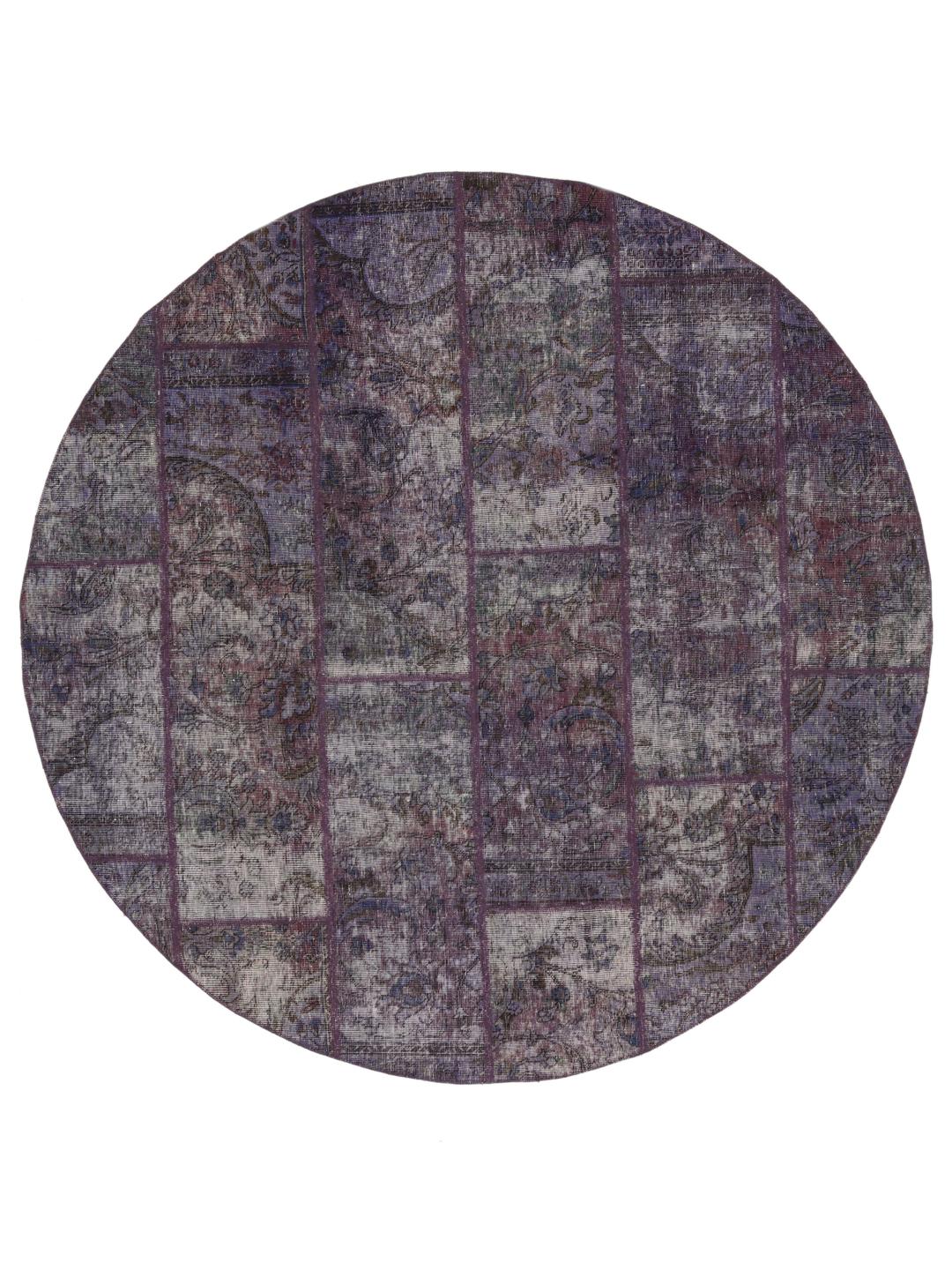
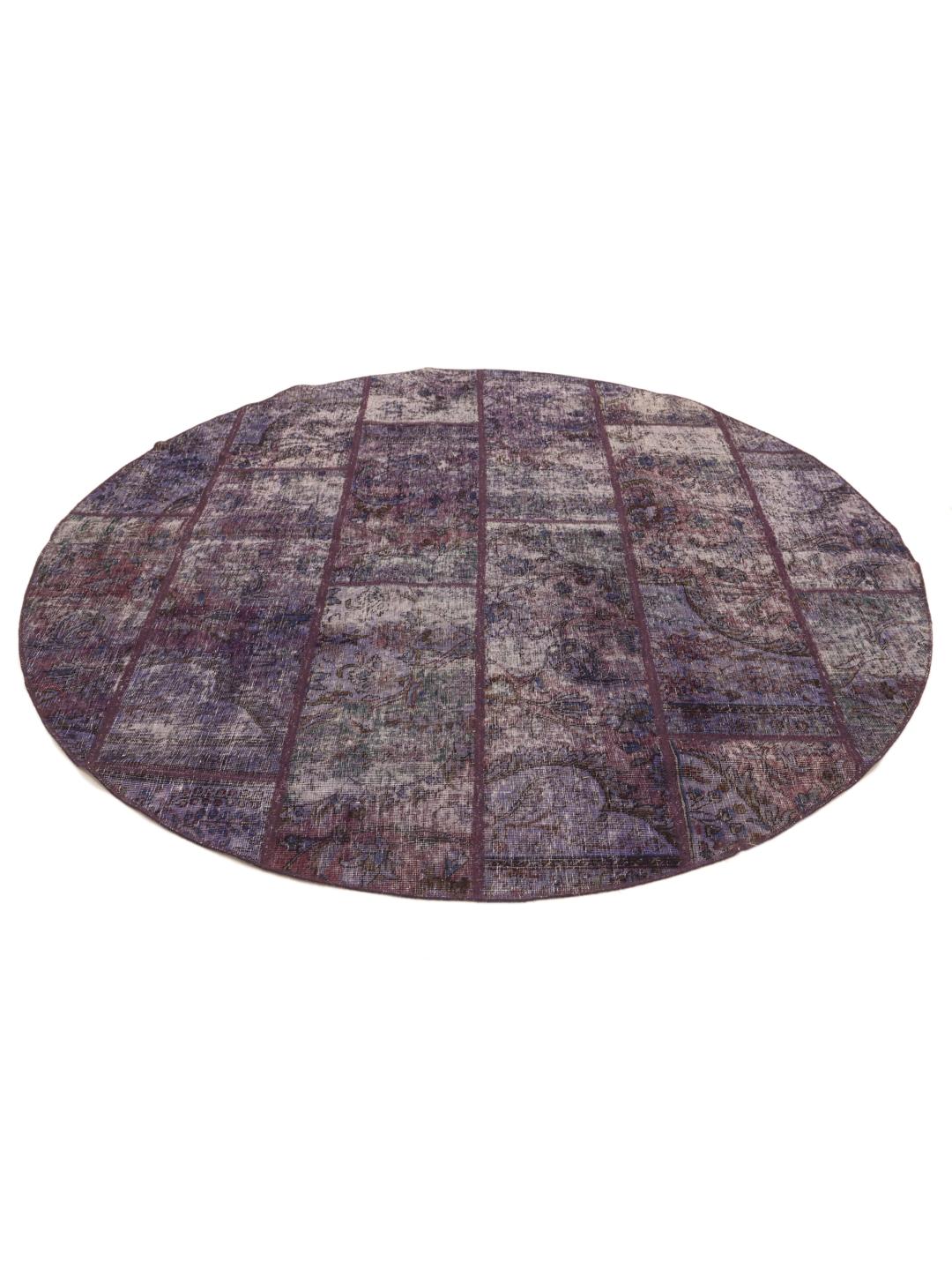
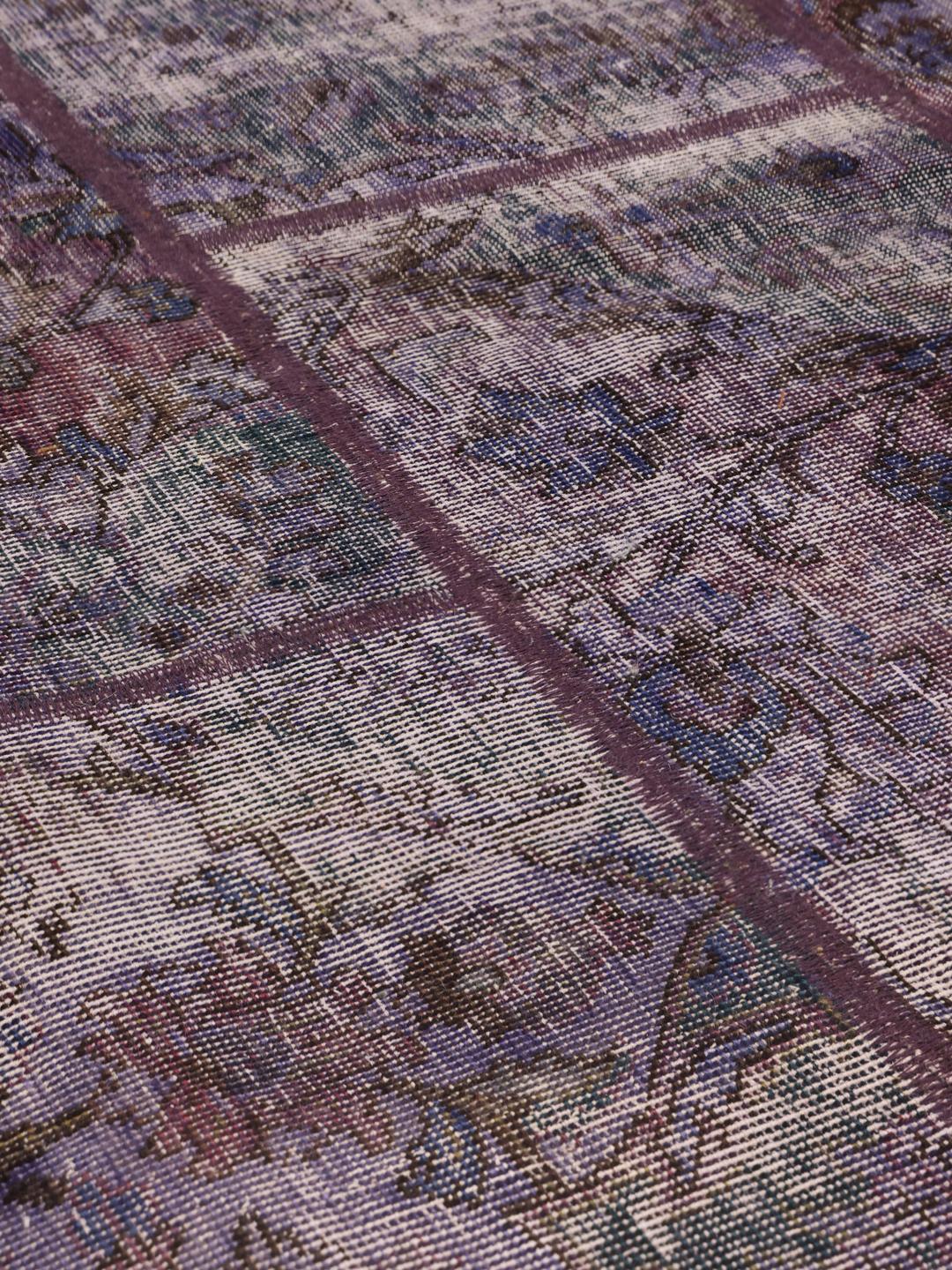
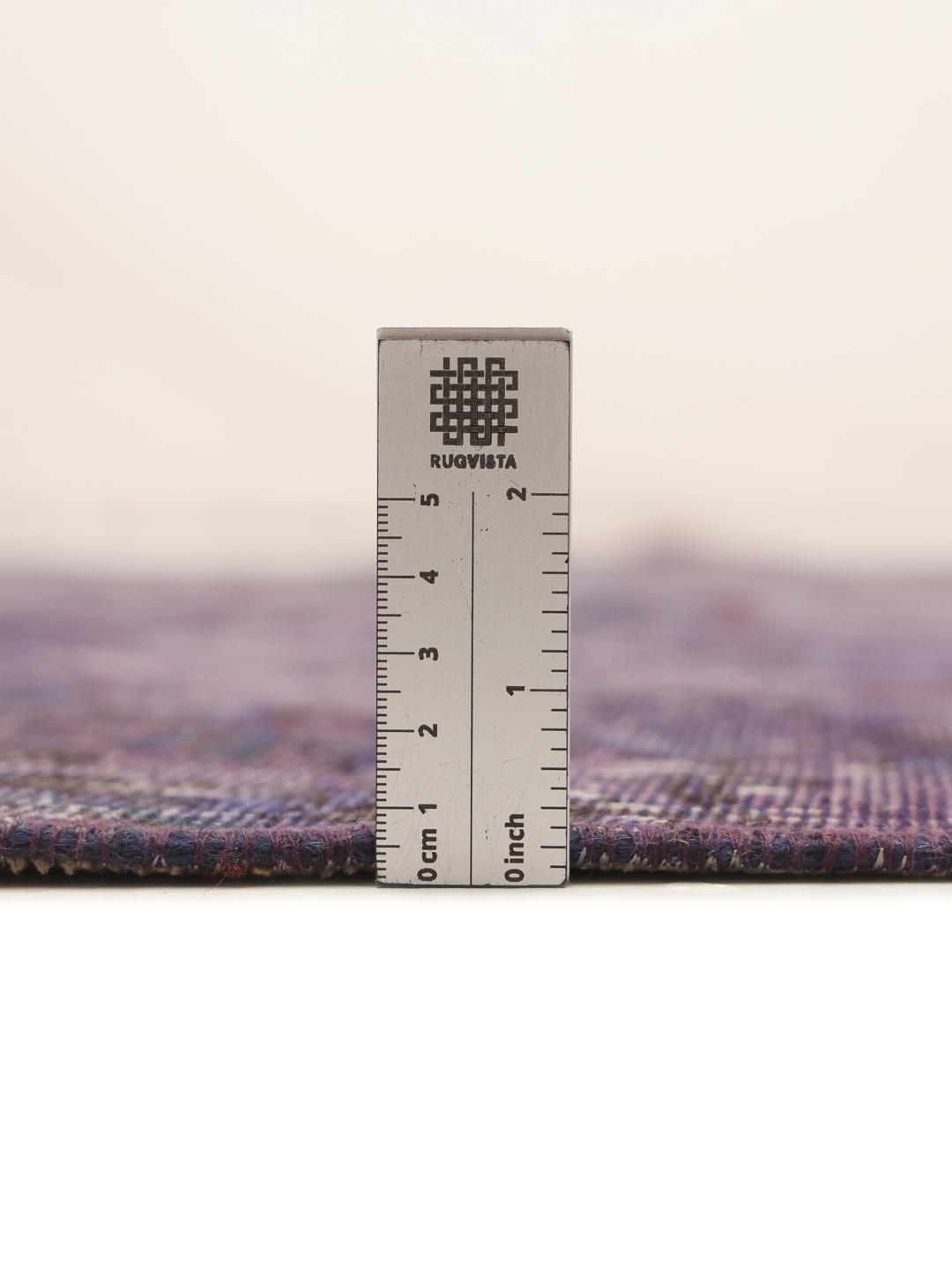
The modern Patchwork rug movement grew out of Anatolia in Turkey, where centuries-old weaving traditions meet contemporary visual design. Historical hand-knotted rugs, often sourced from traditional homes and villages across the region, are given a second life through this art form. Rather than letting aged or partially worn vintage textiles fade away, Turkish artisans reclaim the finest segments, washing and re-dying them before assembling them into fresh compositions.
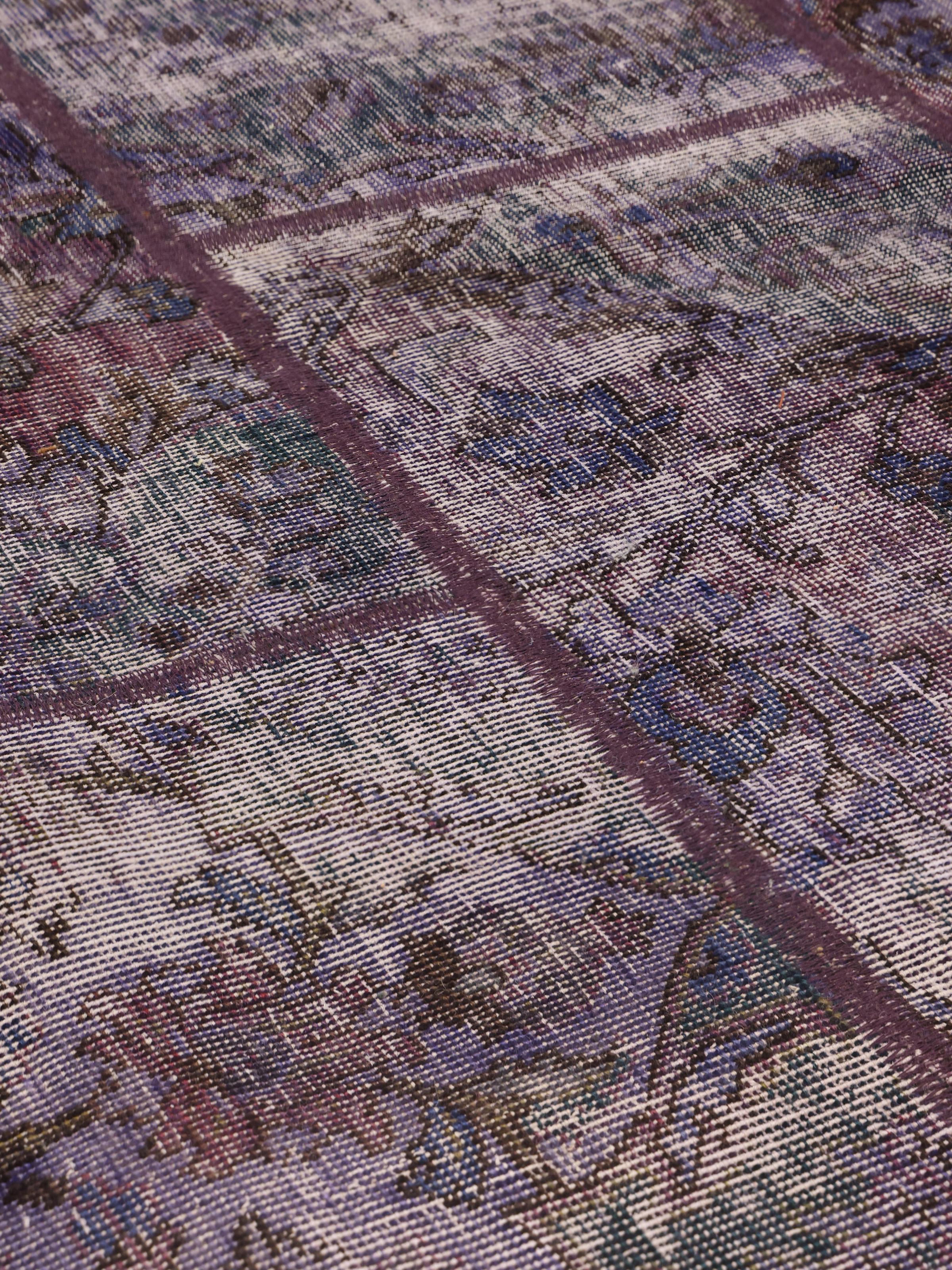
Hand knotted construction is the cornerstone of classical Turkish weaving. Traditional Turkish rugs use the symmetrical double knot, often called the Giordes knot, which secures the pile firmly around two warp threads. This technique results in exceptional durability, allowing the textile fragments to maintain their structural integrity even after decades of use and re-assembly into patchwork form.
Visually, Patchwork rugs celebrate contrast and memory. By stitching together fragments of traditional floral, medallion, and border patterns inside a geometric grid structure, the rug displays snippets of historical stories in one unified design. The distressed finish softens the original motifs, transforming bold historical patterns into subtle, modern textures.
Owning a vintage Turkish Patchwork rug means bringing a genuine artifact of textile history into the contemporary home. Collectors and design enthusiasts value these pieces for their combination of authentic heritage and modern artistic expression, making each rug an enduring investment in craftsmanship.