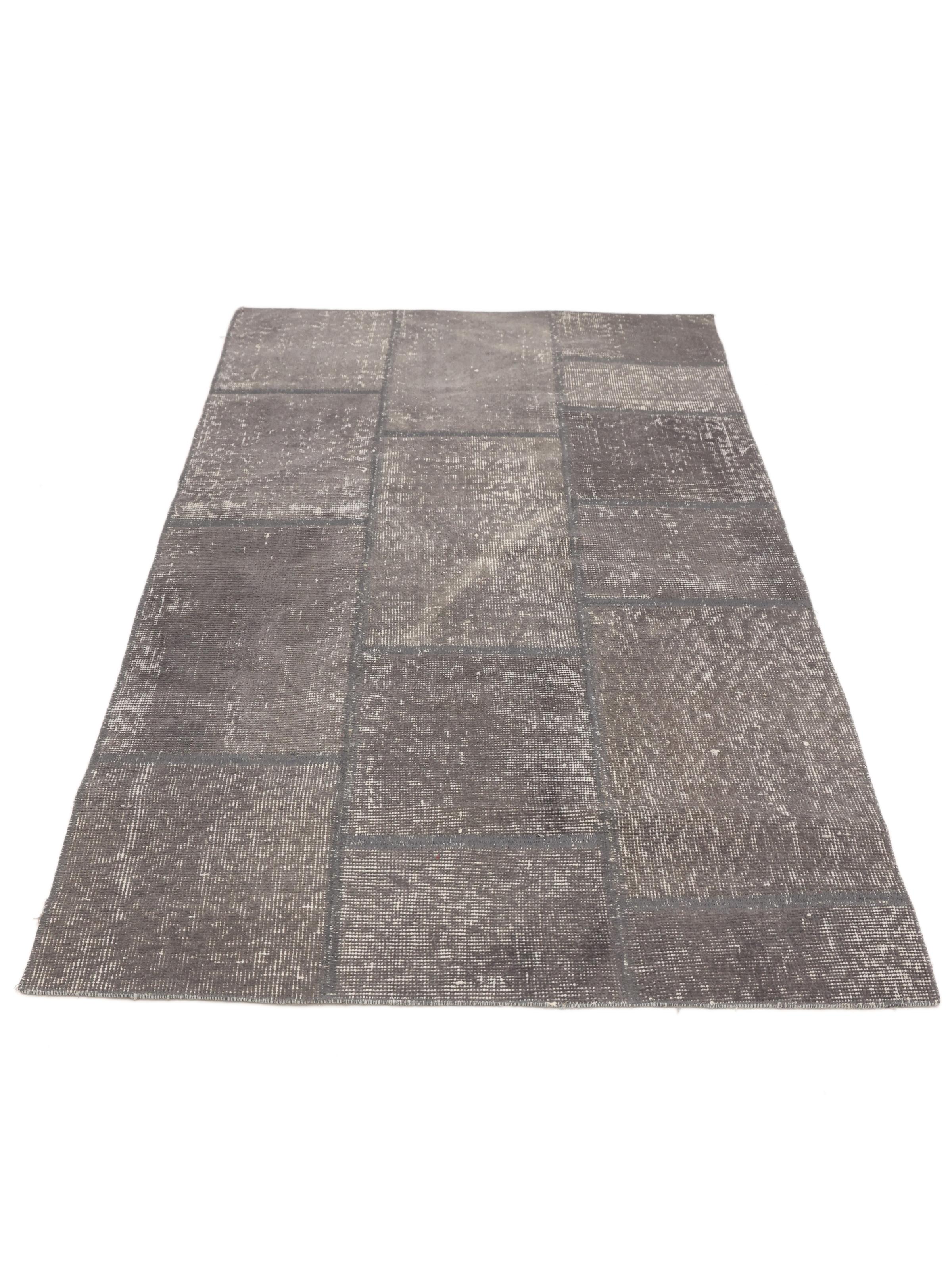
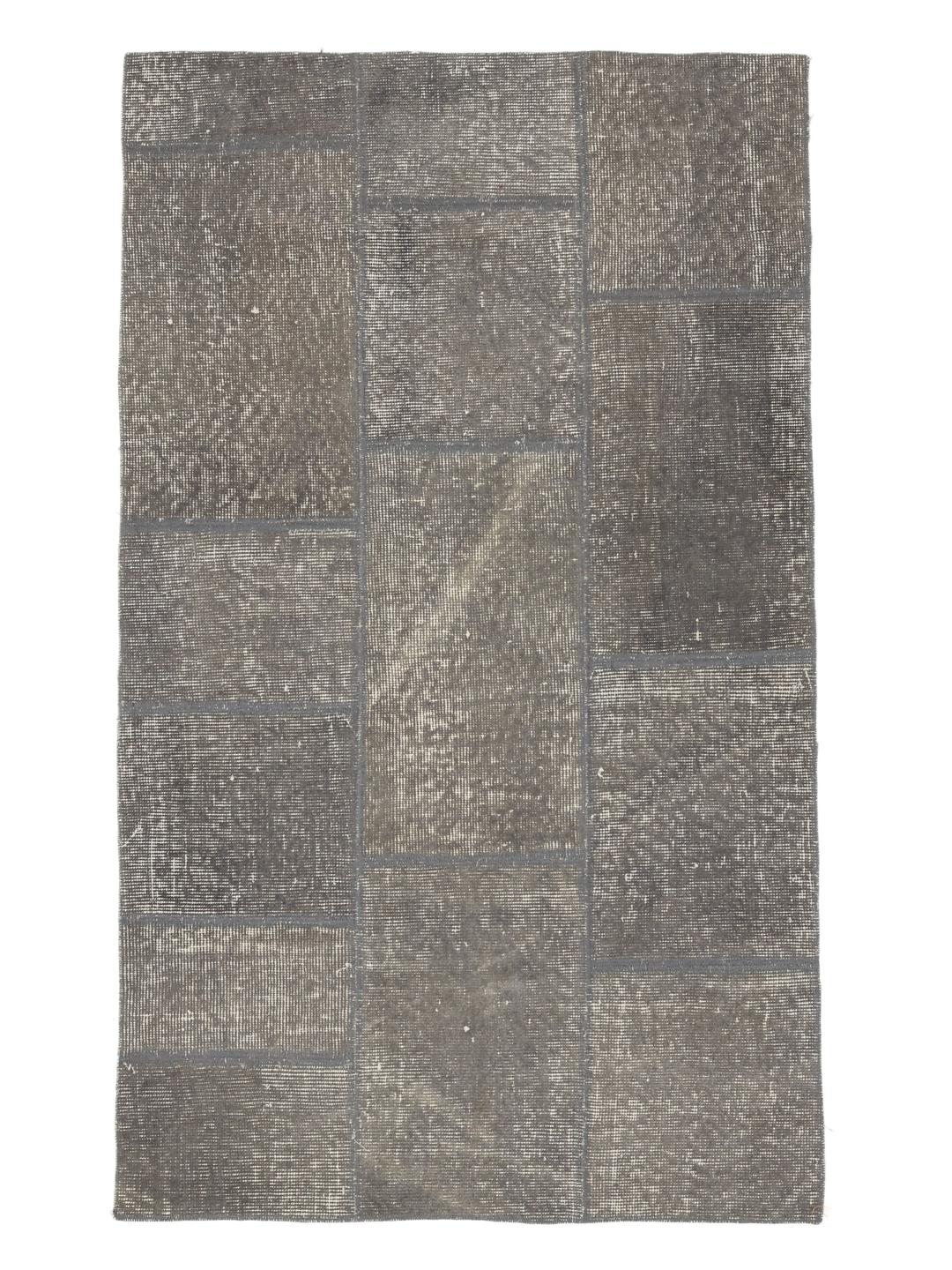
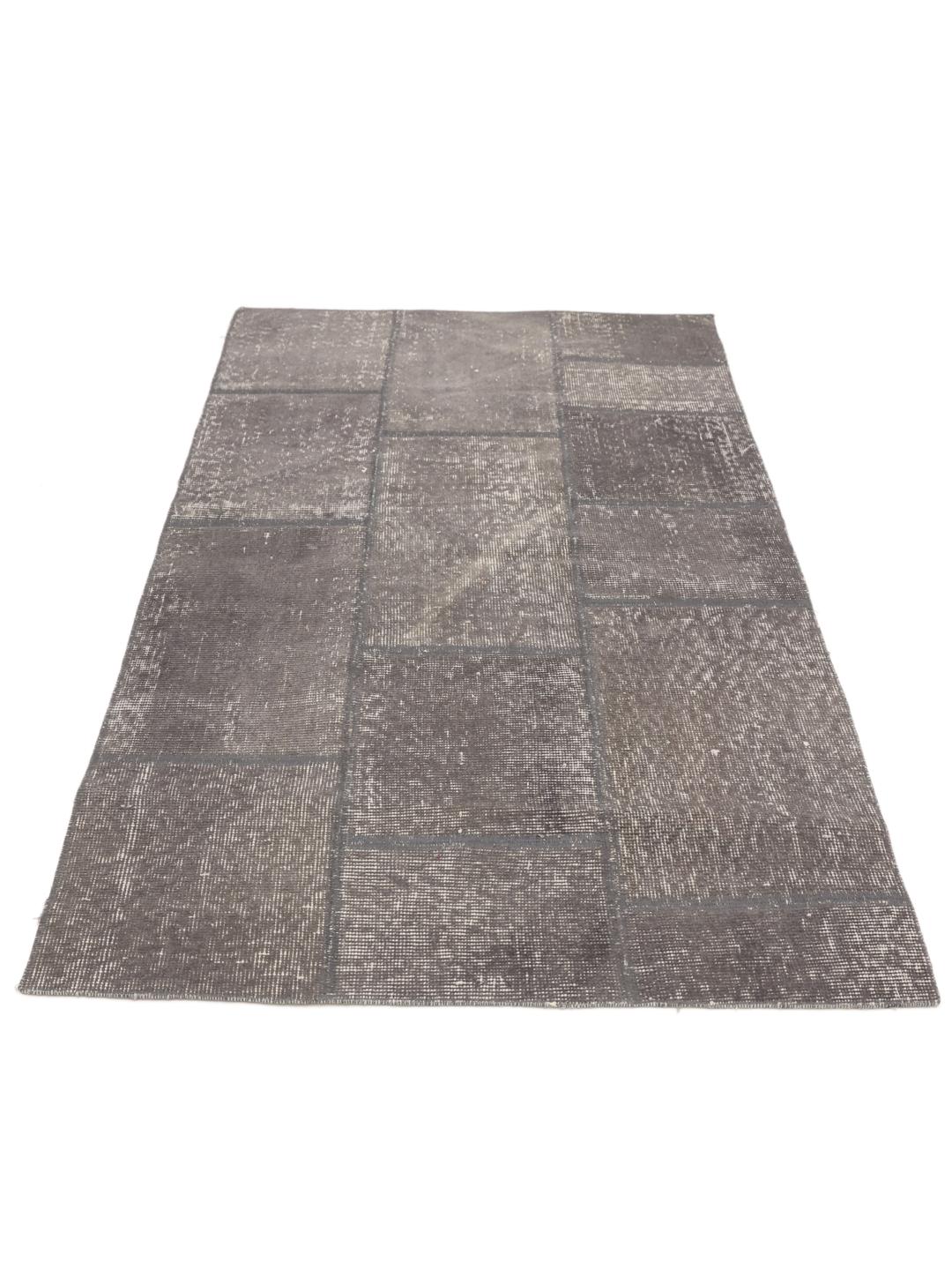
The art of creating patchwork rugs is a creative evolution of Middle Eastern textile traditions, where the practice of preserving and repurposing beautiful, aged fabrics has deep cultural roots. Historically, families would carefully maintain their hand-woven textiles, and when a piece became worn, it was often repurposed into smaller, functional items or integrated into new, larger compositions to ensure that the skill and effort of the original weavers were never wasted.
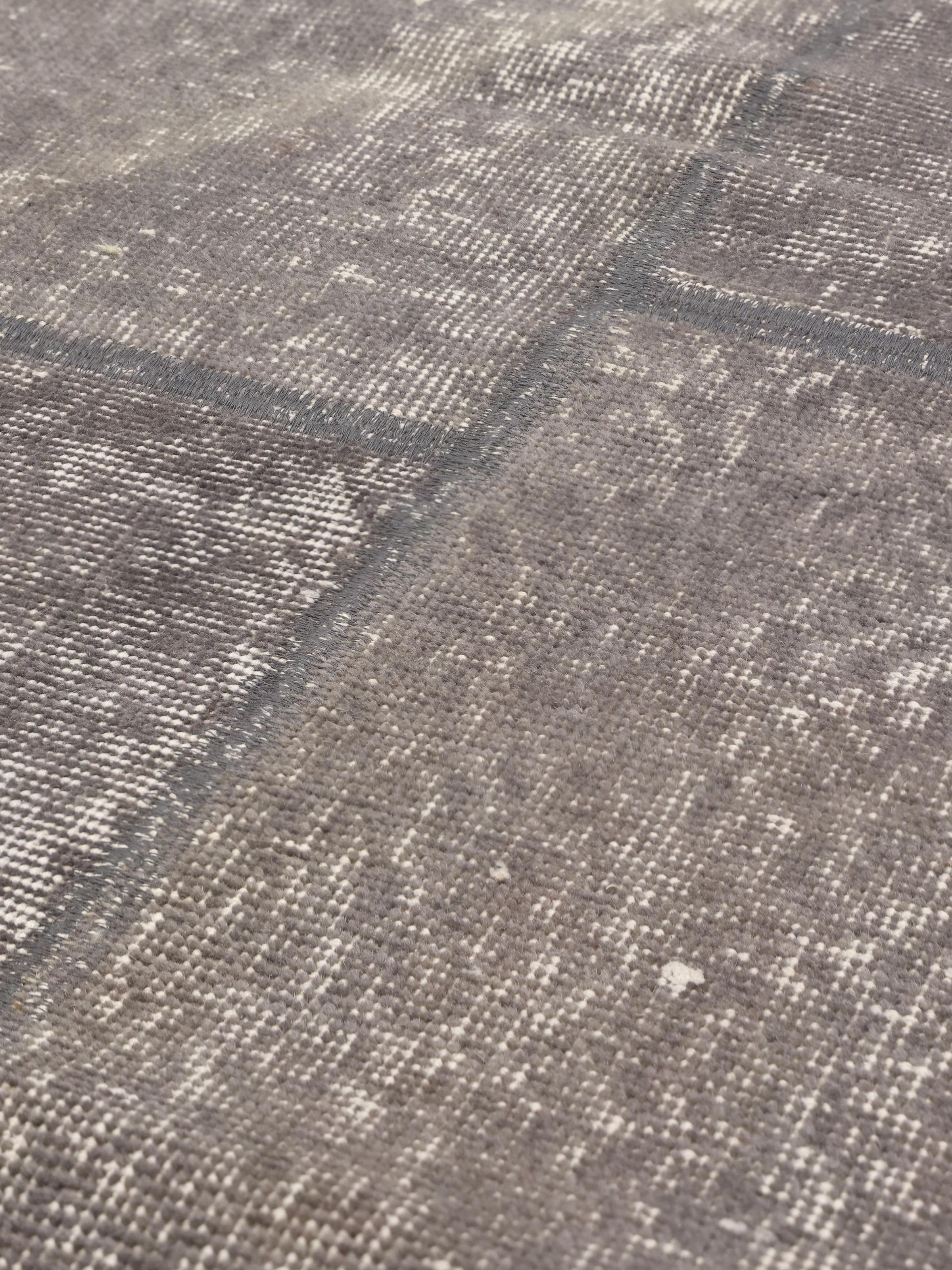
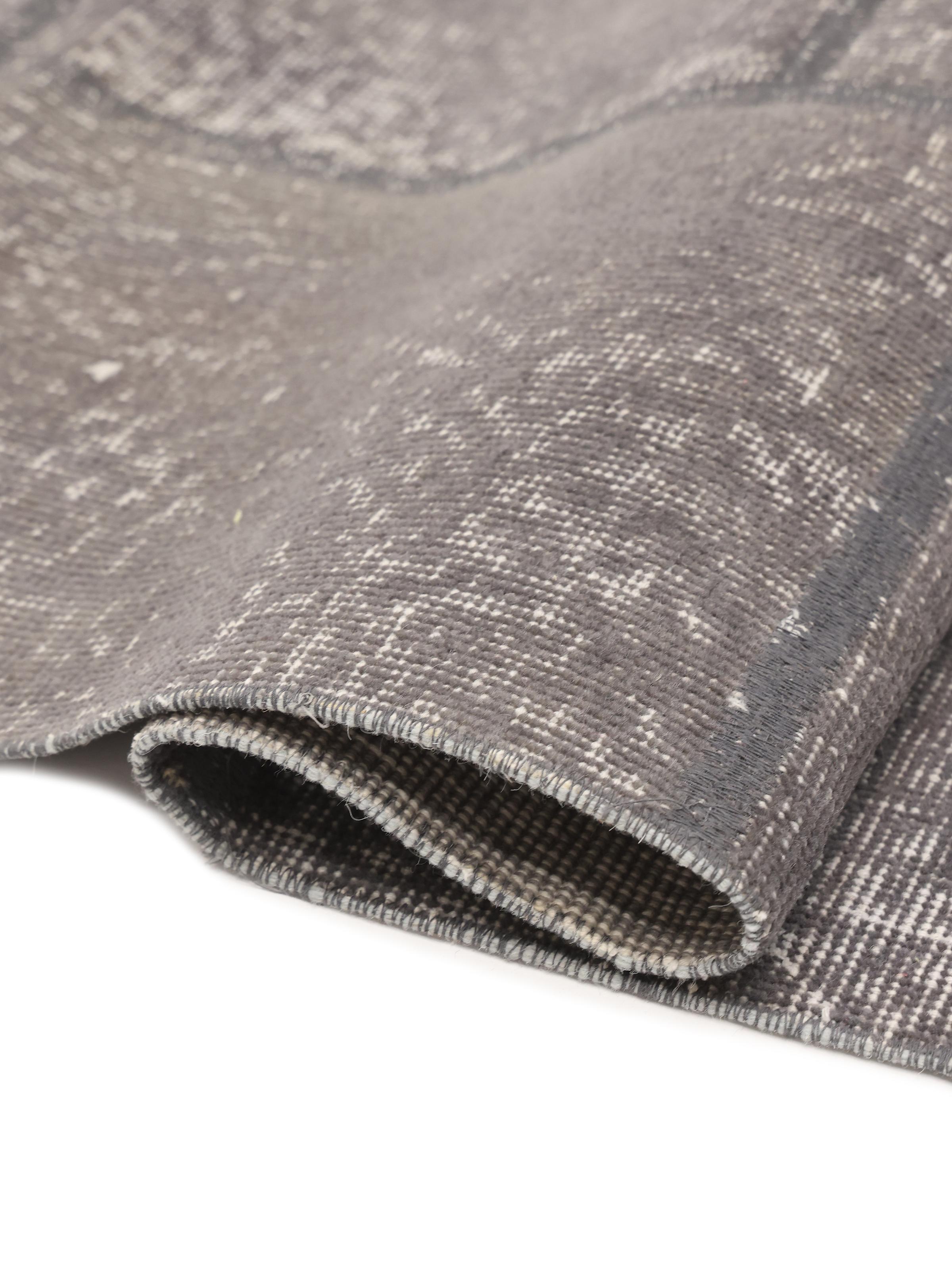
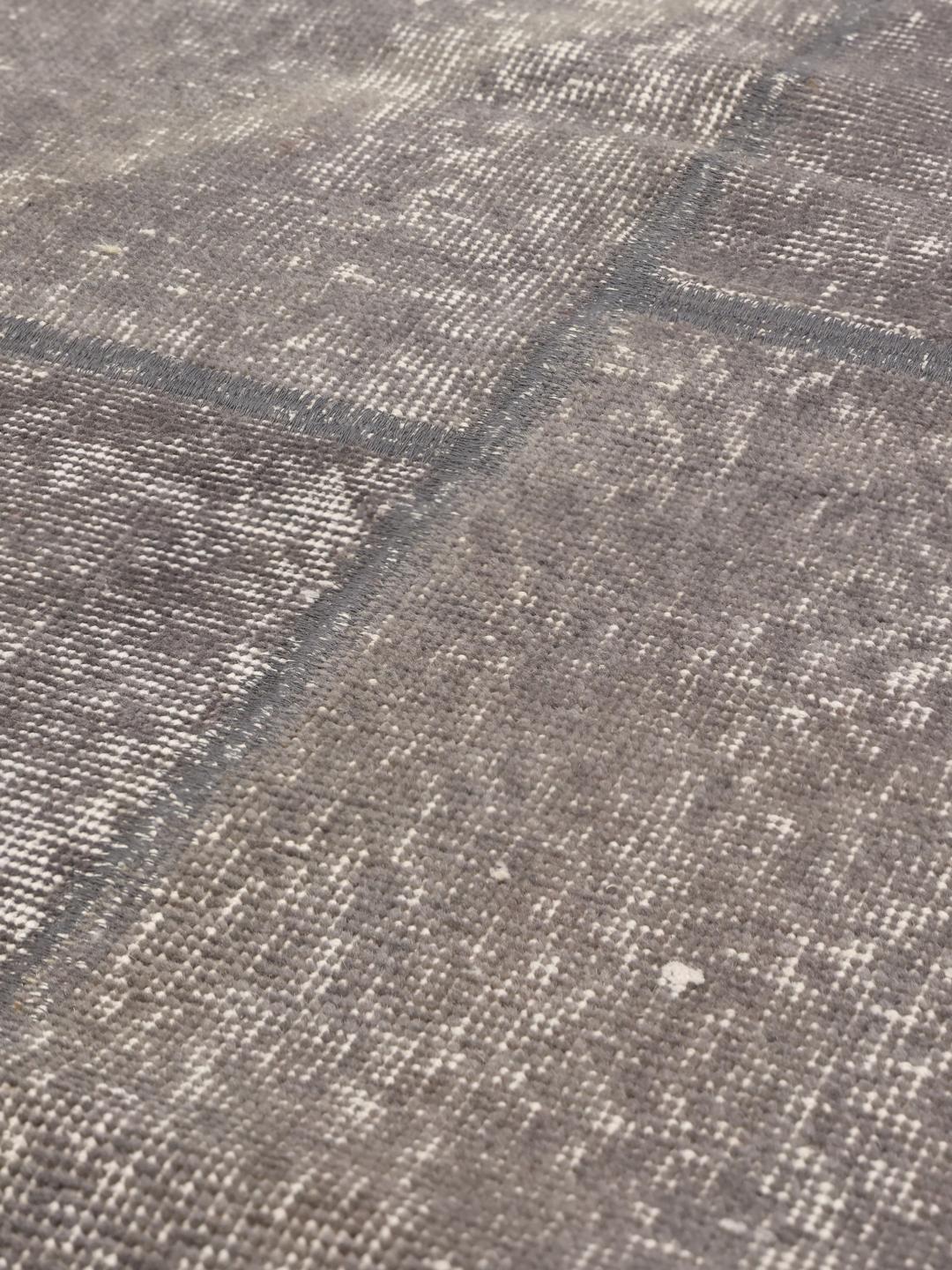
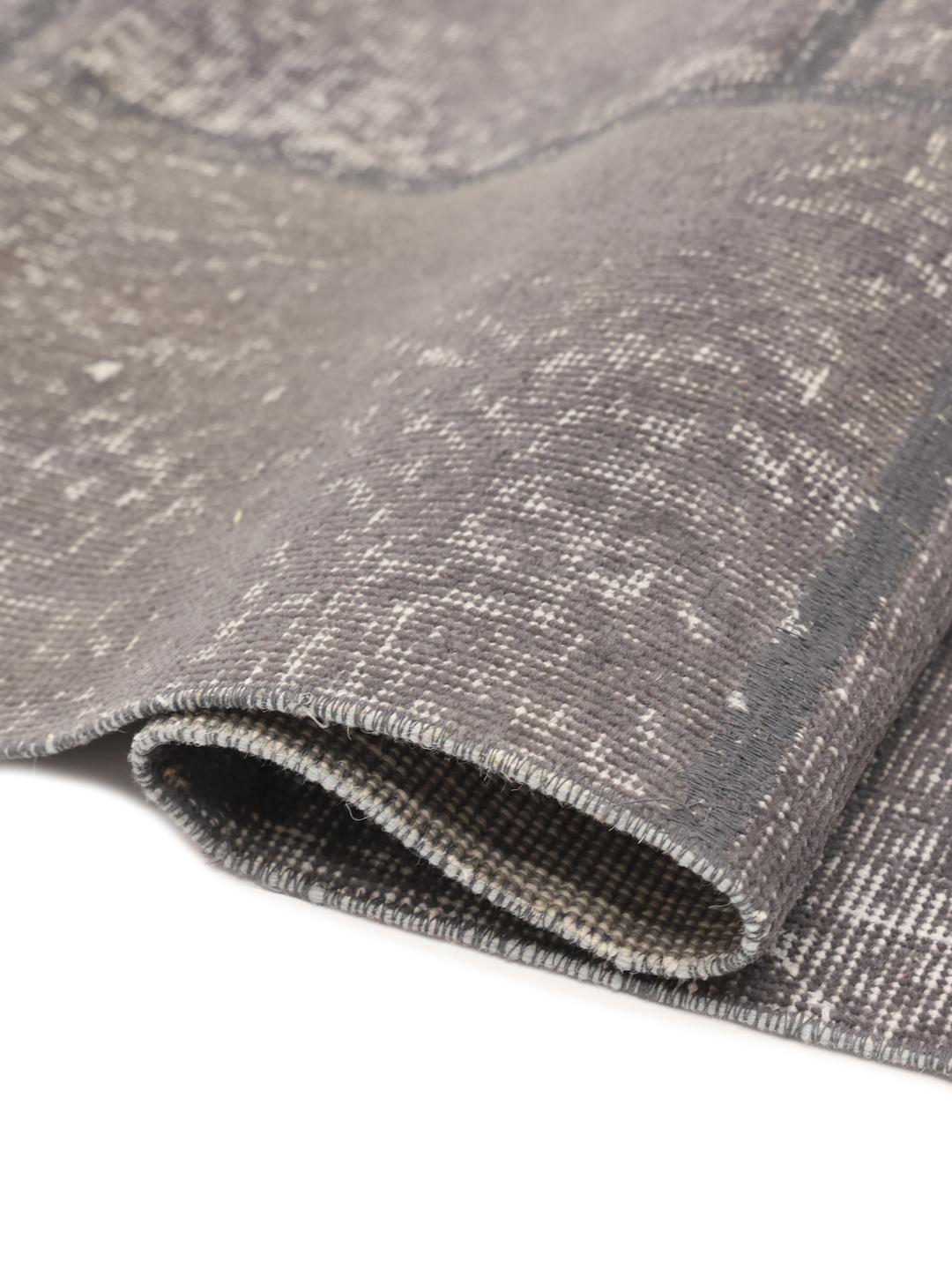
This specific style of patchwork represents a bridge between heritage and modern interior design. By taking fragments of traditional, hand-knotted foundations, the process highlights the inherent quality of the original materials. The term hand-knotted refers to the laborious method of securing individual tufts of fibre to a foundation, a technique that produces a dense, resilient pile that remains a benchmark for quality in the world of fine rugs.
Visually, these rugs are defined by their structural rhythm. By arranging disparate segments into a balanced grid or free-form pattern, the maker creates a contemporary look that still honours the complex weaving traditions of the Middle East. The varying shades and subtle variations in the pile across the different patches create a dynamic, multi-tonal surface that changes slightly depending on the light in your room.
Collecting a patchwork rug is an investment in both history and sustainability. These pieces are highly valued because they breathe new life into older, expertly crafted textiles, allowing them to remain a functional part of a modern home. Owning one means participating in a cycle of craft that values longevity, skill, and the preservation of textile artistry, ensuring that these traditions continue to thrive in new and meaningful ways.