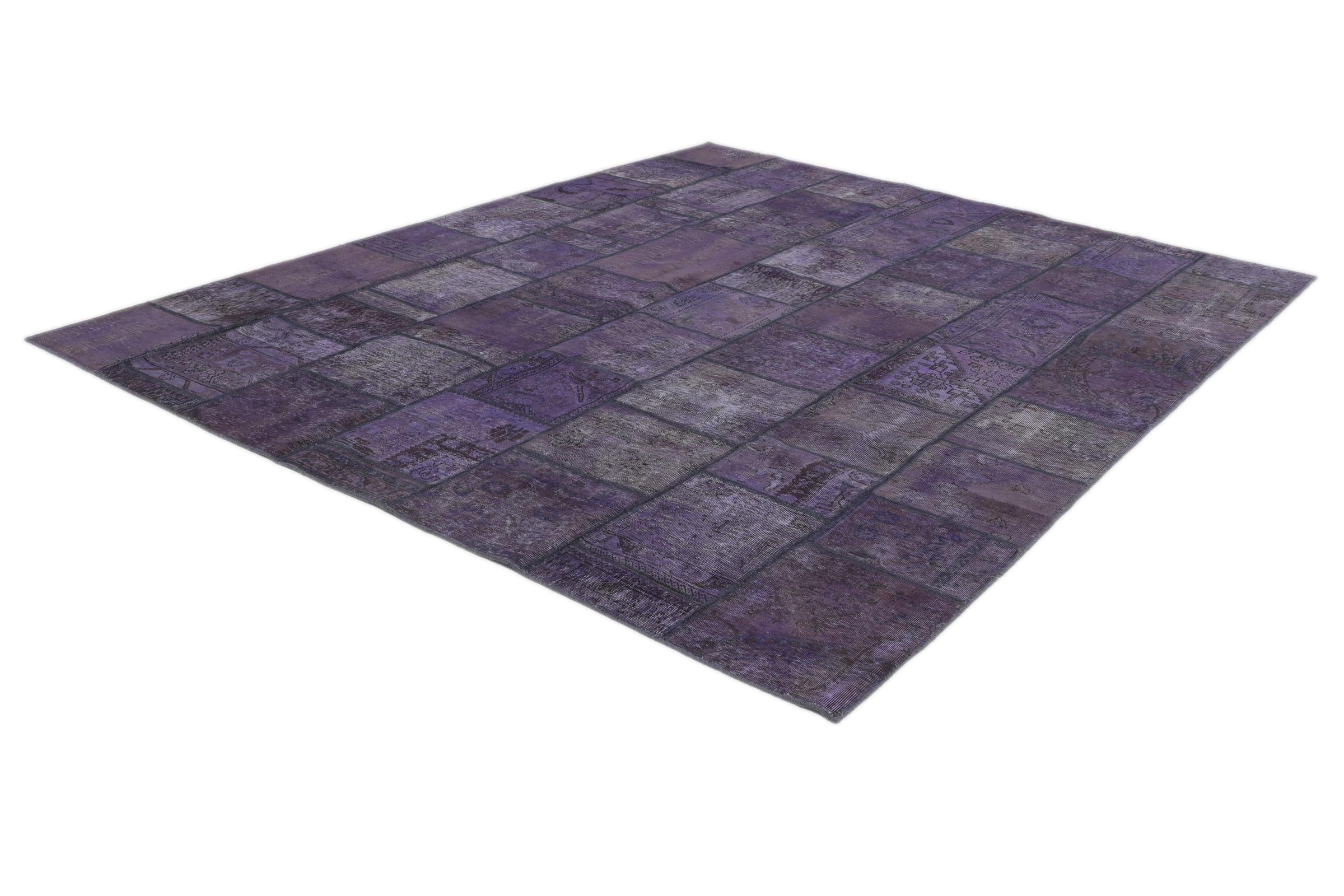
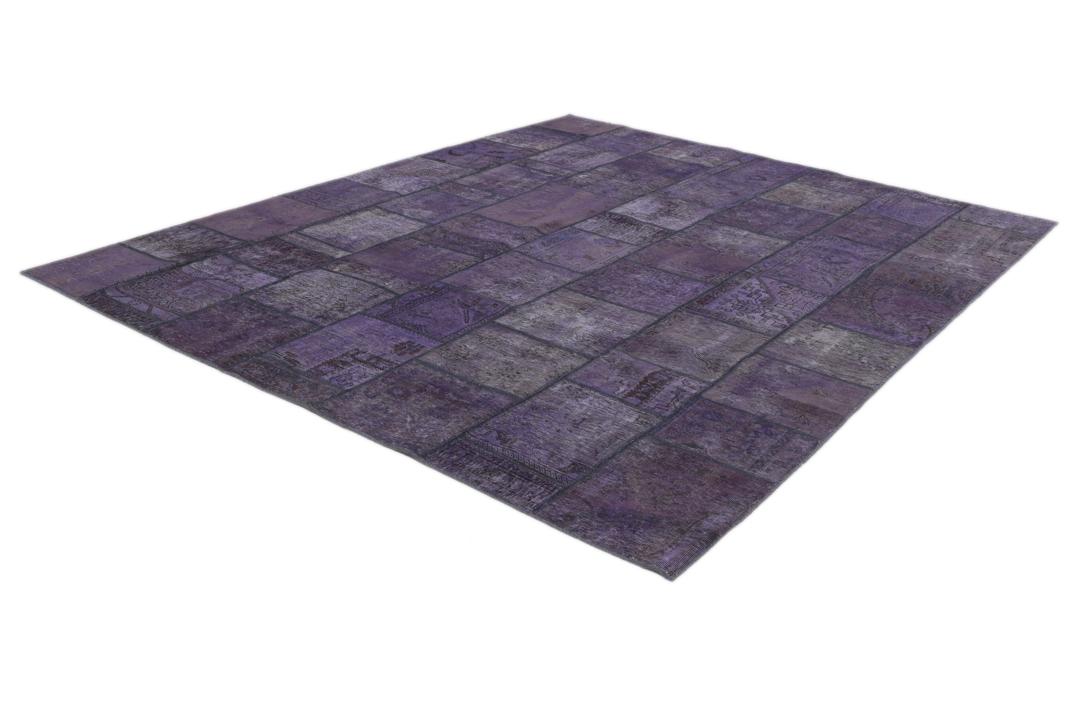
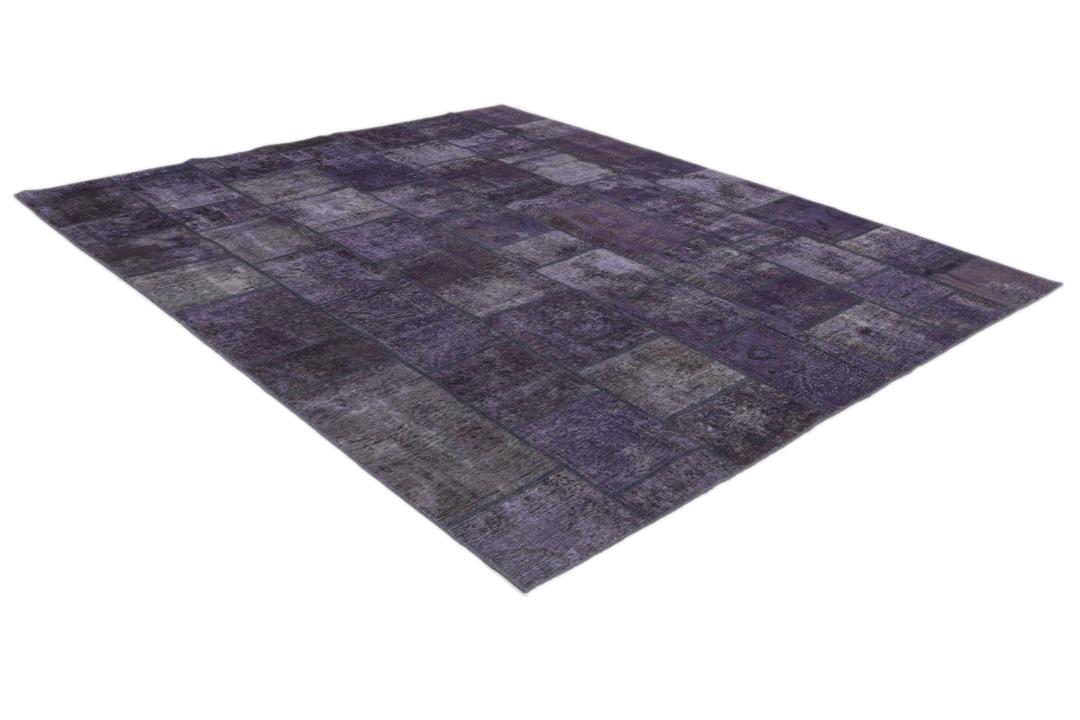
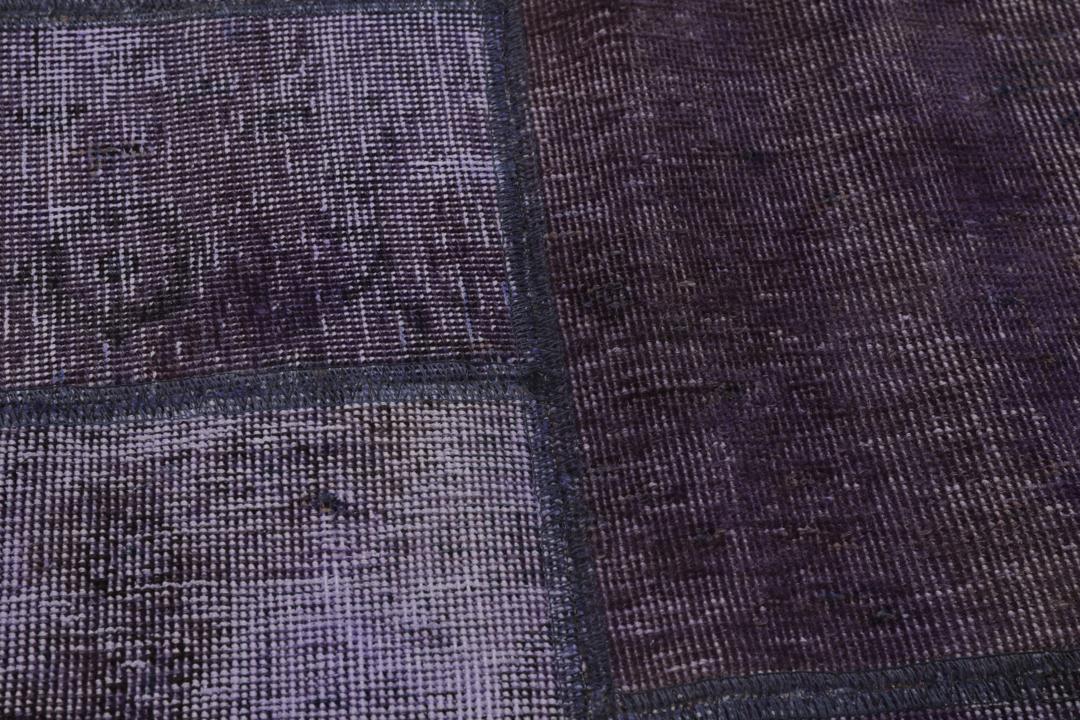
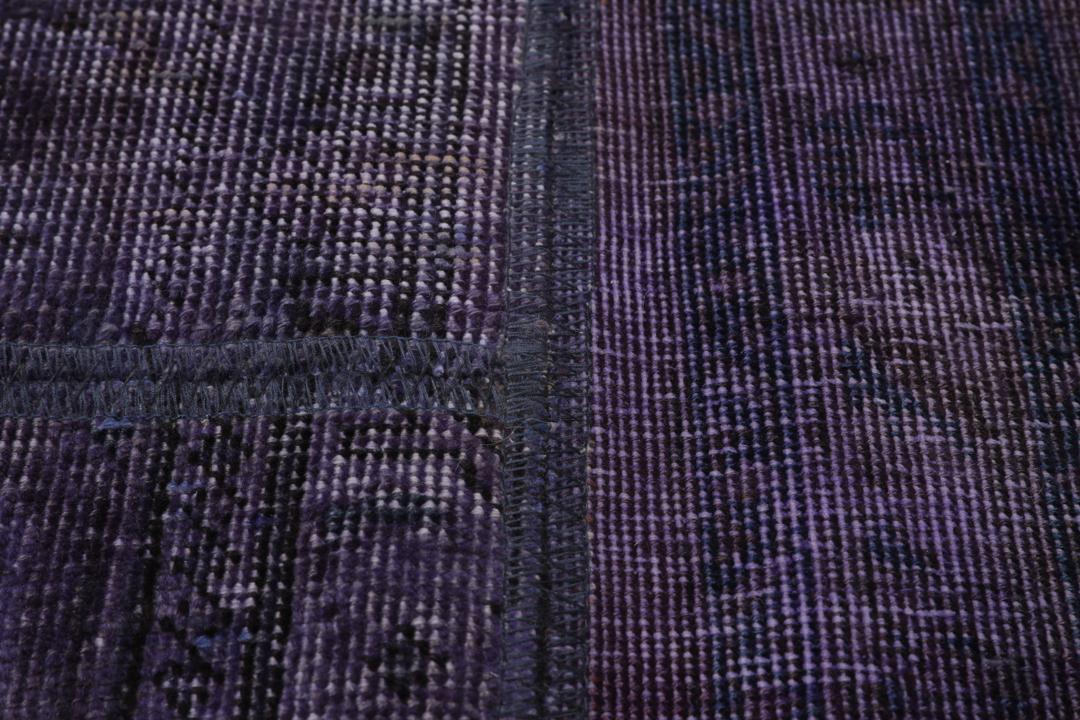
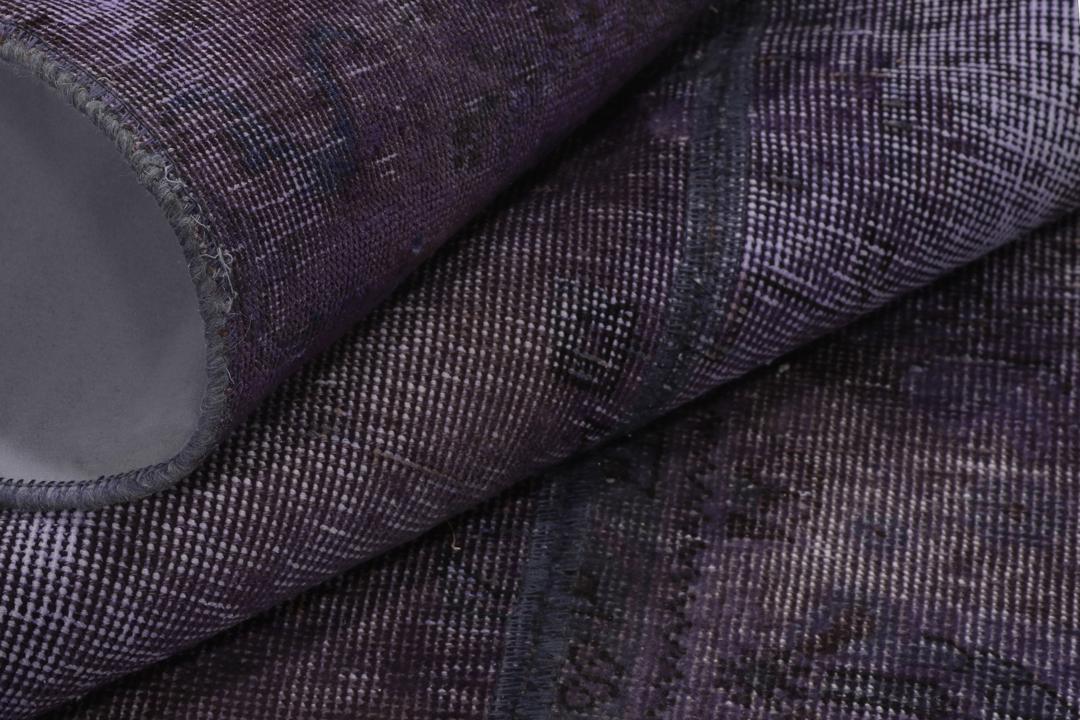
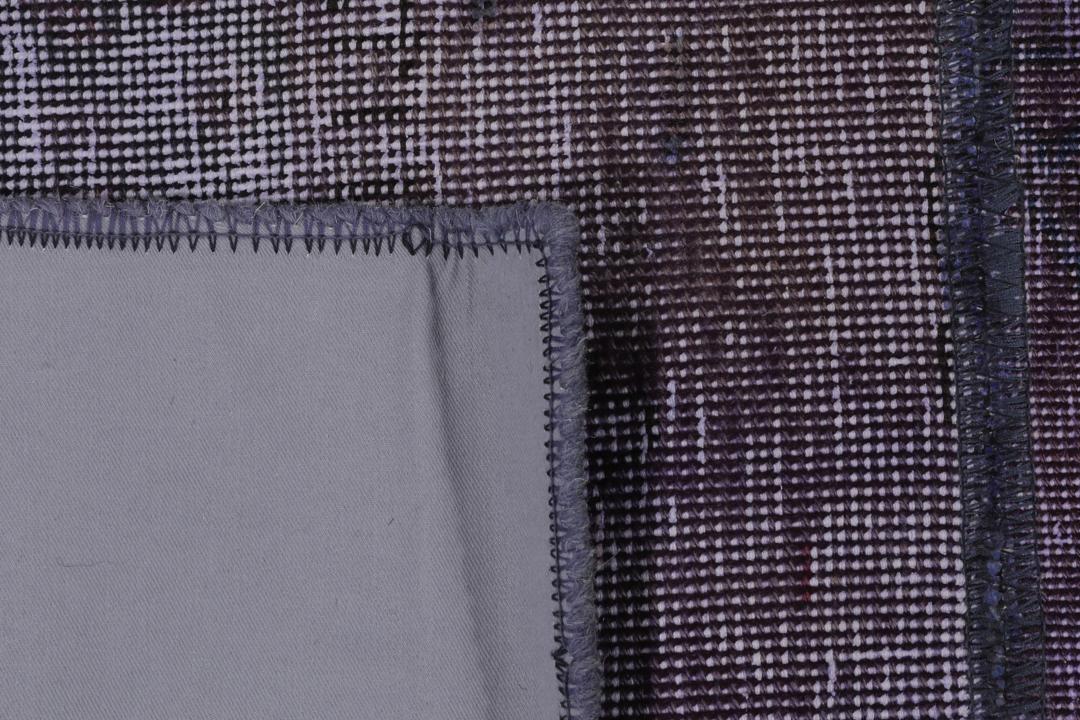
The tradition of patchwork rugs from the Middle East represents a fascinating evolution in textile art. Historically, this practice emerged as a way to honour the skill of original weavers by repurposing fragments from older, well-loved hand-knotted rugs. This approach breathes new life into textiles that might otherwise be lost, transforming them into modern design statements.
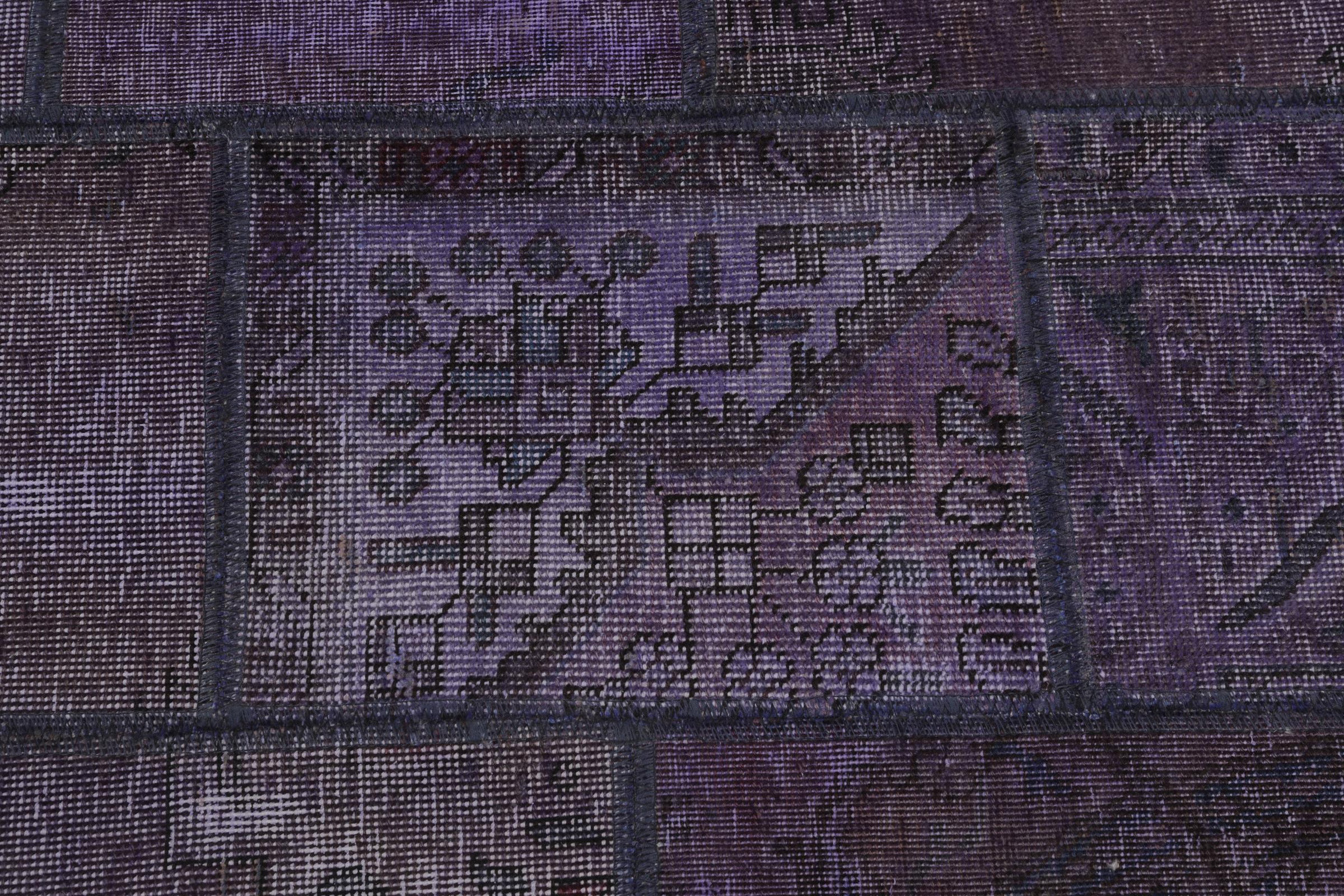
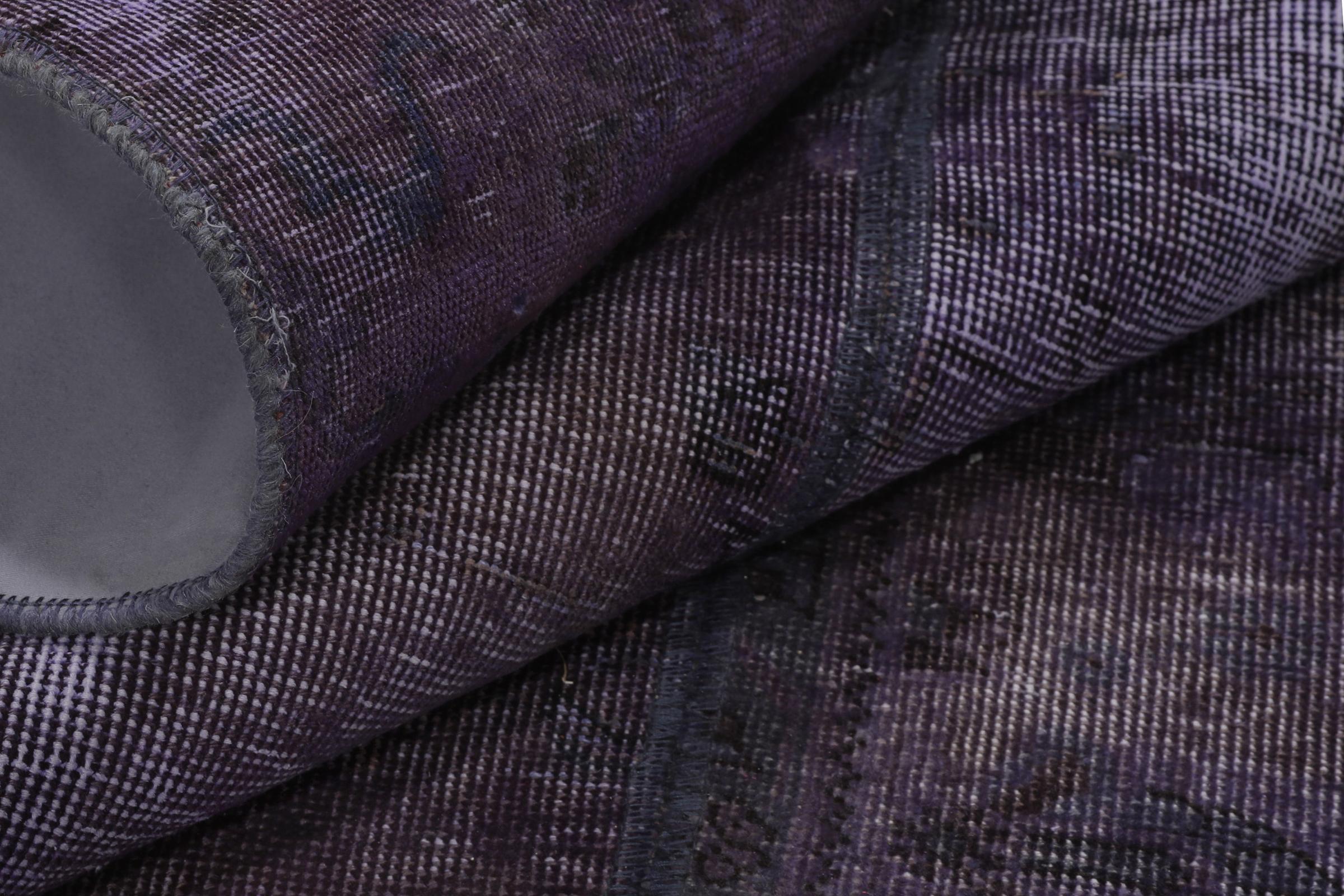
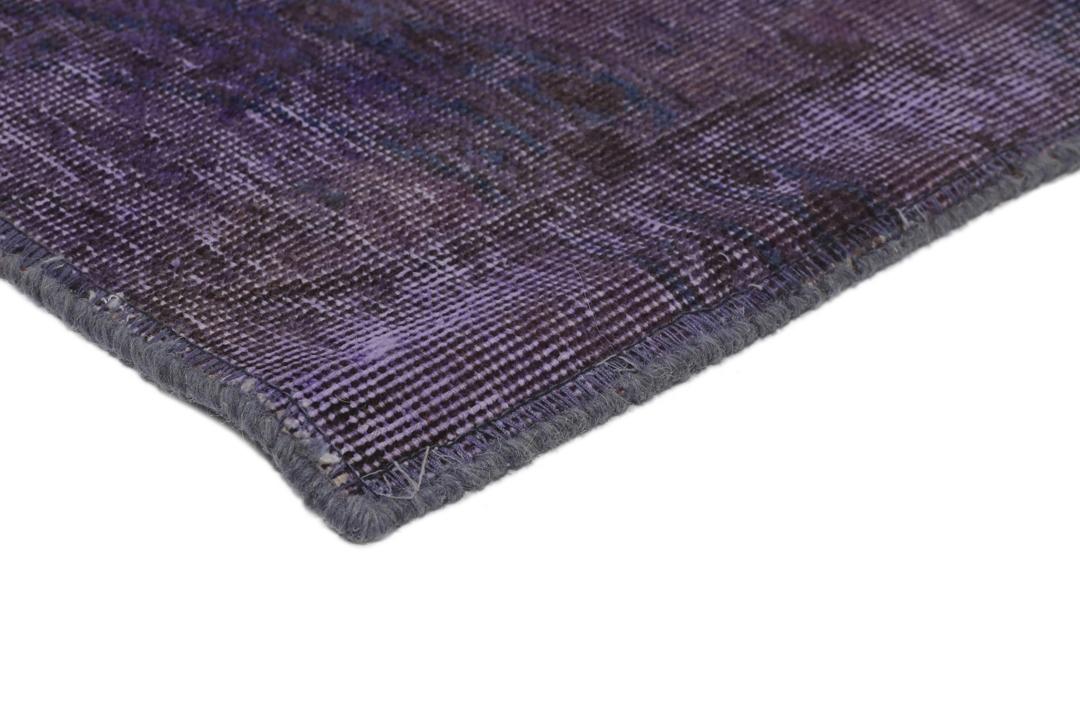
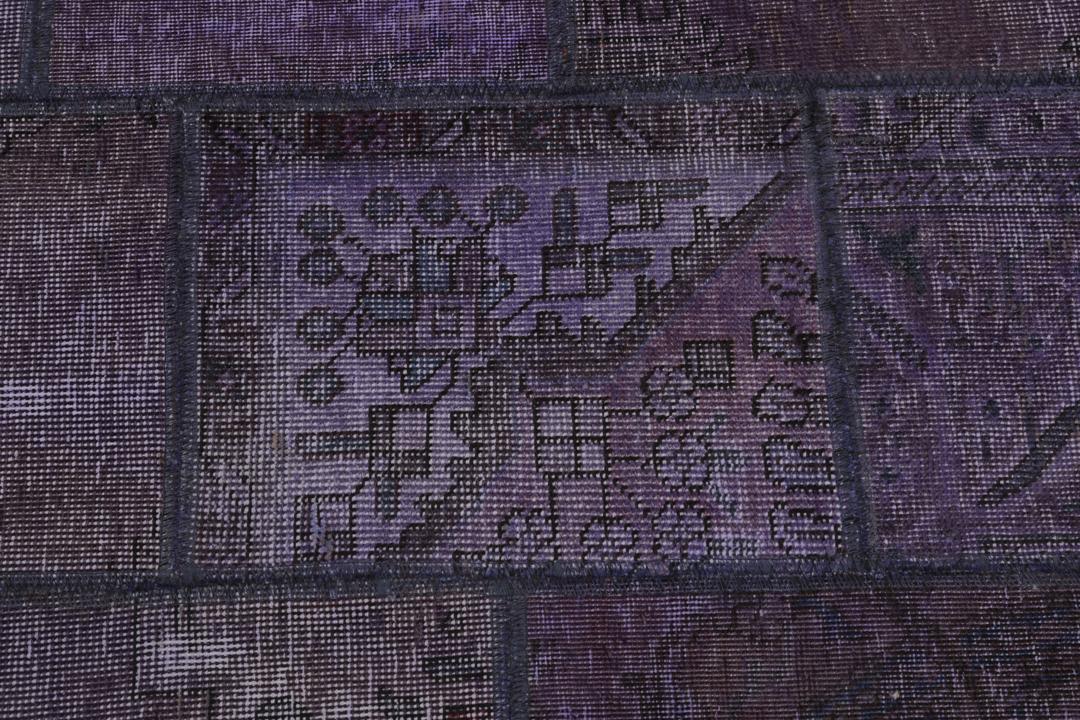
The term patchwork refers to the careful reconstruction of these salvaged, hand-knotted sections. Each fragment is meticulously chosen for its colour, texture, and structural integrity, then joined to create a new, harmonious composition. This technique requires an expert eye for colour blending and pattern alignment to ensure the finished piece feels intentional and cohesive.
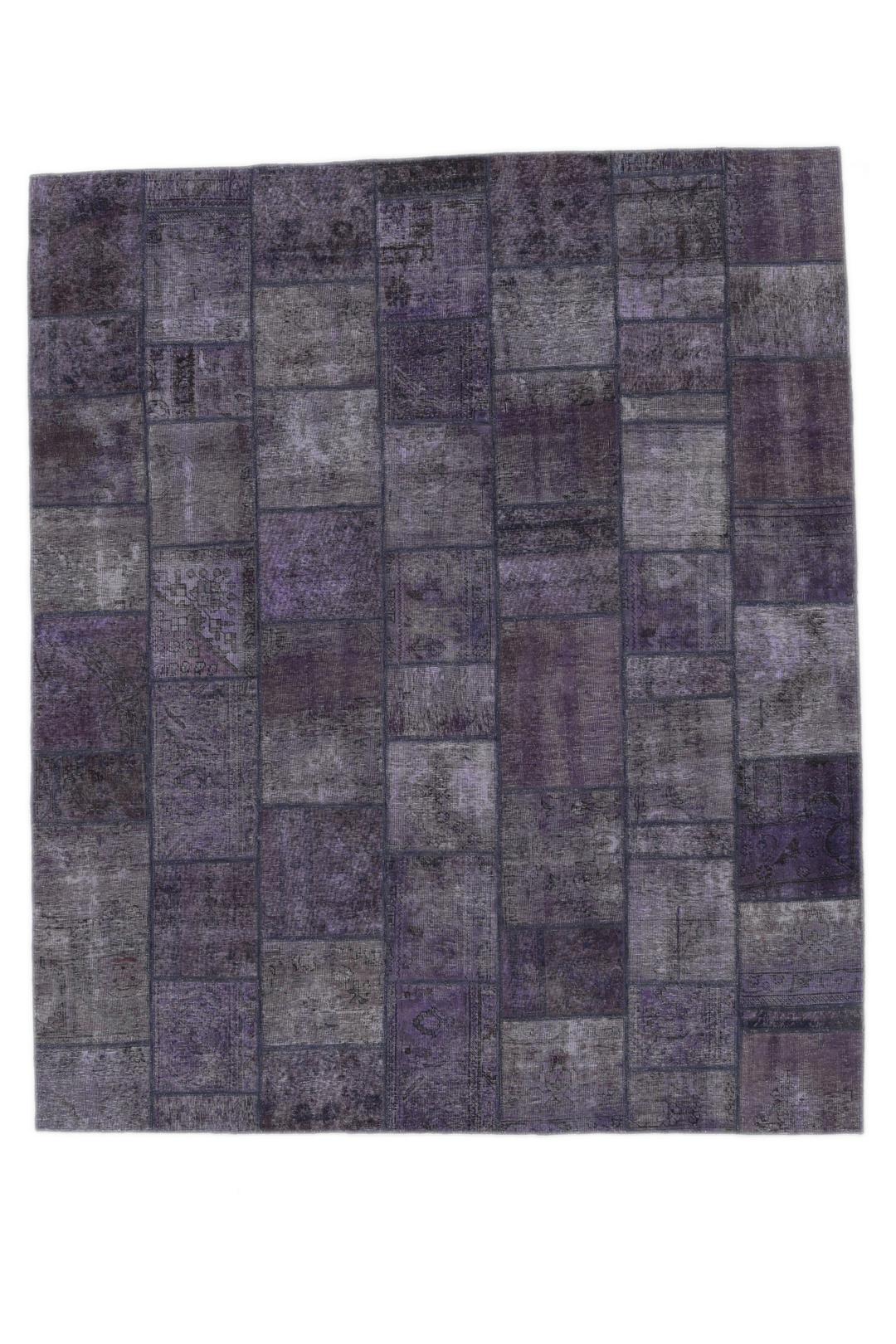
Visually, these rugs are characterised by their varied, often abstract surfaces. While traditional rugs rely on central medallions or repeating borders, the patchwork aesthetic celebrates the beauty of the grid and the interplay of different dye lots. This specific piece, with its deep, consistent violet palette, offers a contemporary interpretation of this historical craft.
Owning a patchwork rug is a way of participating in a long lineage of textile preservation. It serves as a bridge between the historical artistry of hand-knotted weaving and modern interior design. By collecting such a piece, you are acquiring a work that carries the weight of cultural history while providing a distinct, modern look for your home.