Patchwork rugs represent a fascinating evolution in the history of Middle Eastern textile arts. While traditional weaving has long been a cornerstone of regional culture, the patchwork tradition emerged as a creative way to preserve the beauty of older, worn-out rugs. By salvaging the intact portions of these pieces, artisans have developed a modern medium that respects the history of the original weave while allowing for contemporary artistic expression.
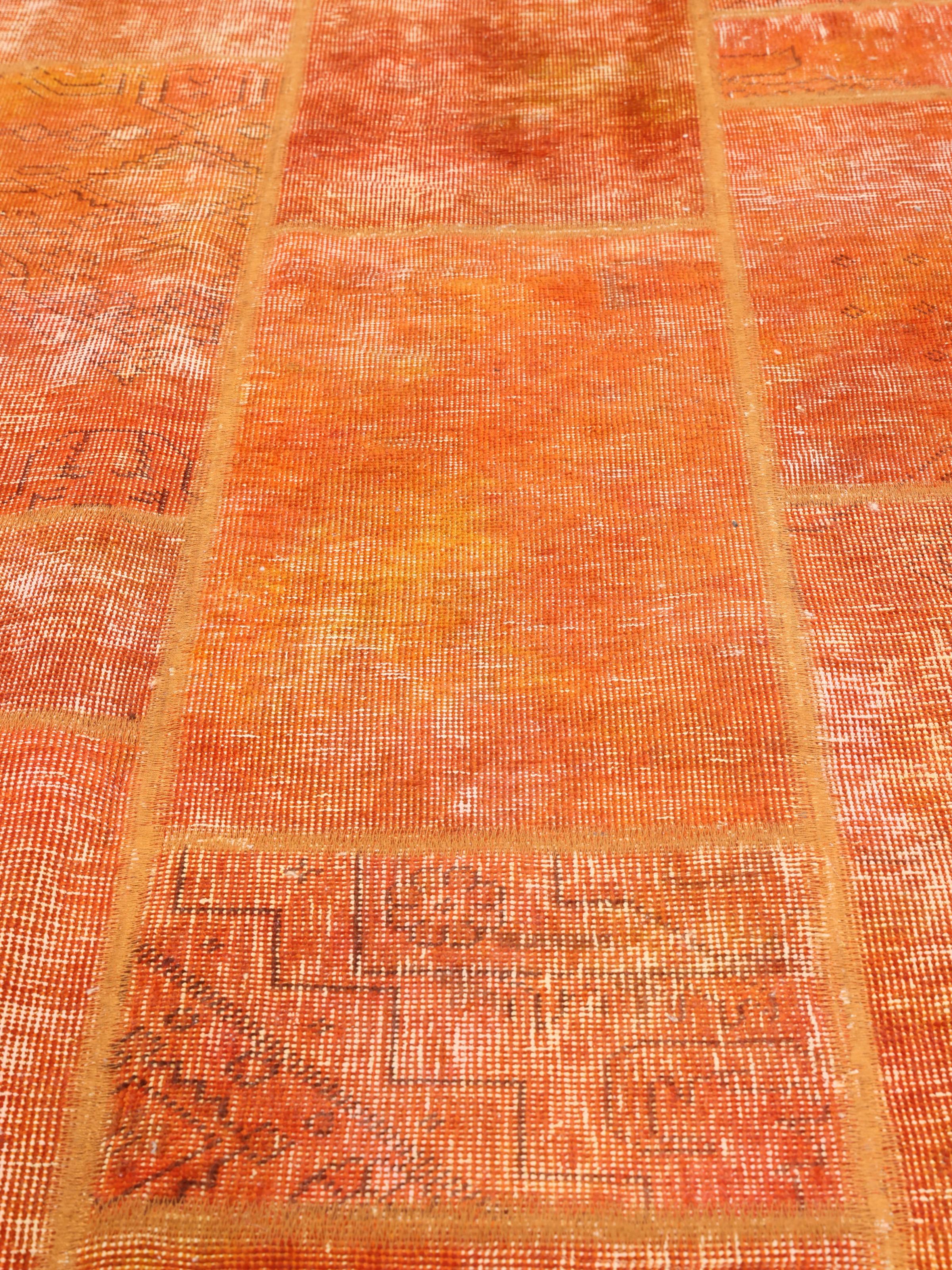
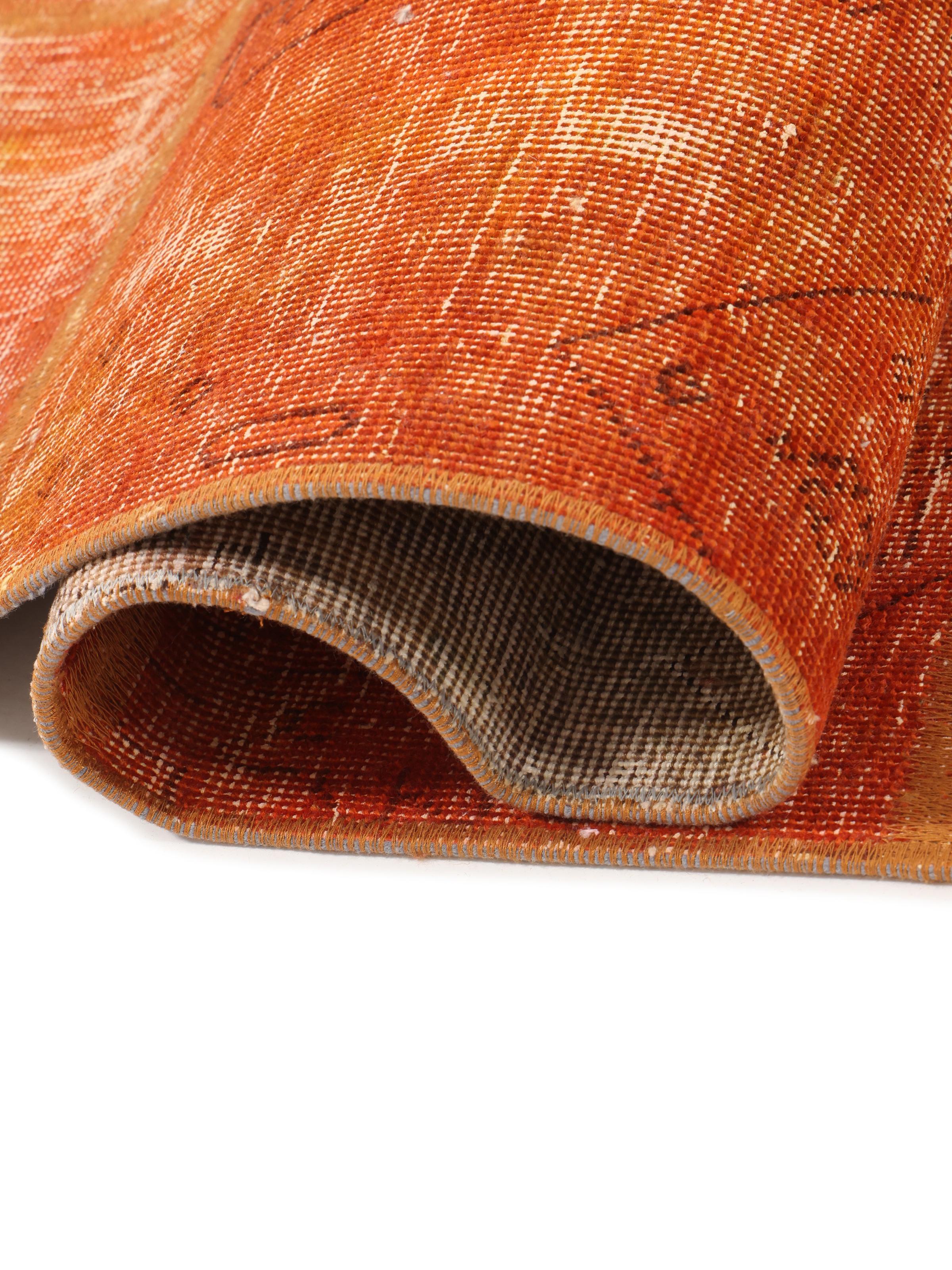
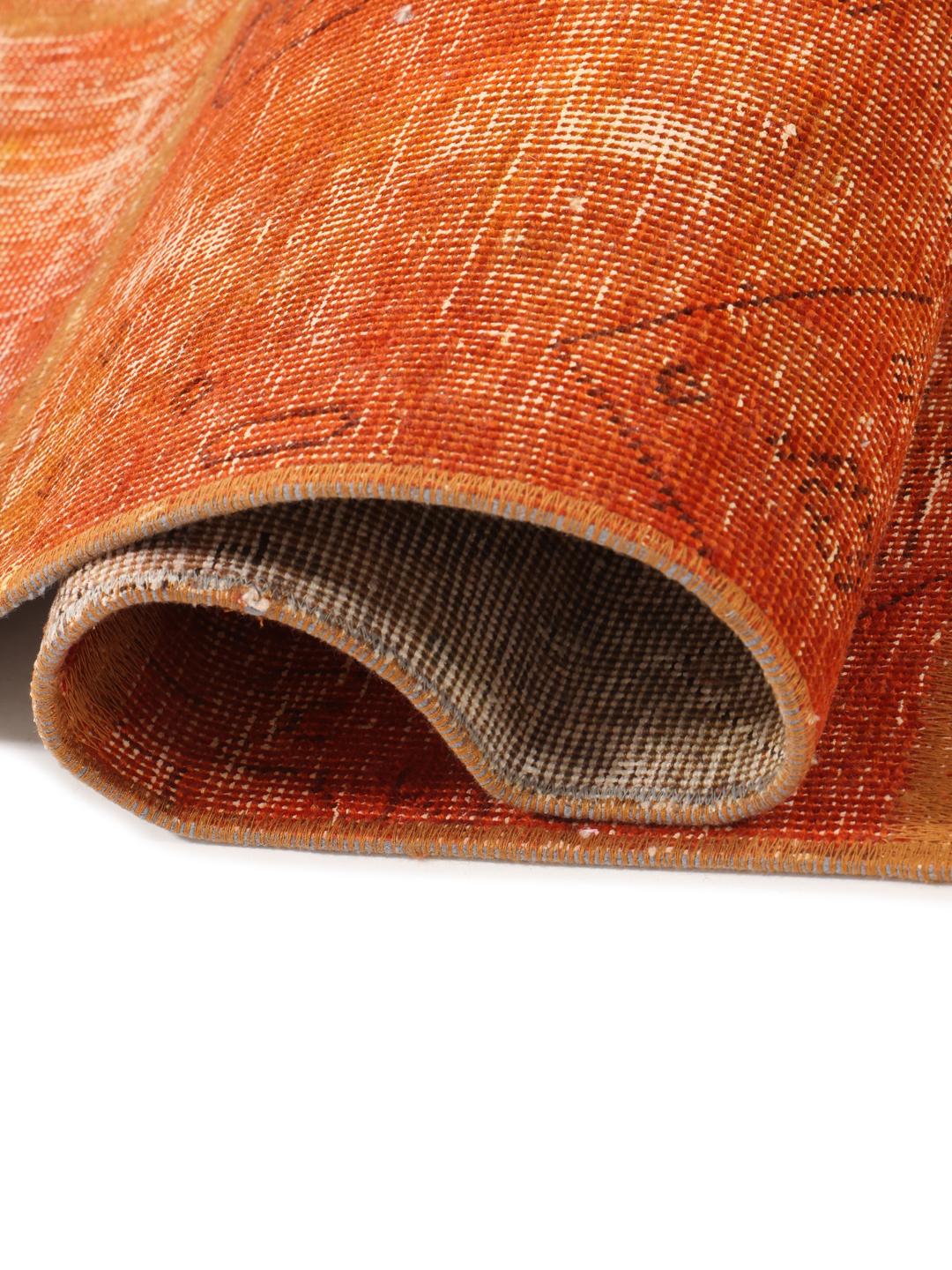
The term 'hand-knotted' refers to the intricate technique where individual knots are tied onto the foundation by hand. In the context of patchwork, this means the rug is composed of fragments that were already created with this time-honoured, durable method. The result is a rug that retains the density, warmth, and resilience of the original hand-knotted pieces, making it a functional choice for high-traffic areas in the home.
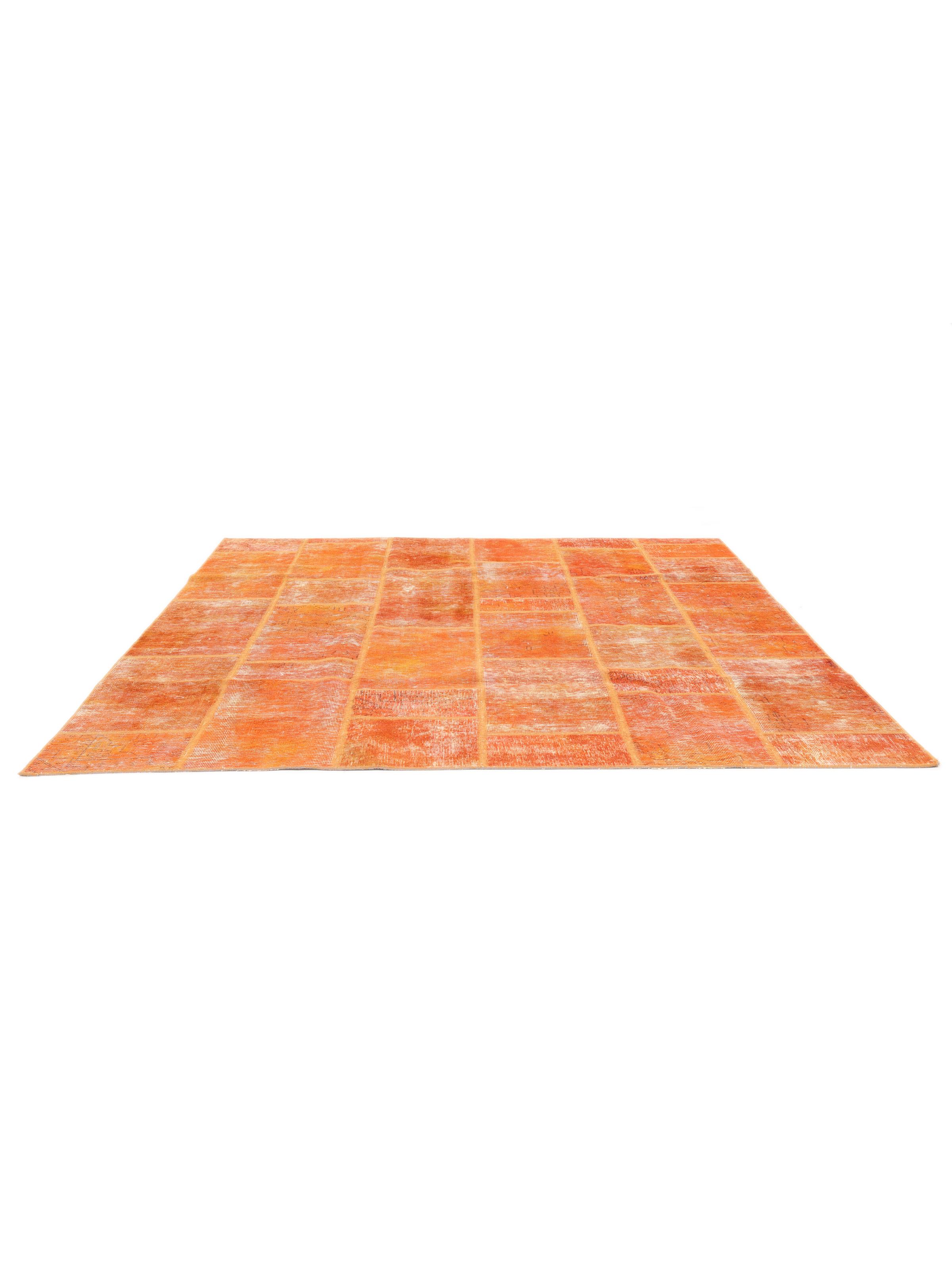
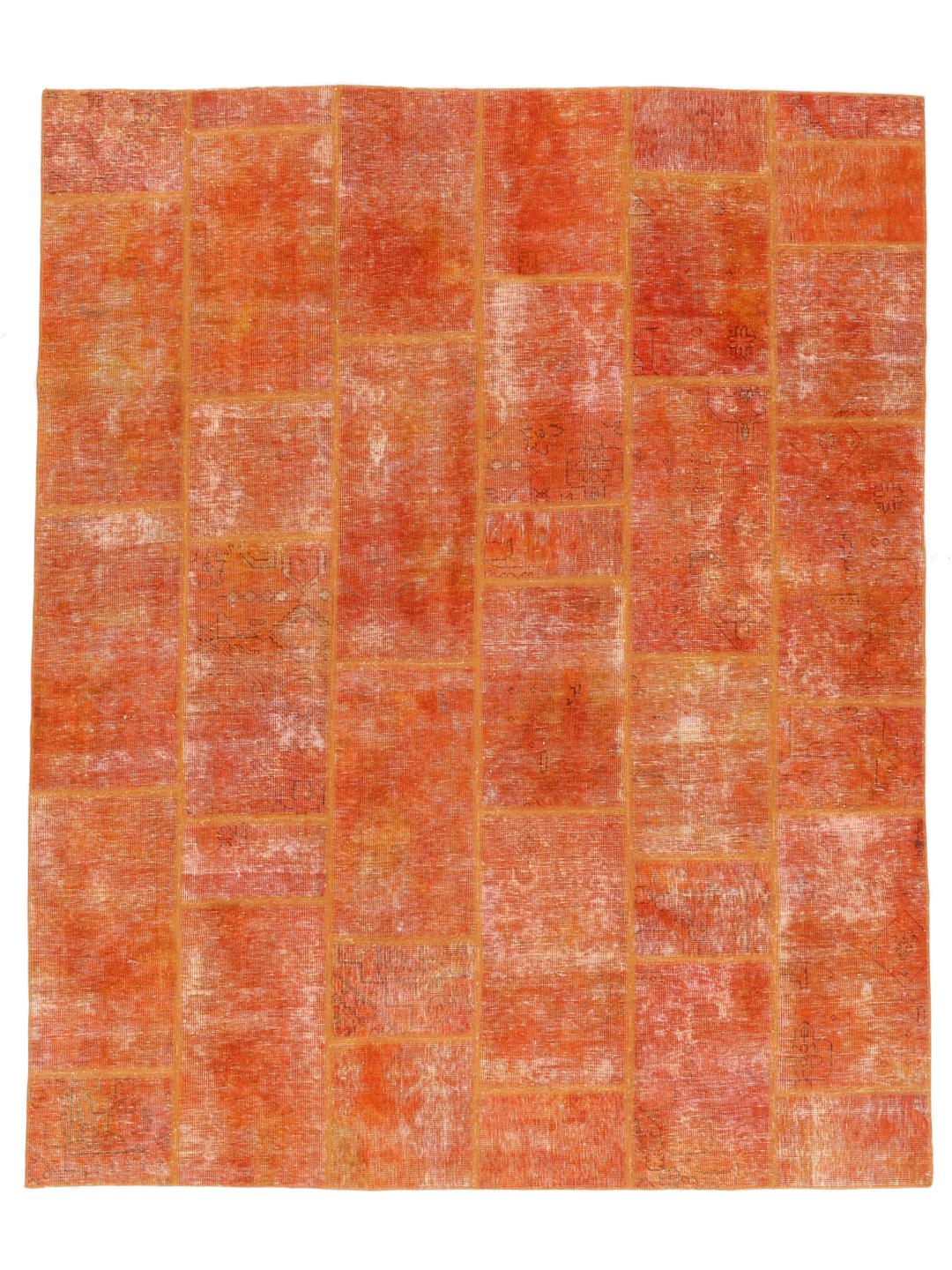
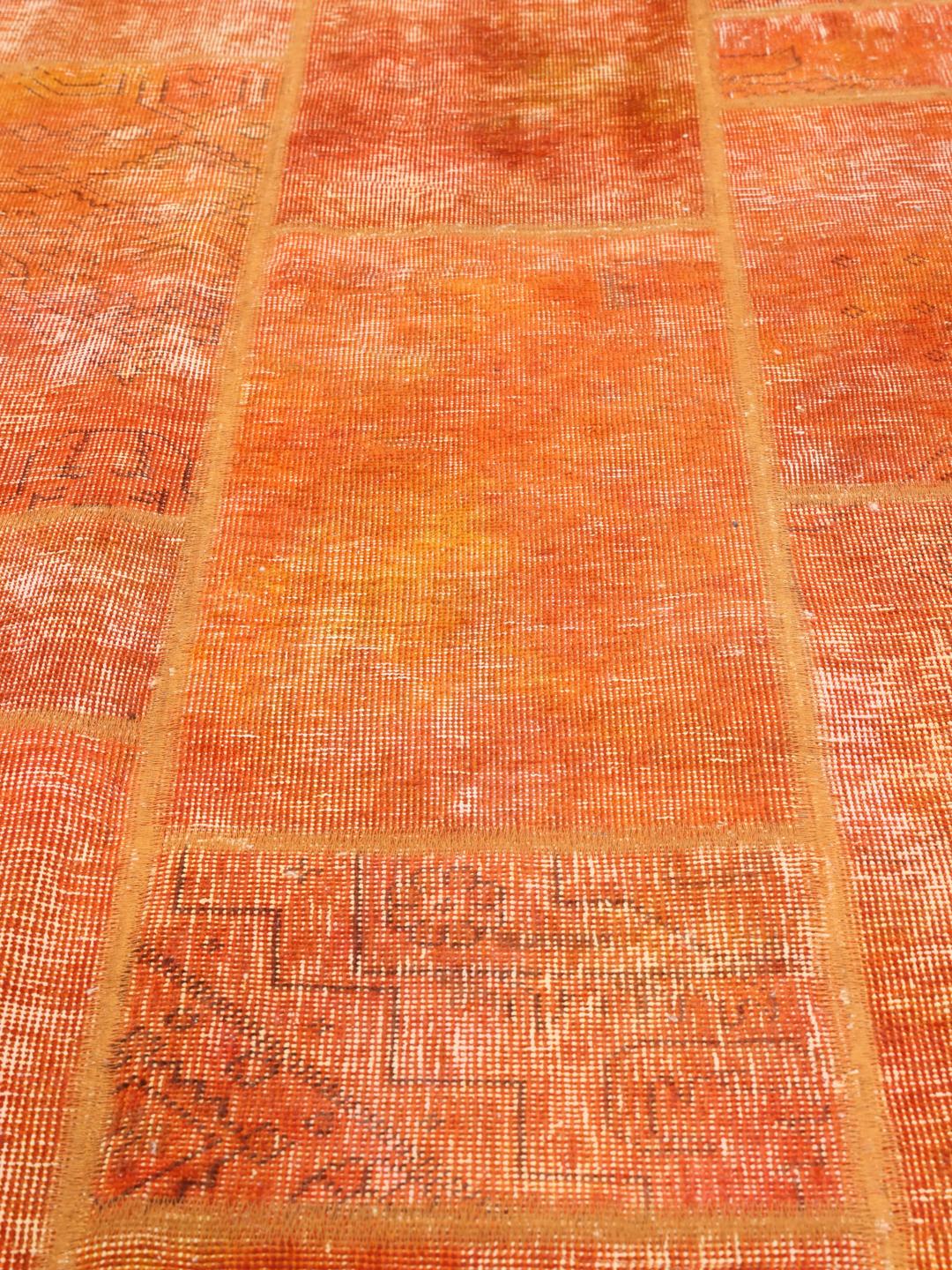
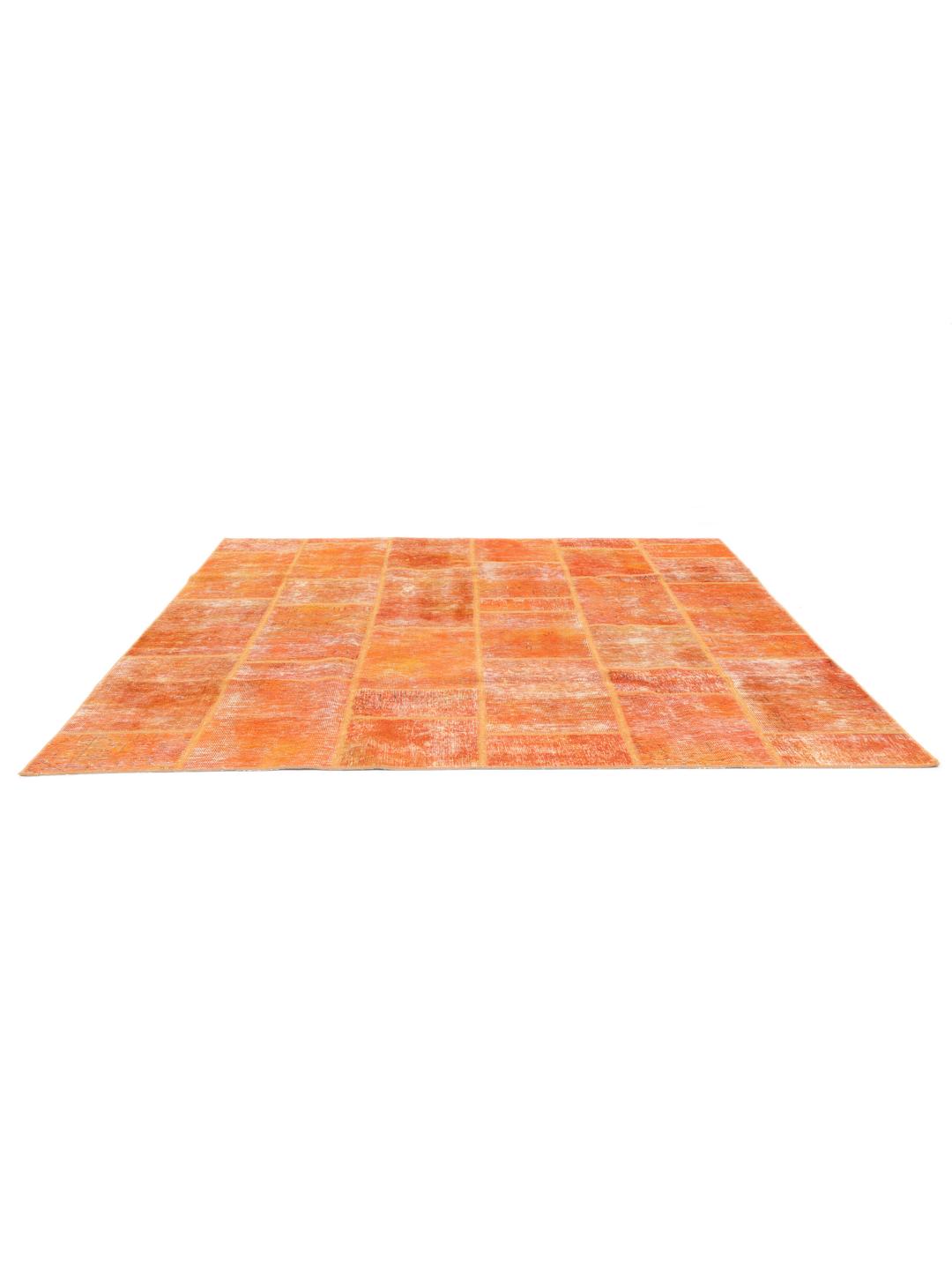
Visually, these rugs are defined by their eclectic aesthetic. The field is typically a mosaic of different textures, pile heights, and remnants of traditional motifs, which are unified by a cohesive colour palette. In this specific piece, the use of a dominant orange theme brings a sense of warmth and energy, highlighting the complex geometry of the various patches while maintaining a balanced and deliberate appearance.
Owning a patchwork rug is a way of participating in a cycle of sustainability and cultural appreciation. These rugs are highly valued by collectors and design enthusiasts alike, not only for their aesthetic appeal but for the skill required to curate and assemble them. They stand as a testament to the idea that beauty can be found in the fragments of the past, creating a unique bridge between ancient craft and modern interior style.