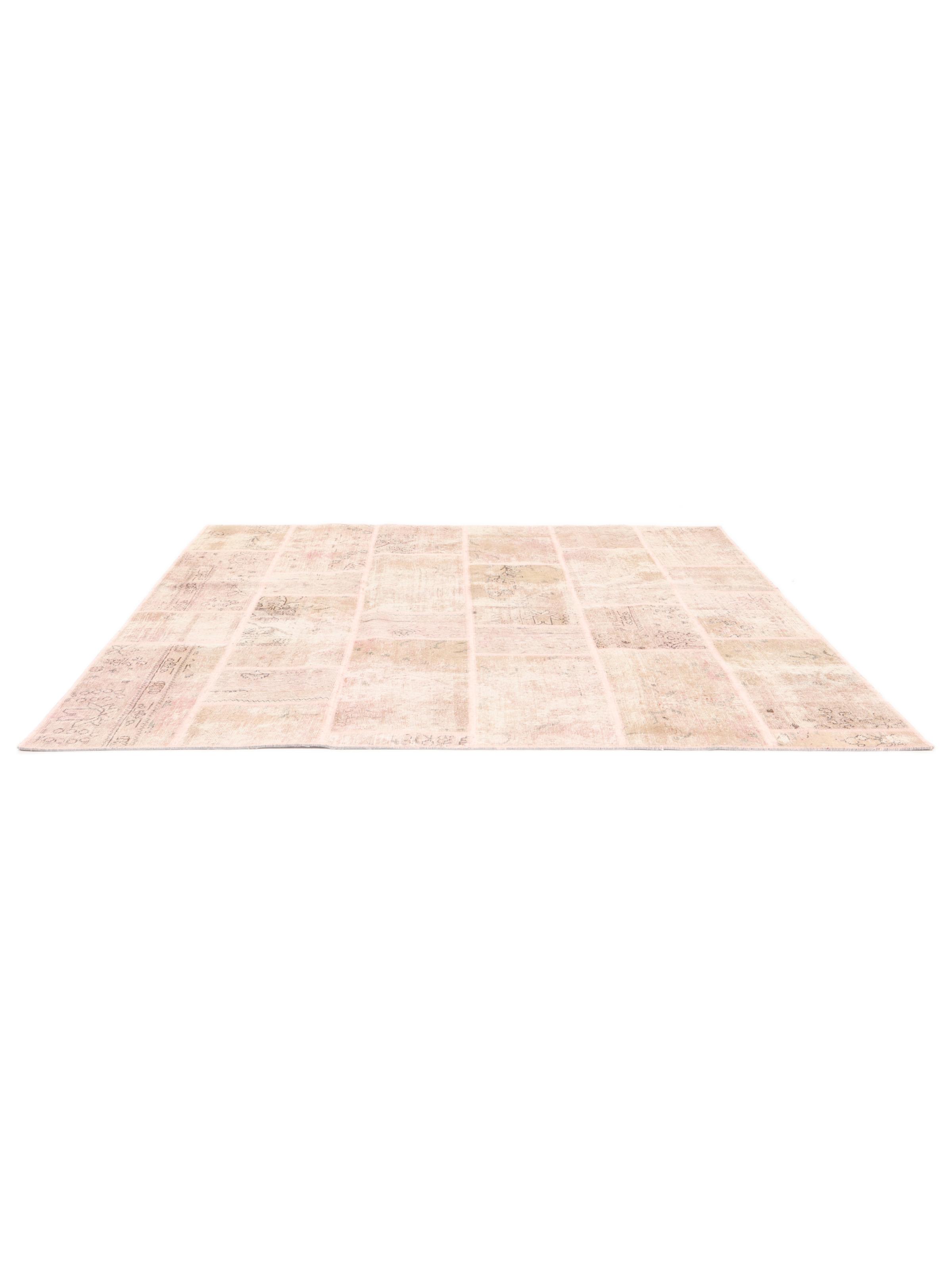
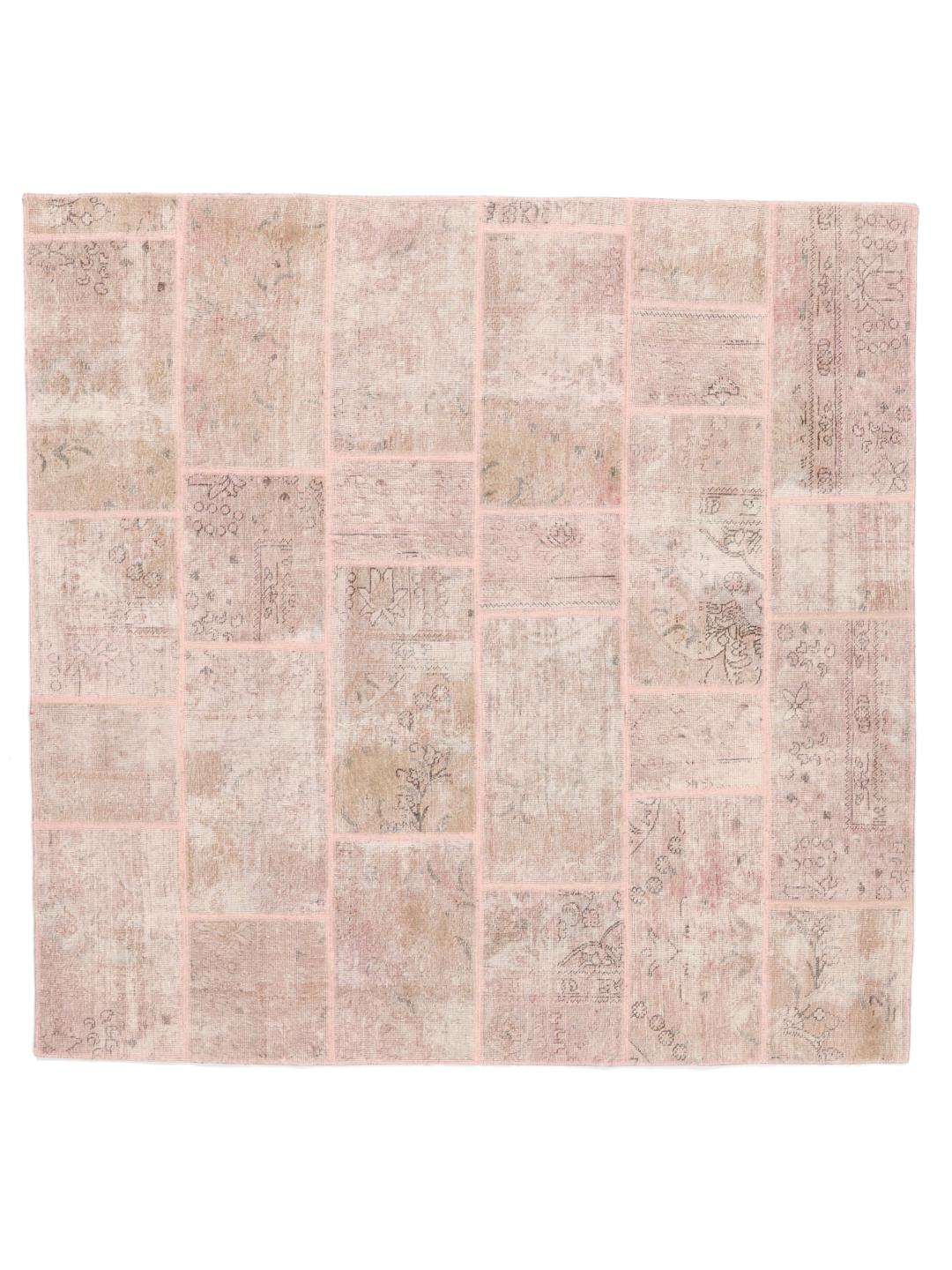
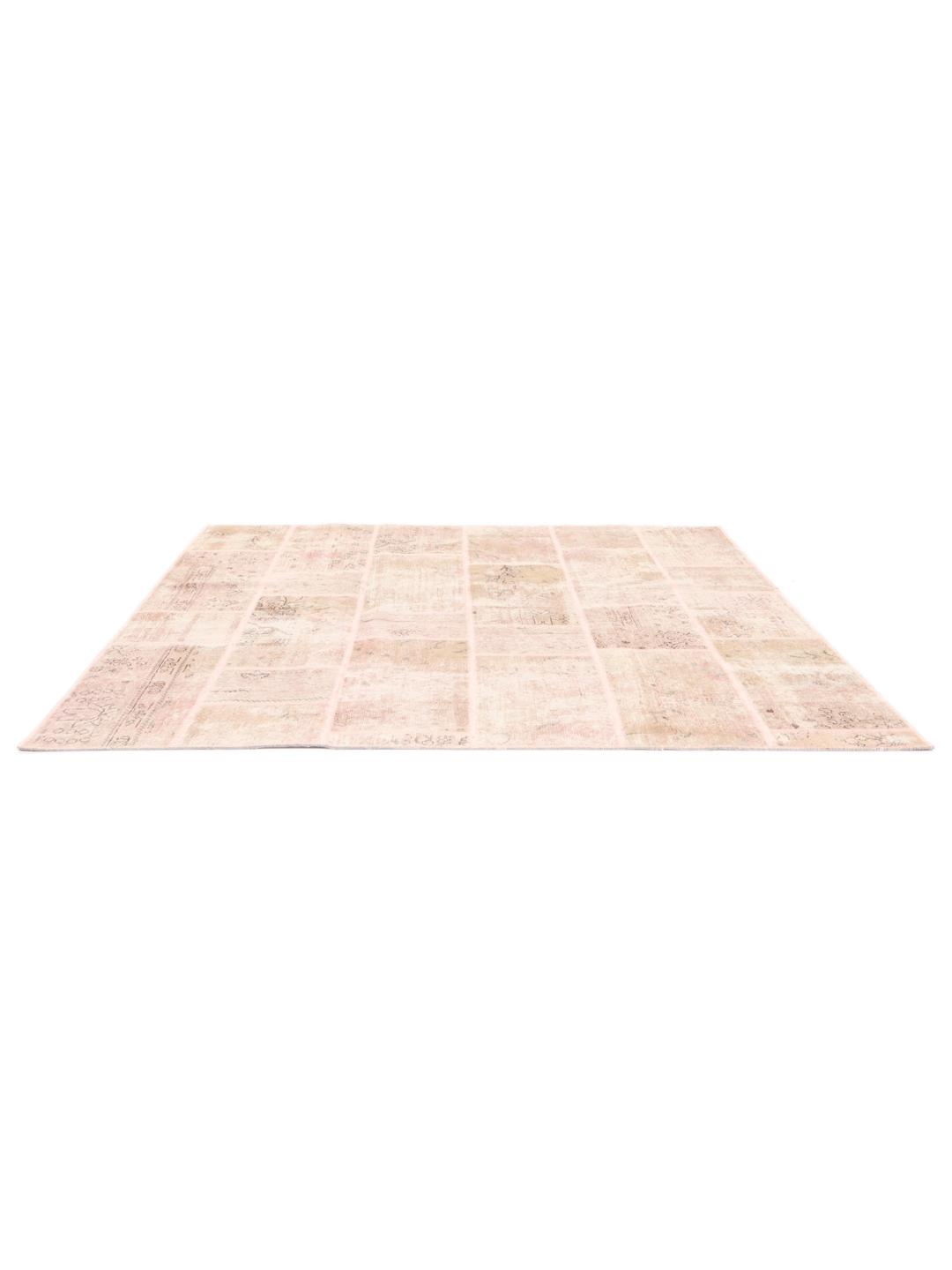
Patchwork rugs represent a fascinating evolution in the history of textile art, emerging as a creative solution to honour and repurpose the remnants of older, worn-out rugs. This tradition finds its roots in the Middle East, where the appreciation for the craftsmanship embedded in every hand-knotted piece is deep-seated and culturally significant.
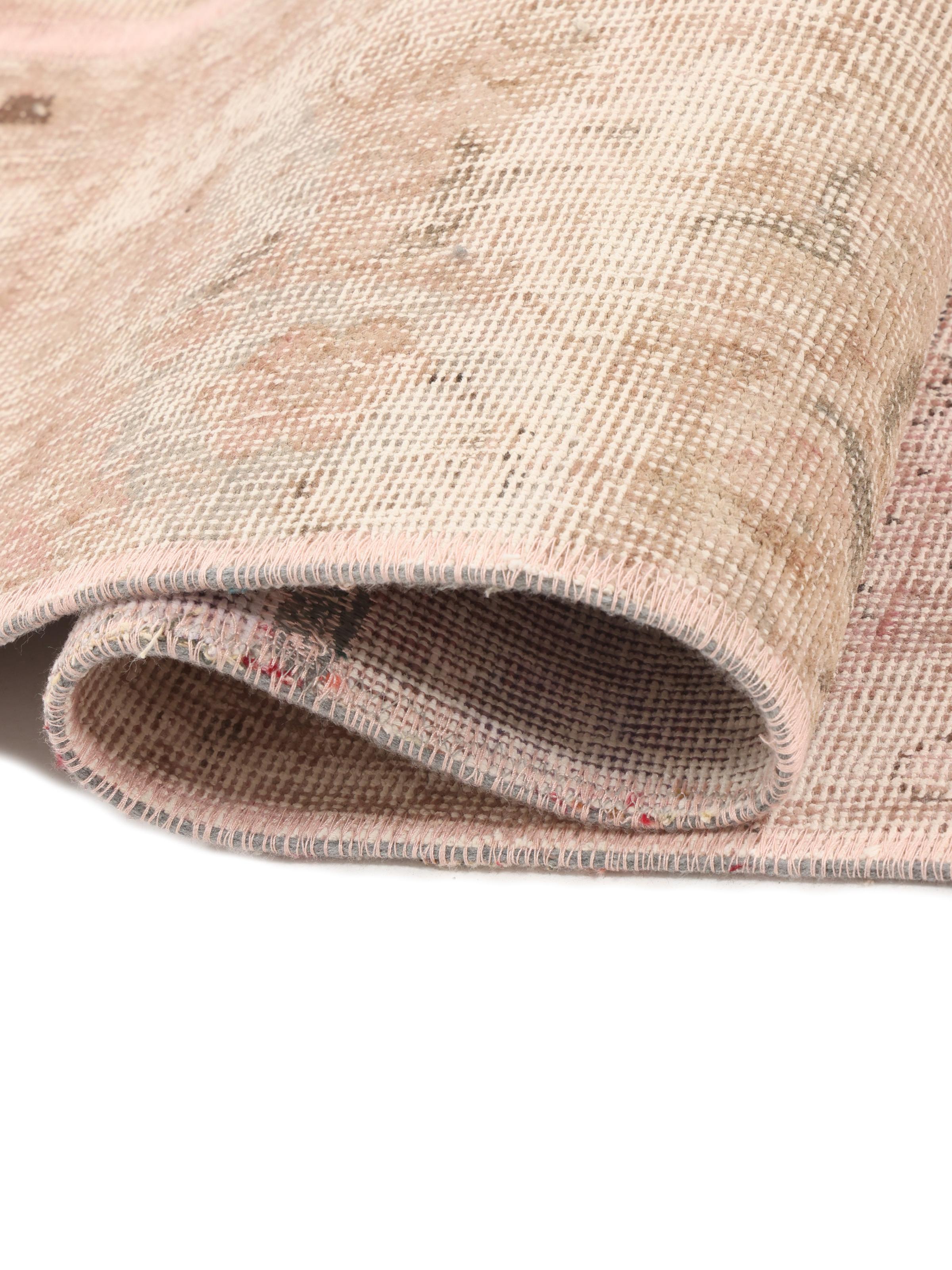
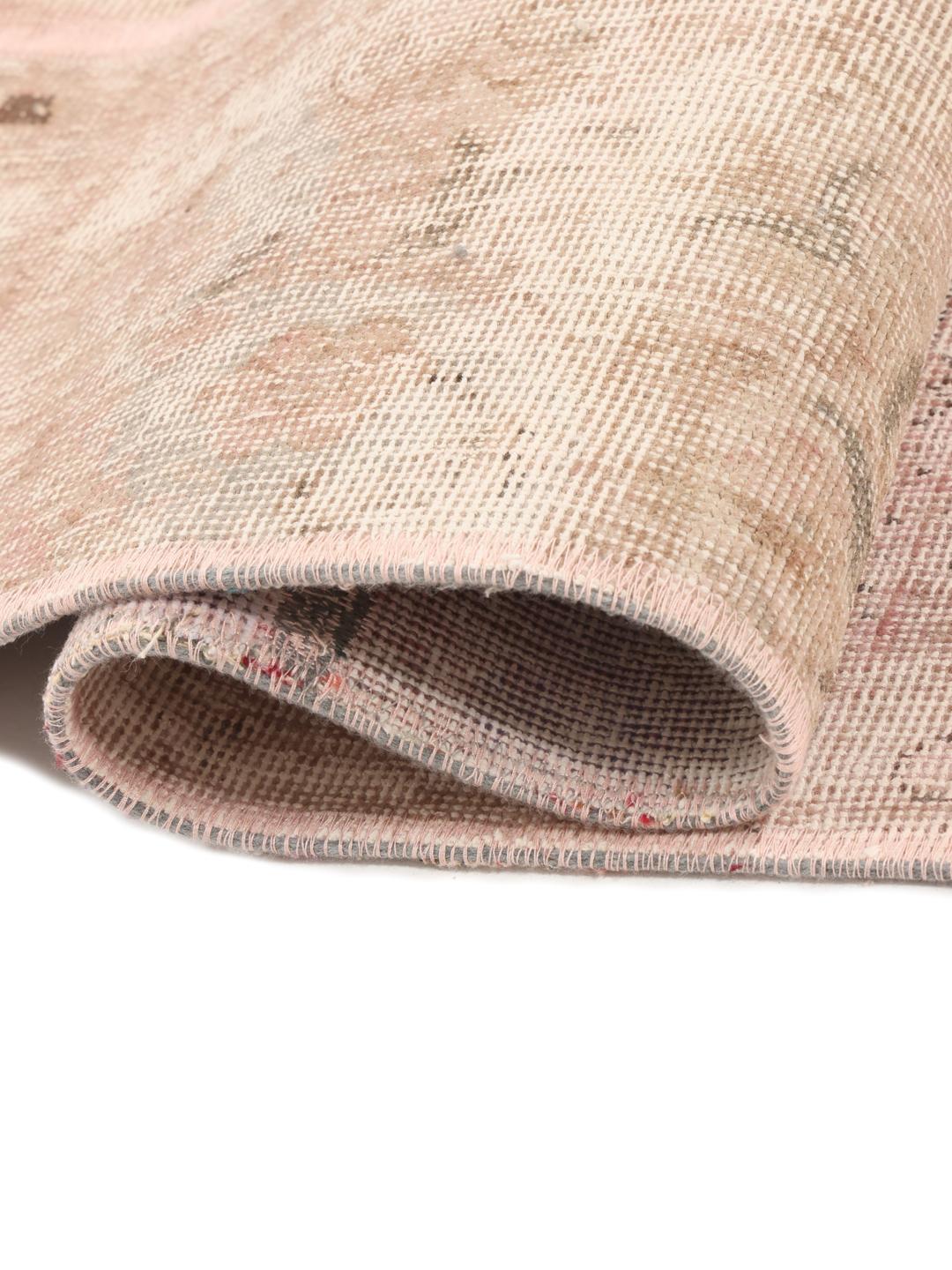
By collecting fragments from rugs that have reached the end of their primary life, artisans are able to salvage the most beautiful sections of patterns and colours. This practice is not merely about recycling, but about curating a new narrative. The technical skill lies in the seamless joining of these disparate pieces, ensuring that the final rug feels like a cohesive whole rather than a collection of parts.
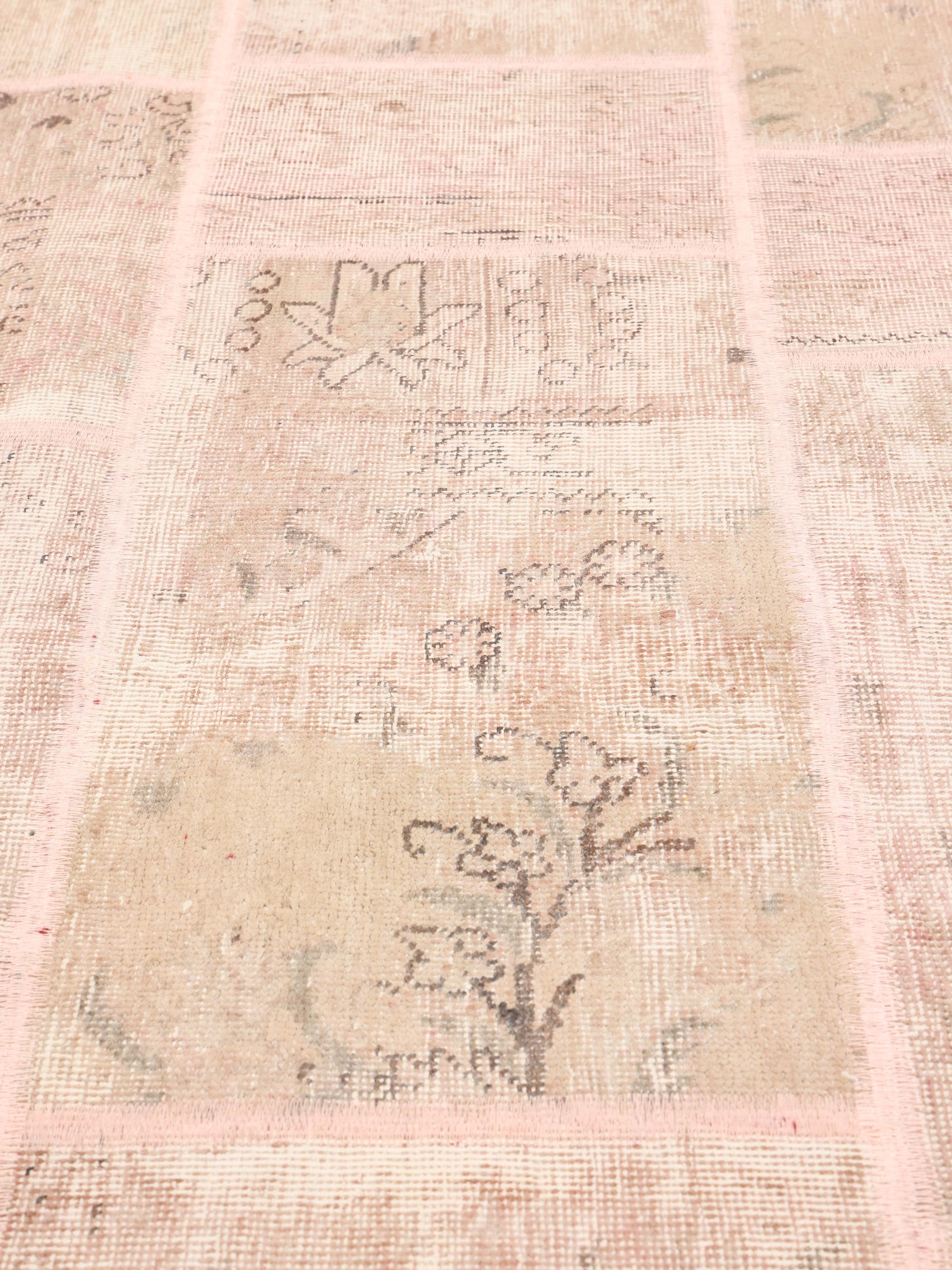
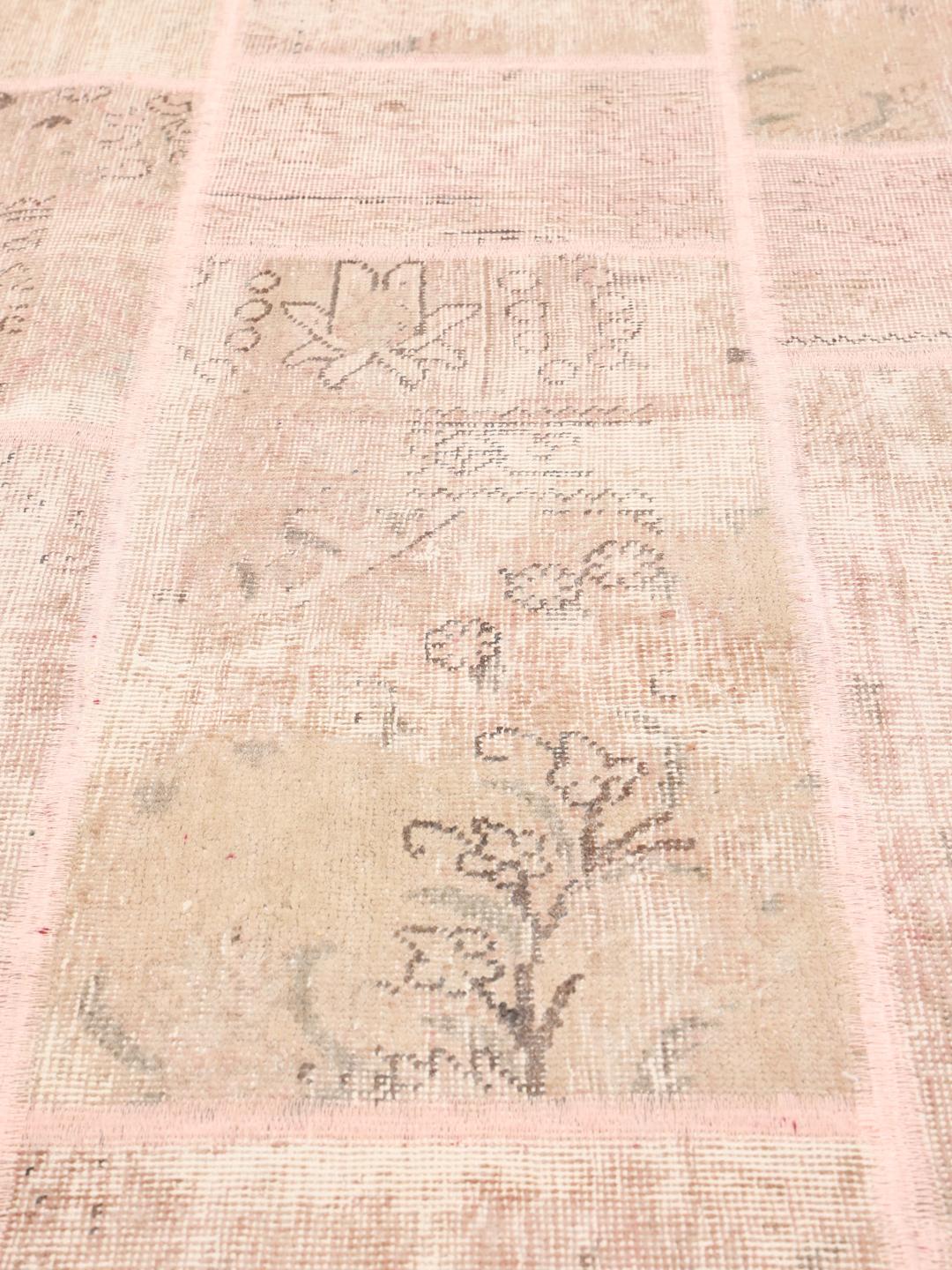
The visual language of these rugs is a mosaic of history, often showcasing a blend of floral, geometric, and tribal motifs that were once part of larger, traditional designs. When you look closely, you may spot remnants of borders or medallions that hint at the rug's original form, offering a glimpse into the vast design traditions of the region.
Owning a patchwork rug is an act of preservation. It connects your modern home to a long lineage of textile makers whose work deserves to be admired for generations. It is a testament to the idea that beauty can be found in evolution, making each piece a highly valued collector's item for those who appreciate the intersection of heritage and contemporary style.