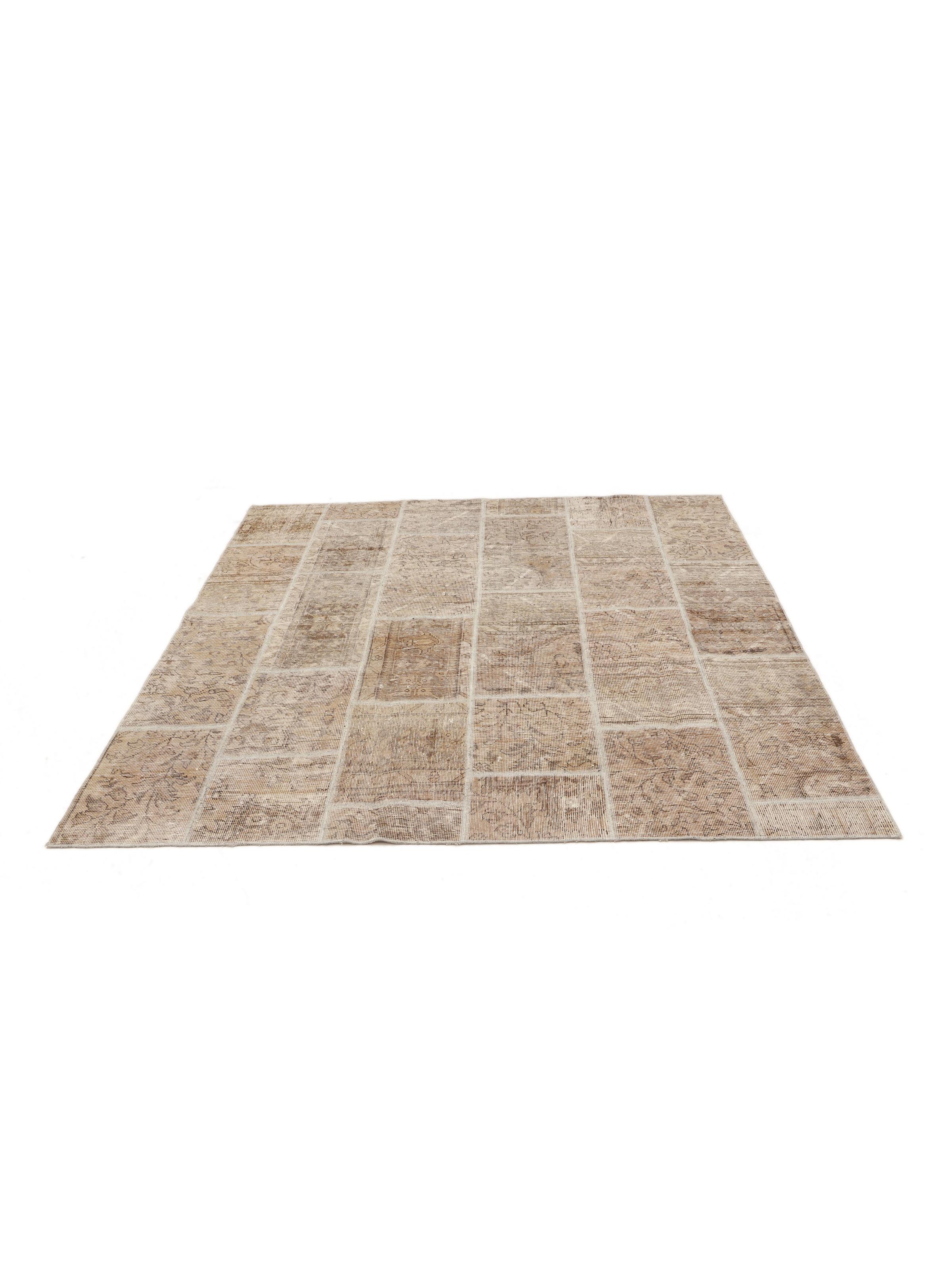
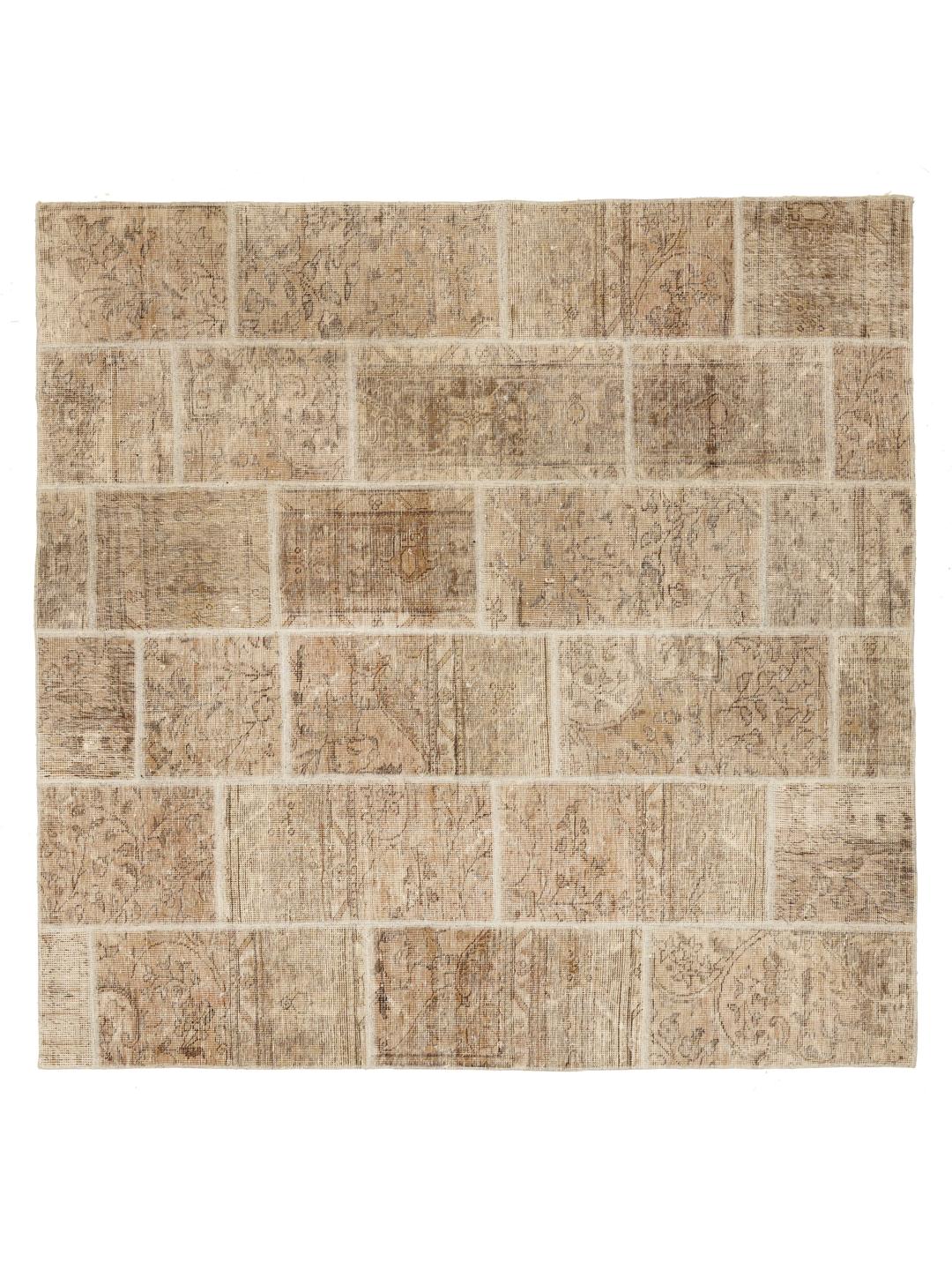
Patchwork rugs represent a fascinating evolution in the history of textile arts in the Middle East. Historically, weavers and families would carefully preserve remnants of rugs that had become too worn to be used in their original form. These fragments were treasured for their intricate designs and the history they held, and they were eventually repurposed into new, functional pieces that carried the legacy of several different rugs at once.
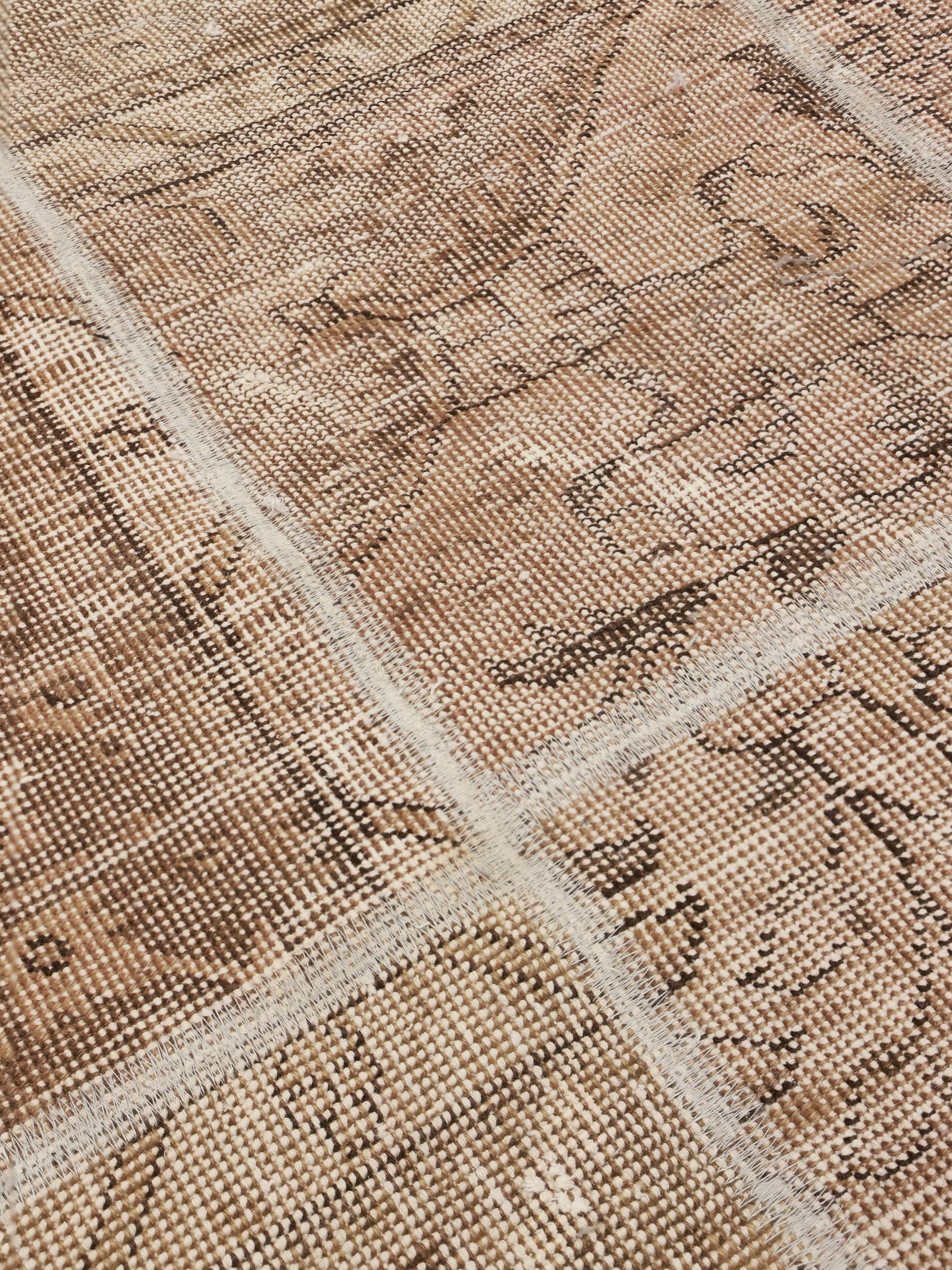
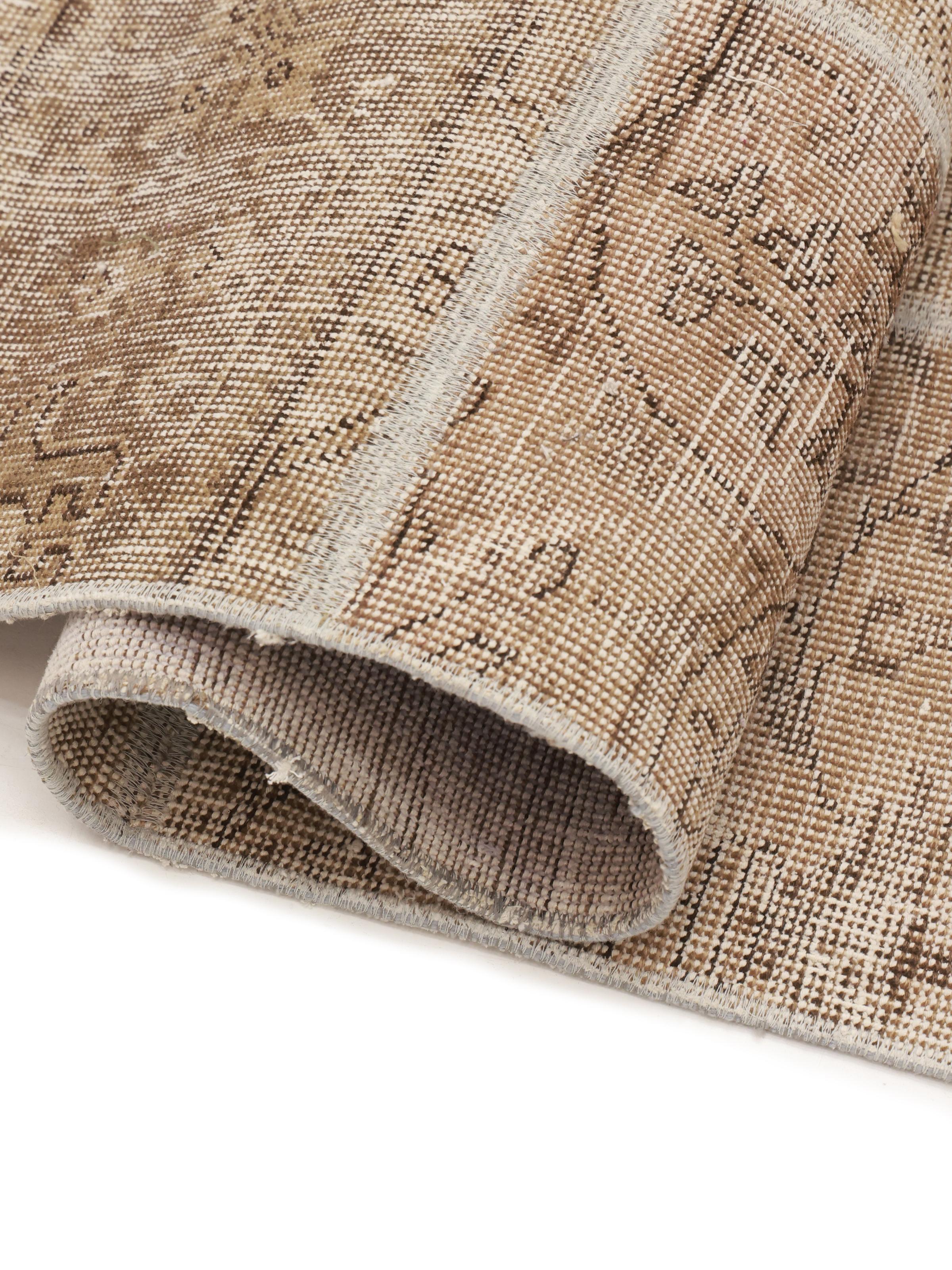
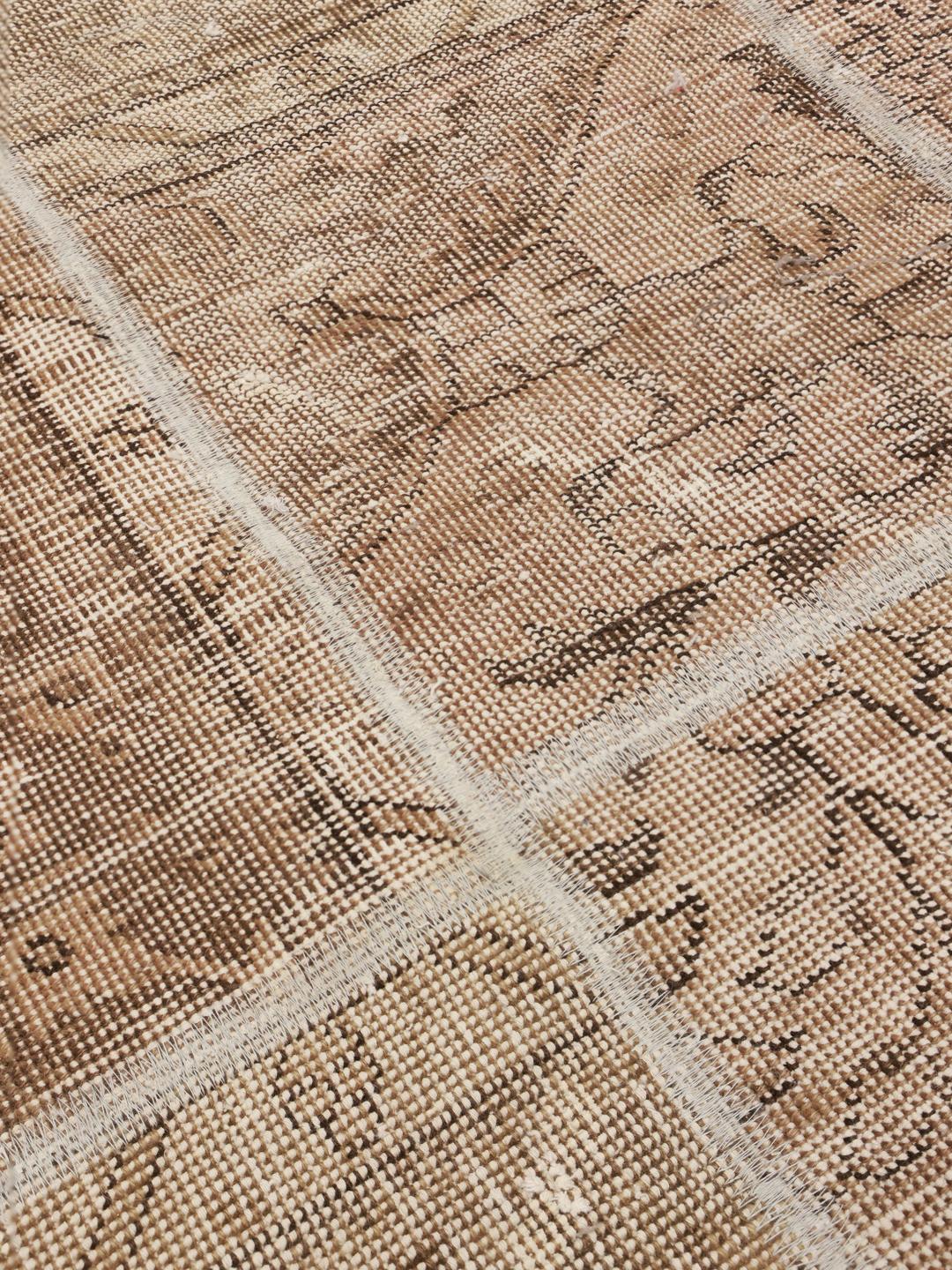
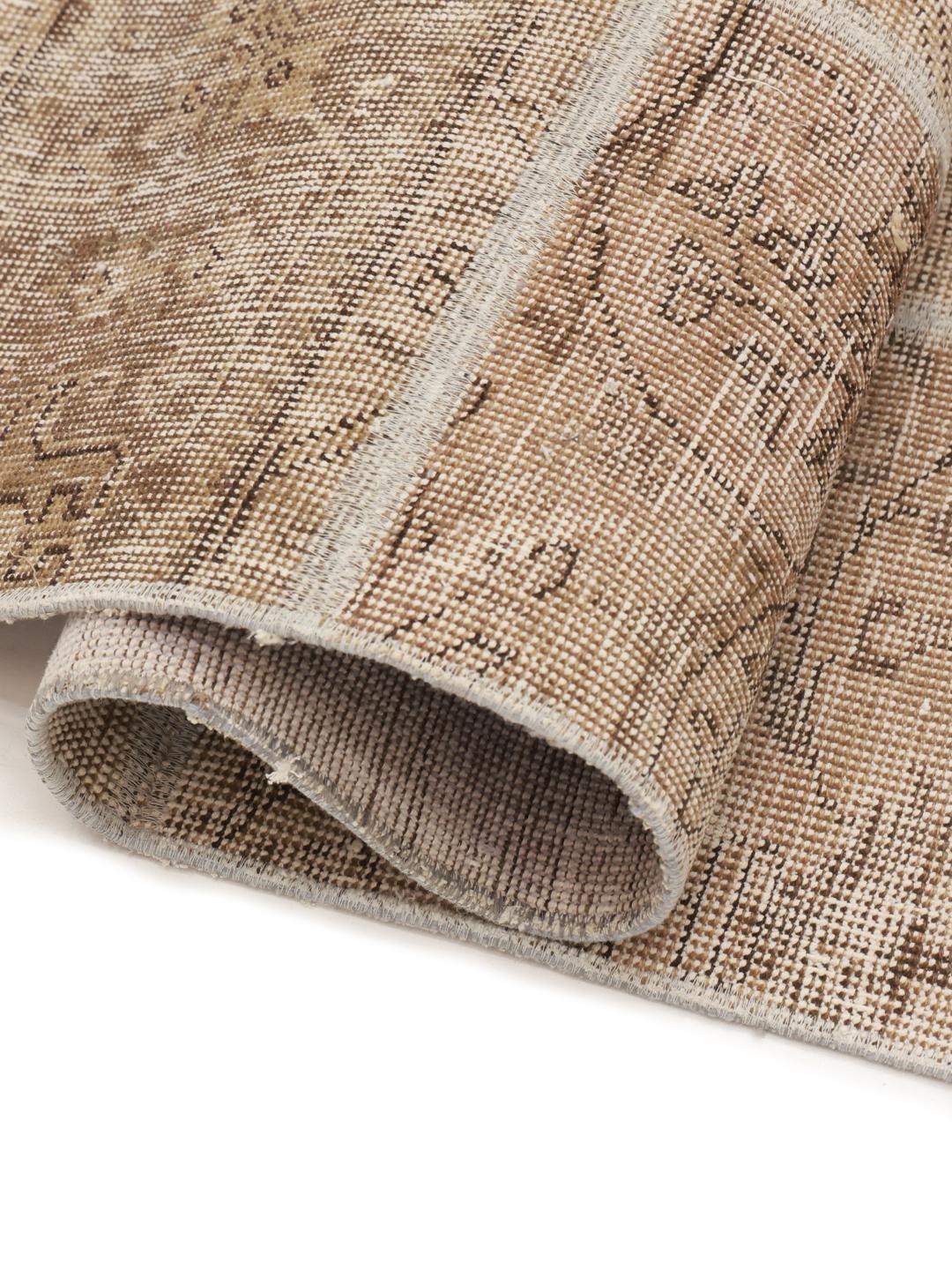
The technique involves selecting specific sections of older, hand-knotted rugs, often those with unique colour variations or patterns that have faded gracefully over time. By stripping back these rugs to their essential beauty and reassembling them, artisans create a mosaic of history. This process highlights the longevity of the materials used, as the Wool remains robust even decades after its initial weaving.
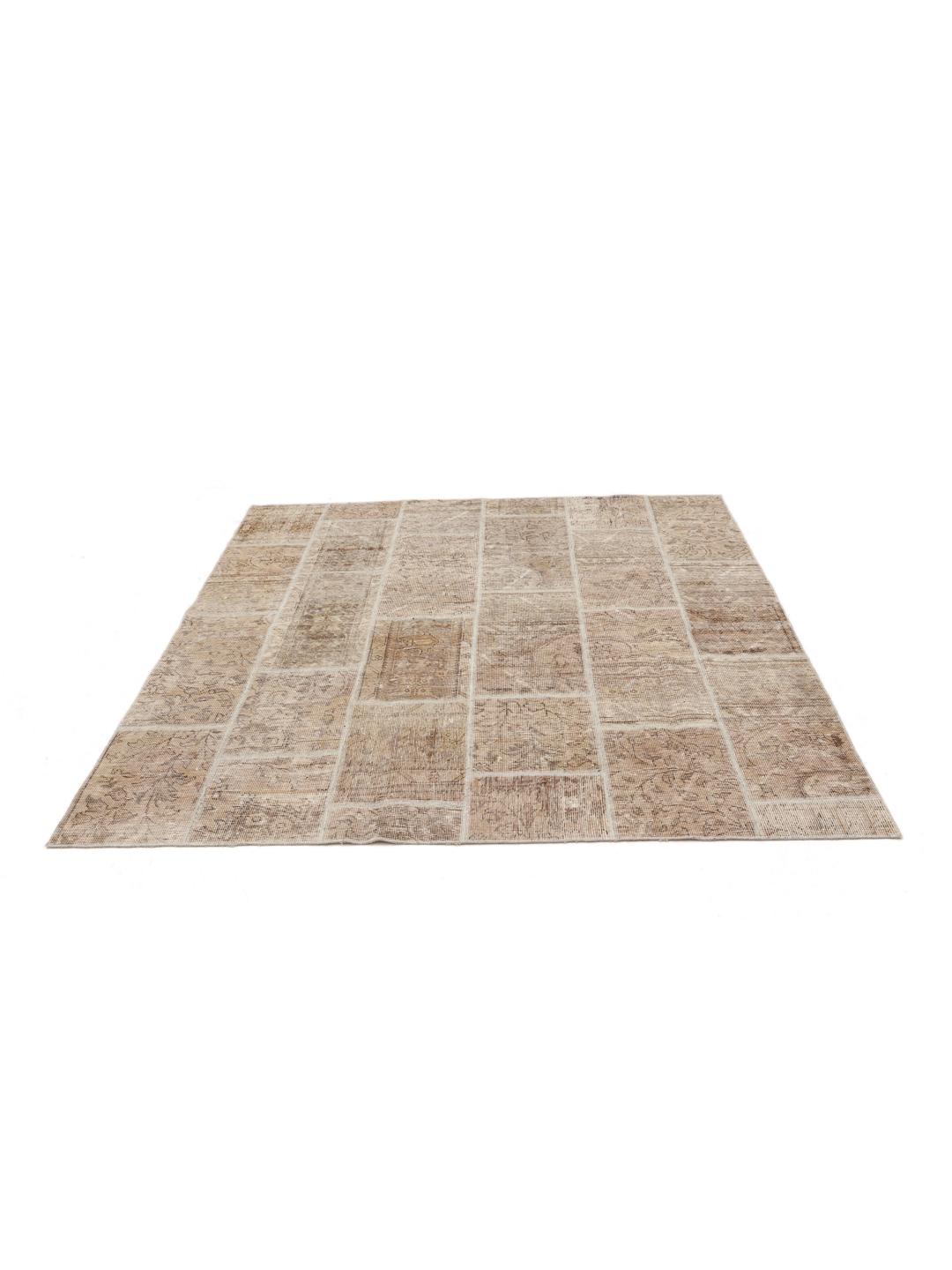
The visual language of these rugs is defined by the juxtaposition of different motifs, borders, and colour palettes. You might find a fragment of a floral medallion sitting next to a geometric border, creating a rhythmic, abstract effect. This specific rug features a warm, neutral colour palette that allows these intricate, varied patterns to blend seamlessly, creating a sophisticated look that is both modern and rooted in tradition.
Owning a patchwork rug is an act of supporting sustainable craft. It celebrates the idea that beauty does not have an expiration date and that the skills required to create these original knotted works are worth protecting. These rugs are highly valued by collectors and enthusiasts who appreciate the deep cultural weight of hand-crafted textiles and the story of transformation that each patch tells.