Patchwork rugs from Turkey are a modern evolution of a long-standing tradition of rug recycling and repurposing in the Middle East. For generations, nomadic and village weavers have valued textiles as precious assets, ensuring that even when a rug reached the end of its life, its materials remained useful. This practice of reclaiming sections from older, worn rugs to create new, functional pieces is a testament to the resourcefulness and respect for craft that defines regional textile history.
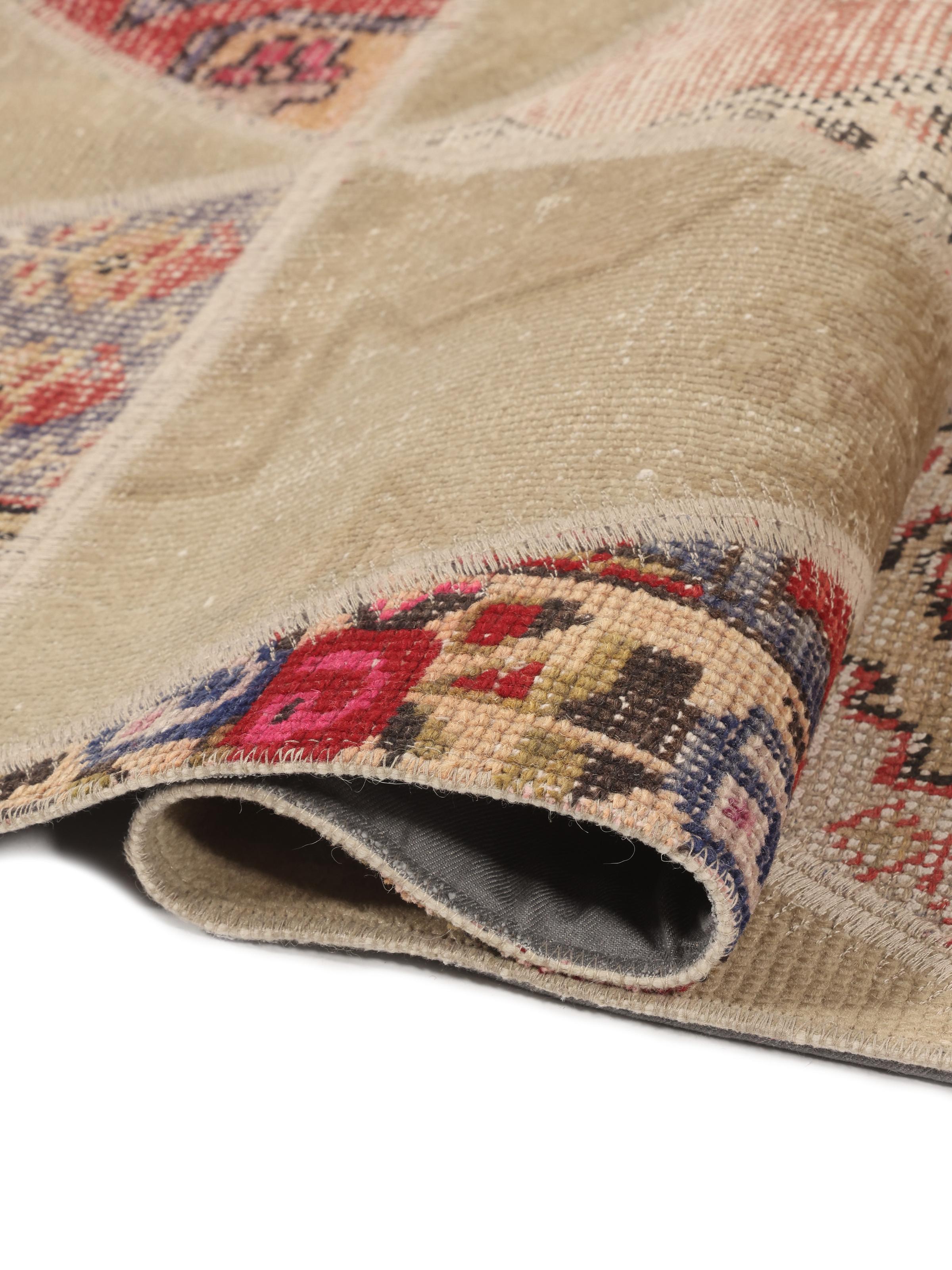
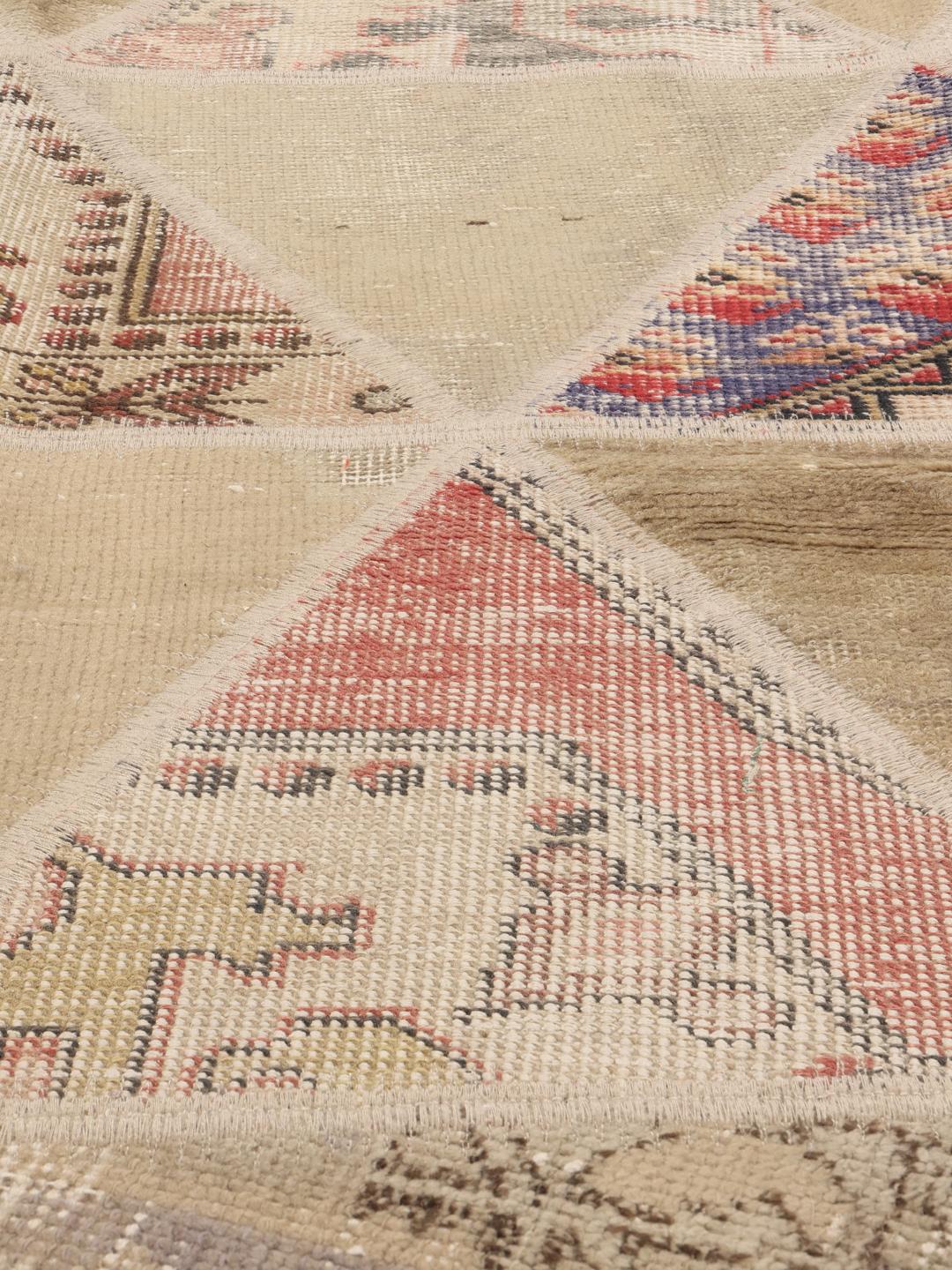
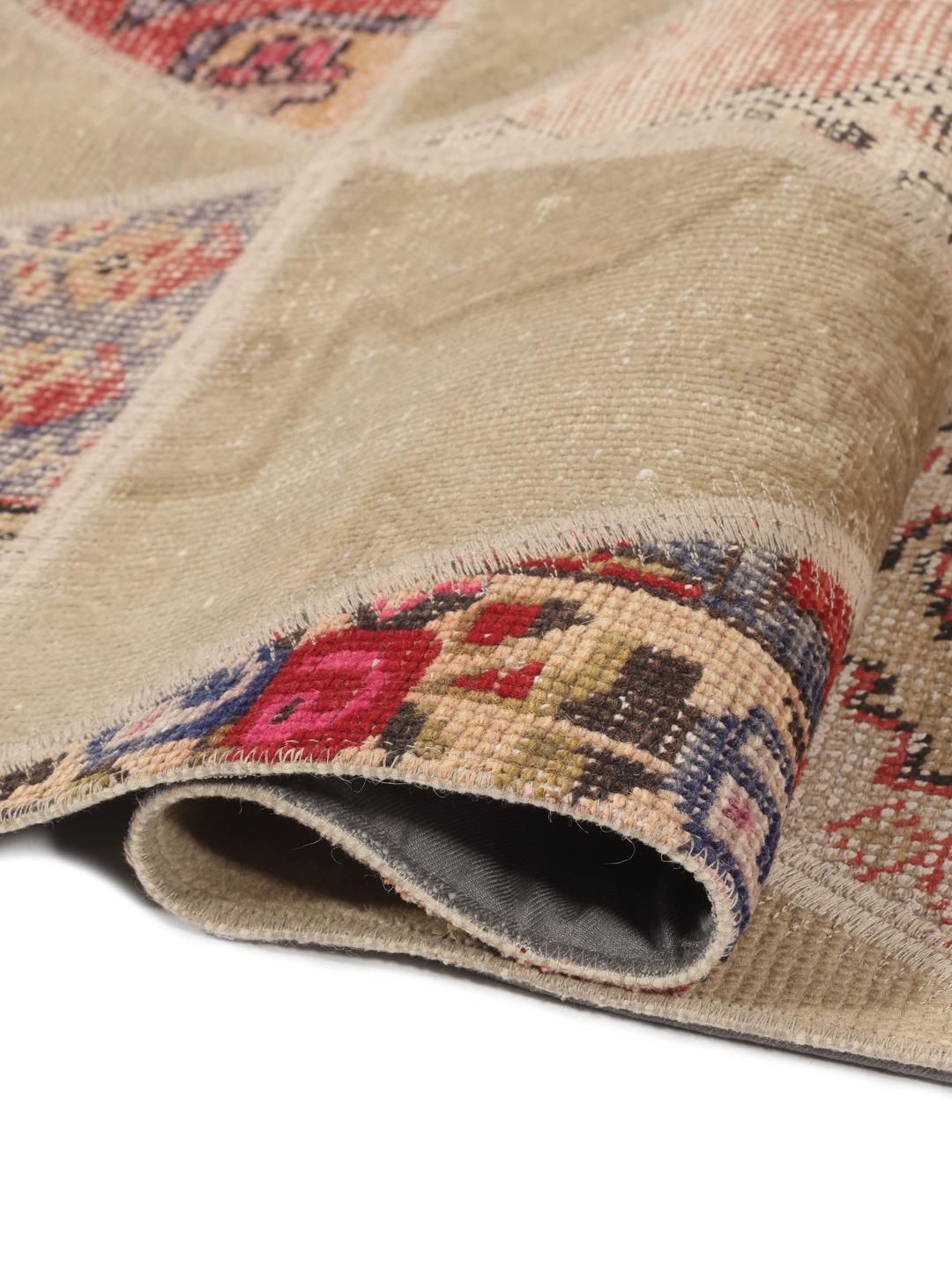
The technique involves carefully sourcing vintage wool pieces, often from rugs that have aged beautifully over decades. These fragments are selected for their specific colour palette and pattern integrity. Once cleaned and prepared, they are expertly cut and joined to form a new, contemporary design. This process requires a deep understanding of the original weaving styles, as the artisan must ensure that the tension and pile height are compatible across the different segments.
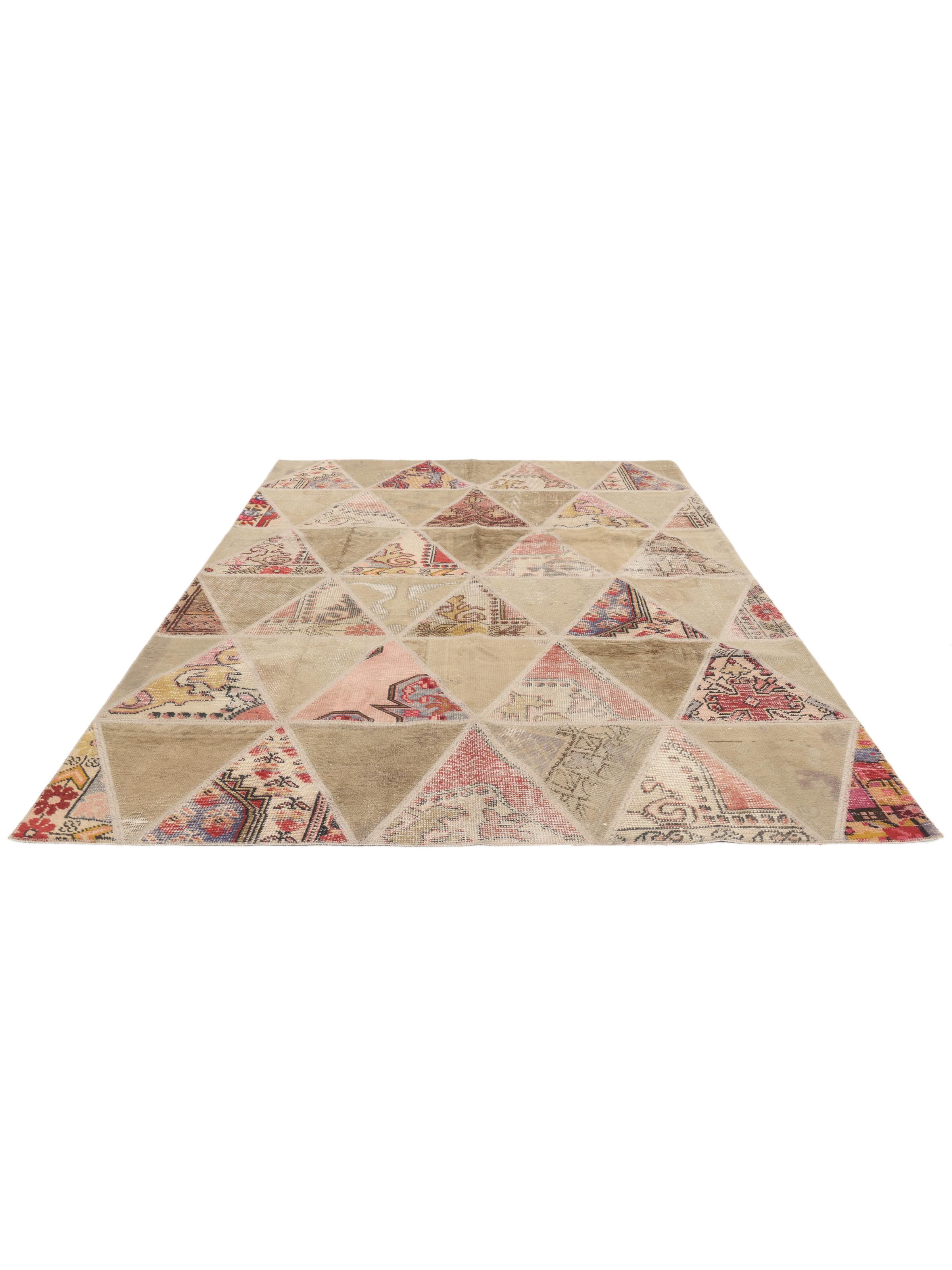
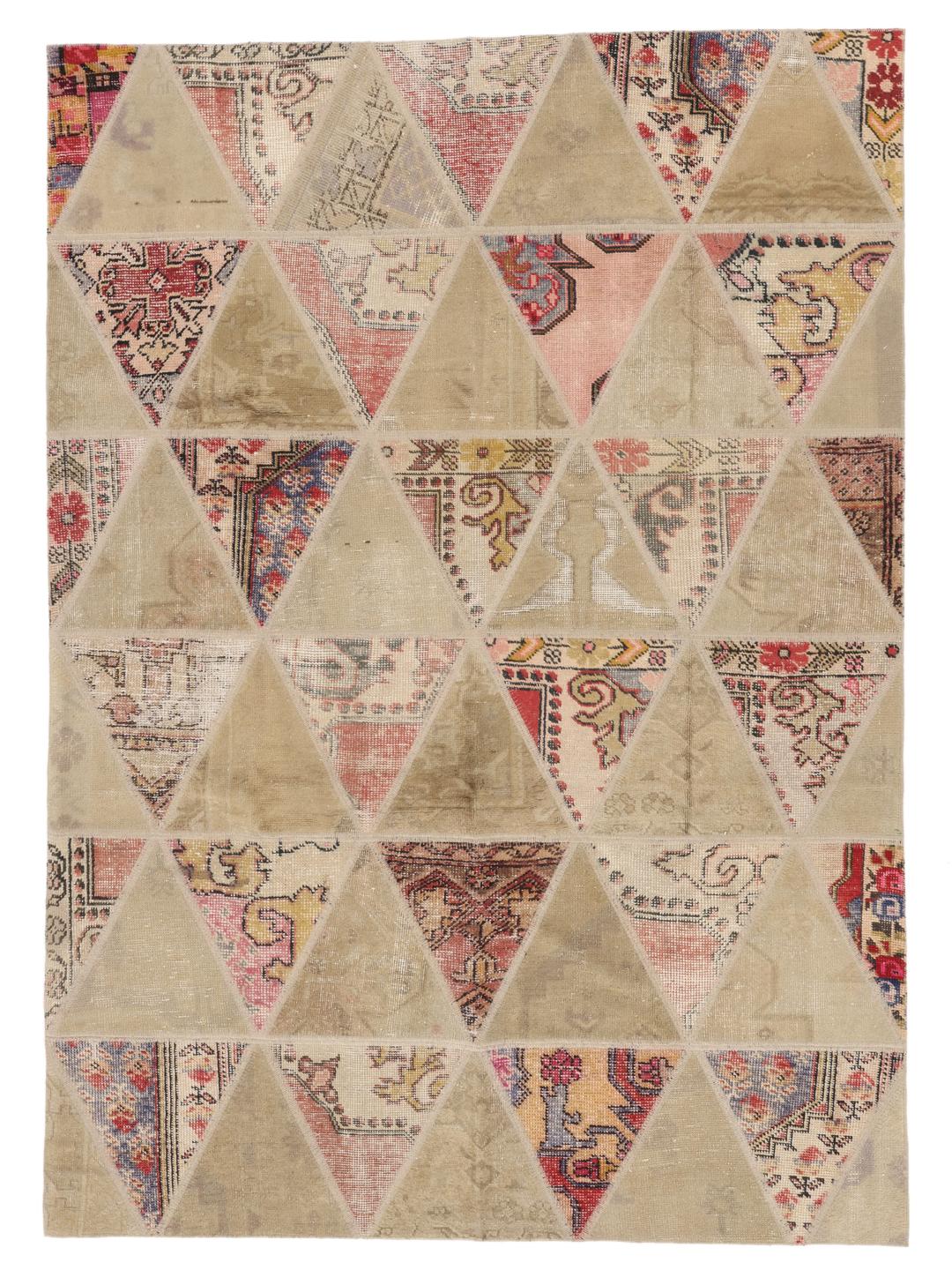
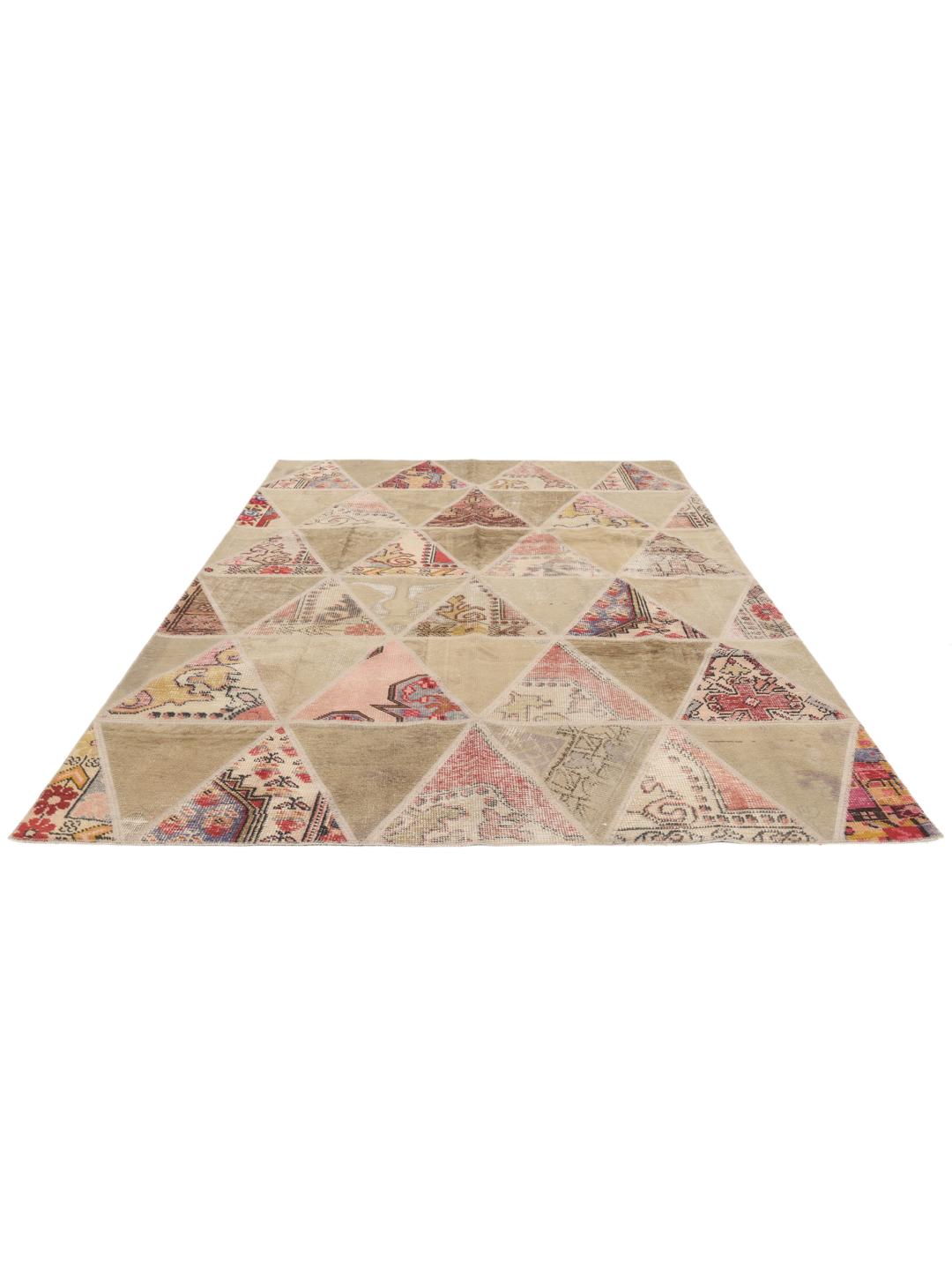
Visually, this rug is defined by its geometric structure, which contrasts sharply with the organic, floral, or tribal motifs found within the individual patches. This juxtaposition of a modern, rigid layout with traditional, intricate patterns creates a striking visual tension. The use of varied shades, often softened by time and sunlight, gives the rug an authentic, aged character that is highly sought after by collectors who appreciate both the old and the new.
Owning a patchwork rug is a way to preserve a piece of history while enjoying a contemporary aesthetic. These rugs are valued not only for their visual impact but for their contribution to sustainable design practices. By giving a second life to high-quality wool, these pieces celebrate the enduring nature of traditional craft, offering a unique opportunity to own a floor covering that is as culturally significant as it is beautiful.