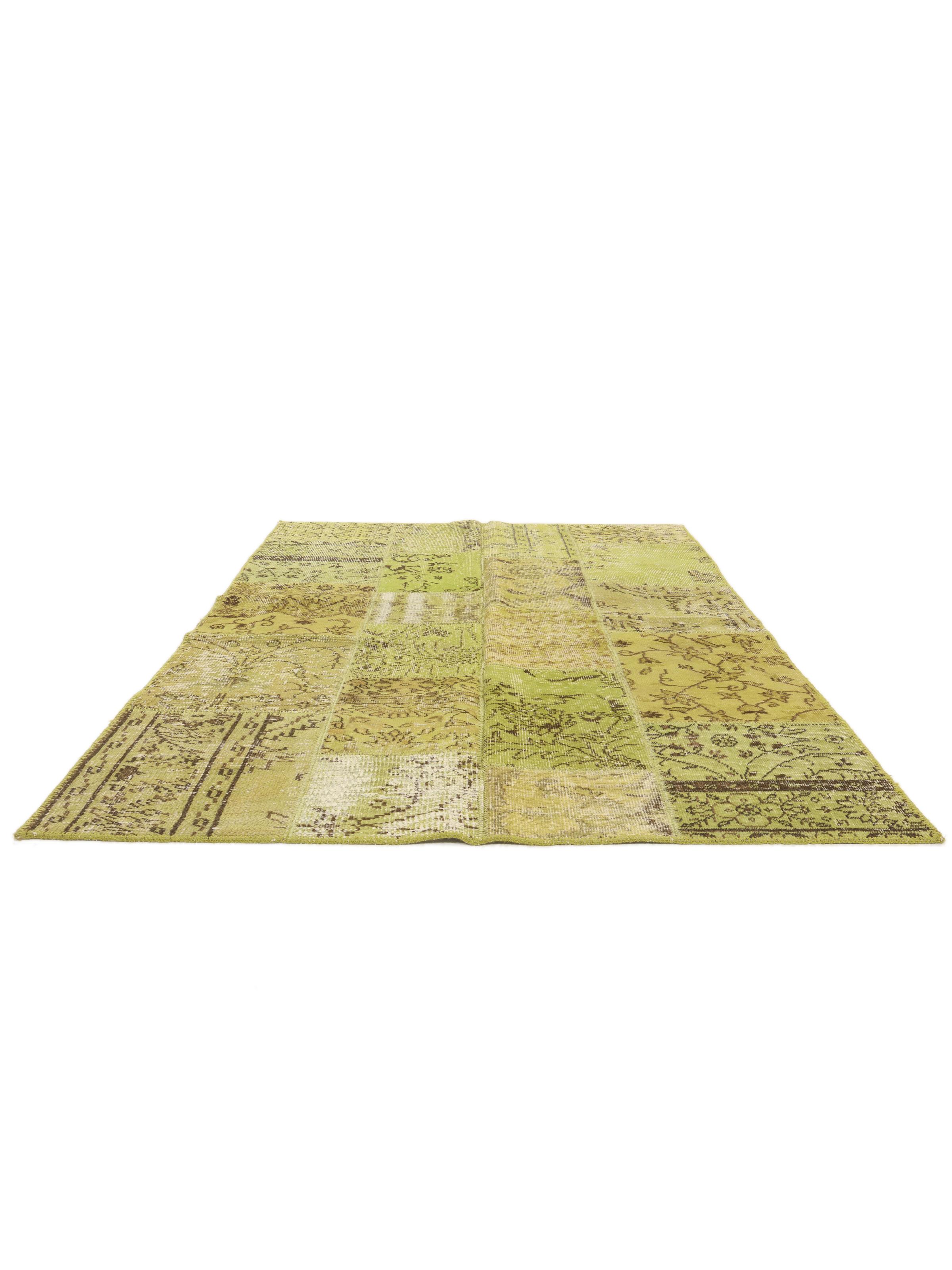
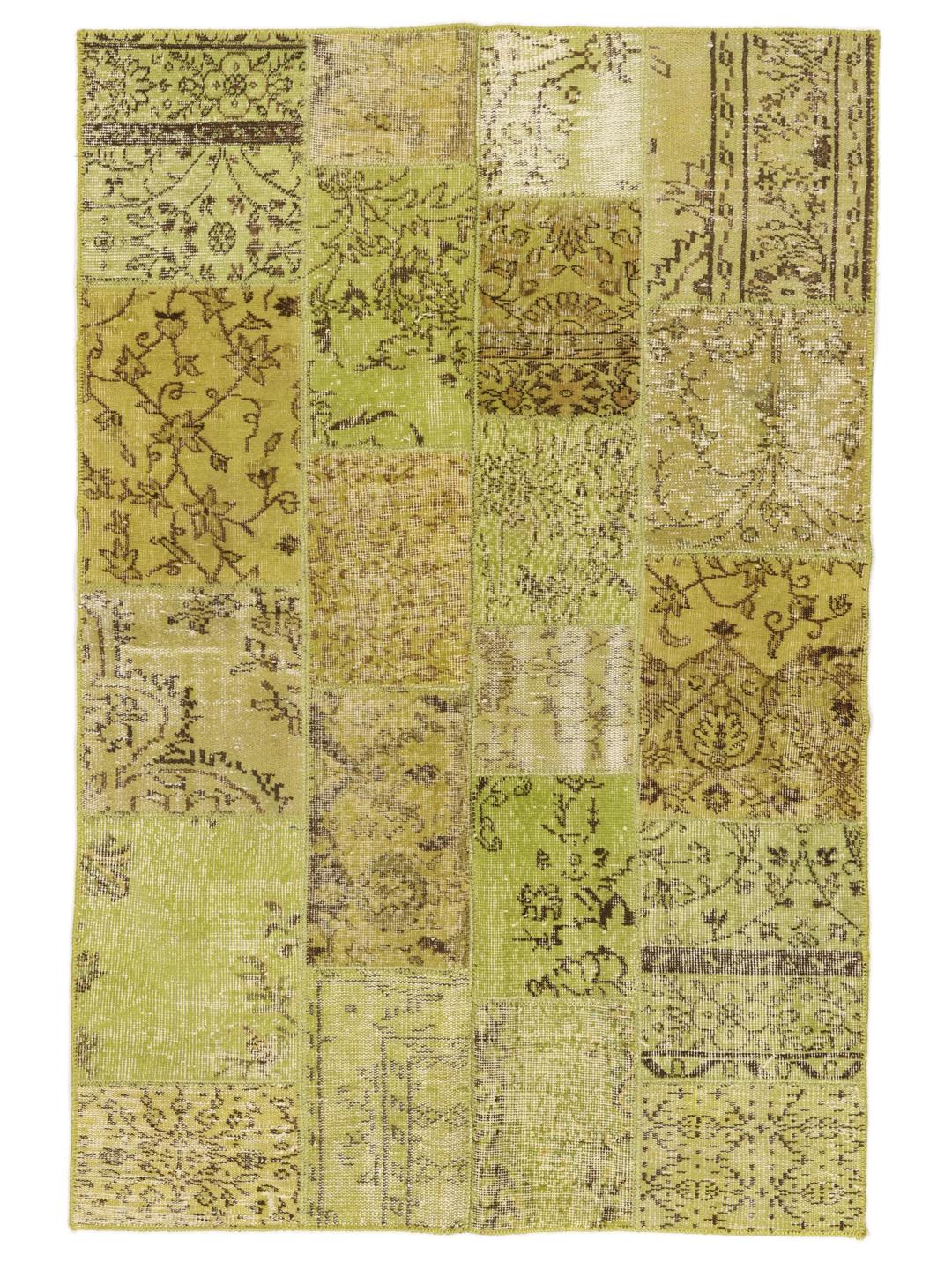
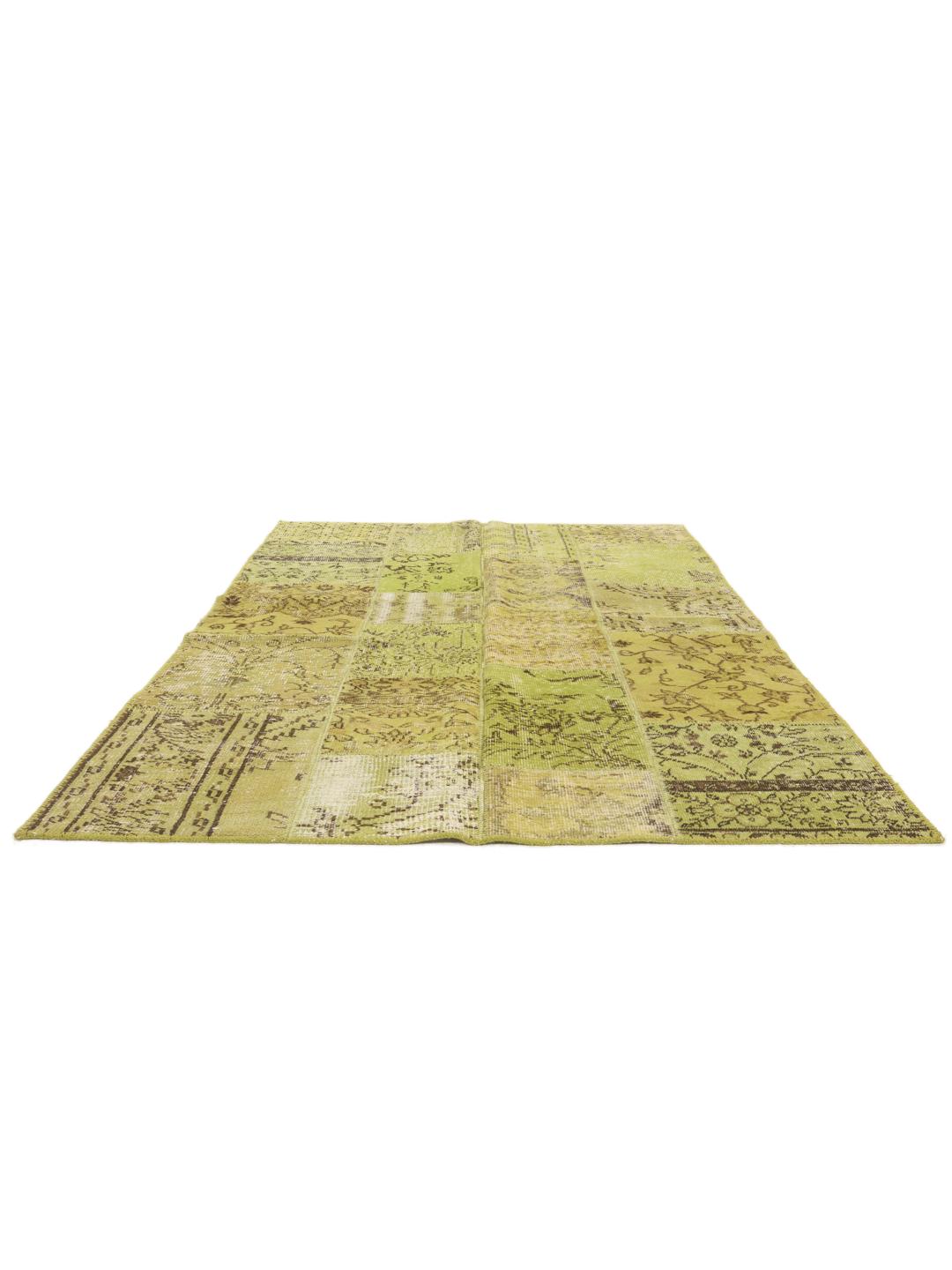
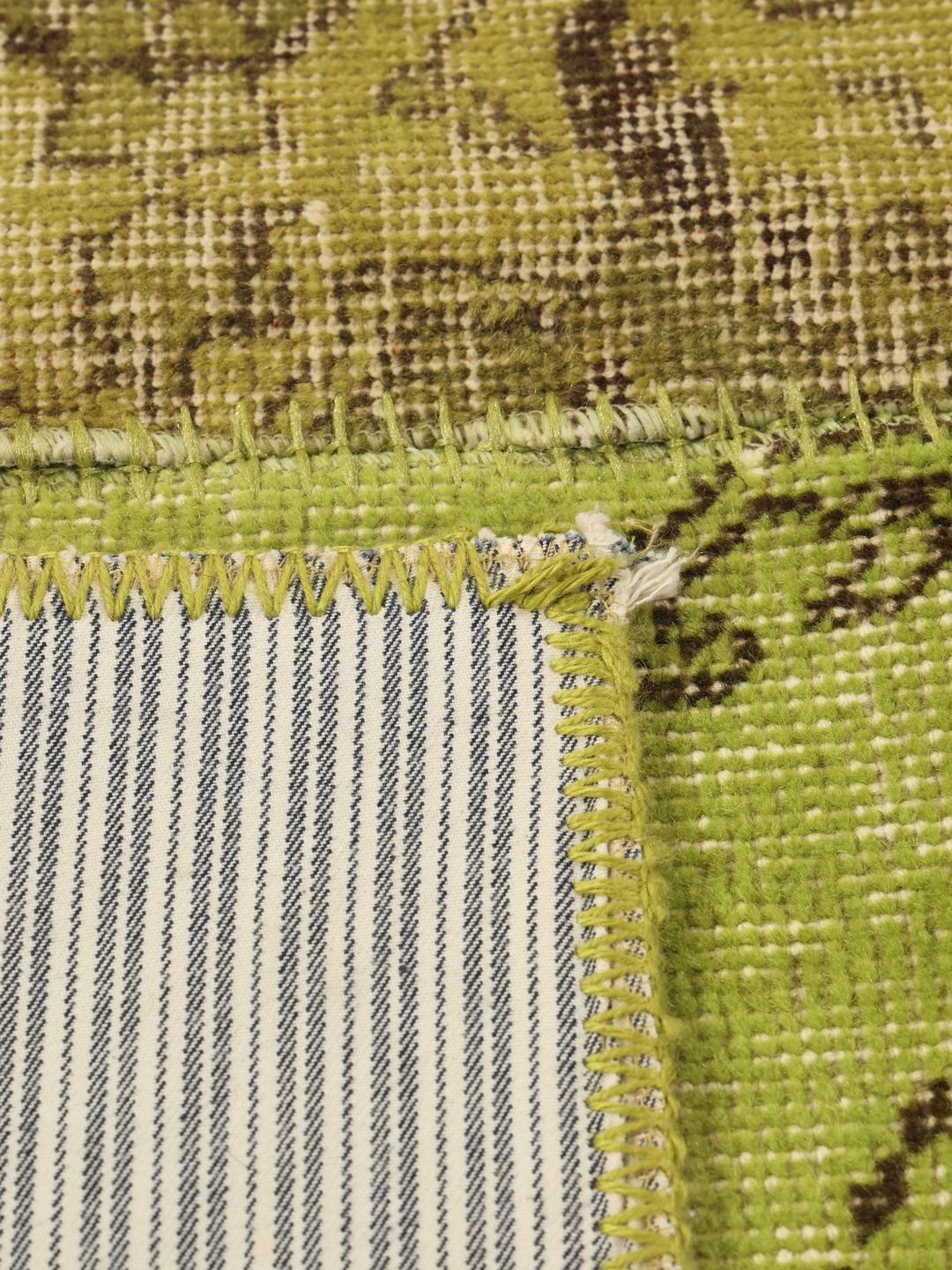
Patchwork rugs represent a fascinating evolution in textile history, emerging from the desire to preserve and celebrate the remnants of traditional weaving. Originating from regions with a deep history of carpet making, such as the Middle East, these rugs transform fragments of older, worn pieces into new, functional art. This tradition honours the skill of the original weavers while giving the textiles a contemporary purpose.
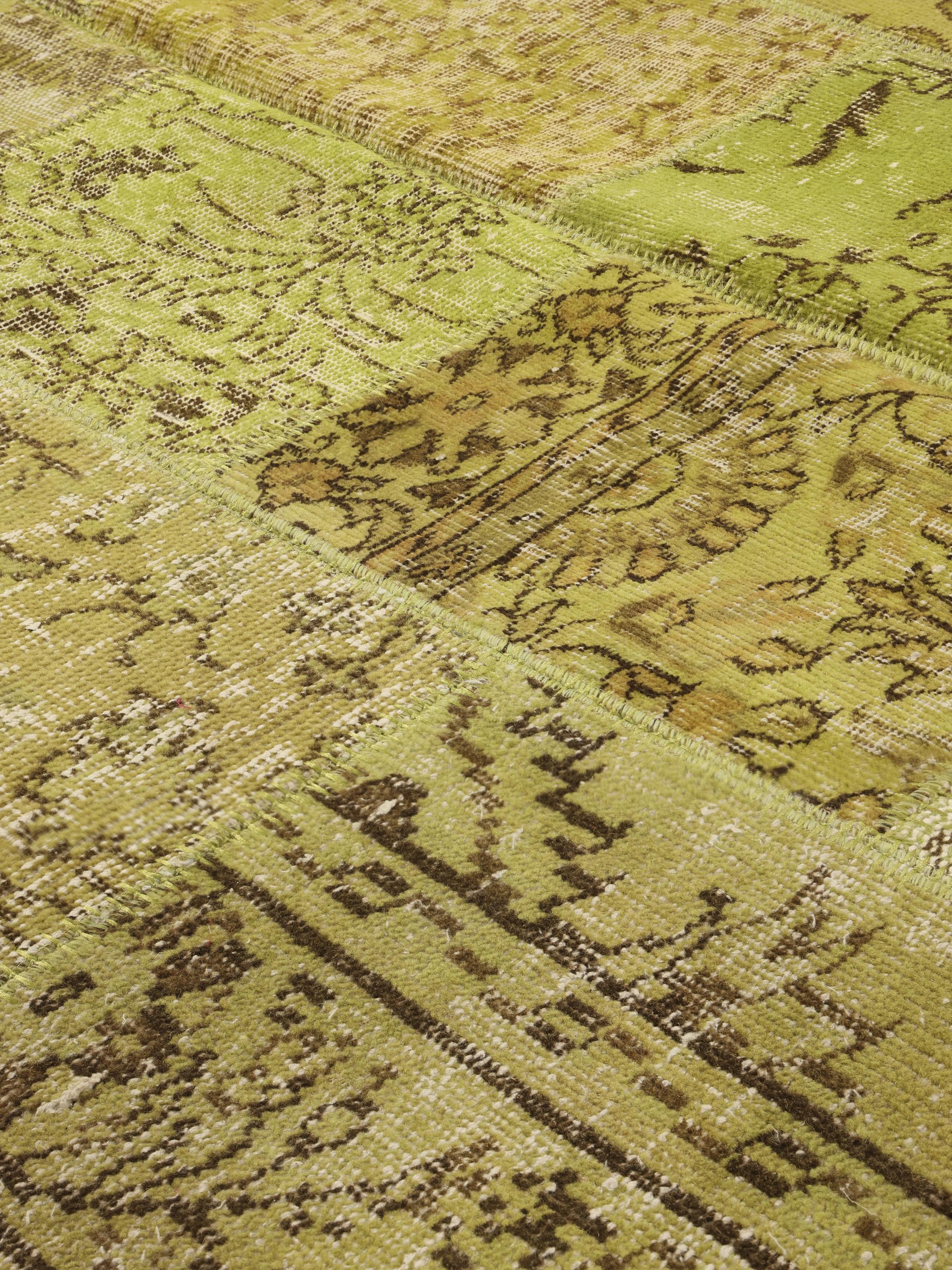
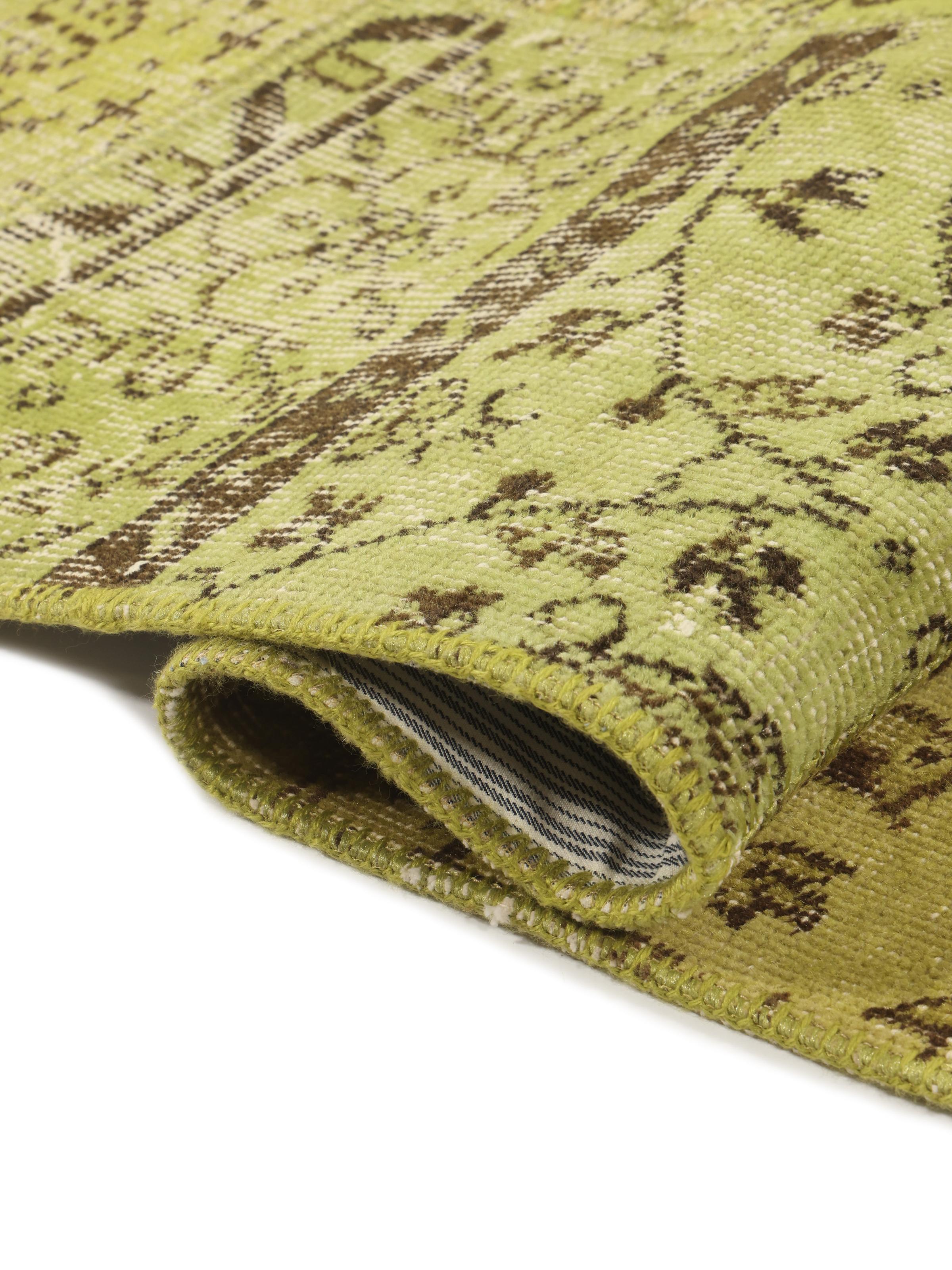
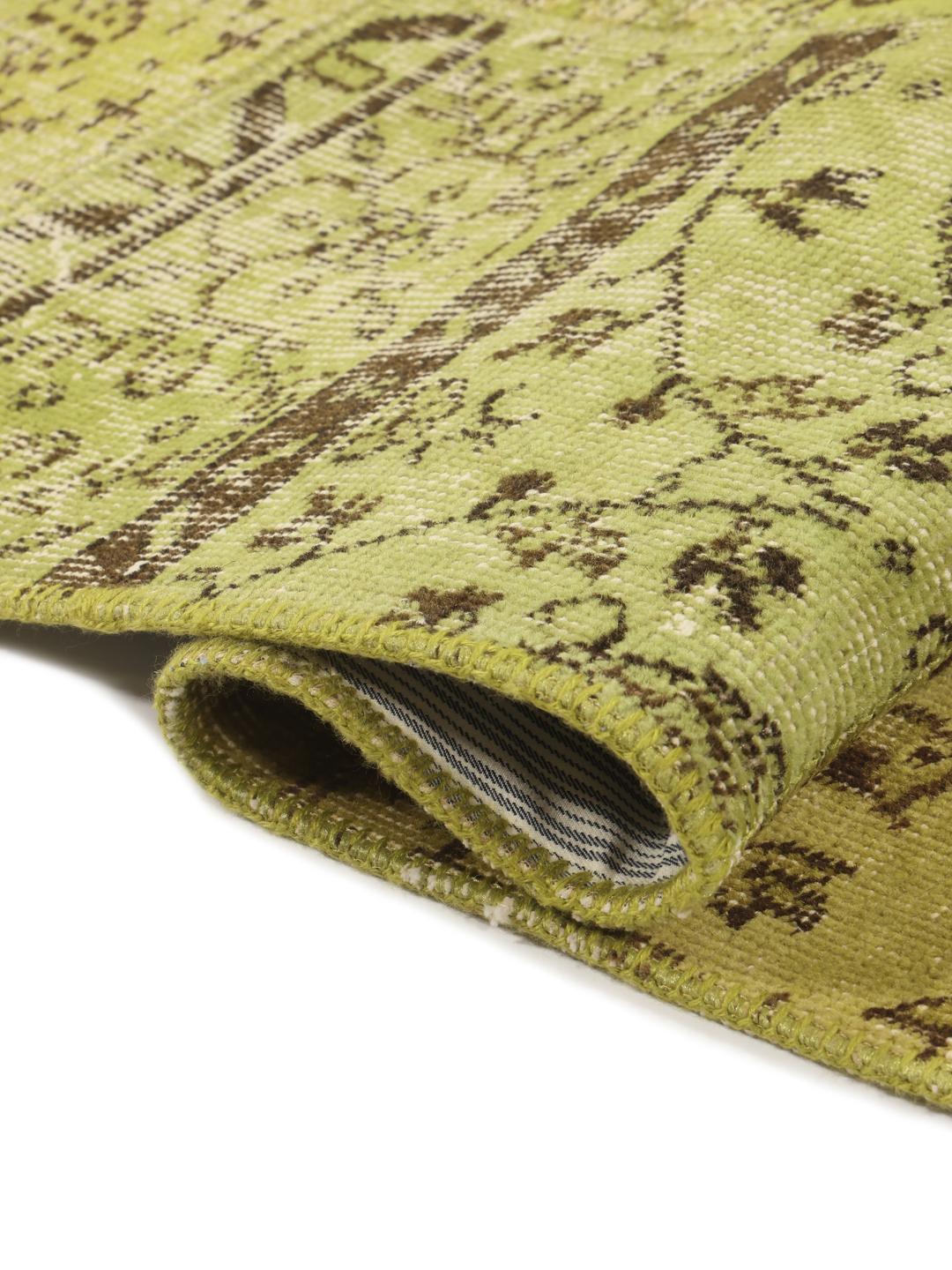
The process of creating a patchwork rug involves carefully selecting pieces that complement each other in terms of age, wear, and colour palette. This is not merely an assembly but a curation of history, where fragments of various origins are brought together to create a harmonious design. Each fragment tells a story of its own, echoing the motifs and colour traditions of the region from which it was sourced.
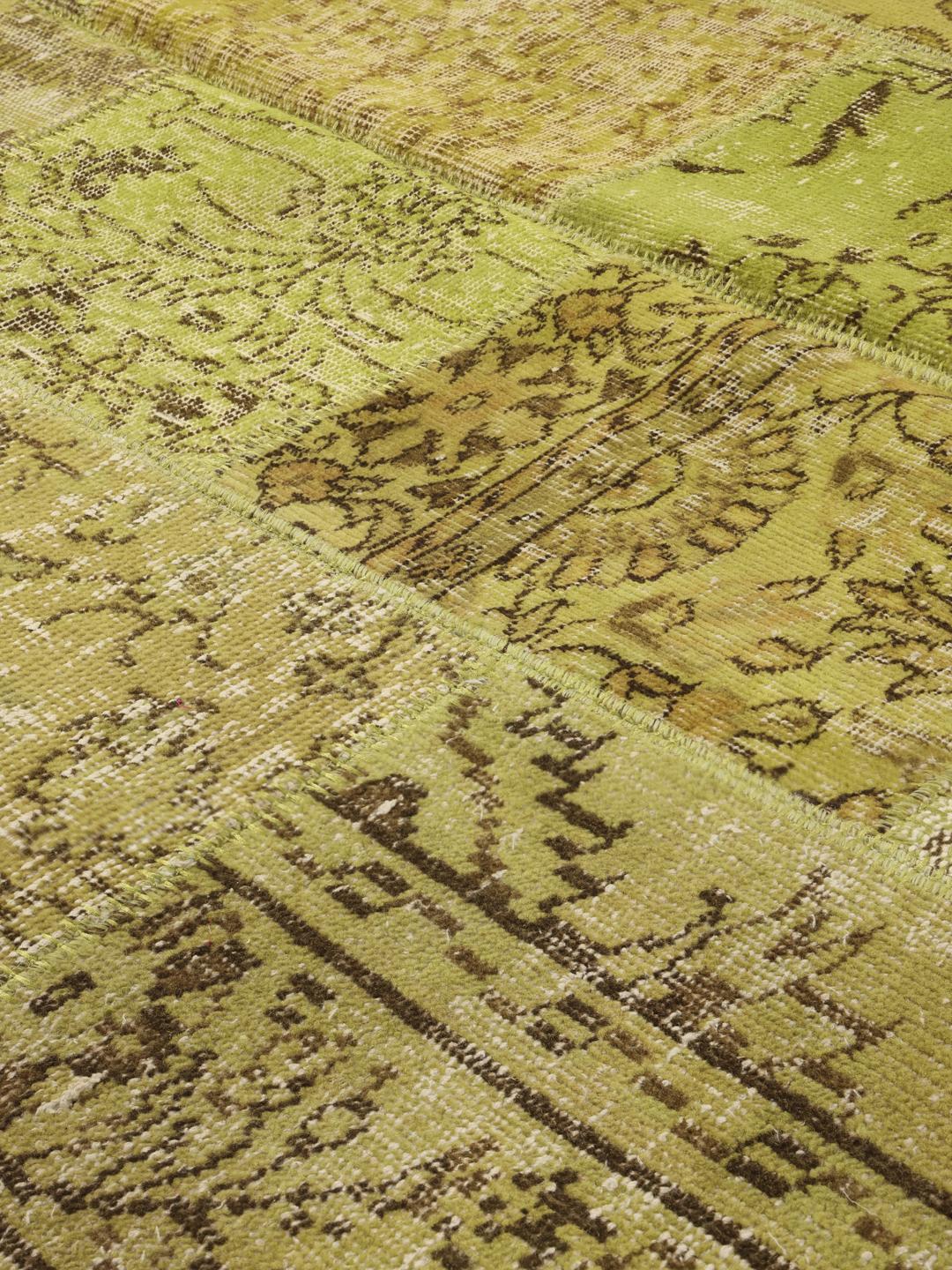
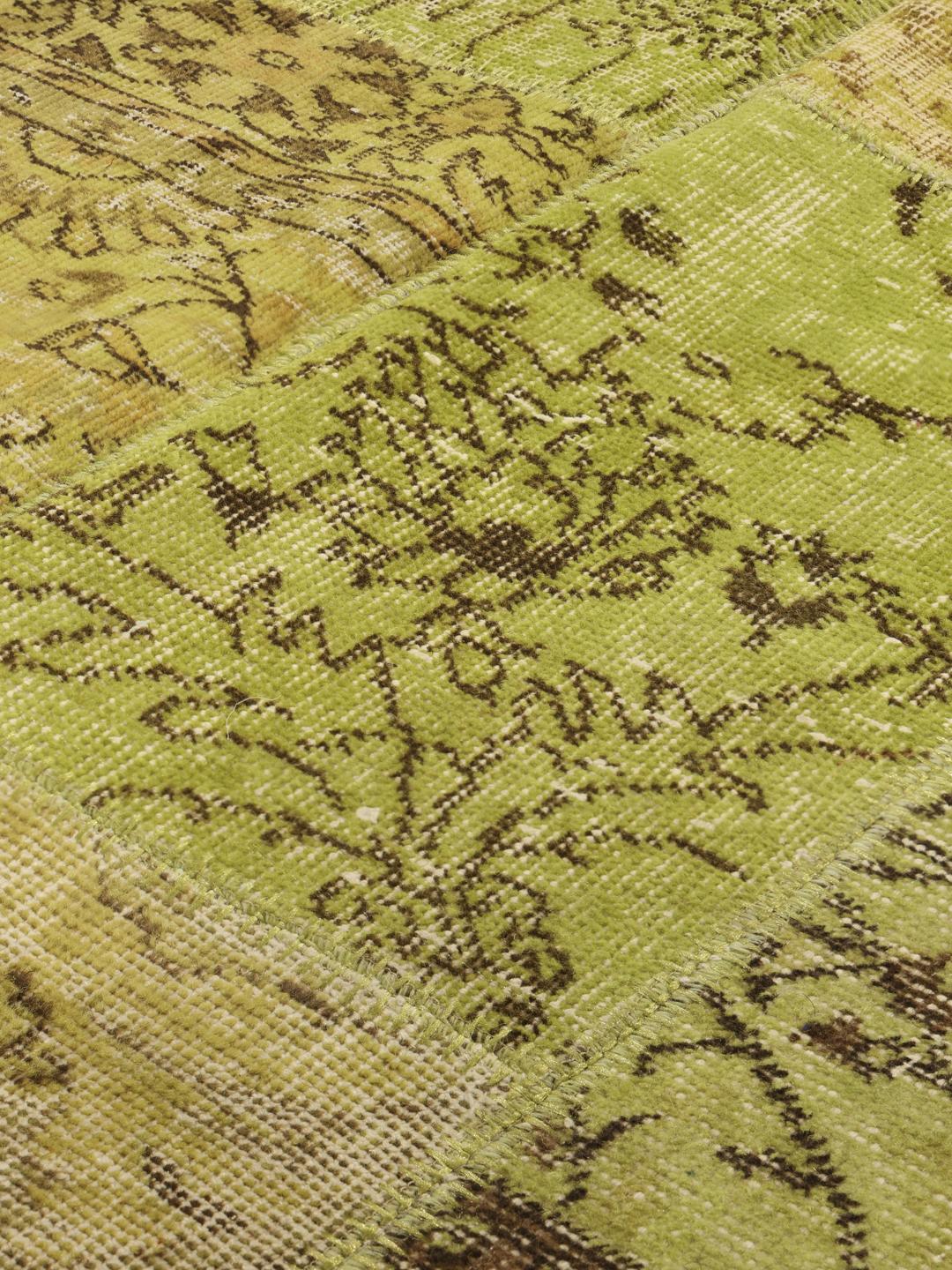
Visually, these rugs often feature a rich tapestry of patterns, ranging from faded geometric elements to remnants of traditional floral motifs. The inclusion of these varied designs creates an artistic, layered look that is highly valued by collectors and enthusiasts alike. Because the fragments are often sourced from different rugs, the final composition offers a visual depth that is impossible to achieve with new, mass-produced items.
Owning a piece like this is a way to participate in the ongoing narrative of textile craft. It signifies a respect for heritage and a preference for items that possess character and soul. These rugs are collected not only for their aesthetic versatility but for the unique cultural weight they carry, serving as a bridge between the craftsmanship of the past and the needs of the modern home.