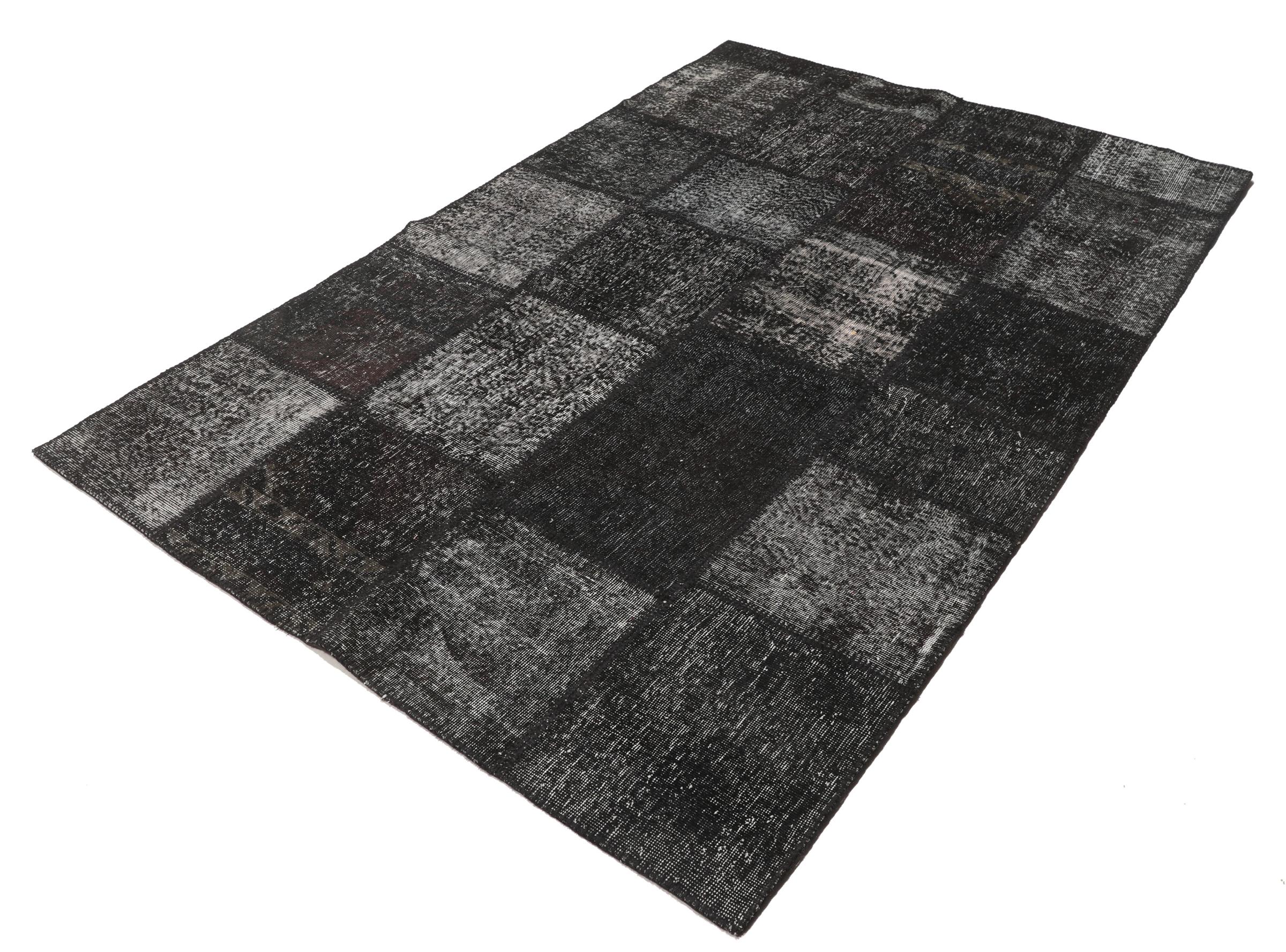
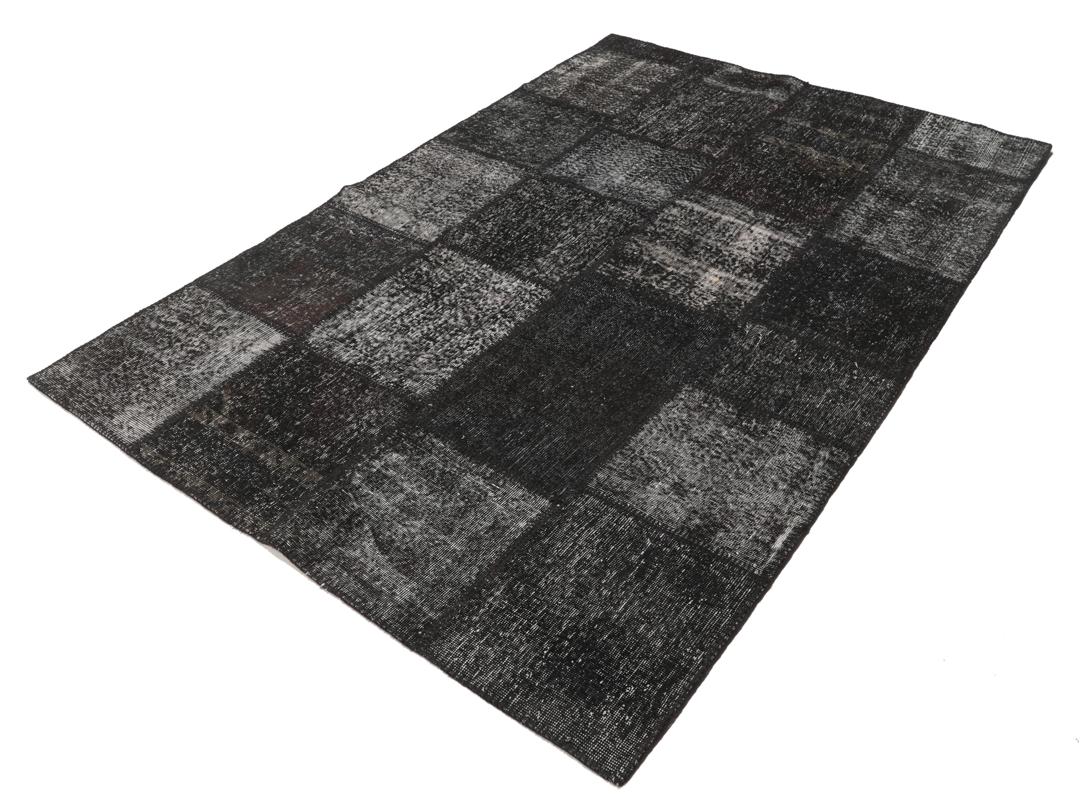
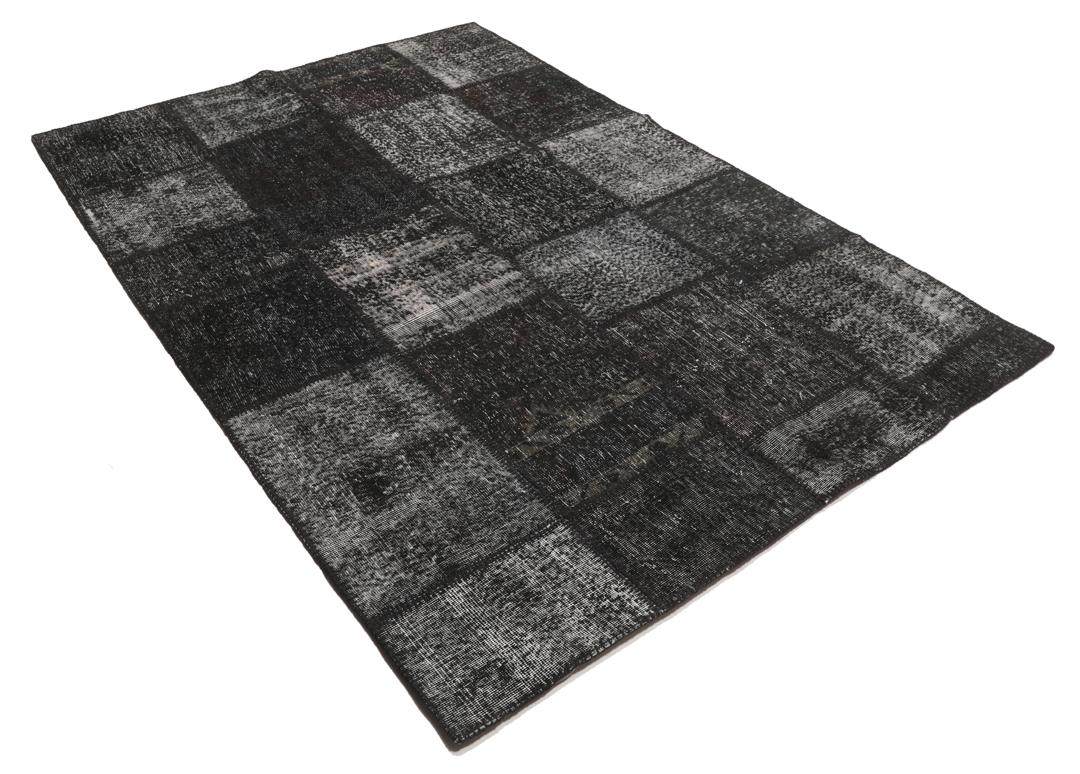
The tradition of the patchwork rug is a relatively modern evolution within the long history of Middle Eastern textile craft. It emerged as a creative solution to celebrate and preserve the remnants of older, hand-knotted rugs that might otherwise have been lost to time. By taking these storied fragments and reassembling them, artisans have found a way to honour the past while creating something entirely new for the contemporary home.
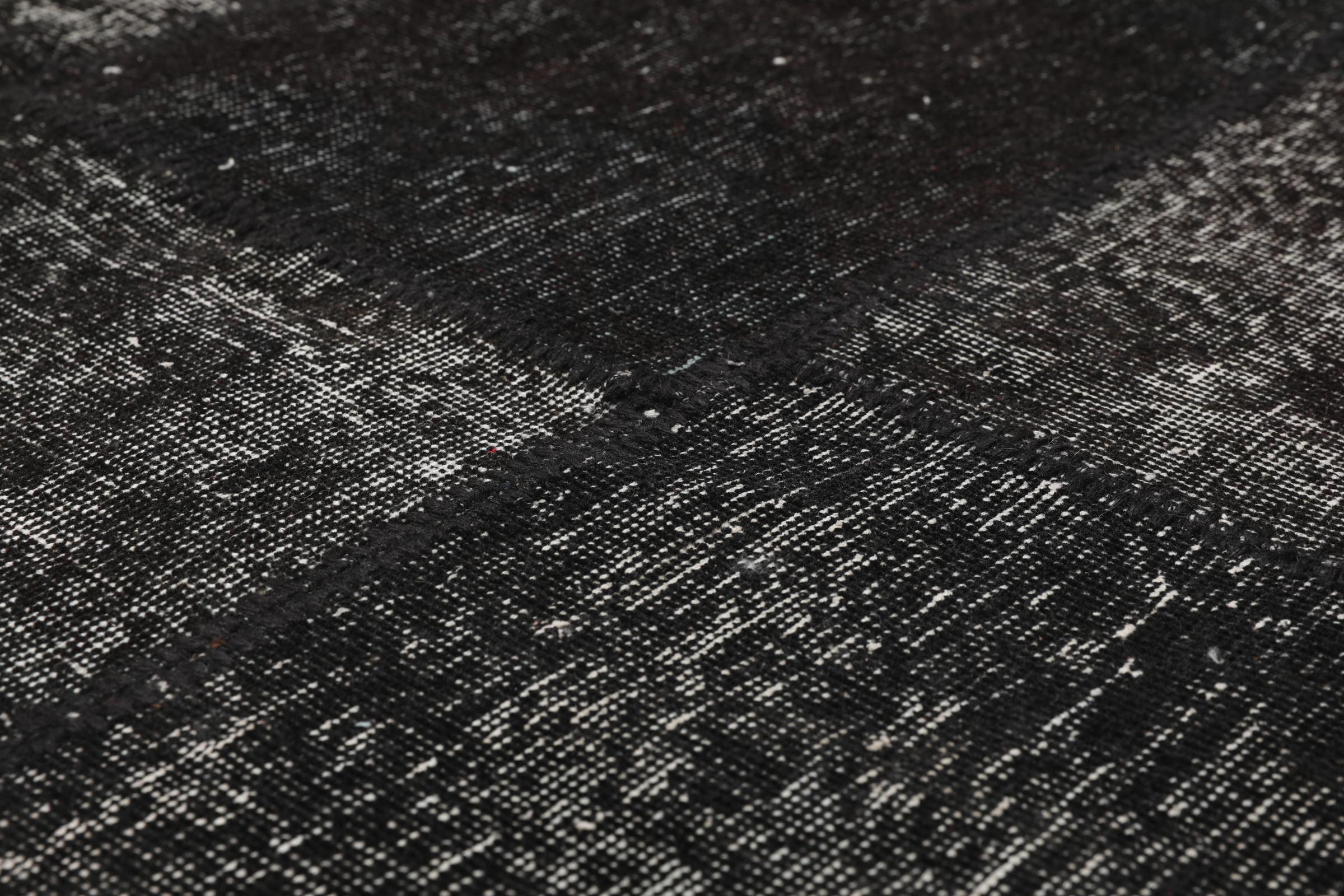
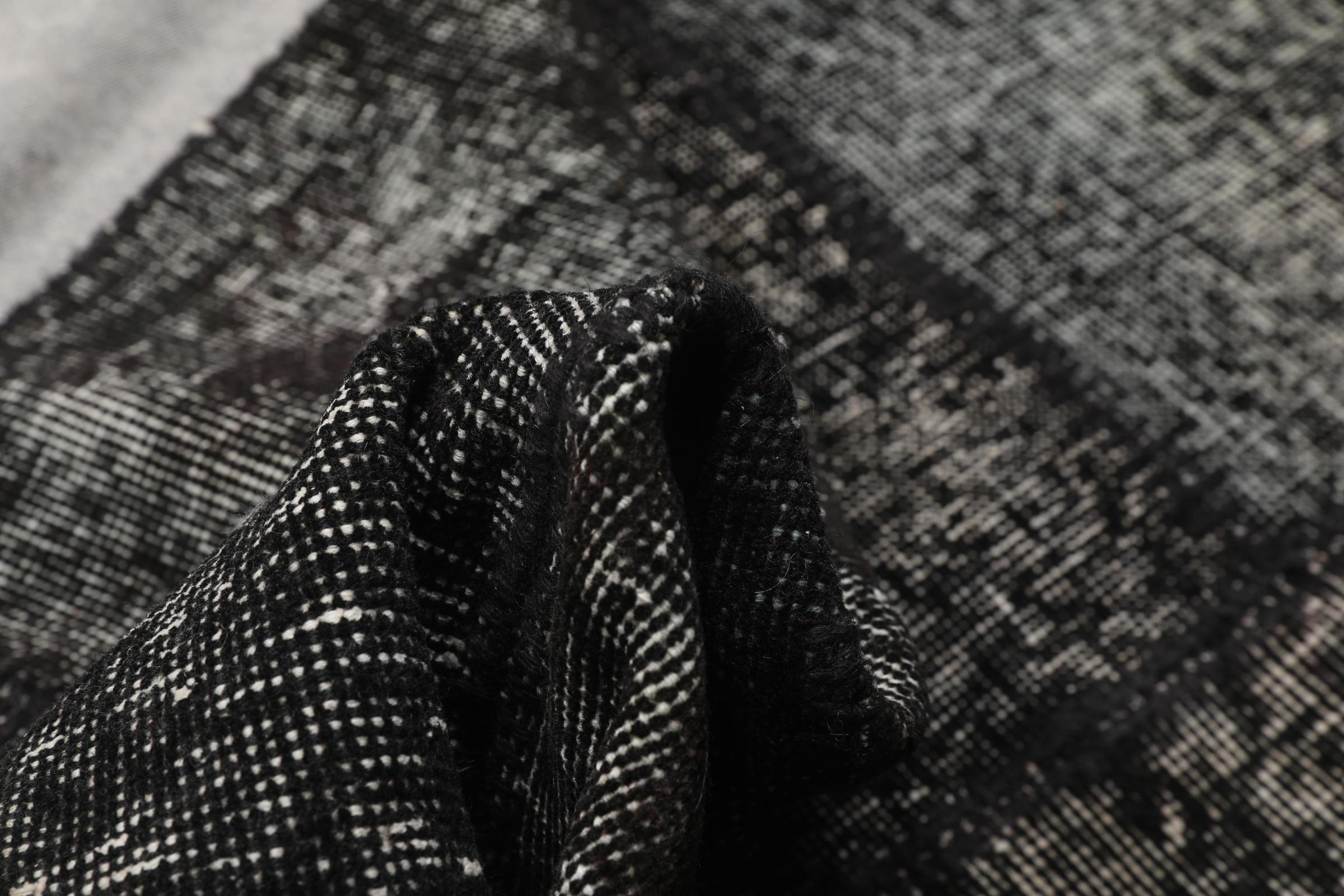
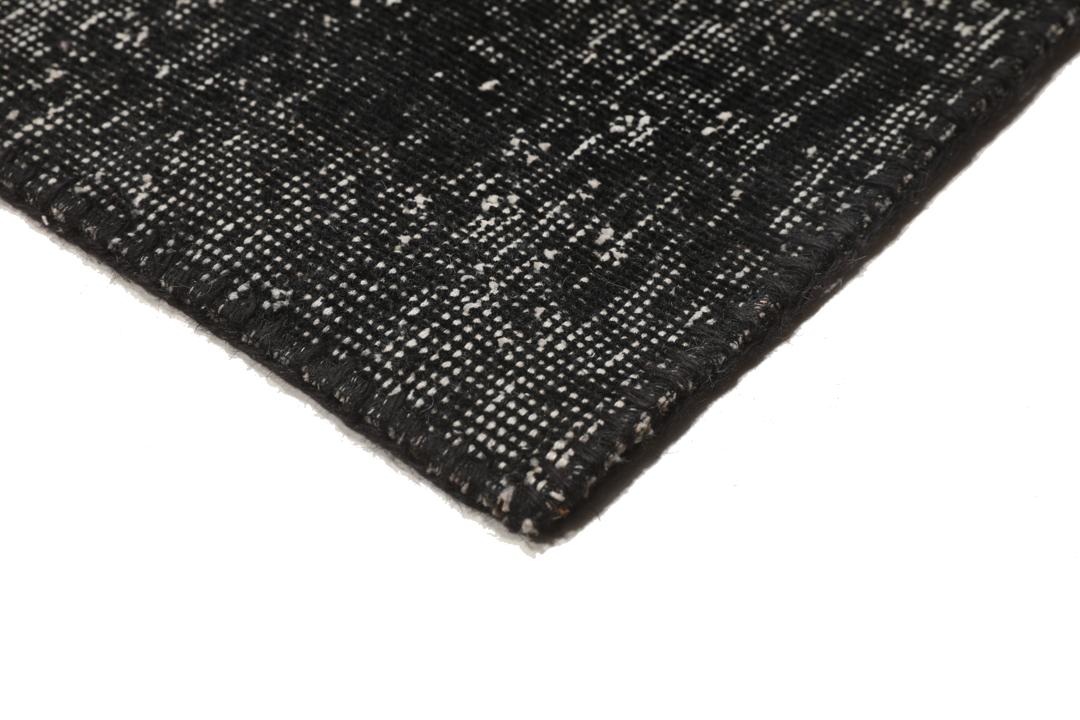
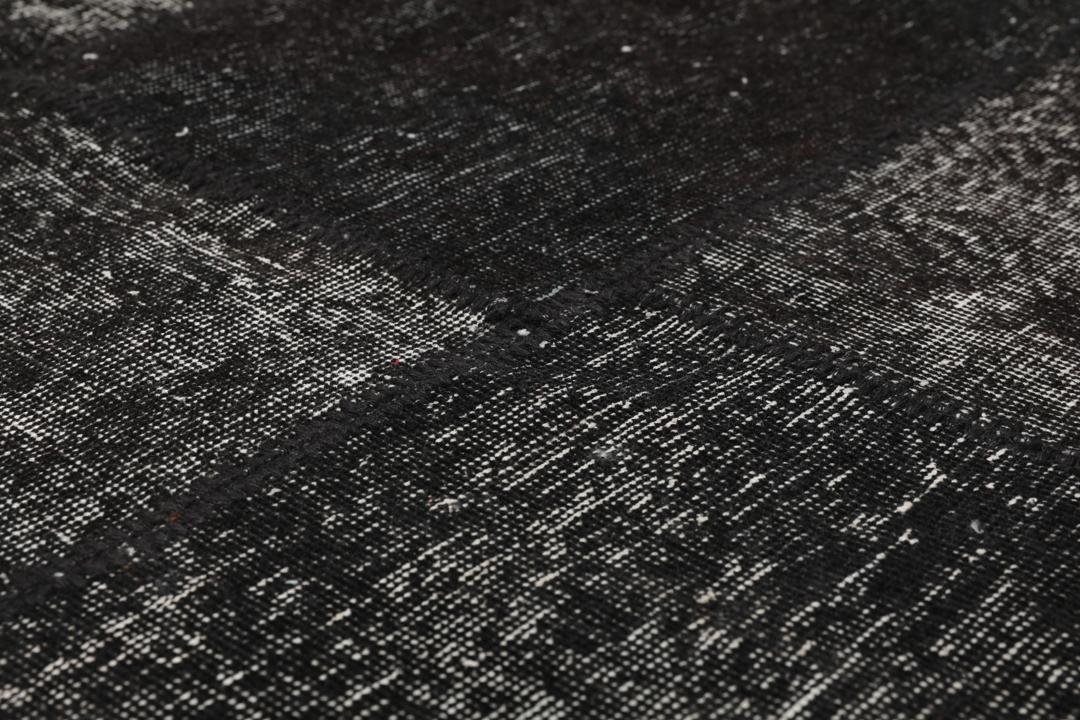
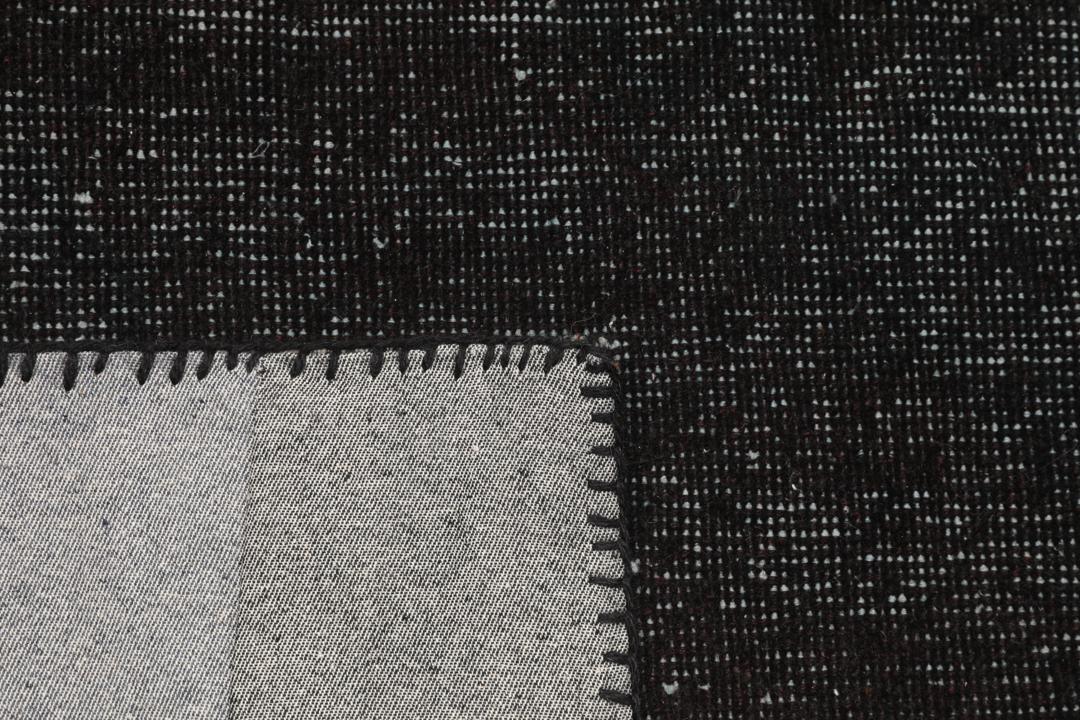
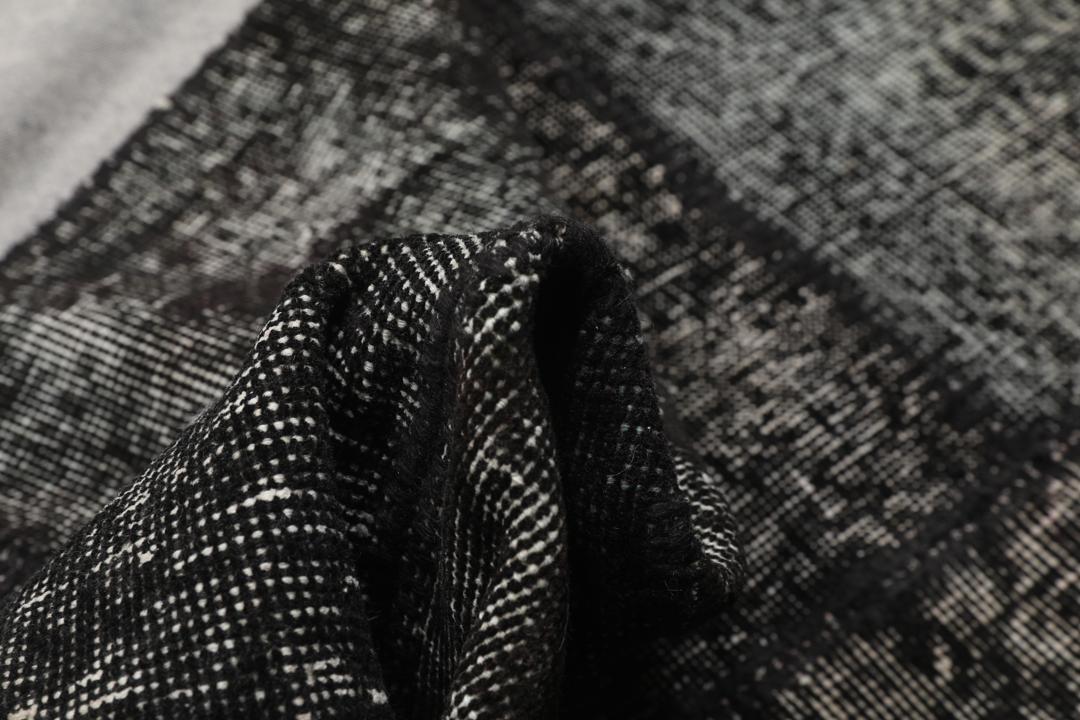
In terms of craft, the quality of a patchwork rug is defined by the integrity of the original hand-knotted material and the precision of the stitching. Each patch often carries the history of its original design, whether it was part of a larger medallion or a border motif. When these pieces are united, the resulting rug gains a new level of durability and visual interest, as the different pile heights and wear patterns contribute to a rich, multi-layered texture.
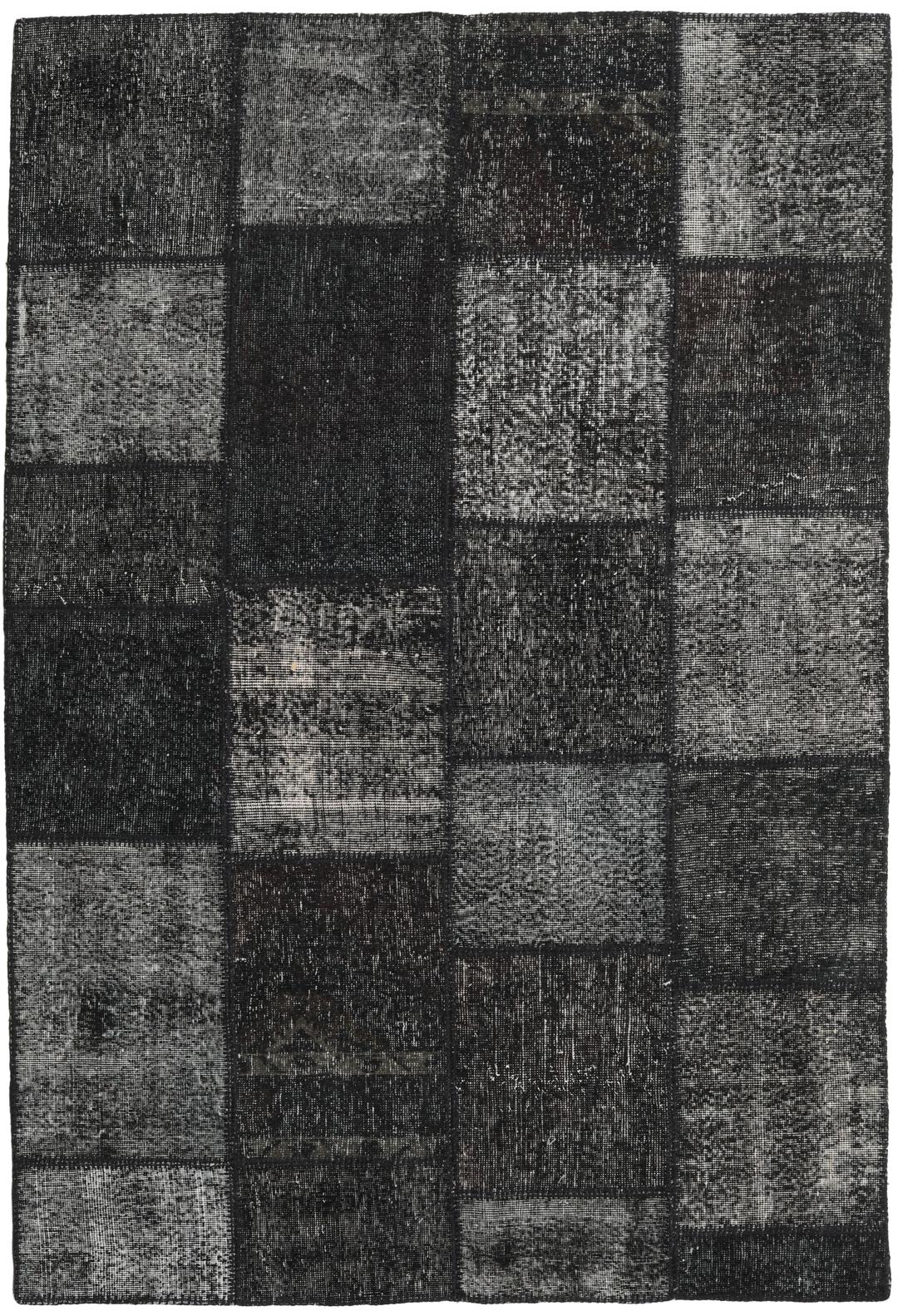
Visually, these rugs are defined by their grid-like composition and the interplay of varying shades. While traditional rugs often focus on a single, unified pattern, the patchwork approach highlights the beauty of contrast. The black and dark-grey tones in this particular piece create a moody, sophisticated aesthetic that fits seamlessly into modern interiors, proving that traditional techniques can adapt to suit any design language.
Collecting a patchwork rug is an investment in cultural sustainability. It represents a commitment to the idea that beauty does not have to be discarded, but can be reimagined through skill and creativity. For the owner, it provides a sense of connection to the artisans who first knotted the wool and those who later curated the panels, making it a piece with significant depth and lasting value.