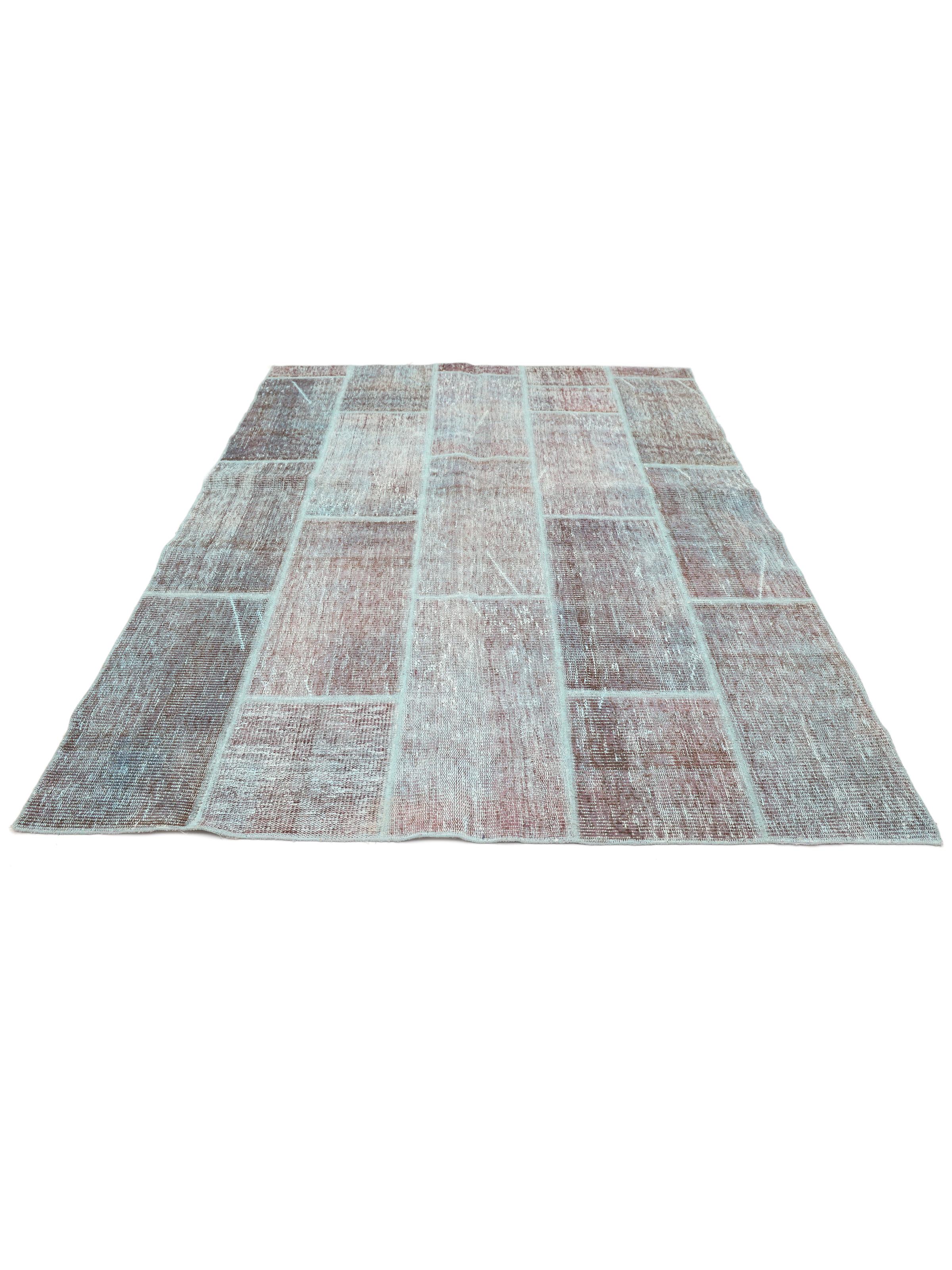
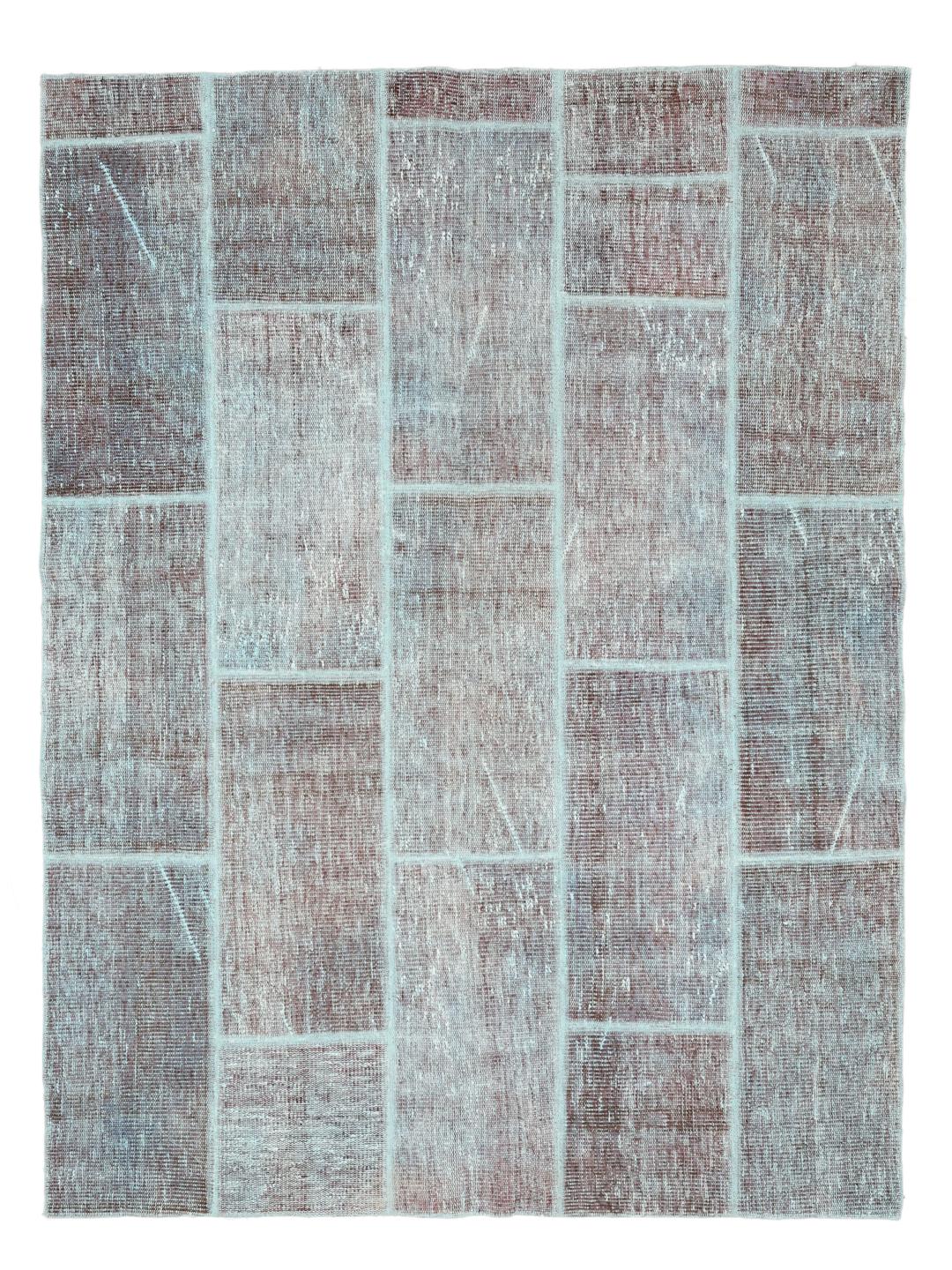
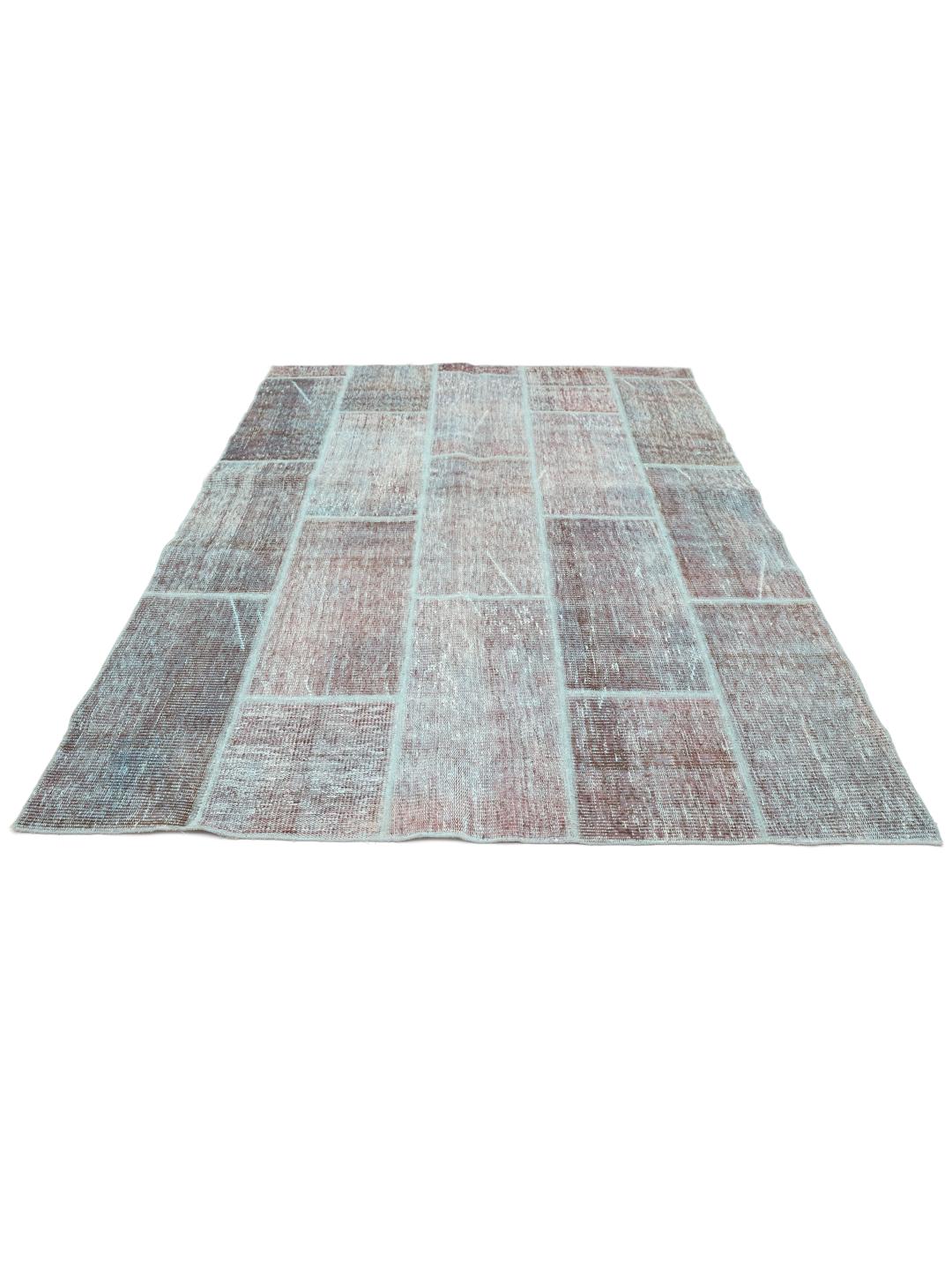
The art of the patchwork rug is a modern evolution of long-standing Middle Eastern textile traditions. Historically, when a traditional rug suffered localised damage, the intact sections were salvaged rather than discarded. This practice of upcycling has been transformed into a sophisticated design movement, celebrating the beauty of fragments and the stories they hold.
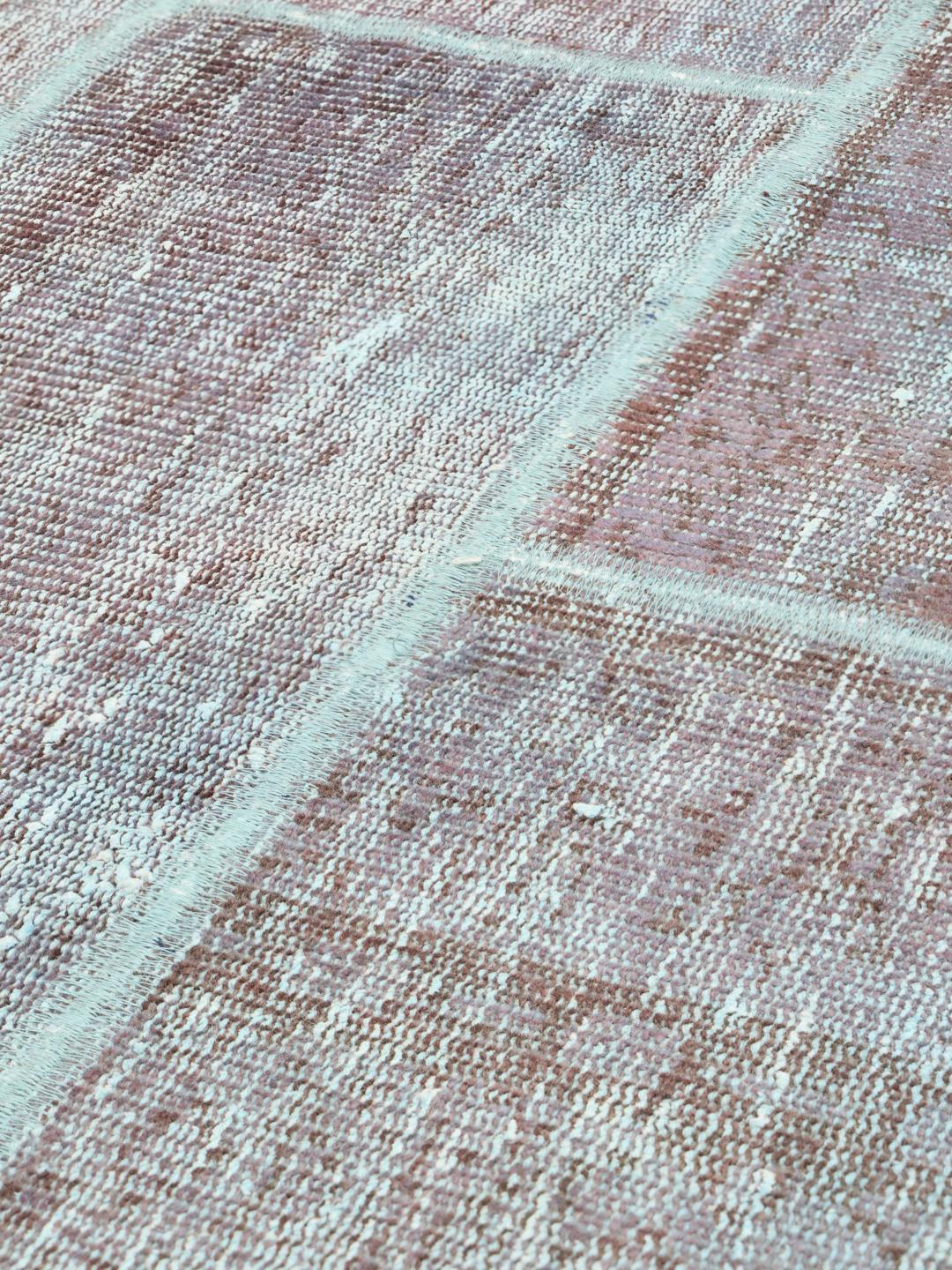
The term patchwork refers to the intentional curation of these textile elements. By combining different patterns, textures, and age-worn surfaces, the craft creates a new aesthetic language. This process requires a deep understanding of textile history, as the artisan must balance colour and pattern density to ensure the final composition is harmonious.
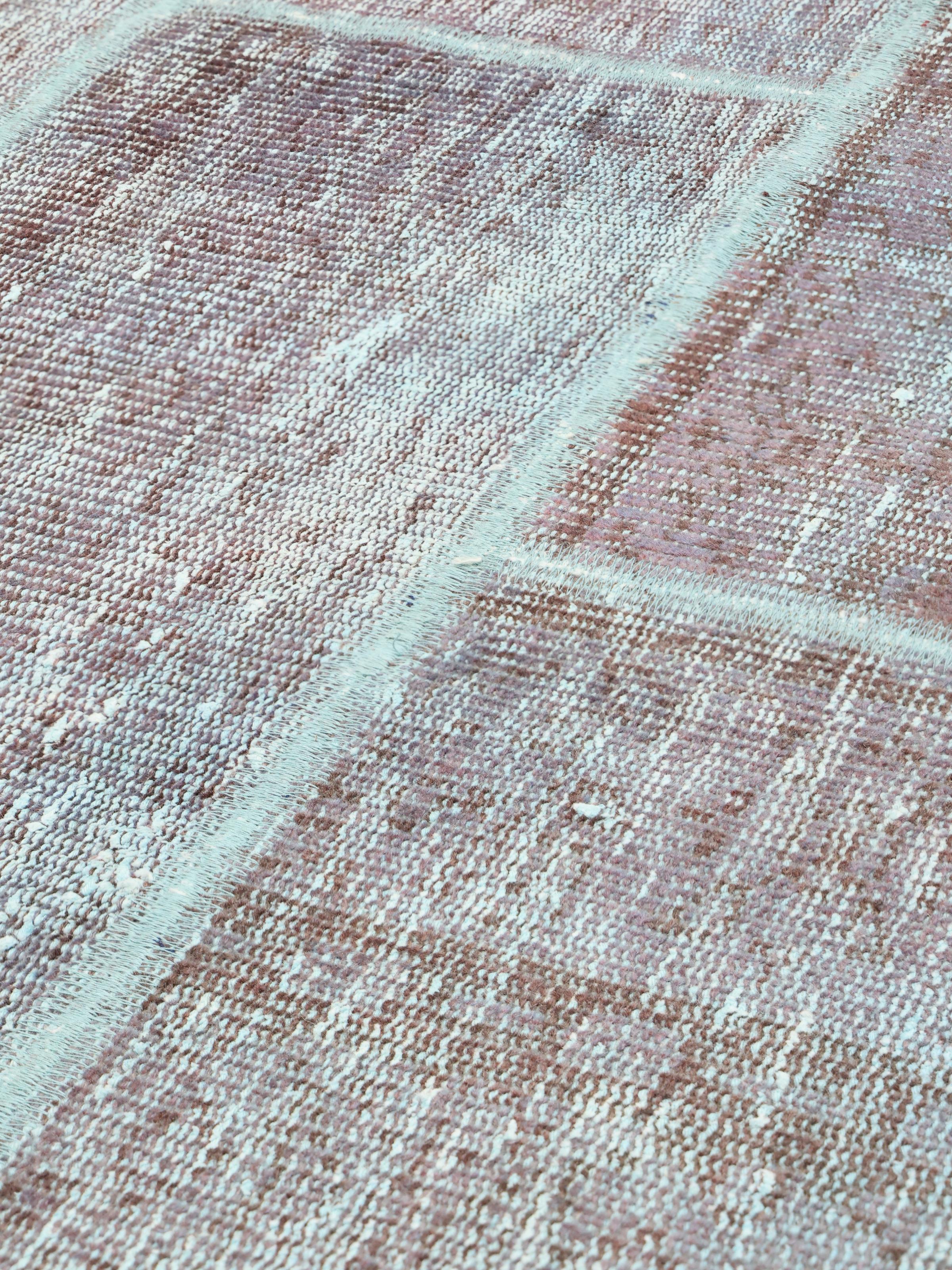
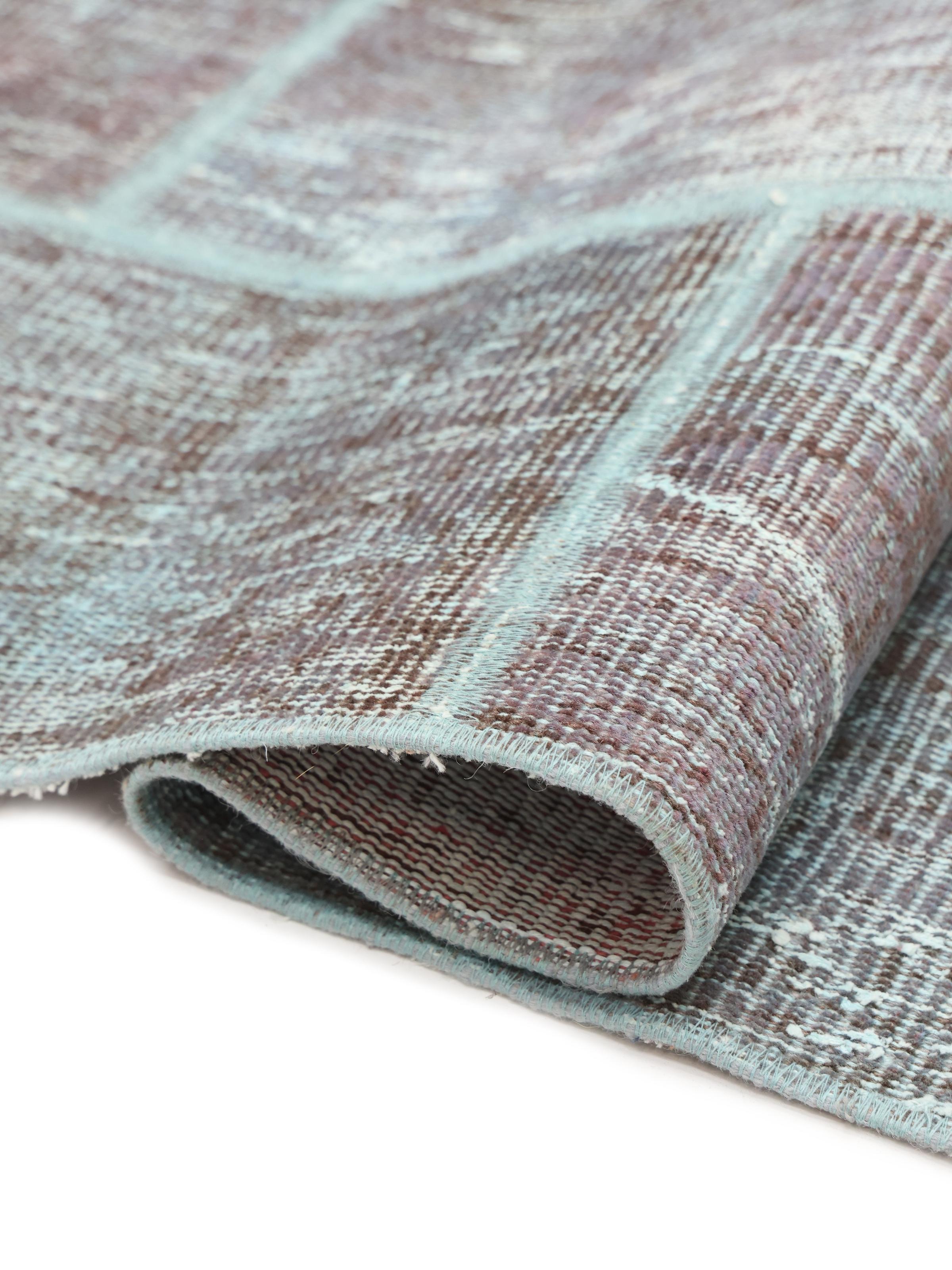
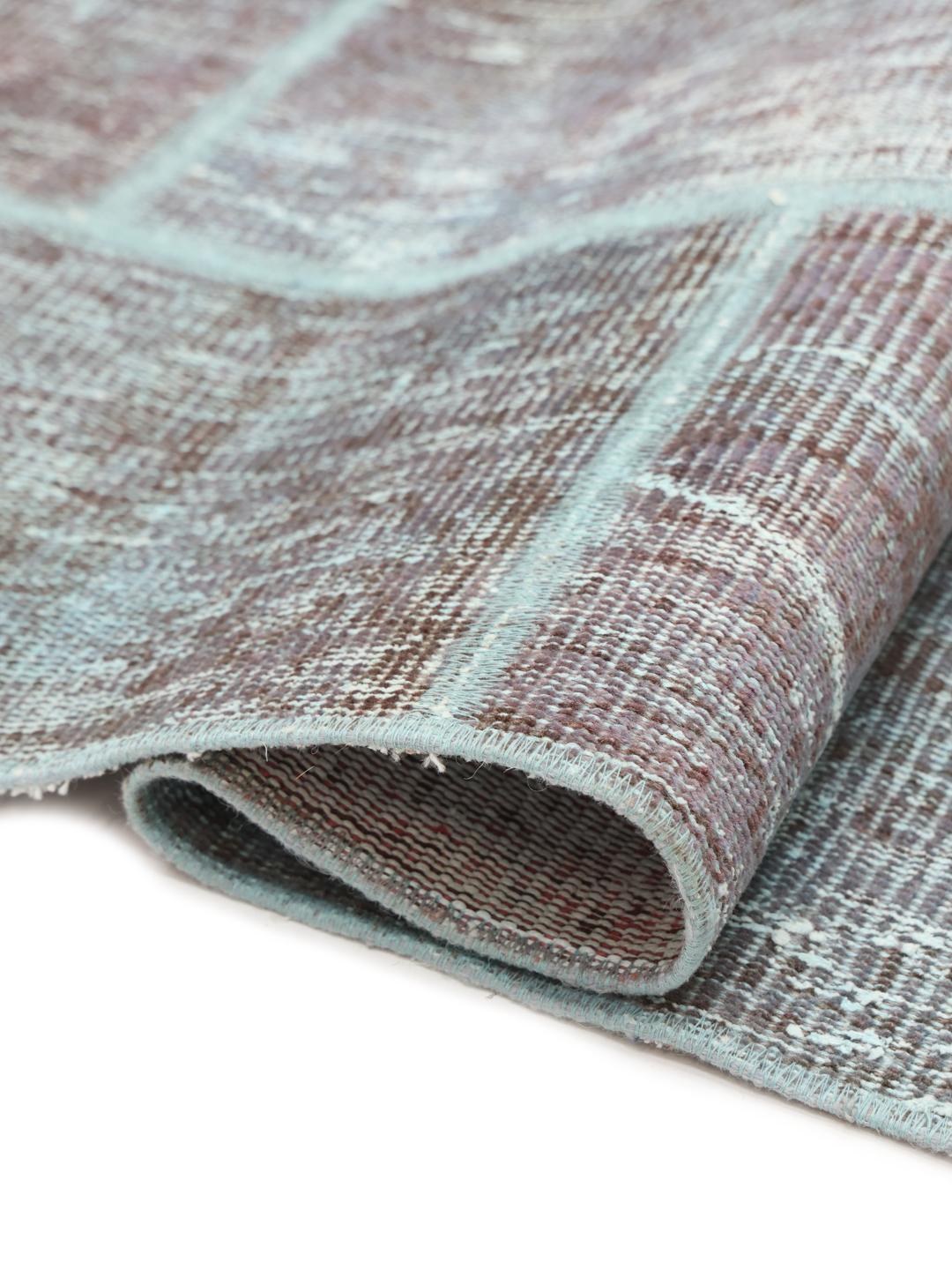
Visually, these rugs often feature a grid or geometric layout that emphasises the individual character of each patch. While the underlying pieces may have originated from different looms or regions, the assembly process brings them into a unified dialogue. The borders and stitching are often intentionally prominent, serving as a reminder of the transformative craft involved in the piece.
Owning a patchwork rug is an act of preservation and appreciation for the skill of previous generations. It represents a bridge between the past and the present, offering collectors a way to integrate historical textile art into a contemporary lifestyle. It is a testament to the idea that beauty can be found in layers, history, and the thoughtful reimagining of traditional materials.