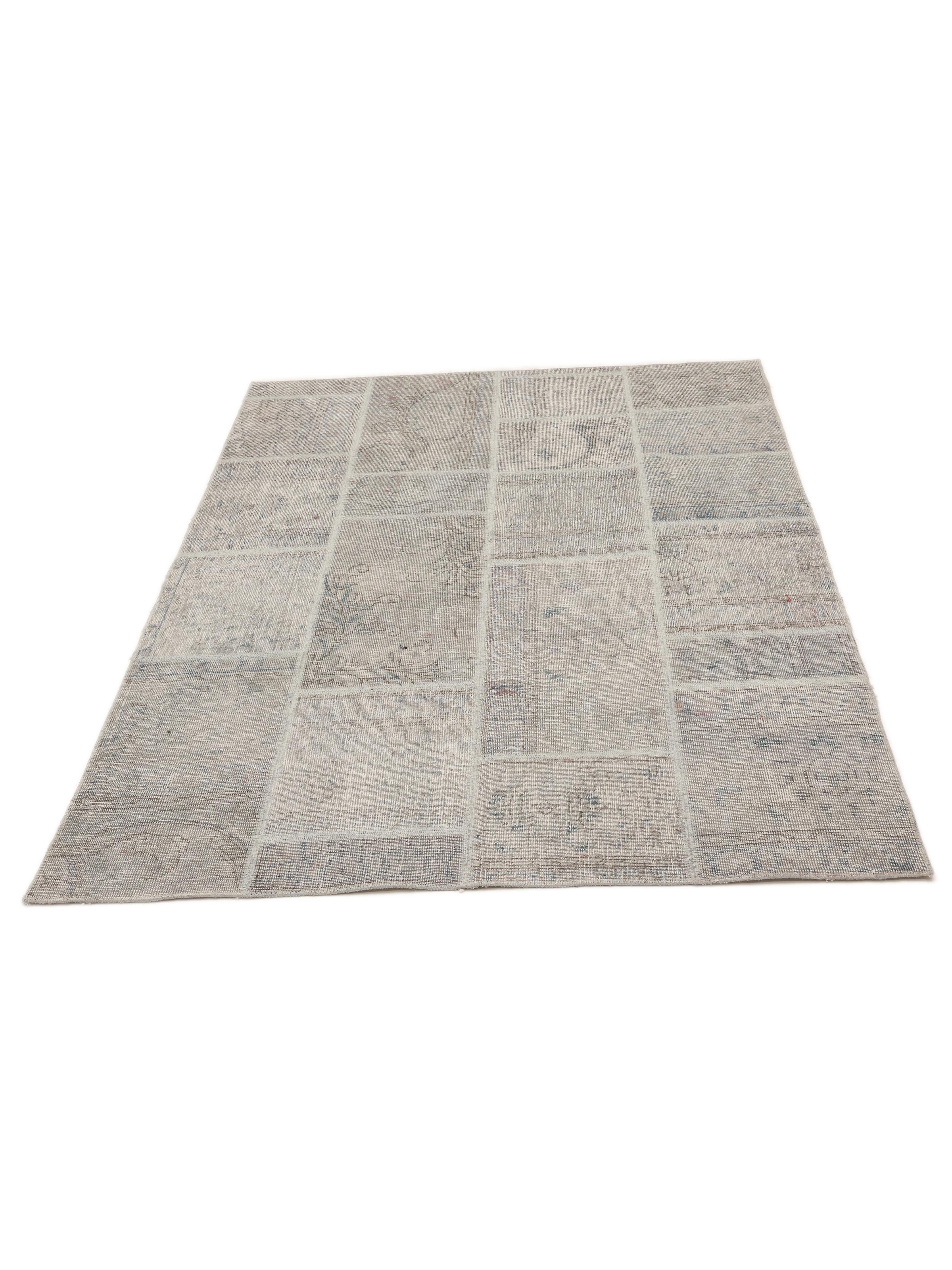
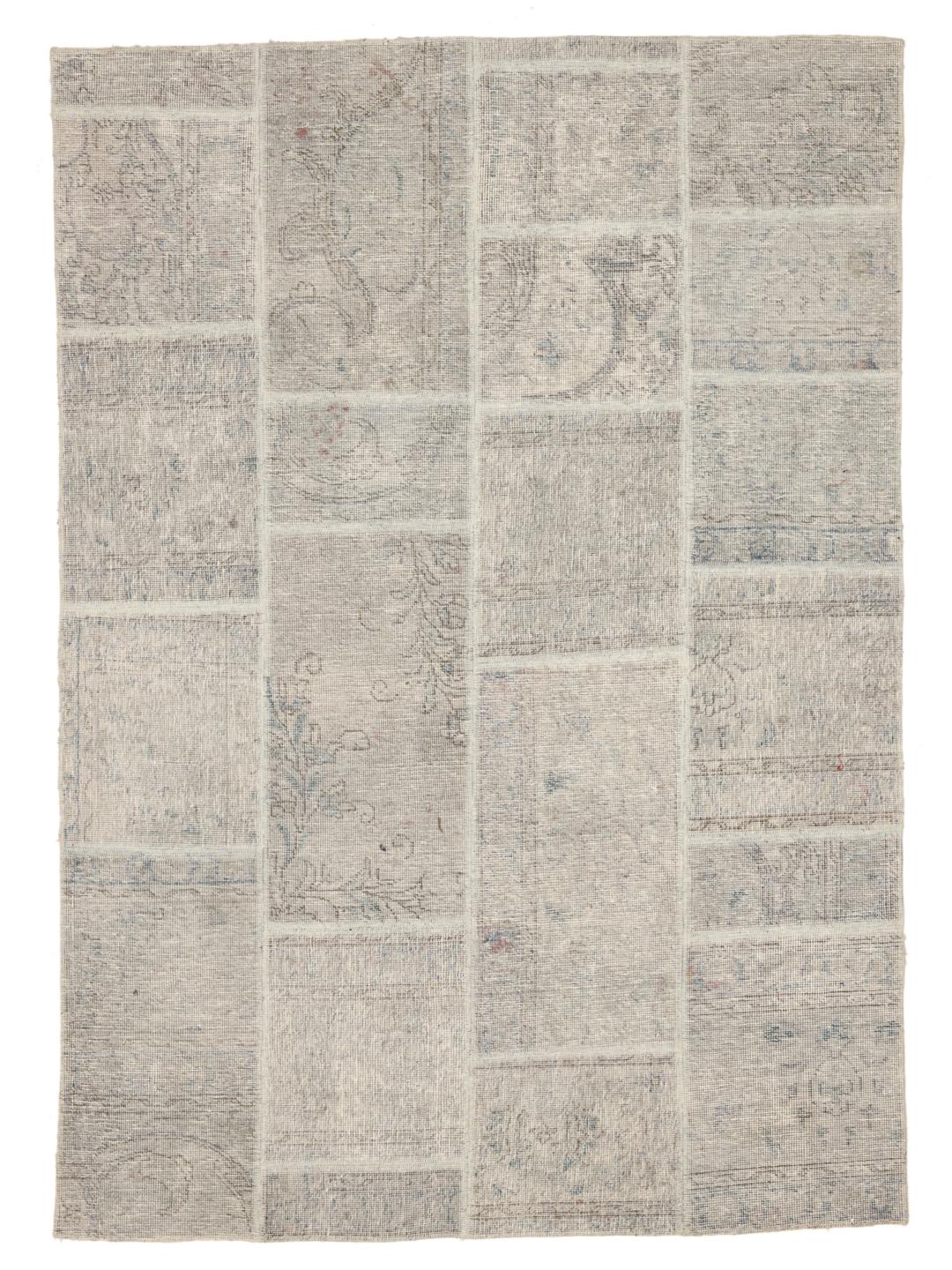
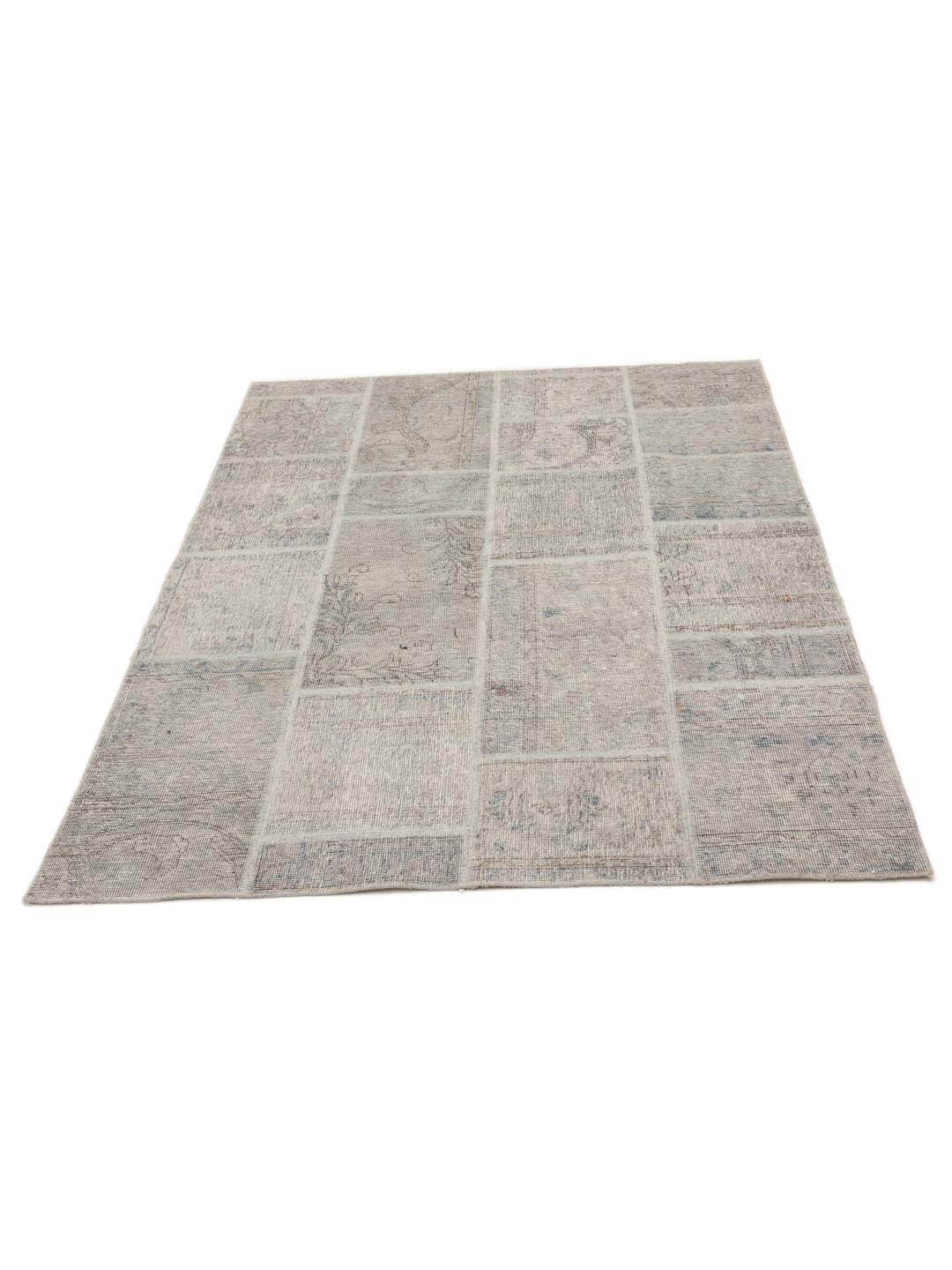
The tradition of patchwork rug-making is a creative evolution within Middle Eastern textile arts. Historically, families would preserve and repurpose sections of older, worn rugs that were too precious to discard, breathing new life into them by stitching them together. This practice has grown into a sophisticated design movement that honours the skill of the original weavers while adapting to modern interior preferences.
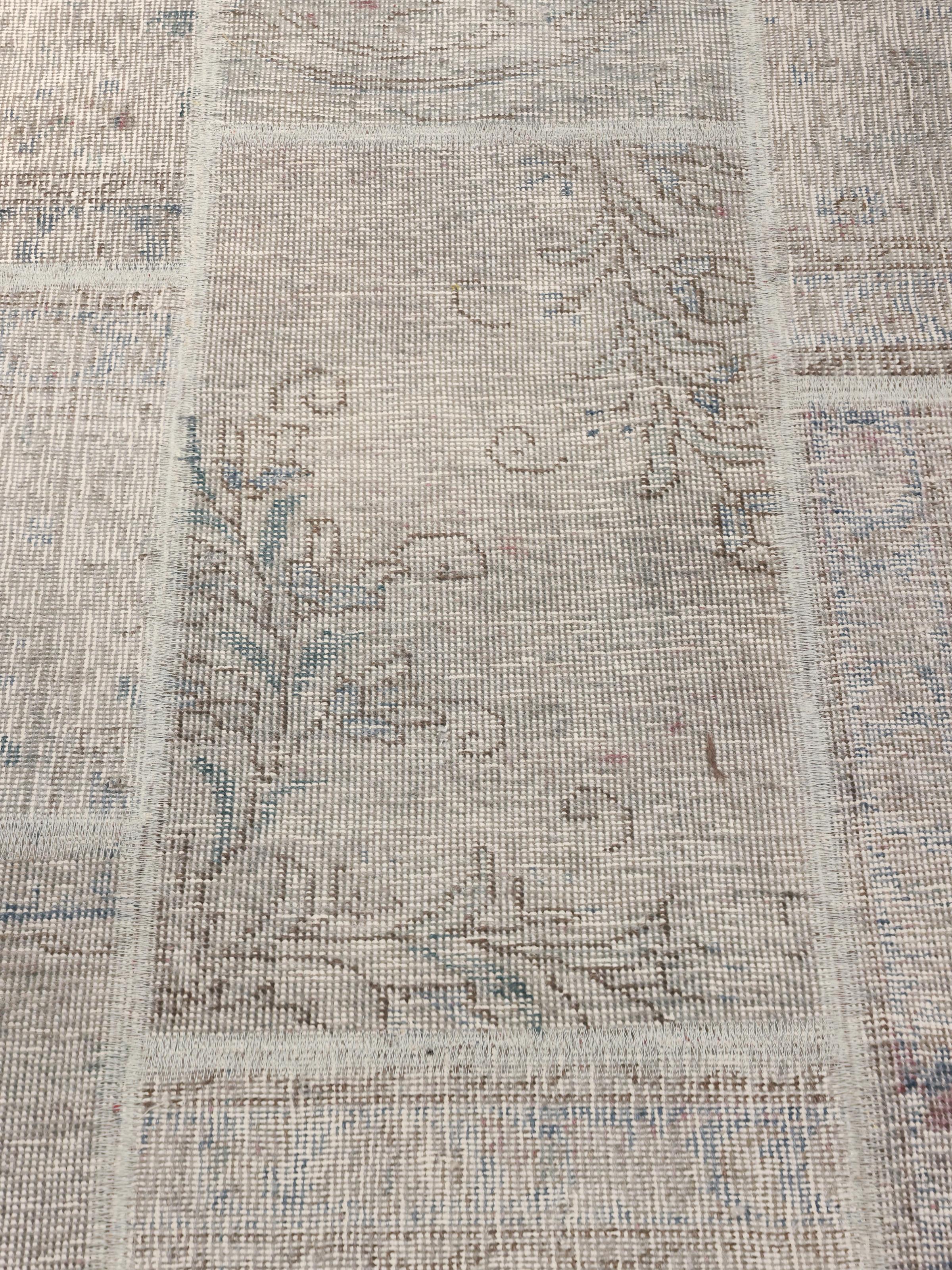
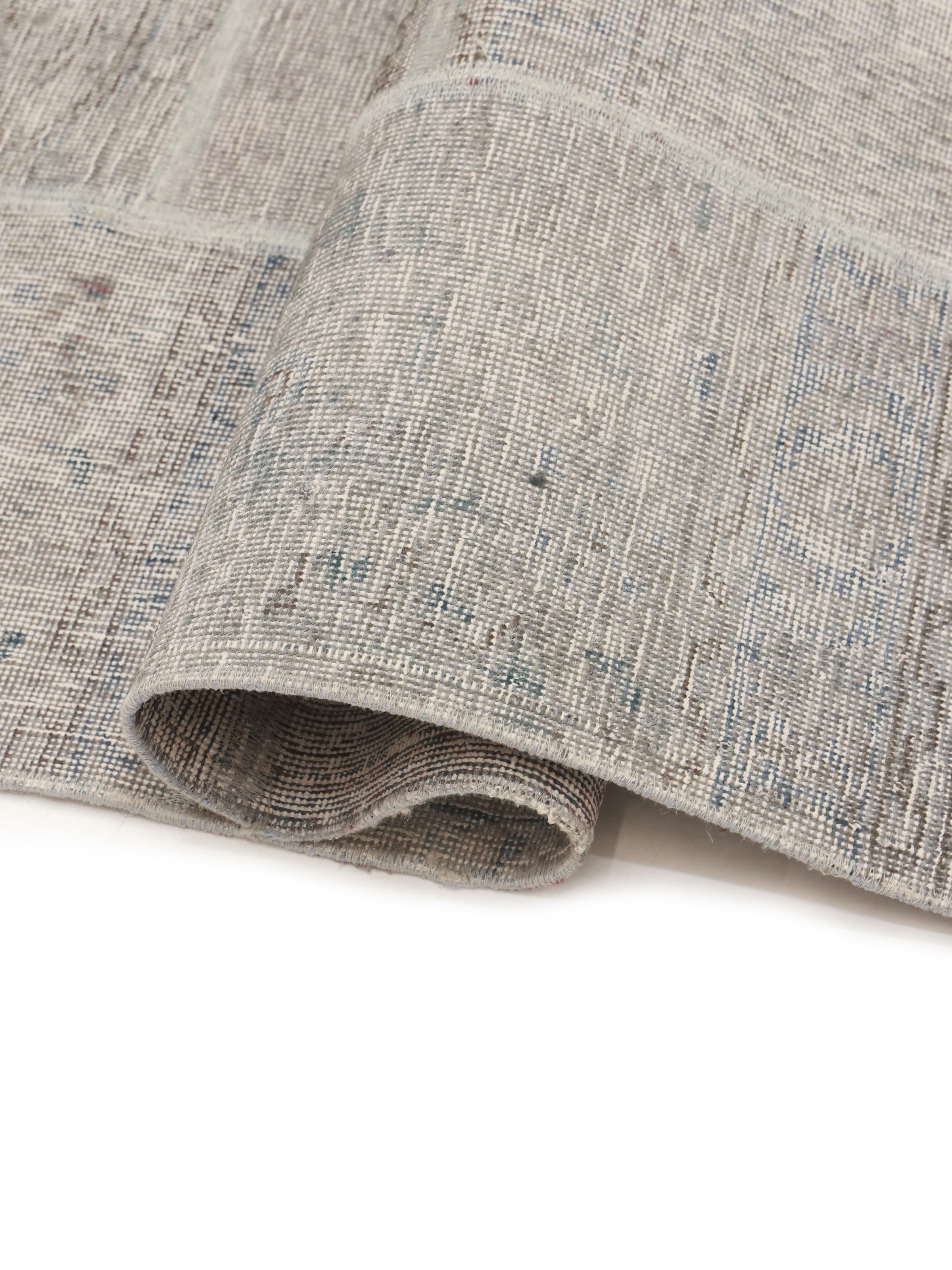
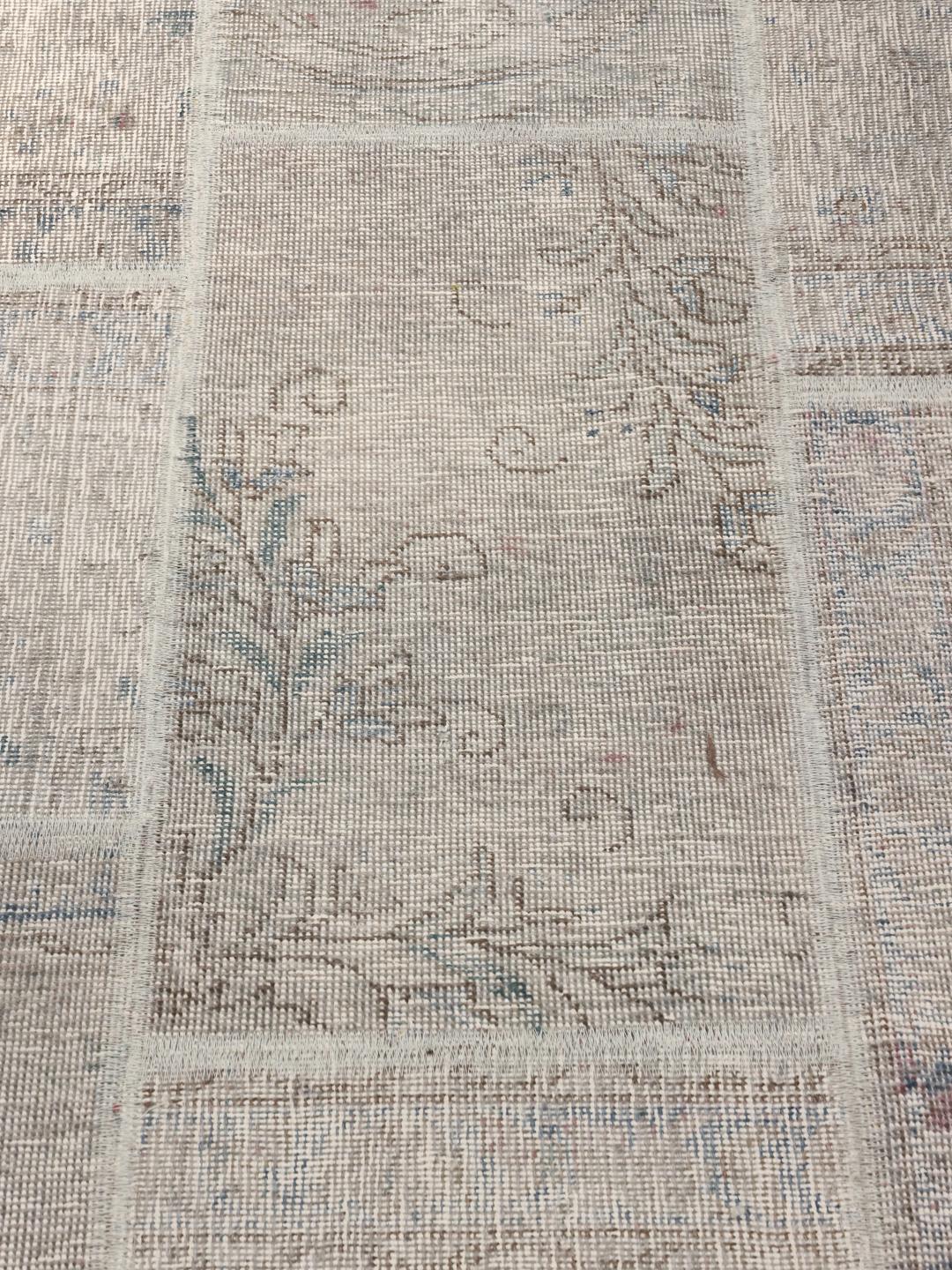
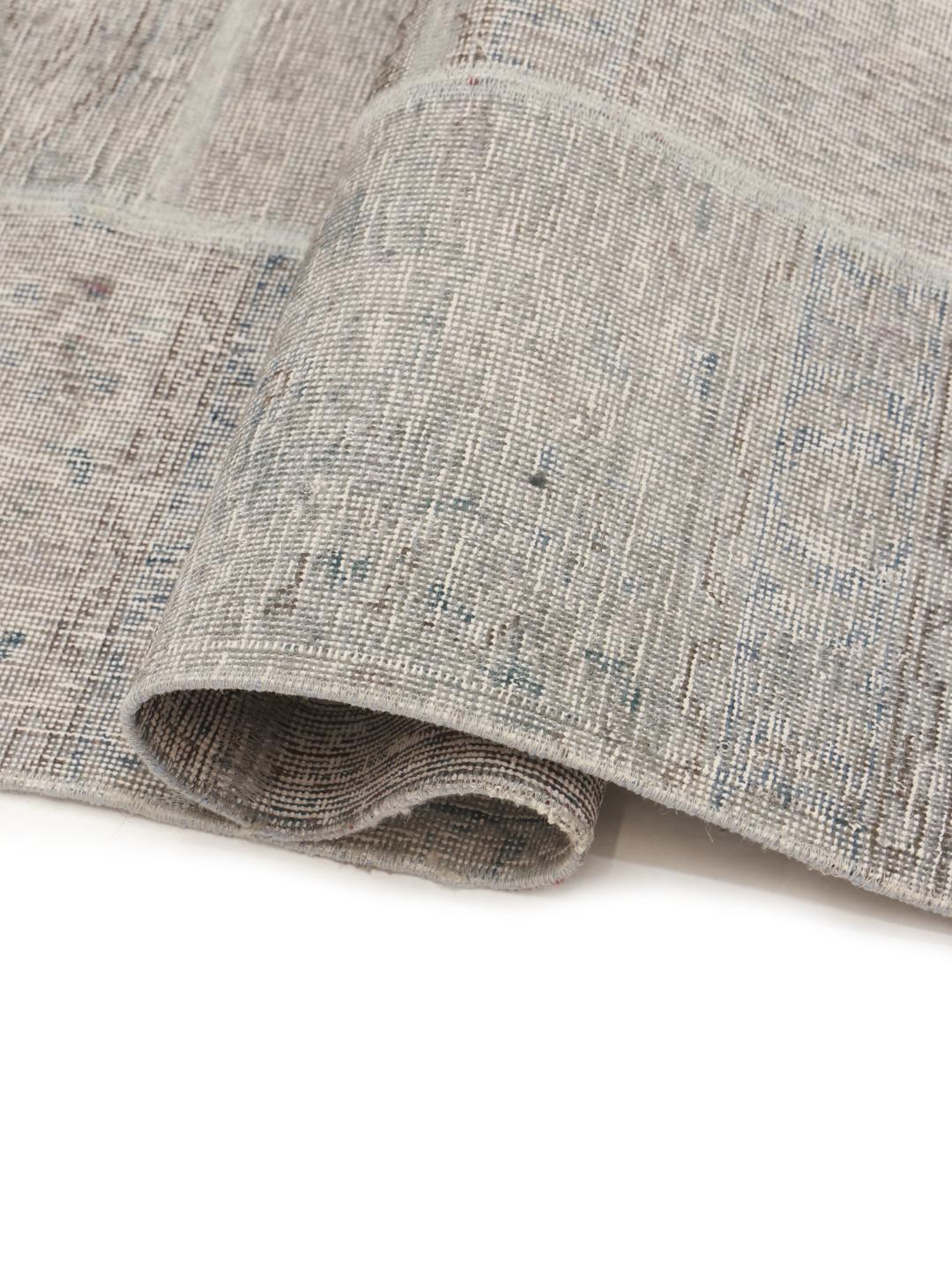
At the heart of this craft is the expert selection of individual hand-knotted segments. Each fragment carries the legacy of its origin, with varying knot densities and colour palettes that reflect the regional styles of the Middle East. By combining these different pieces, artisans create a new narrative, ensuring that the finished rug is not only durable but also a historical collage of traditional rug-making techniques.
Visually, these rugs are defined by their complex, layered patterns. Because they are composed of various segments, each patch might feature different motifs, from geometric shapes to soft floral elements, all unified by a harmonious colour scheme. This creates a rhythmic, textured surface that changes appearance depending on the light in the room, offering a dynamic visual experience.
Owning a patchwork rug is an investment in cultural heritage and sustainable design. It represents a bridge between the past and the present, preserving the artistry of hand-knotted textiles in a form that fits contemporary homes. Collectors value these pieces for their rarity and the human effort required to curate and assemble such a distinctive, lasting work of art.