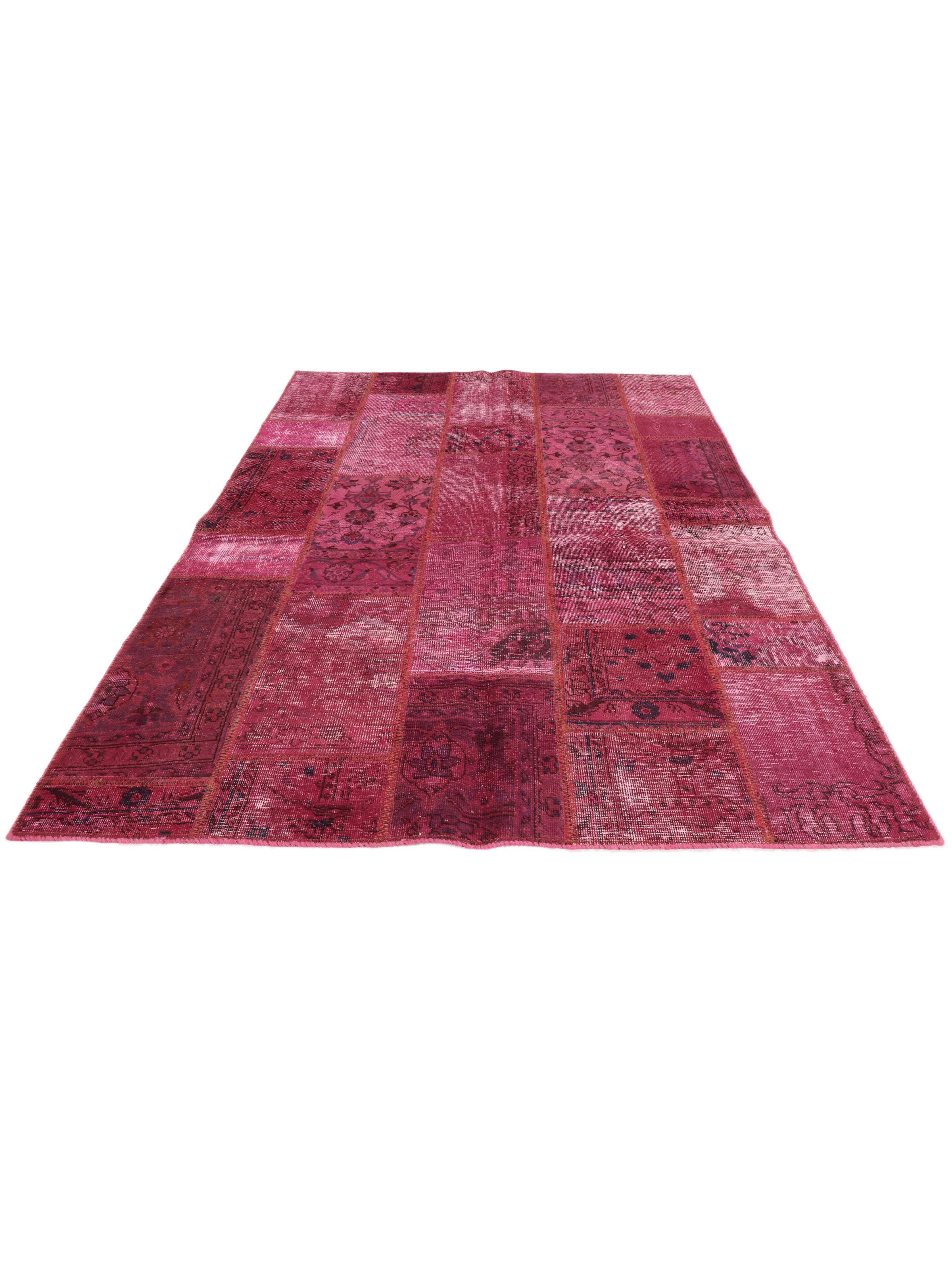
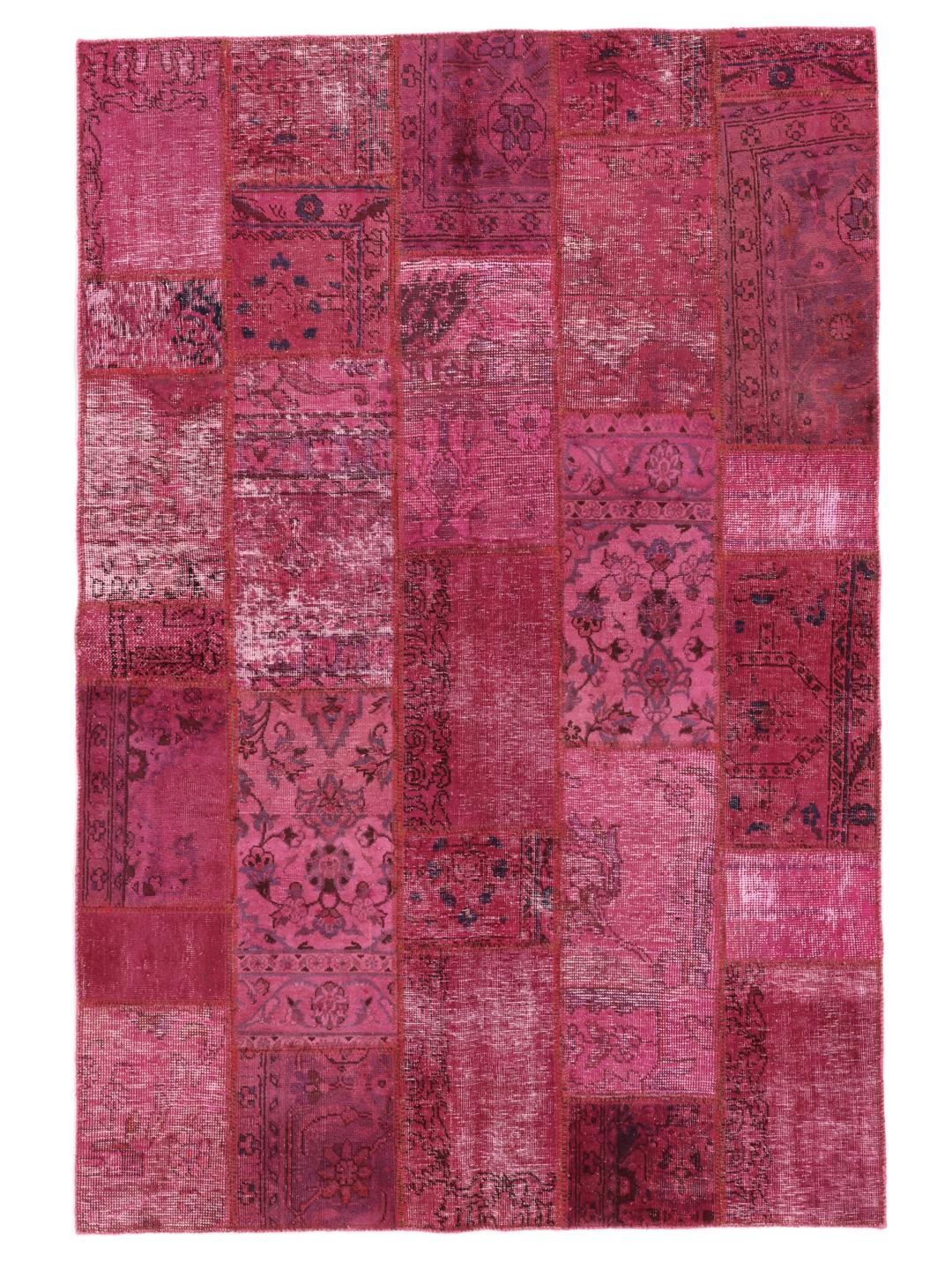
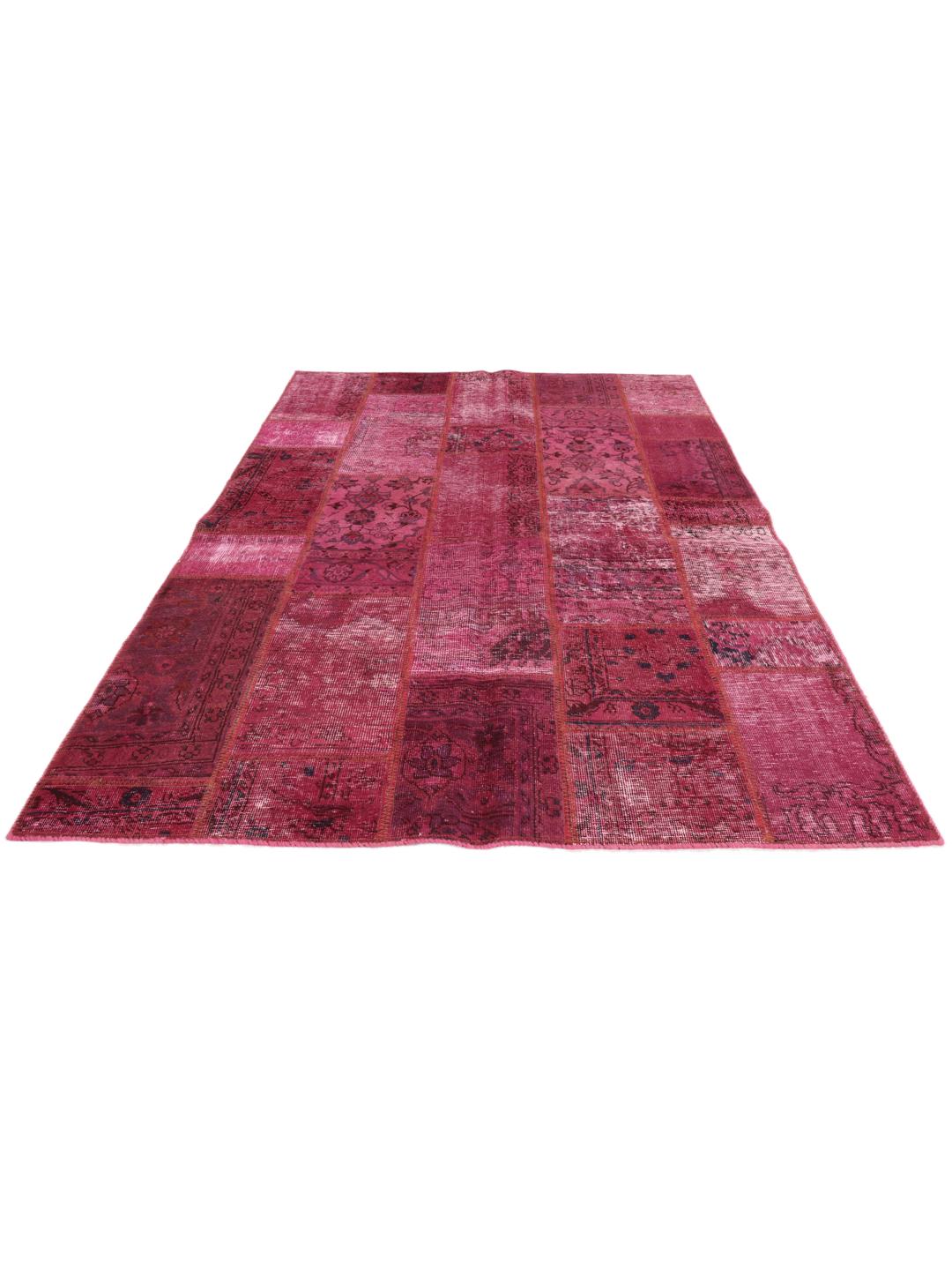
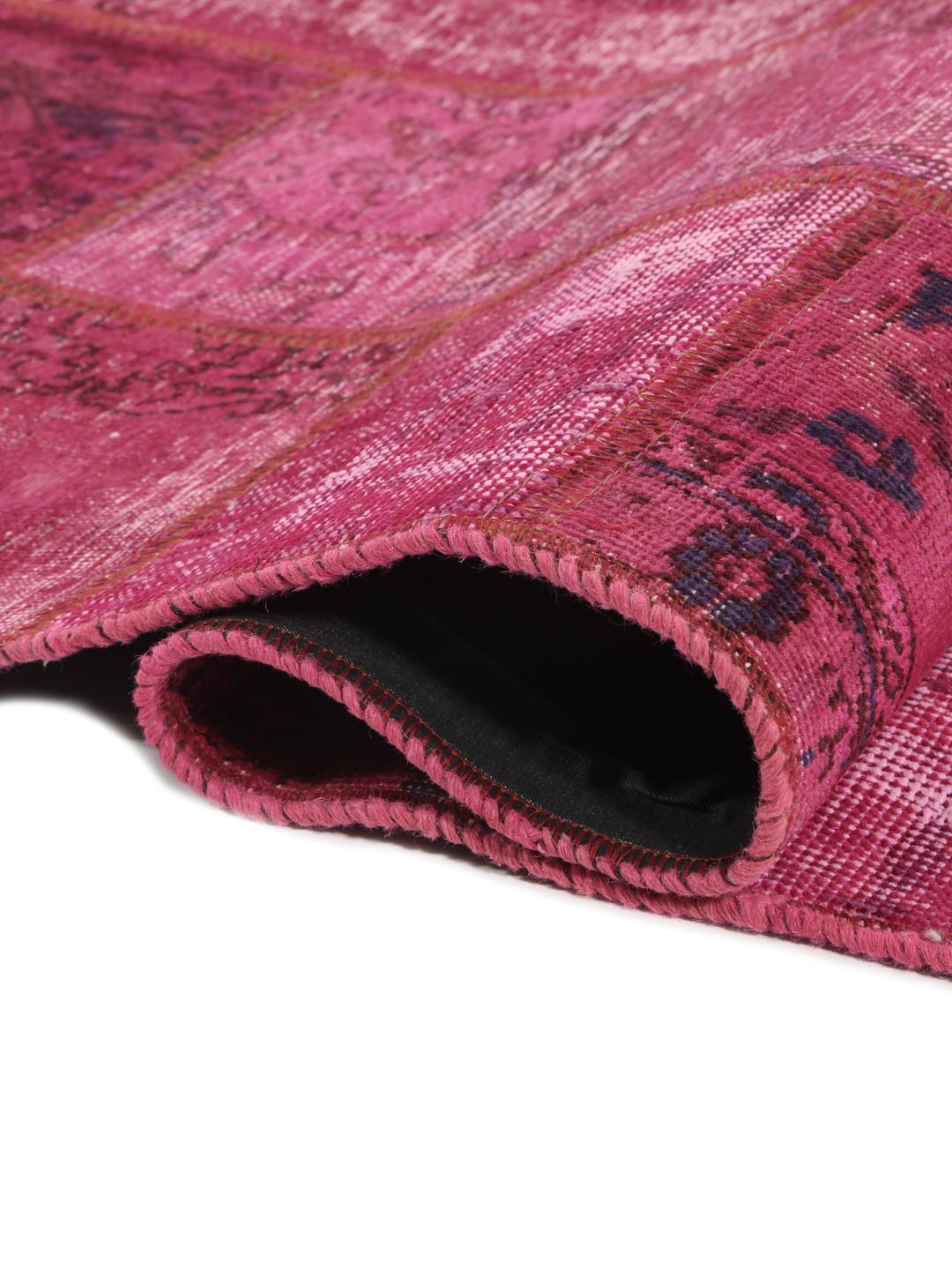
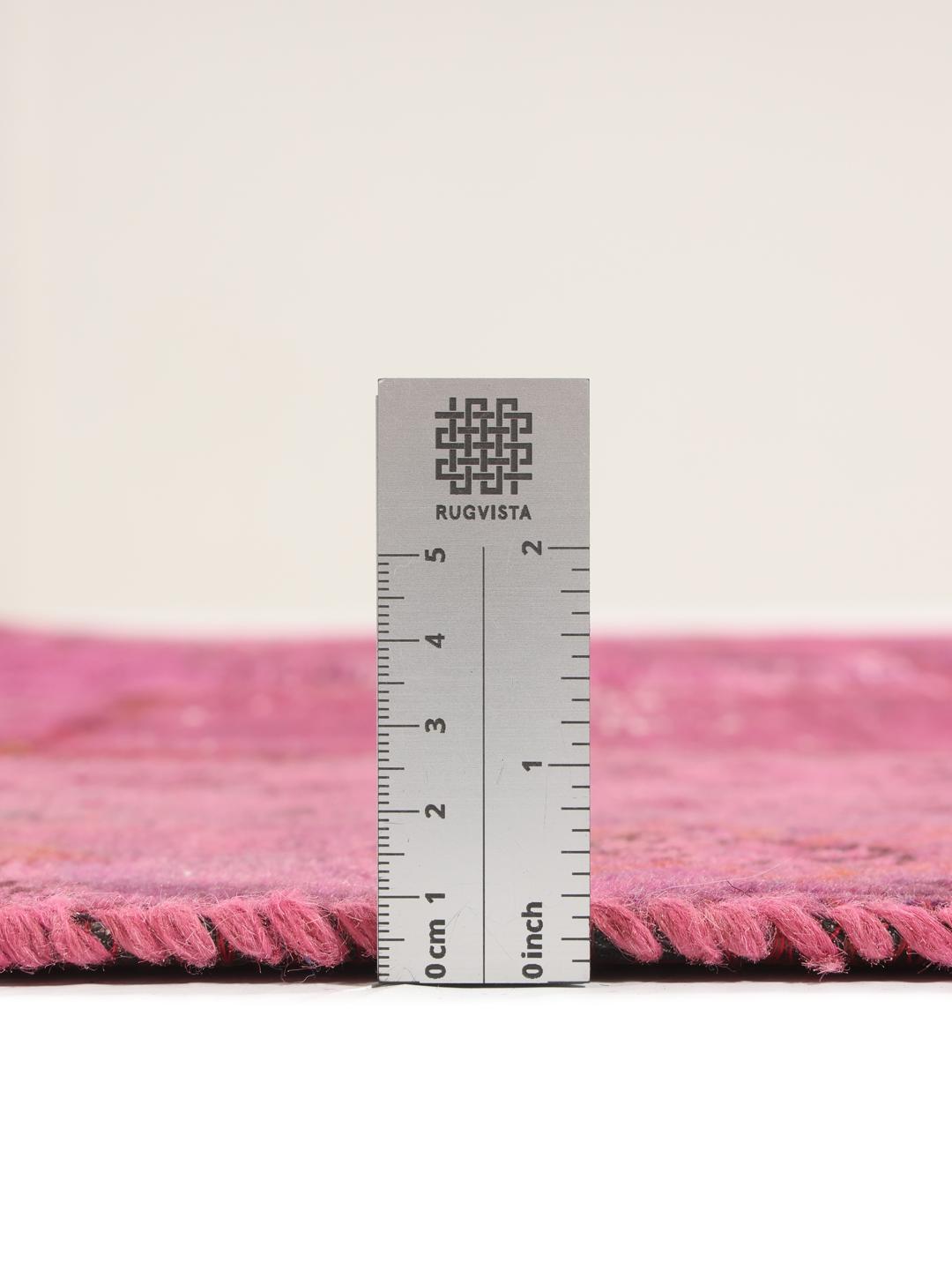
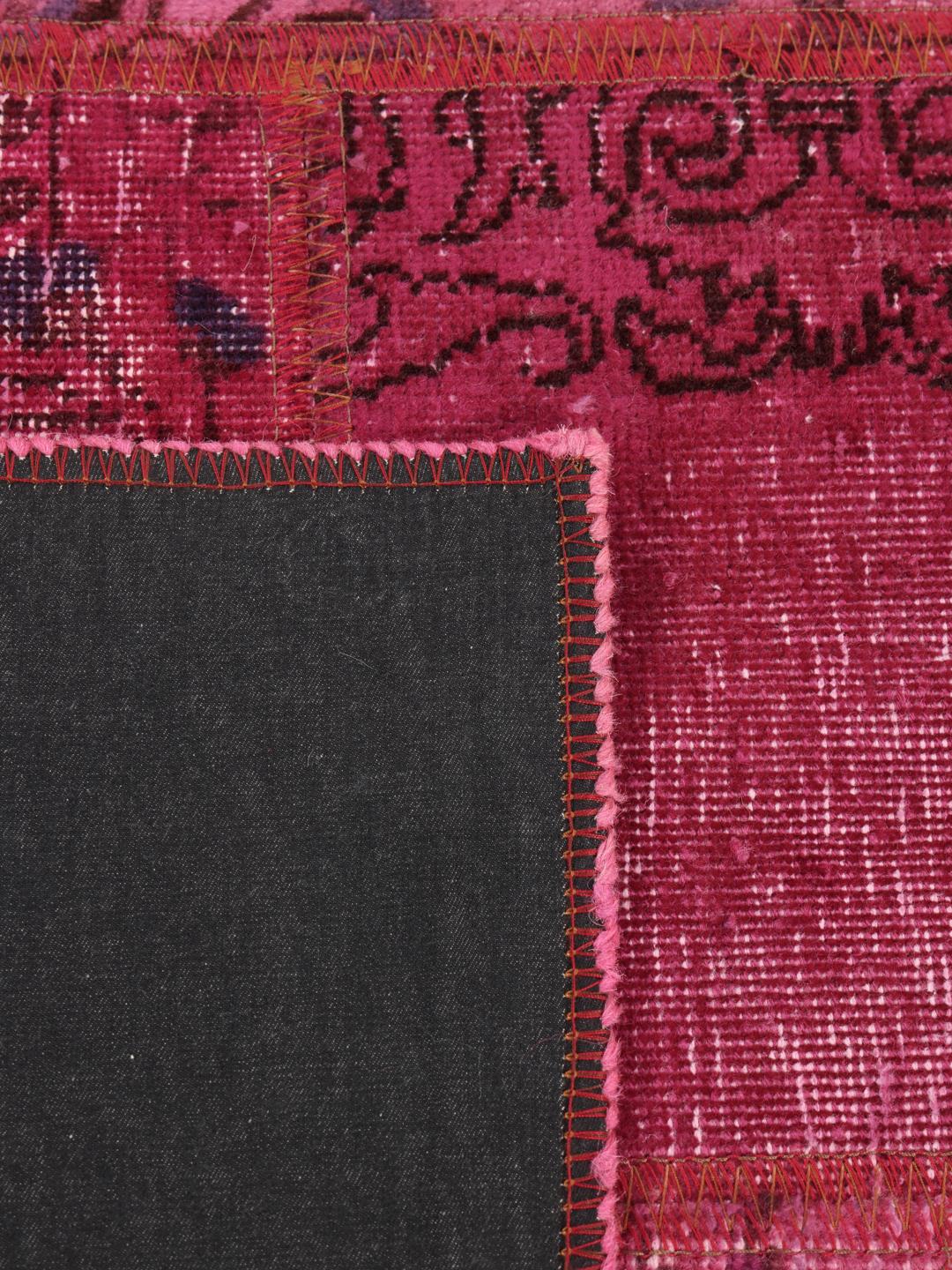
The tradition of patchwork rugs is a fascinating evolution within Middle Eastern textile arts, where the practice of repurposing cherished, hand-knotted fragments has become a celebrated craft. By taking older pieces that may have worn sections and carefully selecting the most resilient and beautiful parts, artisans create a new life for these materials. This practice honours the history of the original weaving traditions while embracing a fresh, modern aesthetic.
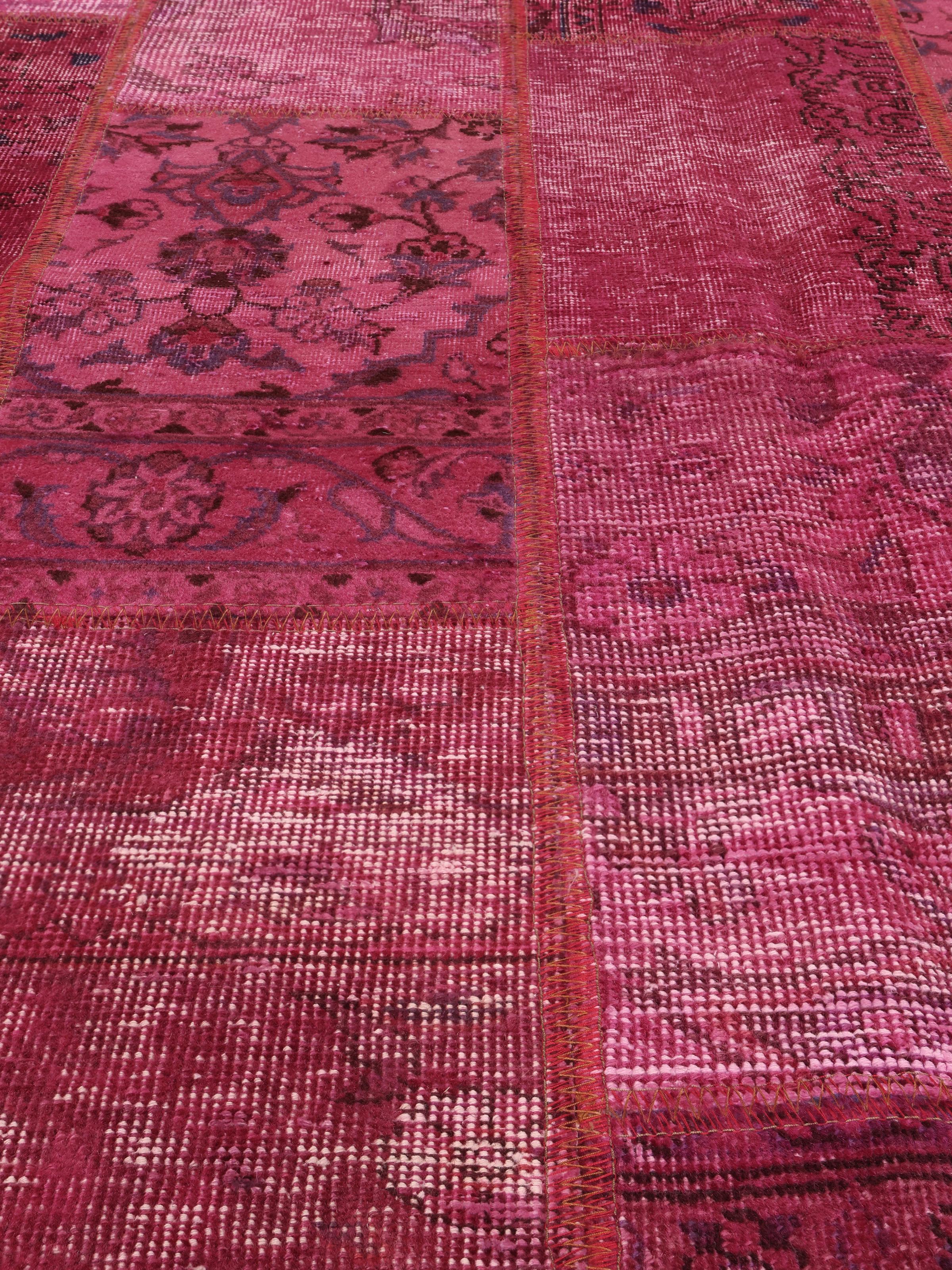
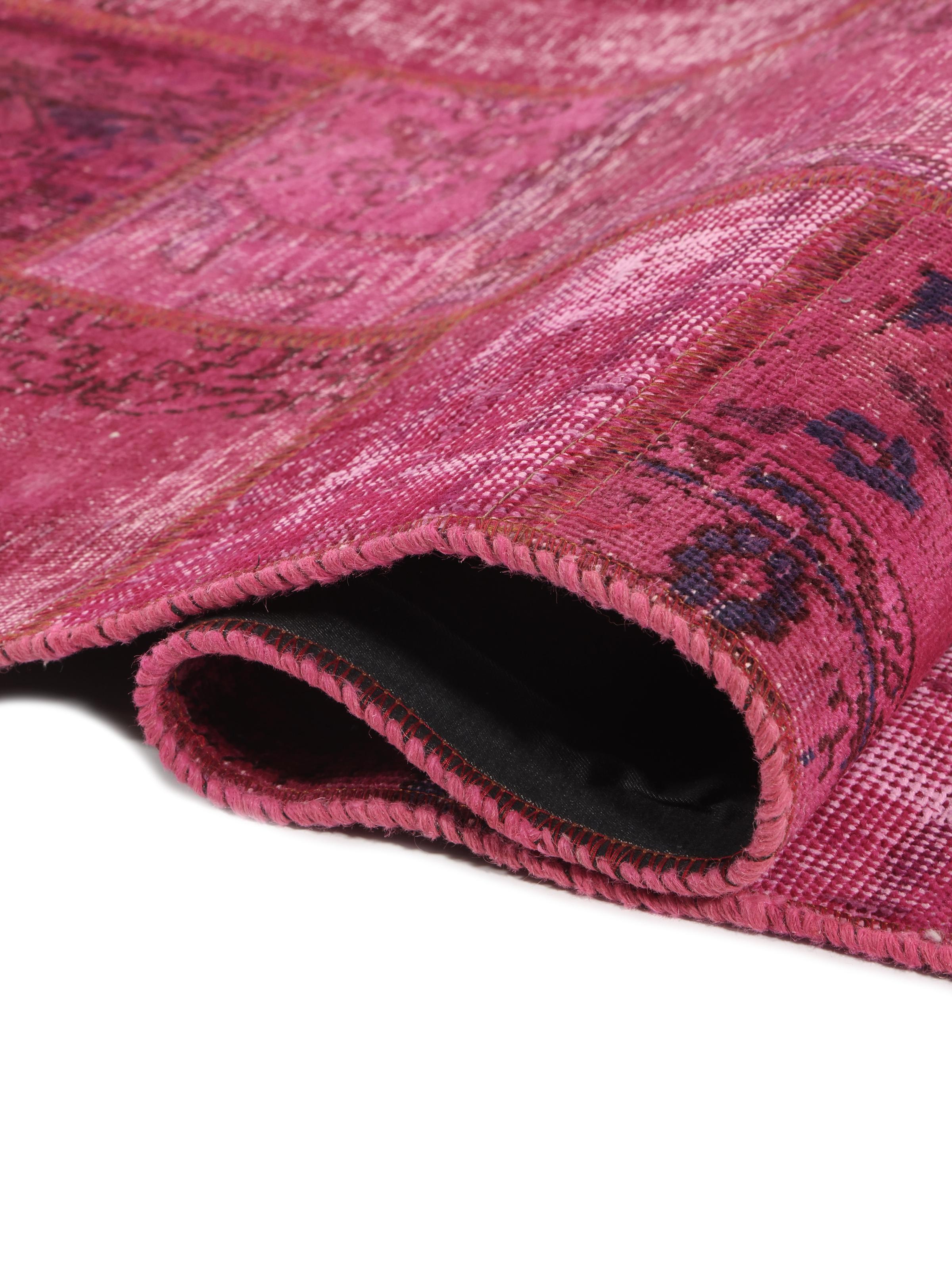
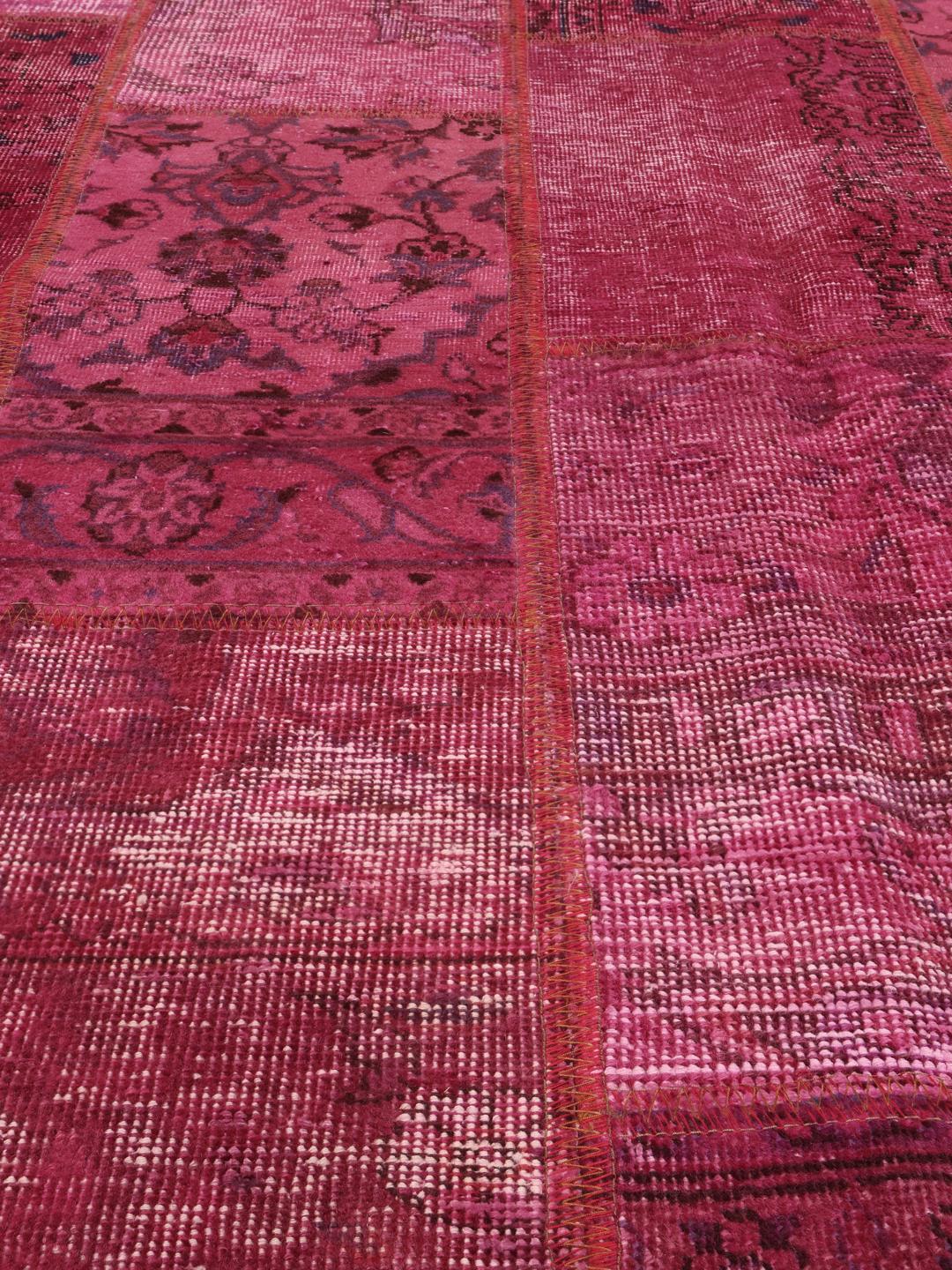
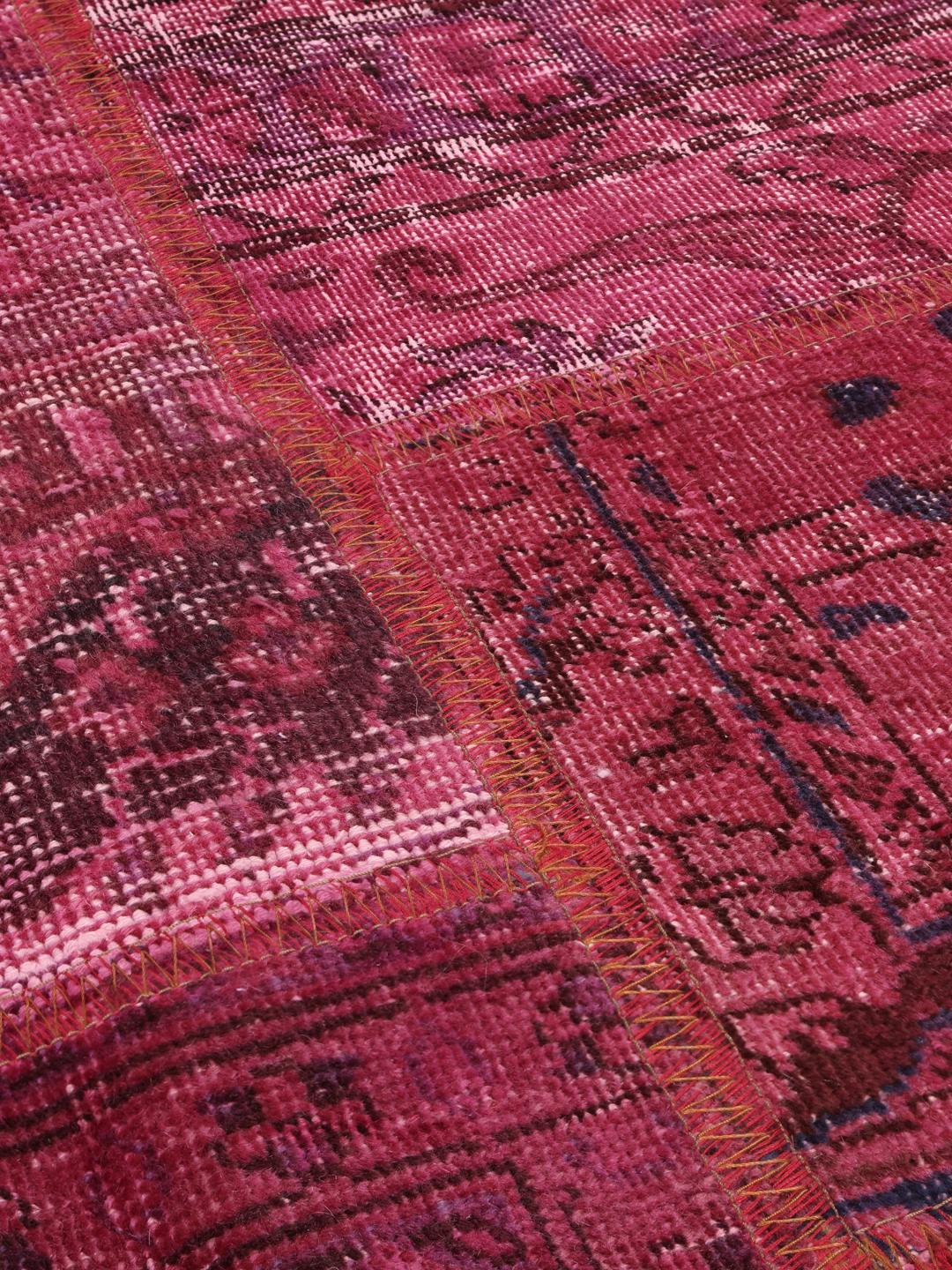
The quality of these rugs is deeply rooted in the original hand-knotted construction of the source fragments. Hand-knotting involves skilled weavers tying individual strands of wool onto a foundation, a process that creates a dense and durable pile. When these fragments are combined, they retain the strength and resilience of their origins, making the final patchwork rug a testament to the longevity of traditional knotting techniques.
The design language of this piece is defined by the juxtaposition of varied motifs, ranging from floral patterns to geometric borders. In the Middle Eastern tradition, such patterns often hold cultural significance, representing everything from garden motifs to tribal identifiers. In this patchwork, these disparate elements are unified by a bold pink colour palette, which transforms traditional patterns into a contemporary, artistic display that feels both familiar and unexpected.
Collecting a patchwork rug is an act of preserving heritage. Each fragment tells a story of the region and the family that once owned it, and by bringing these pieces together, the rug becomes a repository of craft and memory. It is a choice for those who value the weight of history and the incredible skill required to turn distinct, hand-crafted elements into a singular, cohesive masterpiece.