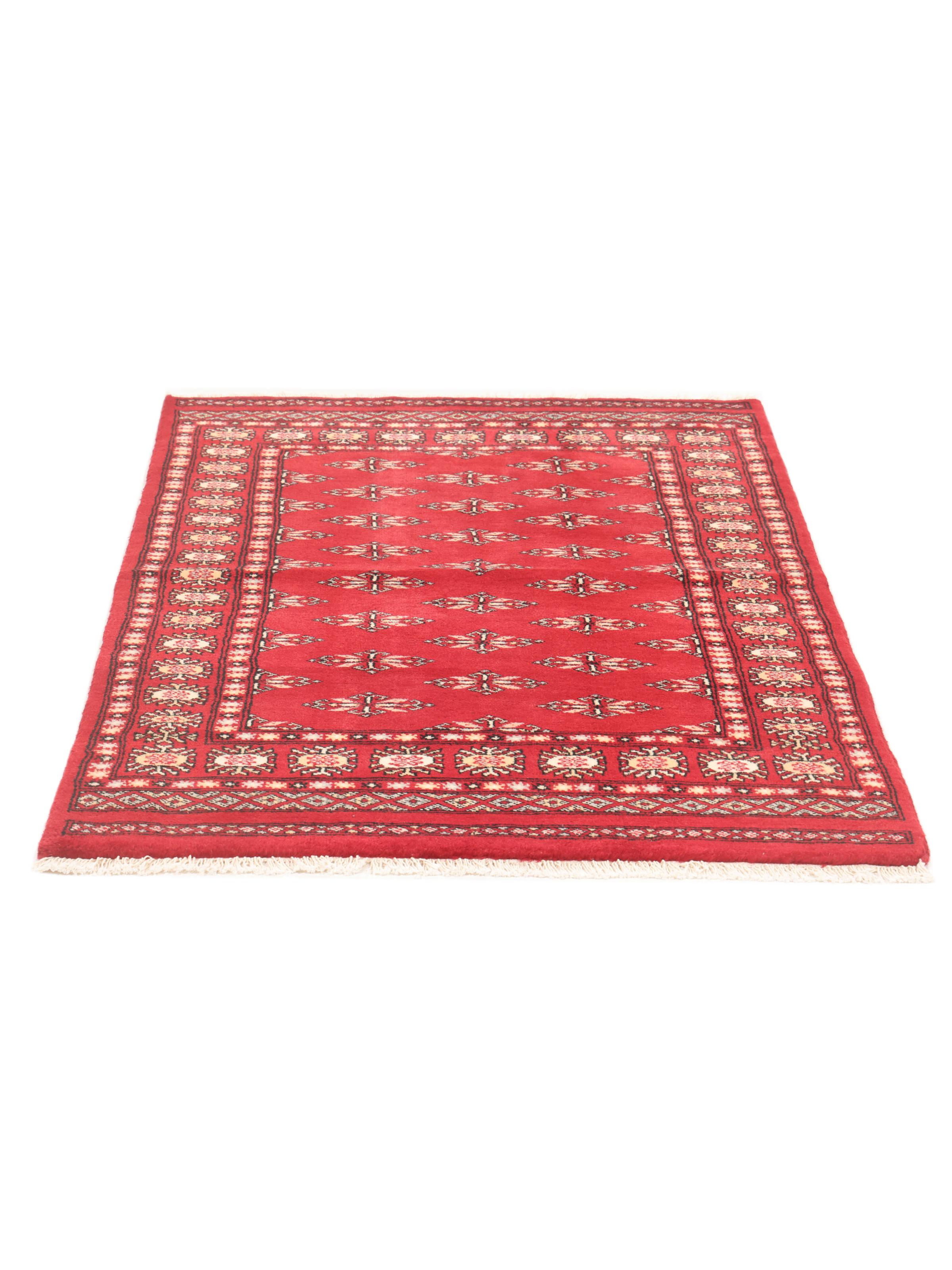
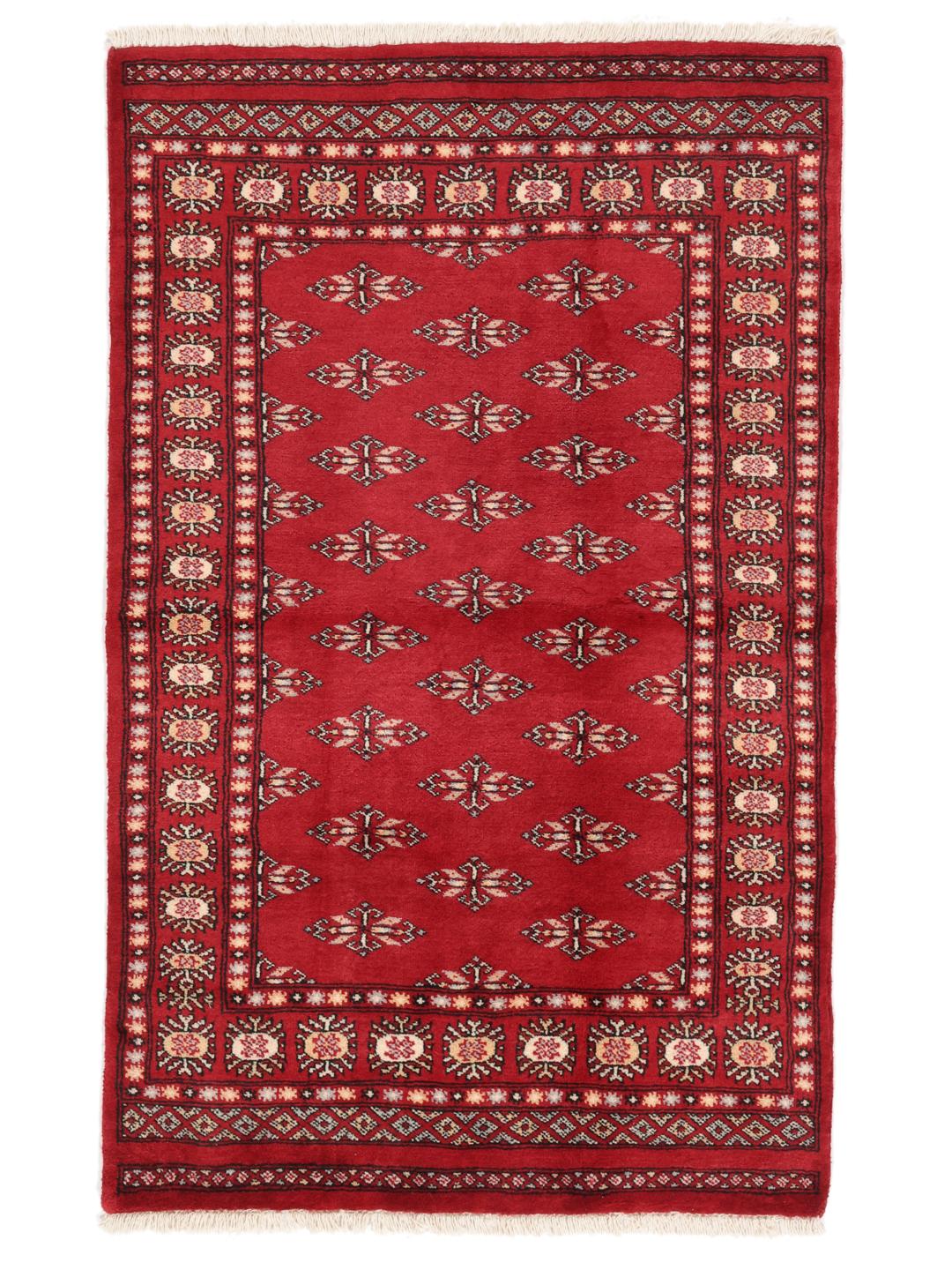
Bokhara rugs take their name from the ancient Silk Road city of Bukhara in Central Asia, a historical hub for trade and craftsmanship. While the design lineage traces back to the nomadic tribes of the region, the finest examples today are primarily woven in Pakistan, where artisans have perfected these complex patterns over generations.
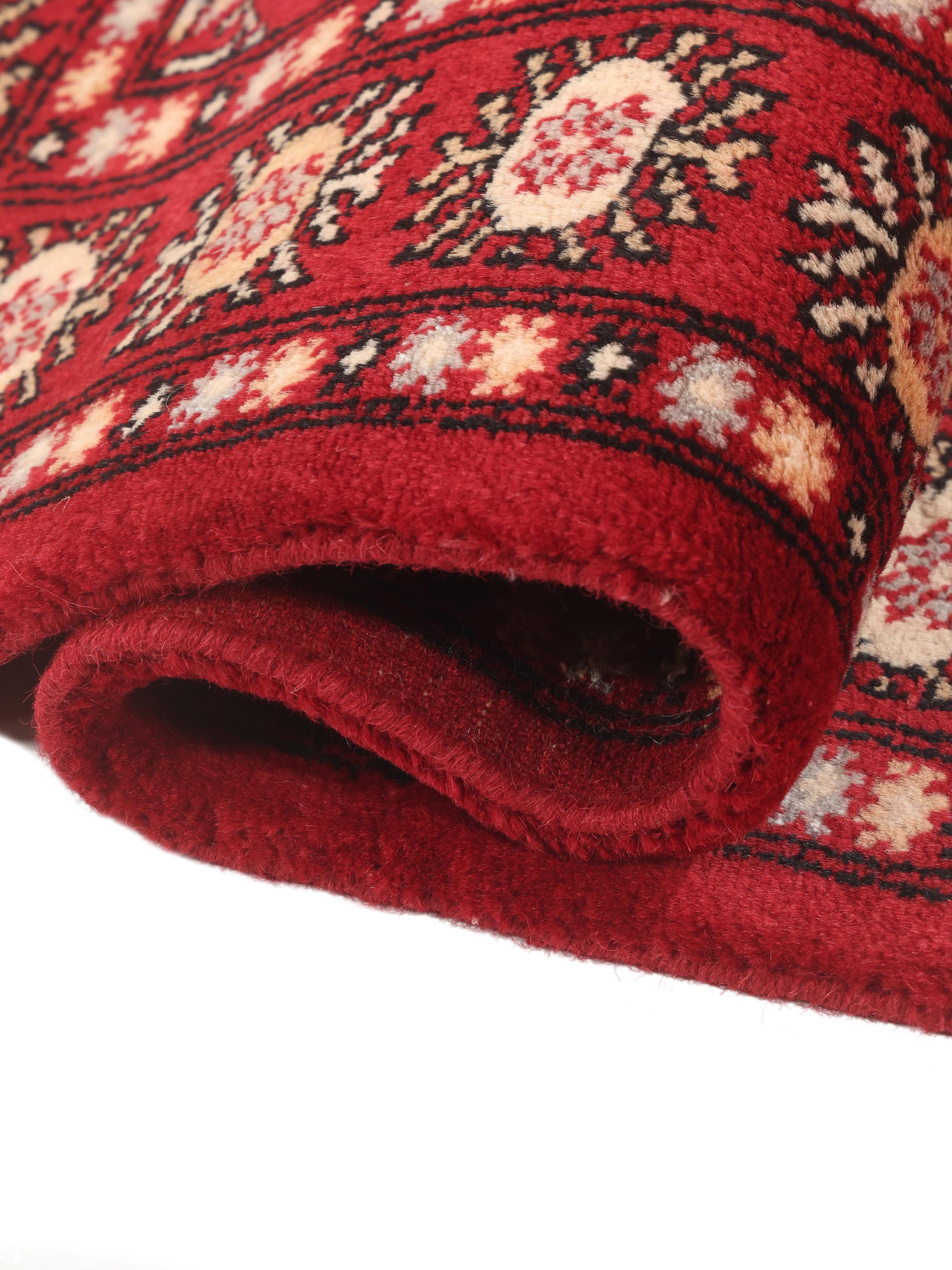
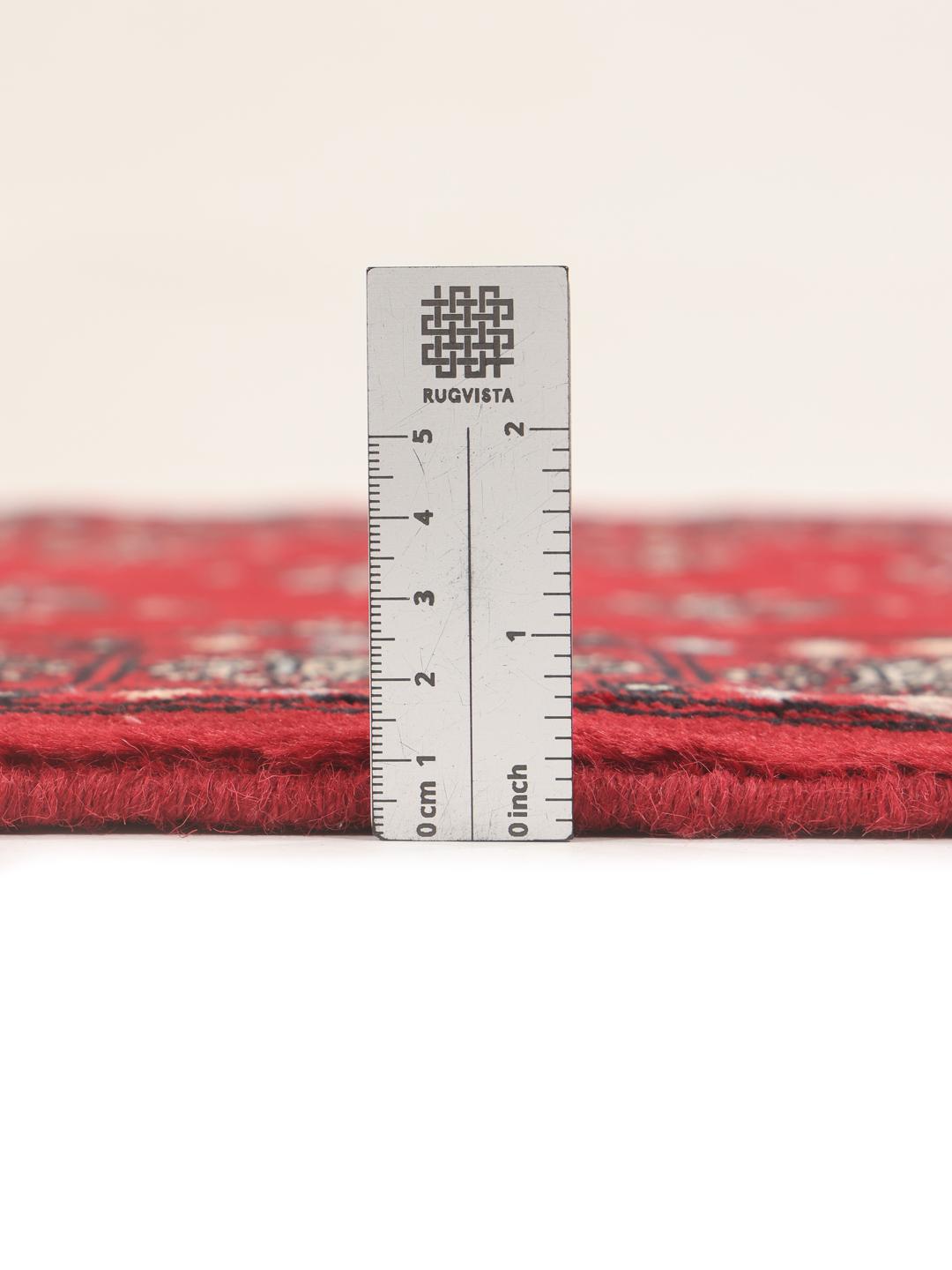
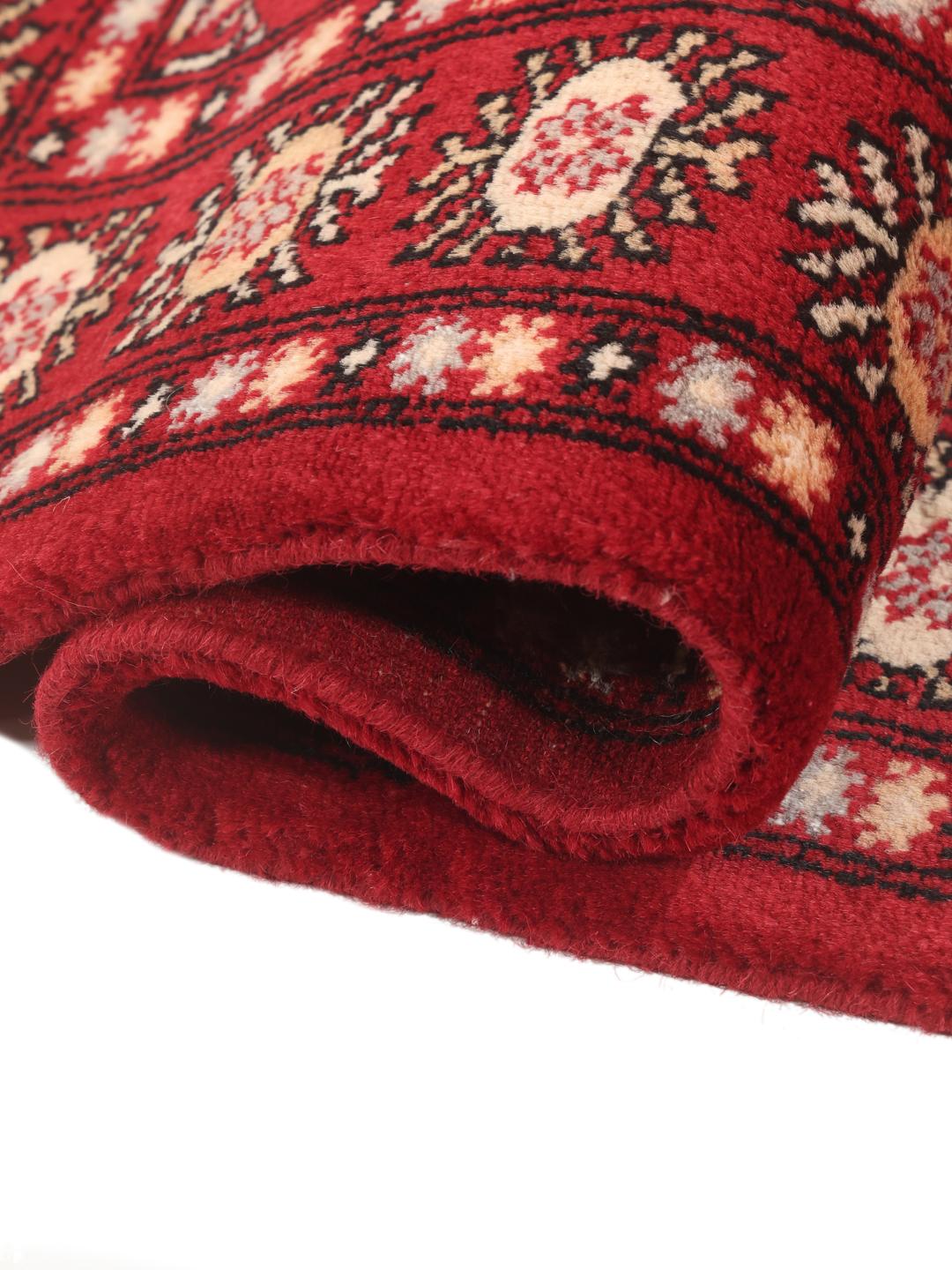
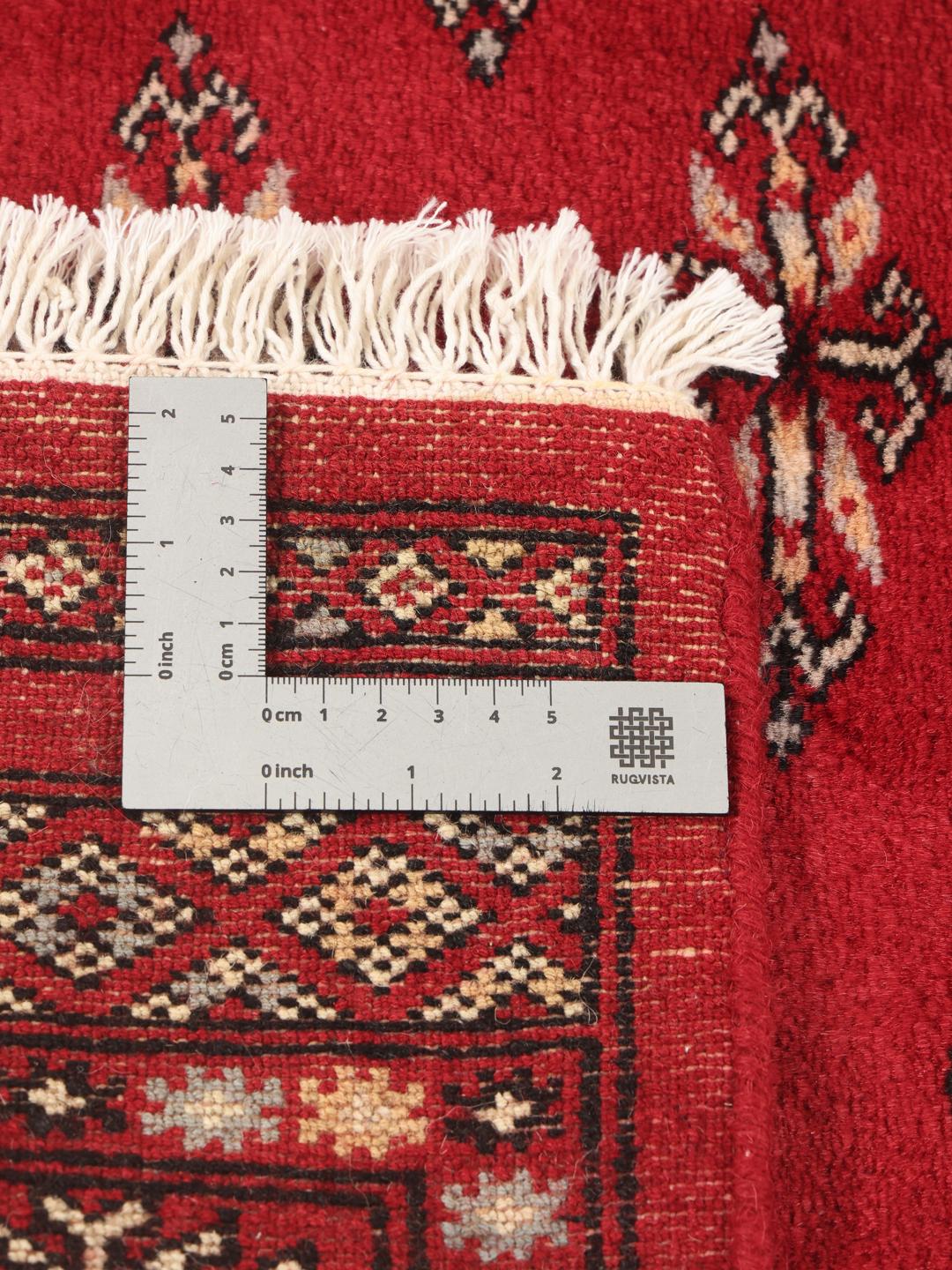
The term '3ply' refers to the construction of the pile, where three individual strands of wool are twisted together before being knotted. This technique is significant because it creates a thicker, more resilient pile that feels exceptionally soft and lustrous, while also offering enhanced durability compared to standard single-ply construction.
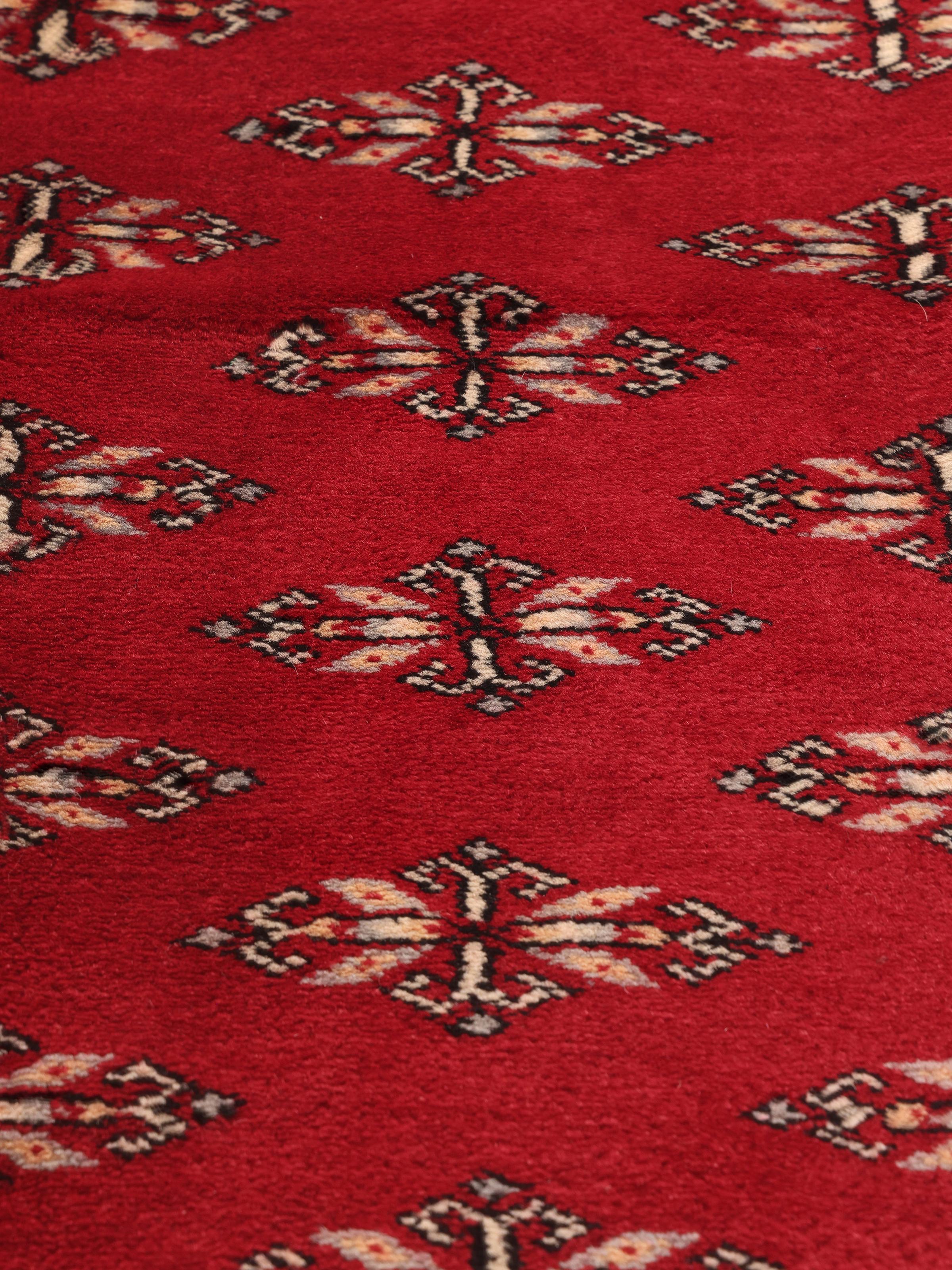
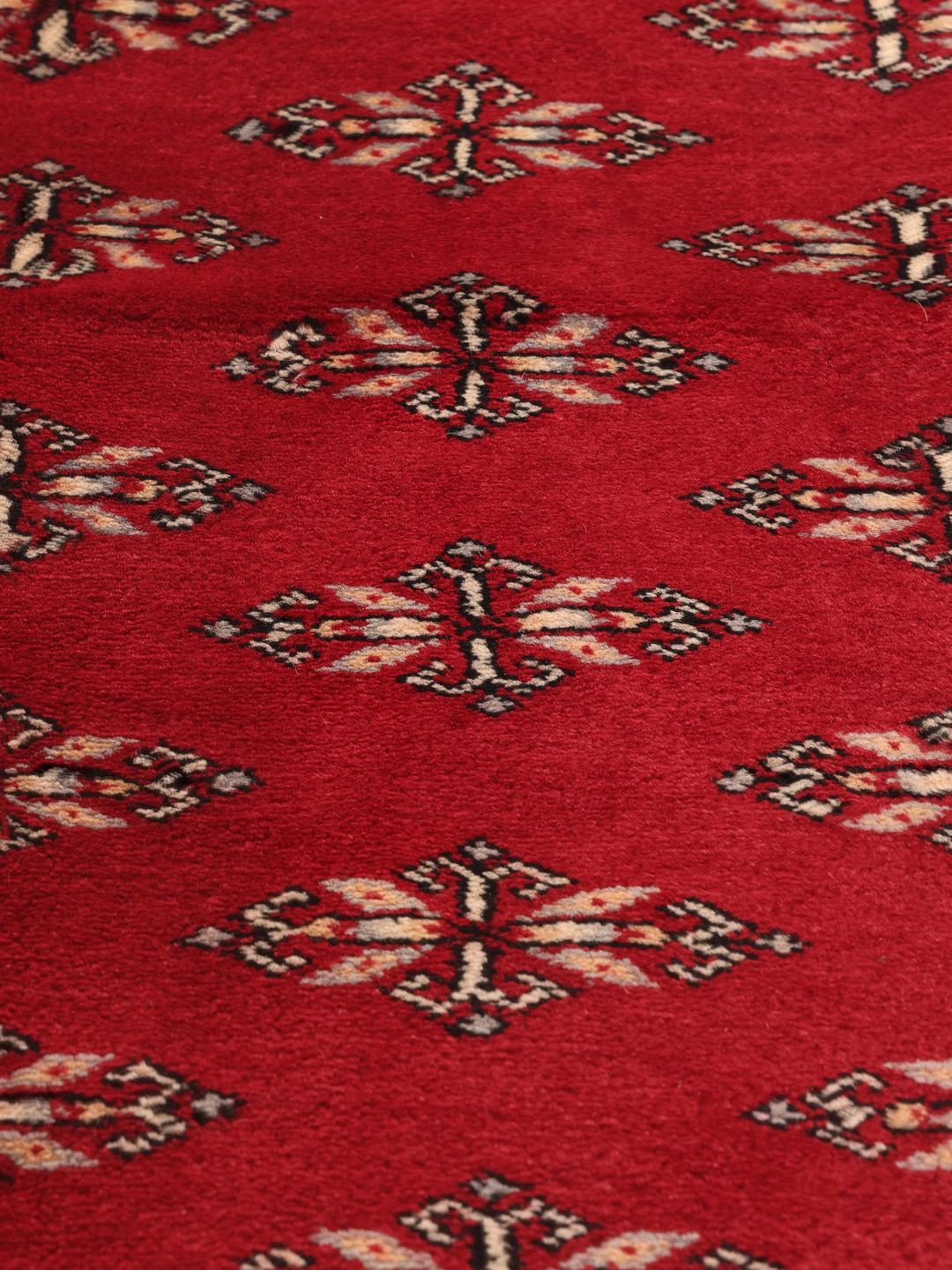
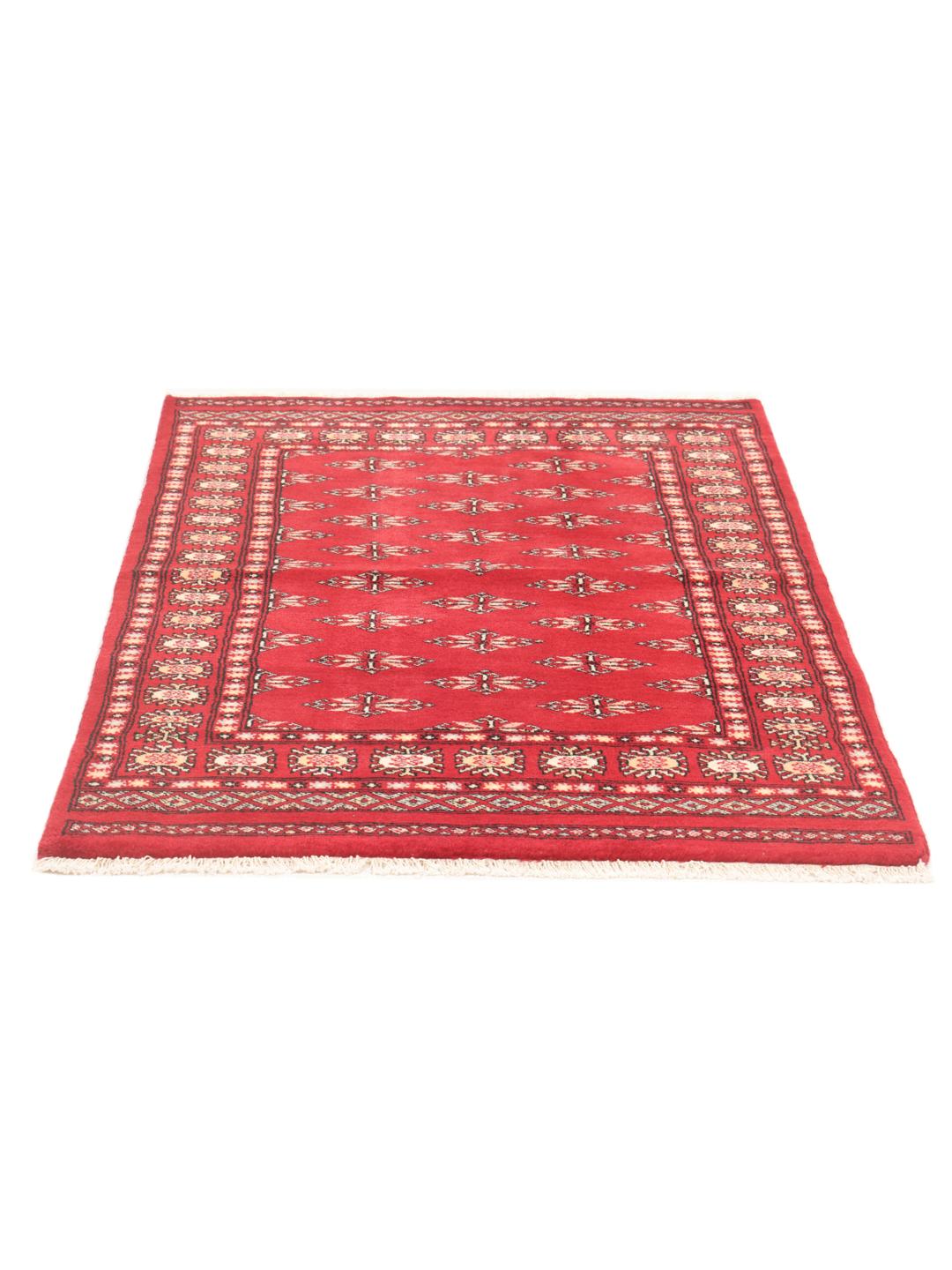
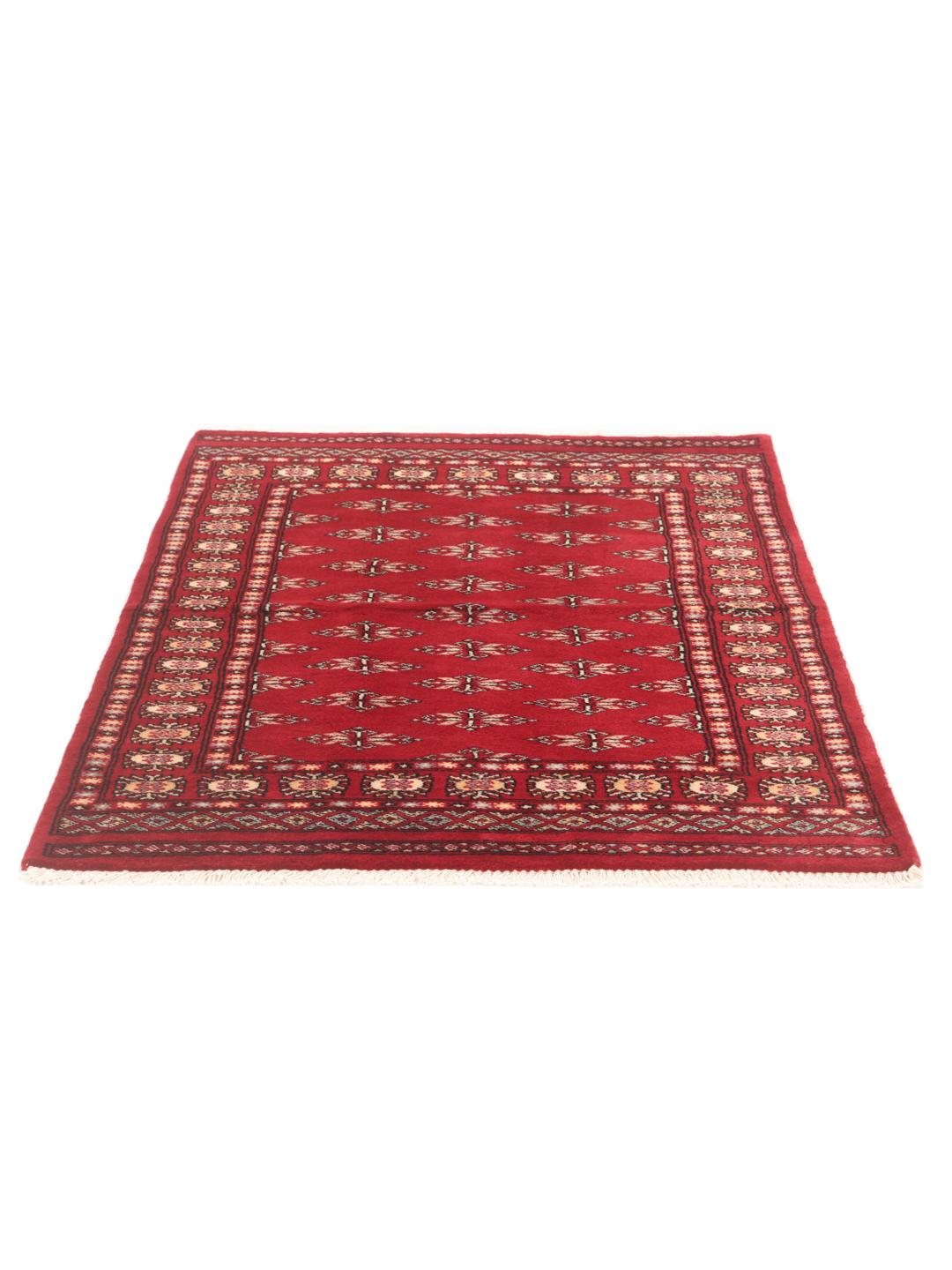
The visual language of the Bokhara is defined by its repetitive gul motifs, which are often described as elephant-foot medallions. These are typically arranged in clean, geometric rows across the field and enclosed by multiple formal, ornate borders. The deep red colour palette is a hallmark of the style, representing a classic aesthetic that has remained popular for centuries.
Collectors value these rugs for their balance of symmetry and cultural heritage. Owning a hand-knotted Bokhara is an opportunity to connect with a storied tradition of craftsmanship. It signifies an appreciation for the time, skill, and history embedded in every fibre, making it a masterpiece that adds cultural weight and warmth to any home.