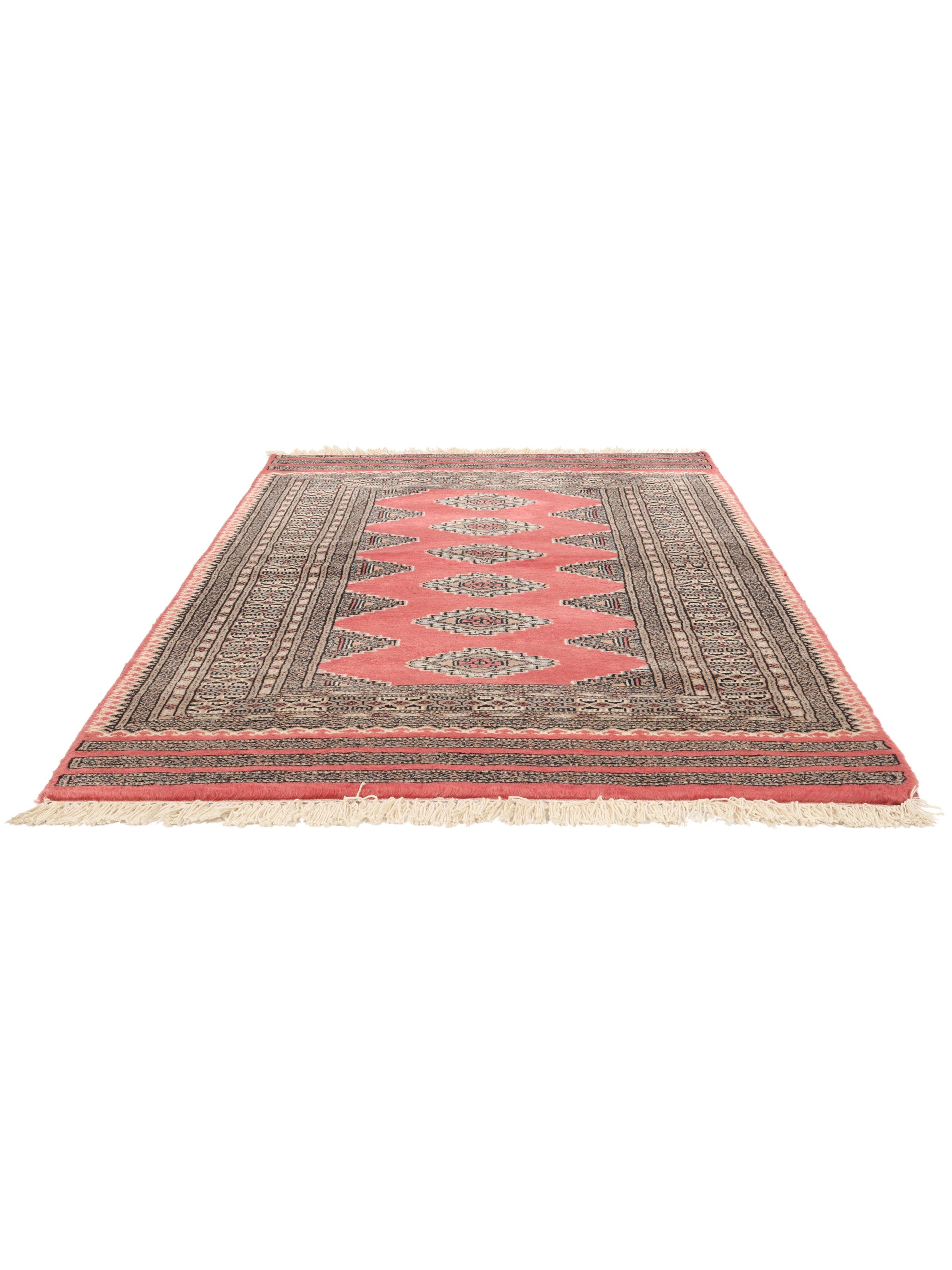
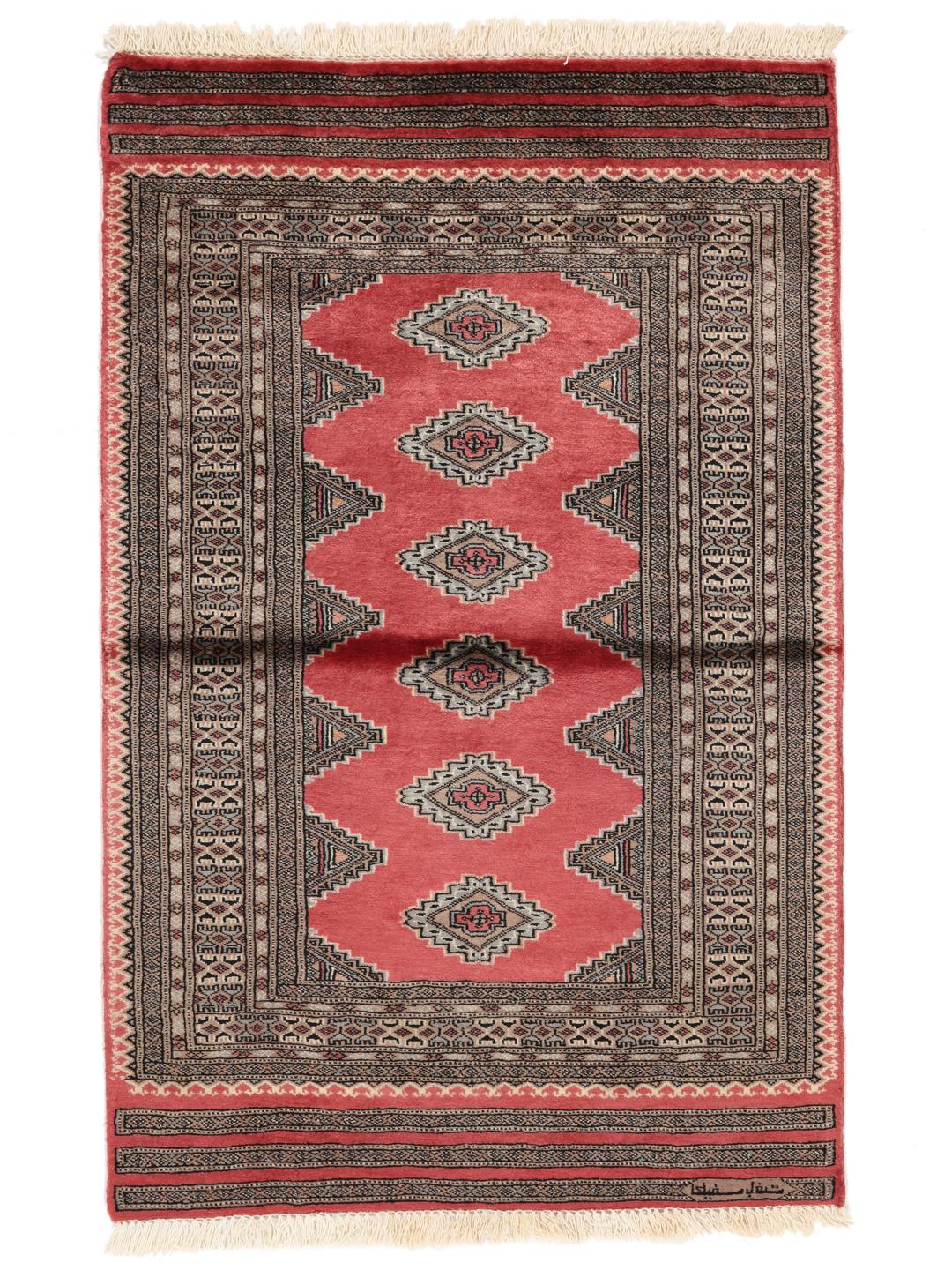
Bokhara rugs are world-renowned for their elegant, repeating designs and soft, lustrous pile. While they take their name from the ancient Silk Road city of Bukhara in Central Asia, the finest examples of this style have been produced in Pakistan for generations. This migration of craft allowed the tradition to evolve, with Pakistani weavers refining the techniques to create some of the most sought-after rugs in the world today.
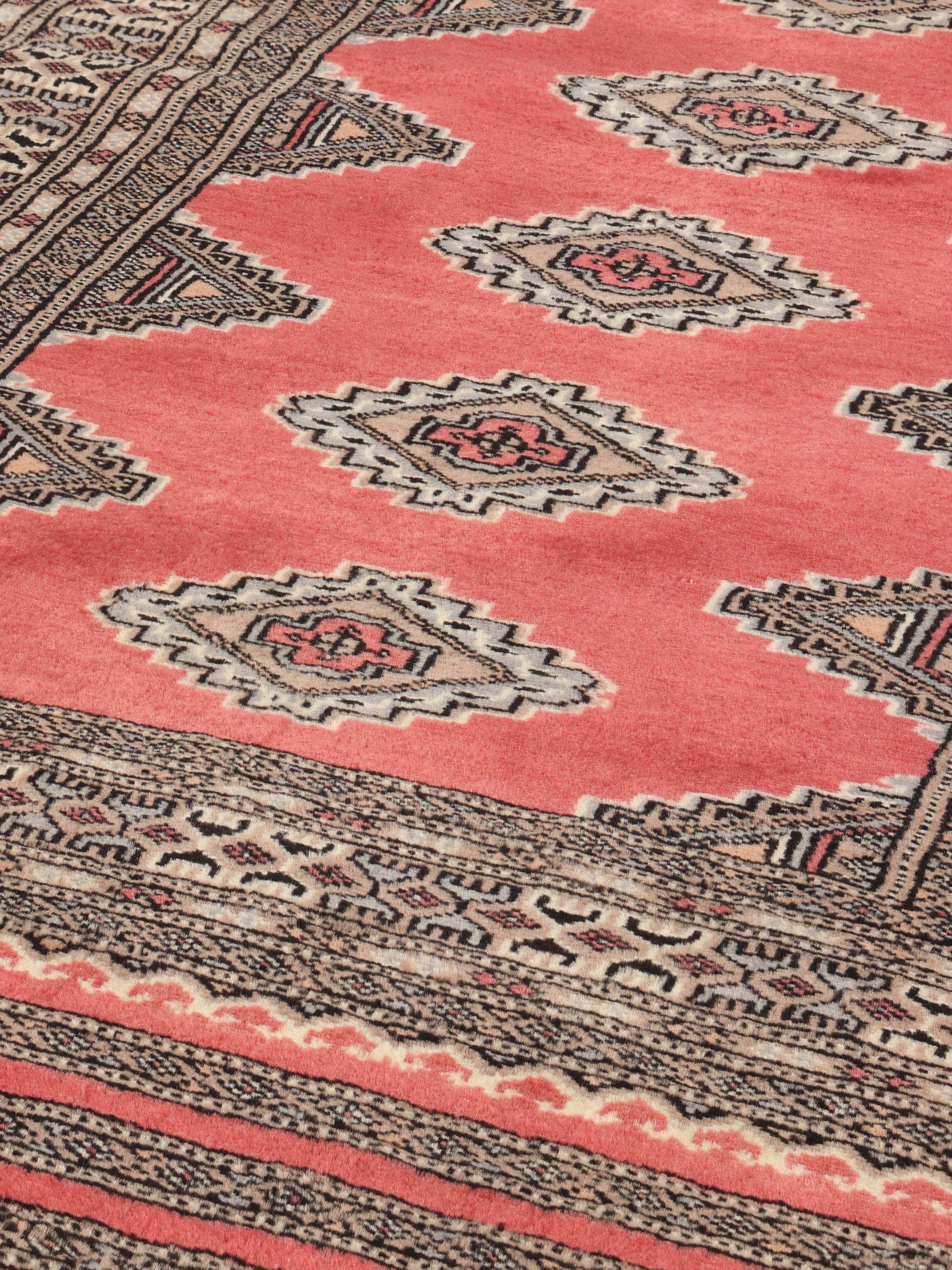
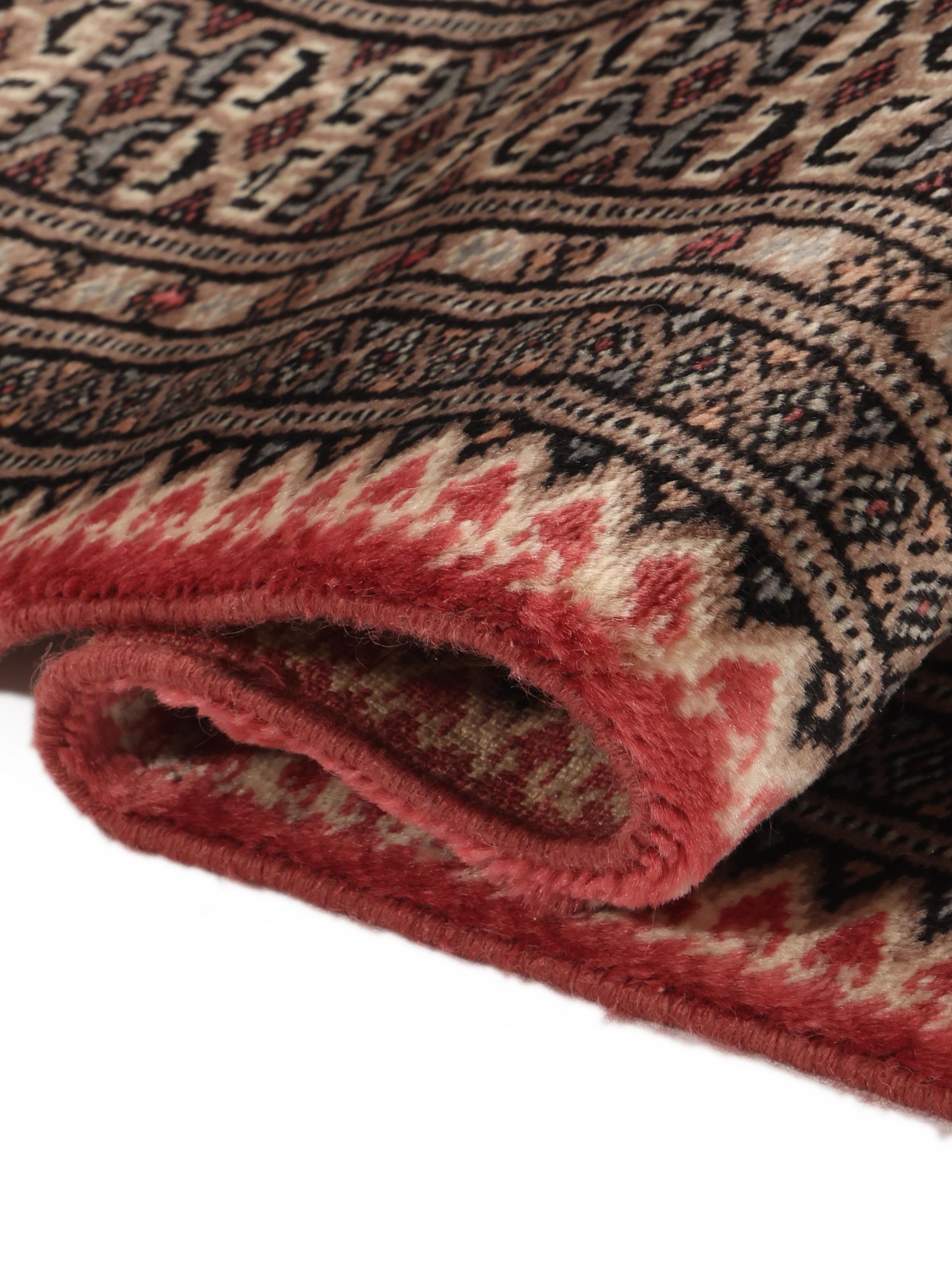
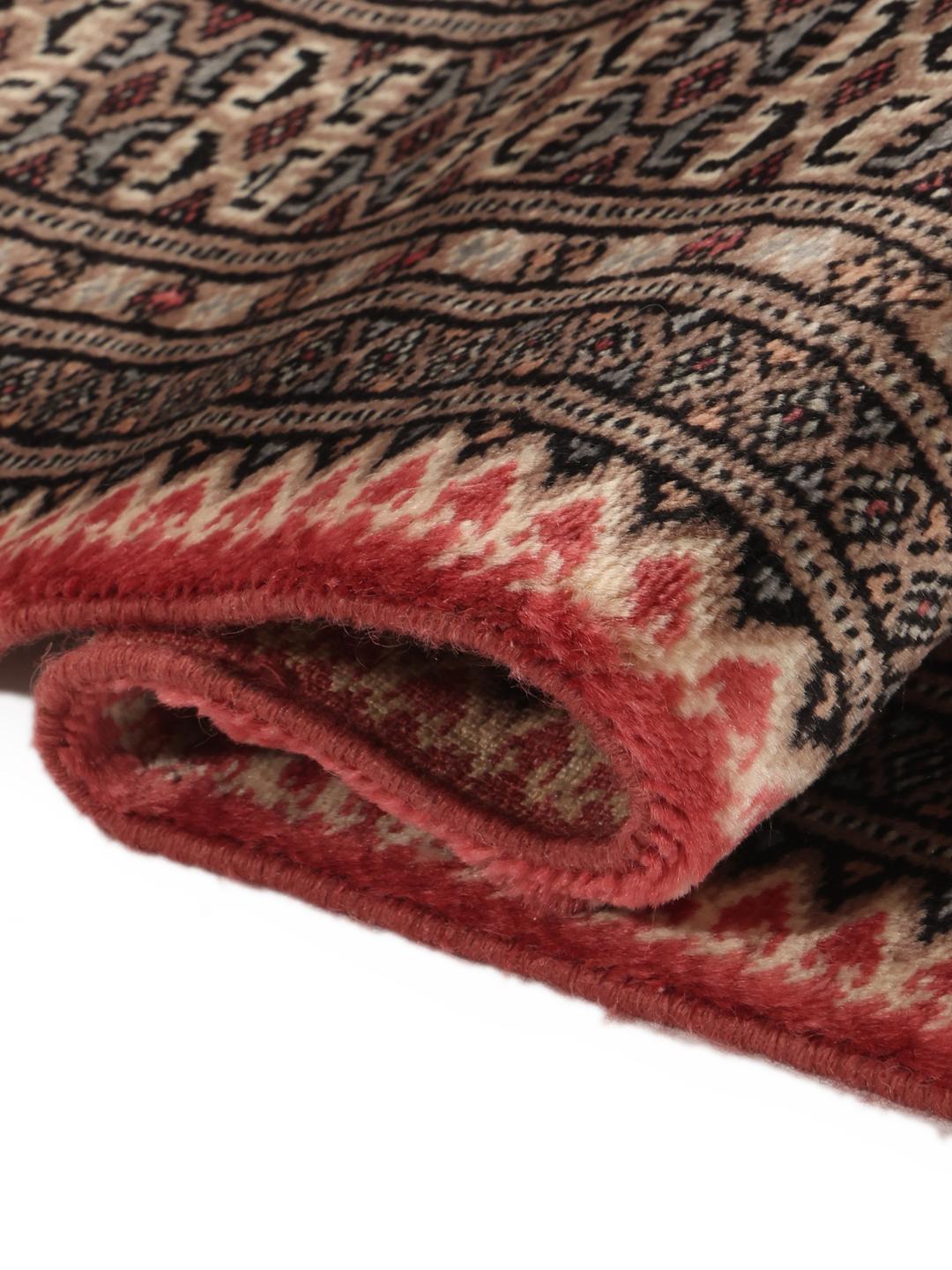
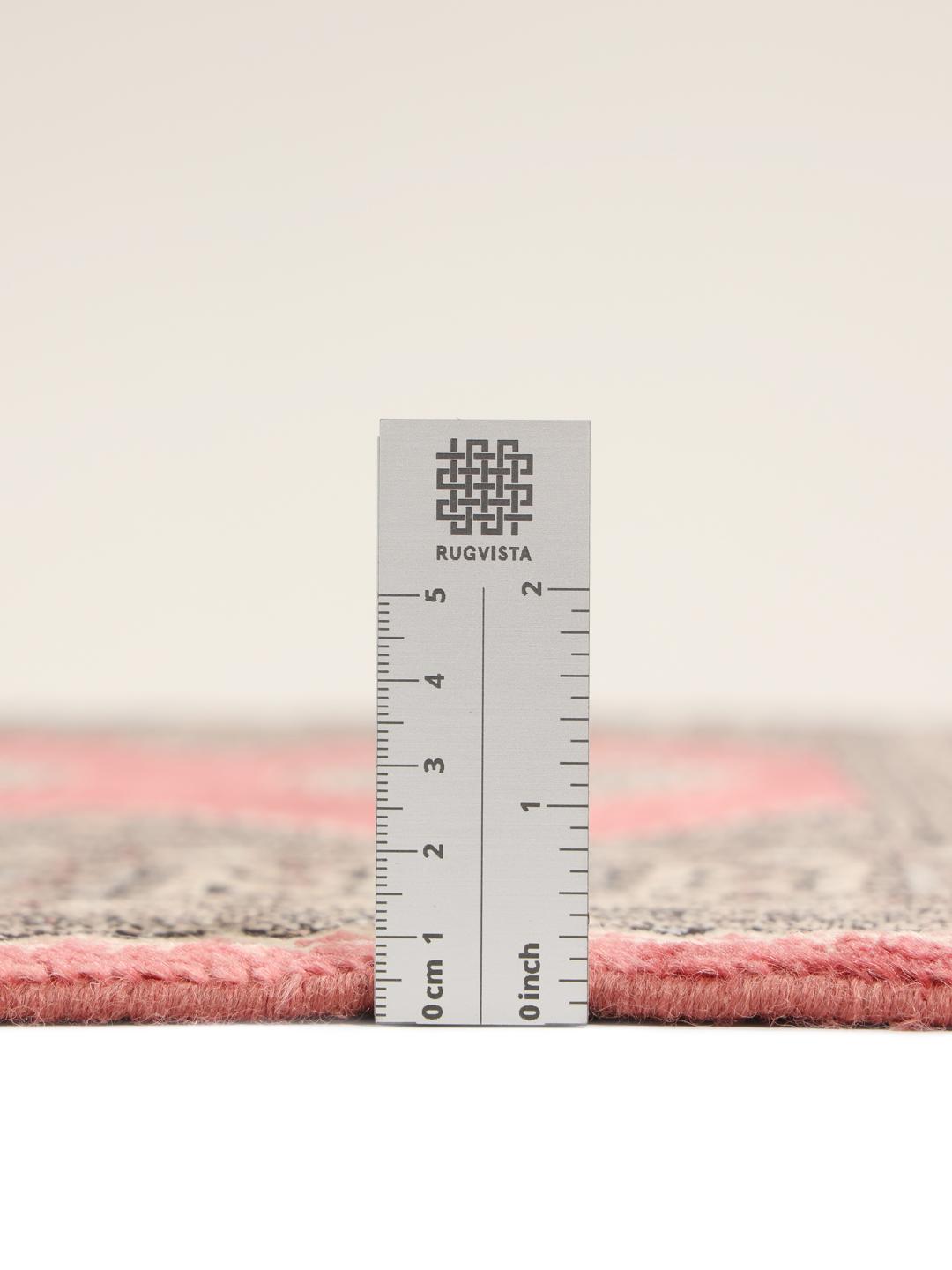
The term 3ply refers to the construction of the wool pile, where three strands of high-quality wool are twisted together before being knotted. This specific method is significant because it results in a thicker, more durable, and exceptionally soft pile that catches the light beautifully. It provides a level of depth and resilience that single-ply or thinner constructions simply cannot match.
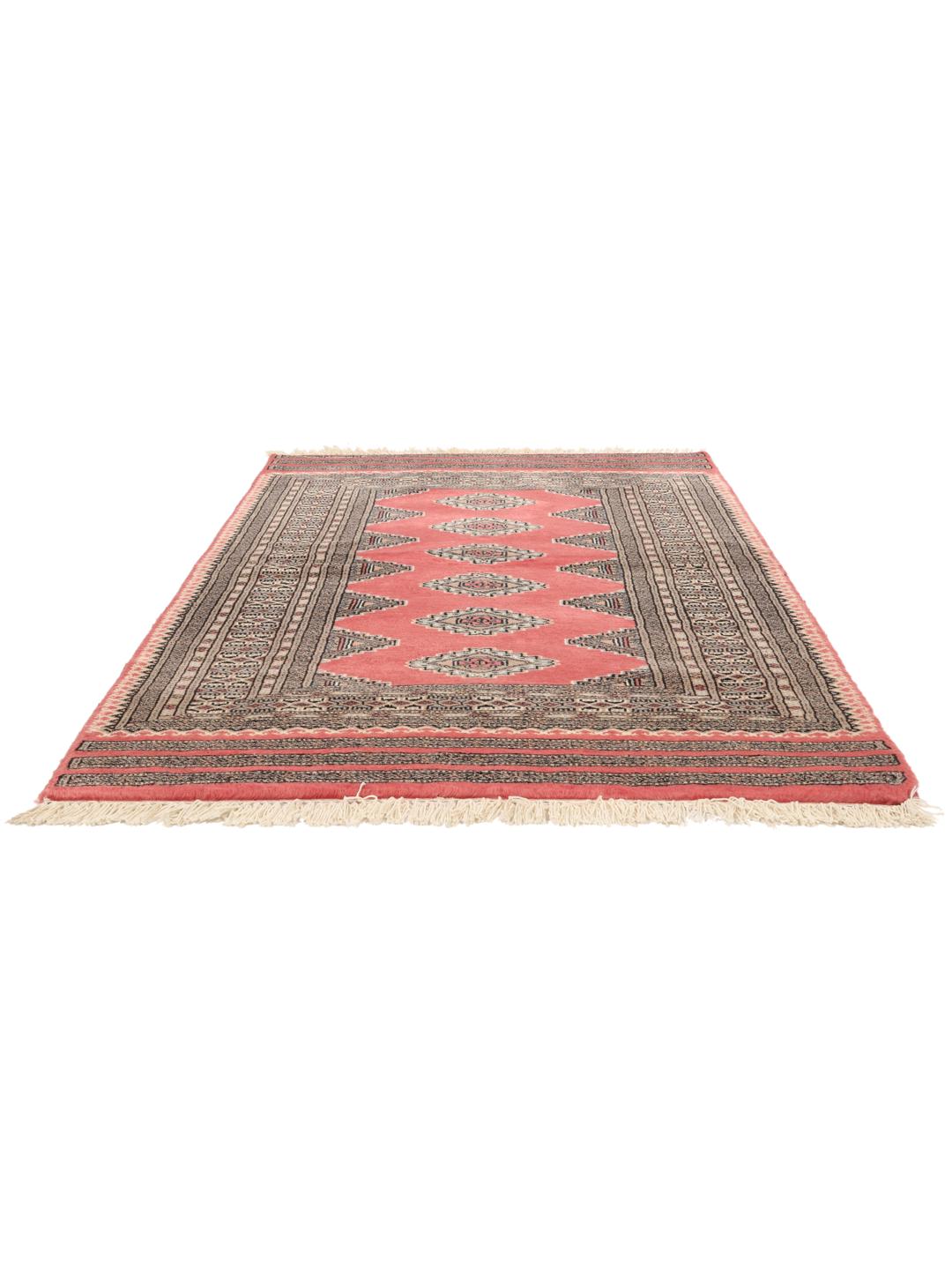
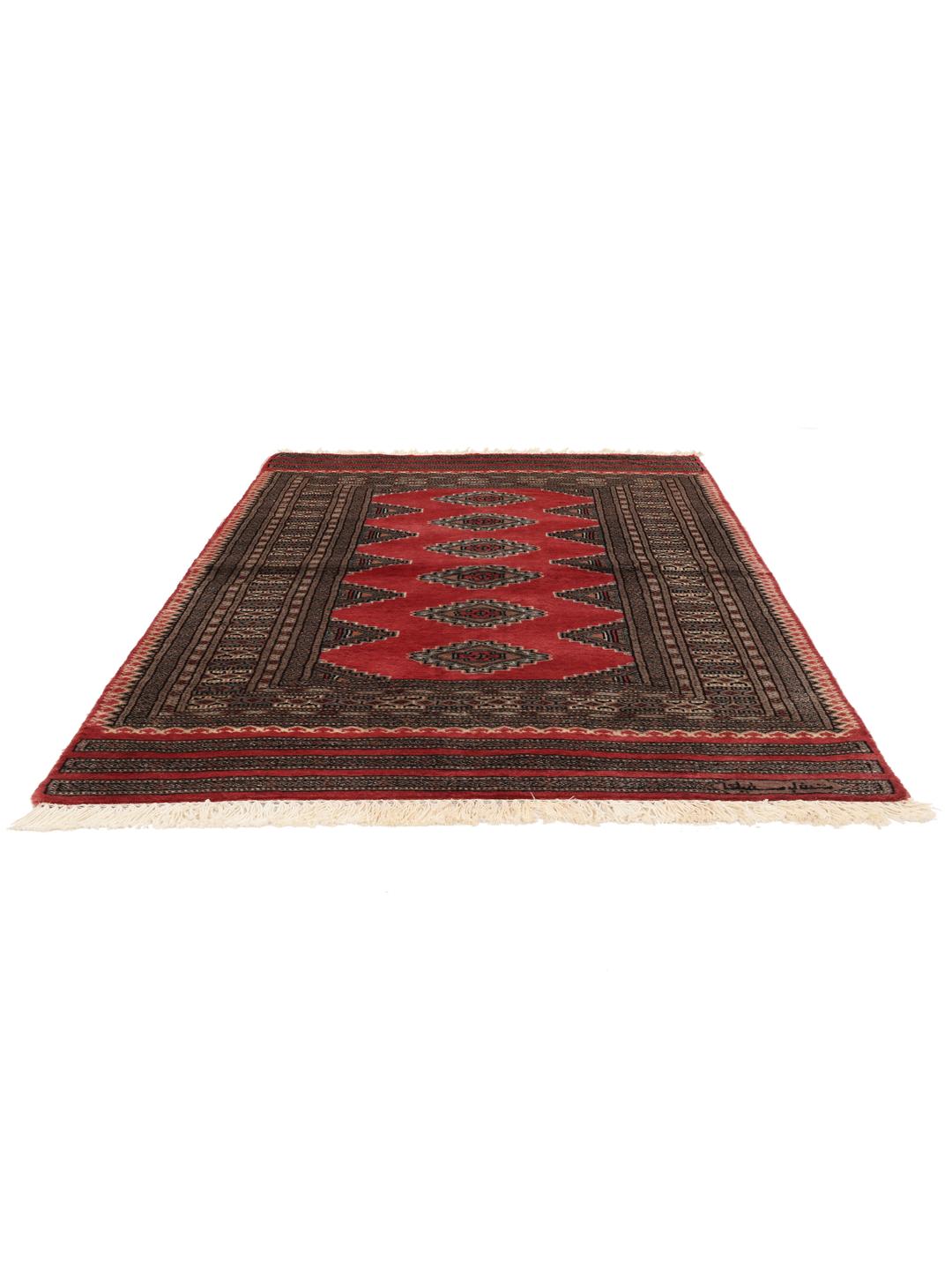
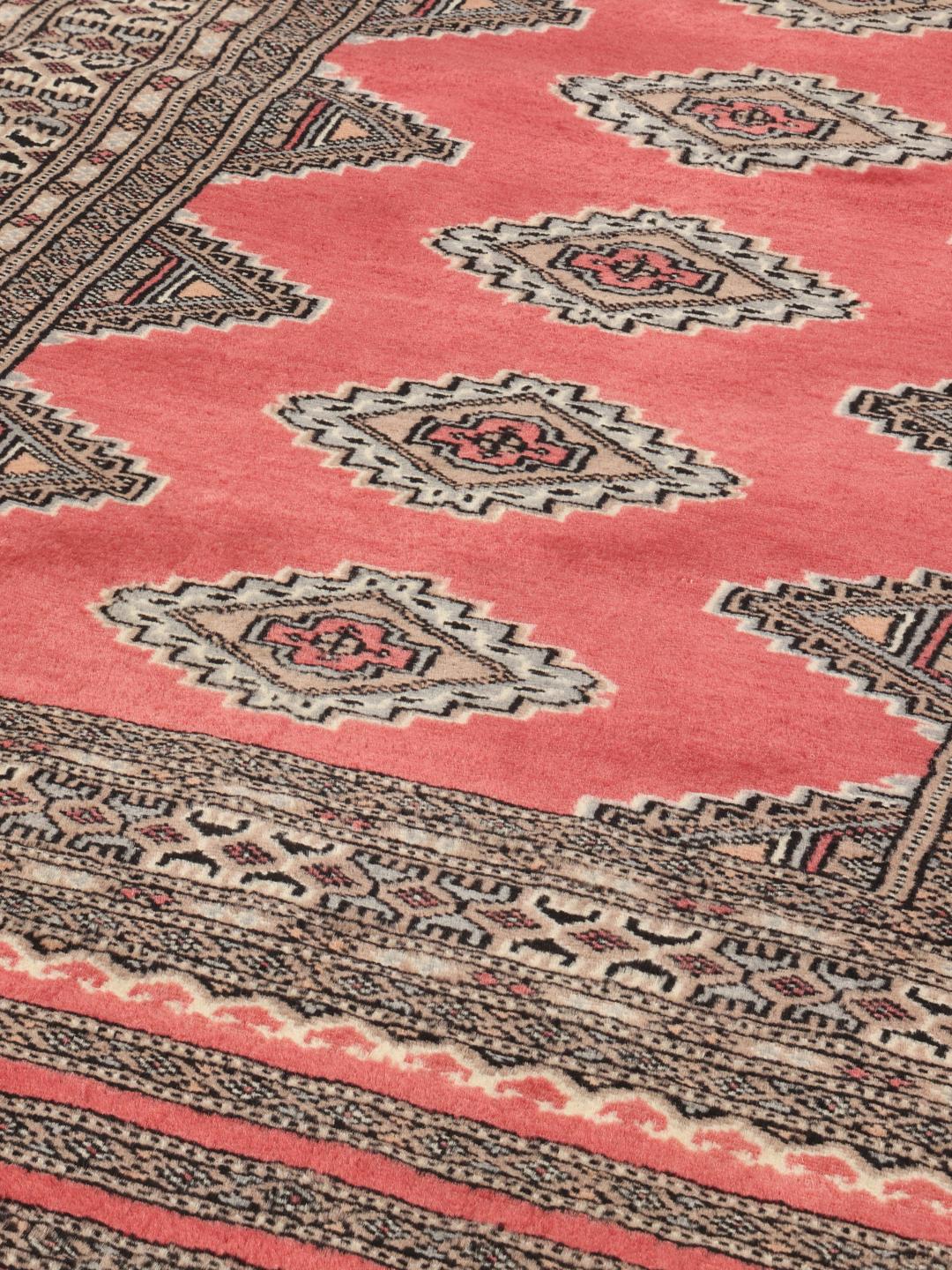
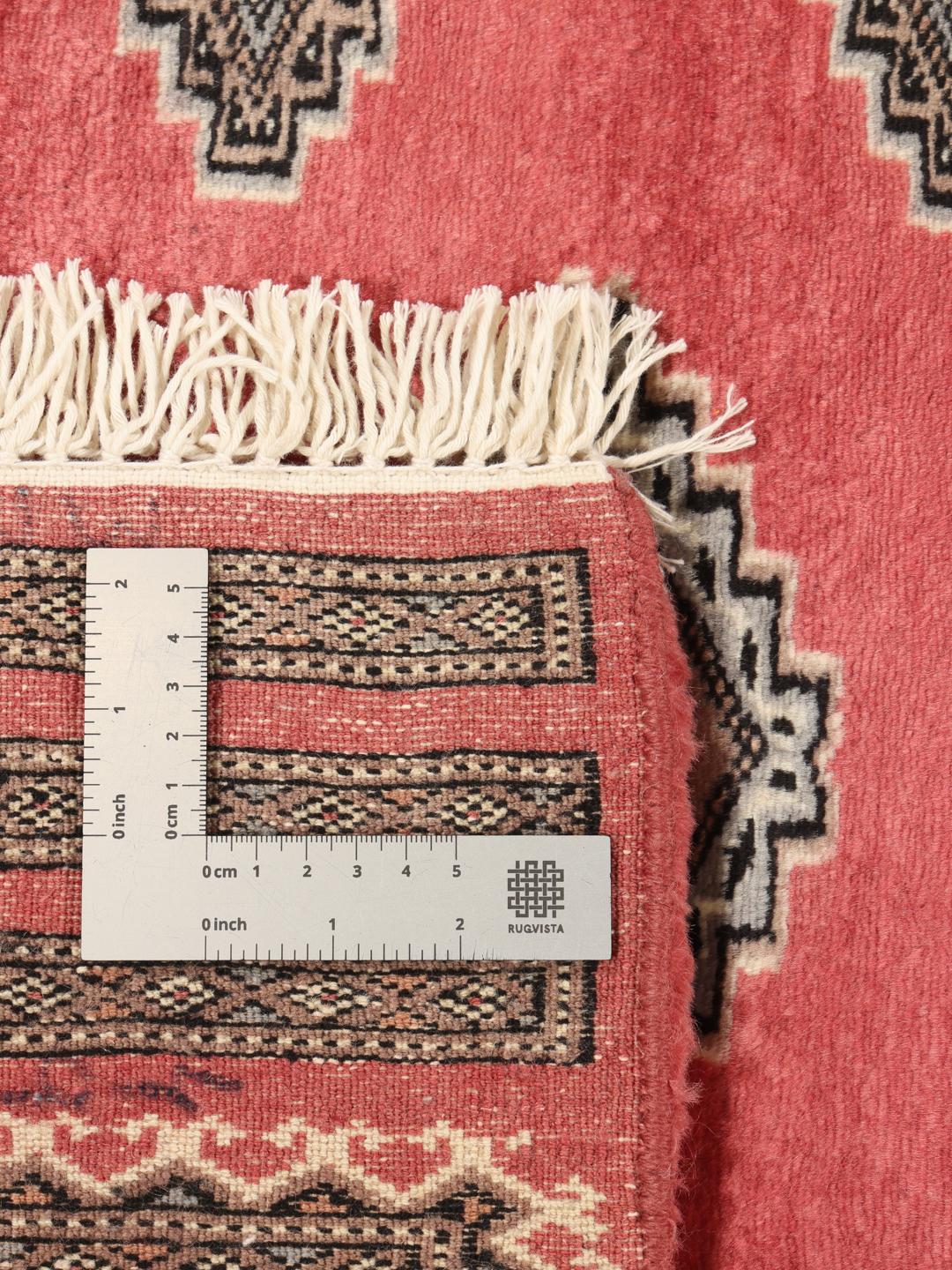
Visually, these rugs are defined by their iconic gul motifs—octagonal, elephant-foot-shaped medallions that are arranged in rhythmic, orderly rows across the field. These motifs are often framed by complex, geometric borders that draw the eye inward. The colour palette typically features warm, earthy reds and deep accents, creating a timeless aesthetic that works beautifully in many different settings.
Owning a hand-knotted Pakistan Bokhara is an investment in cultural heritage and refined skill. These rugs are highly valued by collectors not just for their beauty, but for the tradition they represent. Each piece is a testament to the weaver's ability to maintain complex patterns through memory and practice, making it a meaningful addition to any collection of fine home furnishings.