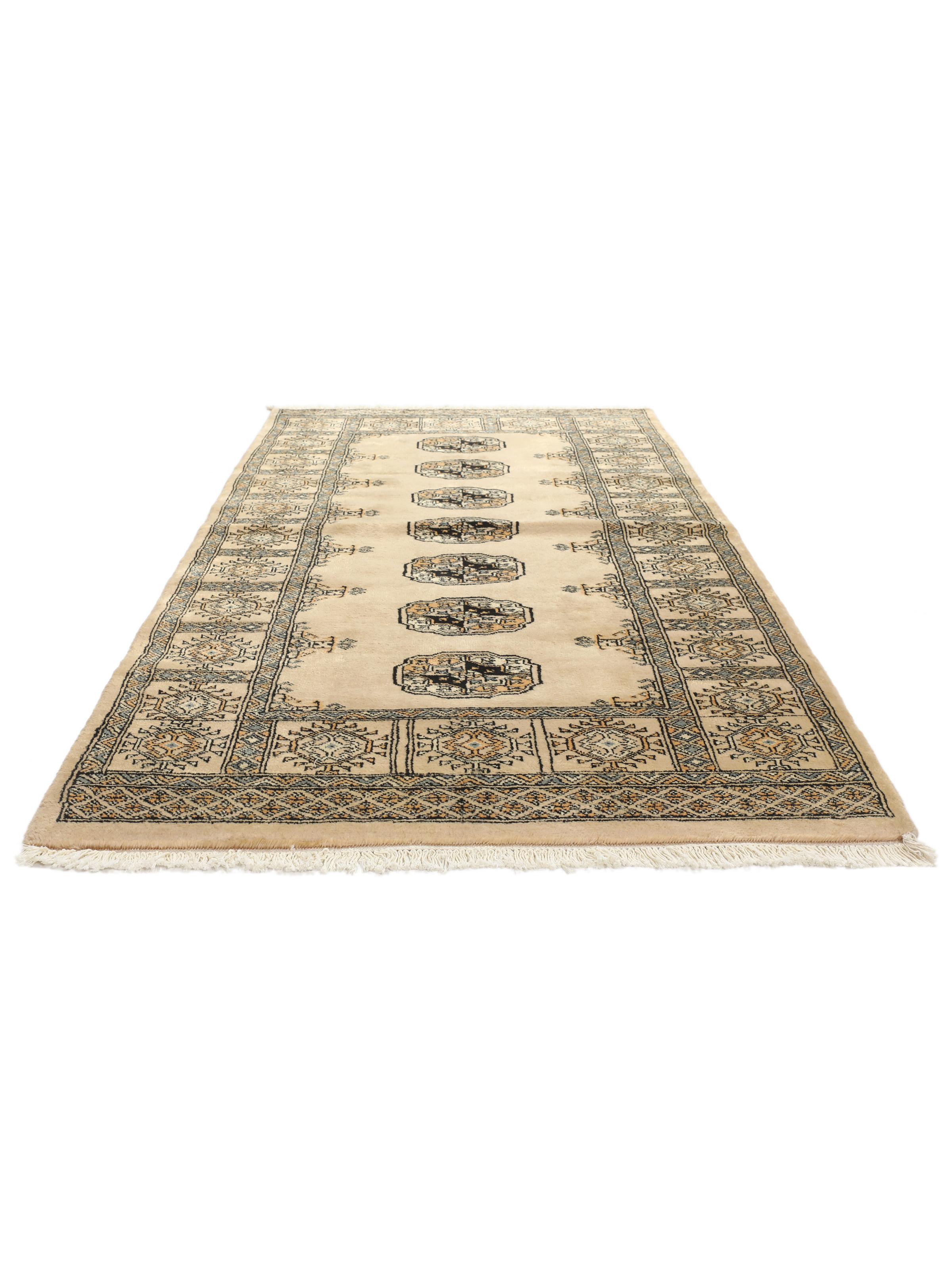
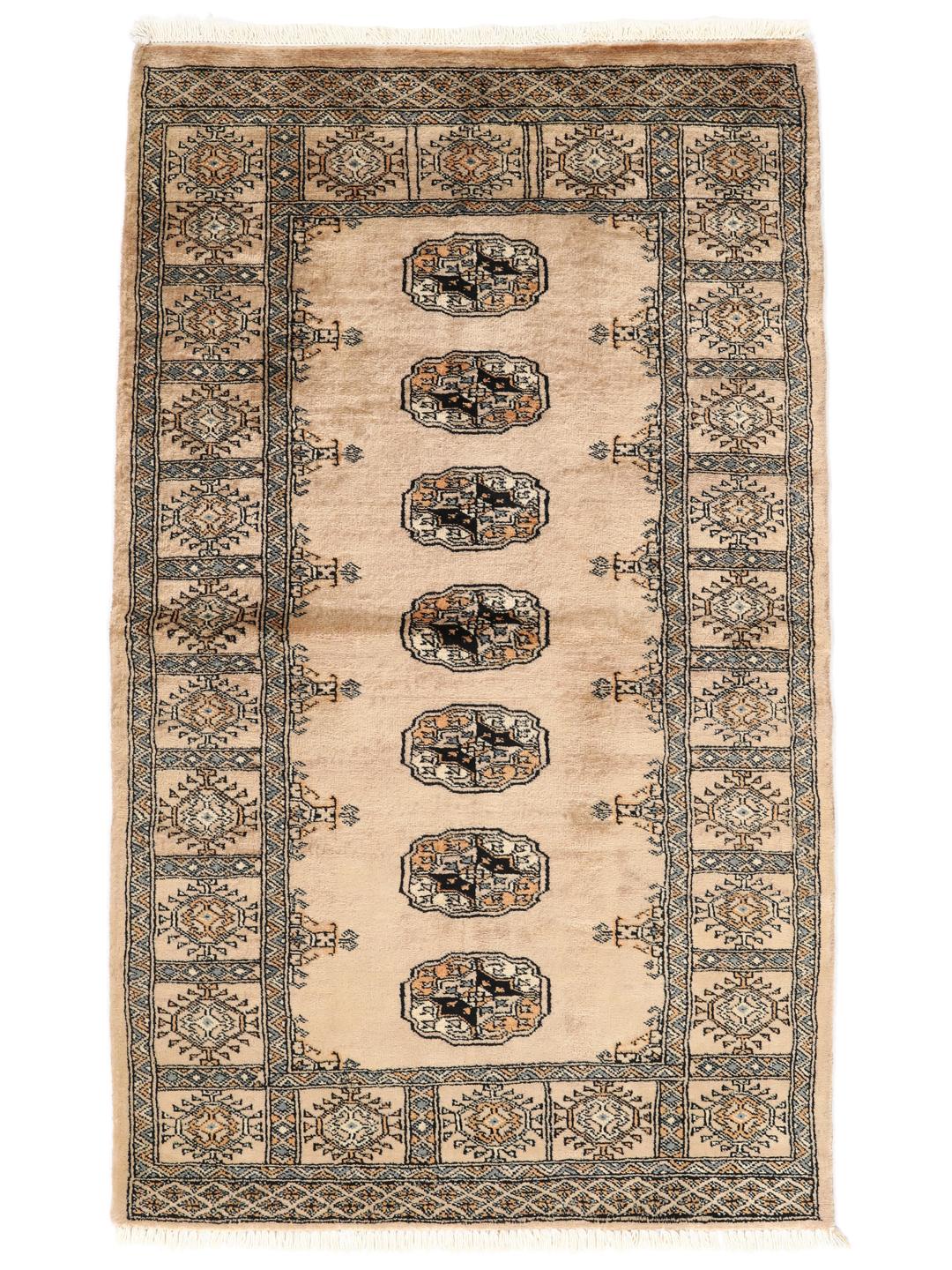
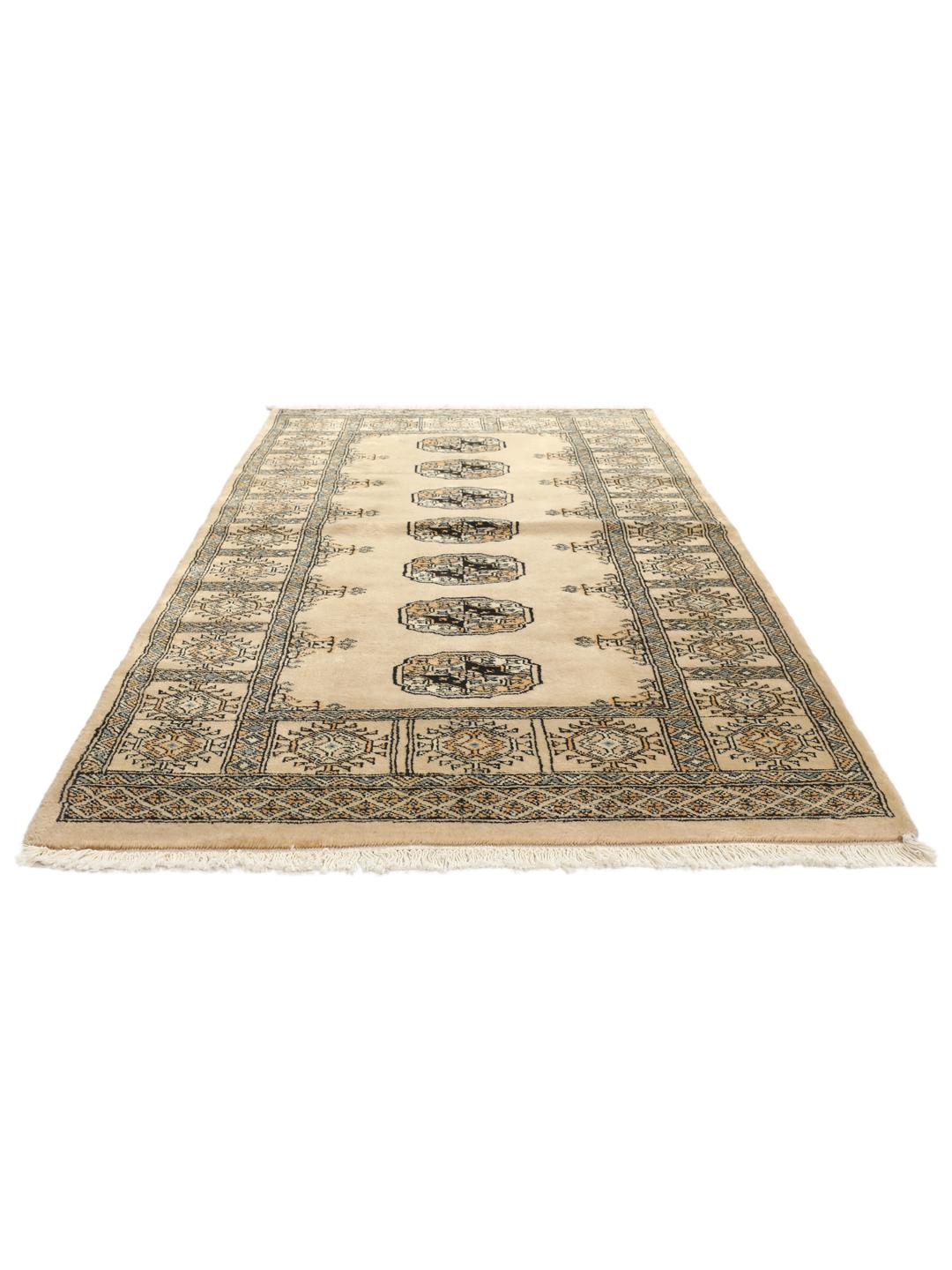
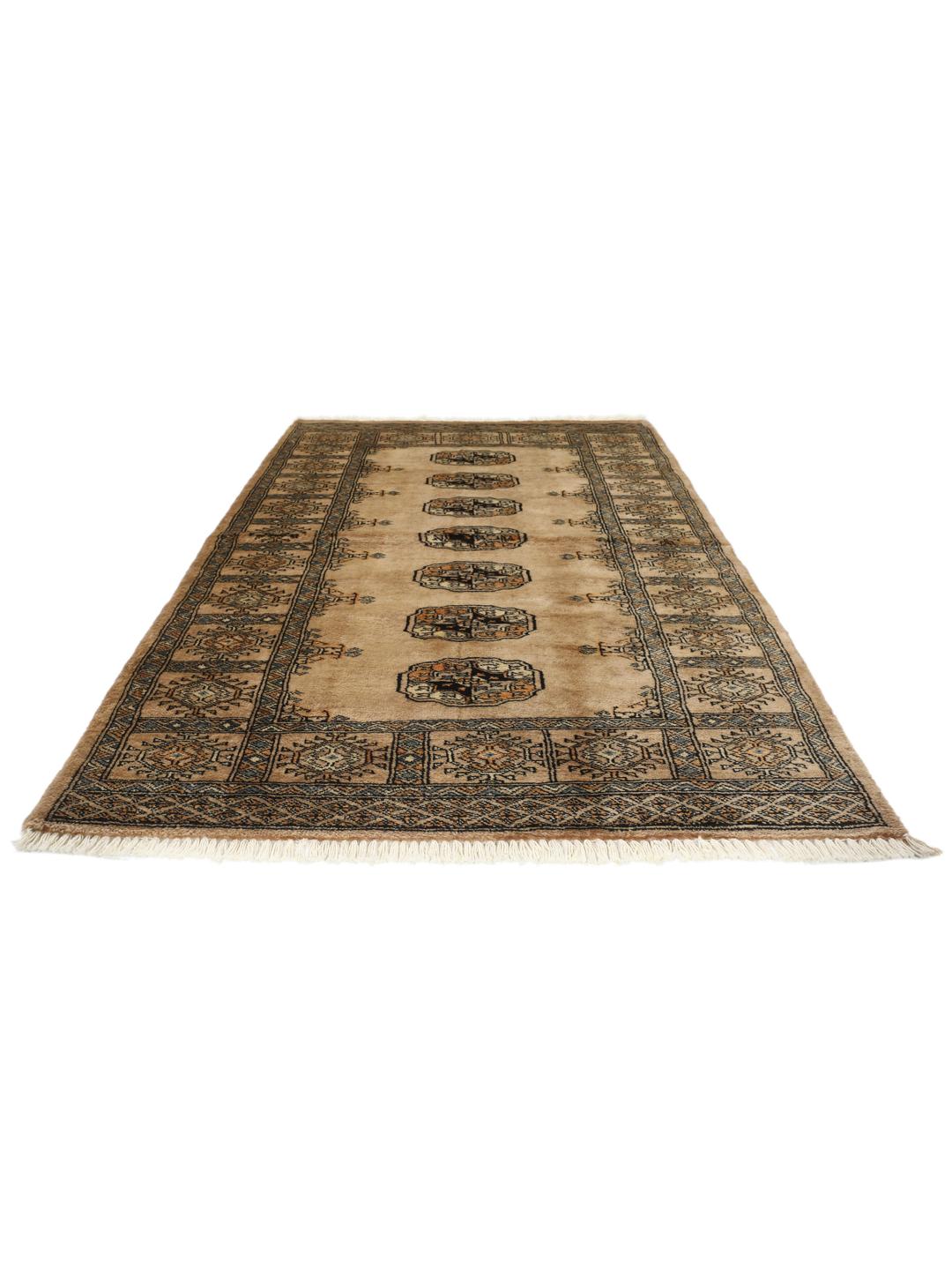
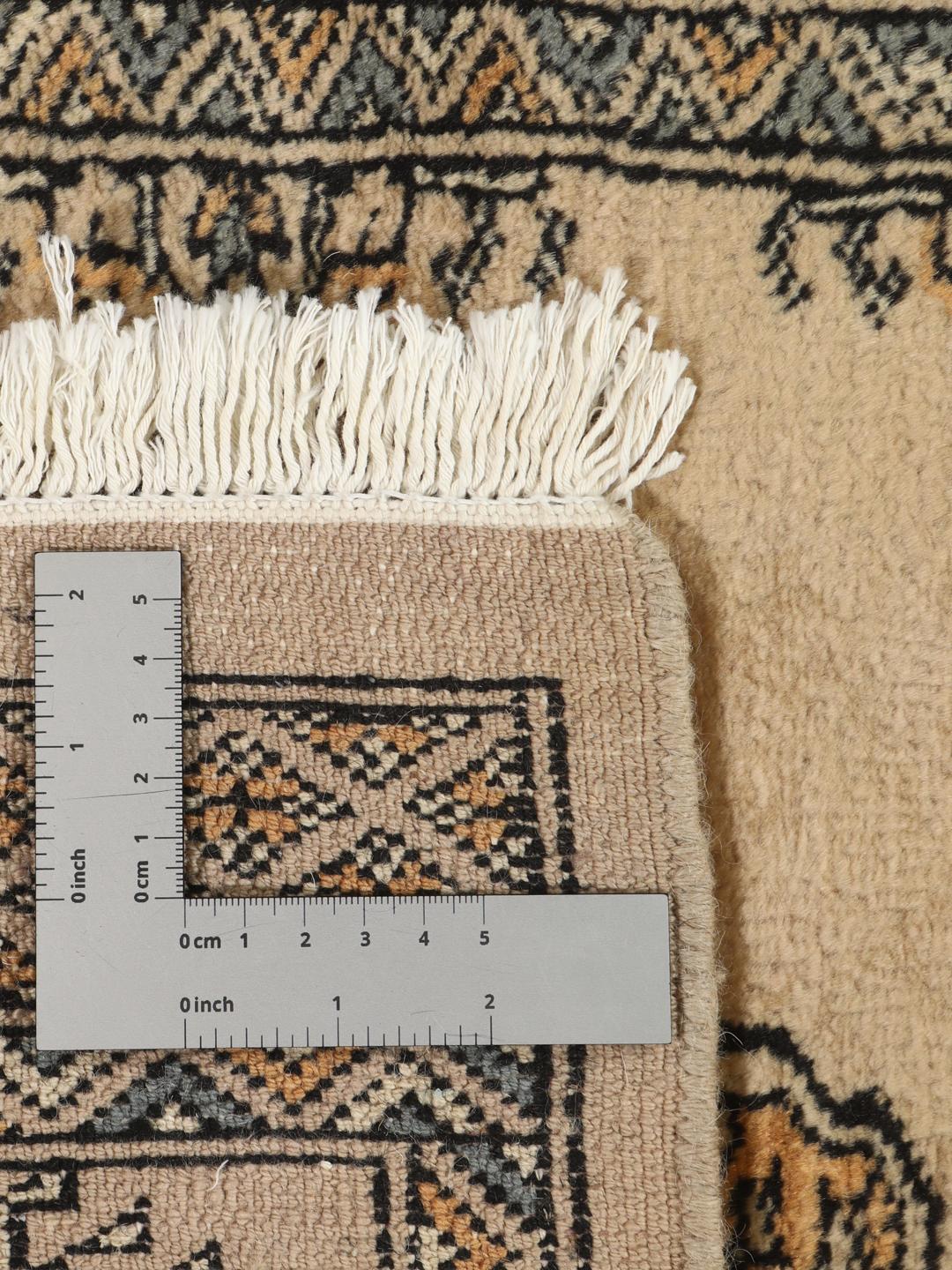
Bokhara rugs are deeply rooted in the historical tapestry of Central Asia, taking their name from the ancient Silk Road city of Bukhara. While they originated from nomadic traditions, the finest examples today are primarily produced in Pakistan, where weavers have refined the style to perfection over generations.
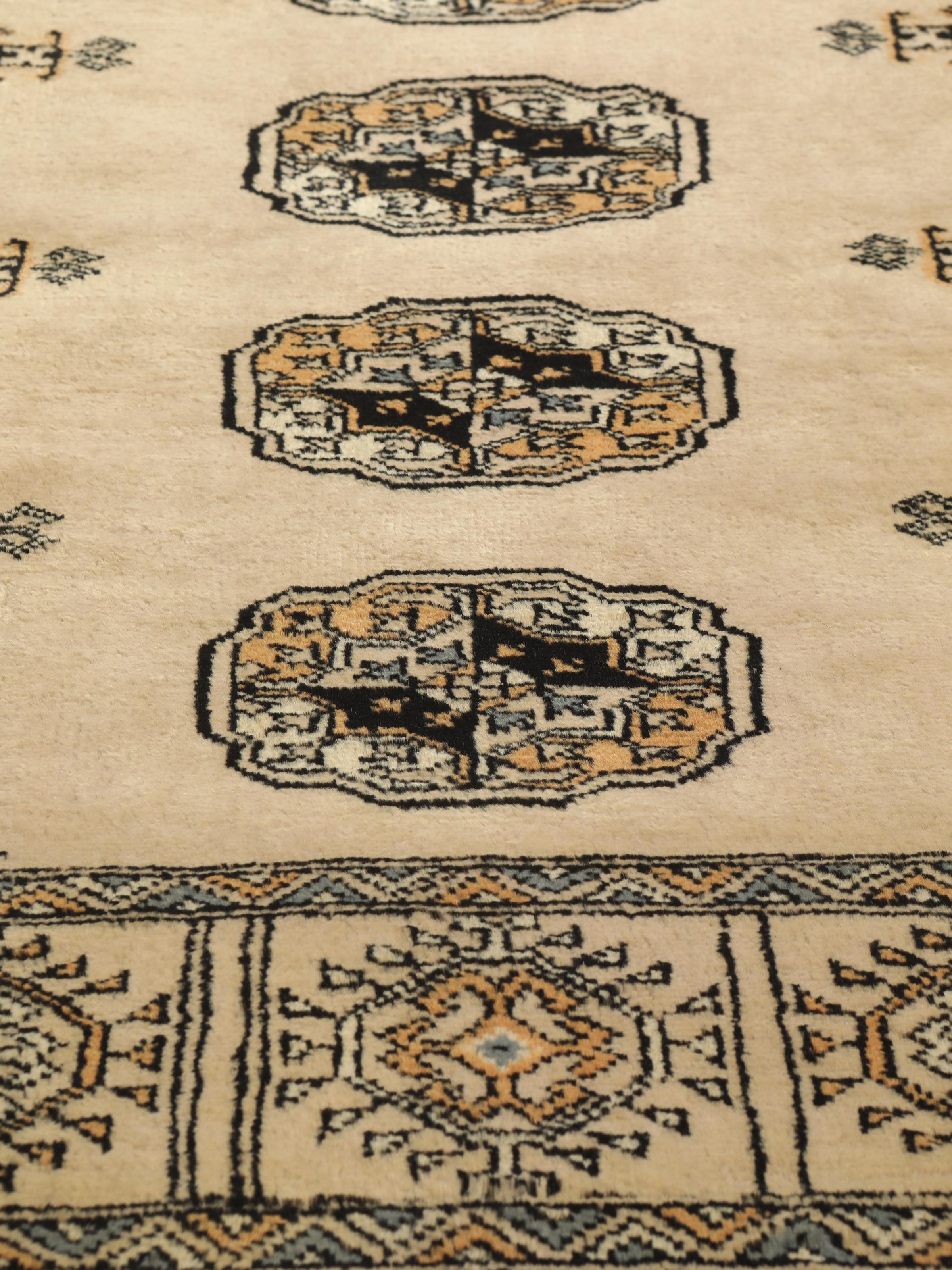
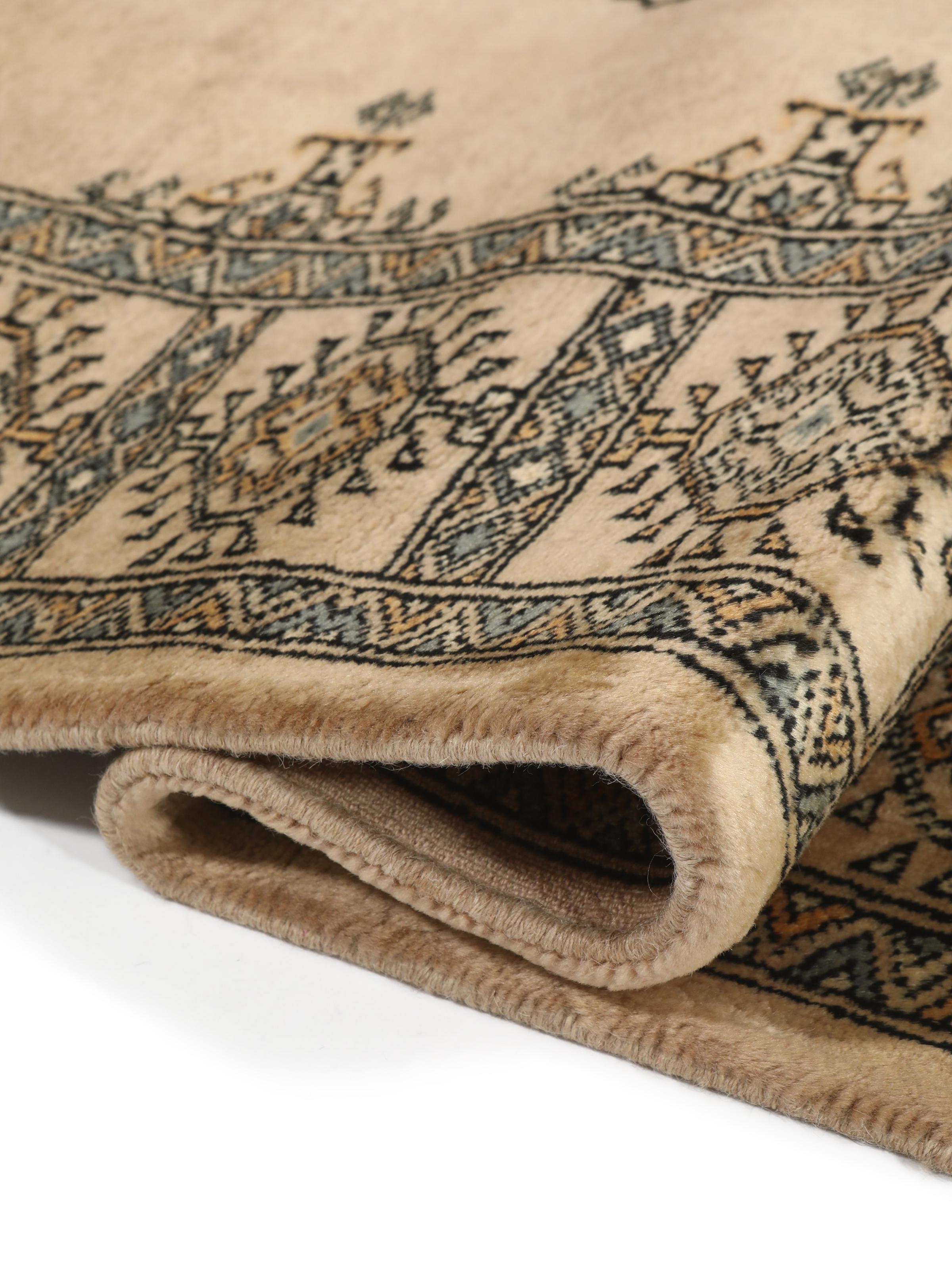
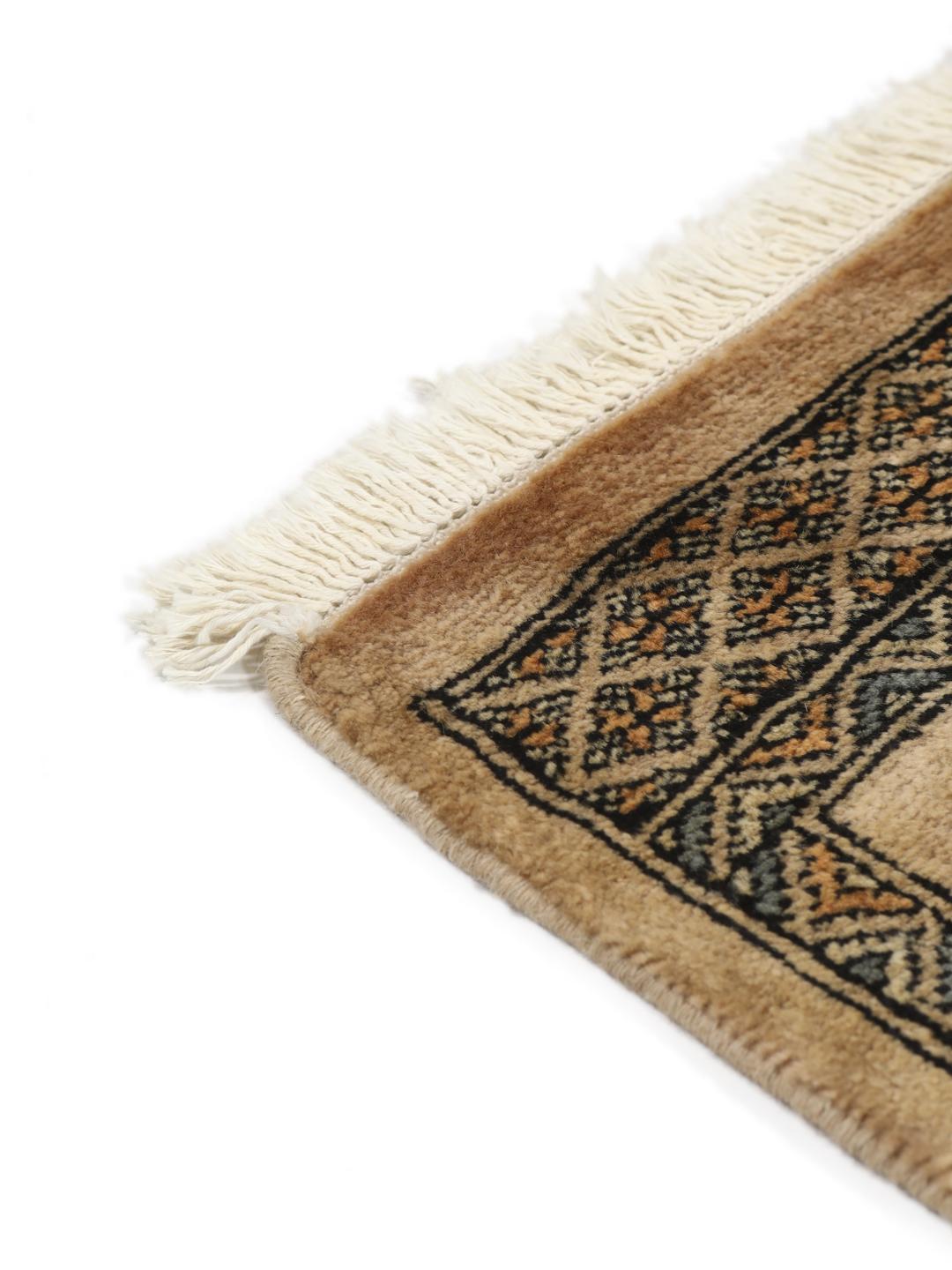
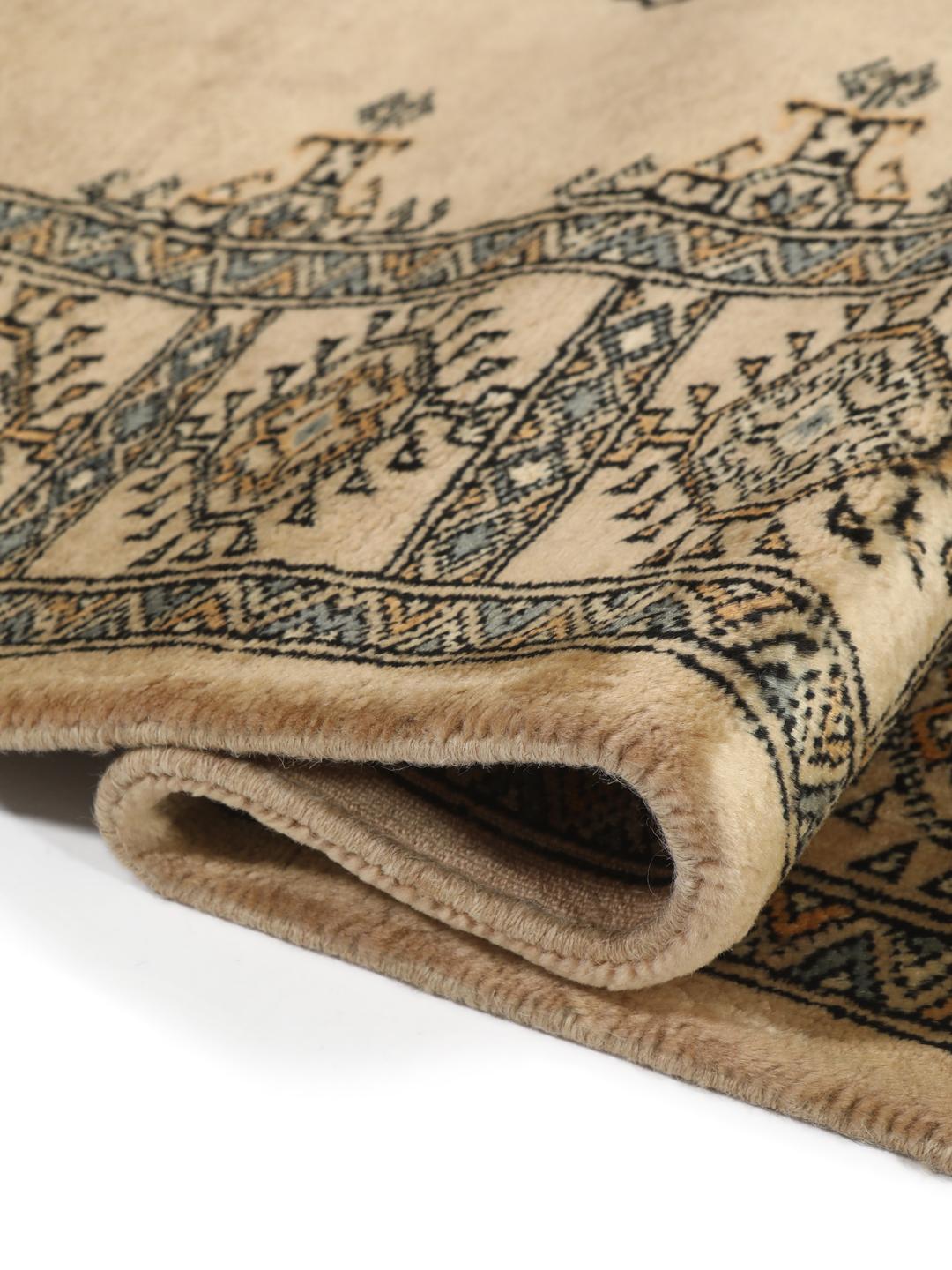
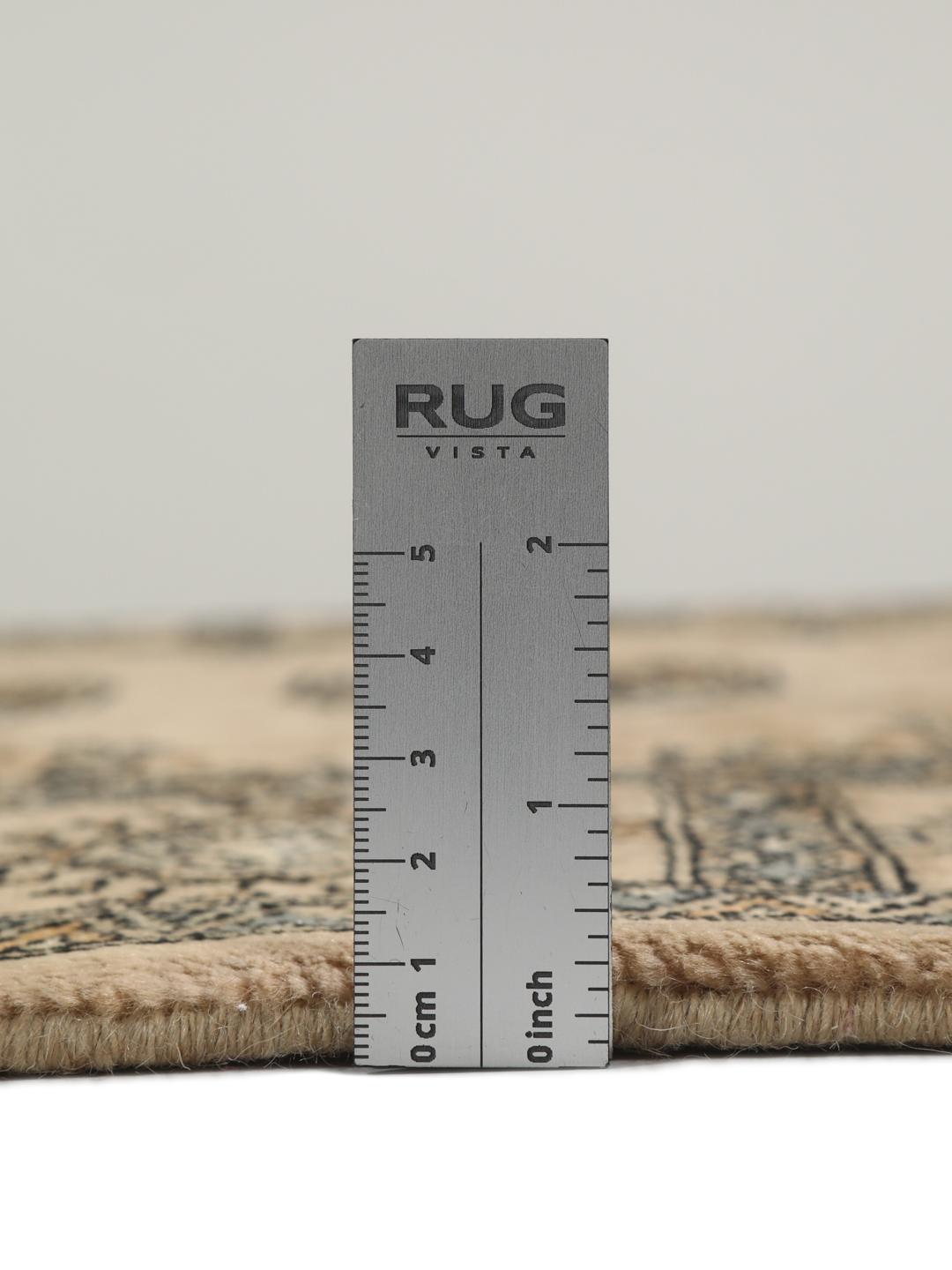
The term 3ply refers to the construction of the pile, where three strands of wool are twisted together before being knotted. This technique is significant because it results in a noticeably thicker, more durable, and more lustrous rug compared to those made with single or double-ply yarns. It is a hallmark of quality that directly influences the rug's longevity and feel.
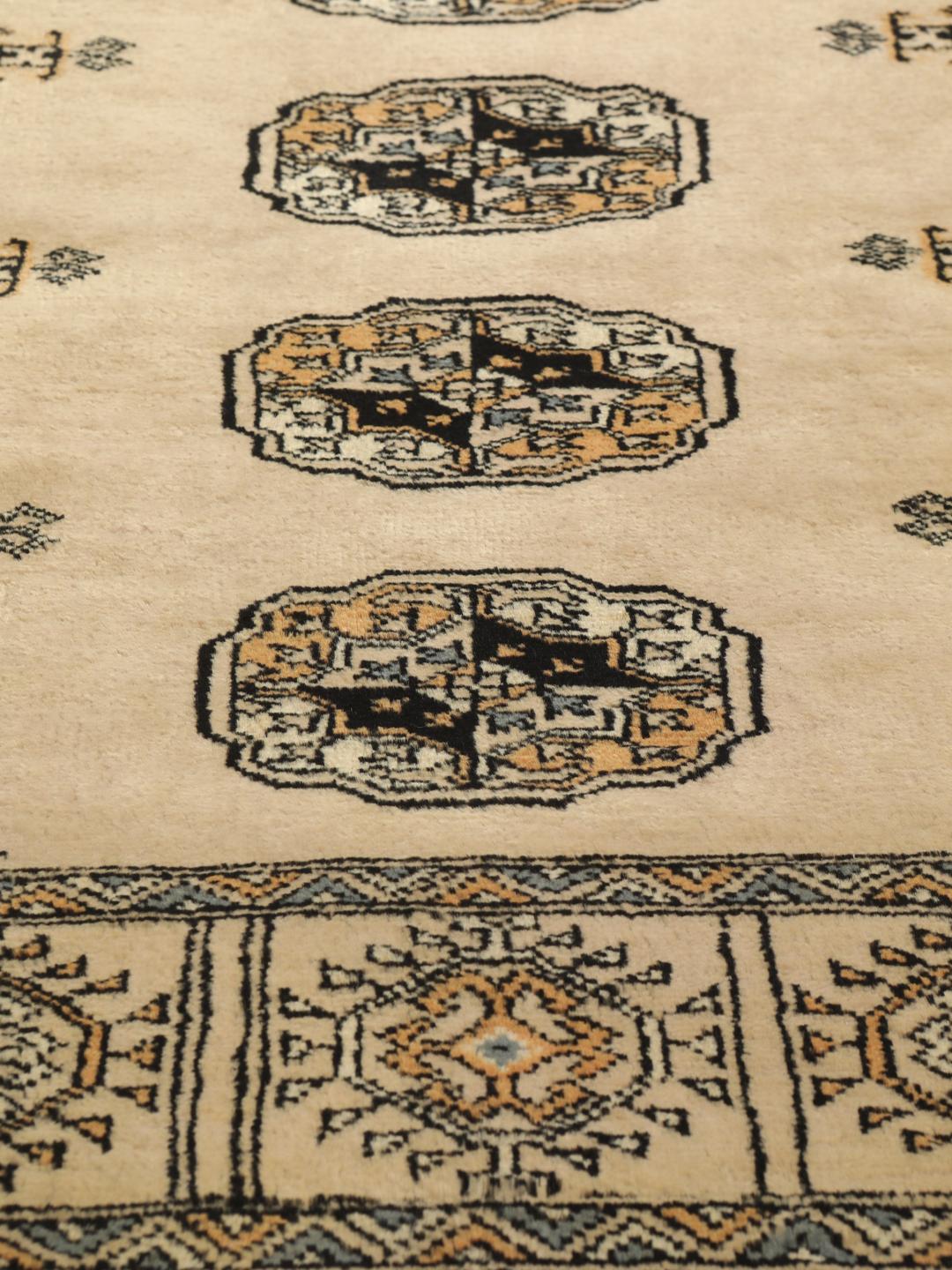
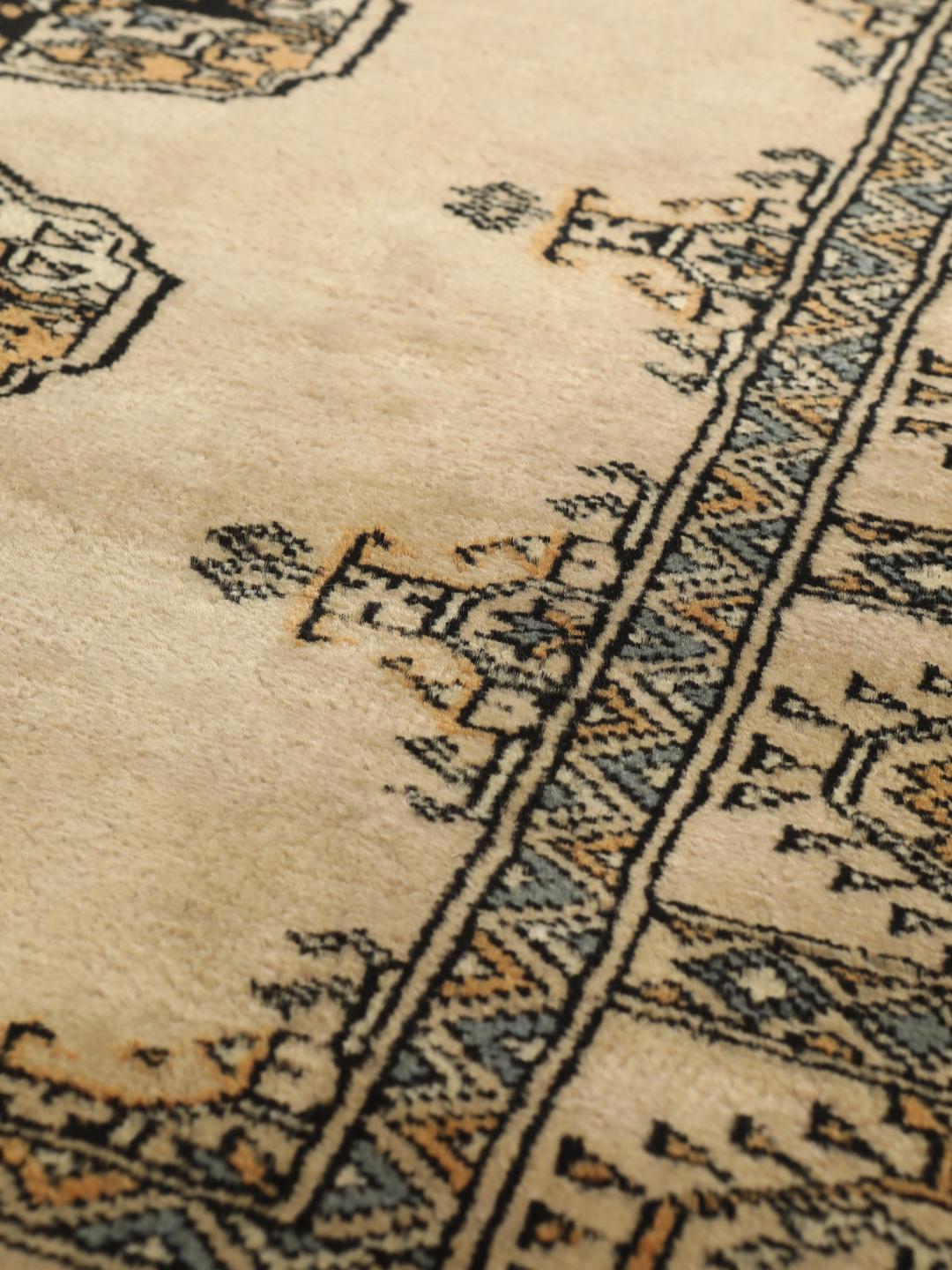
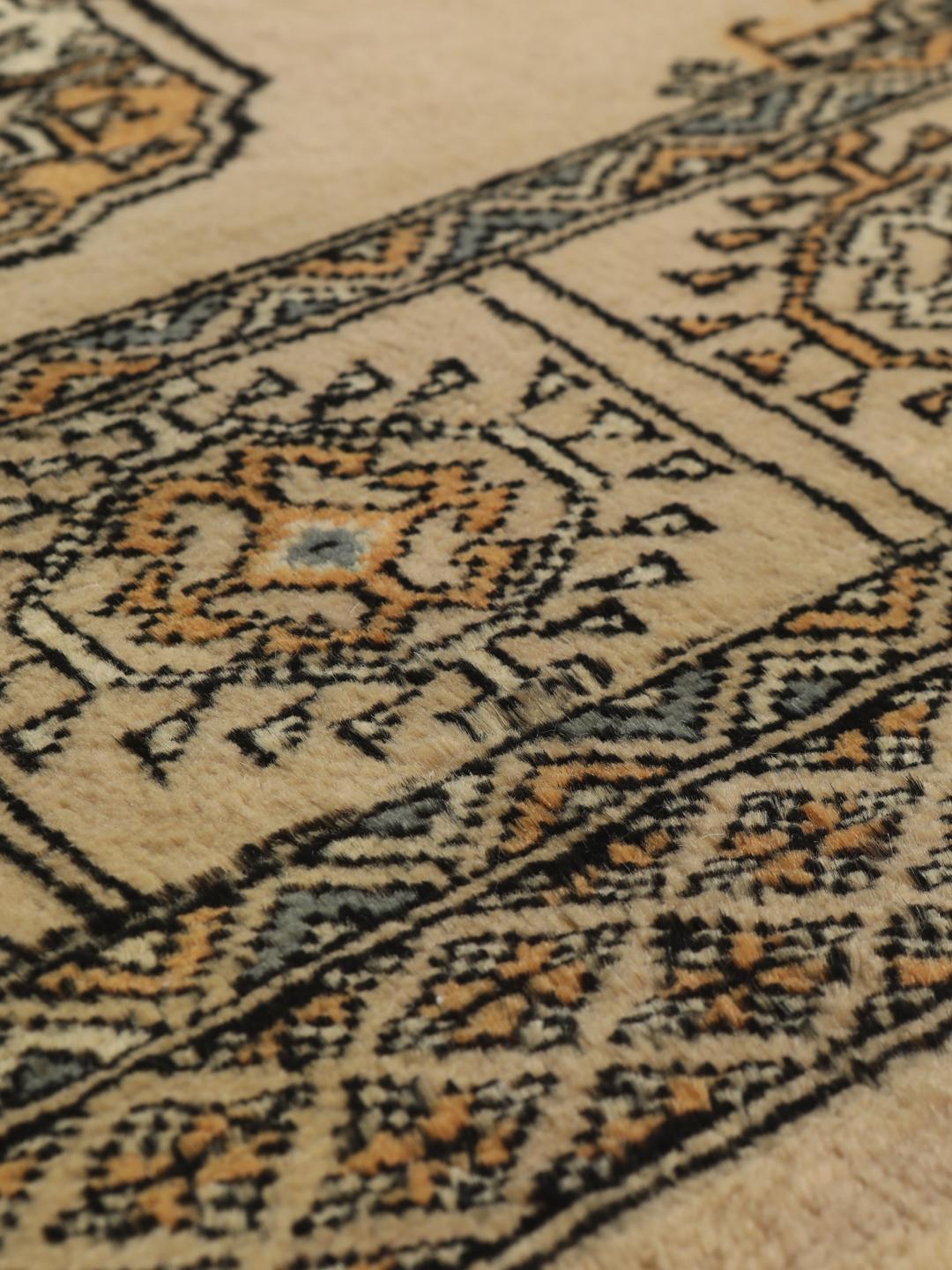
Visually, these rugs are defined by their iconic gul motifs, which are repeating octagonal or elephant-foot medallions arranged in neat, orderly rows. These motifs are traditionally enclosed by complex, decorative borders that frame the field, providing a sense of harmony and structure that is instantly recognisable to those who appreciate traditional weaving.
Owning a piece from this tradition is more than just a decorative choice; it is an investment in a storied craft. These rugs are highly valued by collectors for their consistency, the skill required to maintain such precise patterns, and the enduring quality of the wool used. Bringing one into your home is a way to celebrate a long-standing heritage of human skill and artistic expression.