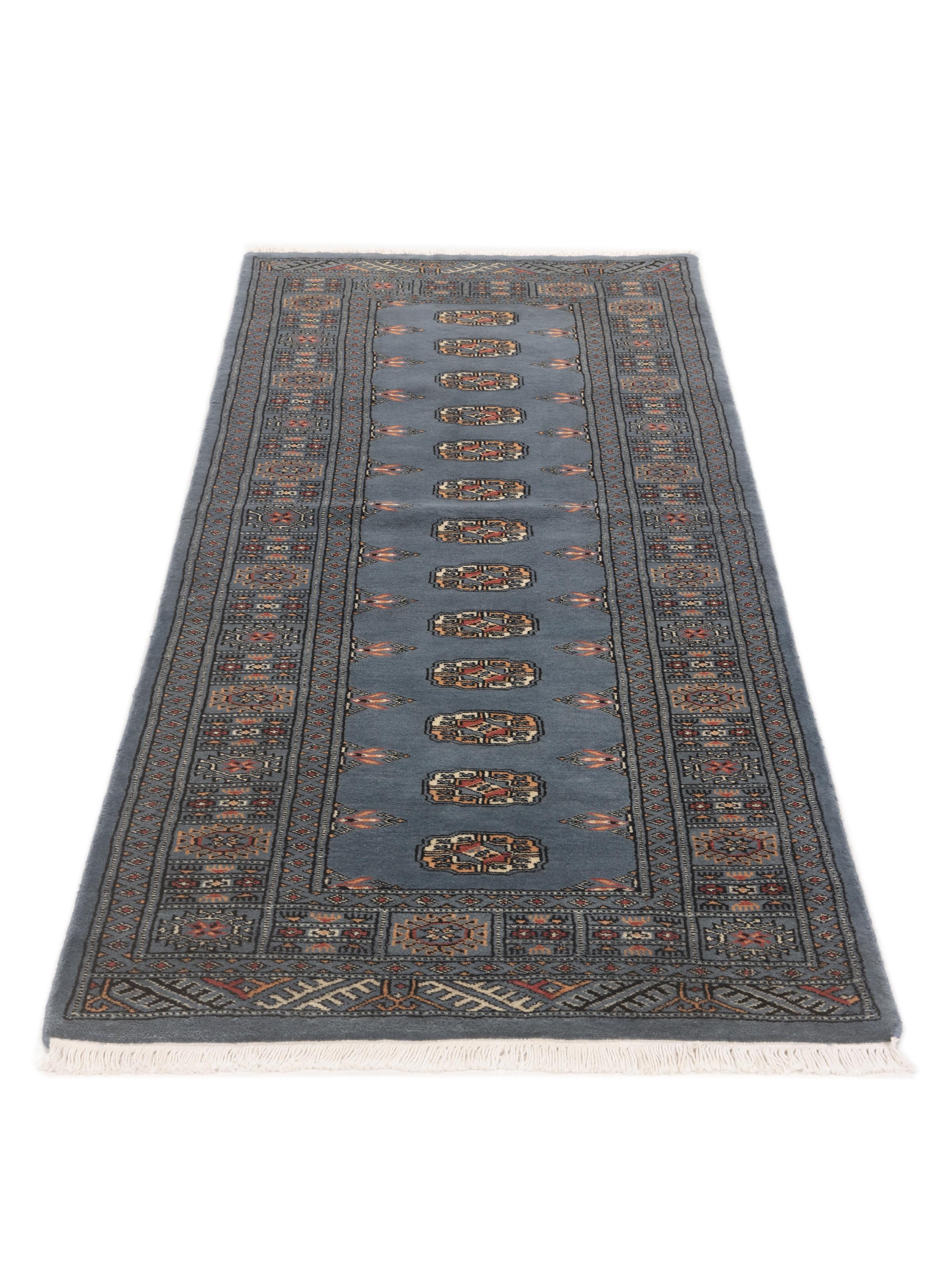
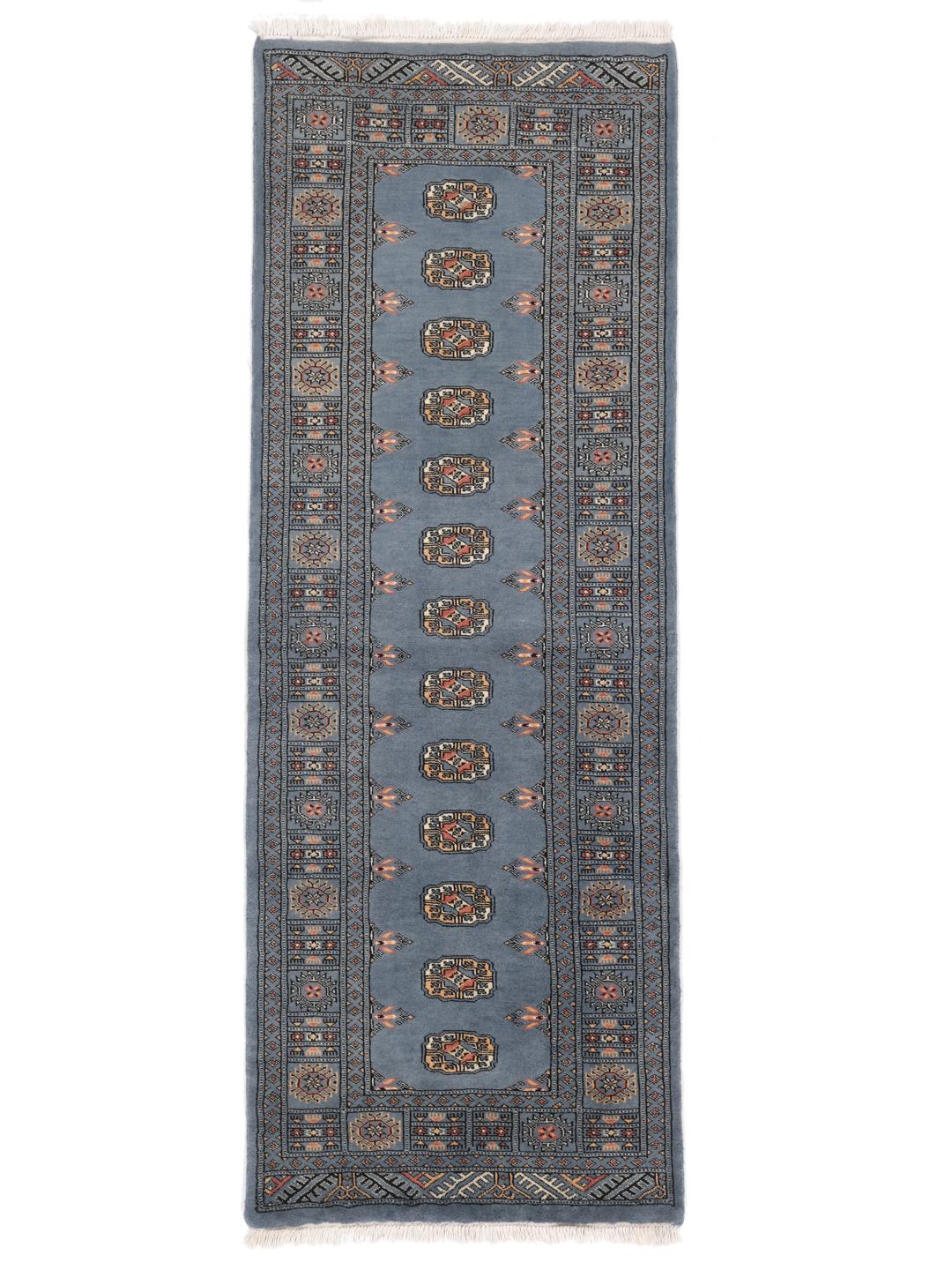
Bokhara rugs are renowned for their historical connection to the ancient Silk Road city of Bukhara, which once served as a vital trading hub for textiles and goods. While the designs have their roots in Central Asian tribal traditions, the finest contemporary examples are expertly woven in Pakistan. This evolution has allowed the traditional aesthetic to be preserved and adapted for modern homes around the world.
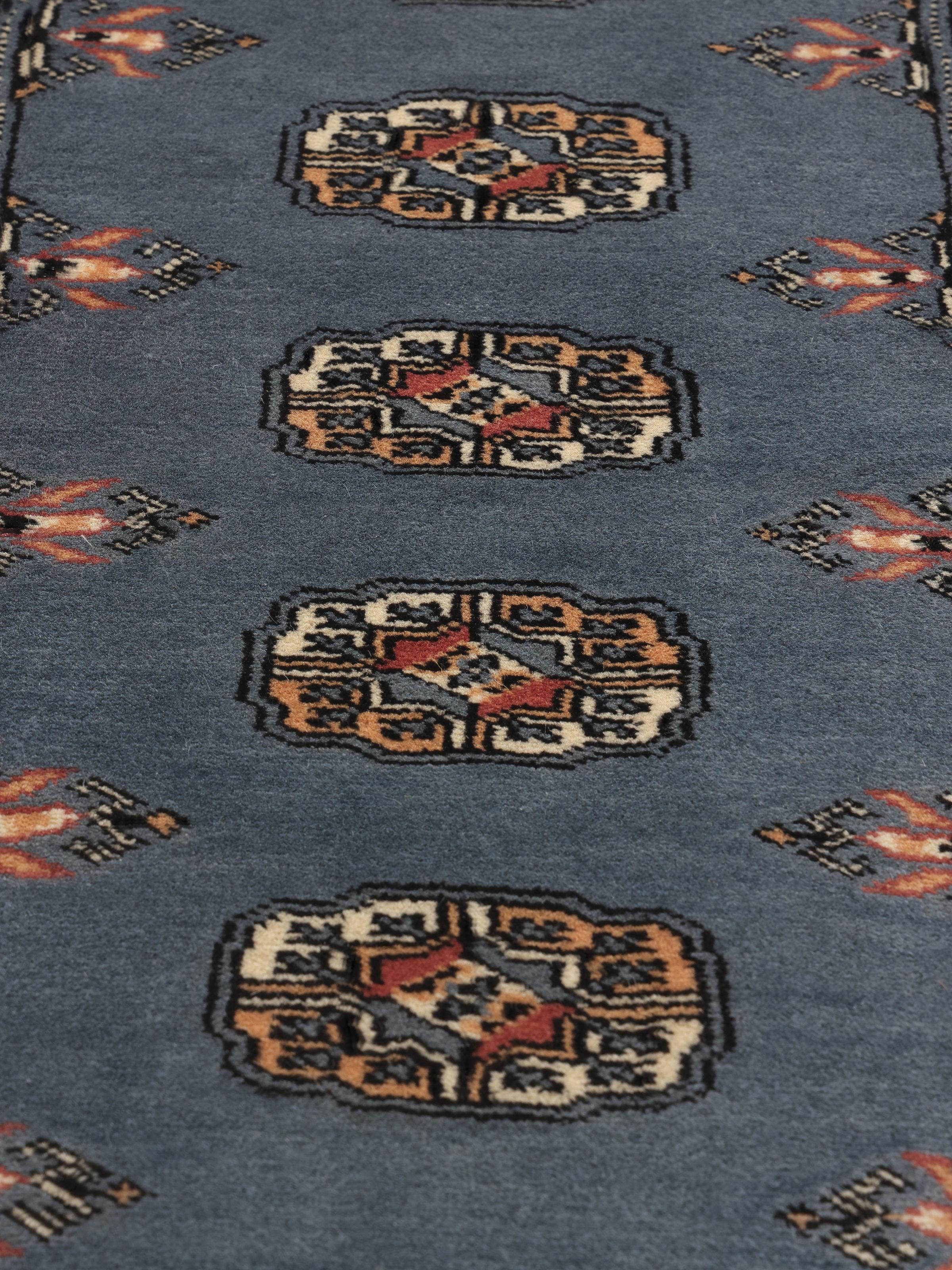
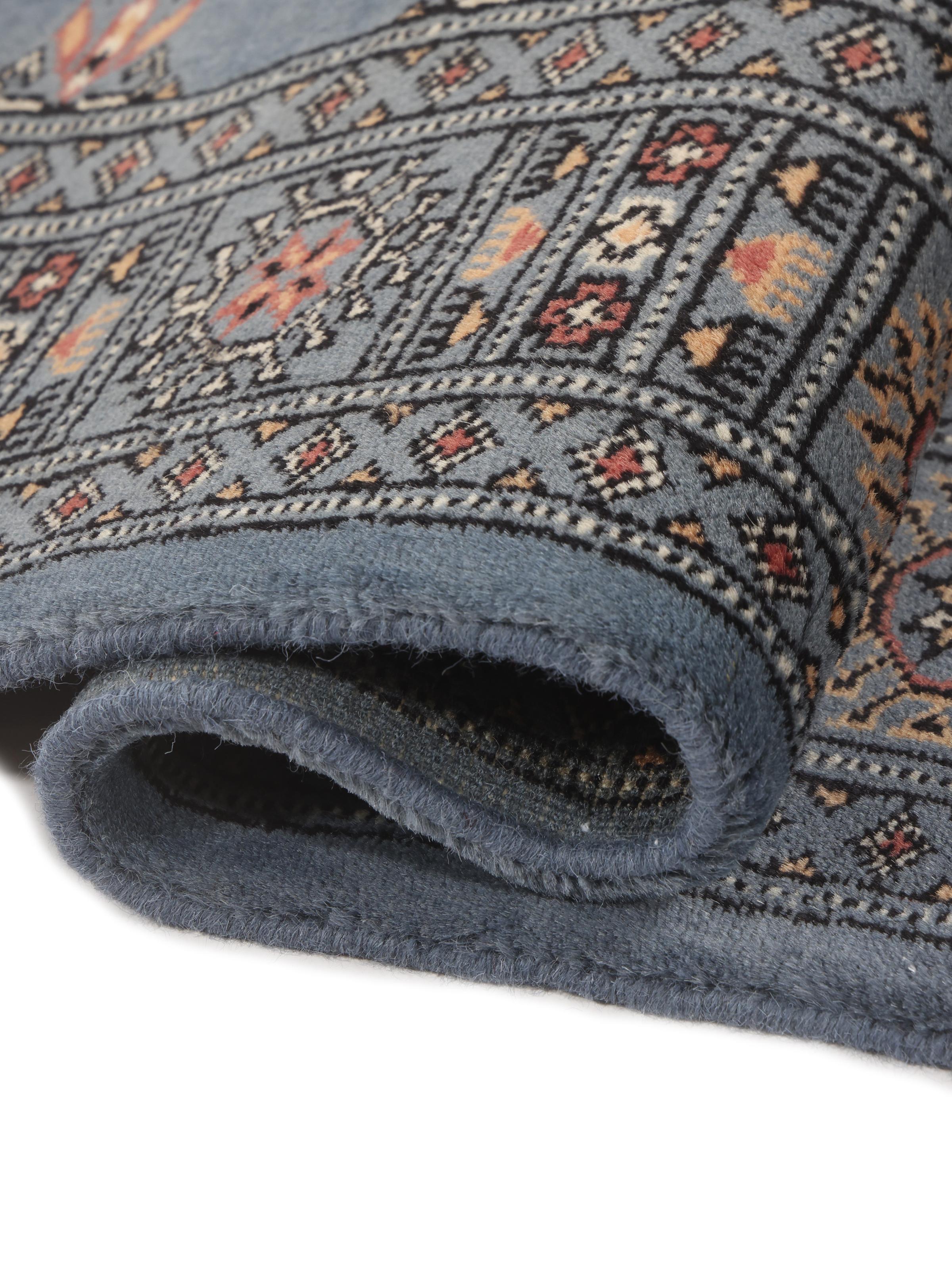
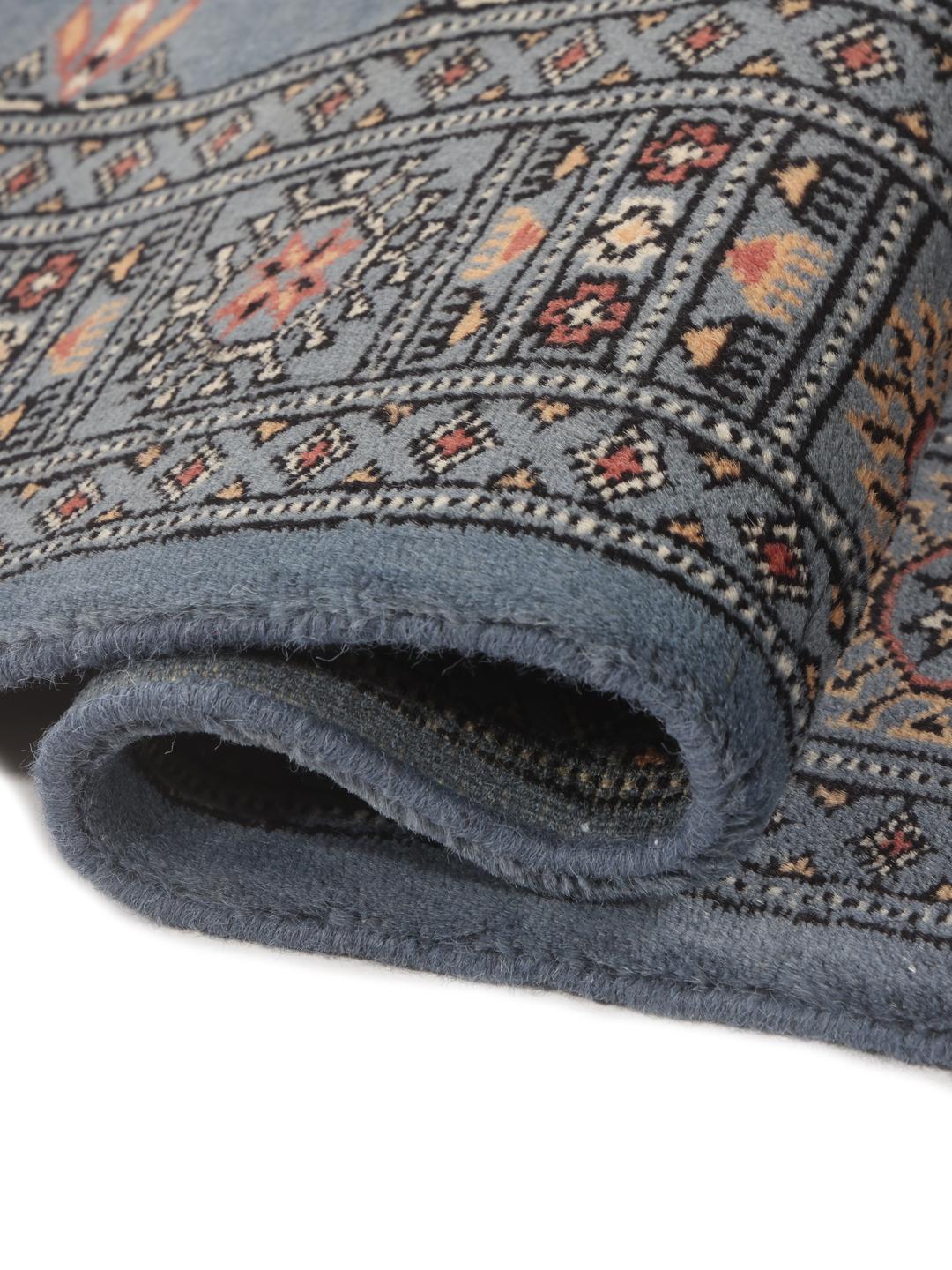
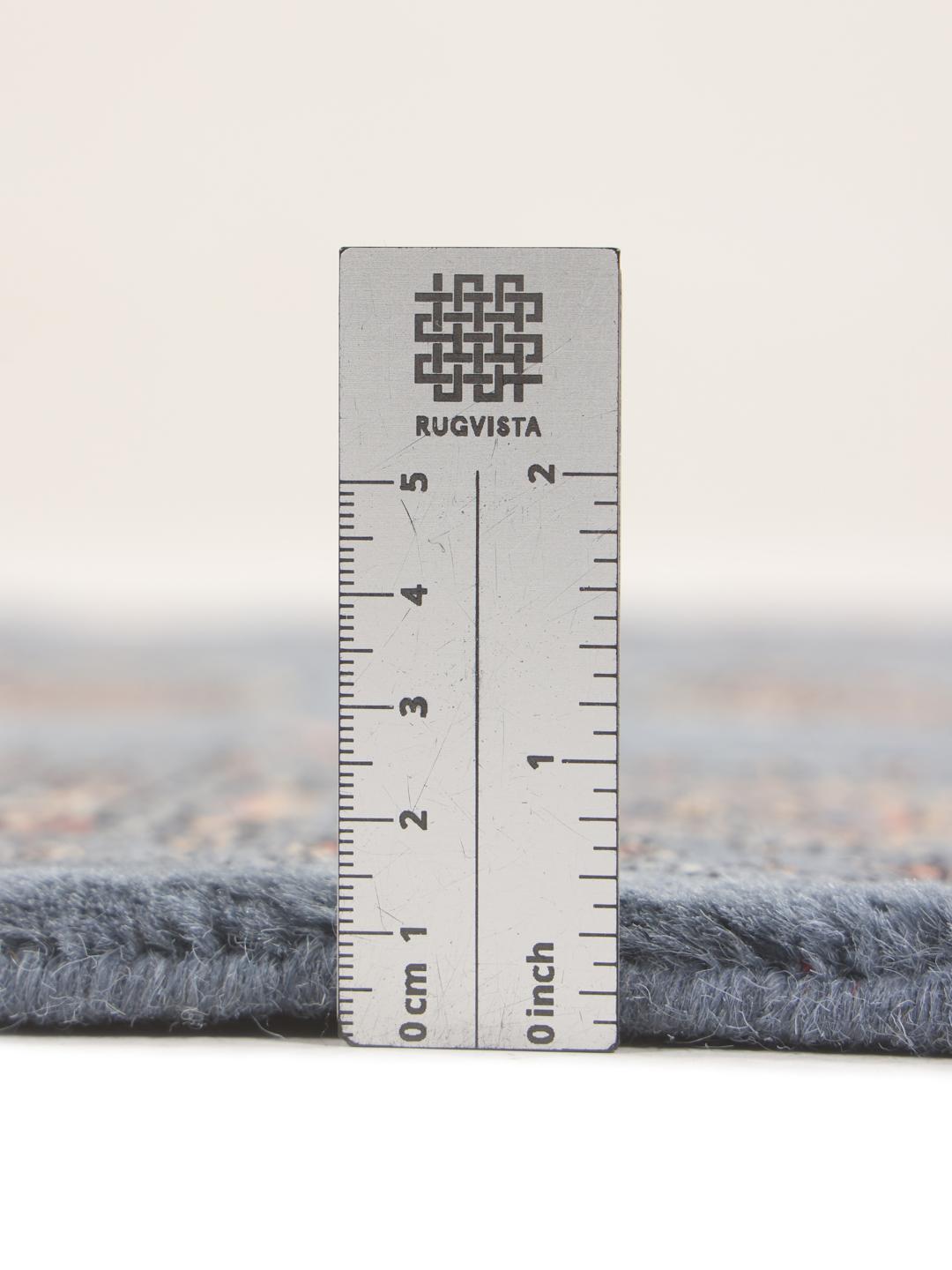
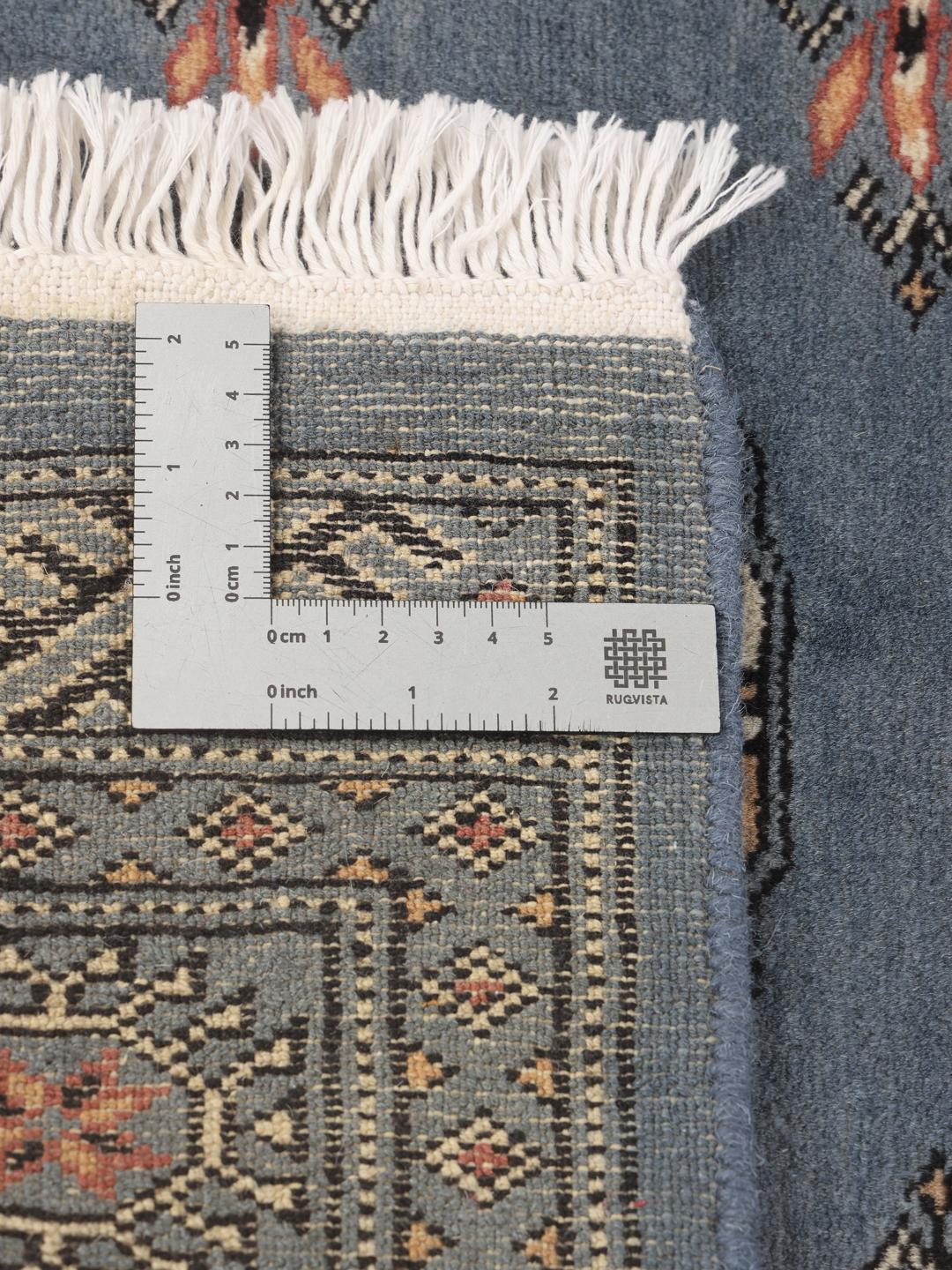
The '3ply' designation refers to the construction of the wool yarn, where three individual strands are twisted together before being knotted into the rug. This specific technique is essential for creating a pile that is exceptionally resilient, lustrous, and soft to the touch. By using a 3ply construction, the artisan ensures the rug has a fuller, more substantial feel that stands up to the rigours of frequent use.
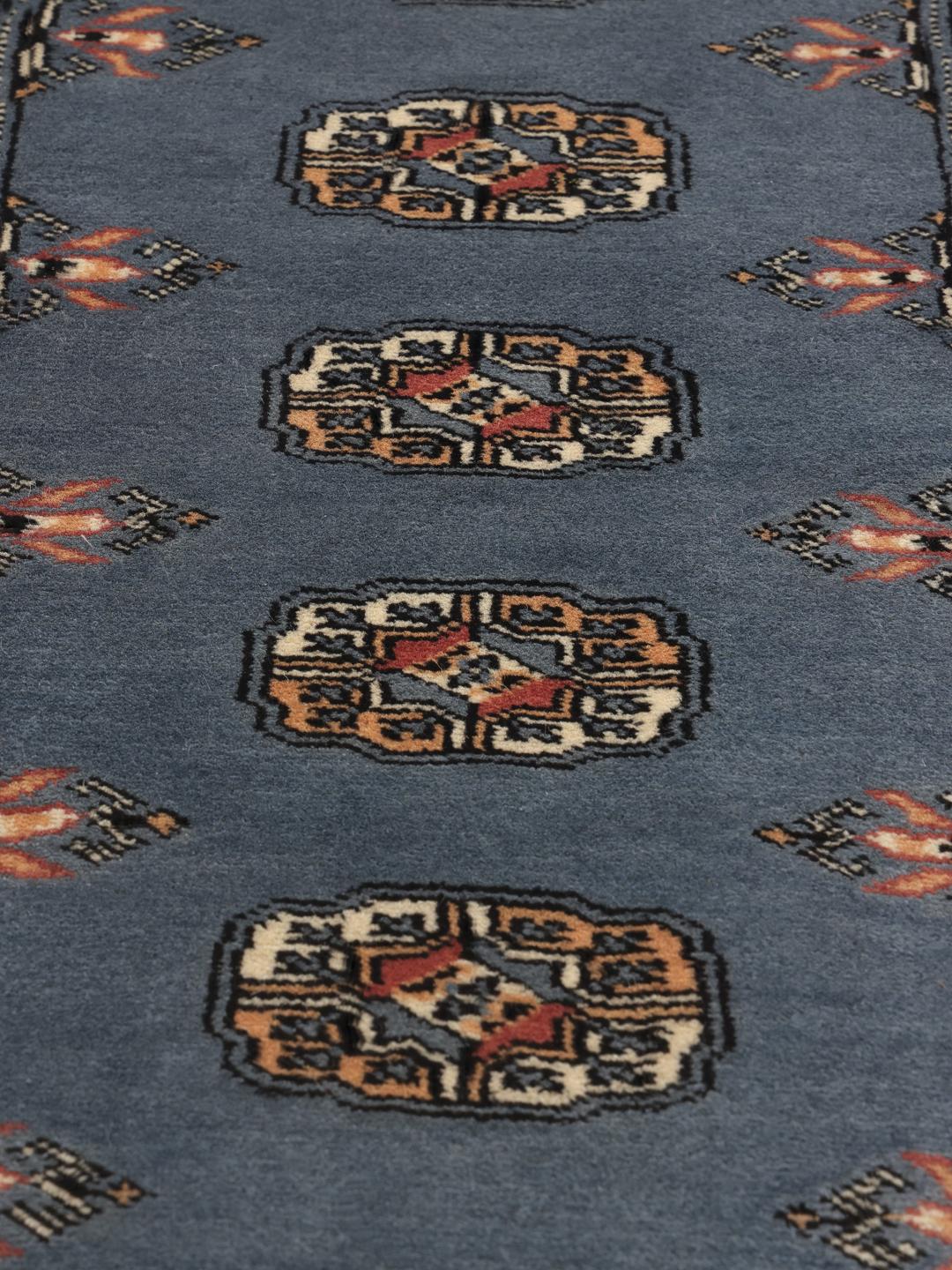
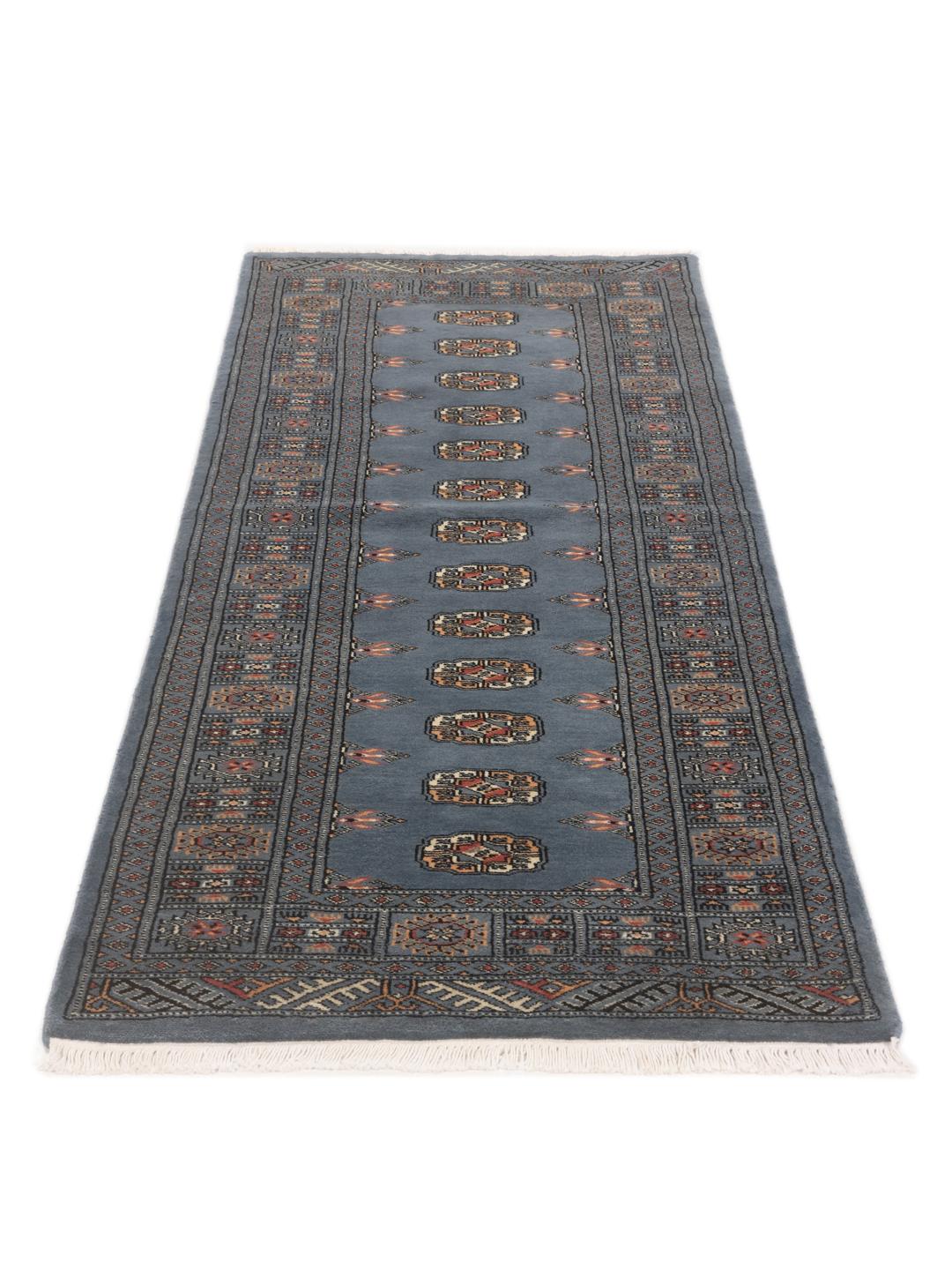
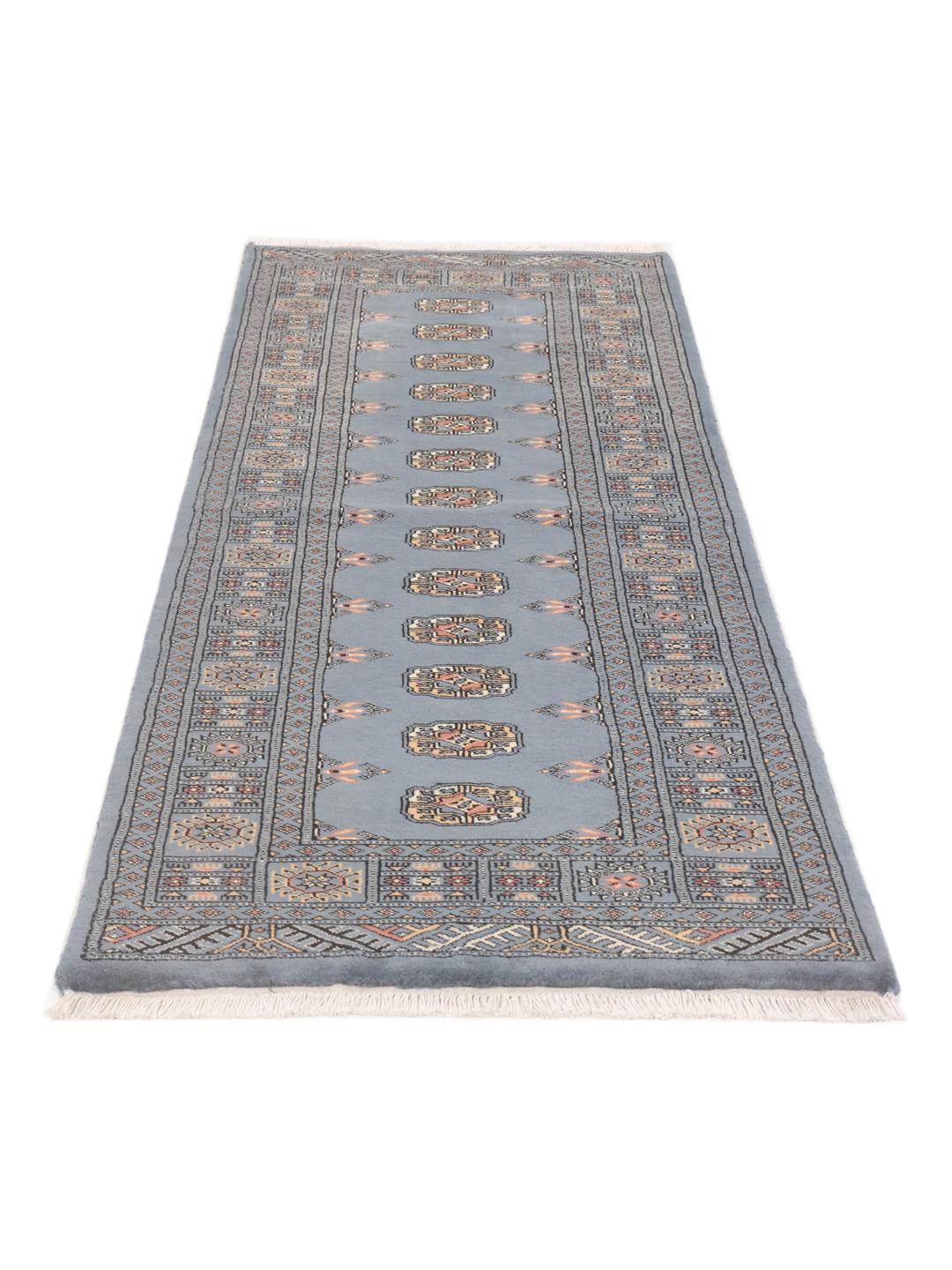
Visually, these rugs are defined by the repeating gul motif, which are stylized, octagonal medallions that represent traditional tribal symbols. These motifs are carefully arranged in rows across the field, creating a sense of balance and rhythmic harmony. The borders often feature intricate geometric patterns that frame the central design, showcasing the precision and mathematical planning required for such a classic layout.
Collectors value these rugs not only for their aesthetic beauty but for the cultural heritage they embody. Each piece serves as a link to a craft tradition that has been passed down through generations. Acquiring a hand-knotted rug from this region is a commitment to preserving a legacy of skill, ensuring that these time-honoured techniques continue to flourish in the modern age.