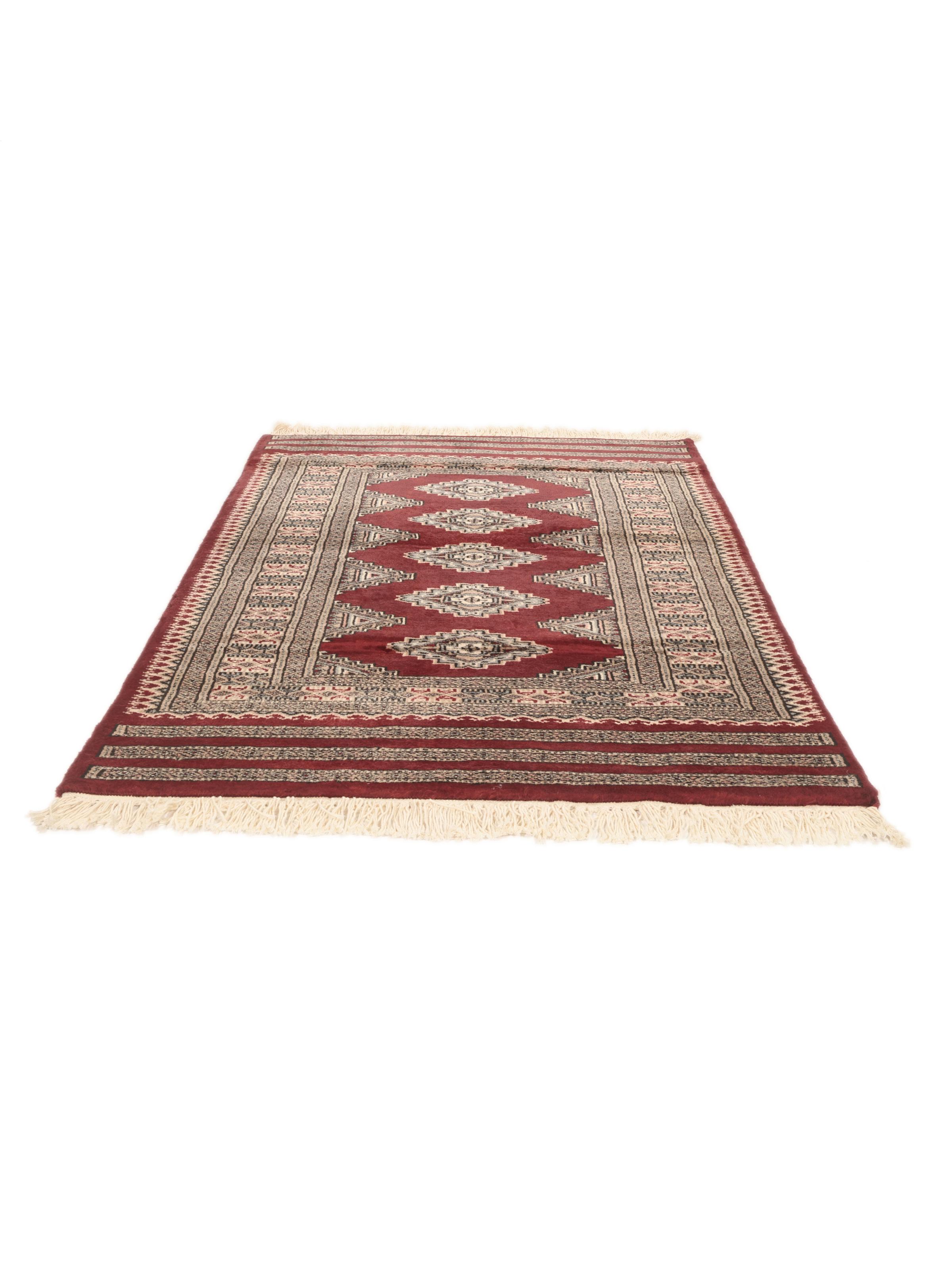
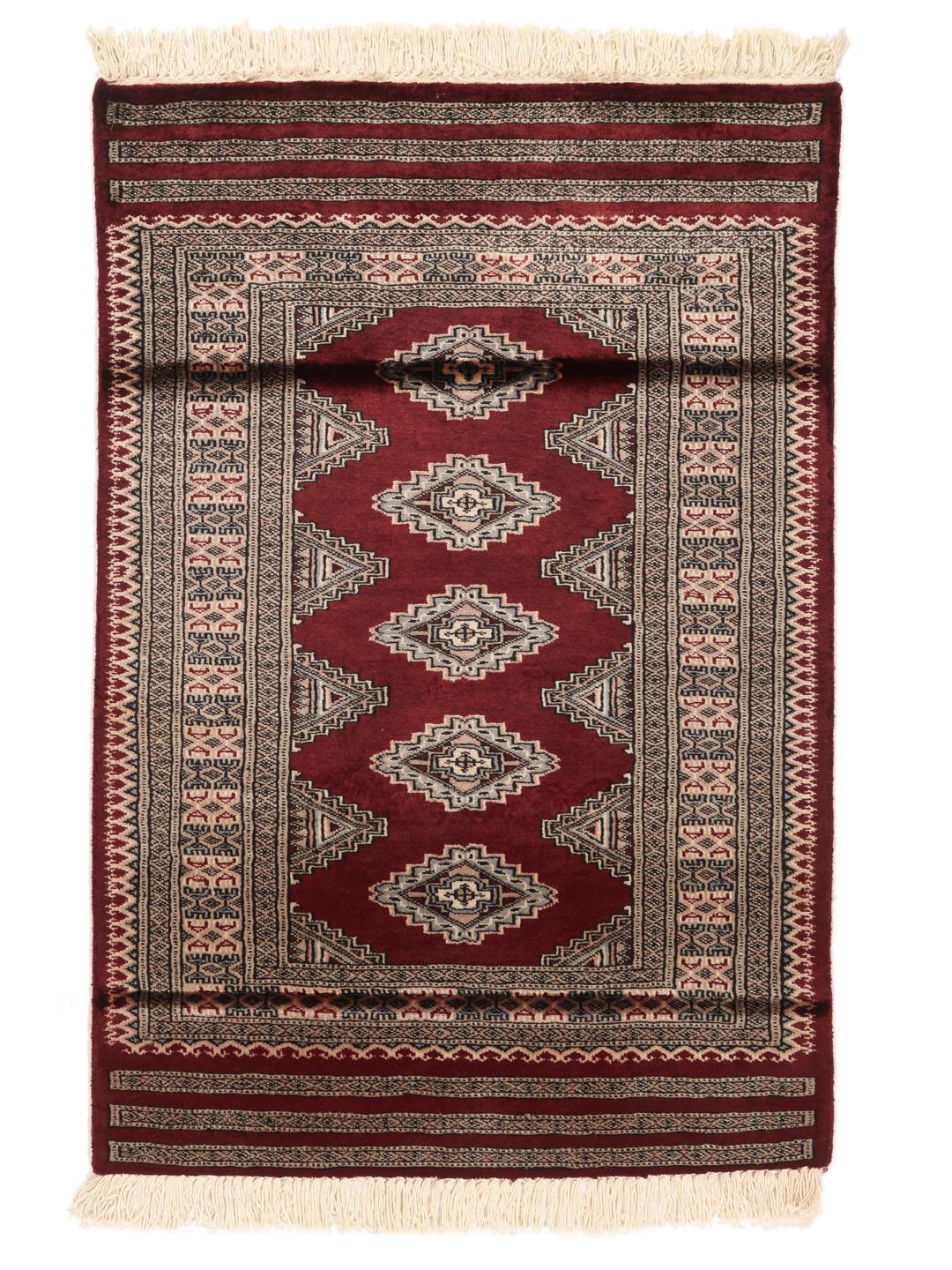
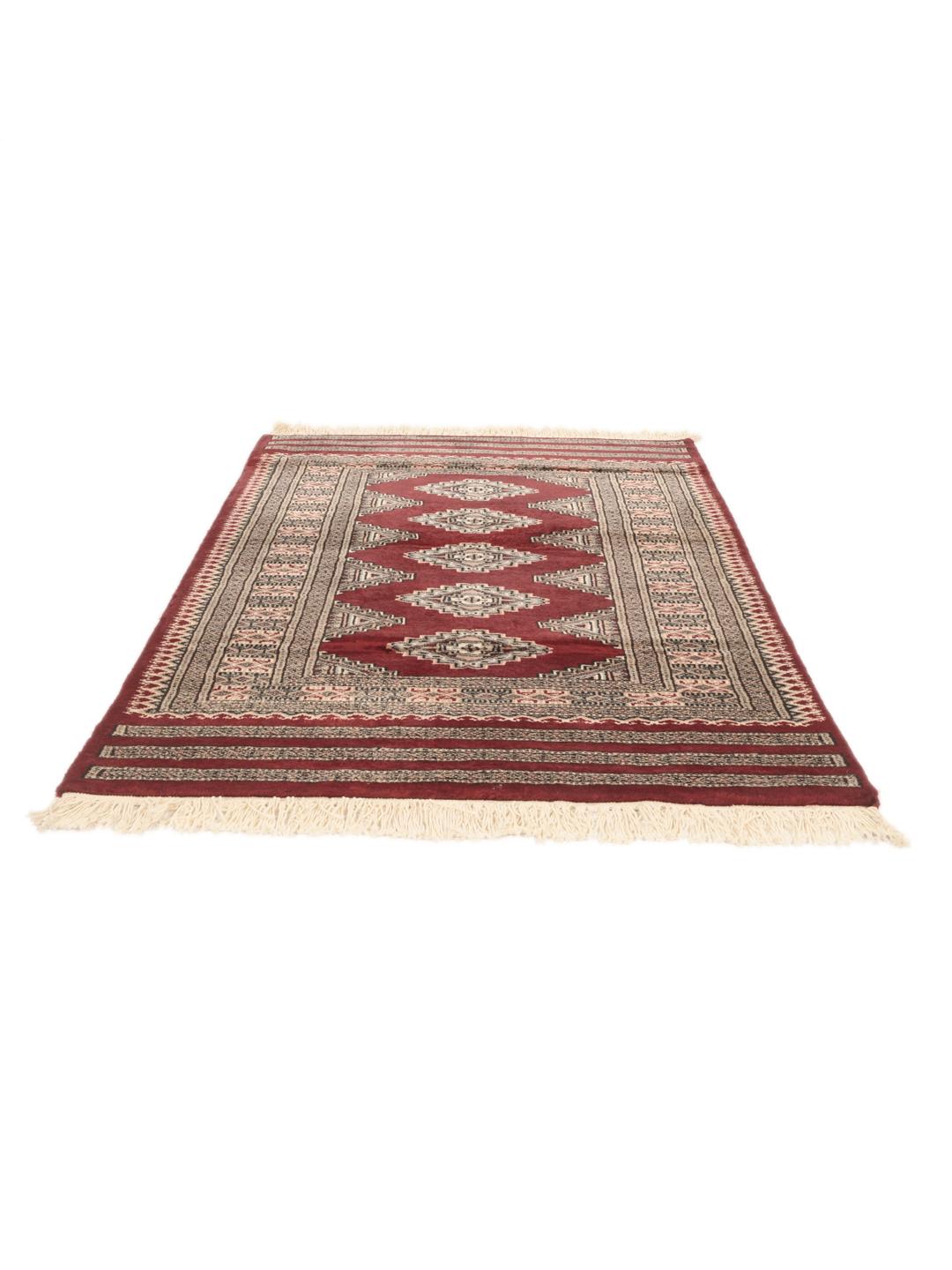
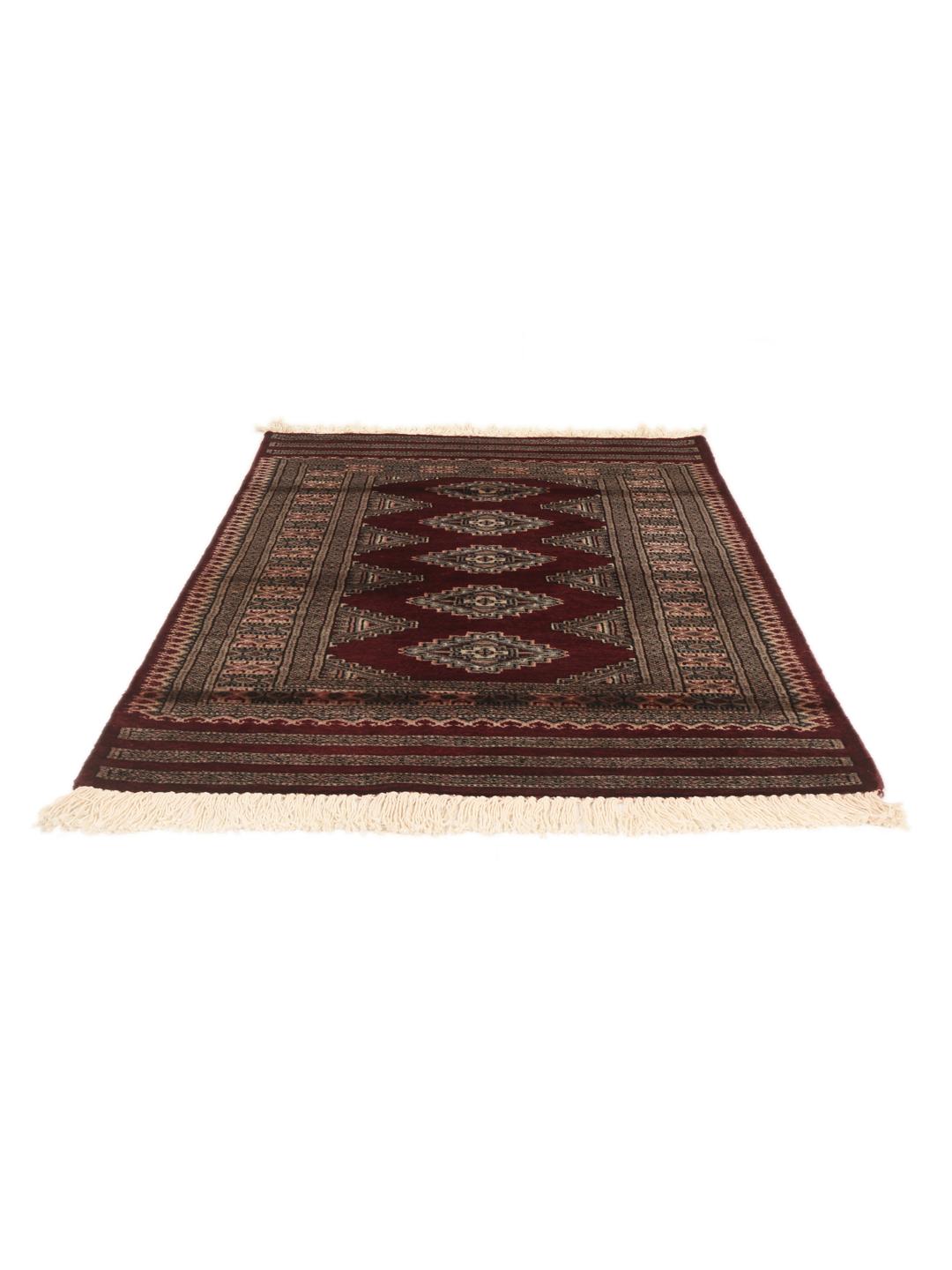
The Pakistan Bokhara is a celebrated tradition that finds its roots in the ancient Silk Road city of Bukhara. While its origins are deeply tied to the nomadic tribes of Central Asia, the style evolved significantly as it migrated into Pakistan. Today, Pakistani weavers are renowned for perfecting this aesthetic, combining historical techniques with a refinement that makes these rugs some of the most sought-after pieces for modern homes.
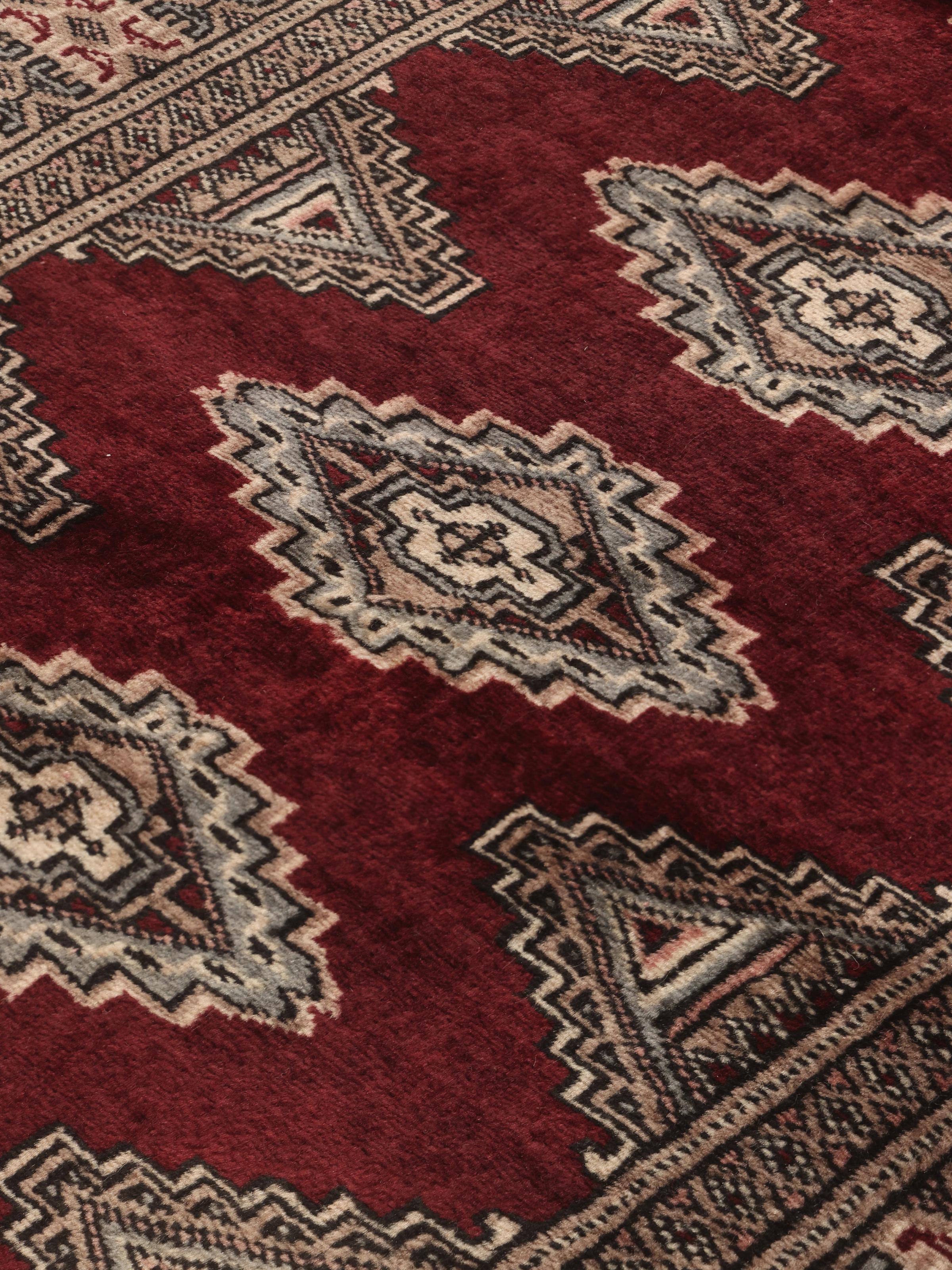
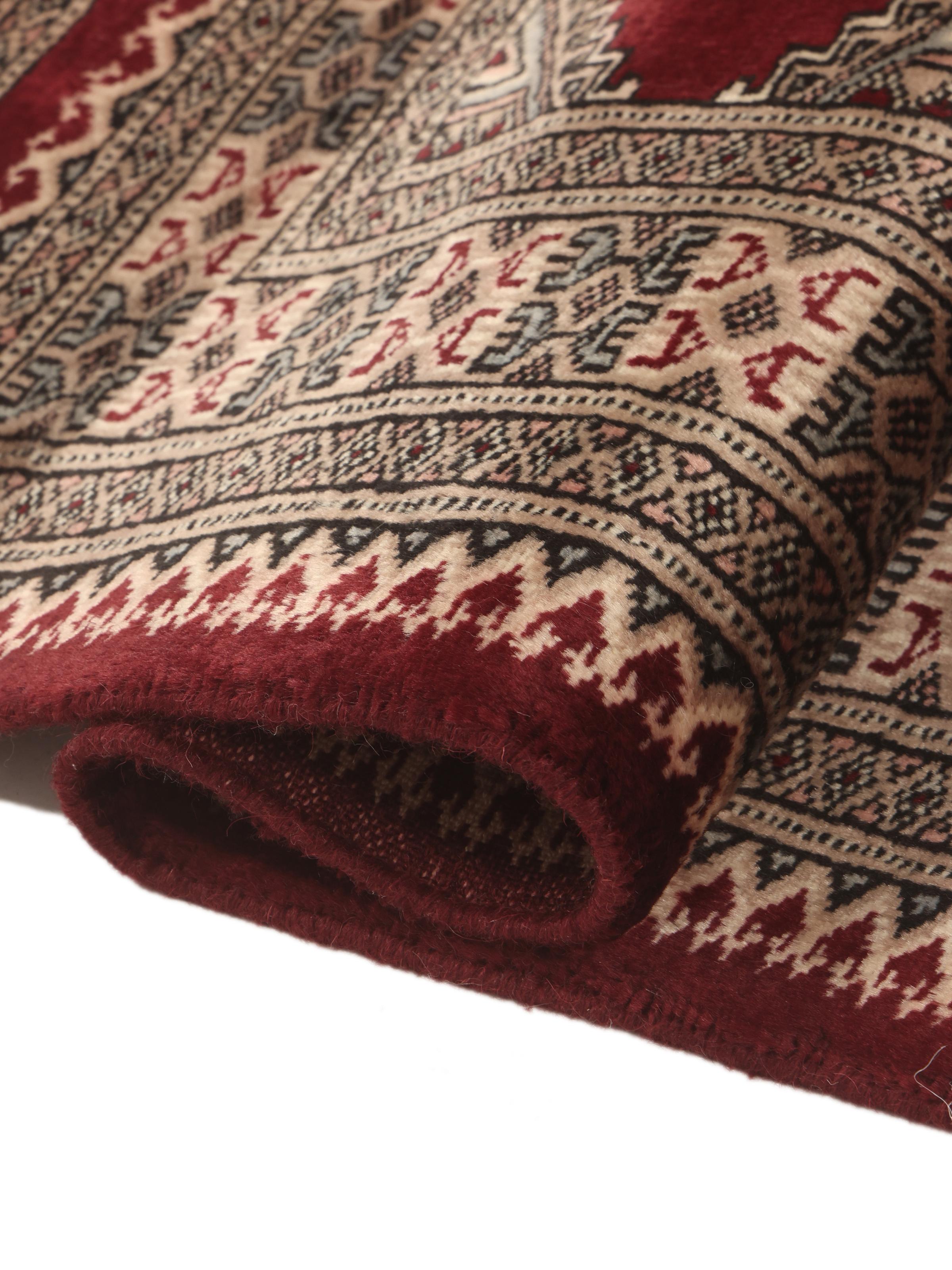
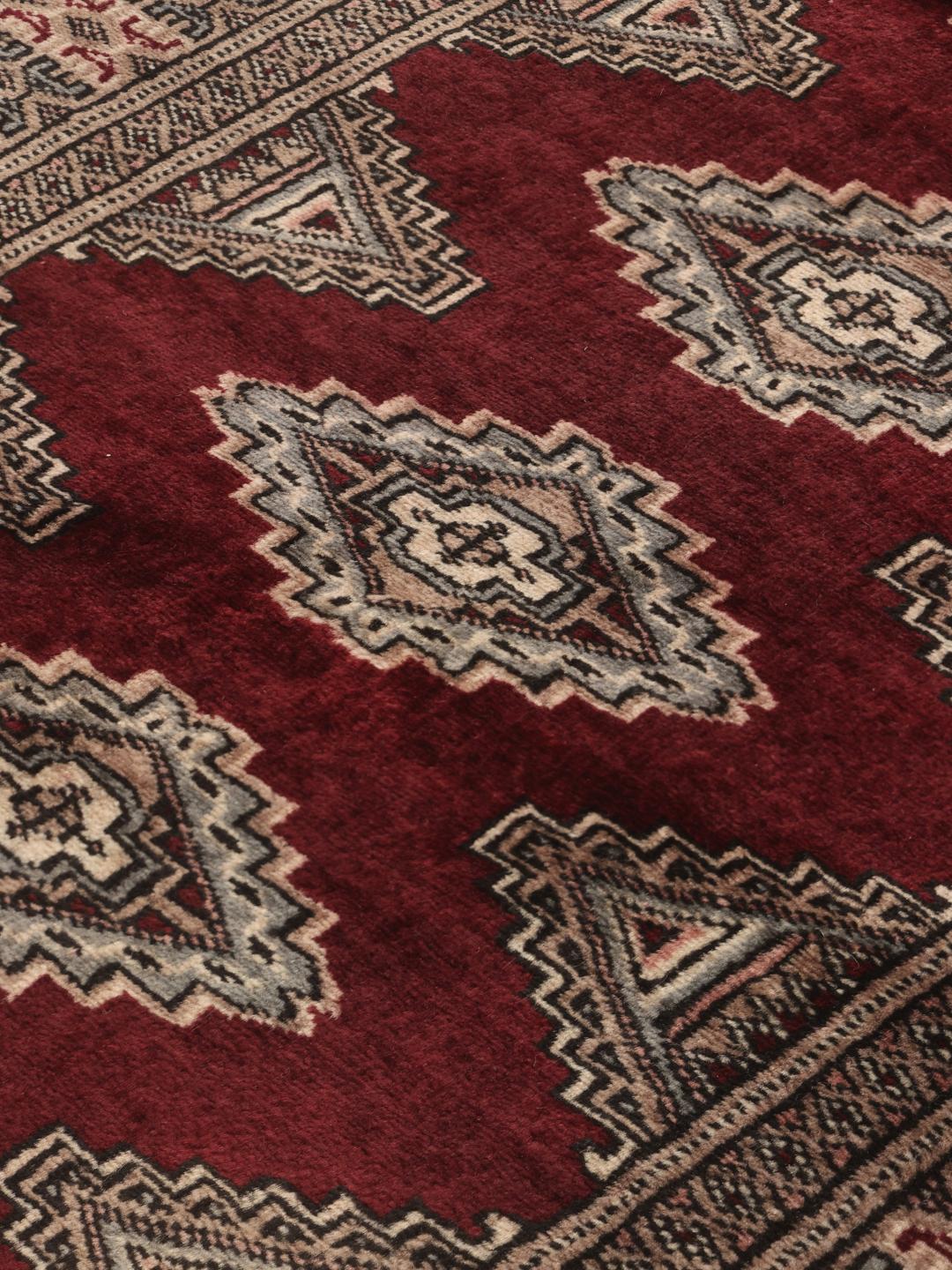
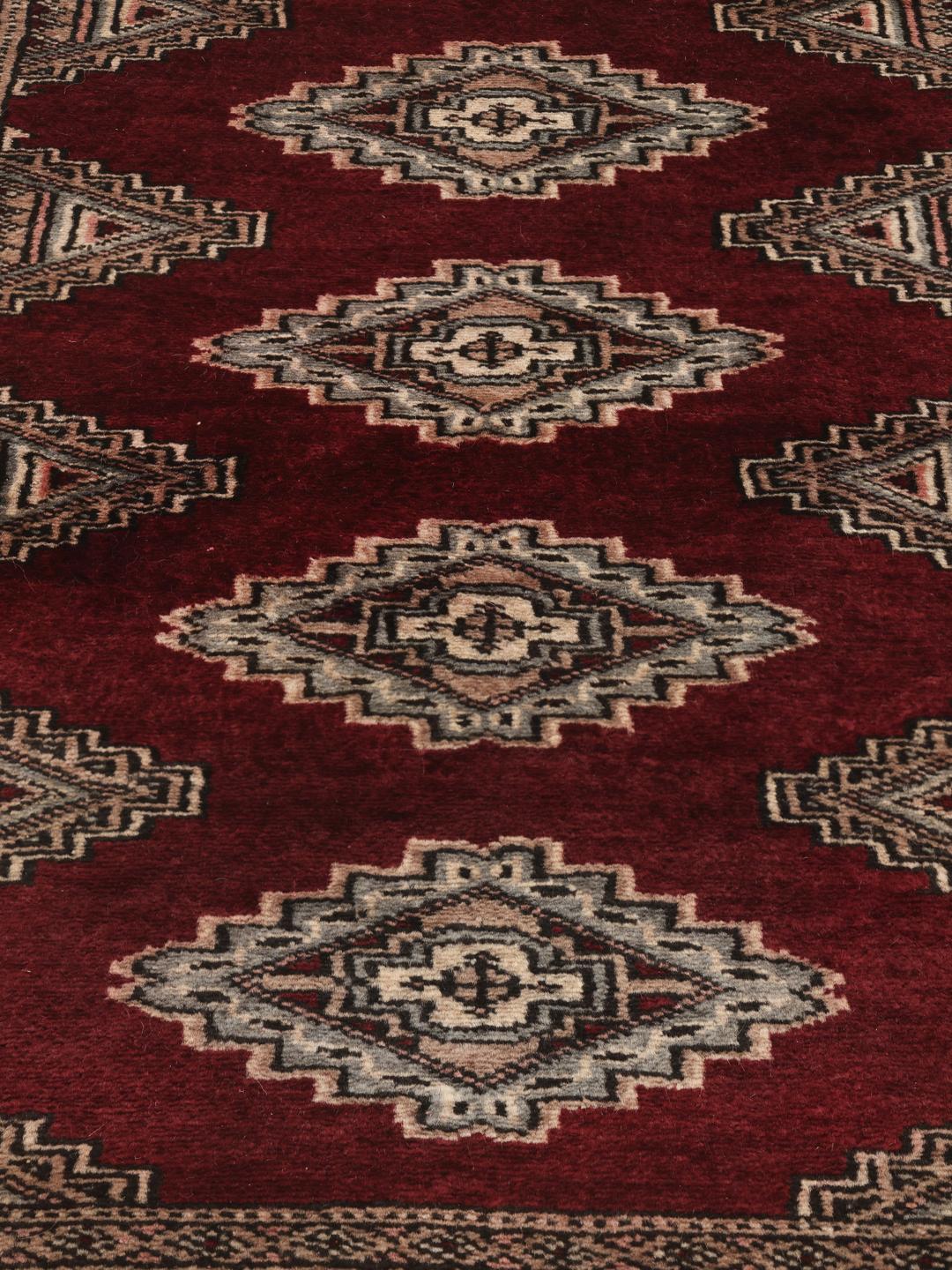
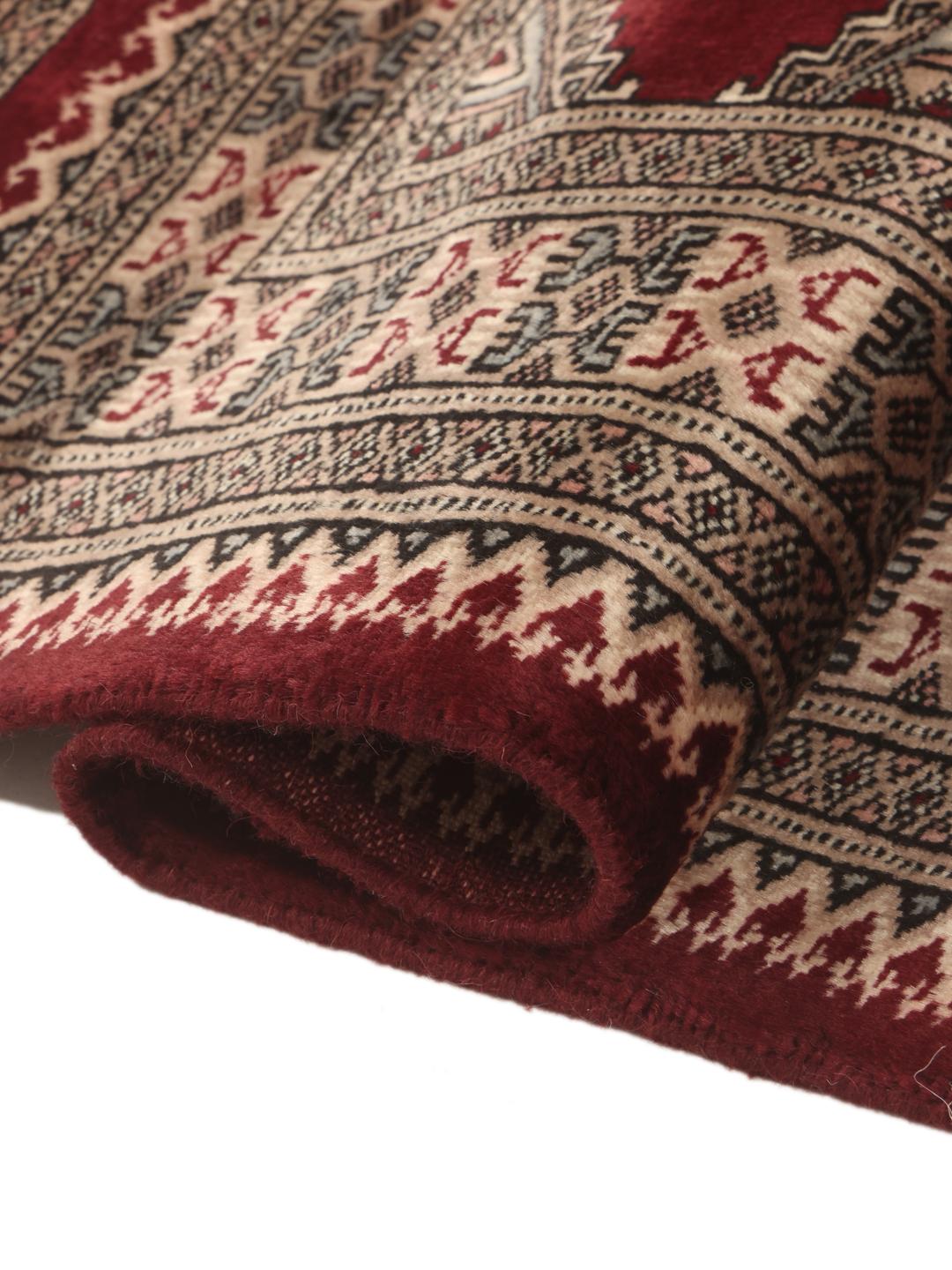
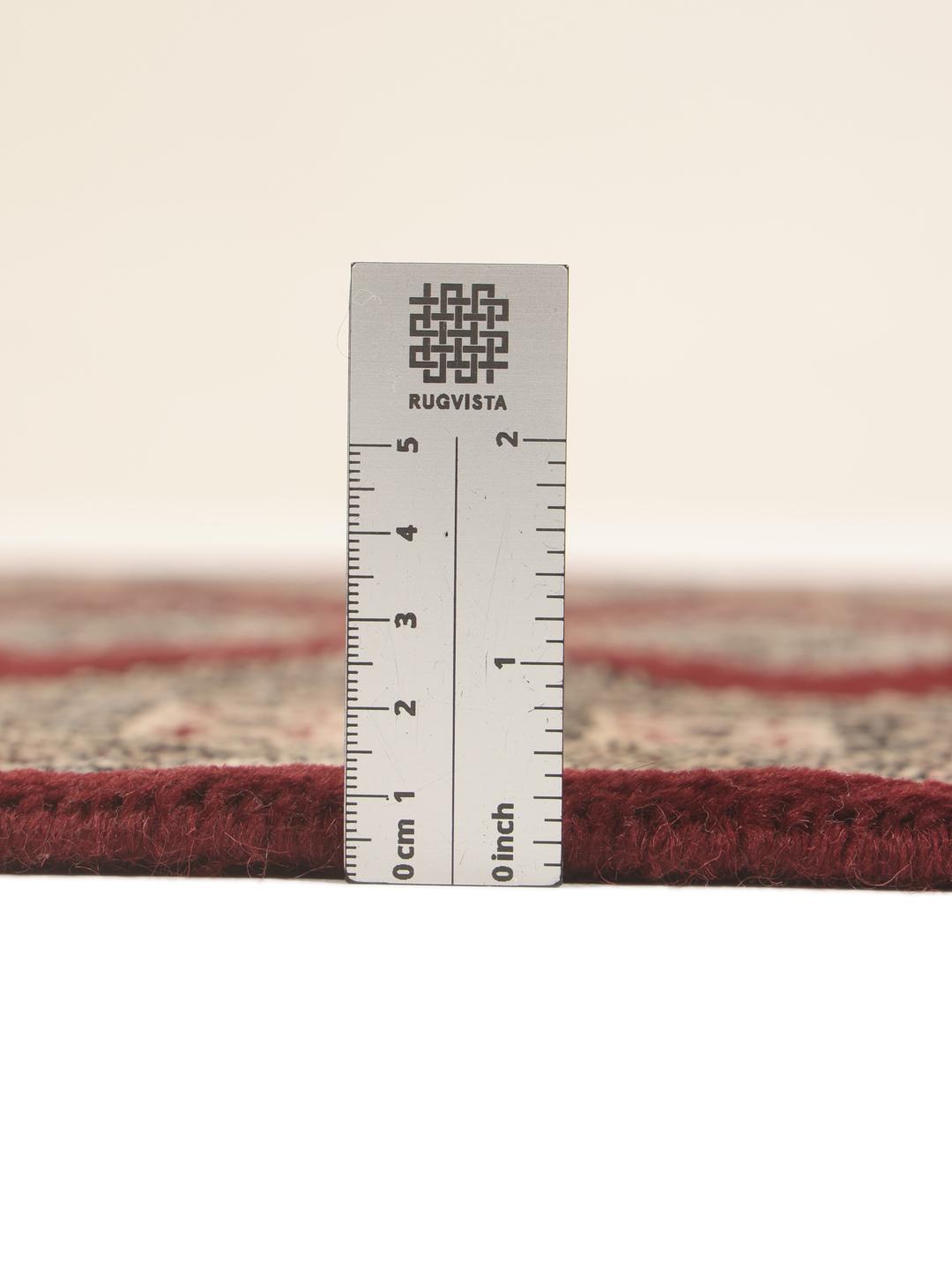
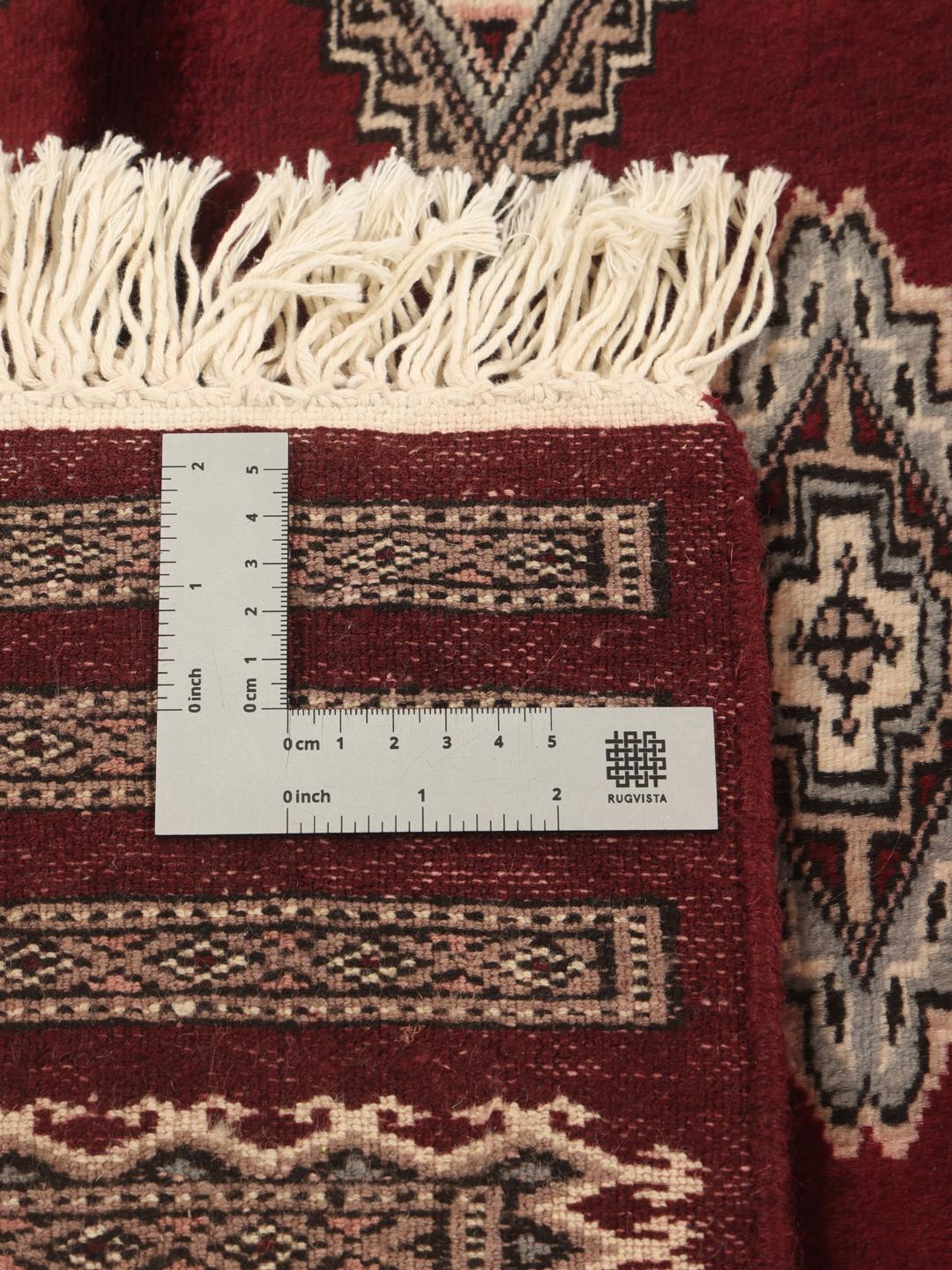
The term 3ply refers to the construction of the wool pile, where three individual strands are twisted together before being knotted. This technique is significant because it creates a much fuller, more durable, and lustrous pile than standard single-strand wool. It provides the rug with an exceptional depth of colour and a soft, inviting surface that is both resilient and luxurious.
Visually, these rugs are defined by their iconic repeating motifs, known as guls. These elephant-foot shaped medallions are arranged in precise rows across the field, surrounded by ornate, geometric borders. While the deep red field is a classic hallmark of the tradition, the inclusion of ivory and beige accents provides a striking contrast that emphasises the precision of the design.
Owning a hand-knotted Pakistan Bokhara is an investment in cultural heritage and skill. These rugs are highly valued by collectors not just for their beauty, but for the history they carry and the immense labour required to create them. When you bring one into your home, you are continuing a long-standing tradition of valuing craftsmanship and high-quality natural materials.