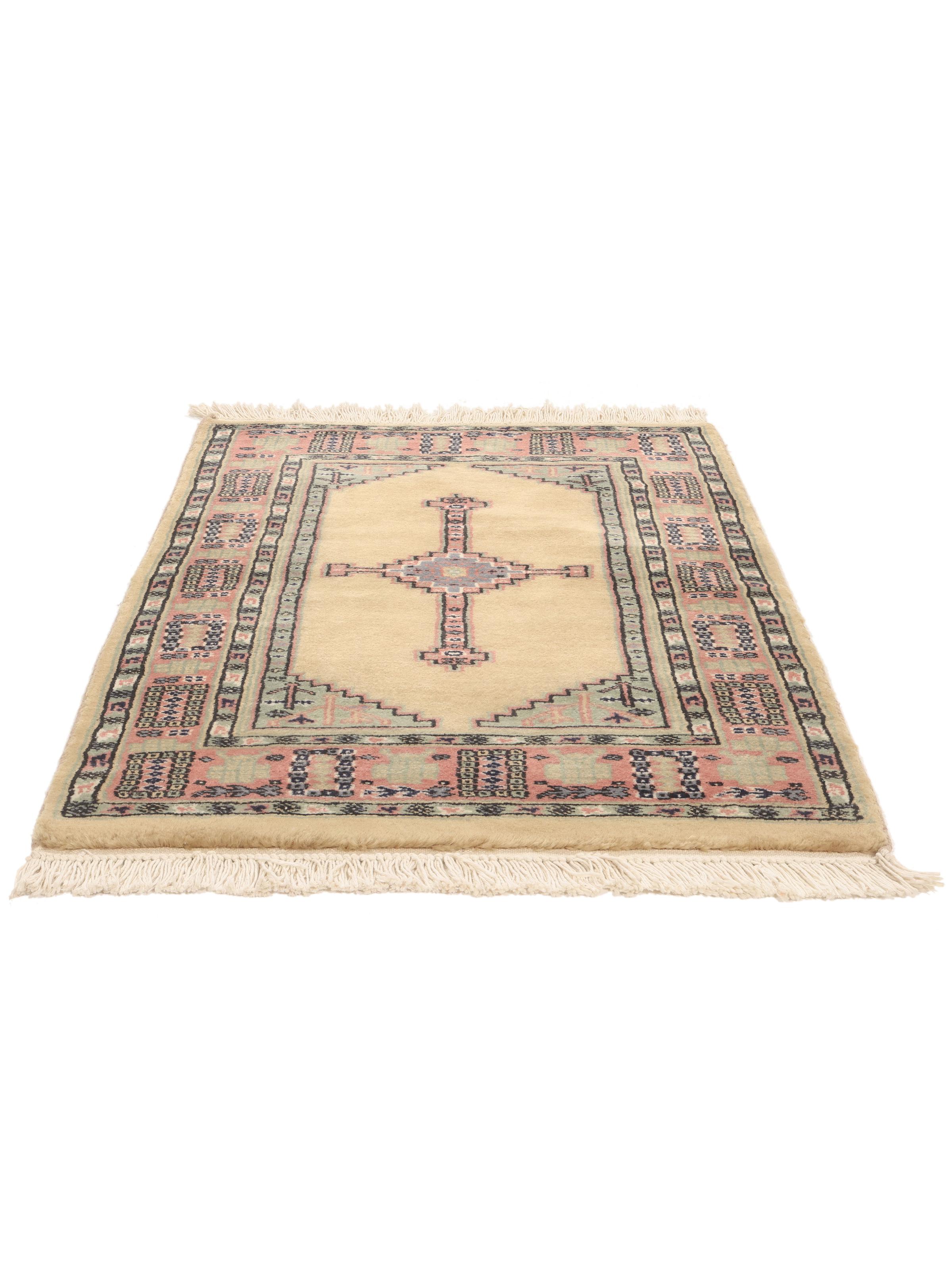
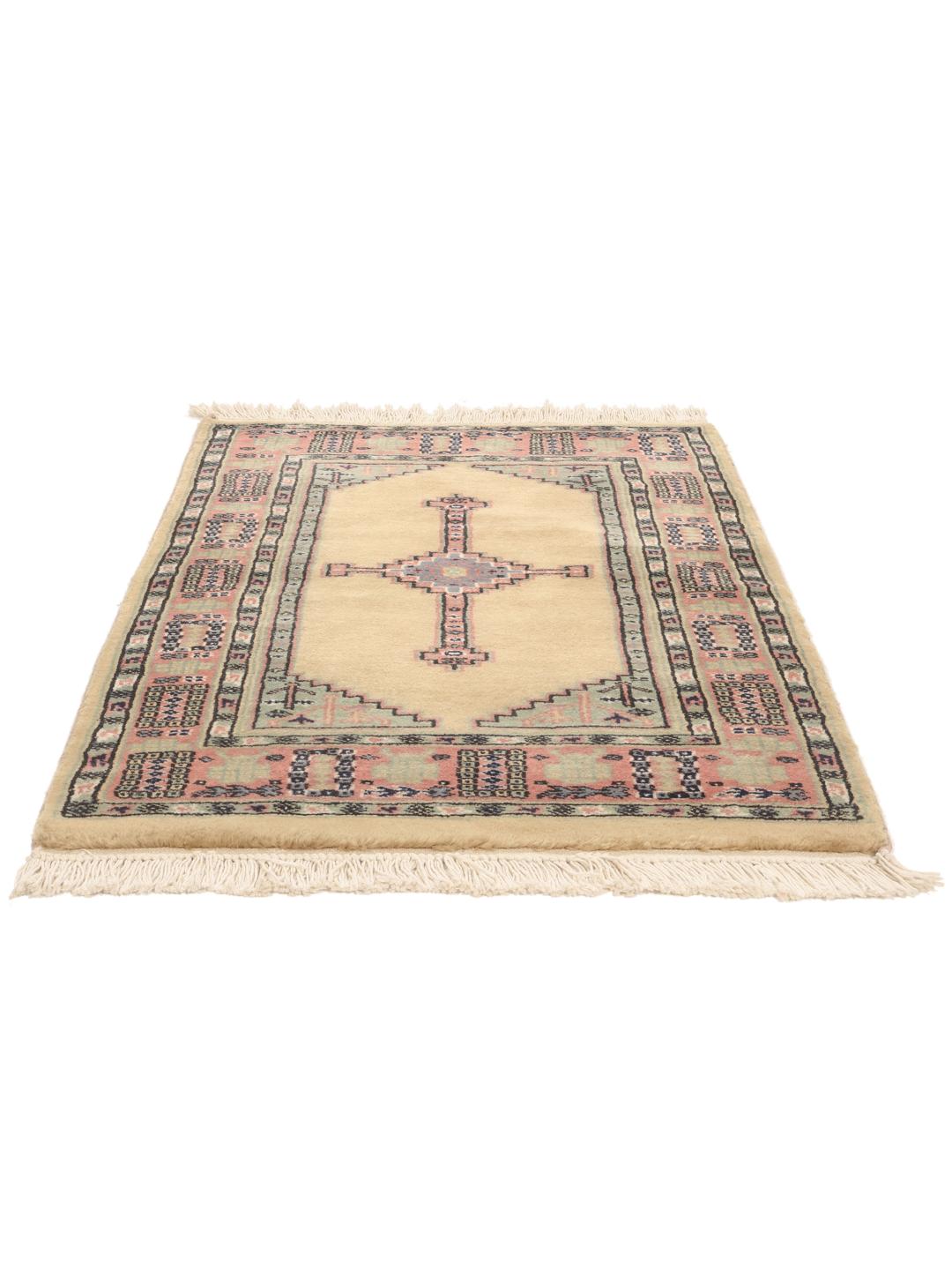
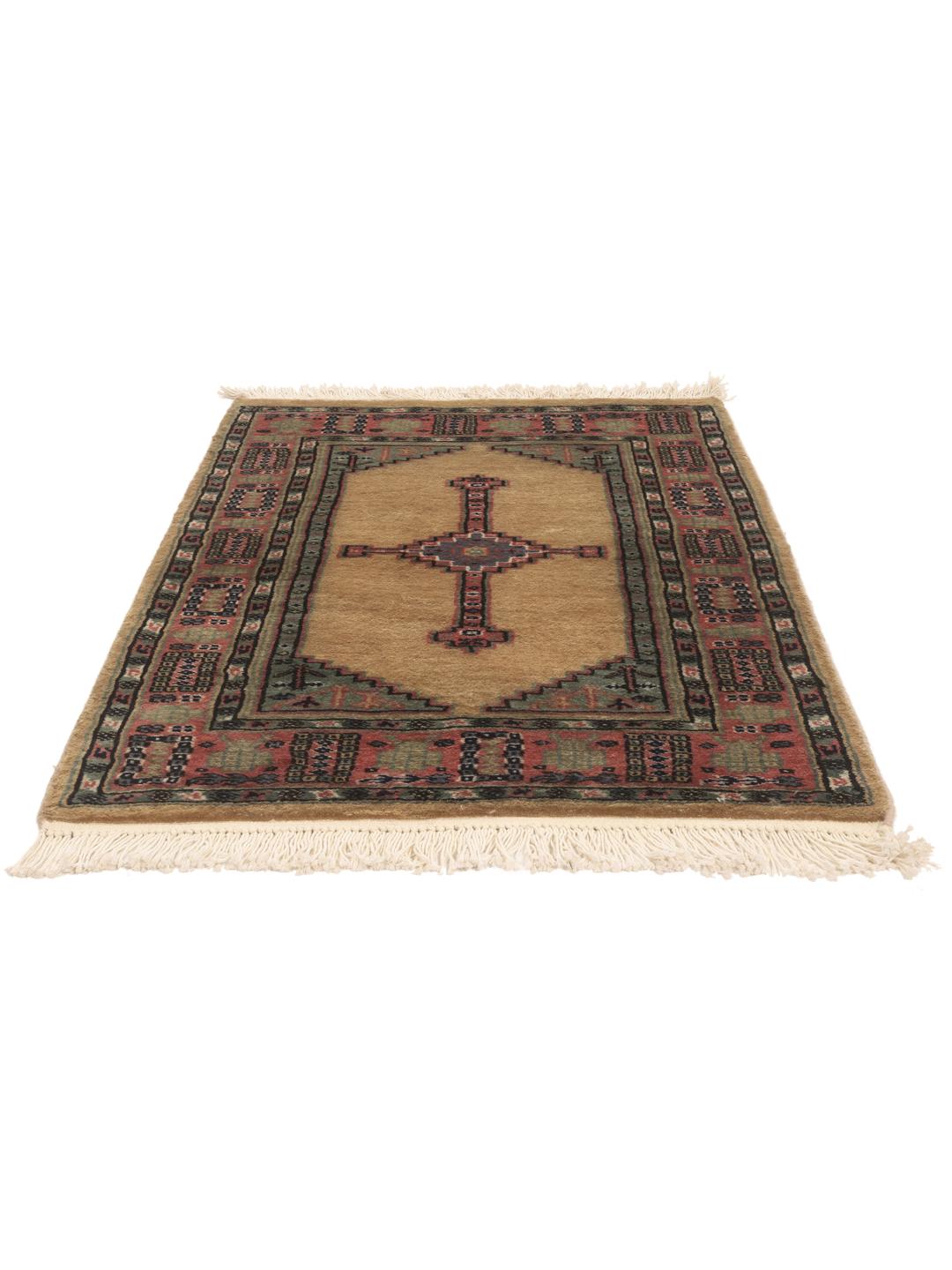
The Bokhara rug tradition is deeply rooted in the historical tapestry of Central Asia, taking its name from the fabled Silk Road city of Bukhara. While these designs have ancient nomadic origins, the finest contemporary examples are woven in Pakistan, where artisans have perfected the art of adapting these historic patterns into highly refined, consistent, and durable floor coverings.
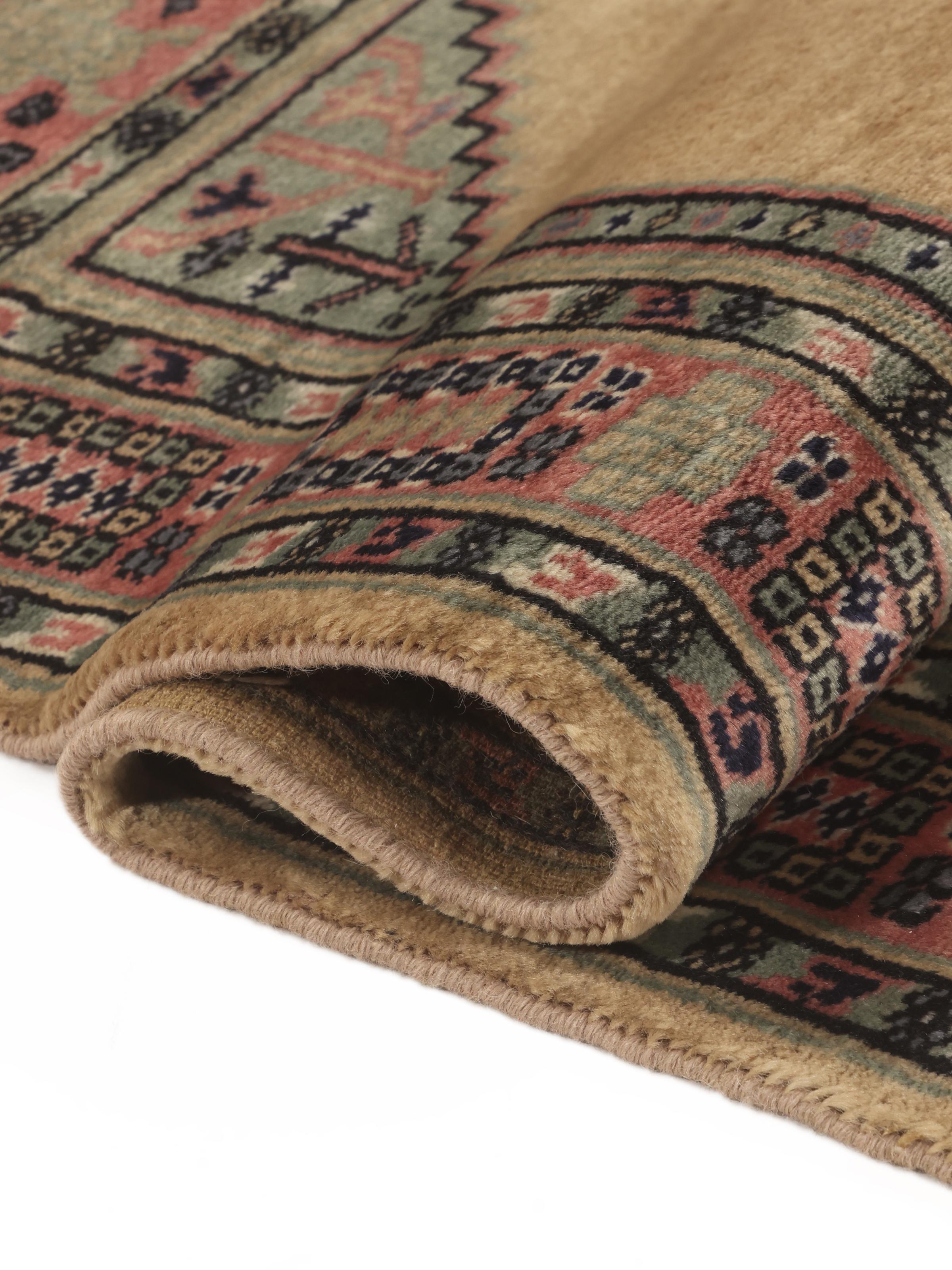
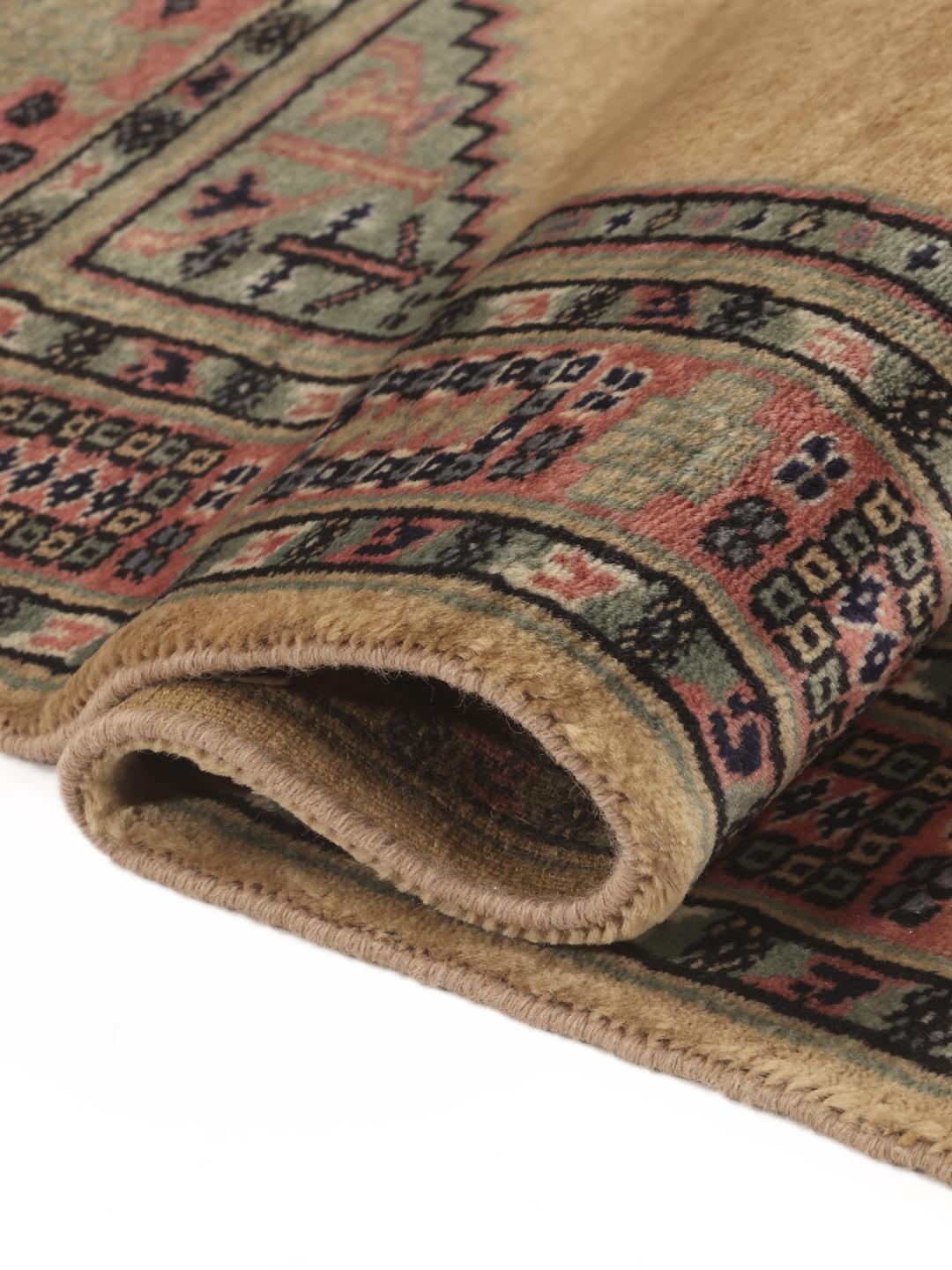
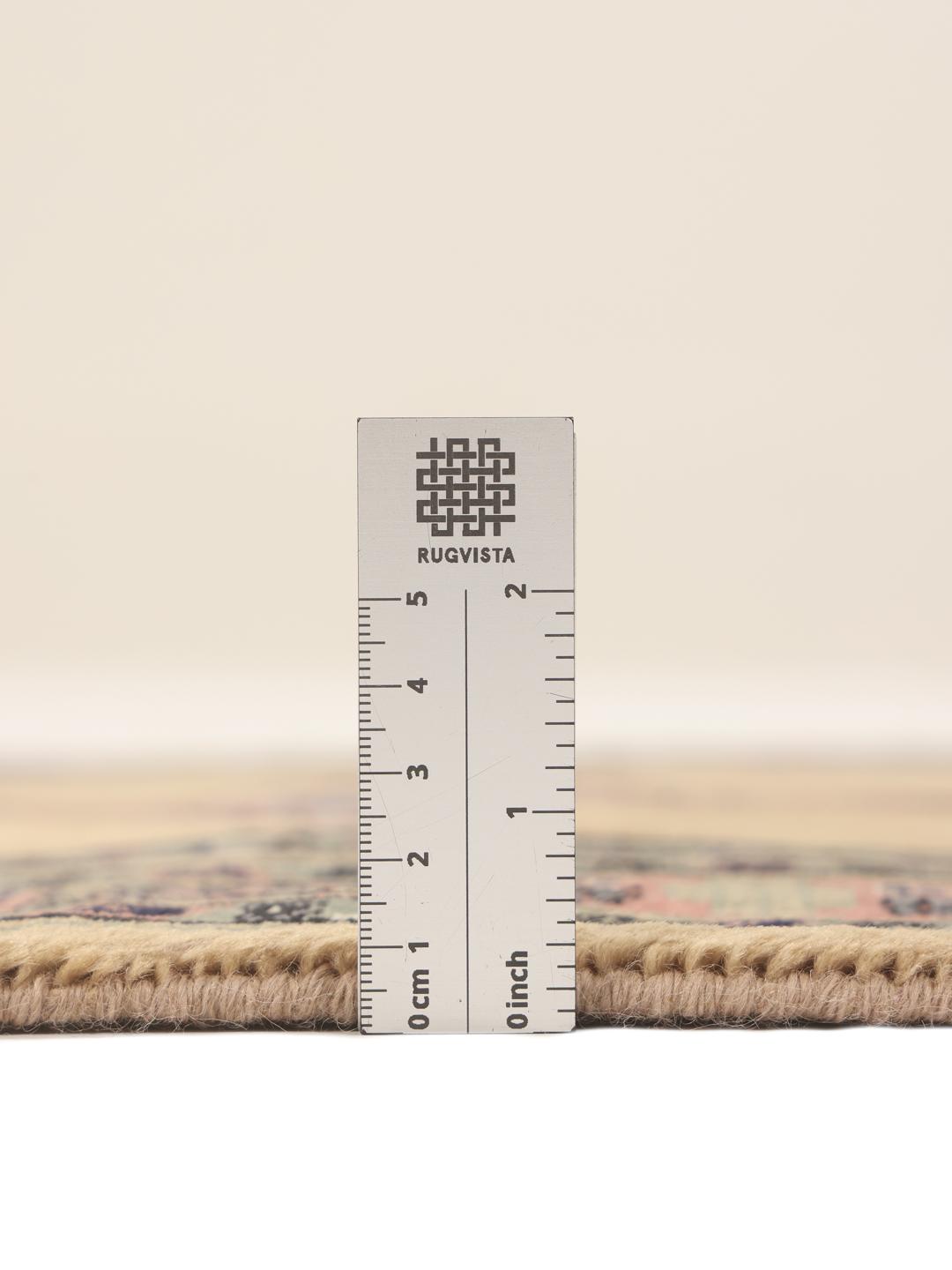
The designation of 3ply refers to the specific way the wool is prepared before knotting. By twisting three individual strands of wool together, the weavers create a yarn that is stronger and more lustrous than a single strand. This technique is essential for achieving the plush, velvety texture that defines the Bokhara style, ensuring the rug remains soft to the touch while being exceptionally hard-wearing.
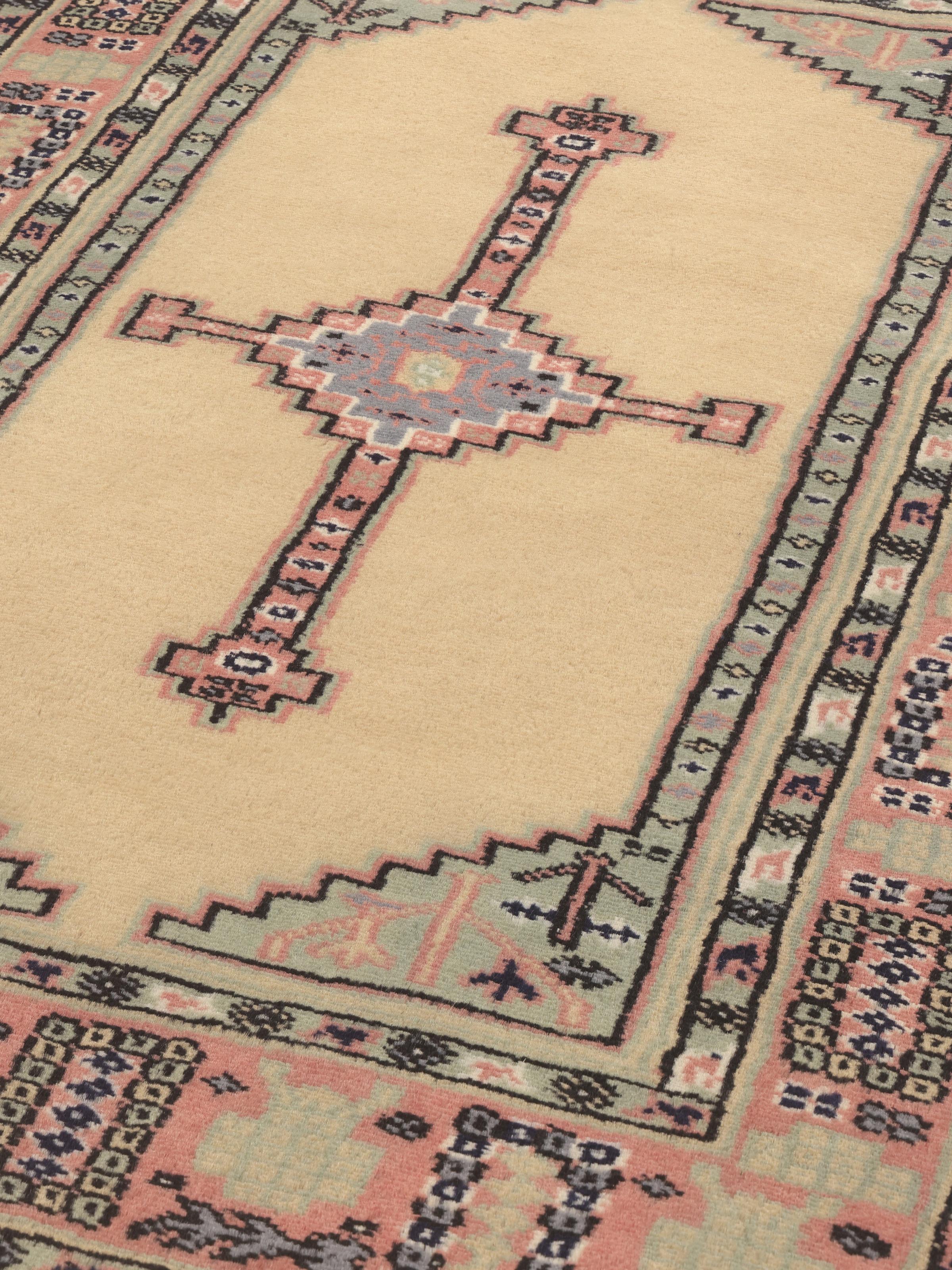
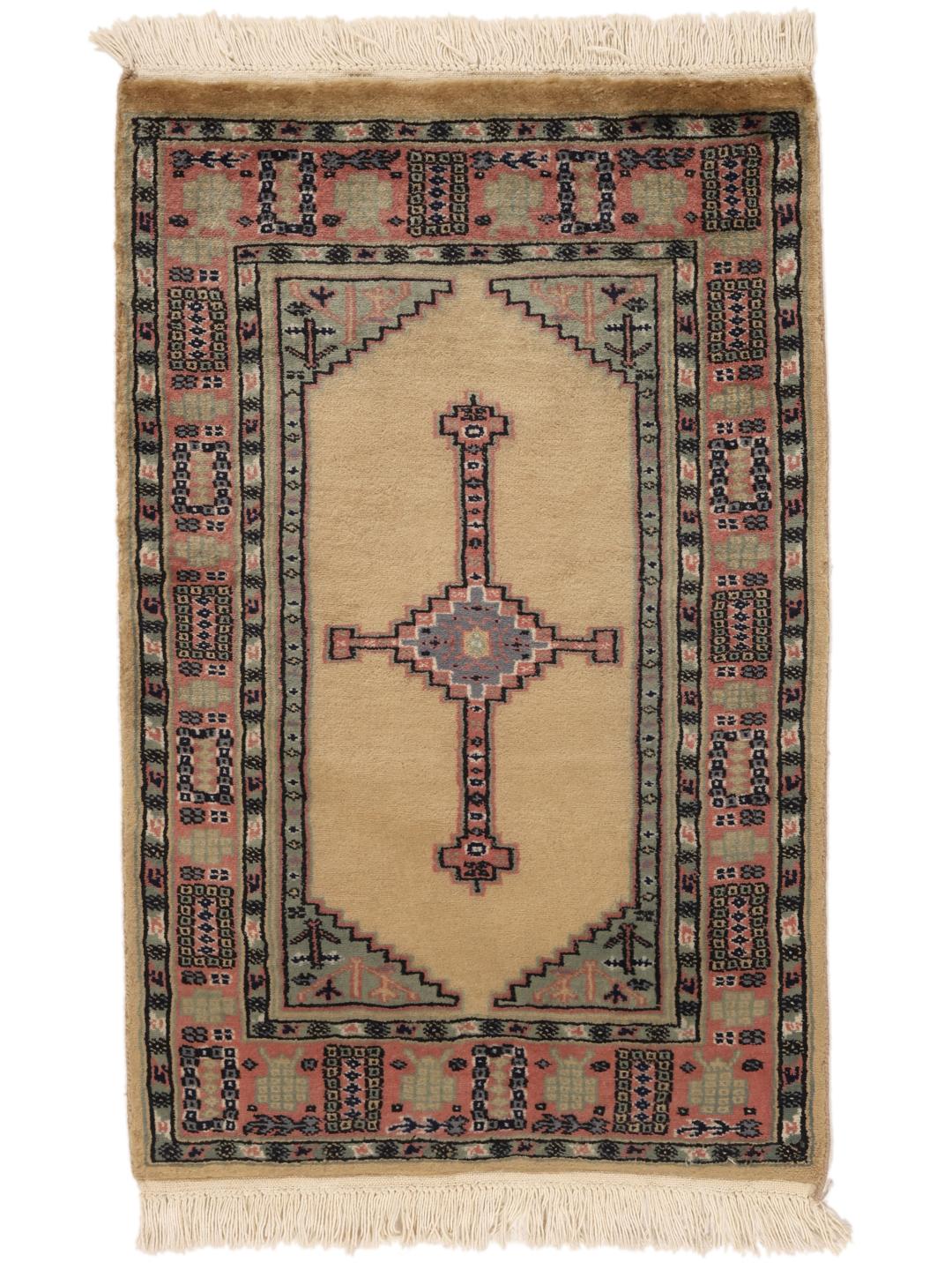
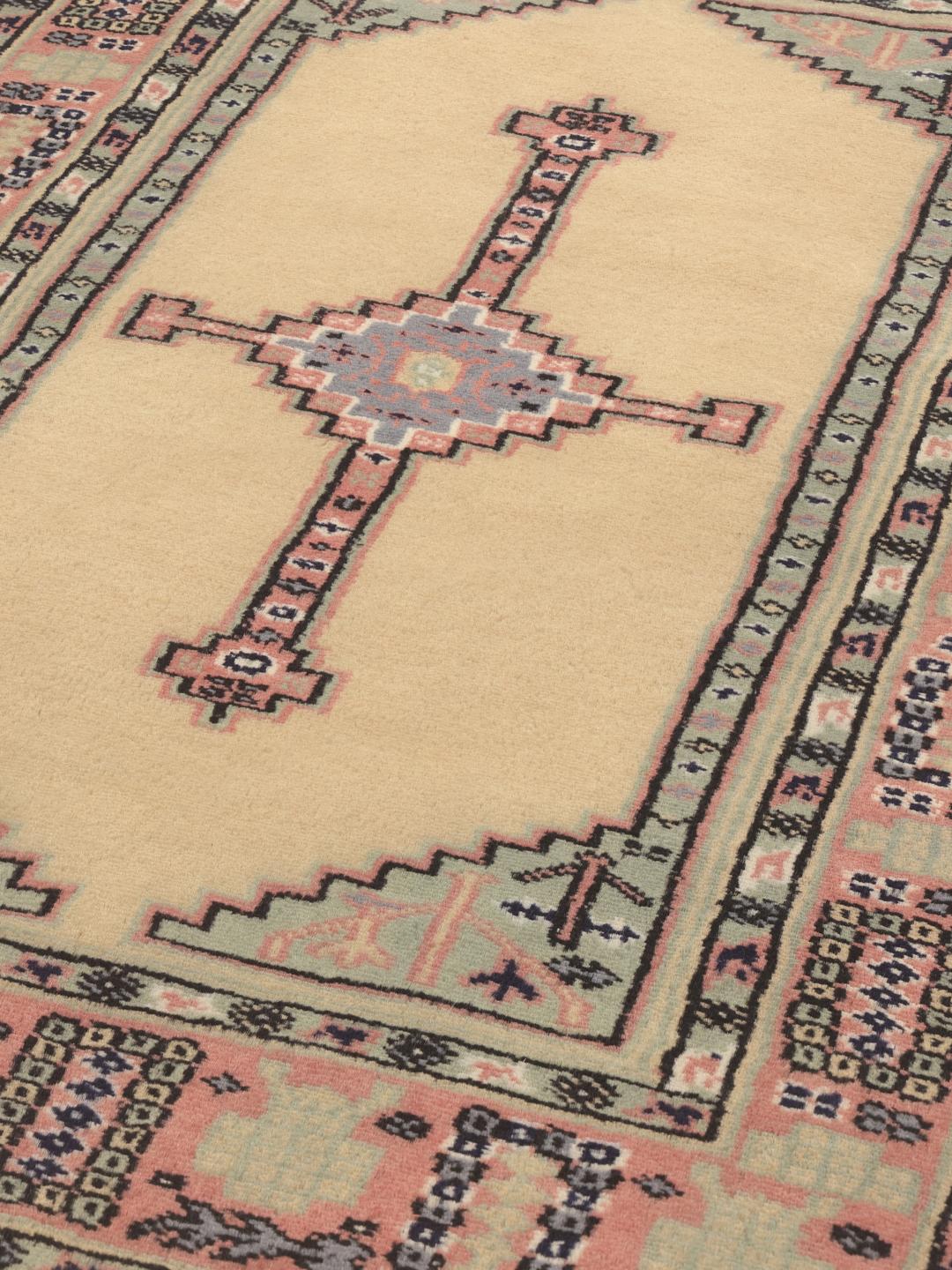
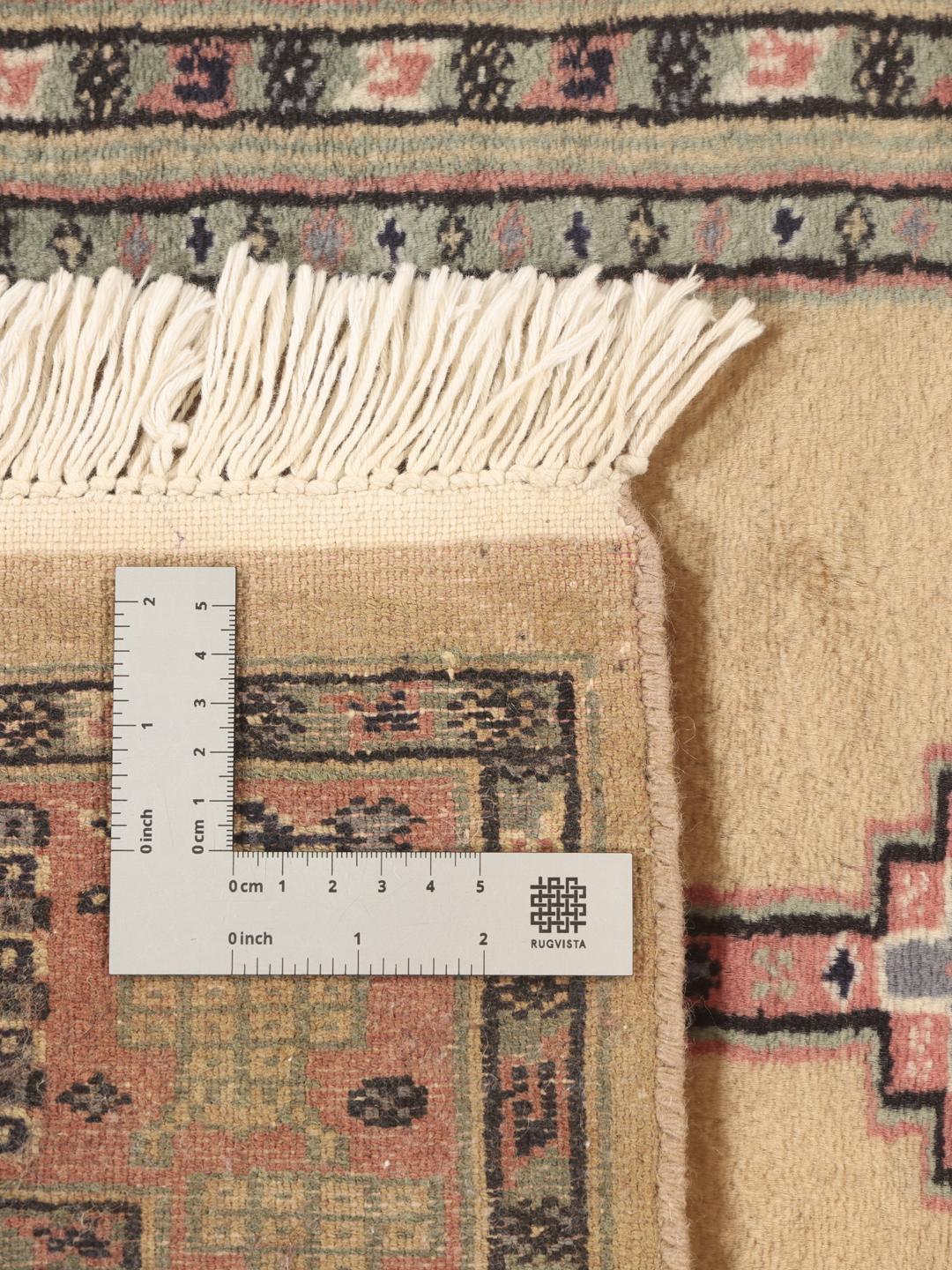
Visually, these rugs are celebrated for their sophisticated use of repeating motifs and geometric harmony. The field is typically organised around a central medallion or rows of guls, which are stylized, octagonal shapes often compared to elephant footprints. This particular rug showcases these elements with a refined precision, framed by intricate, decorative borders that draw the eye toward the centre.
Owning a hand-knotted Pakistan Bokhara is more than just purchasing a rug; it is an investment in a storied craft tradition. These pieces are highly valued by collectors and enthusiasts alike for their combination of cultural heritage and technical excellence, serving as a reminder of the human skill required to transform raw materials into a lasting household treasure.