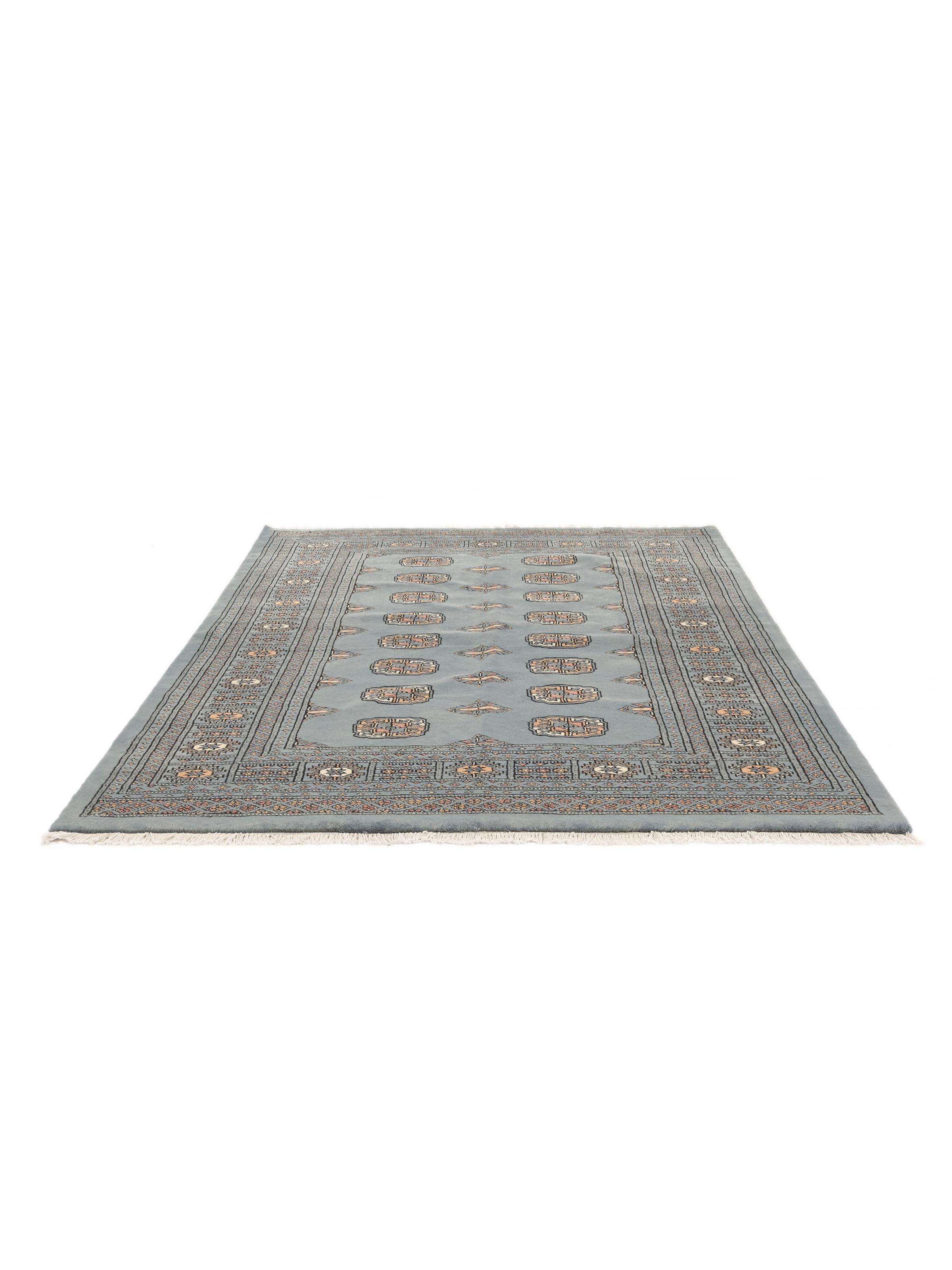
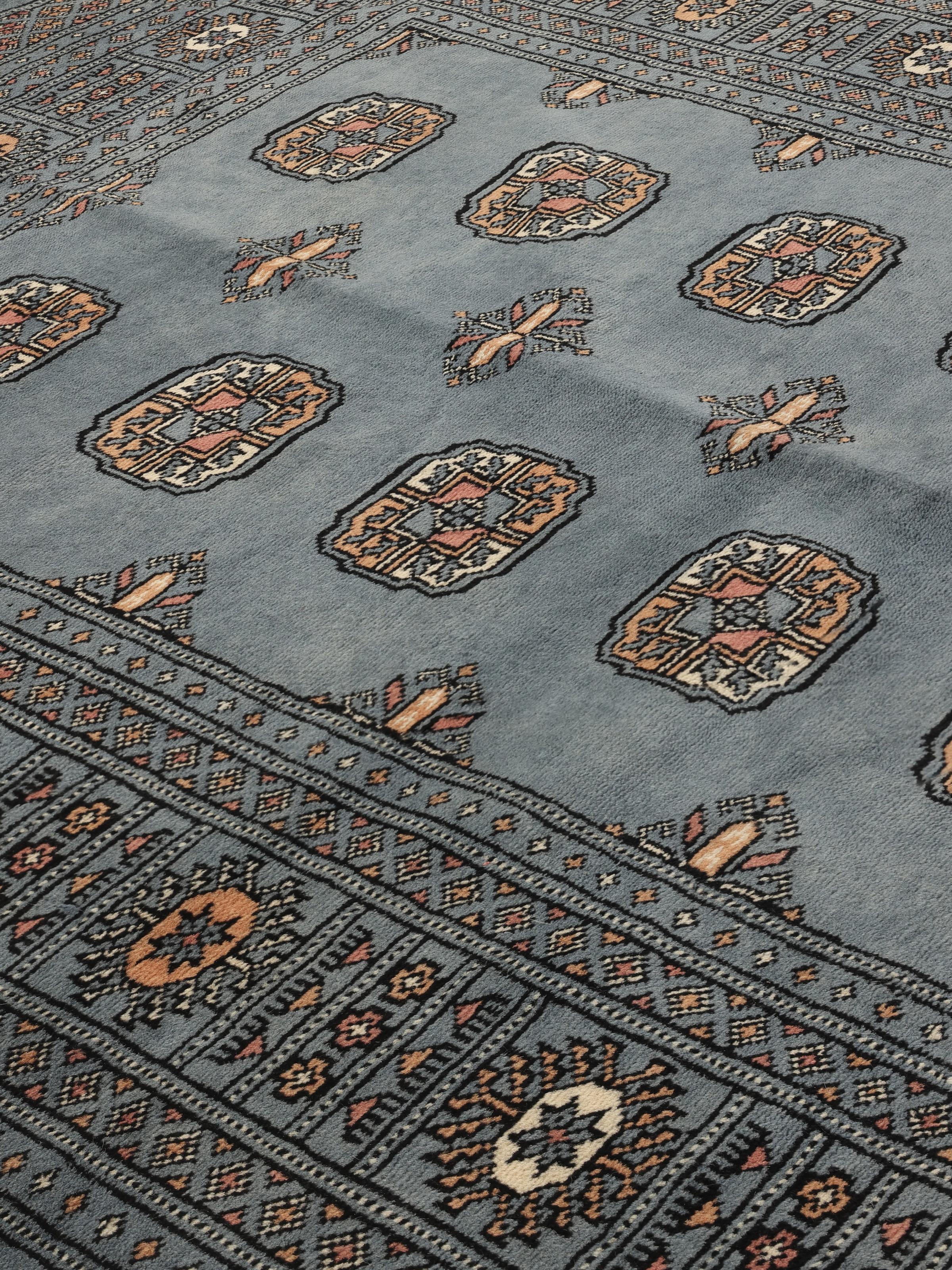
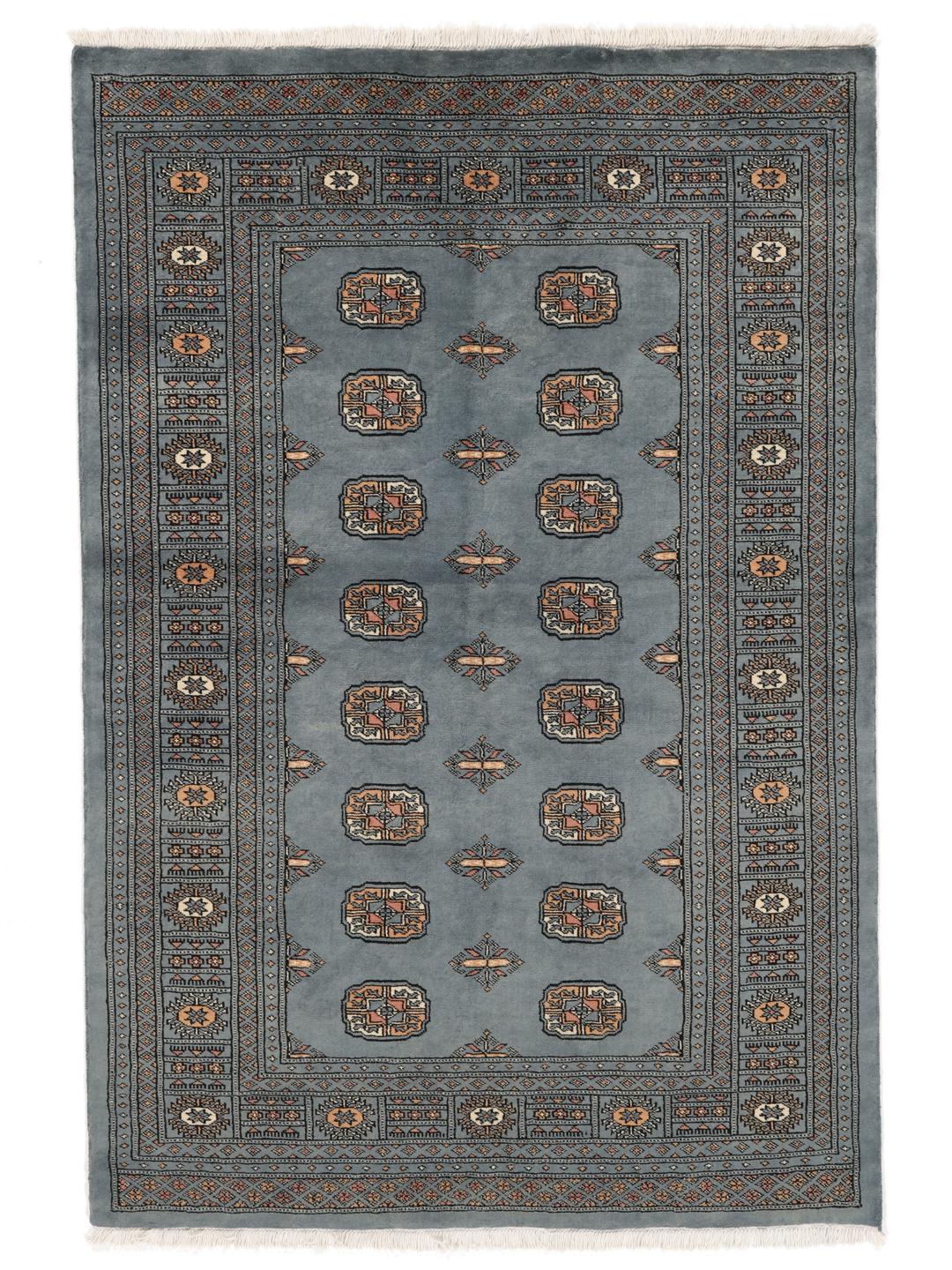
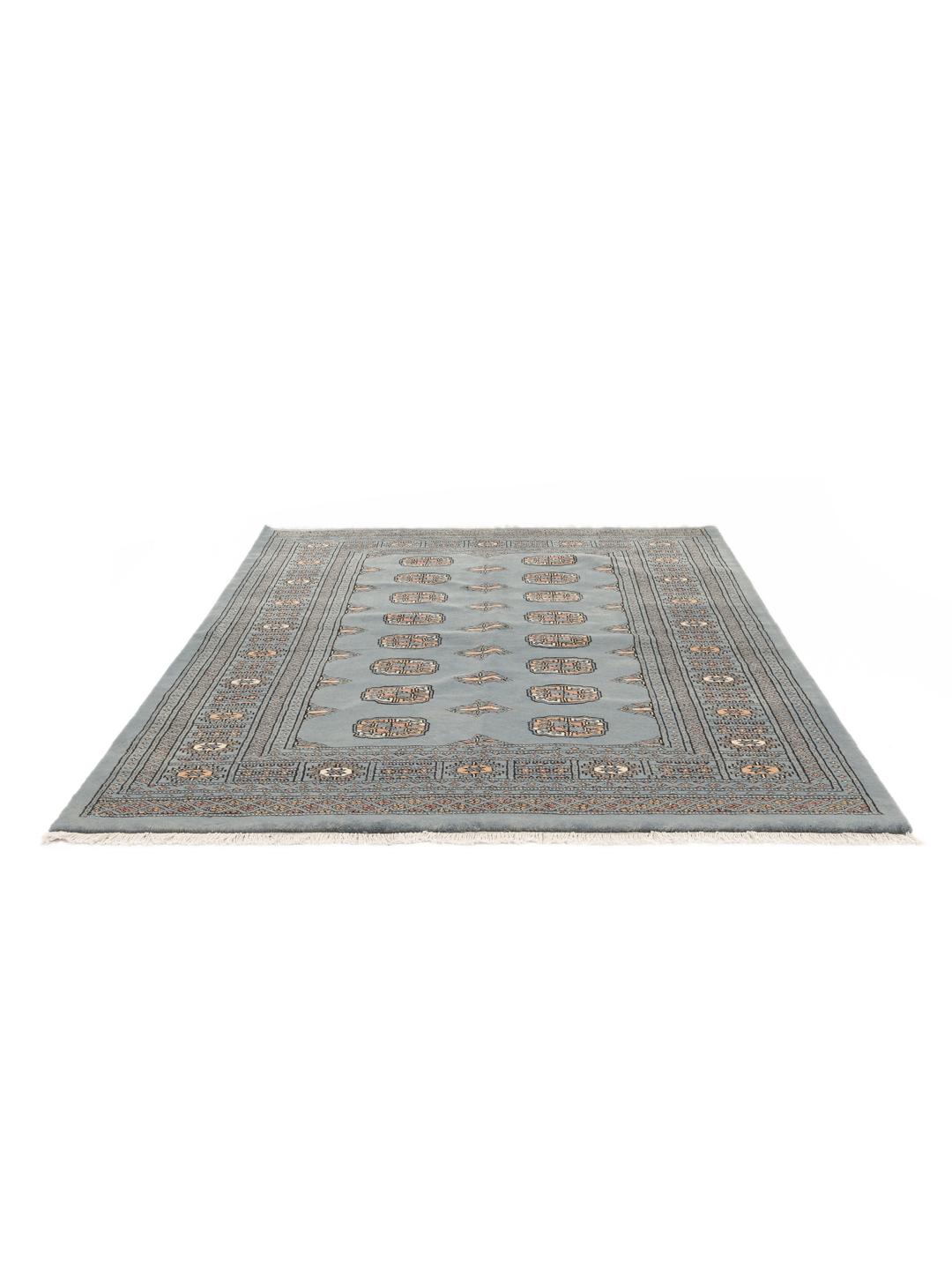
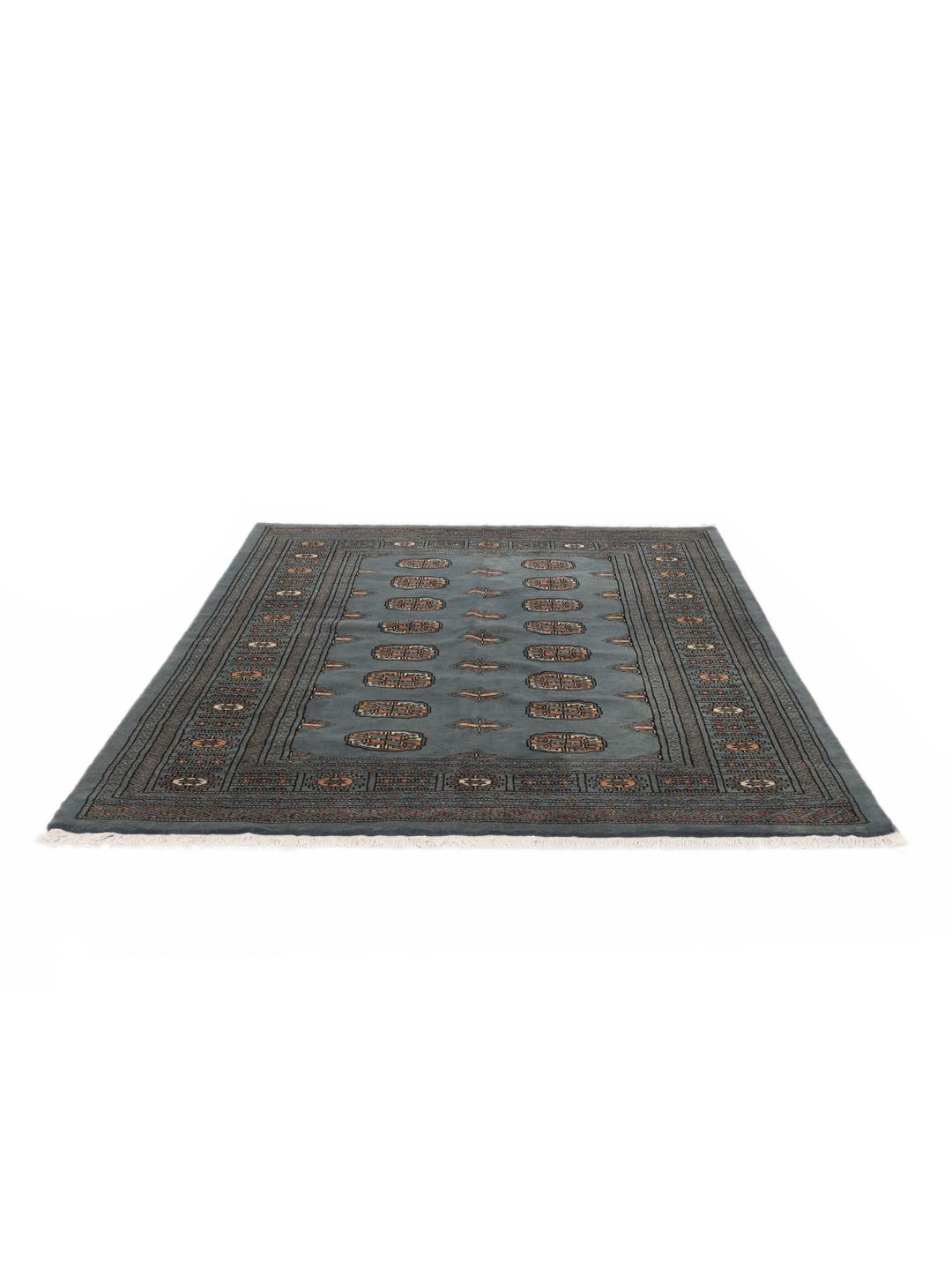
The Bokhara rug tradition is deeply rooted in the history of Central Asia, taking its name from the ancient Silk Road city of Bukhara, which served as a vital hub for trade and culture for centuries. While the style originated with nomadic tribes, the finest contemporary examples are expertly crafted in Pakistan, where artisans have refined these traditional techniques to achieve exceptional consistency and elegance.
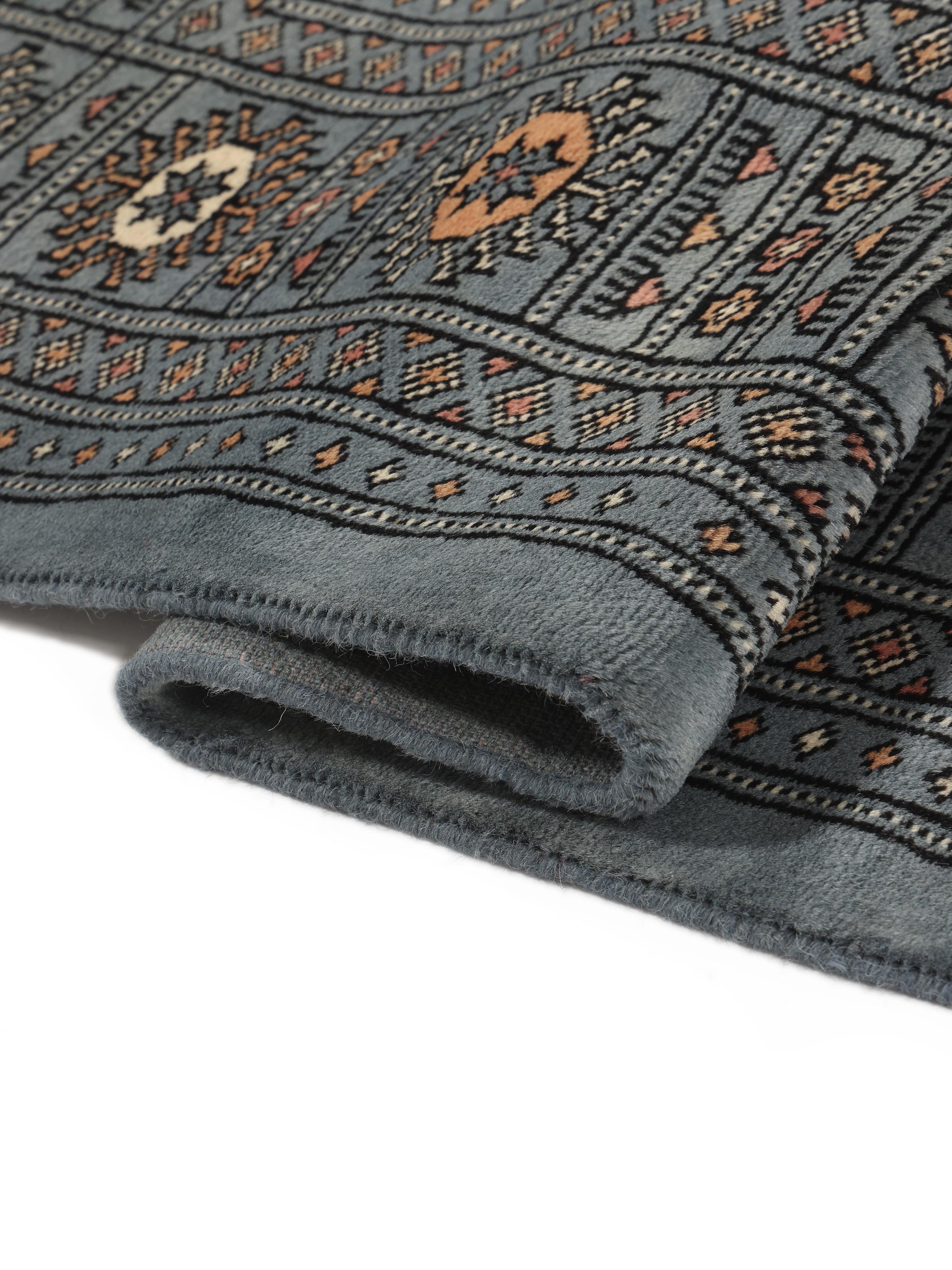
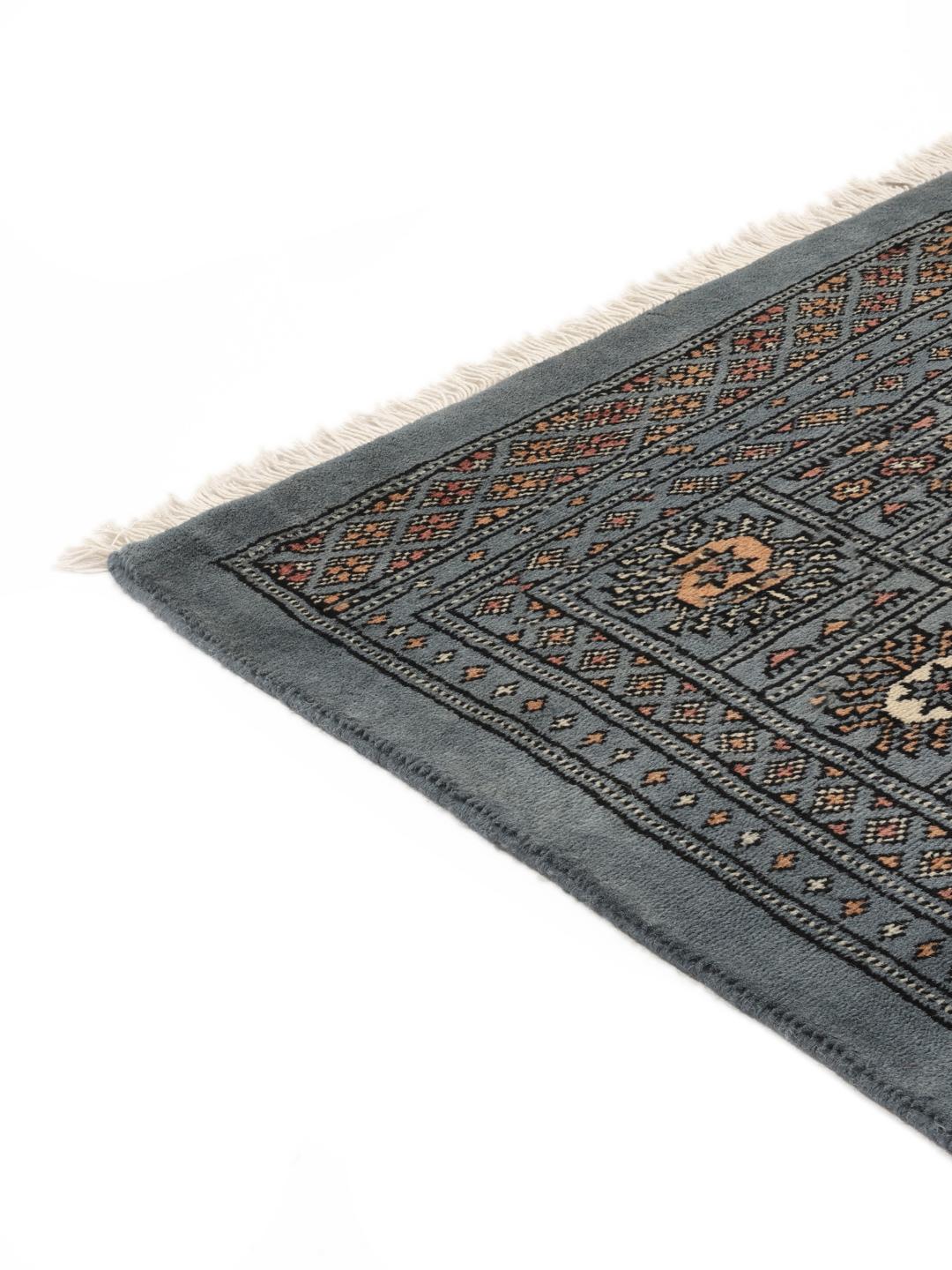
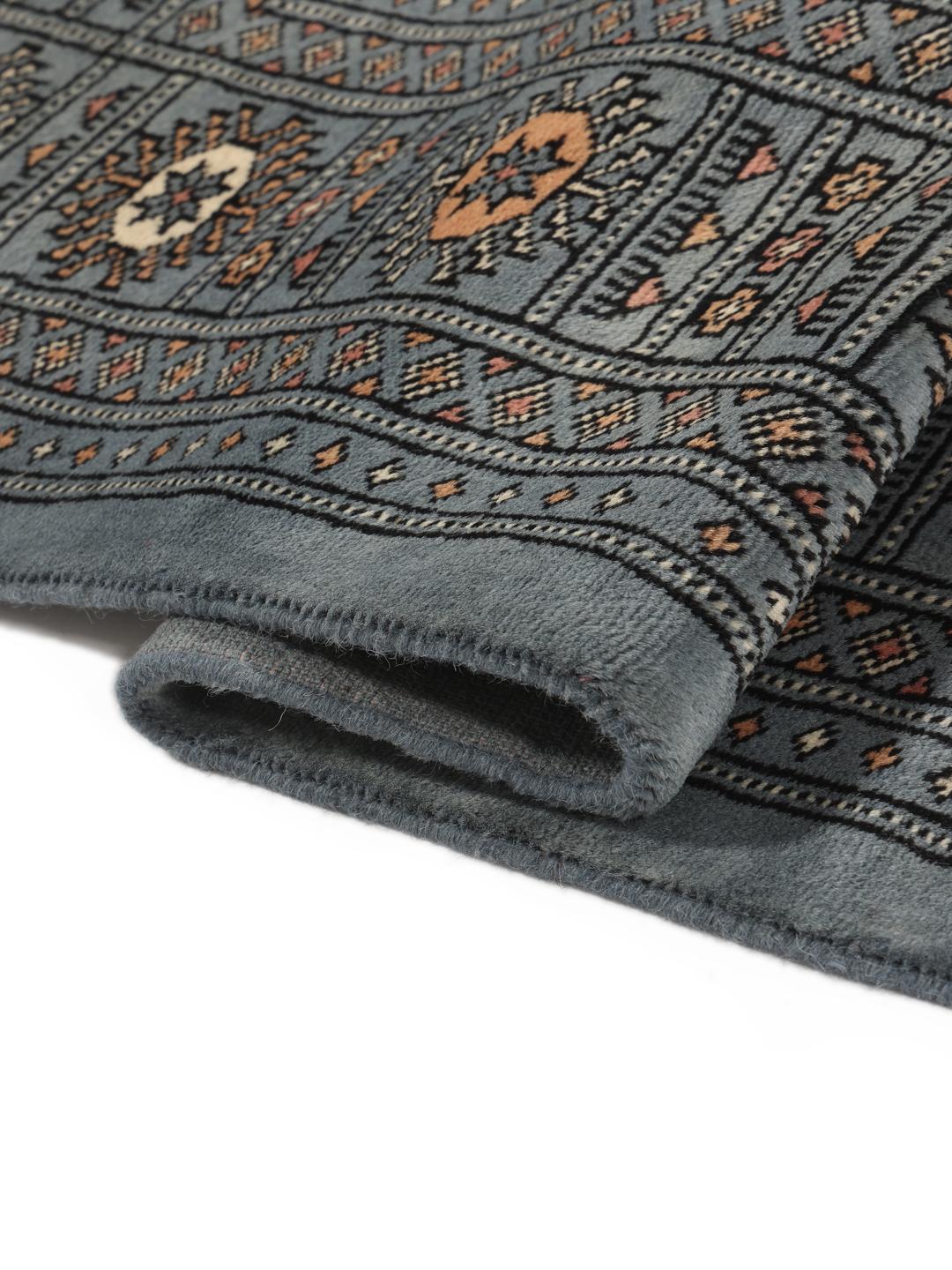
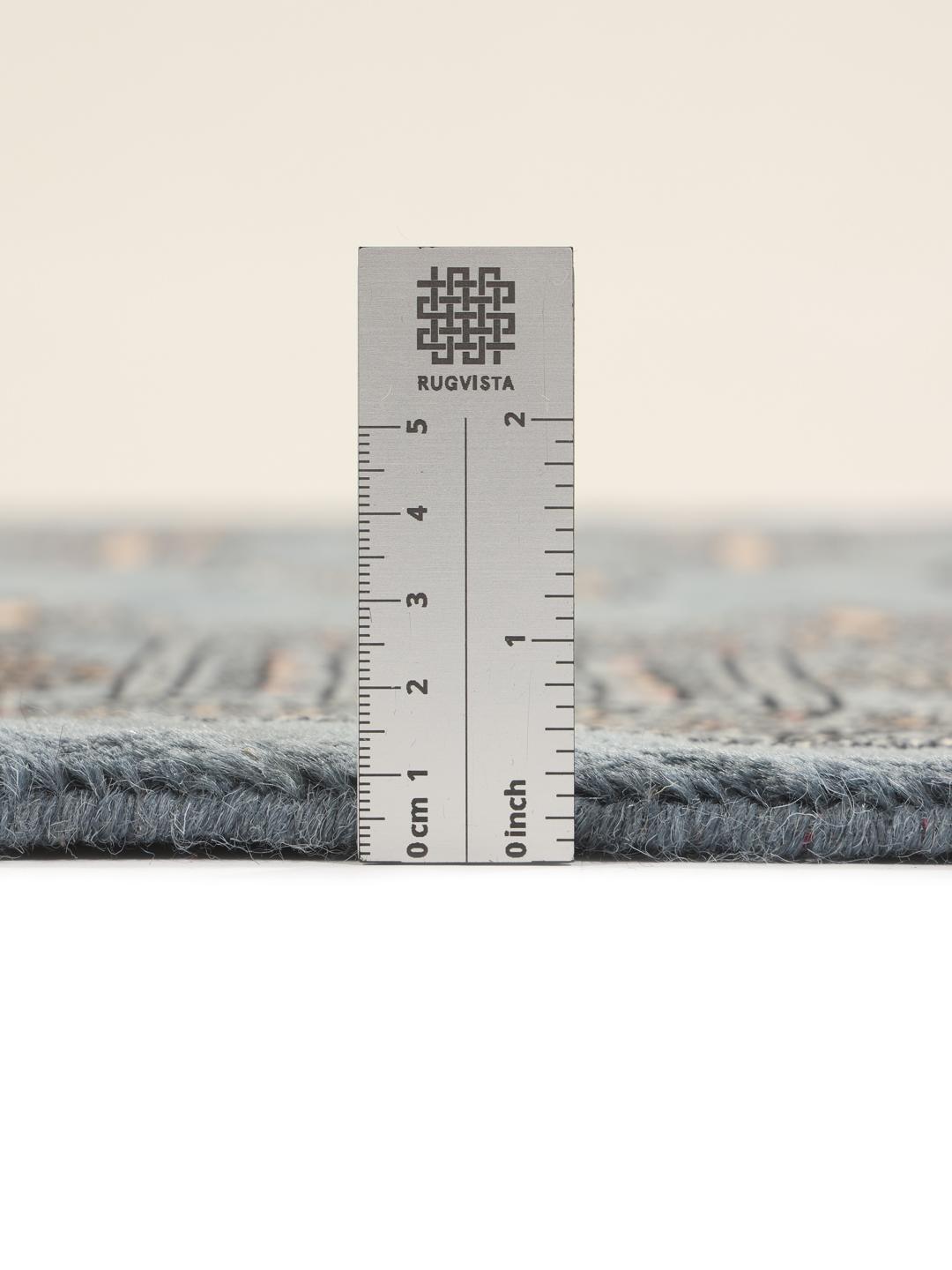
The term 3ply refers to the construction of the yarn, where three individual strands of Wool are twisted together before knotting. This technique is highly valued because it creates a thicker, more resilient pile that feels exceptionally soft and possesses a natural, subtle sheen. This construction method is a hallmark of quality that ensures the rug remains a comfortable and beautiful feature of your home for generations.
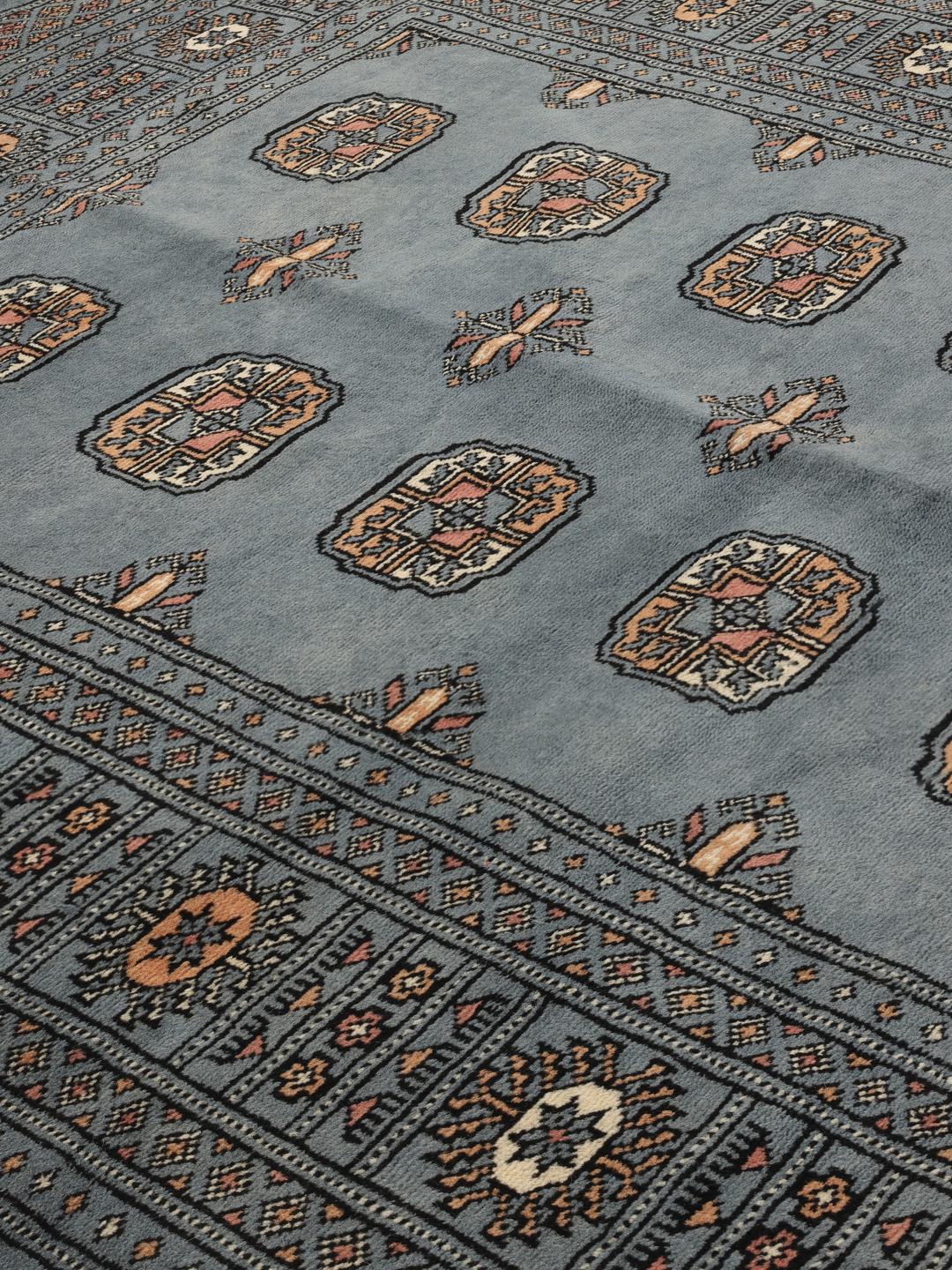
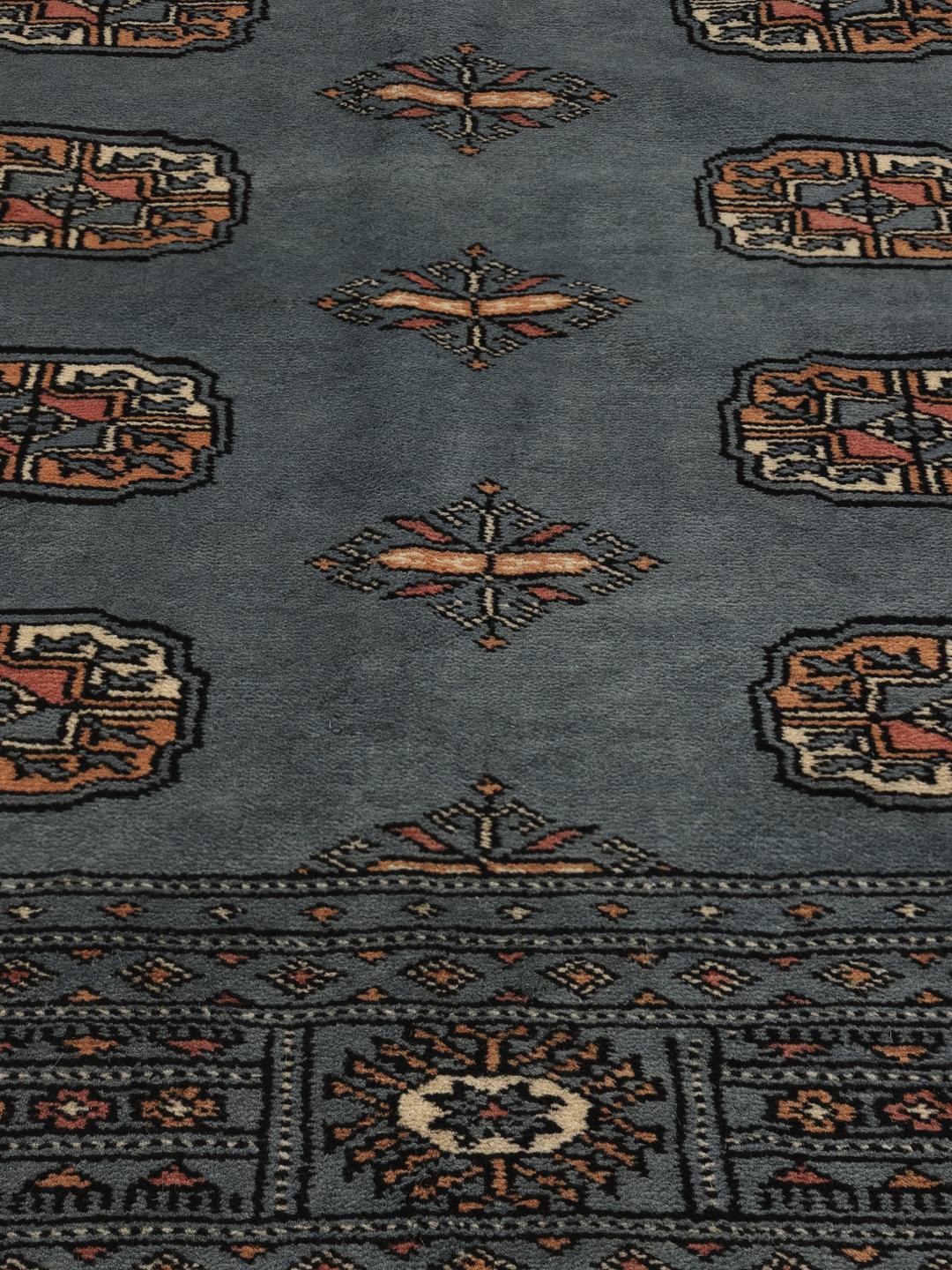
Visually, these rugs are defined by their iconic gul motifs, which are repeating, octagonal medallions often described as elephant-foot patterns. These are typically arranged in clean, formal rows and enclosed by intricate, multi-layered borders. The use of a blue field in this particular piece is a sophisticated departure from the traditional deep reds, offering a refreshing and modern take on a classic aesthetic.
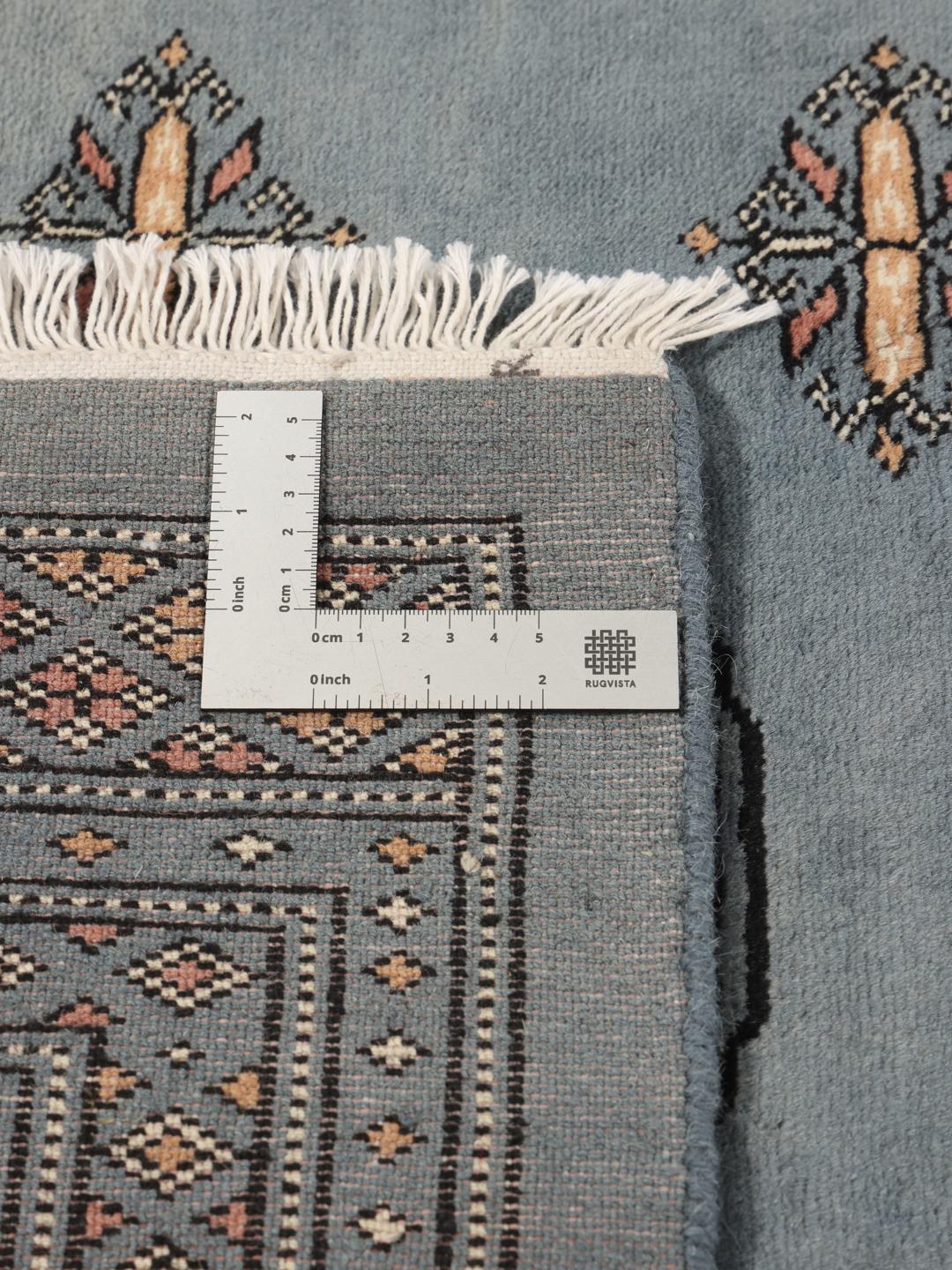
Collectors value these rugs for their combination of cultural narrative and technical mastery. Owning a hand-knotted piece from this tradition is about more than just decor; it is about preserving a craft that has been passed down through families for generations. It represents a commitment to enduring quality and an appreciation for the human story woven into every thread.