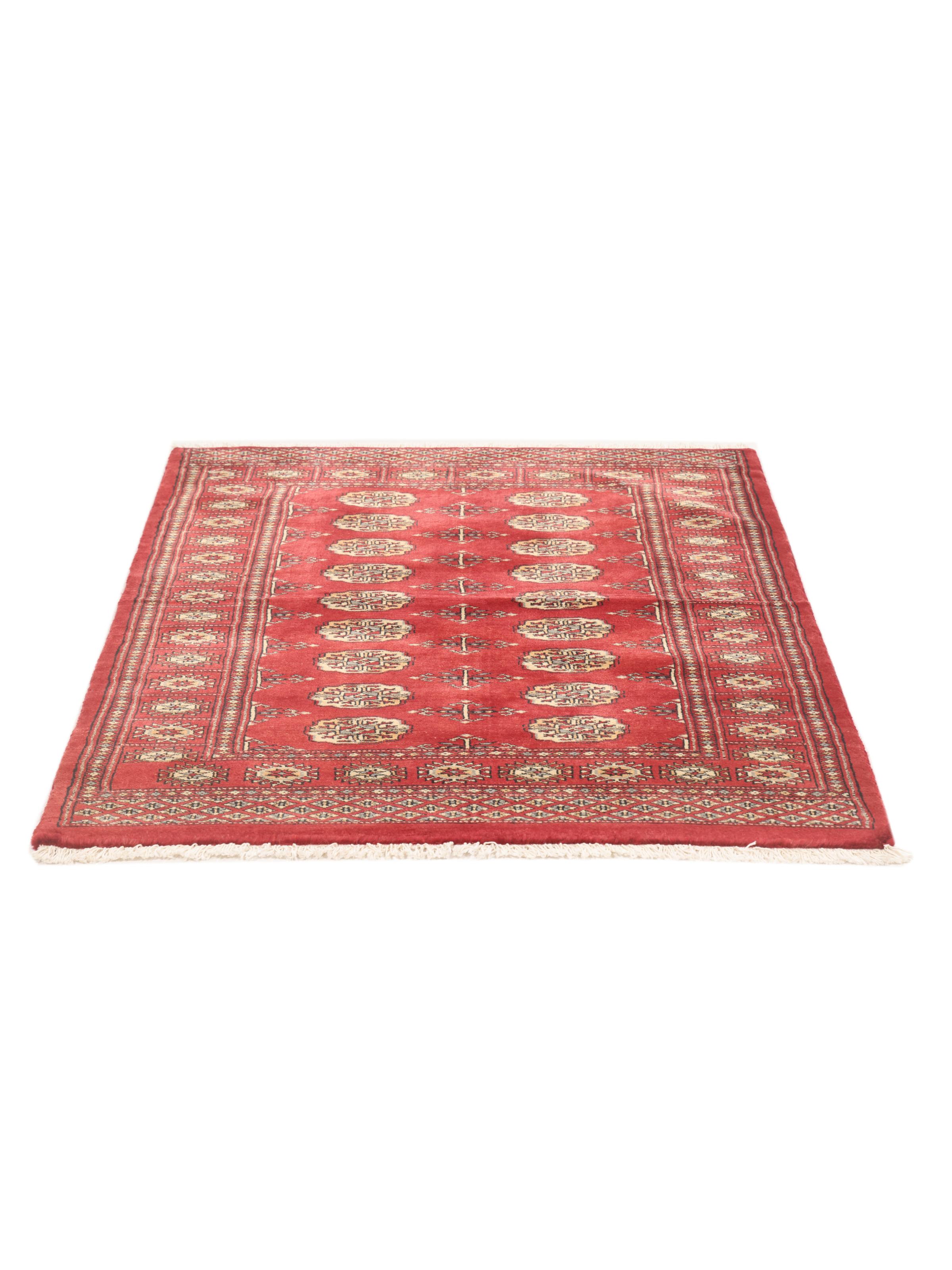
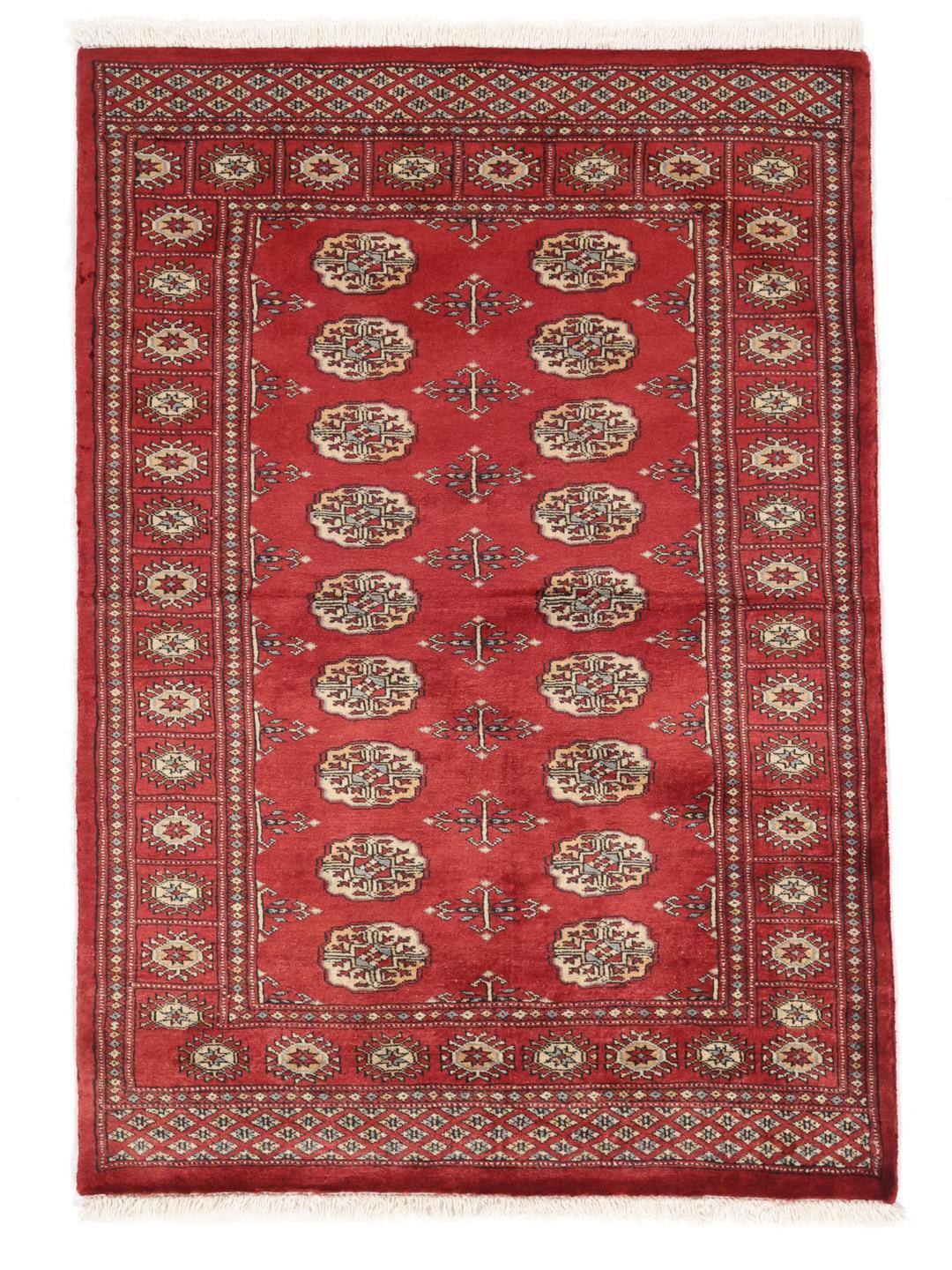
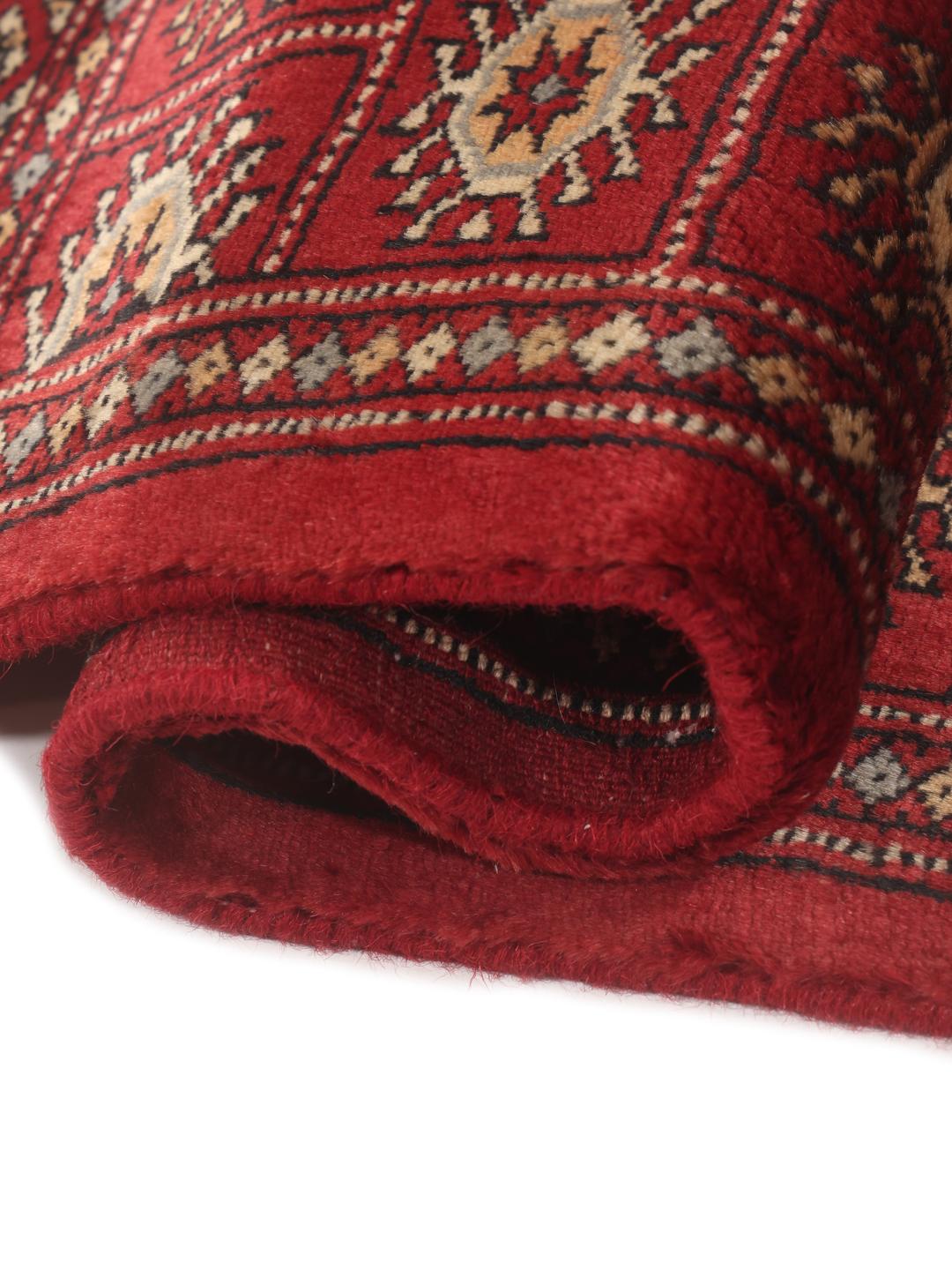
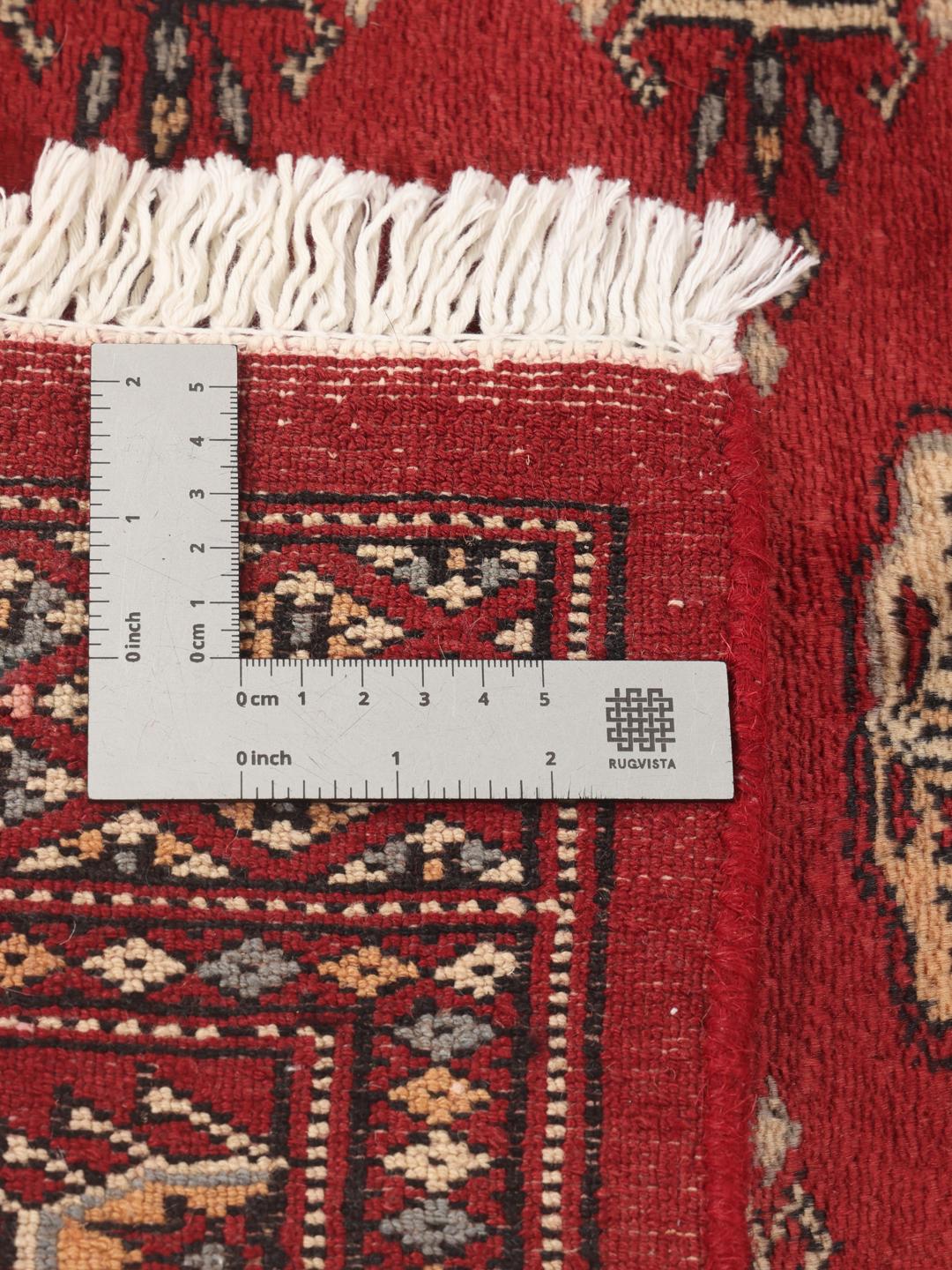
Bokhara rugs take their name from the ancient Silk Road city of Bukhara, which was a historic hub for trade and textile arts in Central Asia. While the name originates from this storied region, the finest examples of these rugs today are primarily woven in Pakistan, where artisans have honed the craft to produce exceptionally soft and consistent pieces.
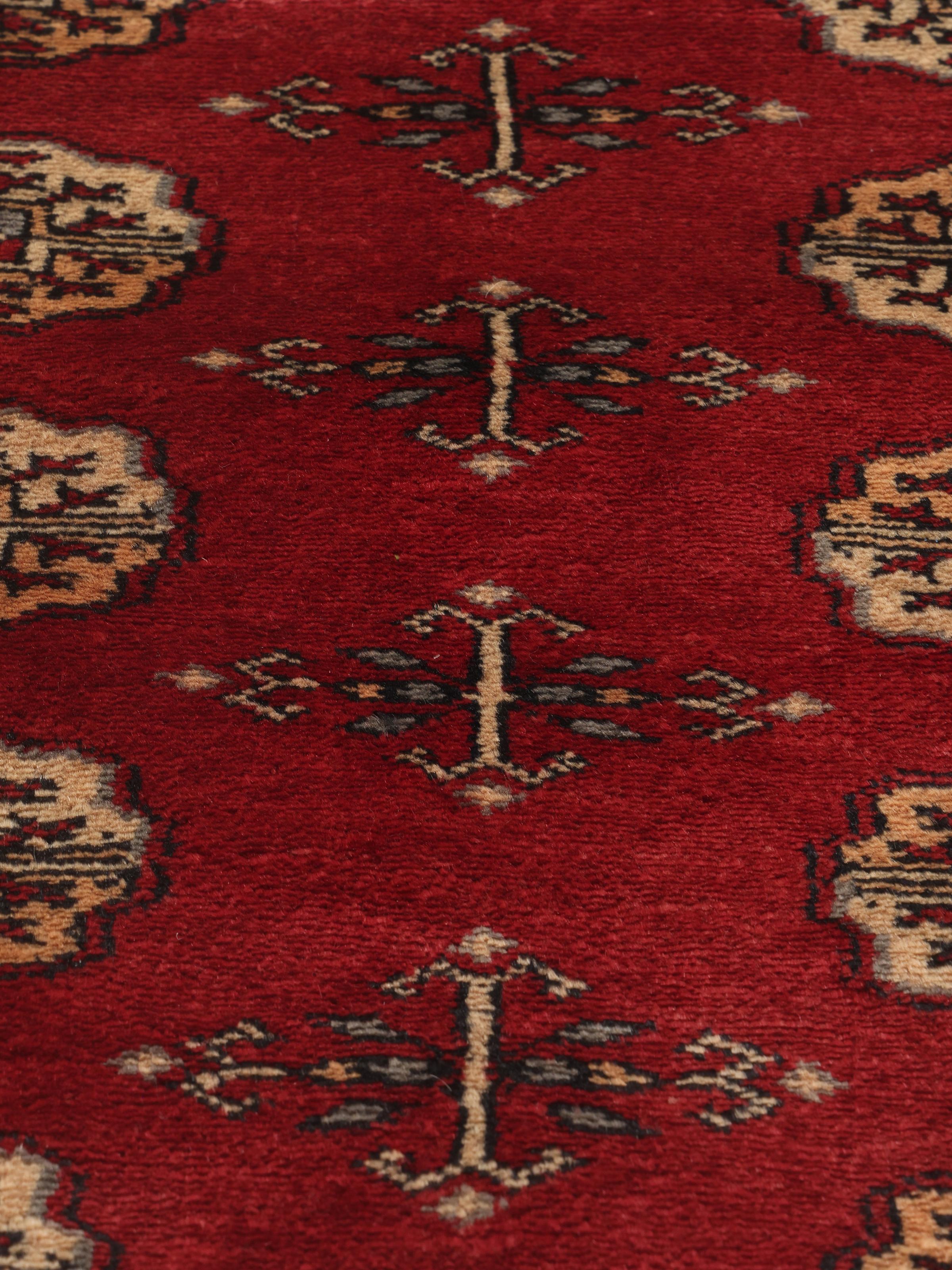
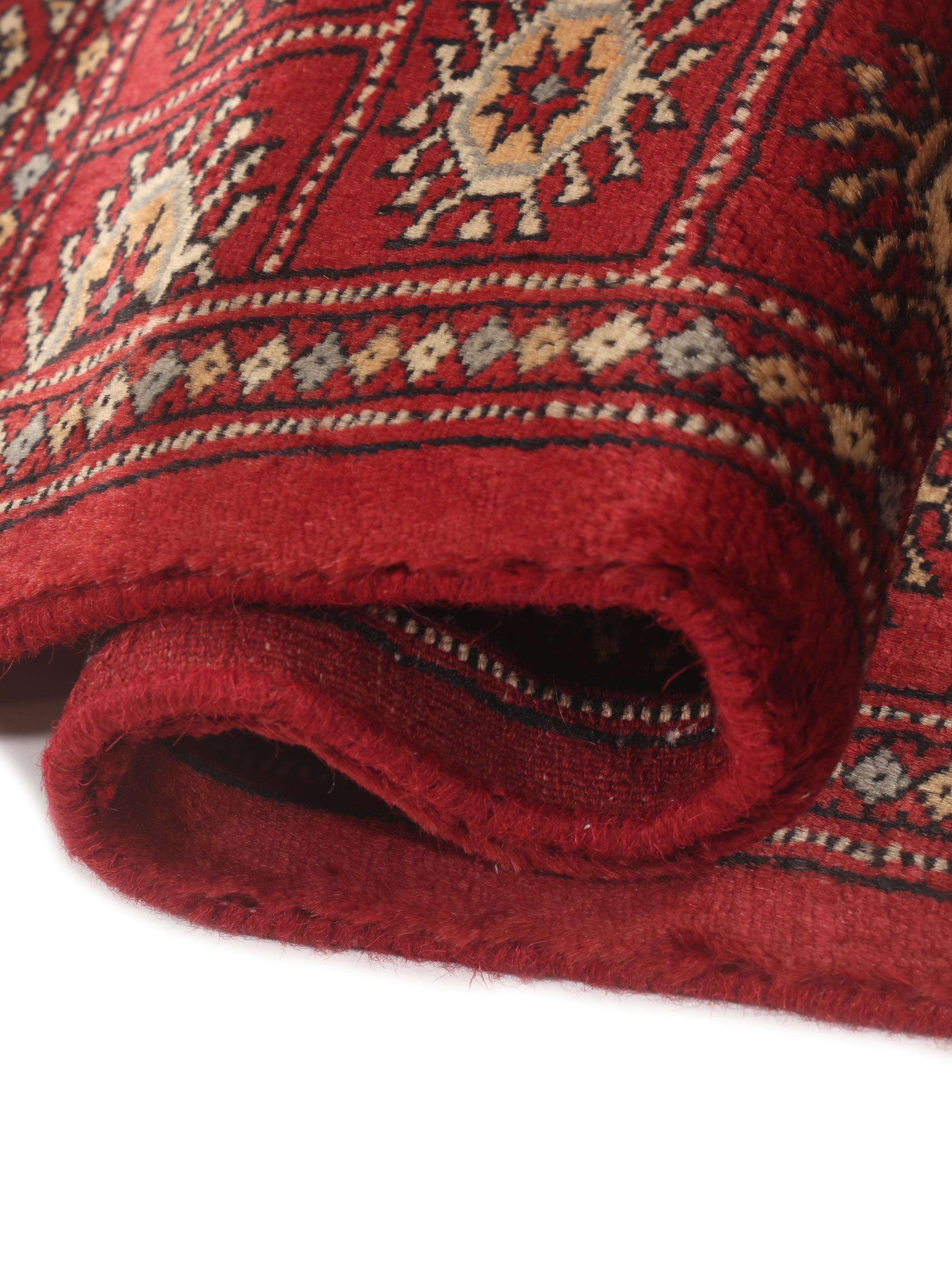
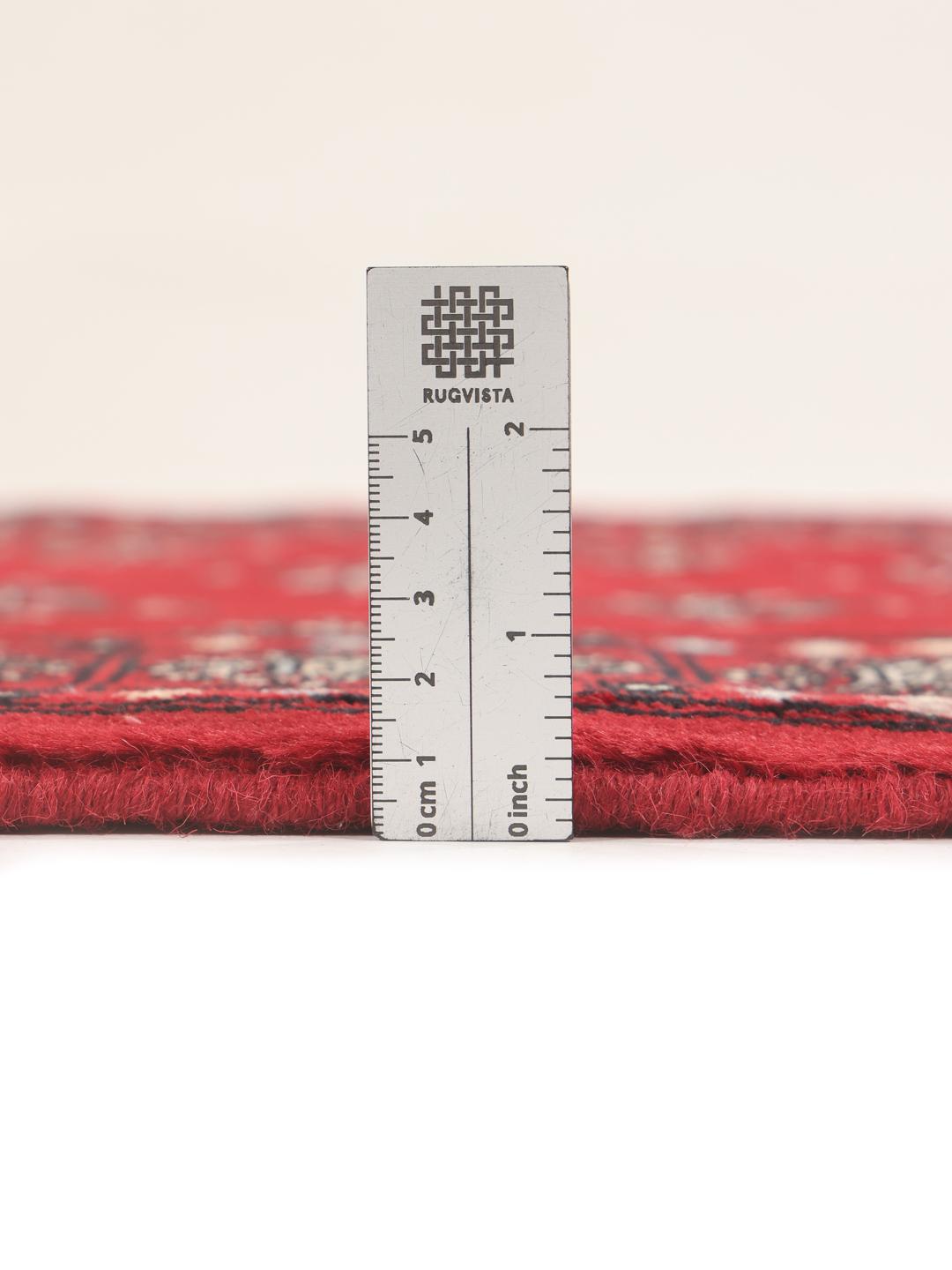
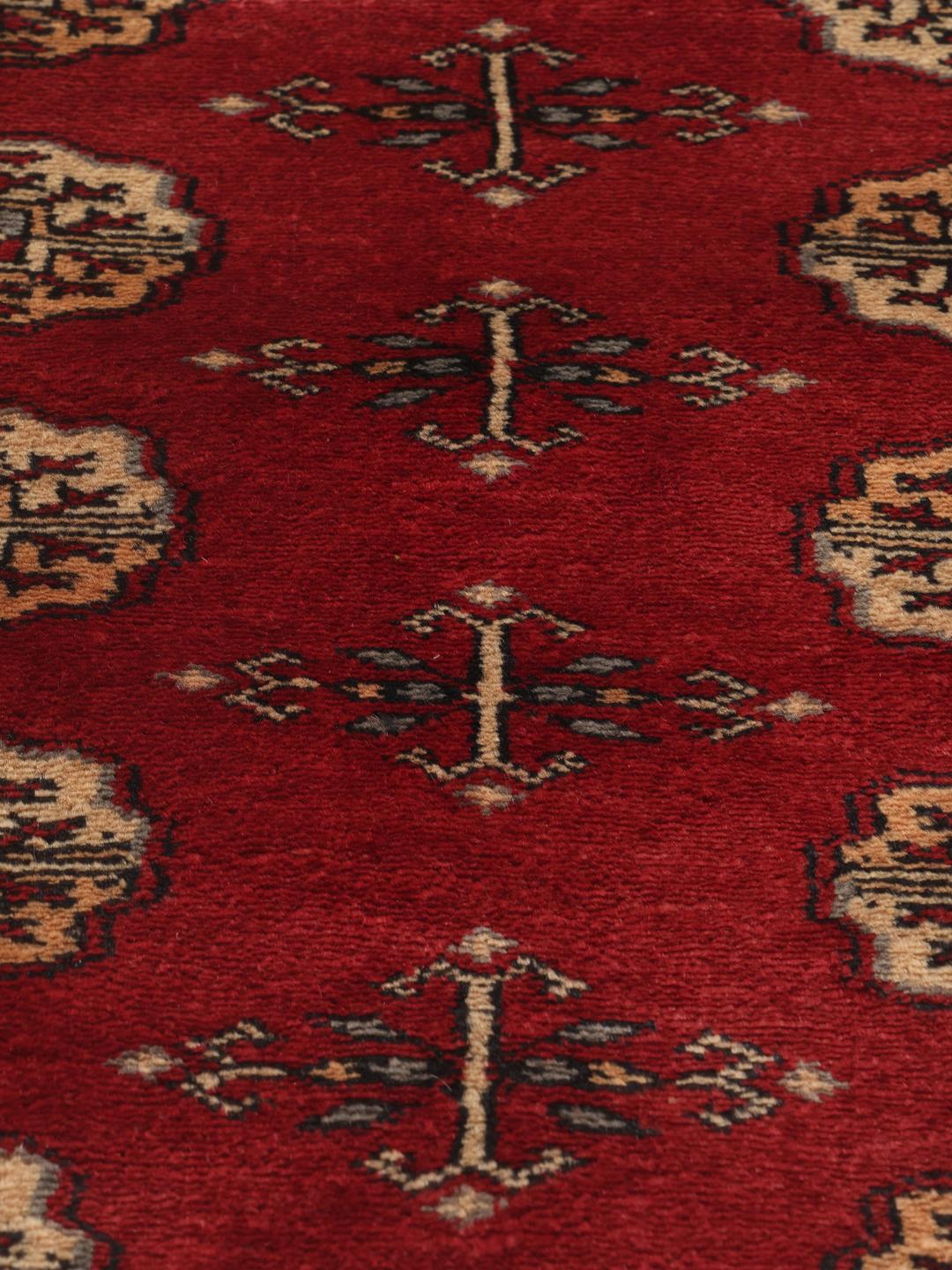
The '3ply' designation refers to the construction of the Wool yarn, which consists of three strands twisted together. This technique is highly valued because it creates a thicker, more robust, and more lustrous pile compared to single-ply alternatives. It provides a tactile richness that is both visually appealing and remarkably long-lasting.
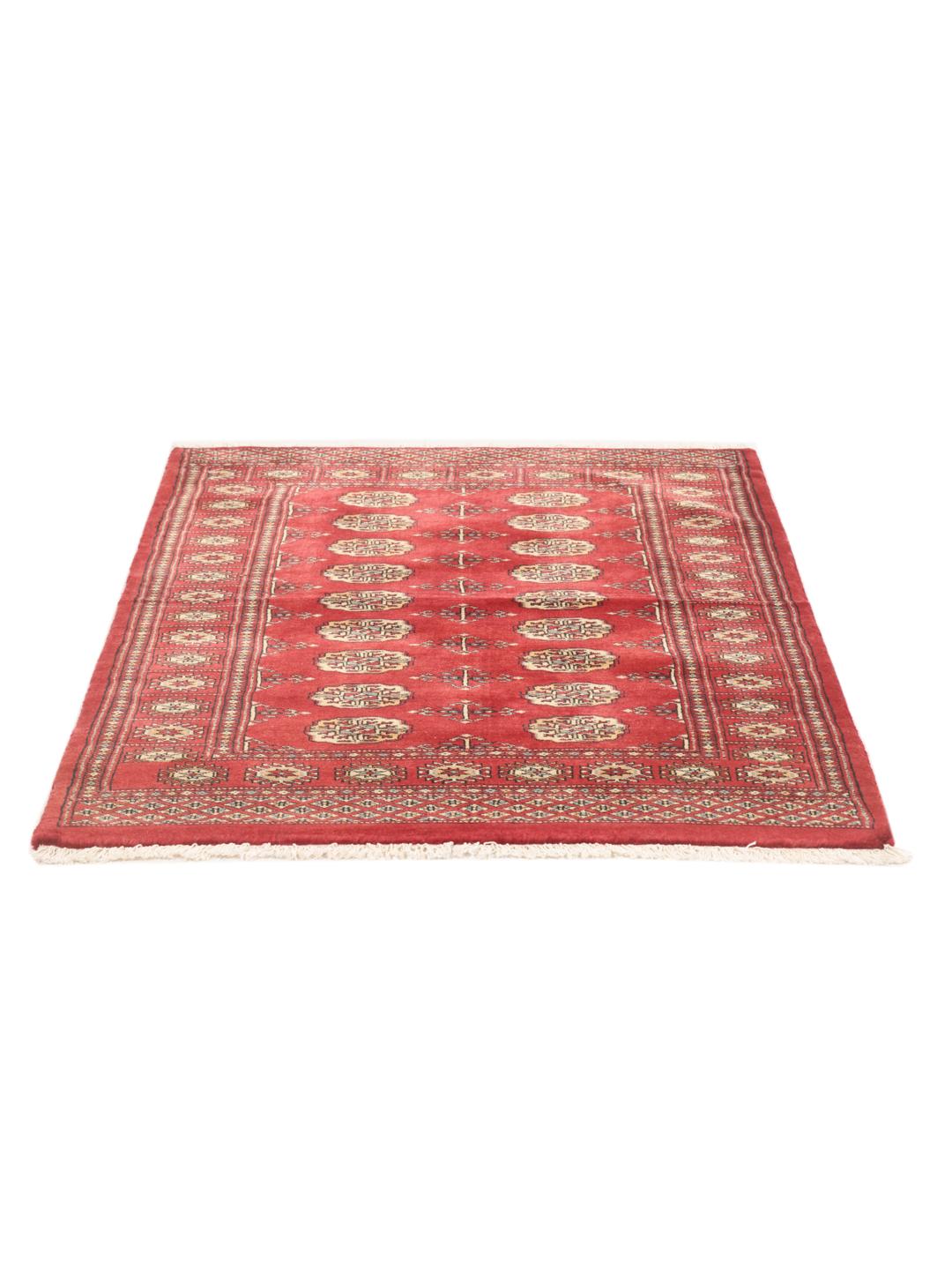
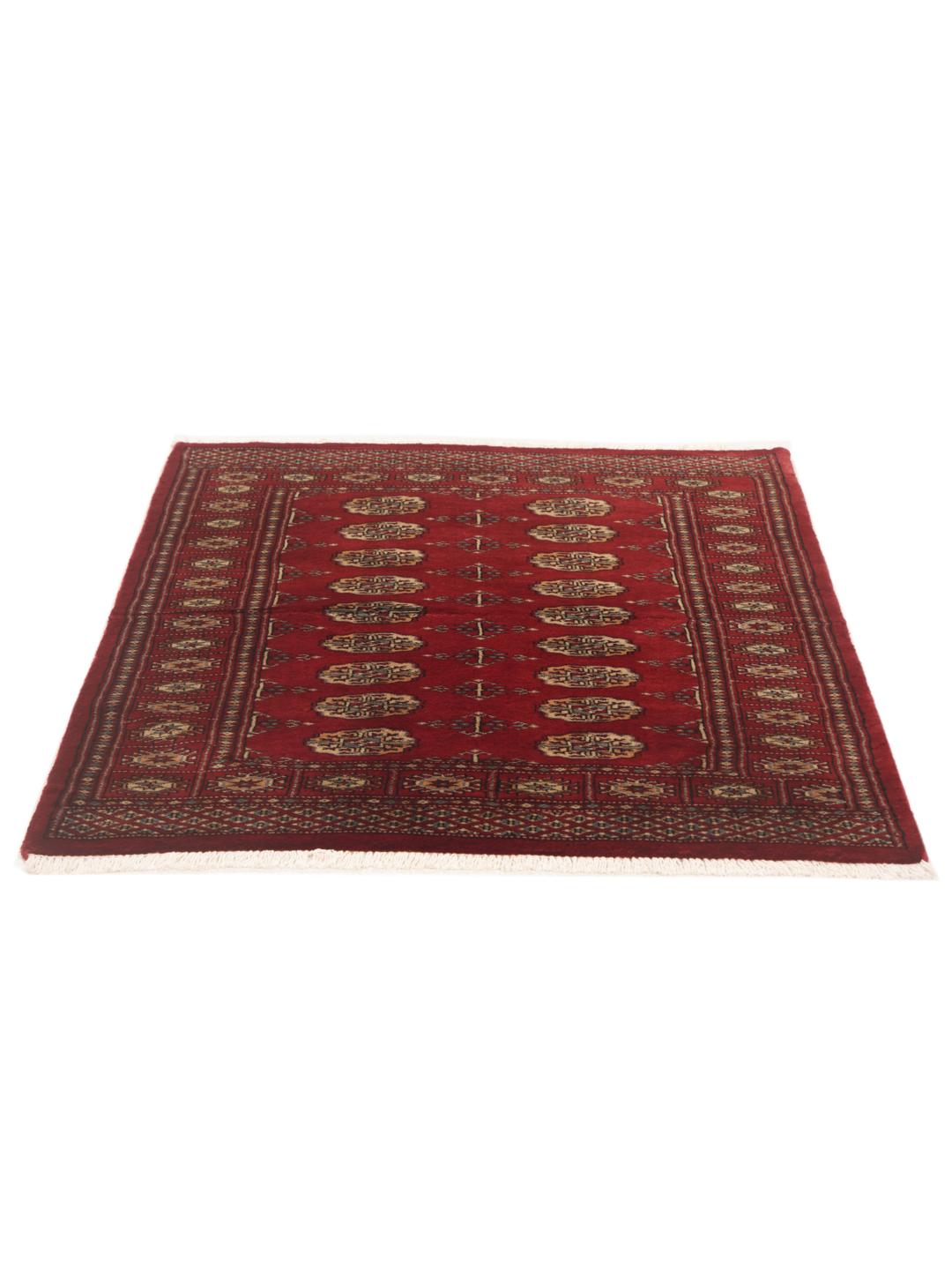
The signature design element of the Bokhara is the repeating 'gul' motif, which often resembles an elephant's footprint or an octagonal medallion. These motifs are typically arranged in clean, geometric rows across the field, framed by elaborate, formal borders. The symmetry and balance of these patterns are hallmarks of this tradition.
Owning a hand-knotted rug from this tradition is an investment in cultural heritage and skill. These rugs are highly collected because they represent a marriage of ancient design language and modern material quality. They are intended to be cherished for generations, serving as a reminder of the human effort and history woven into every thread.