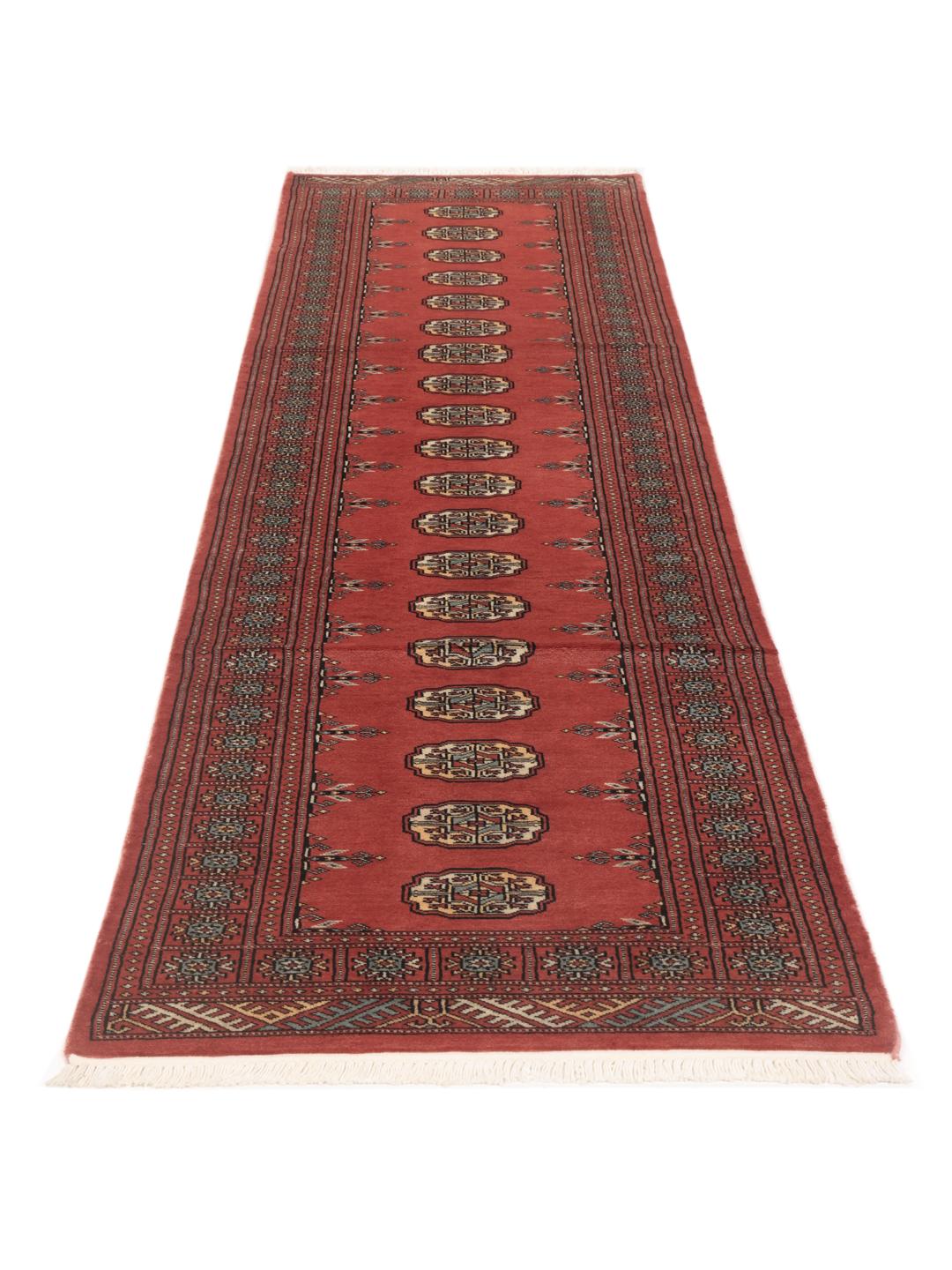
The Bokhara rug tradition is deeply rooted in the history of Central Asia, drawing its name from the ancient Silk Road city of Bukhara. While these rugs were historically produced by nomadic tribes who used them as versatile textiles for their tents, the craft eventually migrated and evolved in regions like Pakistan. Today, Pakistan is renowned for producing some of the finest examples of this style, blending historical design sensibilities with modern precision.
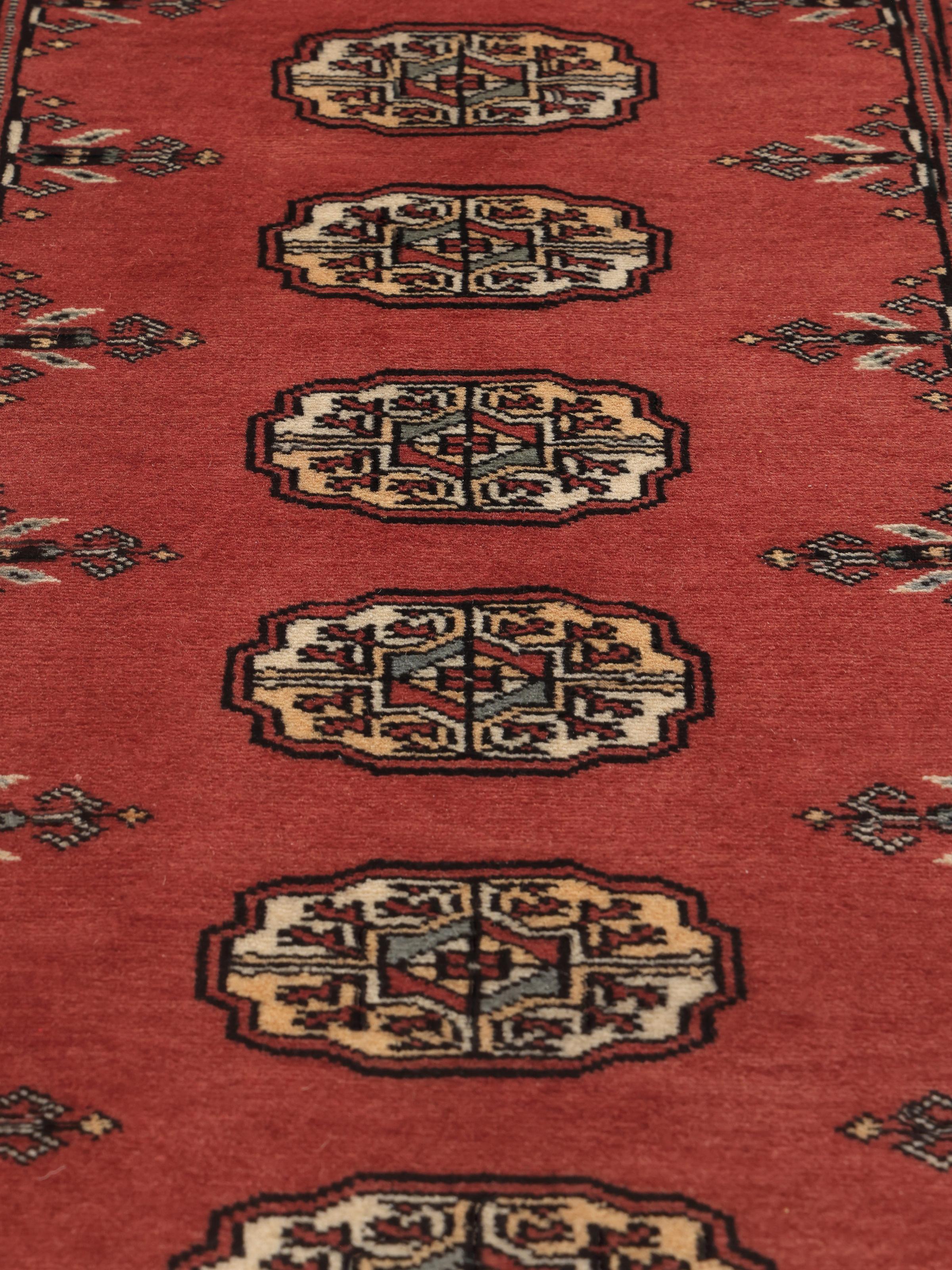
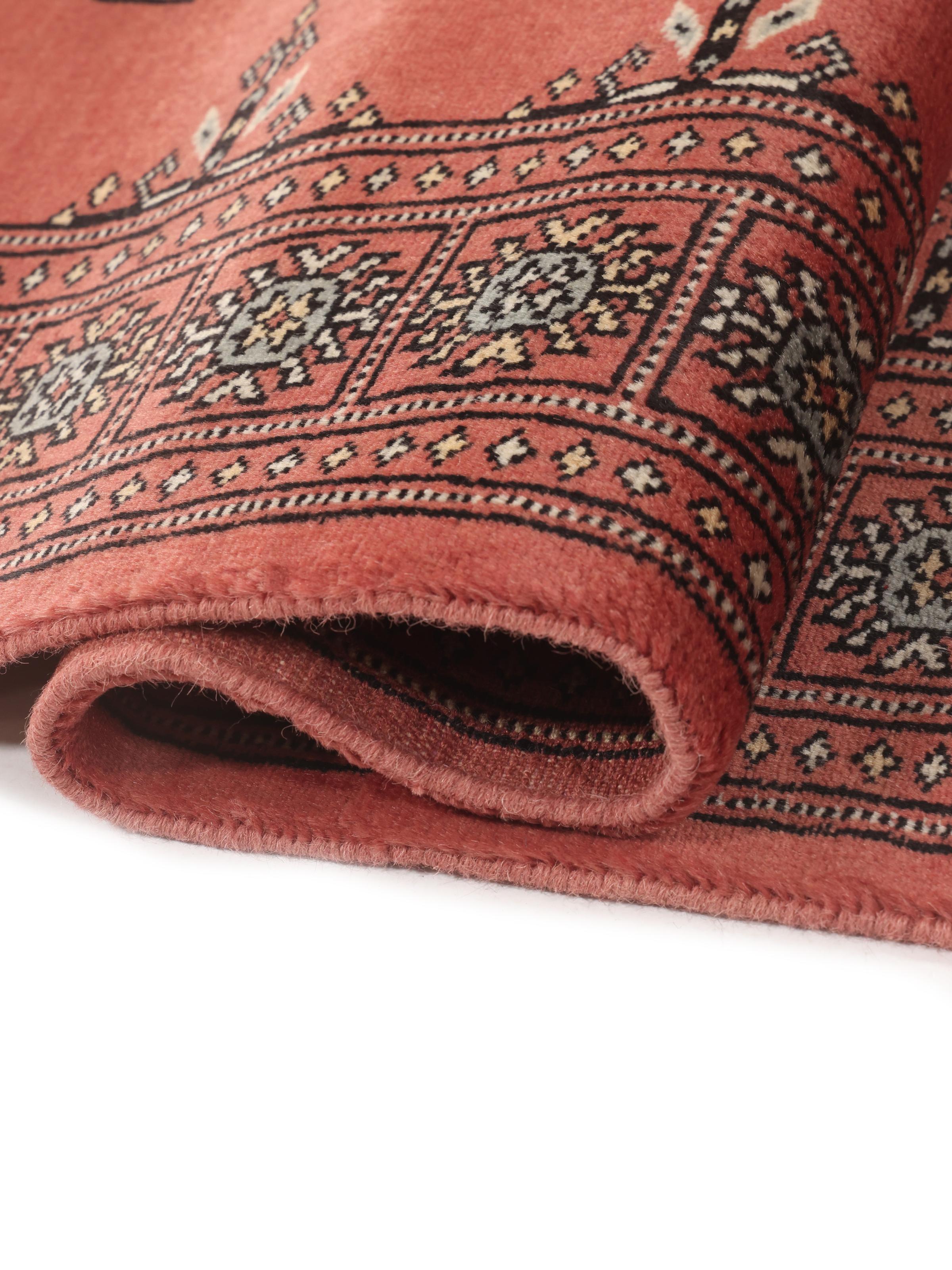
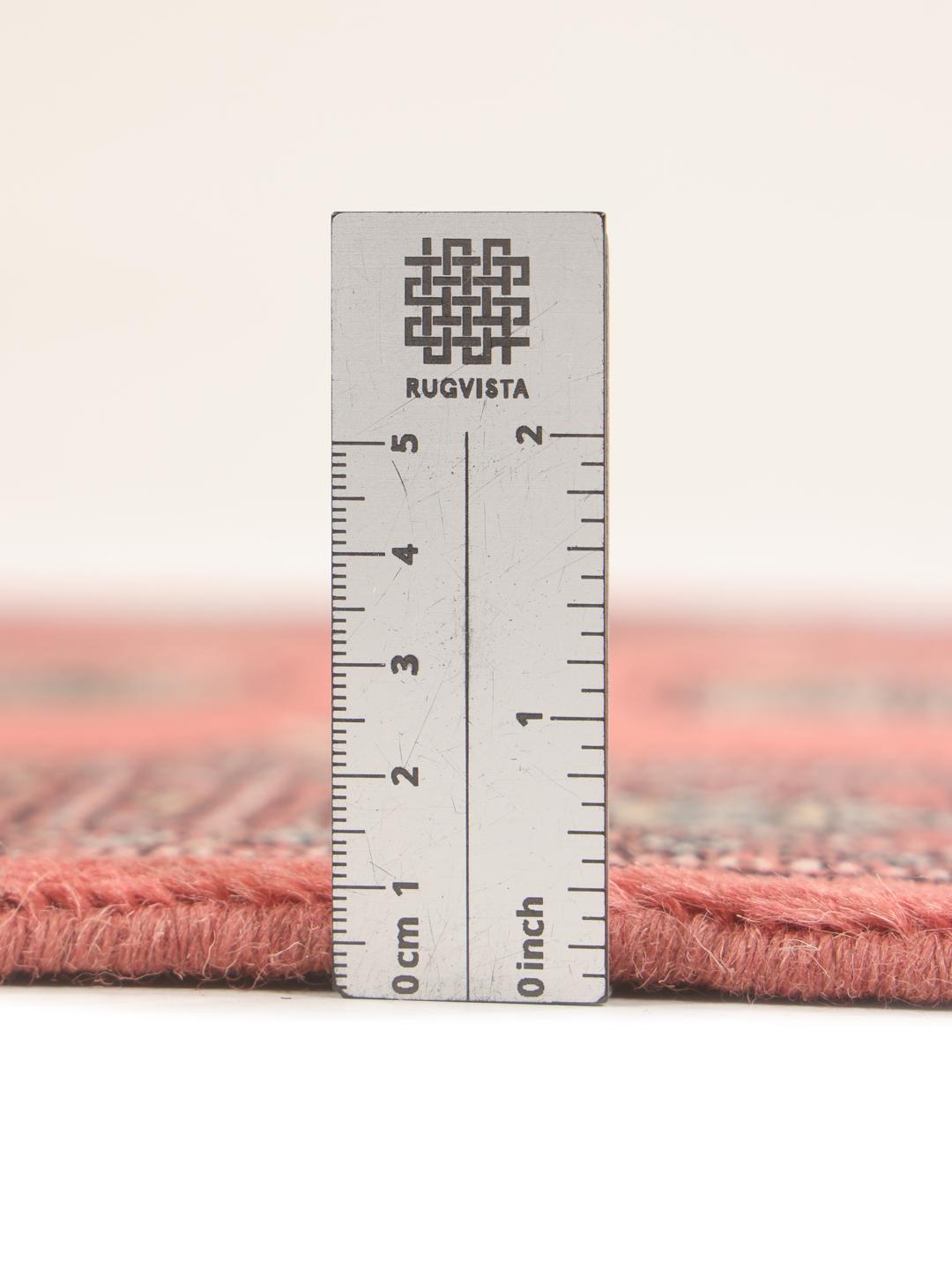
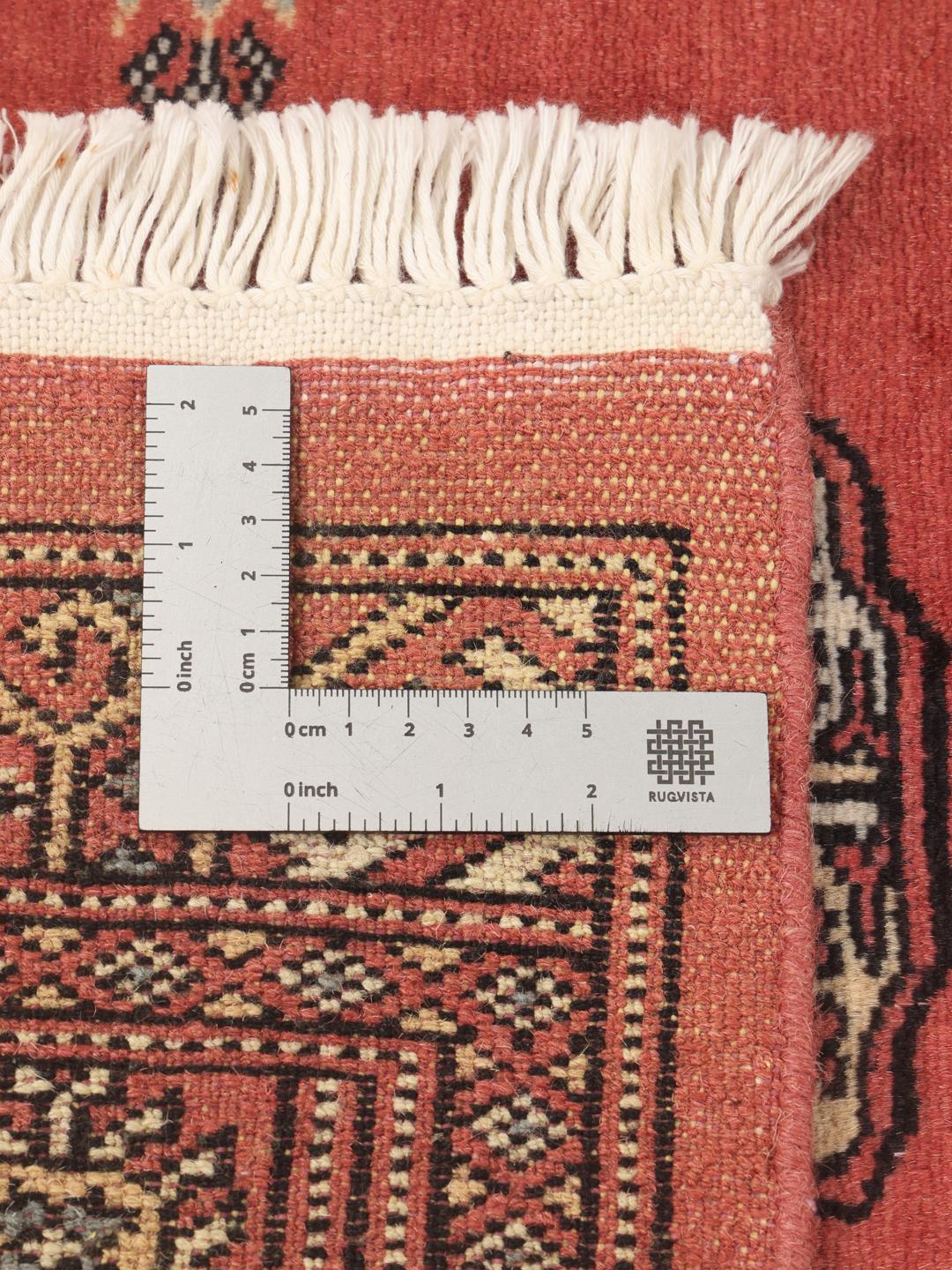
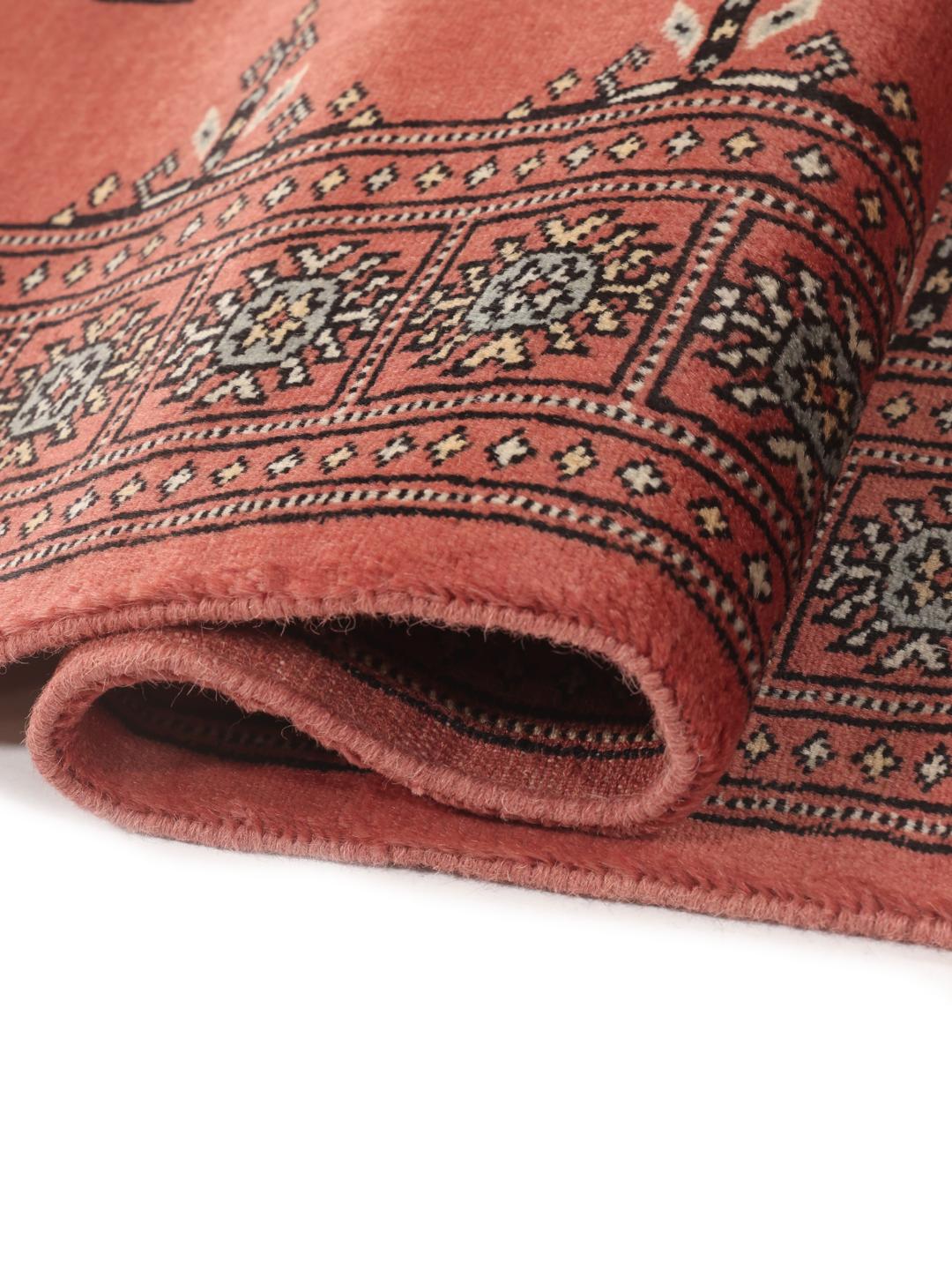
The 2ply designation refers to a specific technique where the wool pile is created using two strands of yarn twisted together before being knotted. This is a critical detail for quality, as it results in a pile that is significantly more lustrous, dense, and resilient than single-ply alternatives. For the owner, this means a rug that not only feels more luxurious and plush underfoot but also offers superior wear resistance in high-traffic areas.
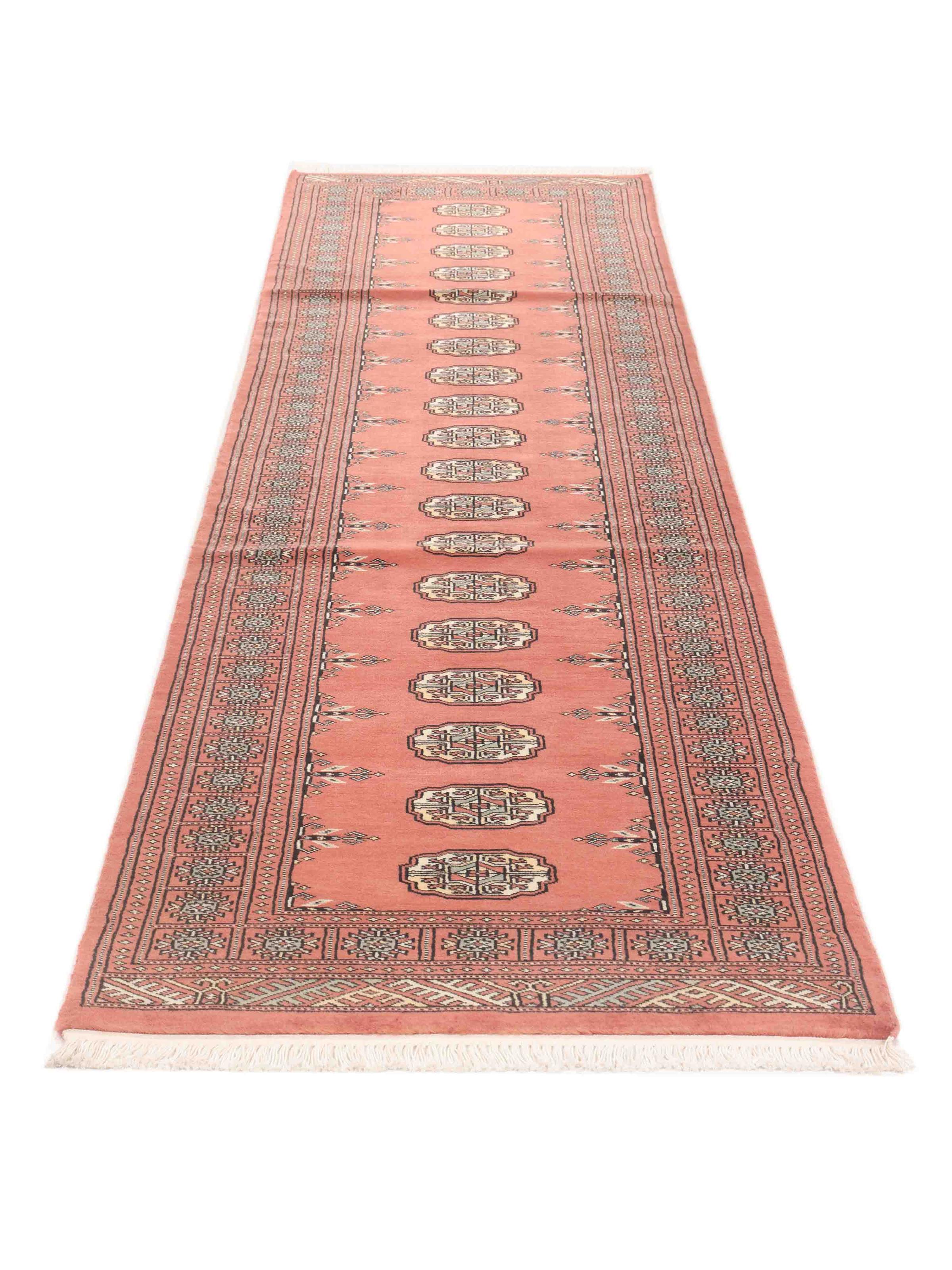
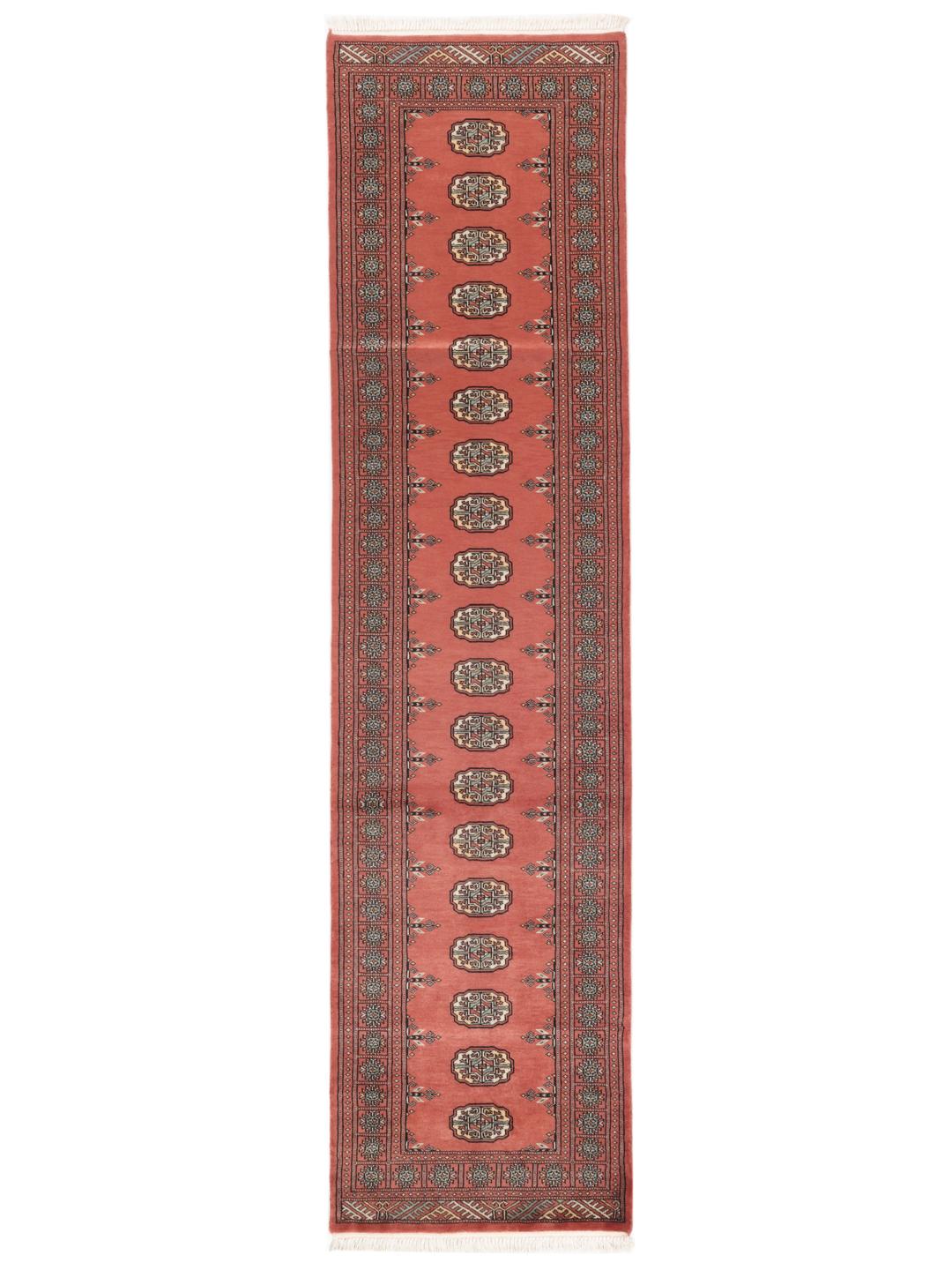
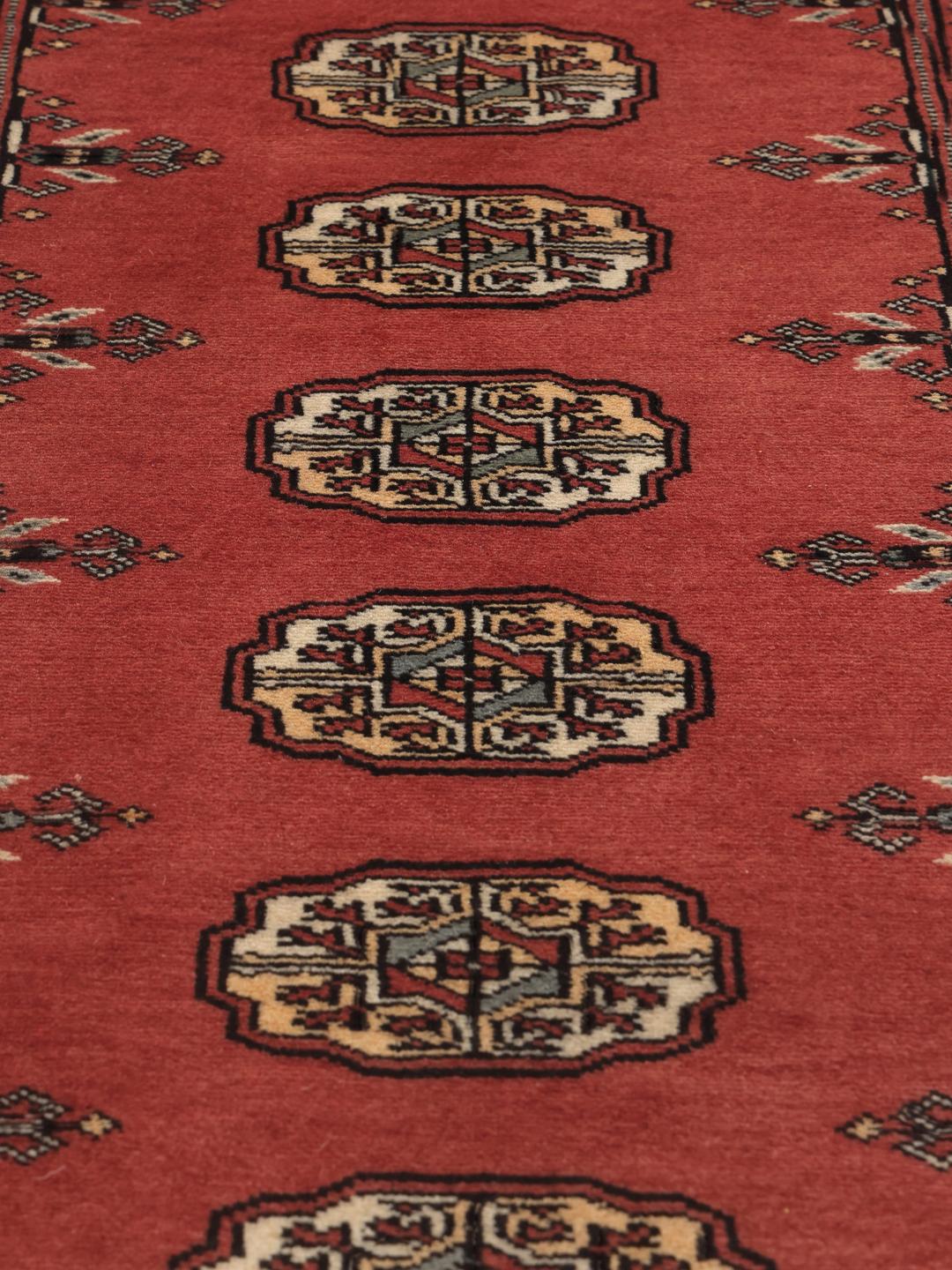
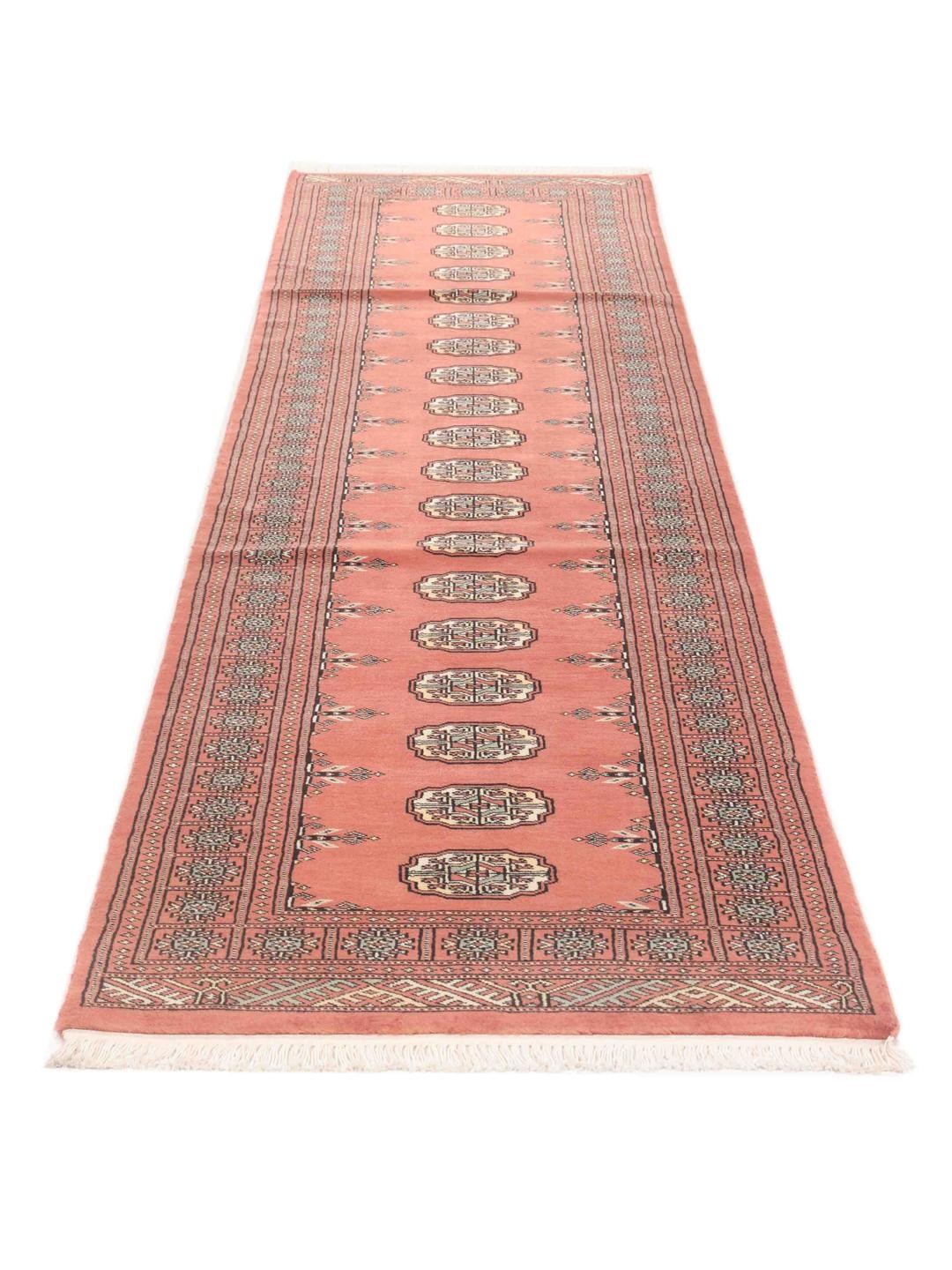
Visually, these rugs are defined by their iconic gul motifs, which are repeating, octagonal medallions that represent the tribal heritage of their creators. These medallions are typically arranged in clean, structured rows and framed by sophisticated, geometric borders. The deep, rich colour palette often seen in these pieces is designed to create a sense of harmony and balance, making them a versatile anchor for many different interior styles.
Collecting a rug from this tradition is an act of preserving a piece of cultural history. These rugs are valued not just for their aesthetic appeal, but for the immense human skill required to produce them. When you bring one into your home, you are acquiring a piece of art that reflects centuries of design evolution, ensuring your space feels grounded, authentic, and truly curated.