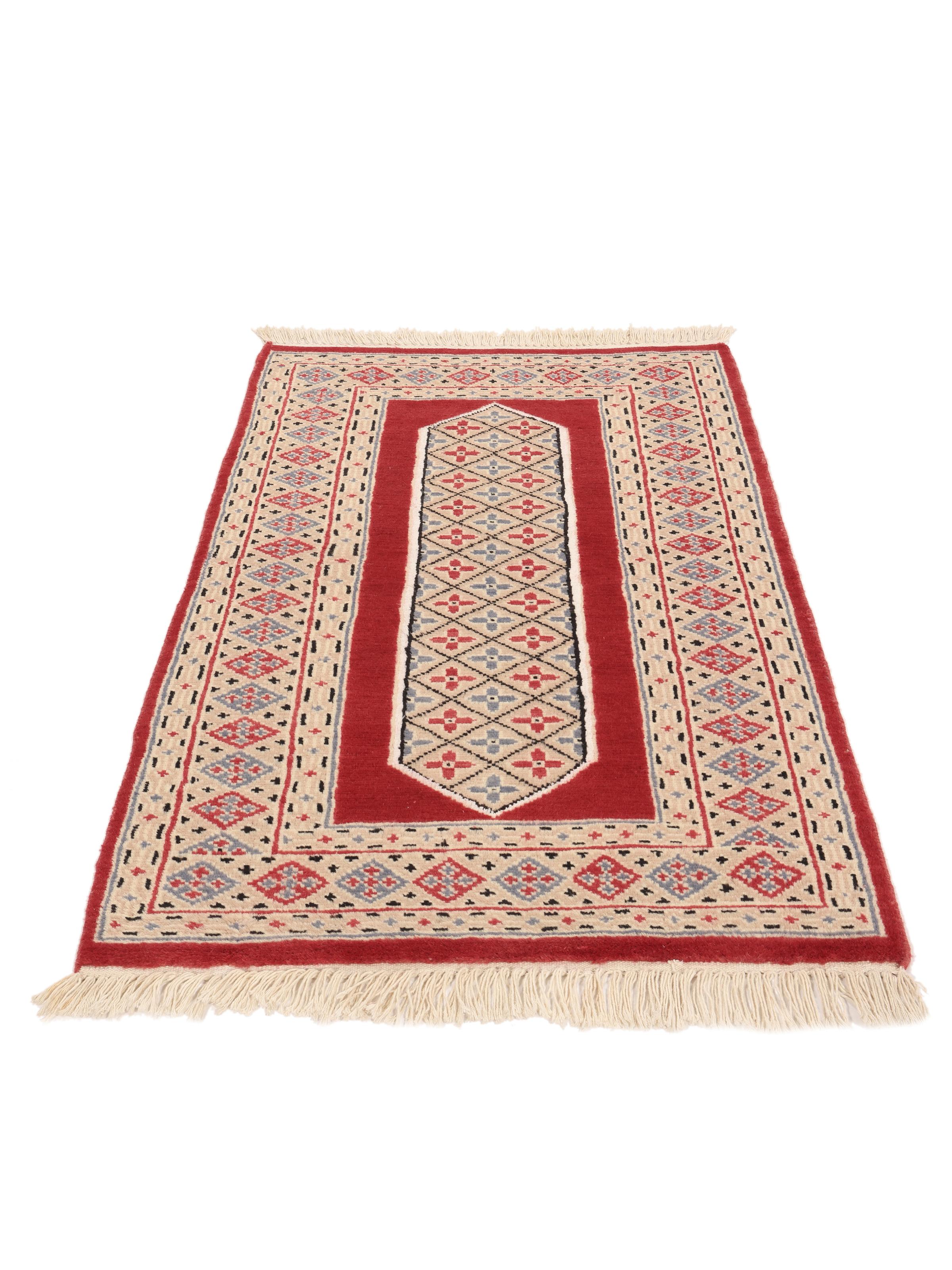
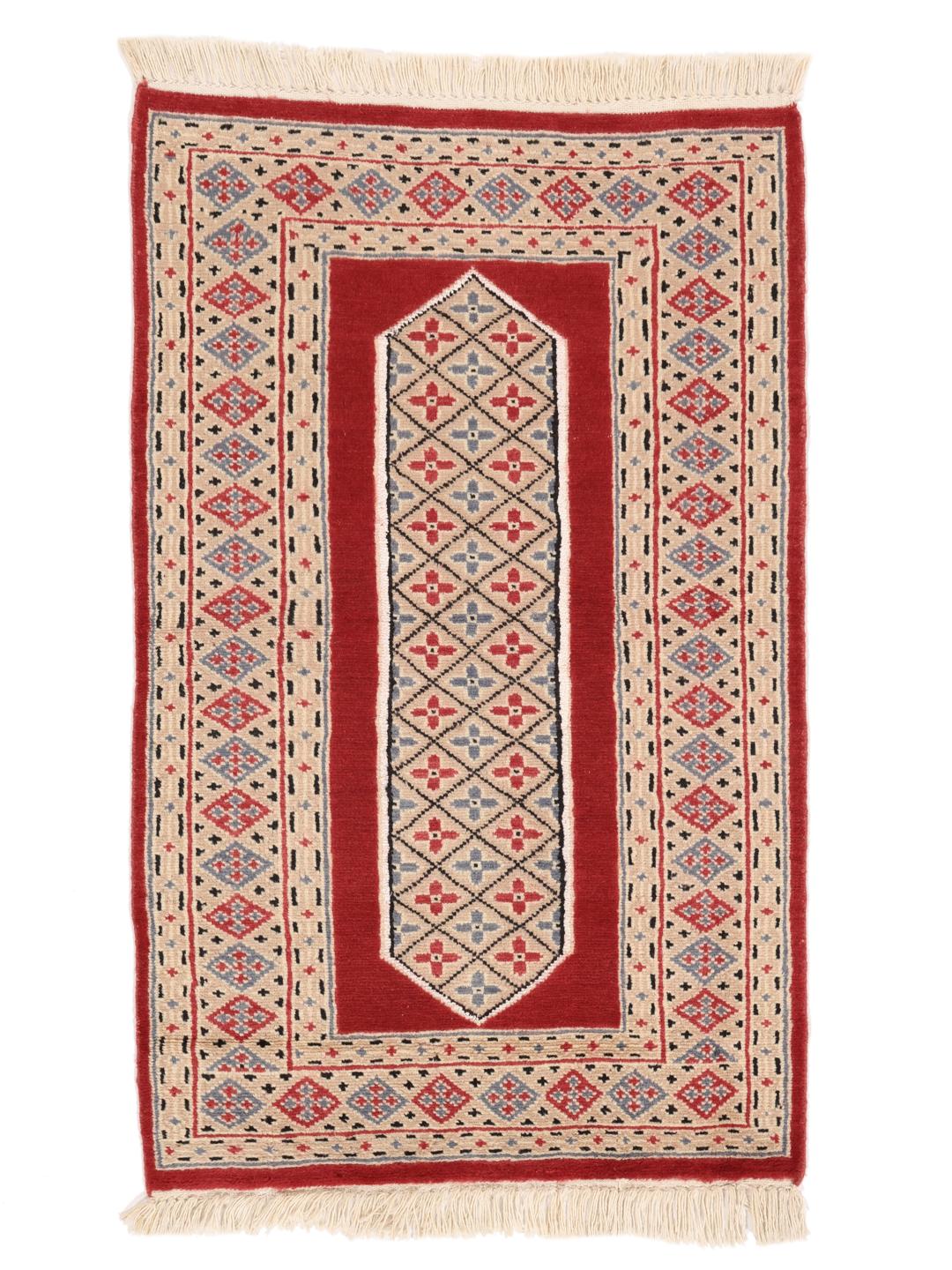
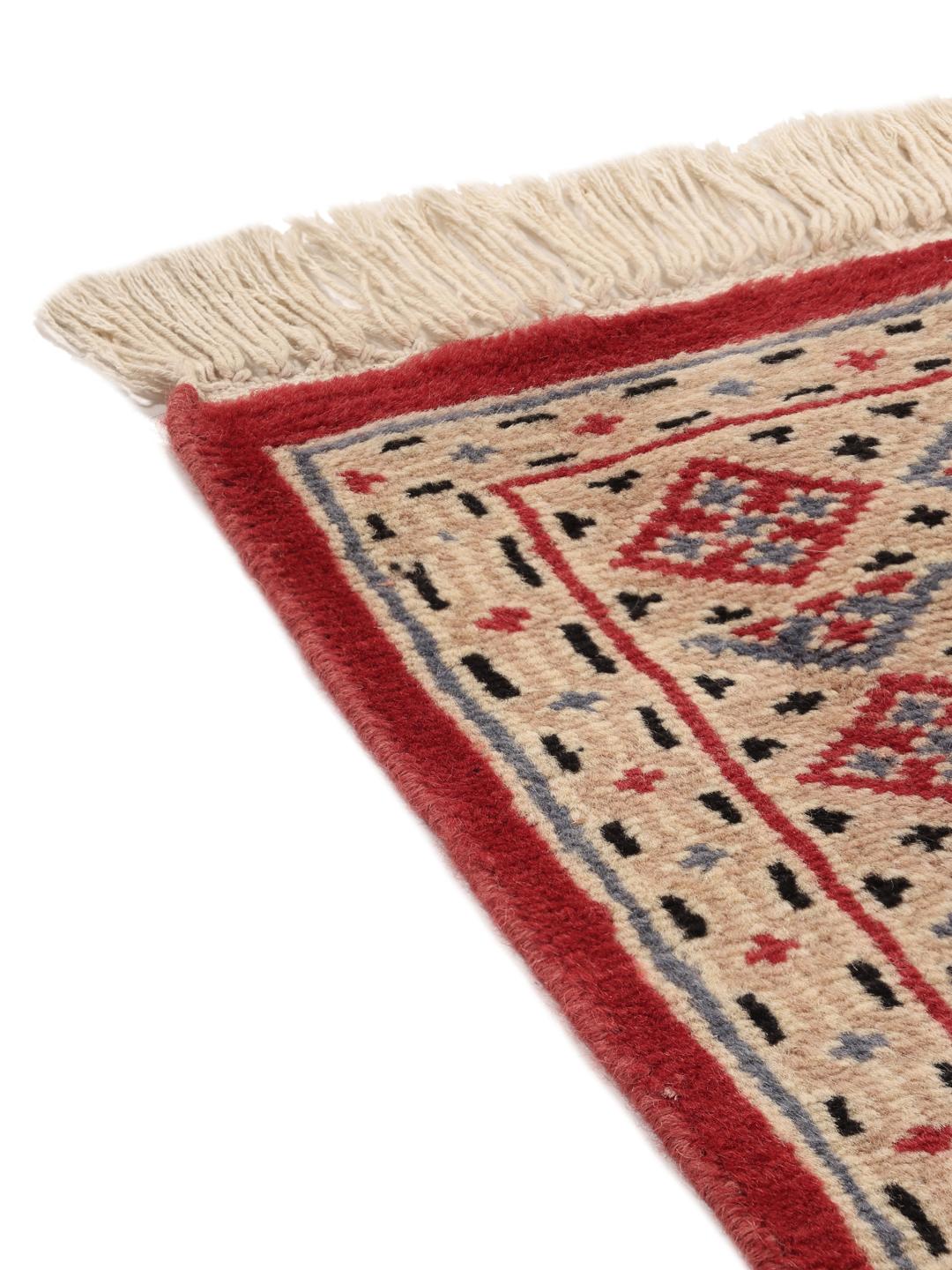
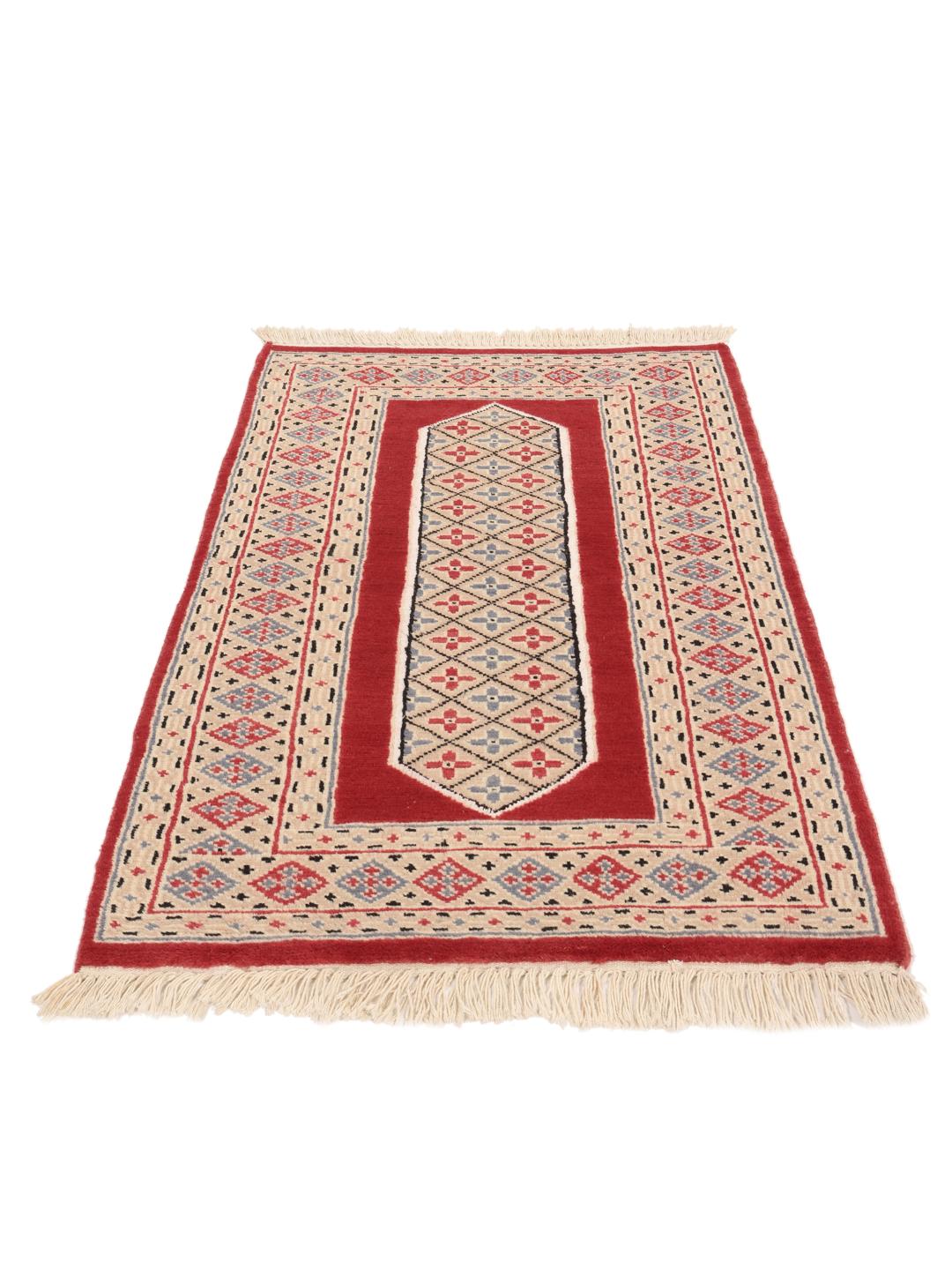
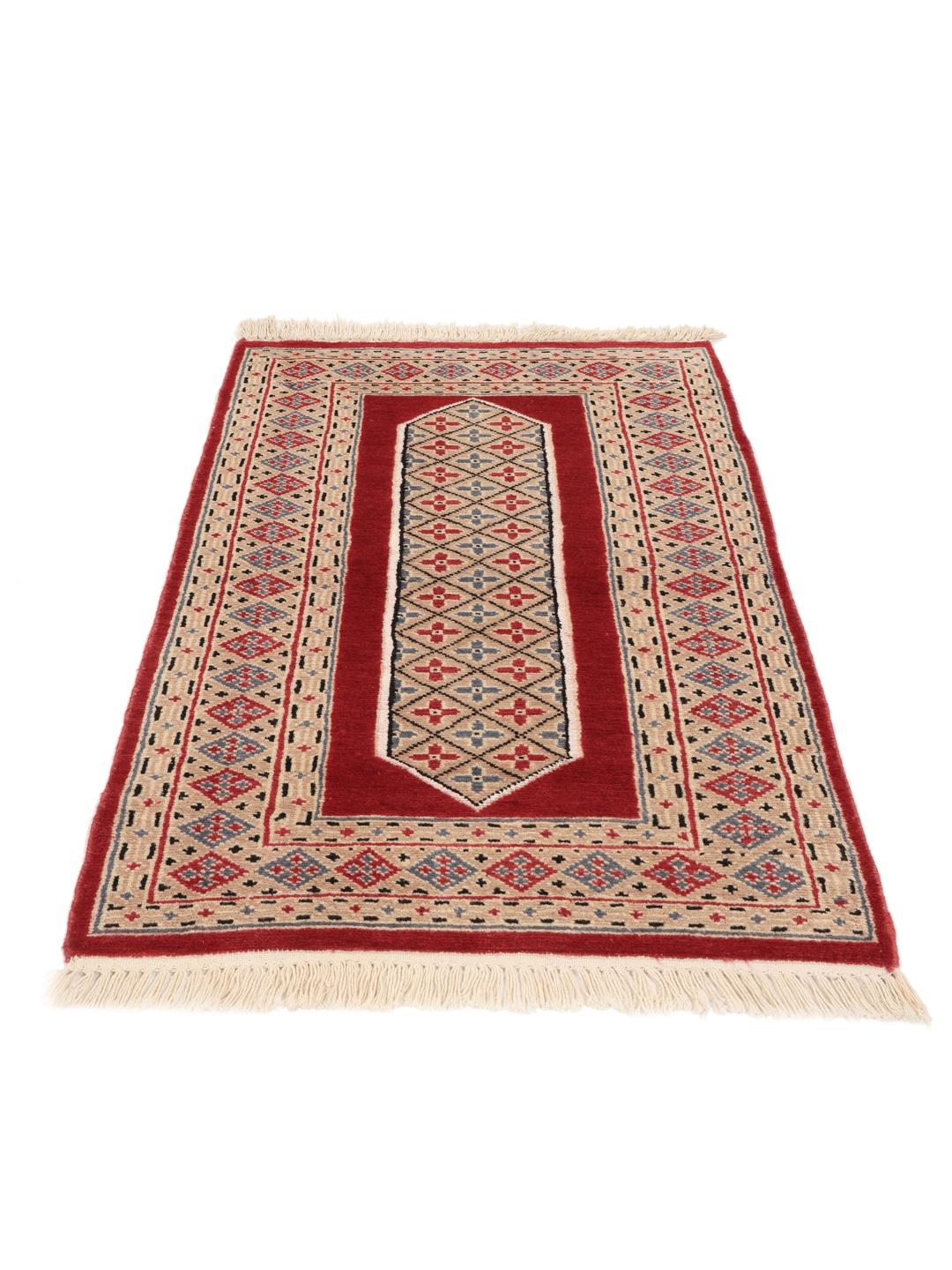
Bokhara rugs take their name from the ancient Silk Road city of Bukhara, which served as a vital trading hub for textiles for centuries. While the original designs were developed by nomadic tribes in Central Asia, the finest examples of this style are now produced in Pakistan, where the tradition has been preserved and refined over generations.
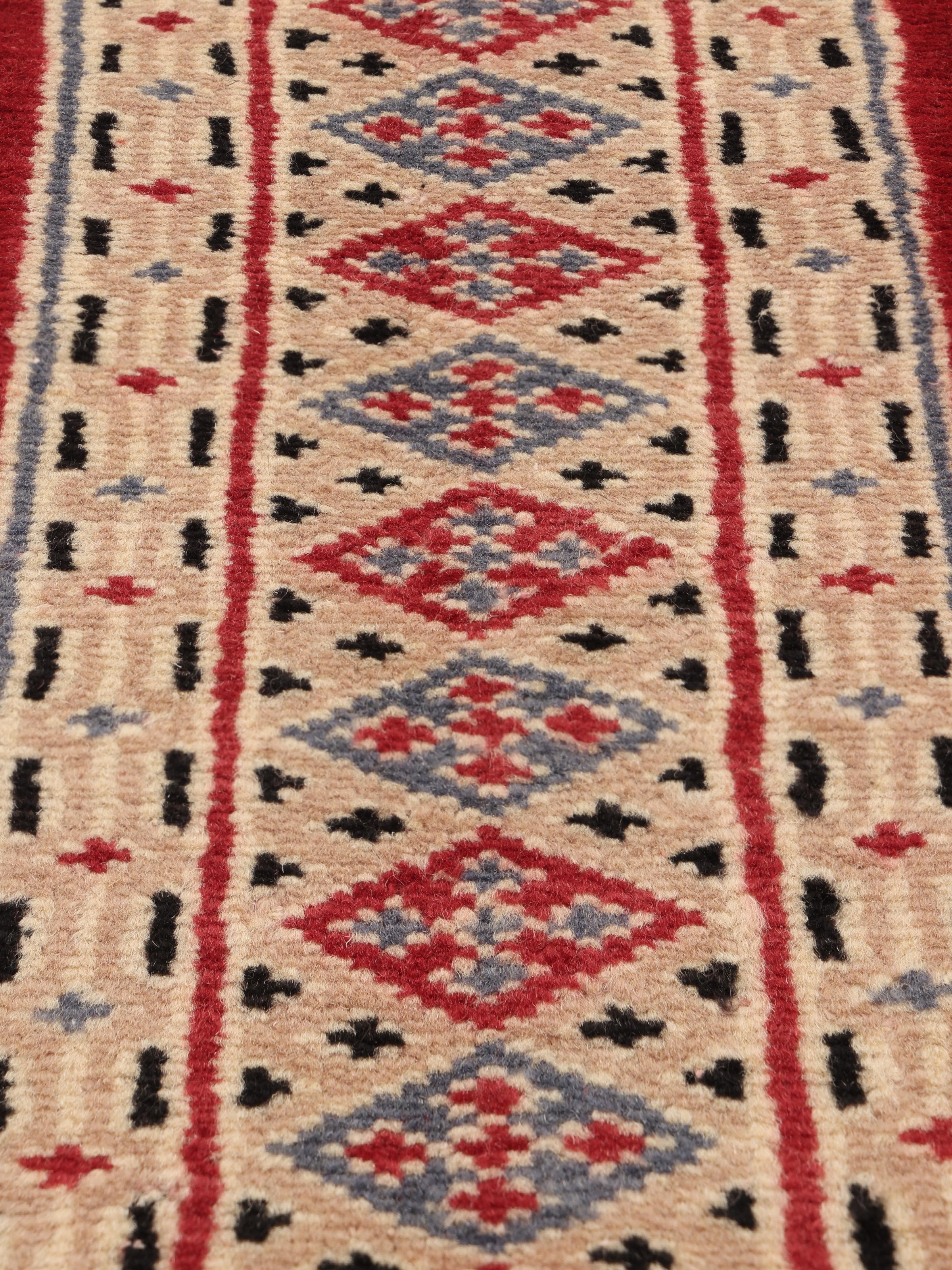
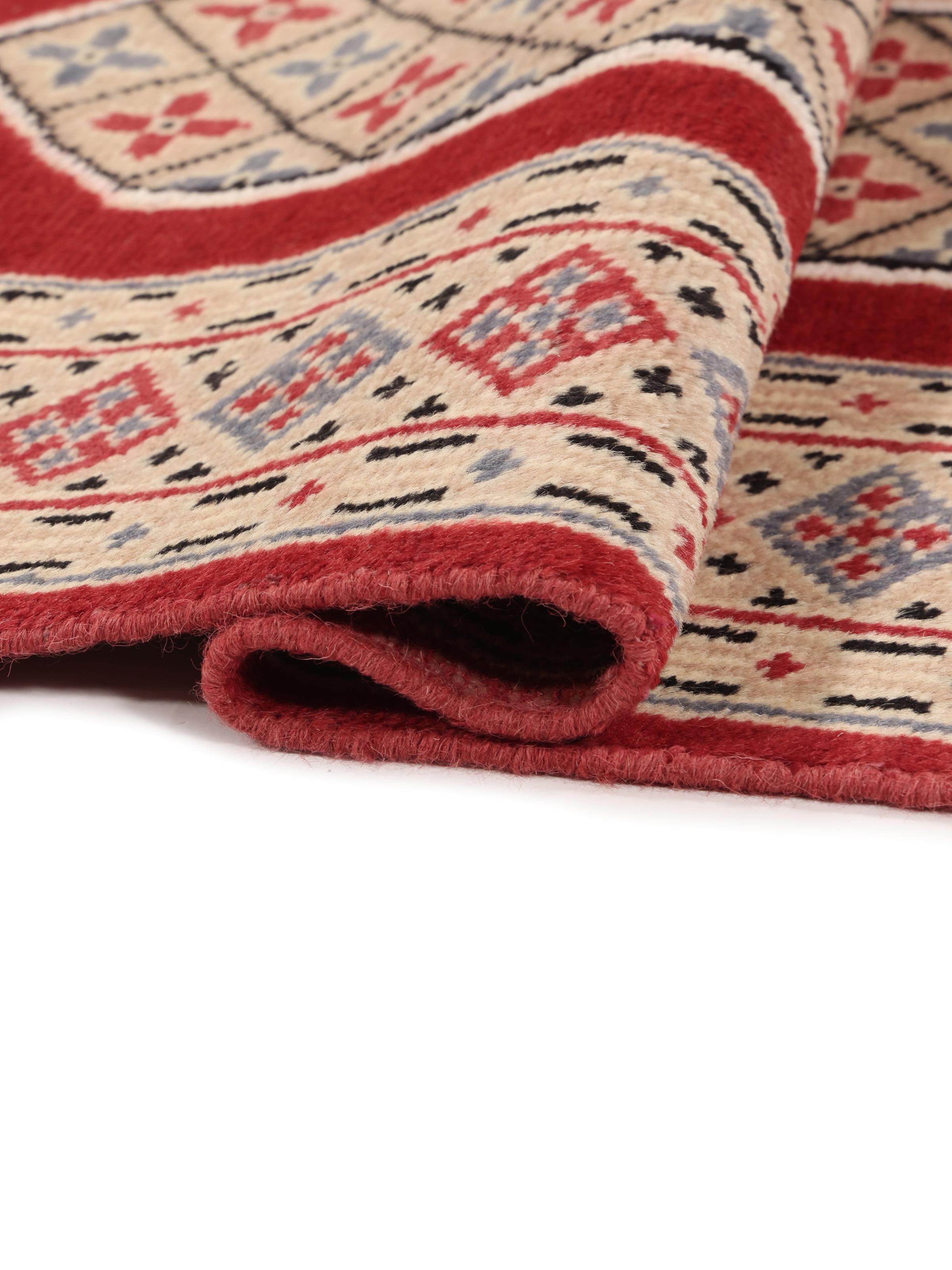
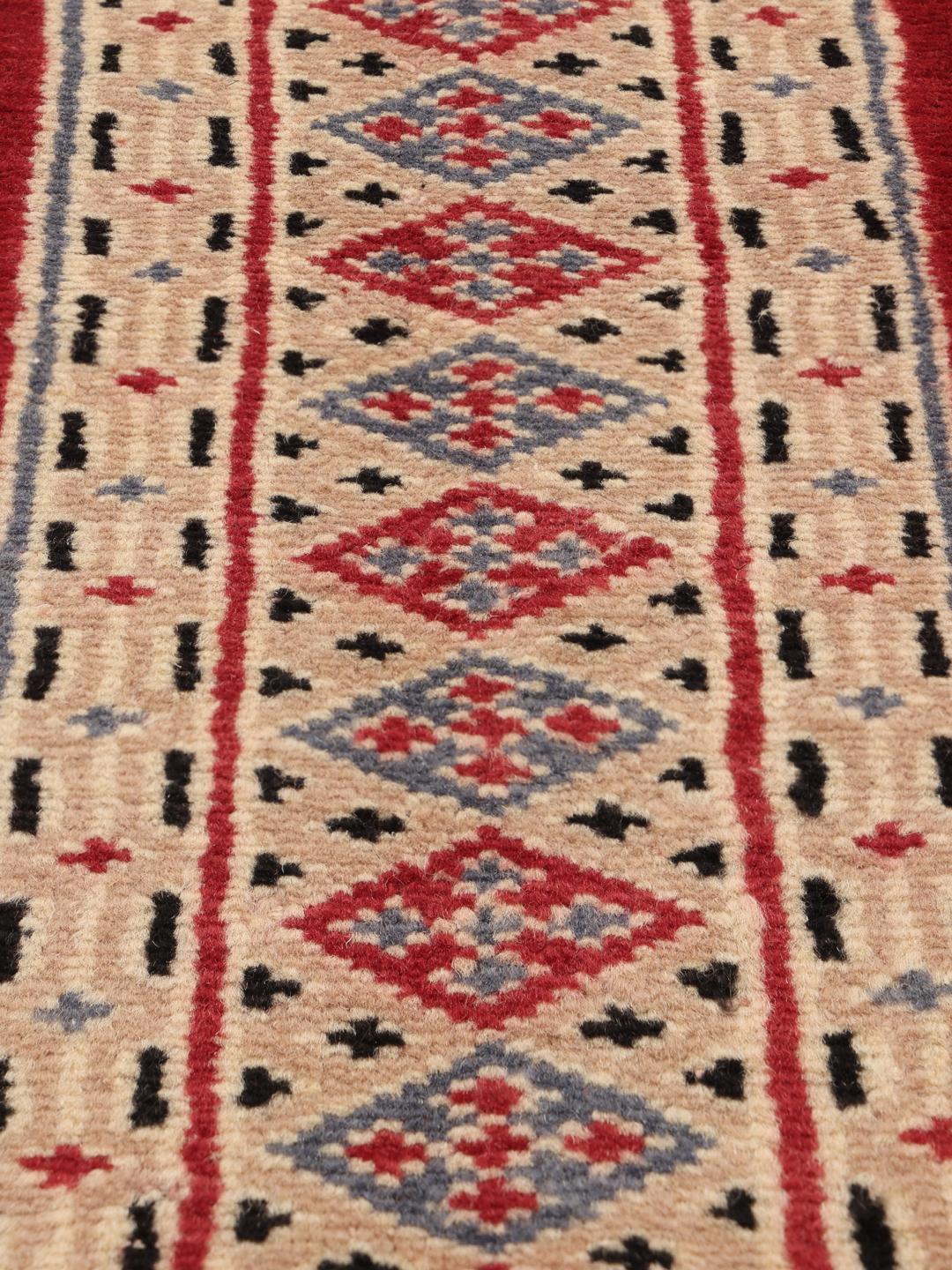
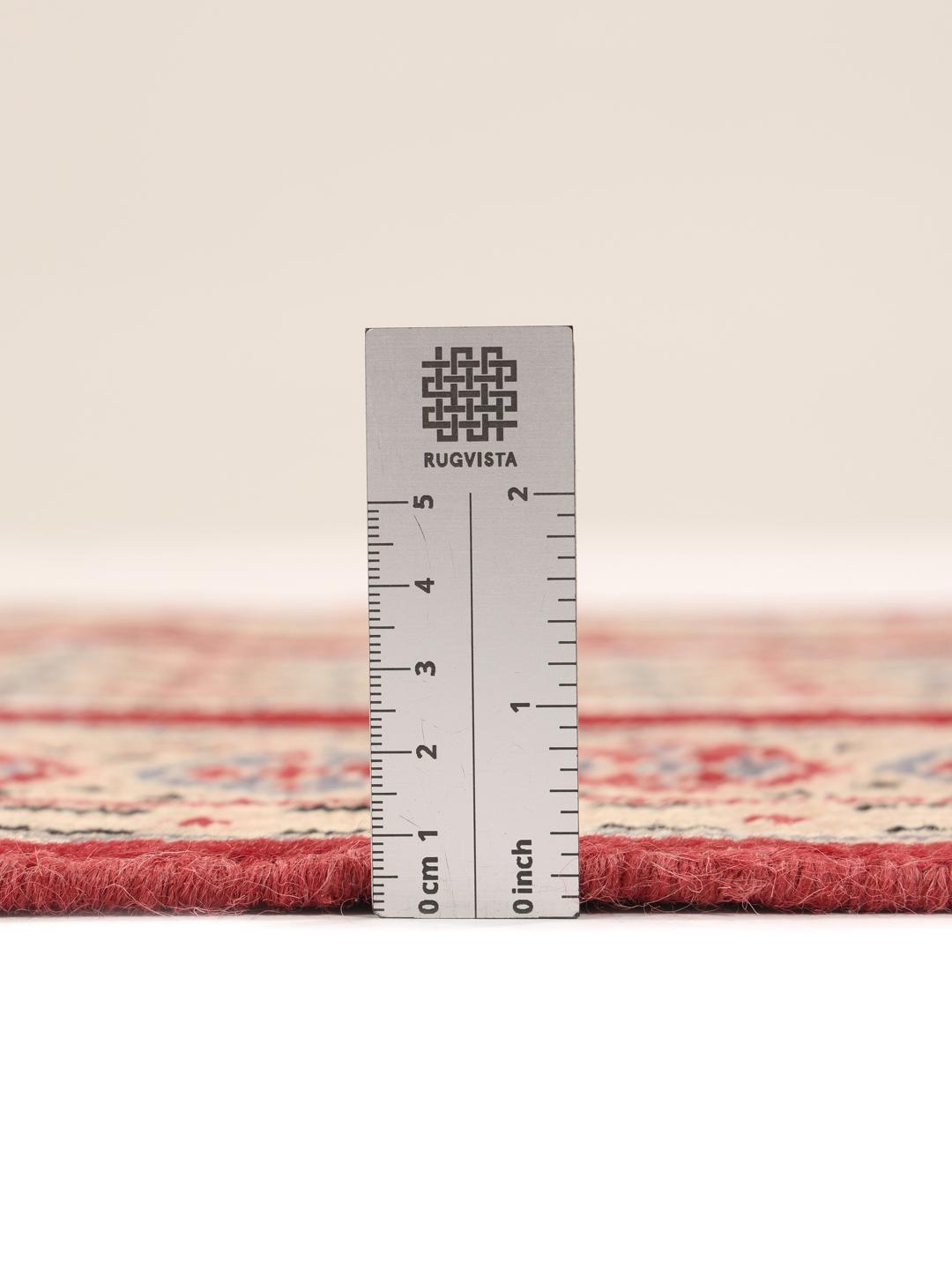
The 2ply designation refers to a specific technique where the wool pile is created using two strands of yarn twisted together. This method creates a significantly denser, more lustrous, and more resilient pile than a single-ply alternative, ensuring the rug remains a soft and durable feature in your home for years to come.
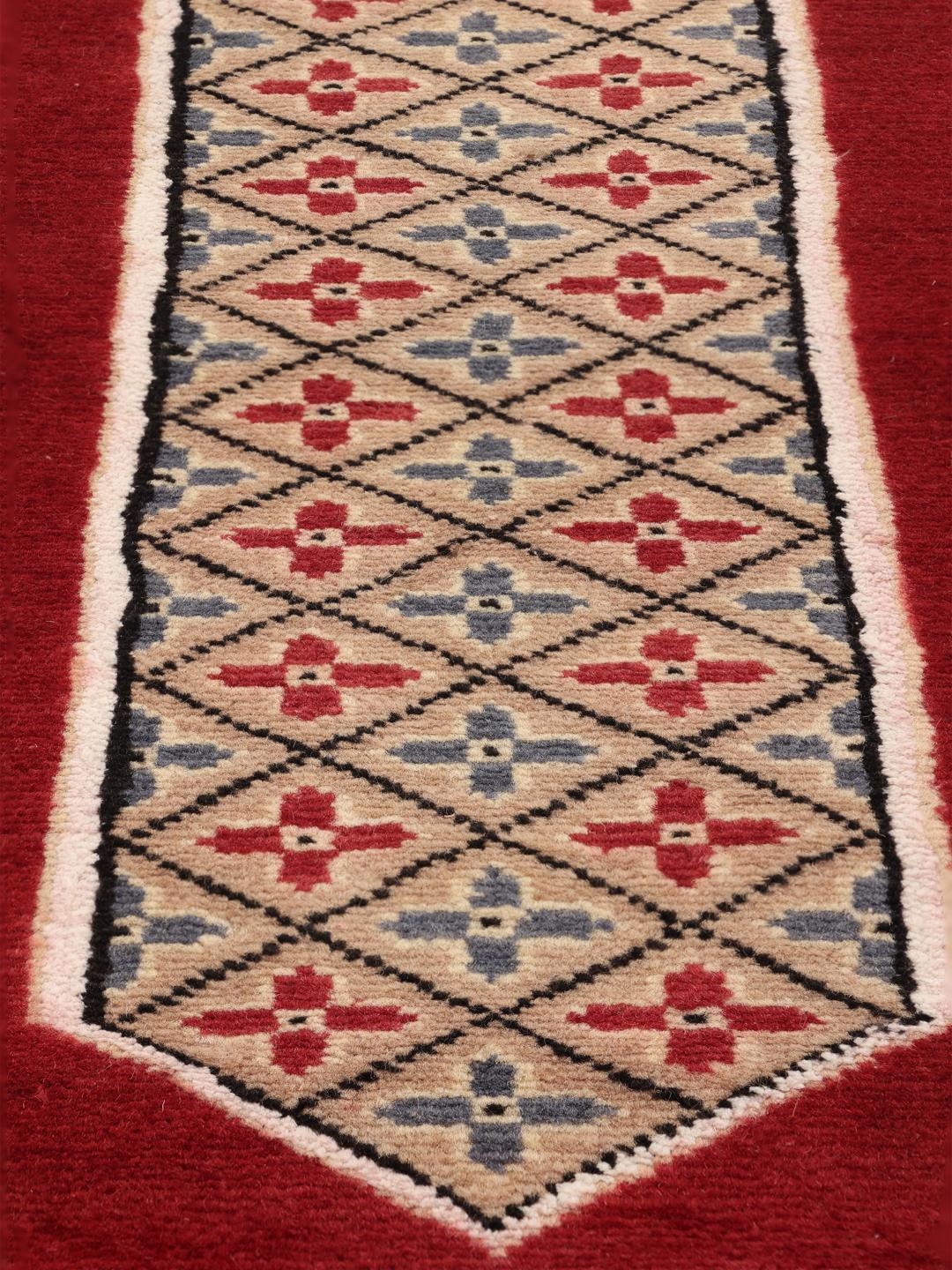
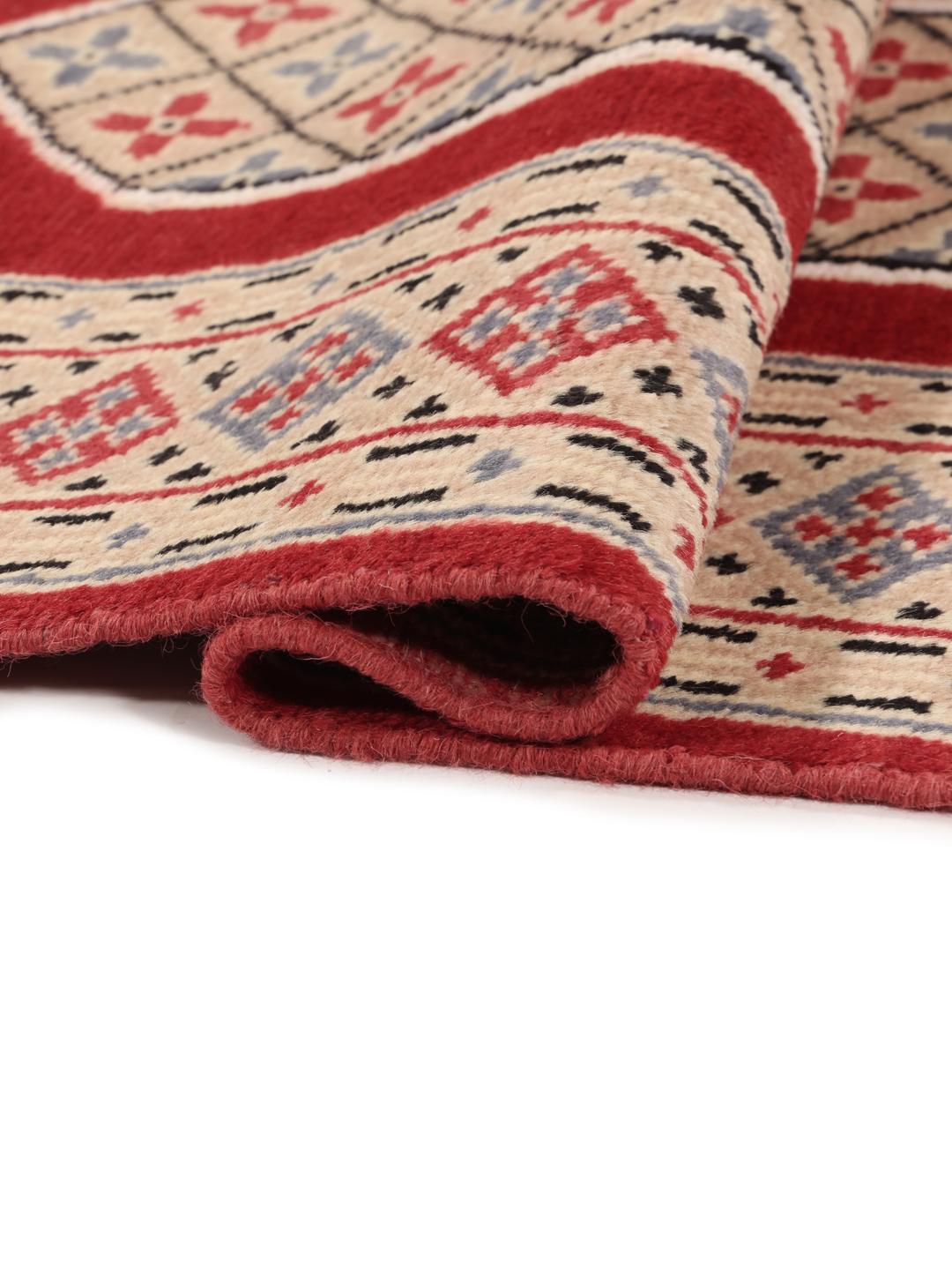
Visually, these rugs are defined by their elegant geometric language. The field is typically adorned with repeating gul motifs, which are stylized, octagonal shapes often compared to elephant footprints. These are framed by intricate, formal borders that provide a sense of structure and balance to the overall design.
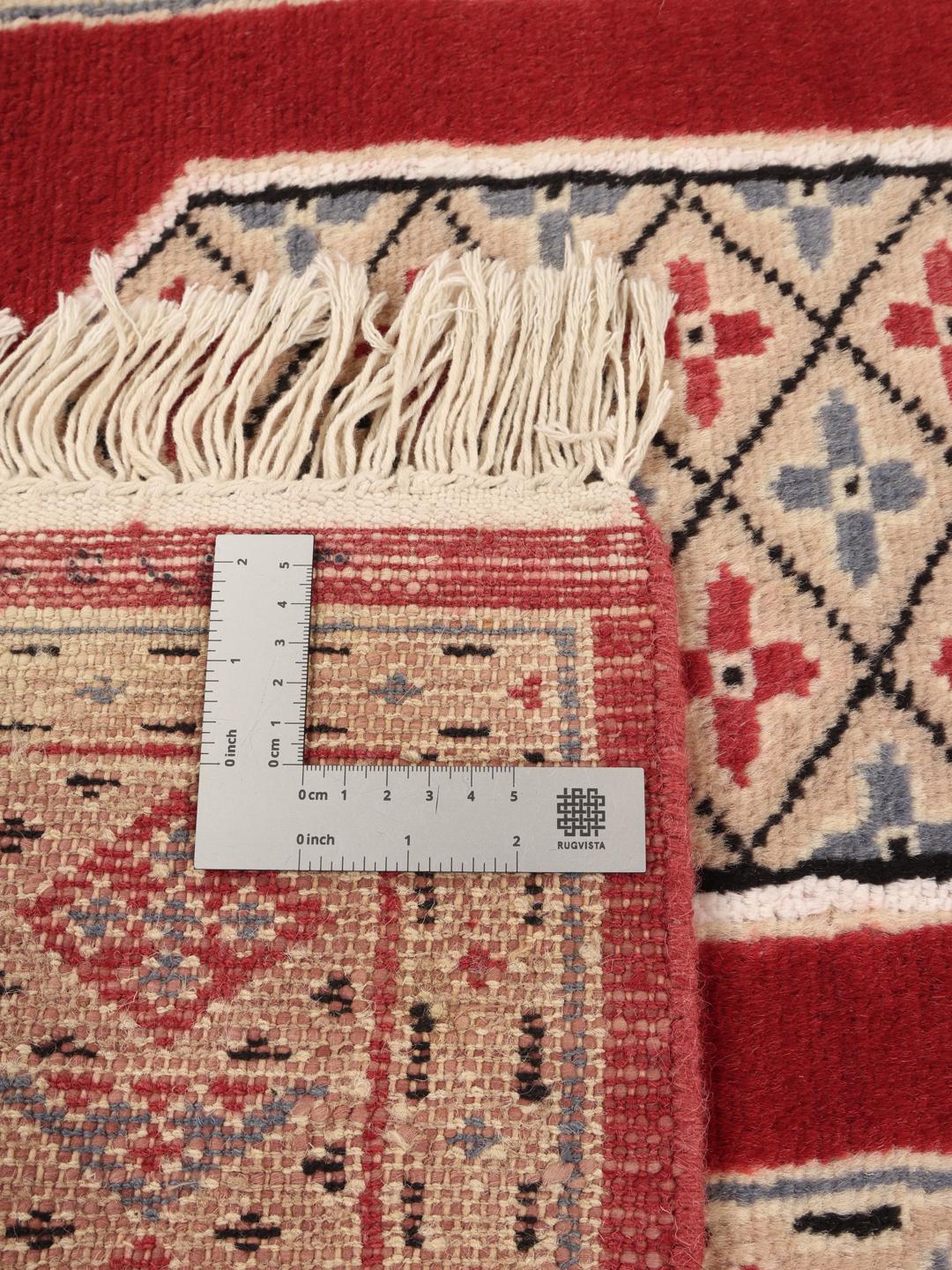
Owning a hand-knotted rug from this tradition is an investment in cultural history. These pieces are highly valued by collectors not only for their aesthetic appeal but for the immense skill required to execute such complex, repeating patterns by hand without the use of modern machinery.