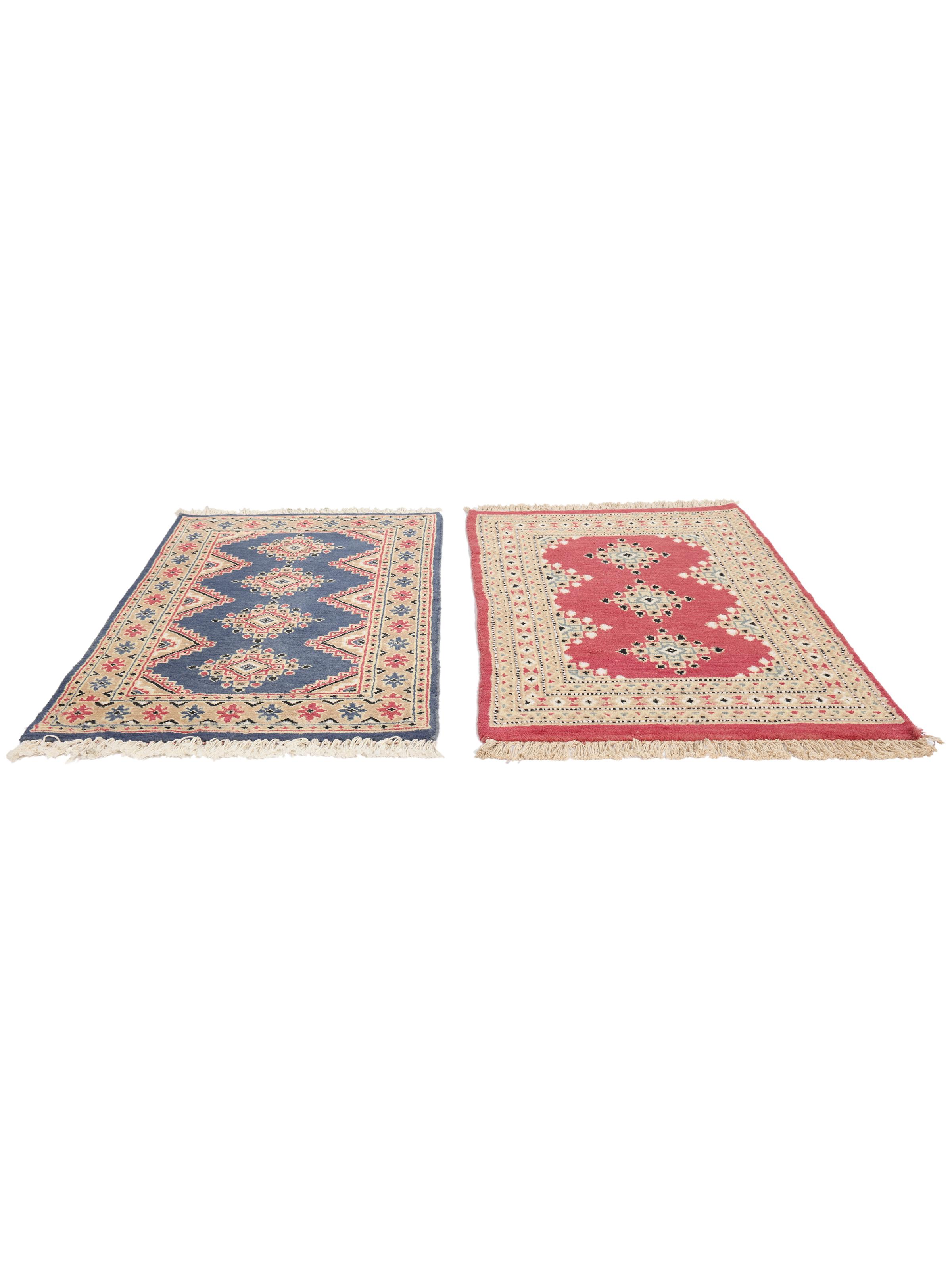
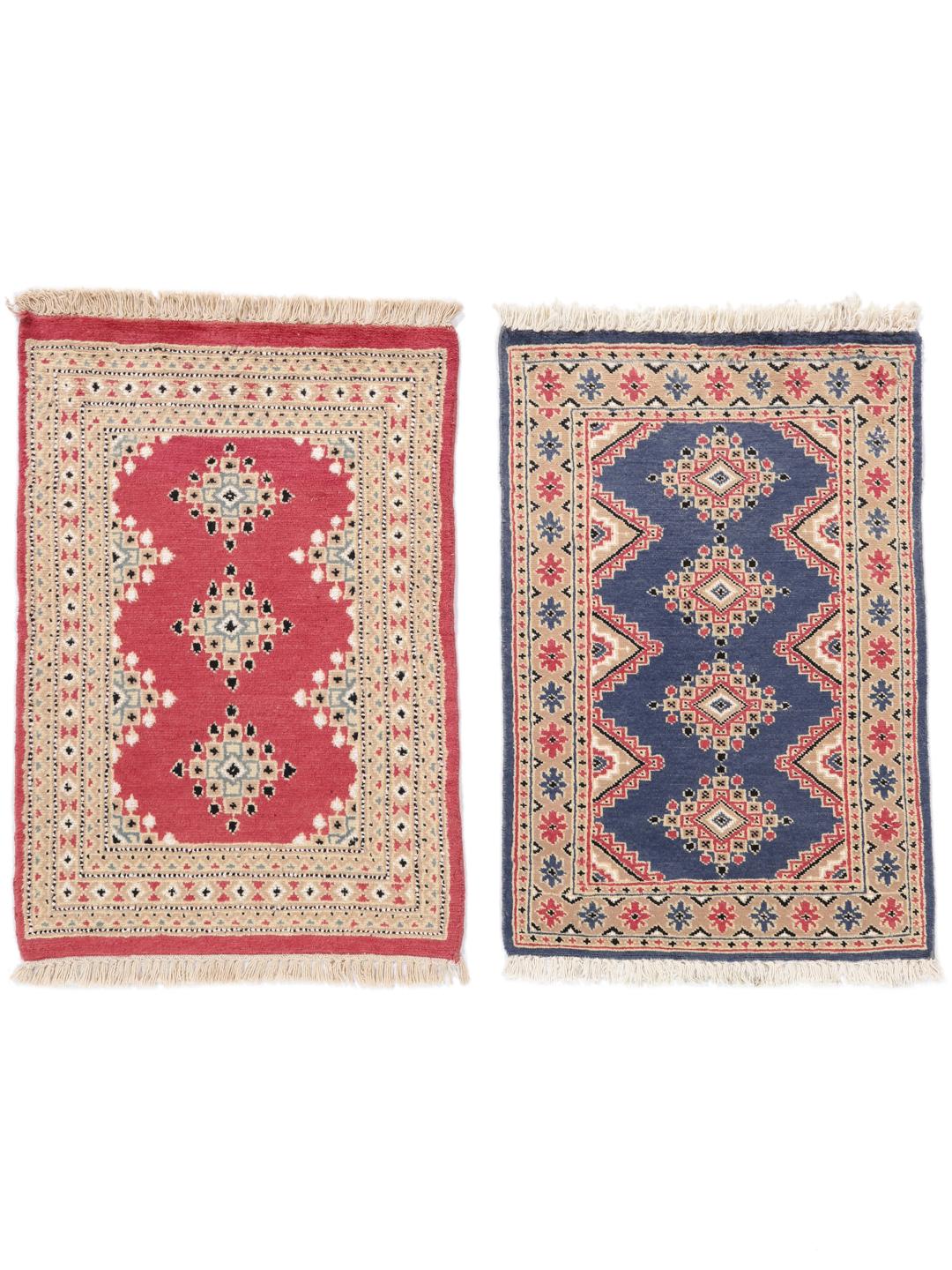
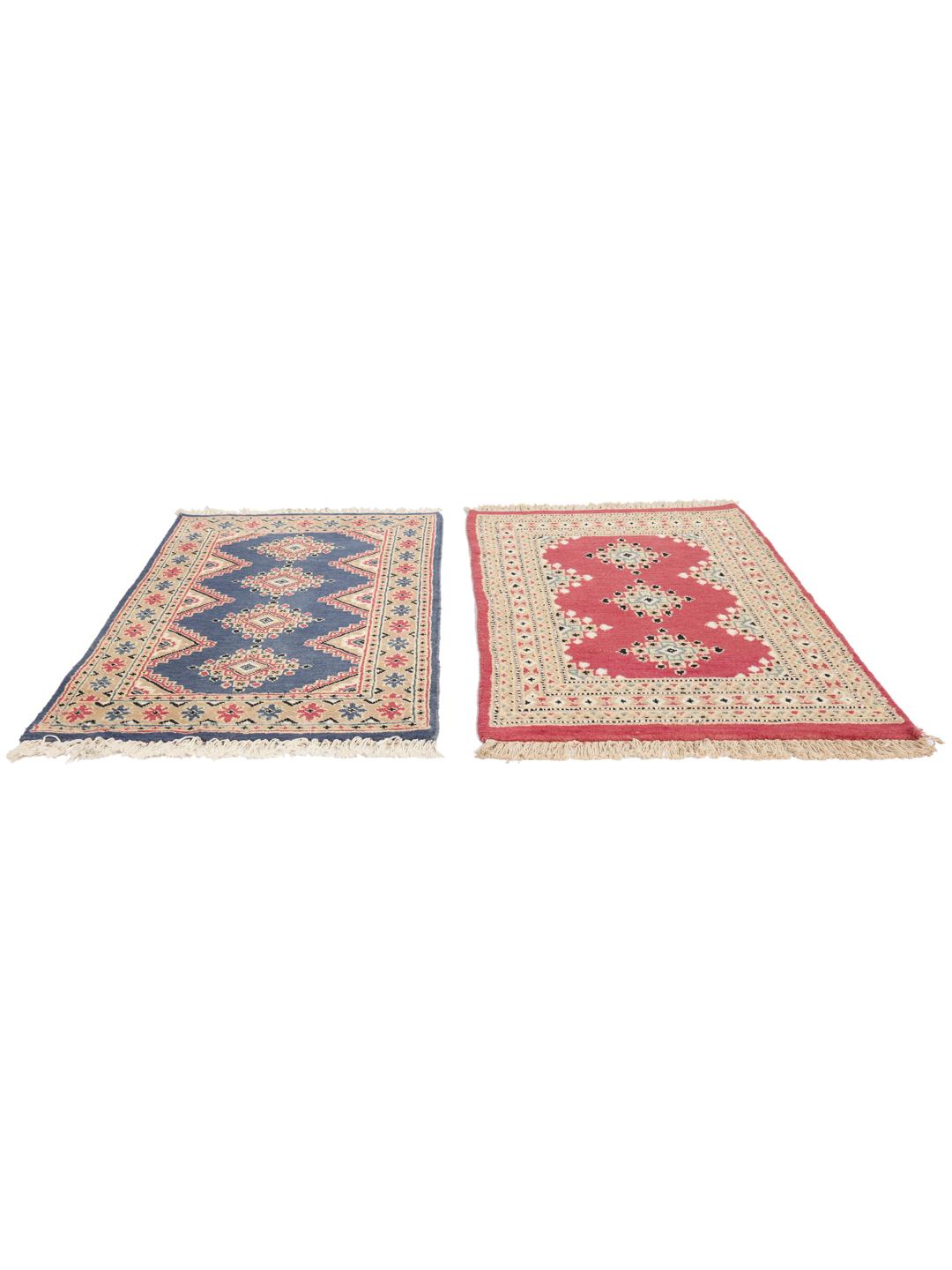
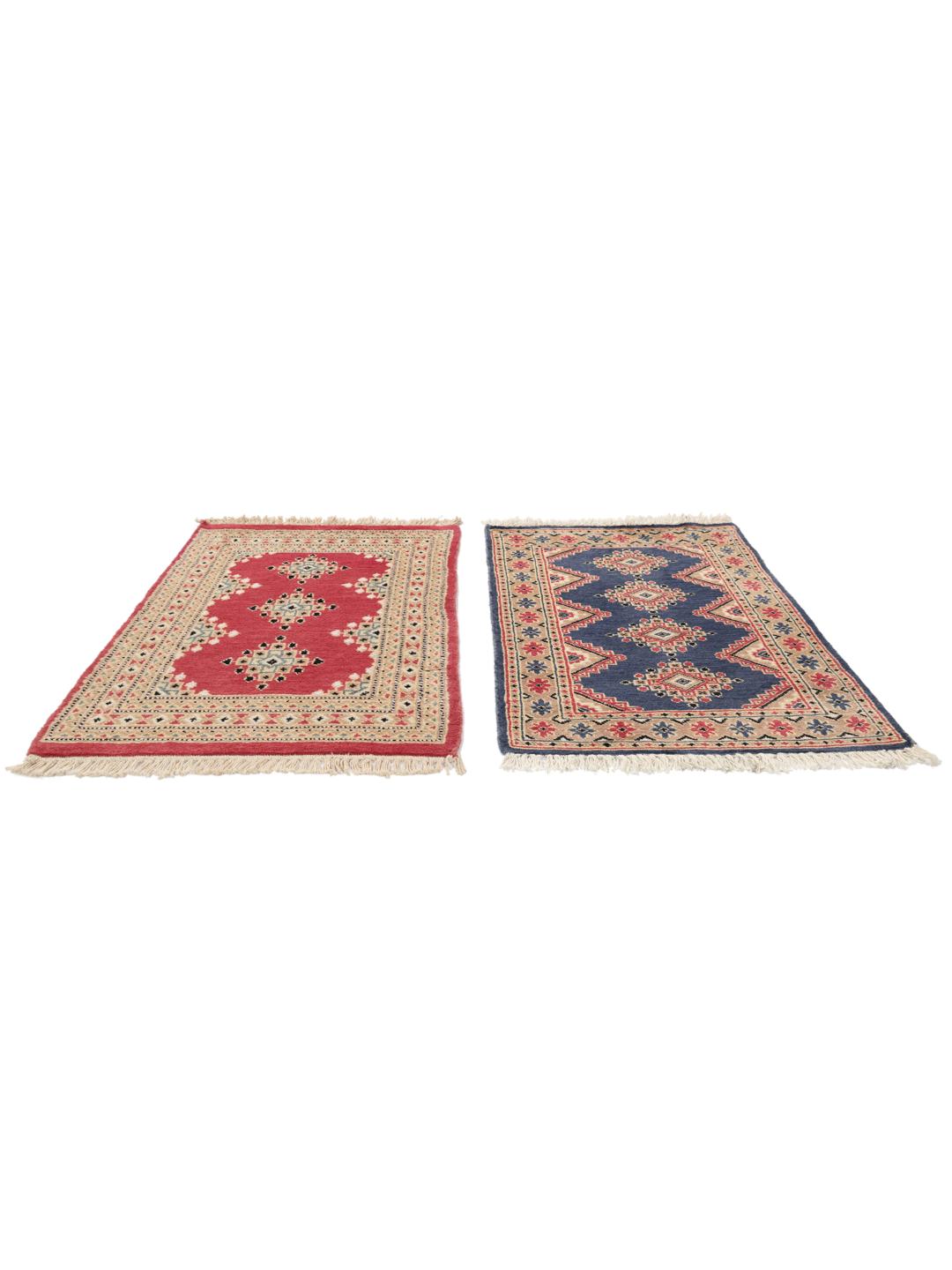
Bokhara rugs are deeply rooted in the traditions of Central Asia, taking their name from the ancient Silk Road city of Bukhara, which served as a historic hub for trade and textile artistry. Over generations, the techniques and styles associated with these rugs migrated and evolved, with Pakistan becoming a world-renowned centre for producing the finest contemporary examples of this tradition.
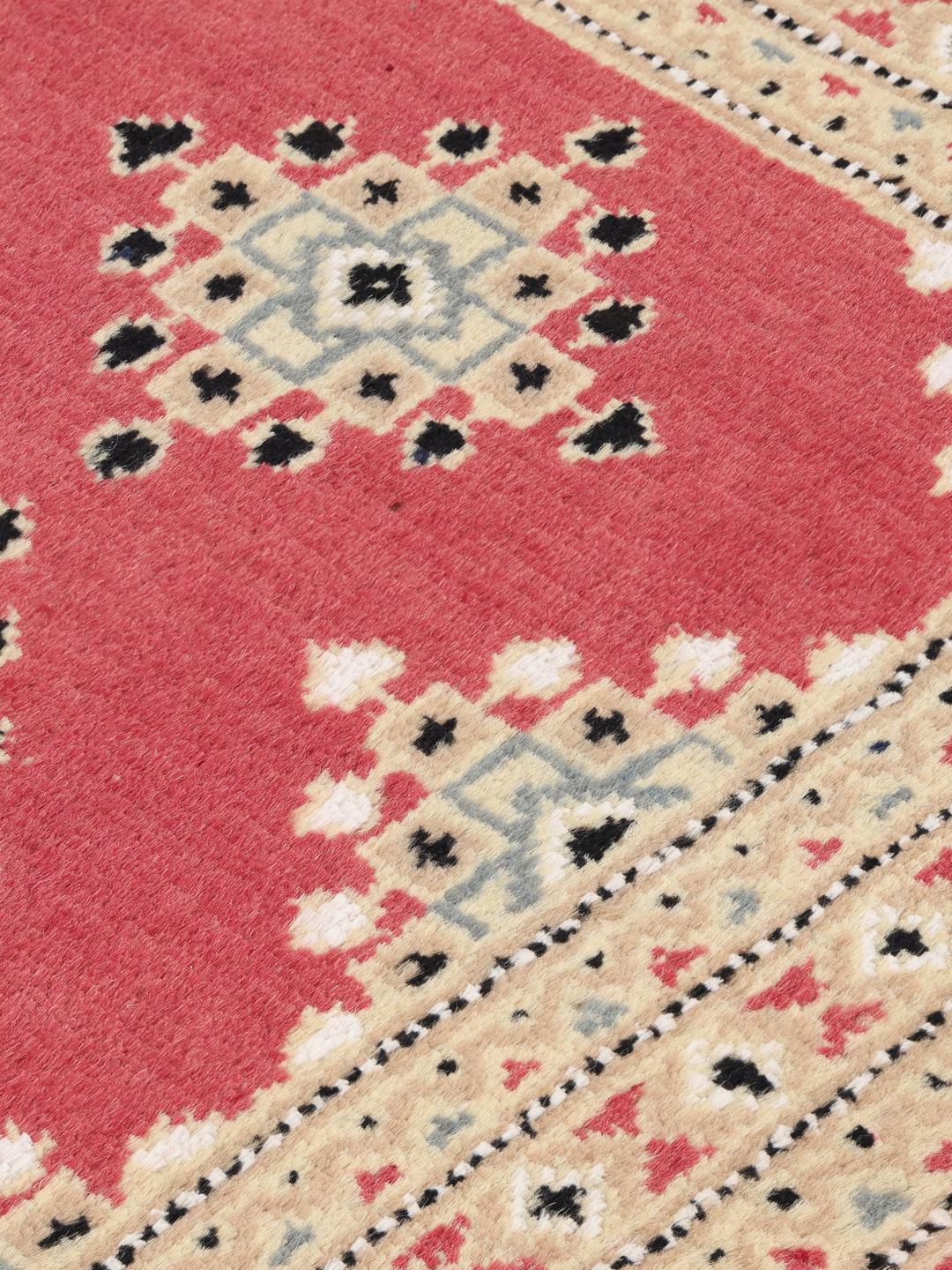
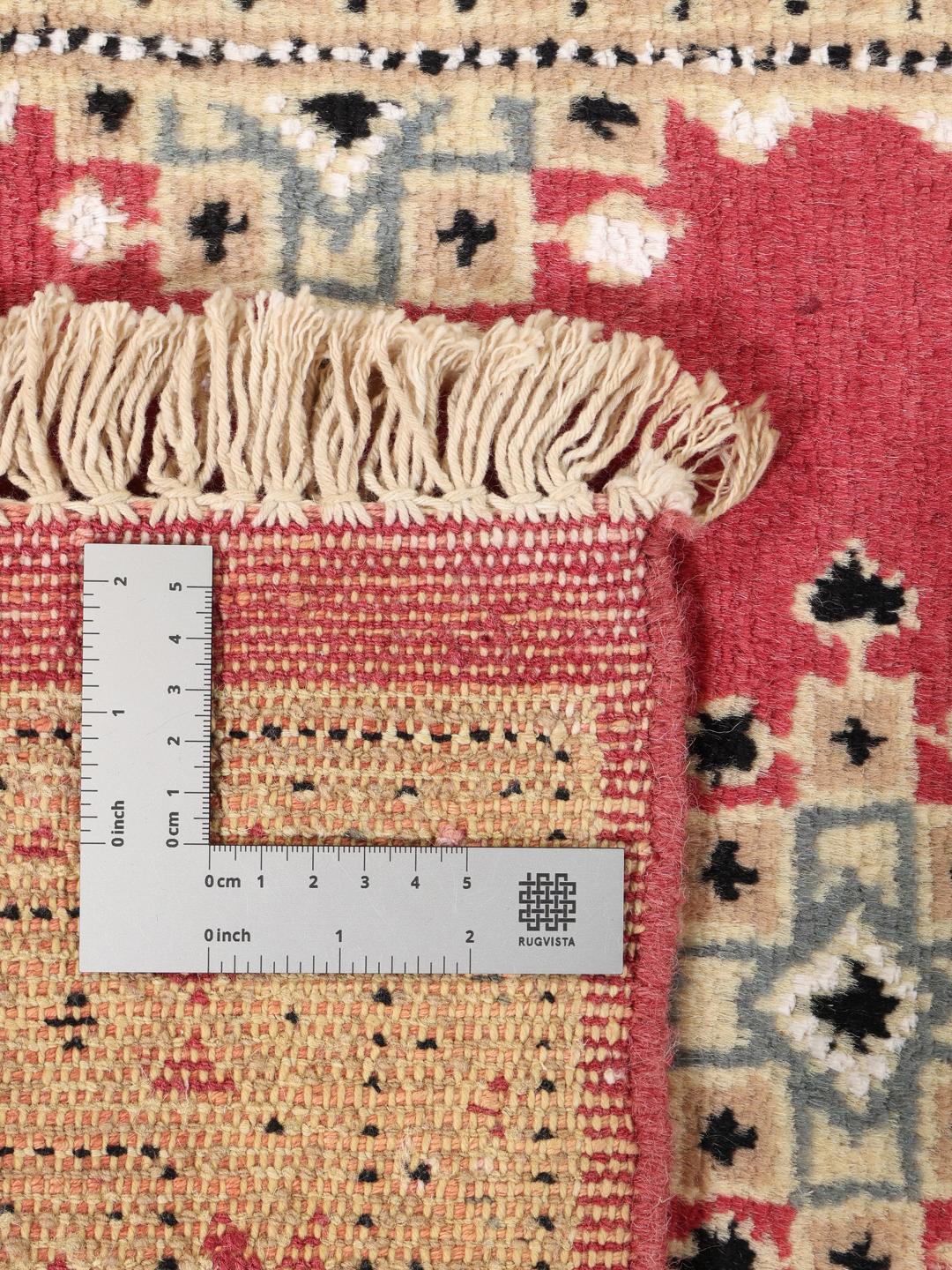
The term 2ply refers to the specific way the wool is prepared before weaving. By twisting two strands of wool together, the artisan creates a yarn that is significantly stronger, more lustrous, and better able to withstand the pressures of daily use. This technical choice is essential to the longevity of the rug and is a hallmark of the high standards found in Pakistani rug-making.
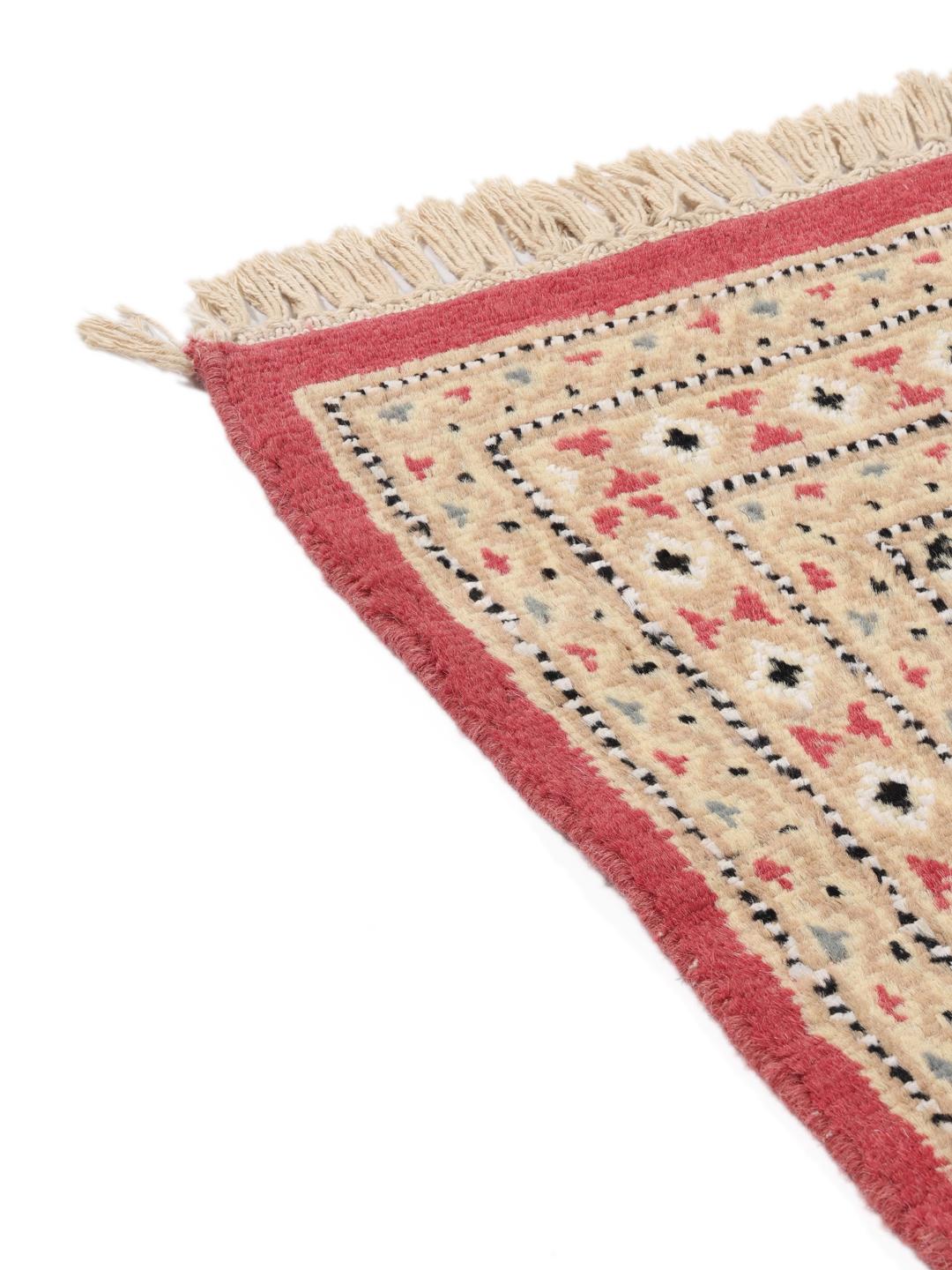
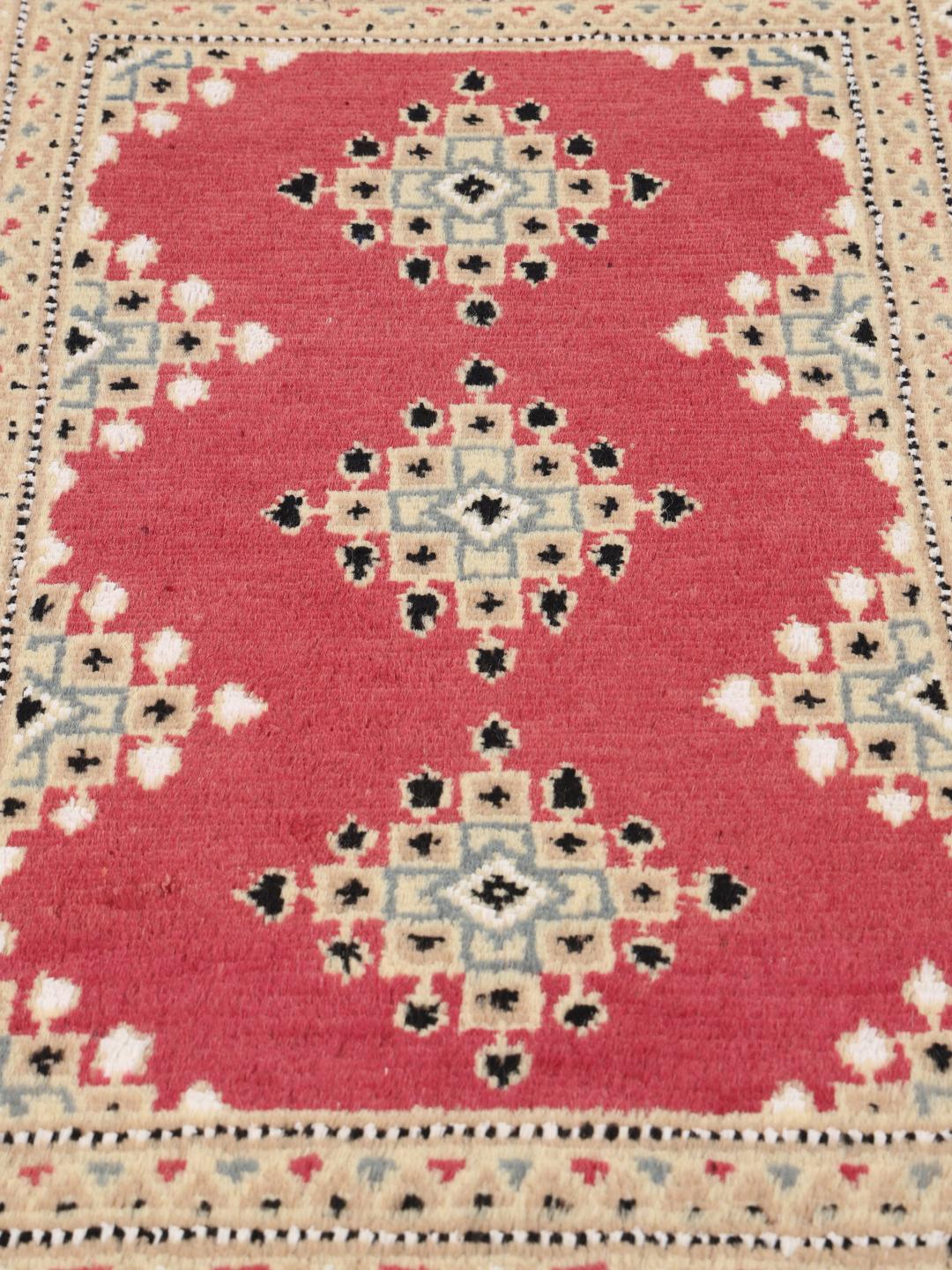
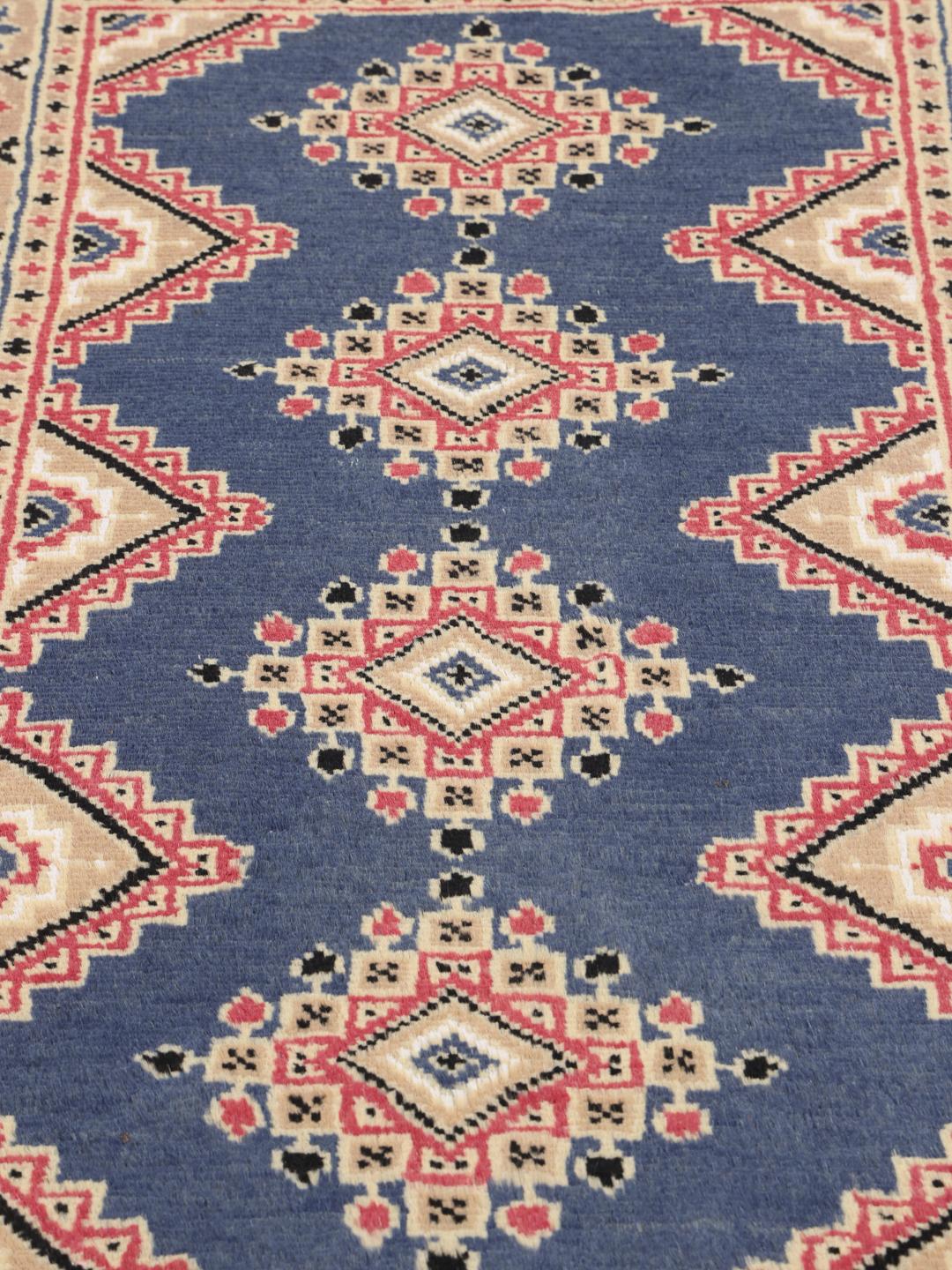
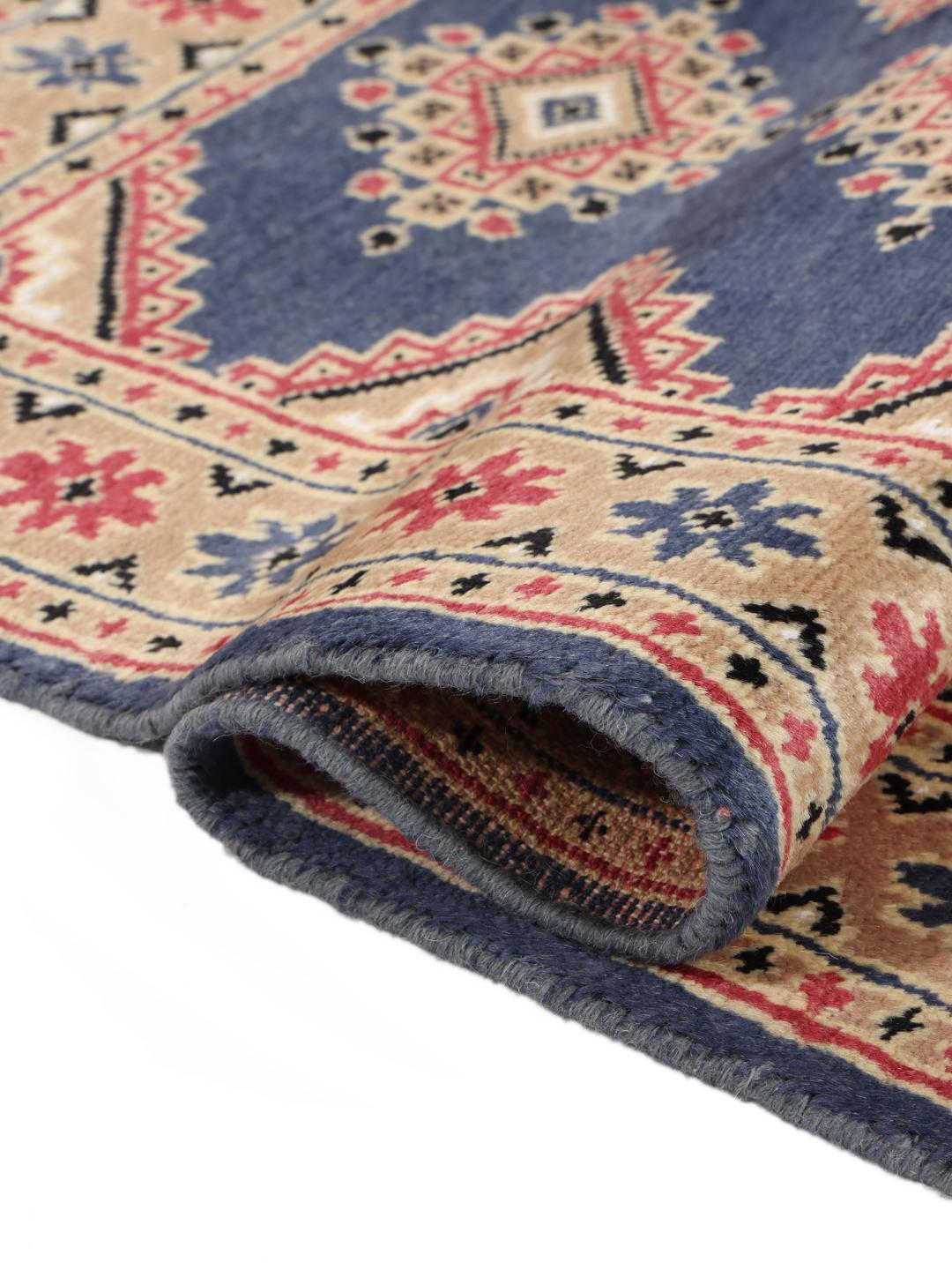
Visually, these rugs are defined by their rhythmic field of repeating gul motifs, which are stylised, octagonal medallions often described as elephant-foot prints. These are typically organised in clean, symmetrical rows and framed by intricate, multi-layered geometric borders that provide a sense of balance and order to the overall composition.
Owning a hand-knotted rug from this tradition is about more than just decor. It represents a connection to a long-standing heritage of skill and cultural expression. Collectors and home-owners alike value these pieces for their ability to bring a sense of history and human dedication into a modern home, ensuring that the art of the weaver continues to be appreciated for generations.