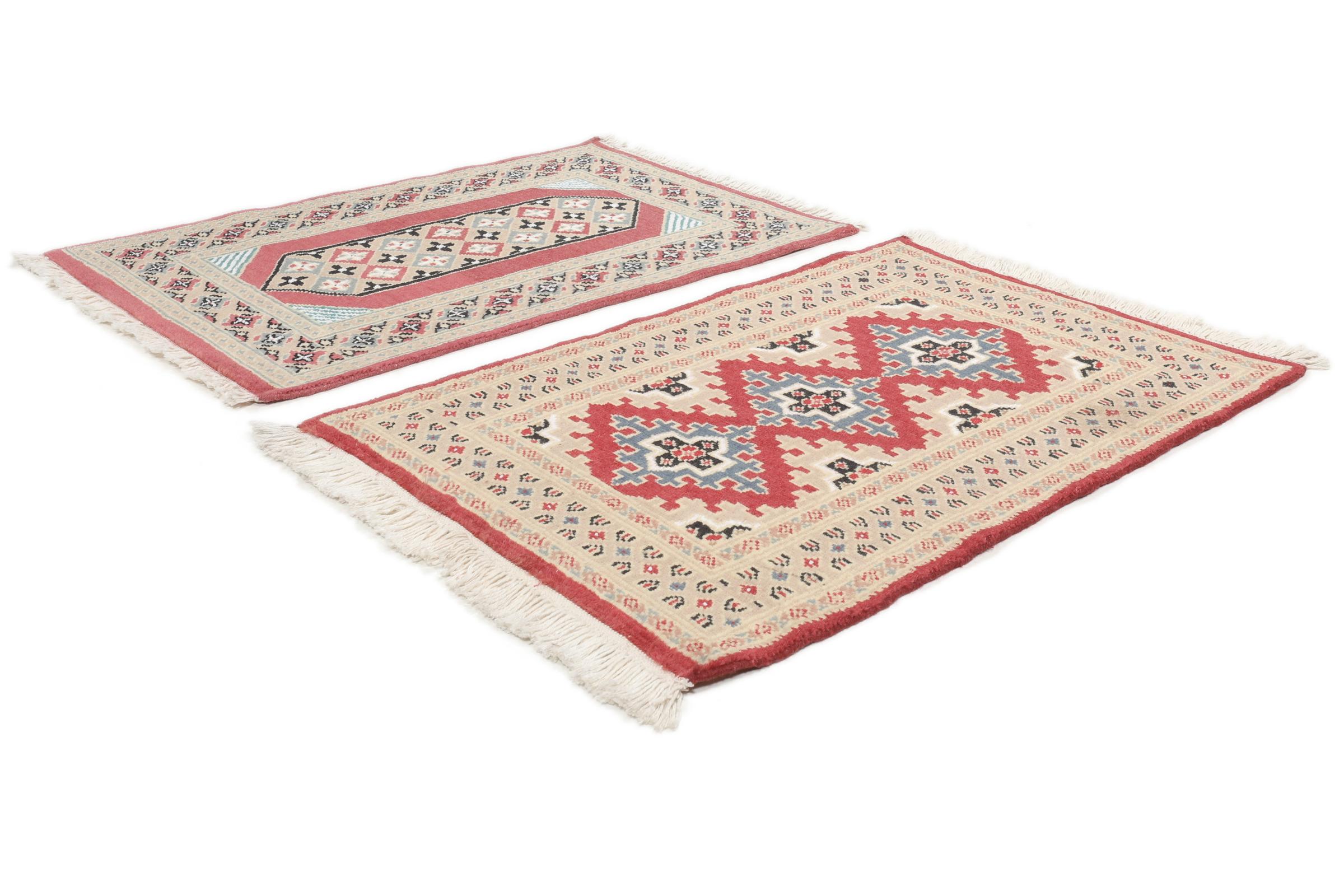
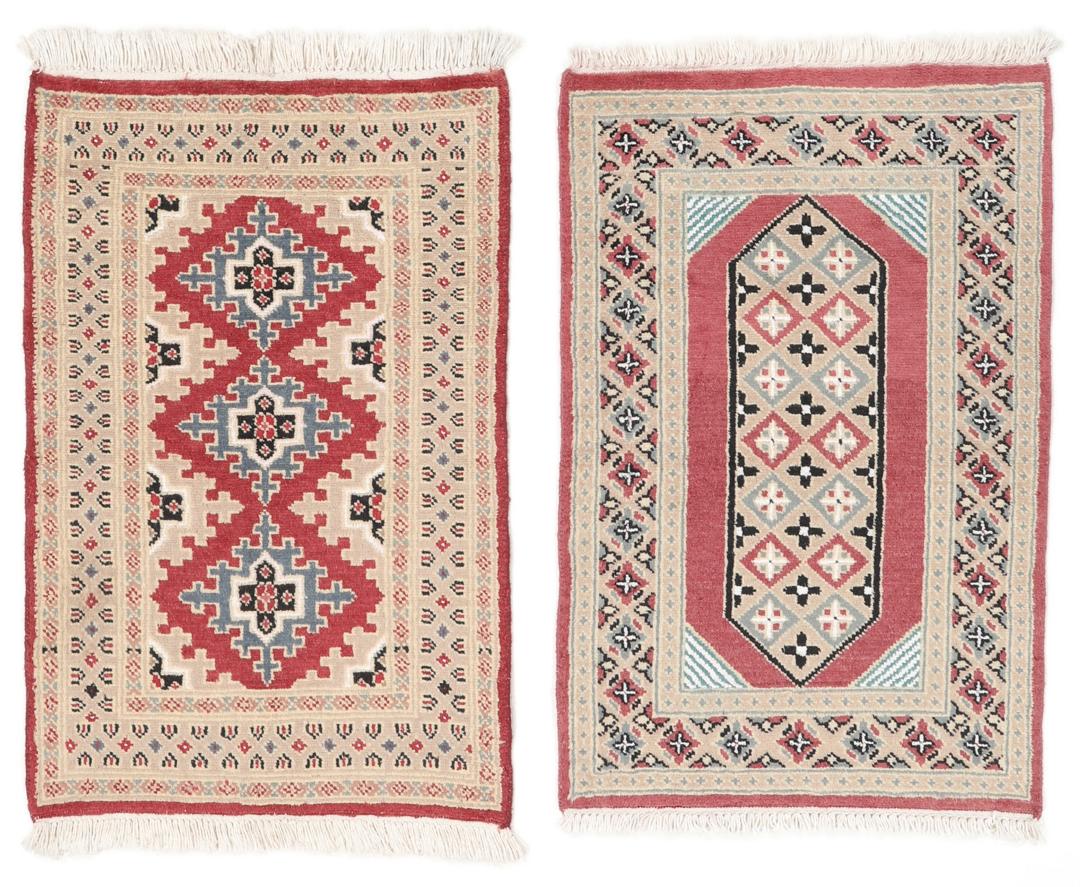
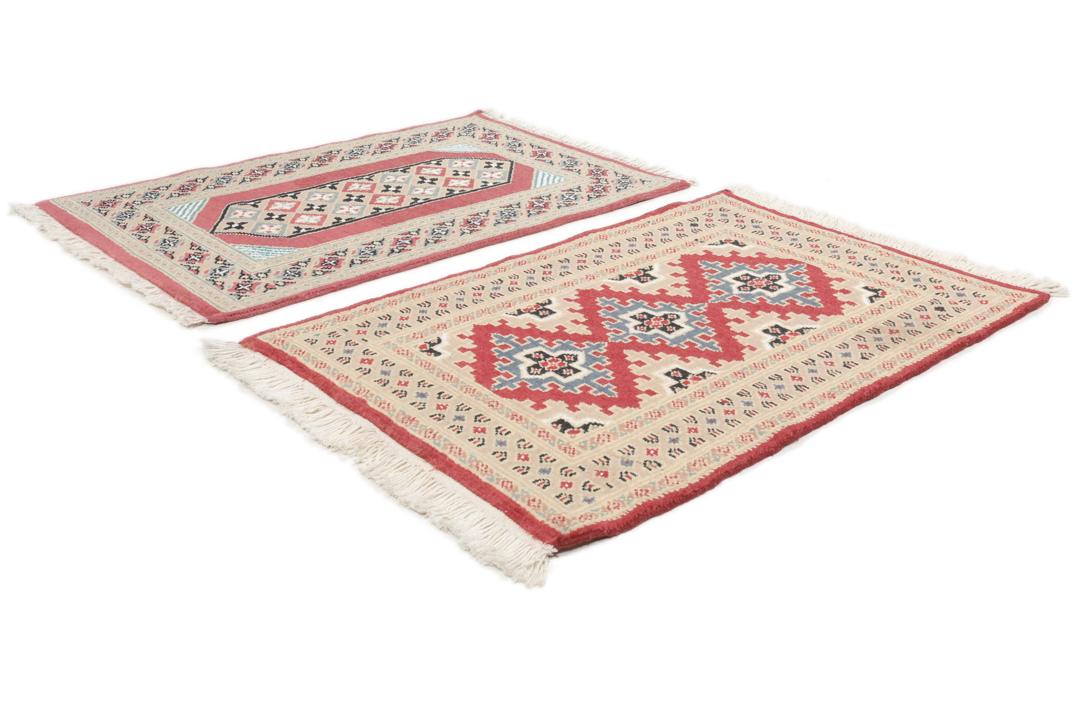
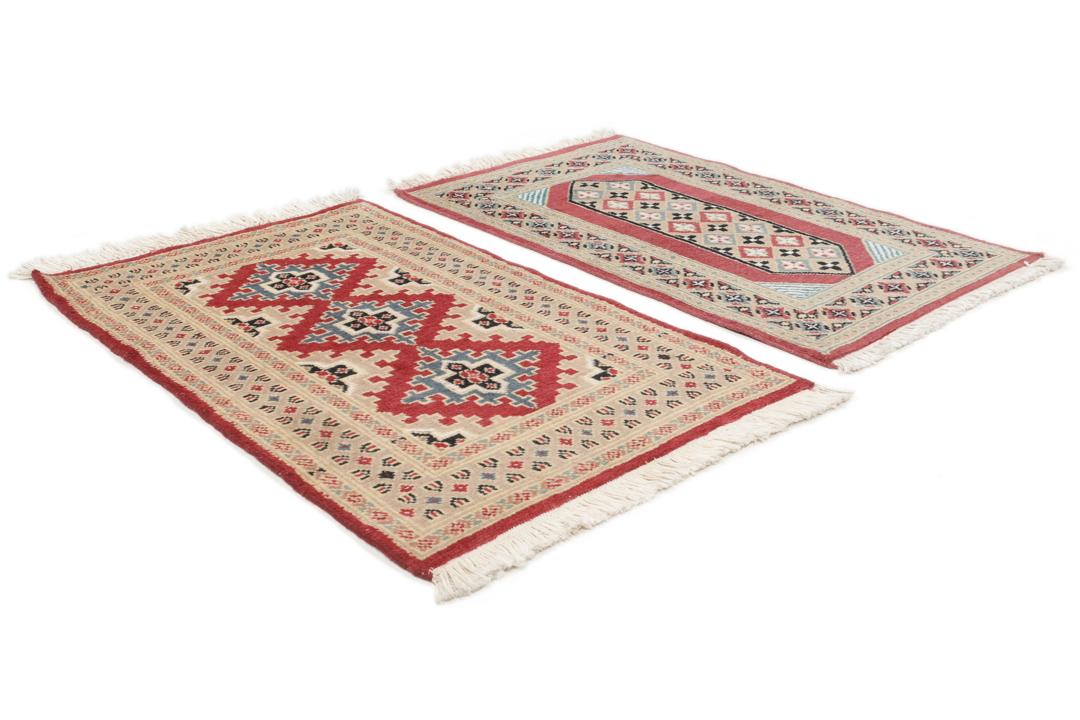
The Bokhara rug tradition is deeply rooted in the history of Central Asia, taking its name from the legendary Silk Road city of Bukhara. While these rugs have their origins in nomadic weaving traditions, the finest examples today are crafted in Pakistan, where artisans have elevated the style to new heights of precision and consistency. This evolution has allowed the traditional aesthetic to flourish in contemporary homes around the world.
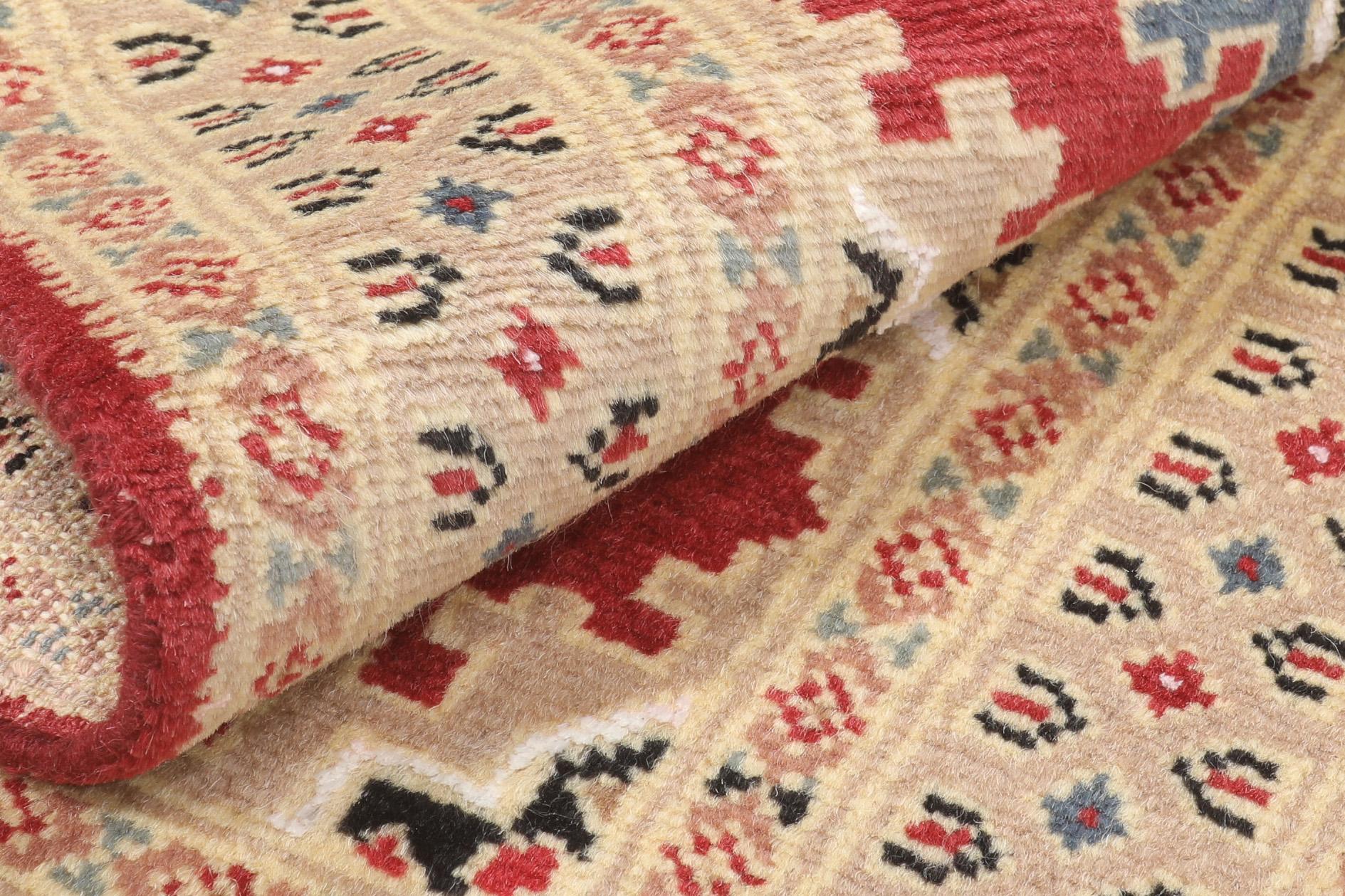
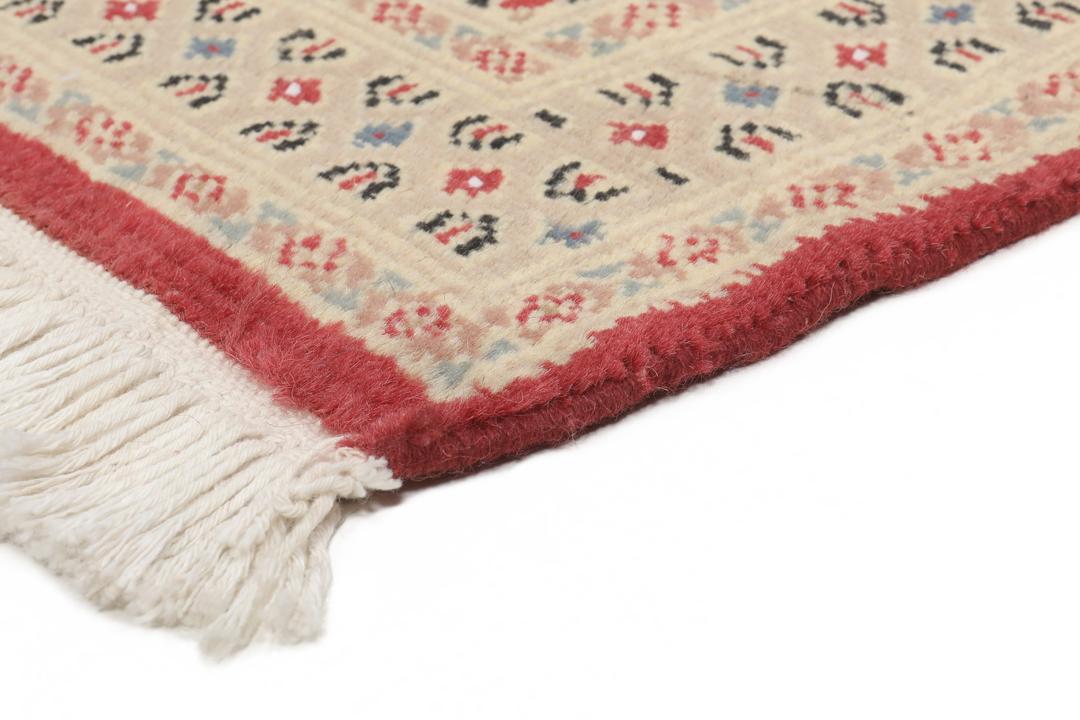
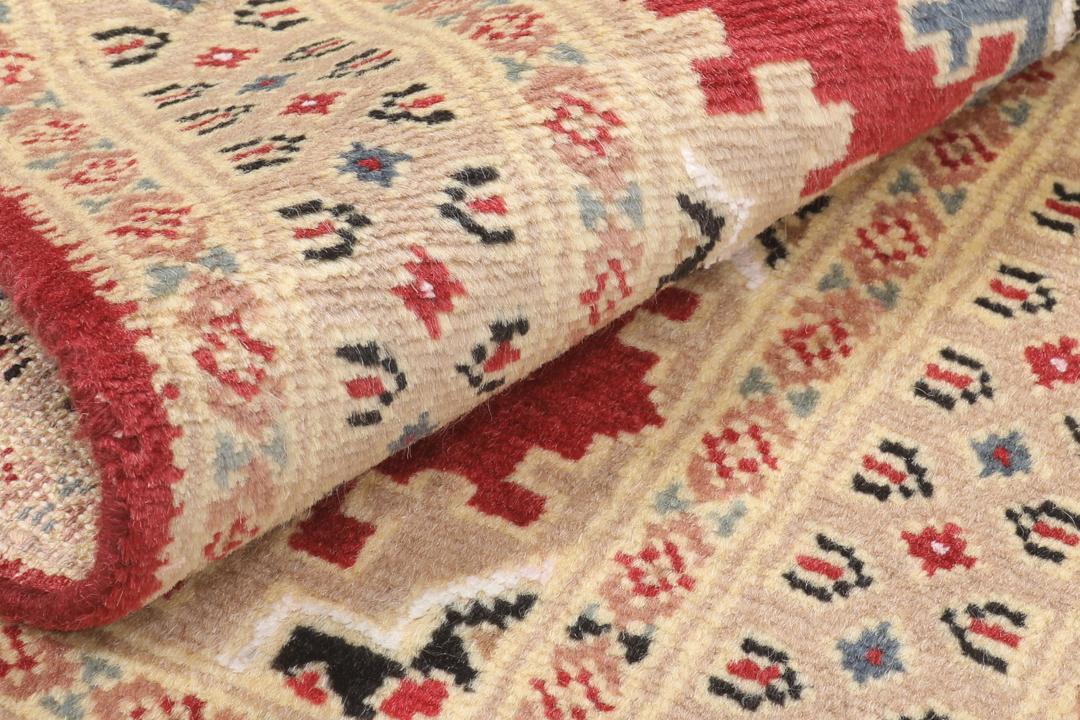
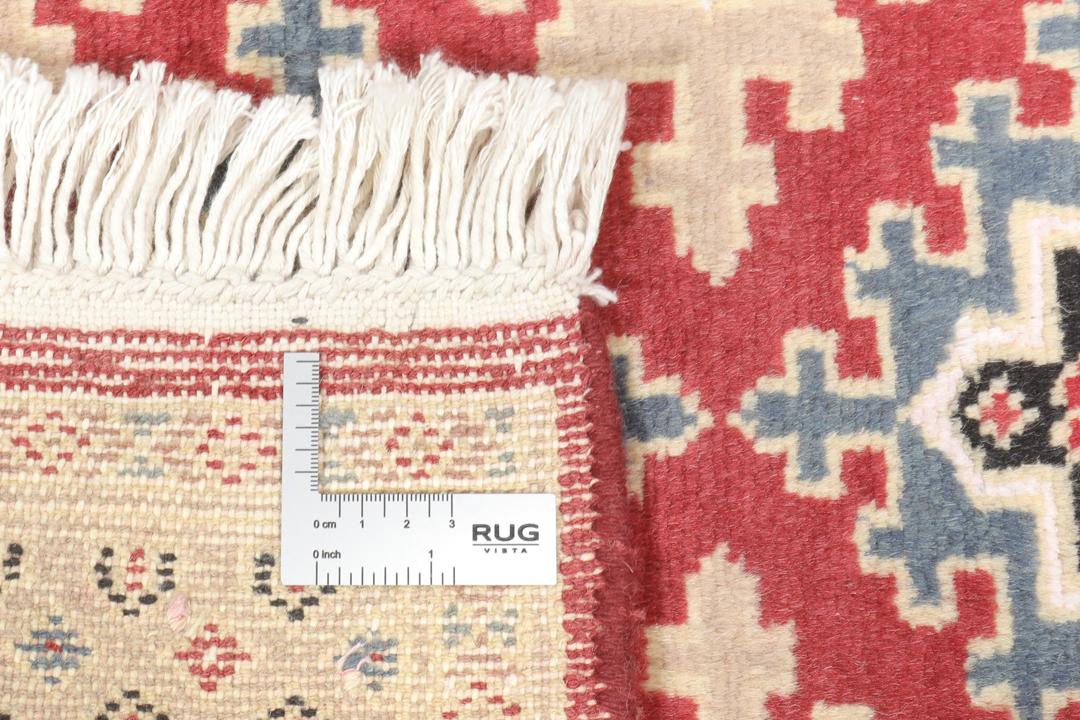
The term 2ply in this rug refers to the practice of twisting two strands of wool together before they are knotted into the foundation. This technique is vital for quality, as it creates a stronger, more resilient pile that is less prone to shedding and wear. It also adds a subtle lustre to the fibres, giving the rug a more vibrant and luxurious appearance that matures beautifully over time.
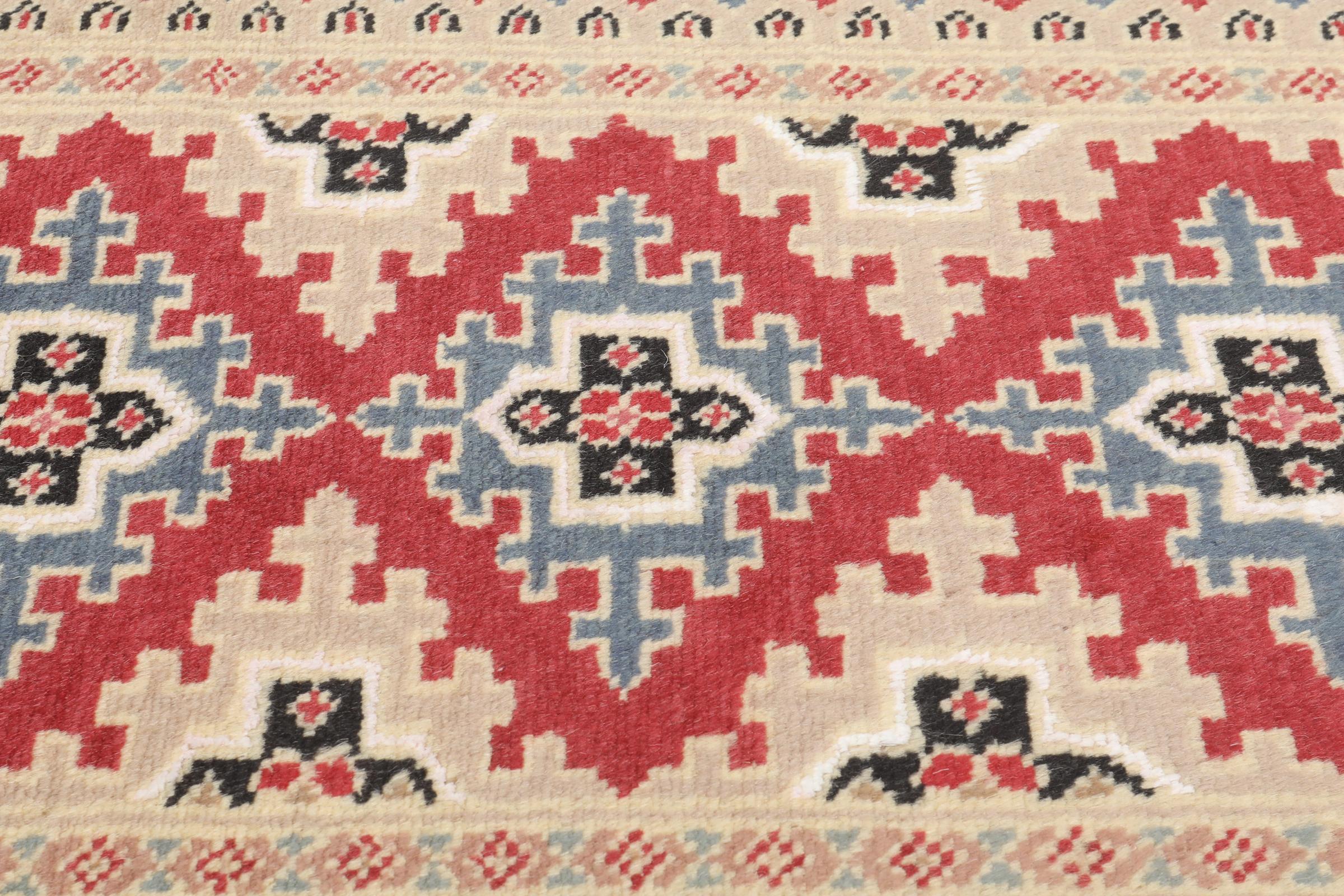
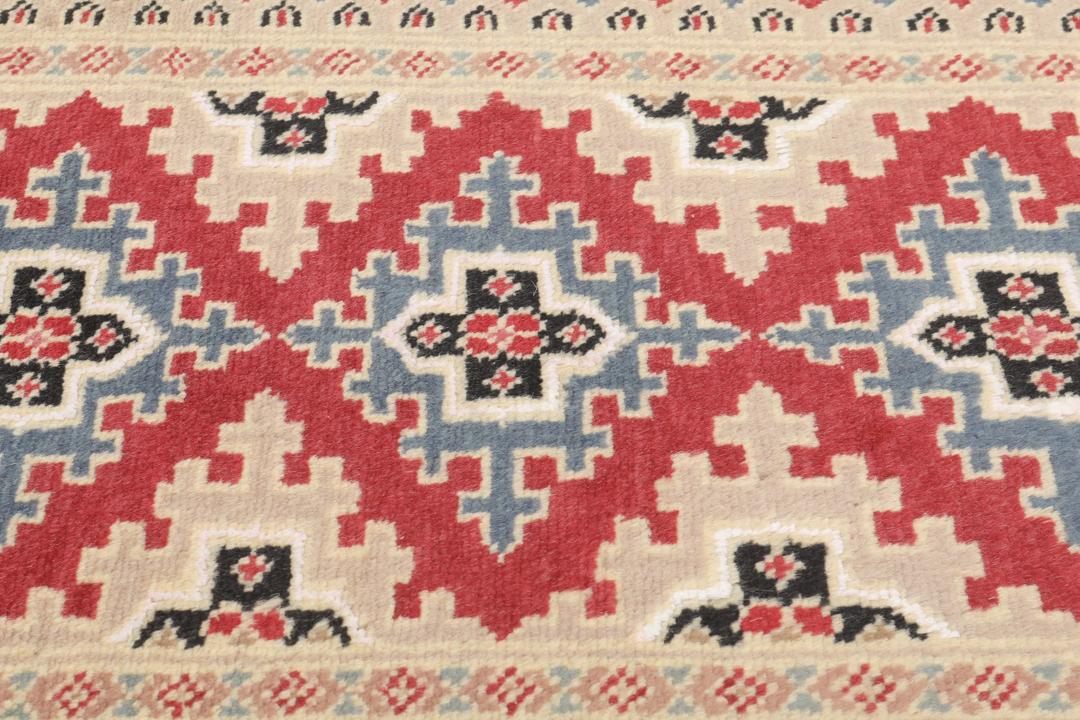
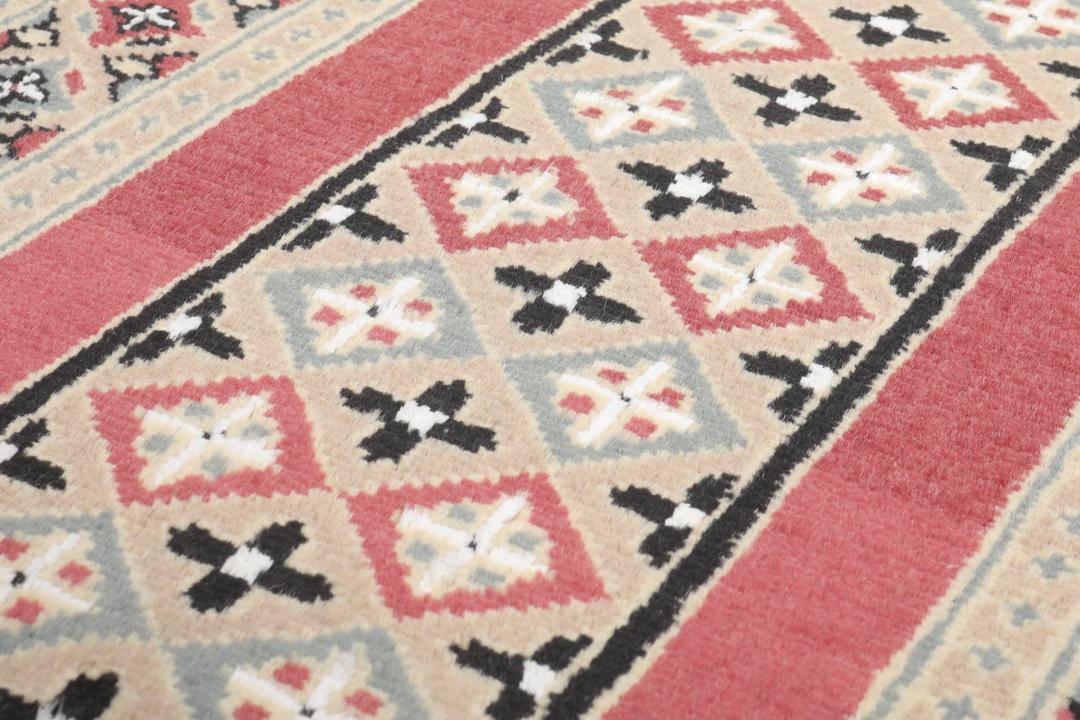
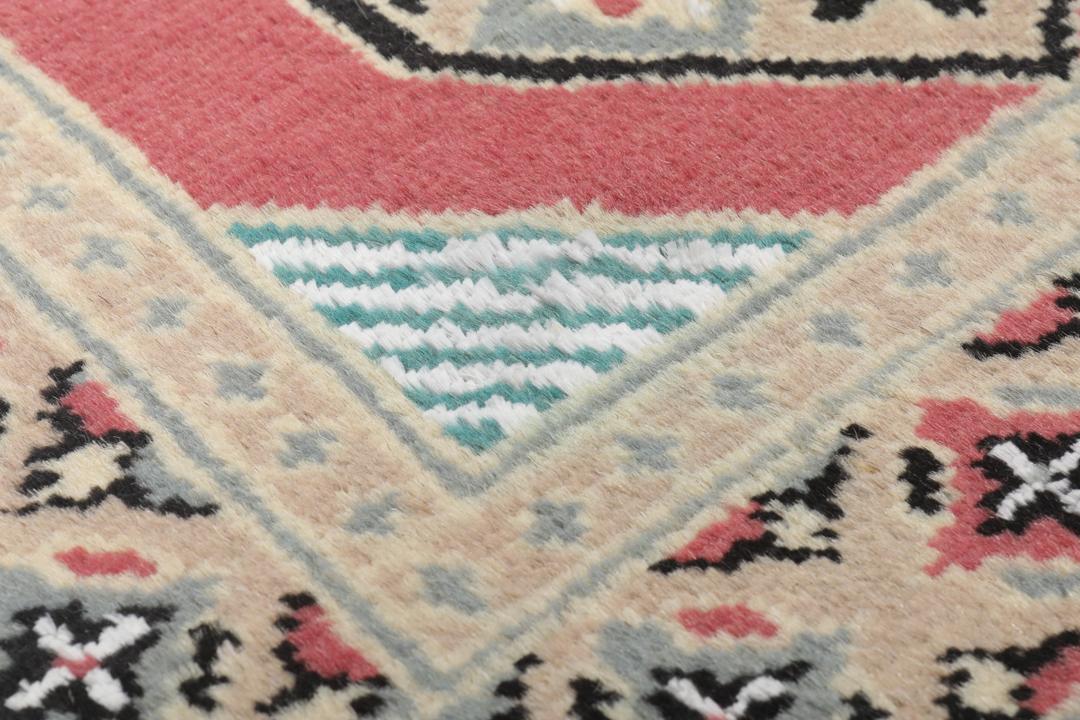
Bokhara rugs are most famous for their repeating gul motifs, which are stylized, octagonal medallions that represent traditional tribal symbols. These are often enclosed by intricate, multi-layered borders that frame the field, creating a sense of order and balance. The geometric clarity seen here is a hallmark of the tradition, showcasing a disciplined approach to pattern that has been passed down for centuries.
These rugs are highly valued by collectors and homeowners alike for their ability to blend heritage with practical, everyday use. Owning a piece from this tradition is an opportunity to connect with a storied past, where every design choice is steeped in cultural significance. It is a testament to the enduring appeal of hand-knotted artistry that brings both beauty and a sense of history into the modern home.