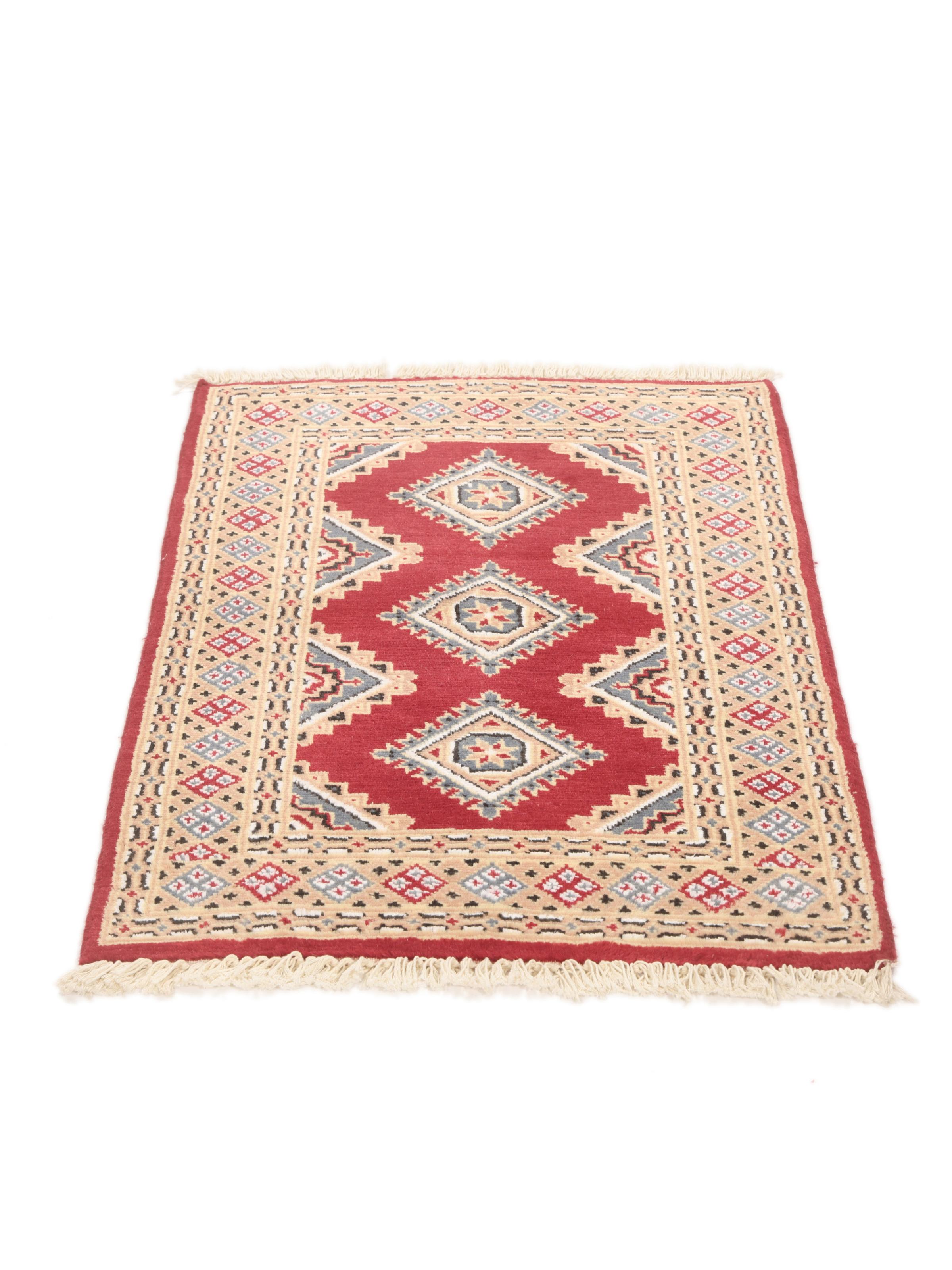
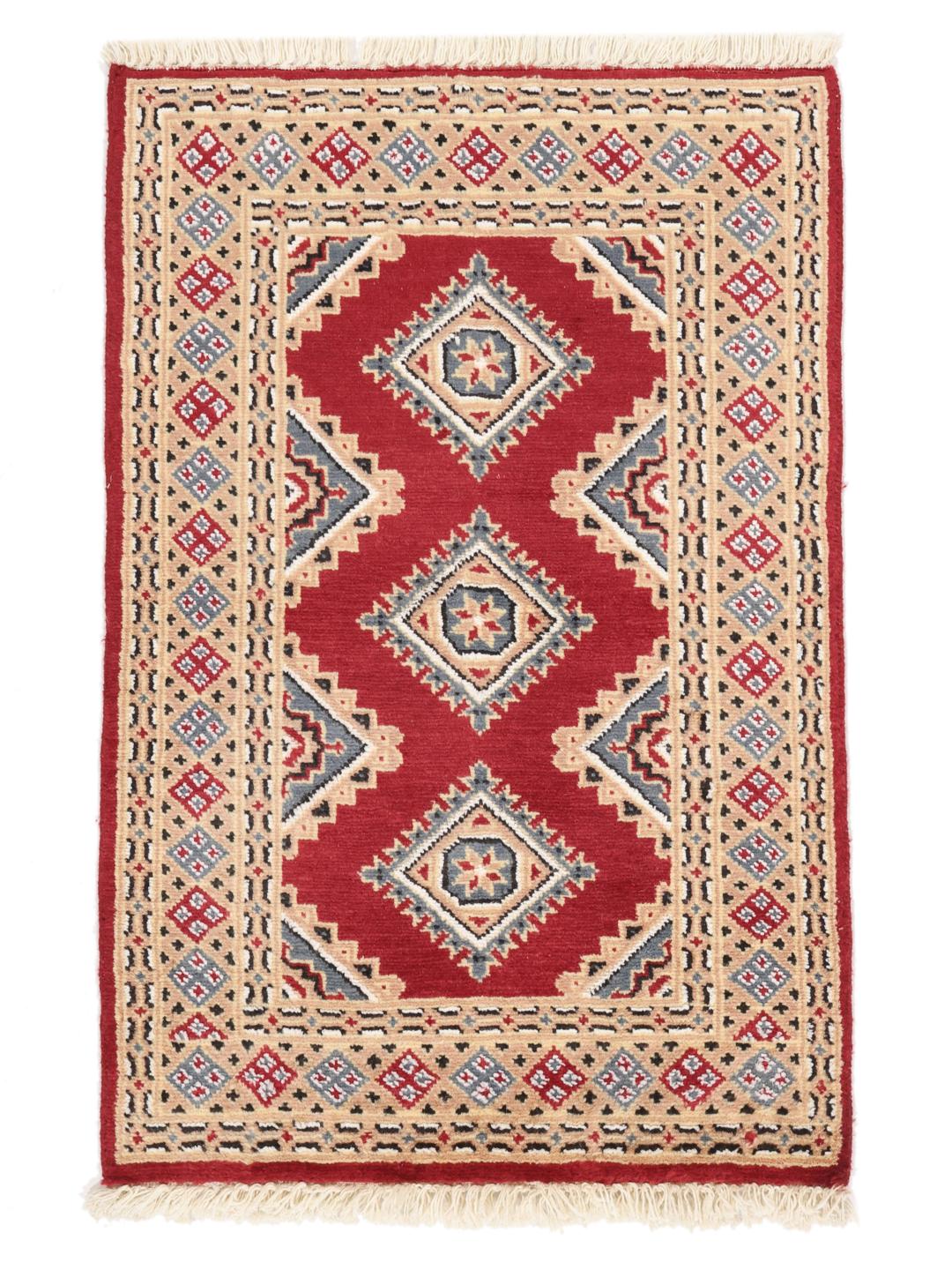
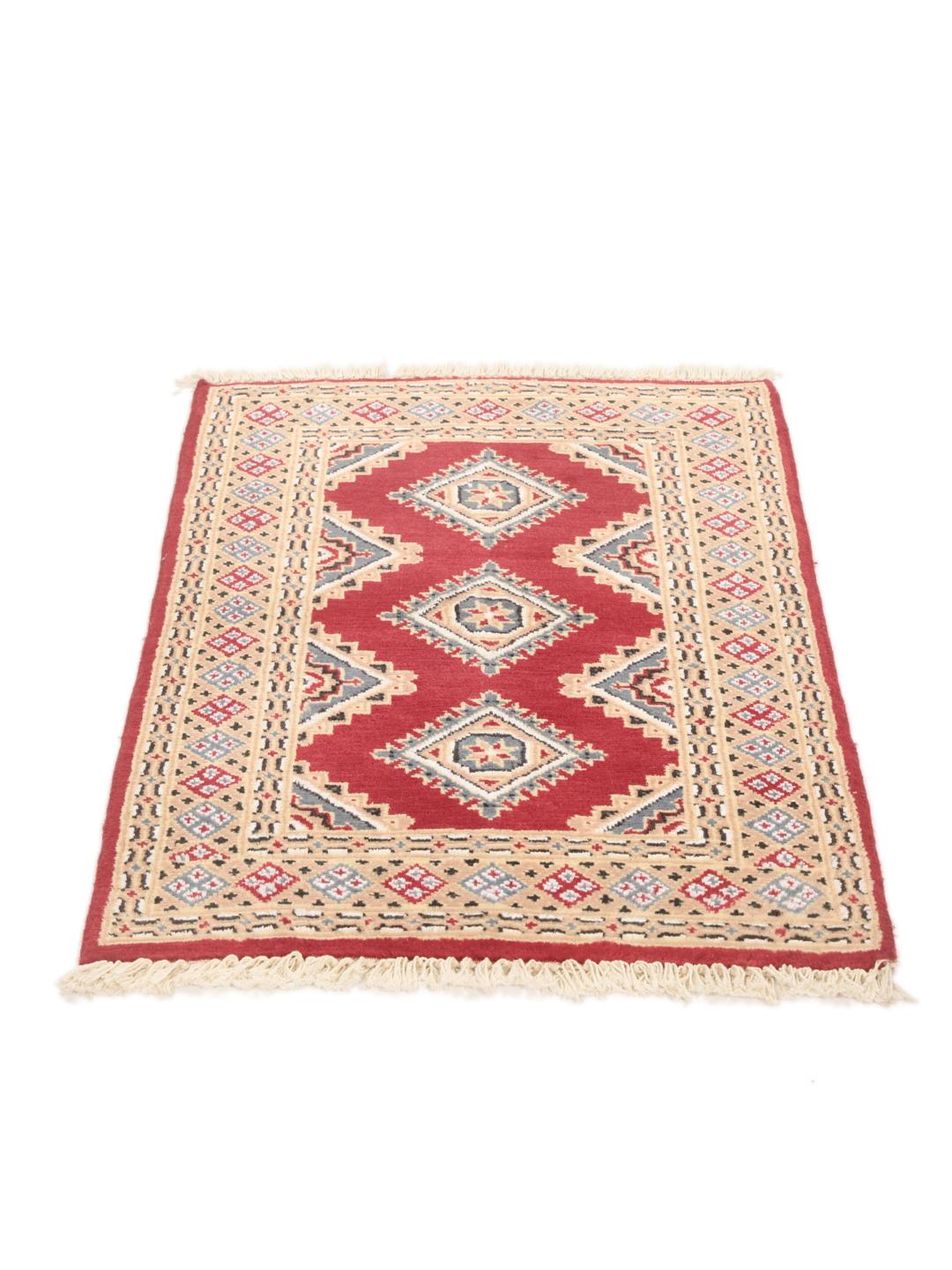
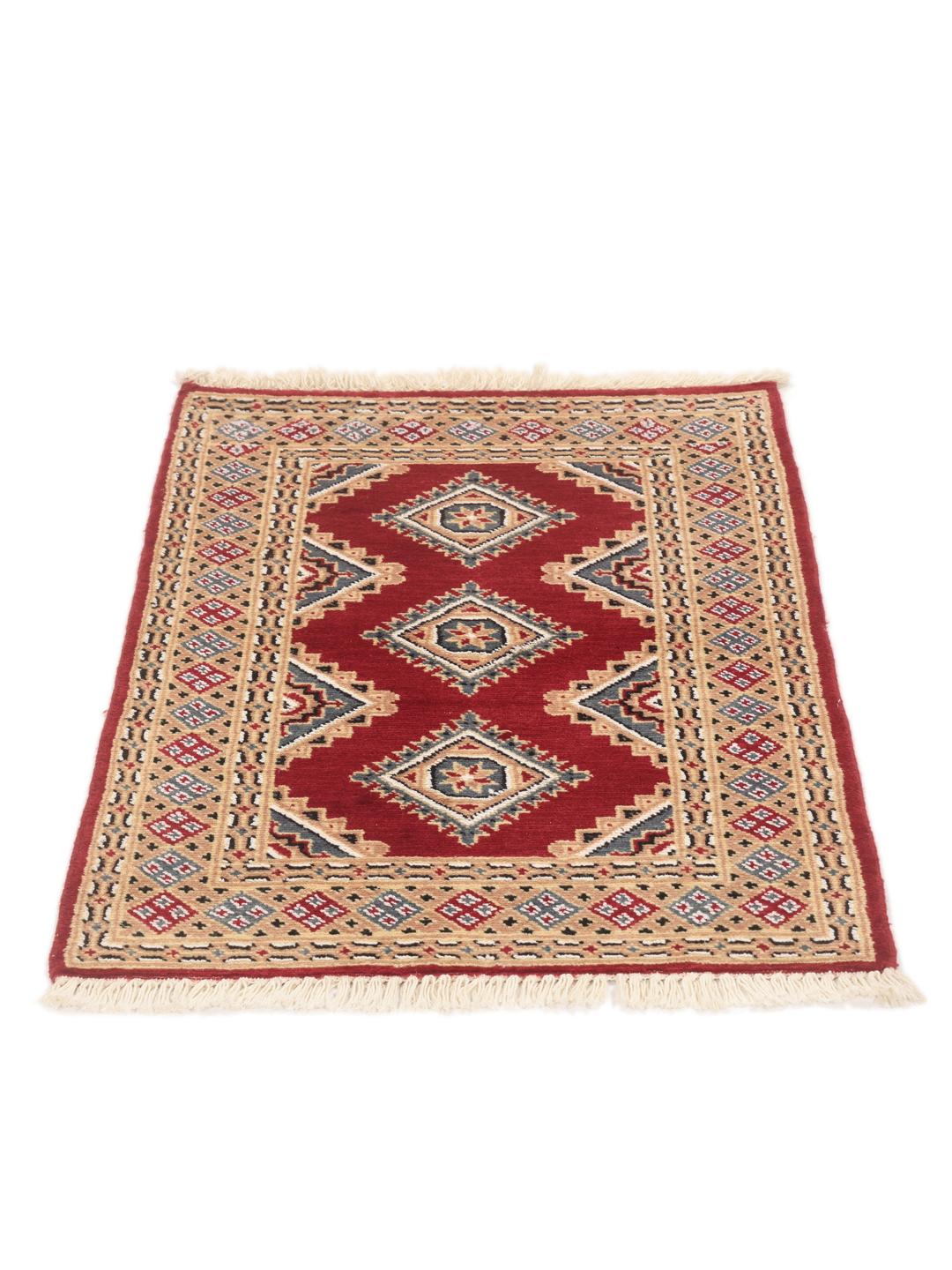
Bokhara rugs are deeply rooted in the traditions of Central Asia, taking their name from the ancient Silk Road city of Bukhara. While they originated from tribal weaving practices across the region, the finest examples today are produced in Pakistan, where the tradition has been refined over generations to achieve a standard of excellence recognised by collectors worldwide.
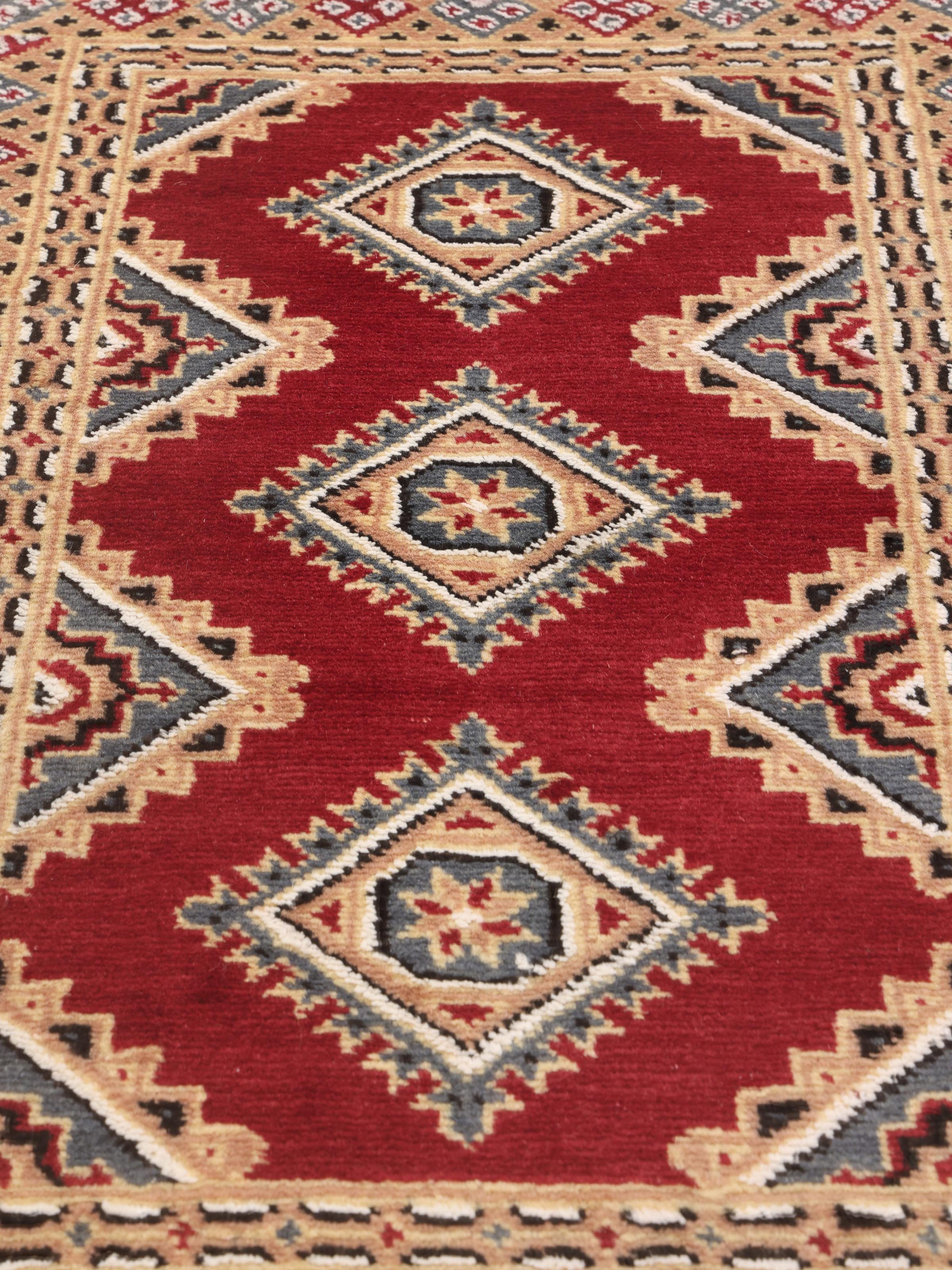
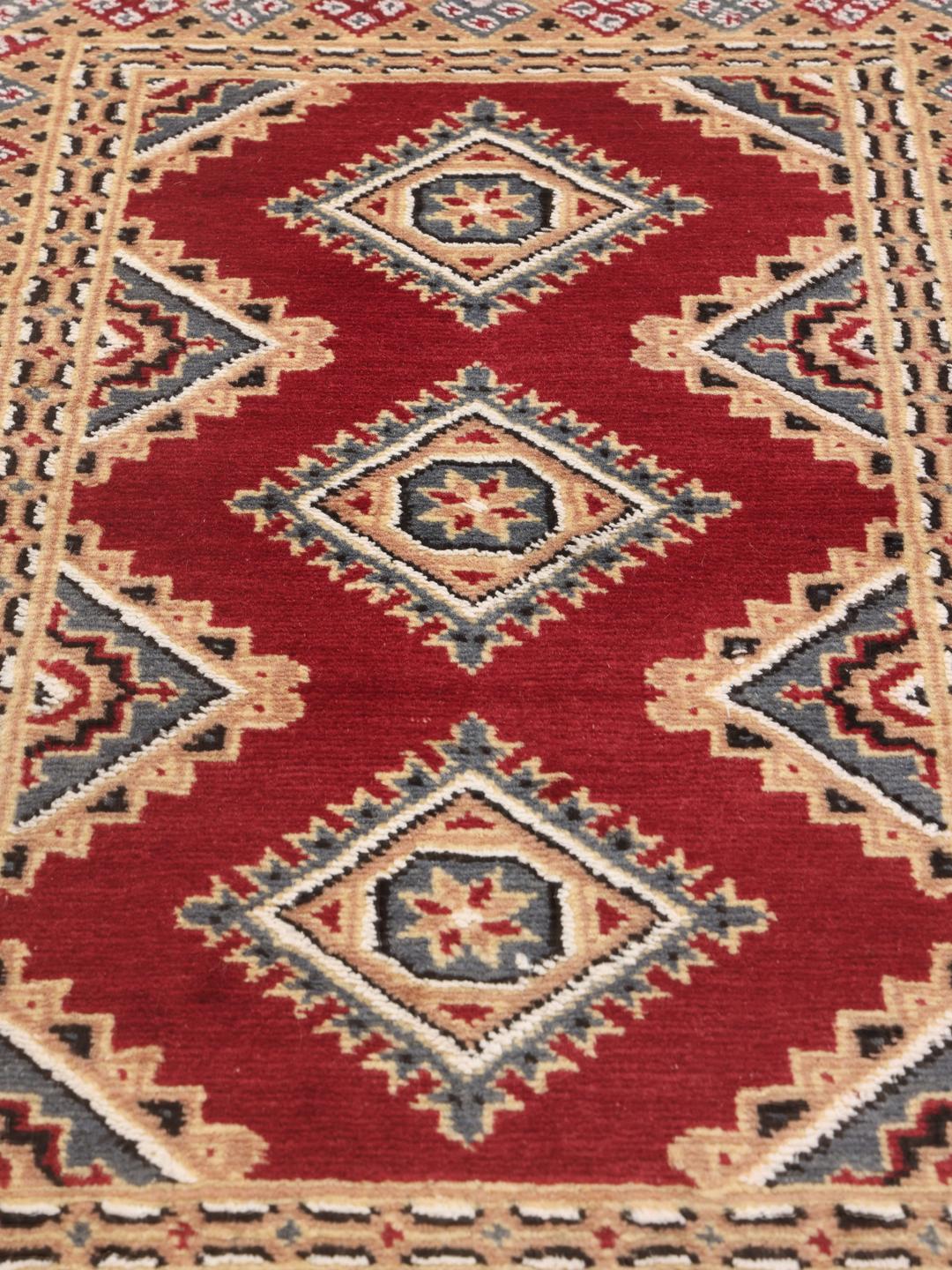
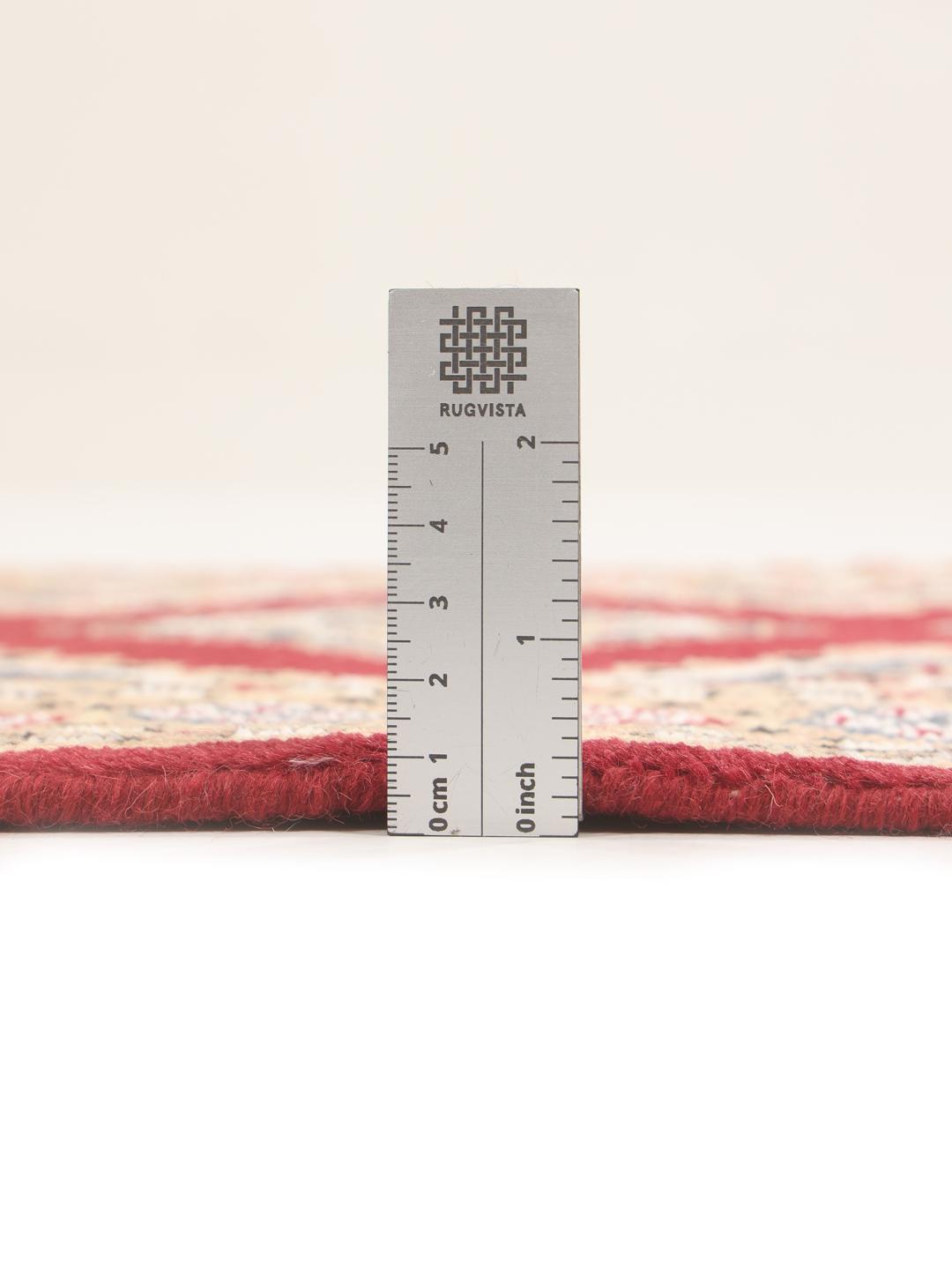
The term '2ply' refers to the construction of the Wool pile, which uses two individual strands twisted together. This technique is significant because it creates a more robust, dense, and lustrous finish compared to single-ply yarns. This added volume not only enhances the visual depth of the colours but also increases the long-term durability of the rug.
The visual language of the Bokhara is defined by its repeating gul motifs, which are stylised, octagonal shapes often compared to elephant footprints. These are framed by intricate, multi-layered borders that demonstrate a mastery of geometric symmetry. The combination of a bold, often red field with these disciplined, repeating patterns creates a sense of harmony and balance.
Owning a hand-knotted rug from this tradition is an investment in cultural heritage. Collectors value these pieces not only for their aesthetic appeal but for the immense human skill required to produce them. By bringing one into your home, you are continuing a legacy of craft that has survived for centuries, connecting your modern space to a rich, global history.