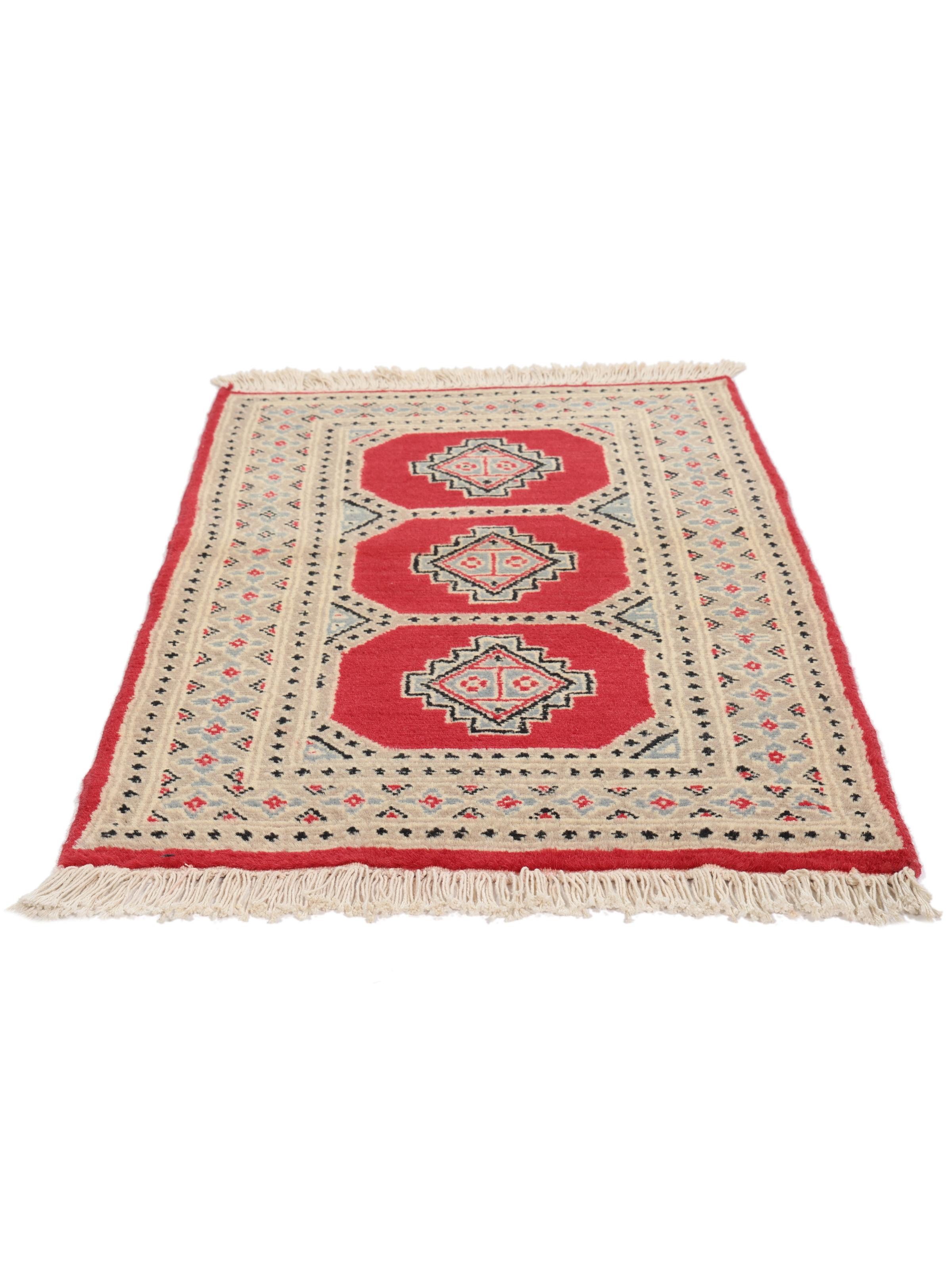
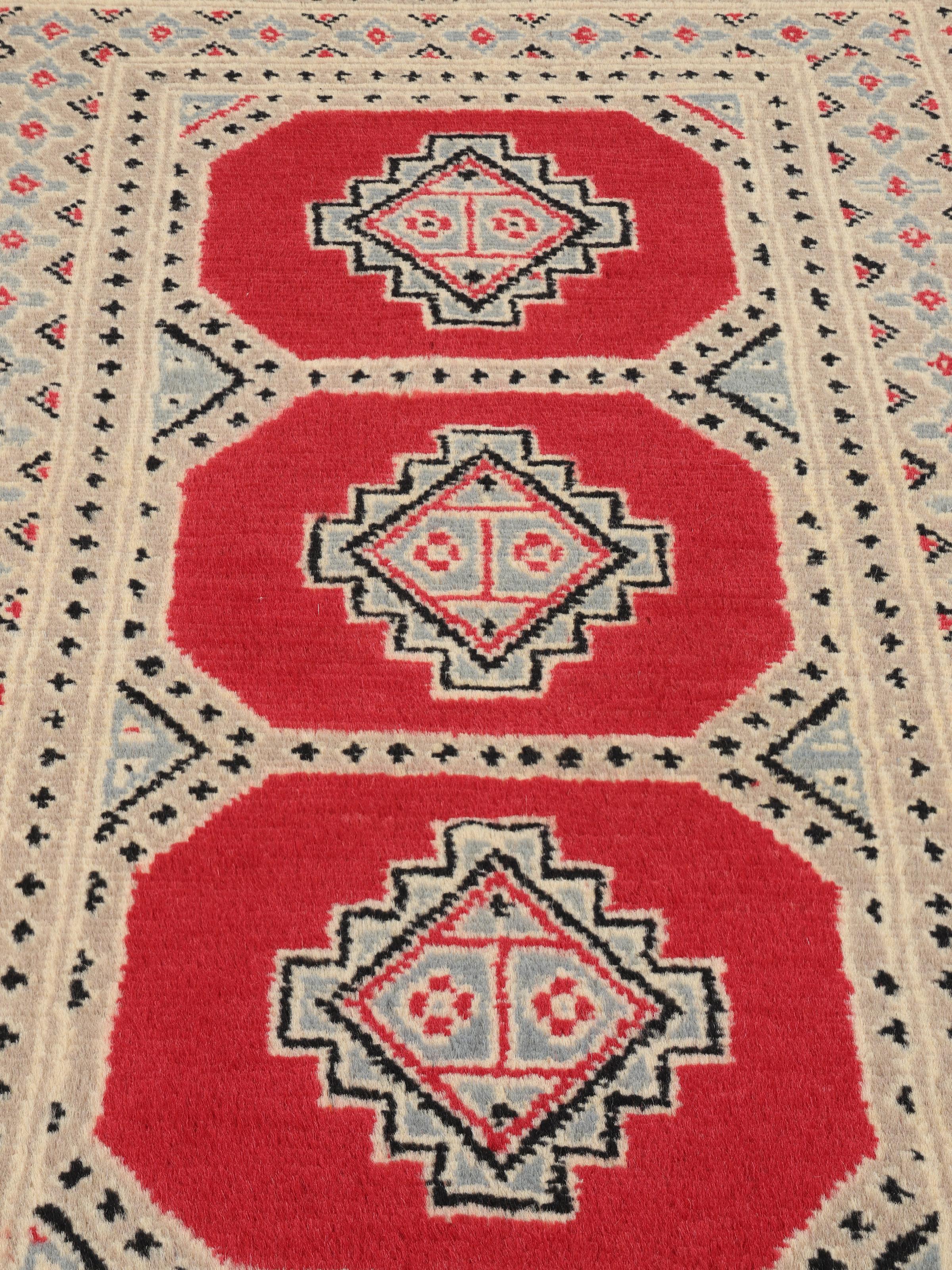
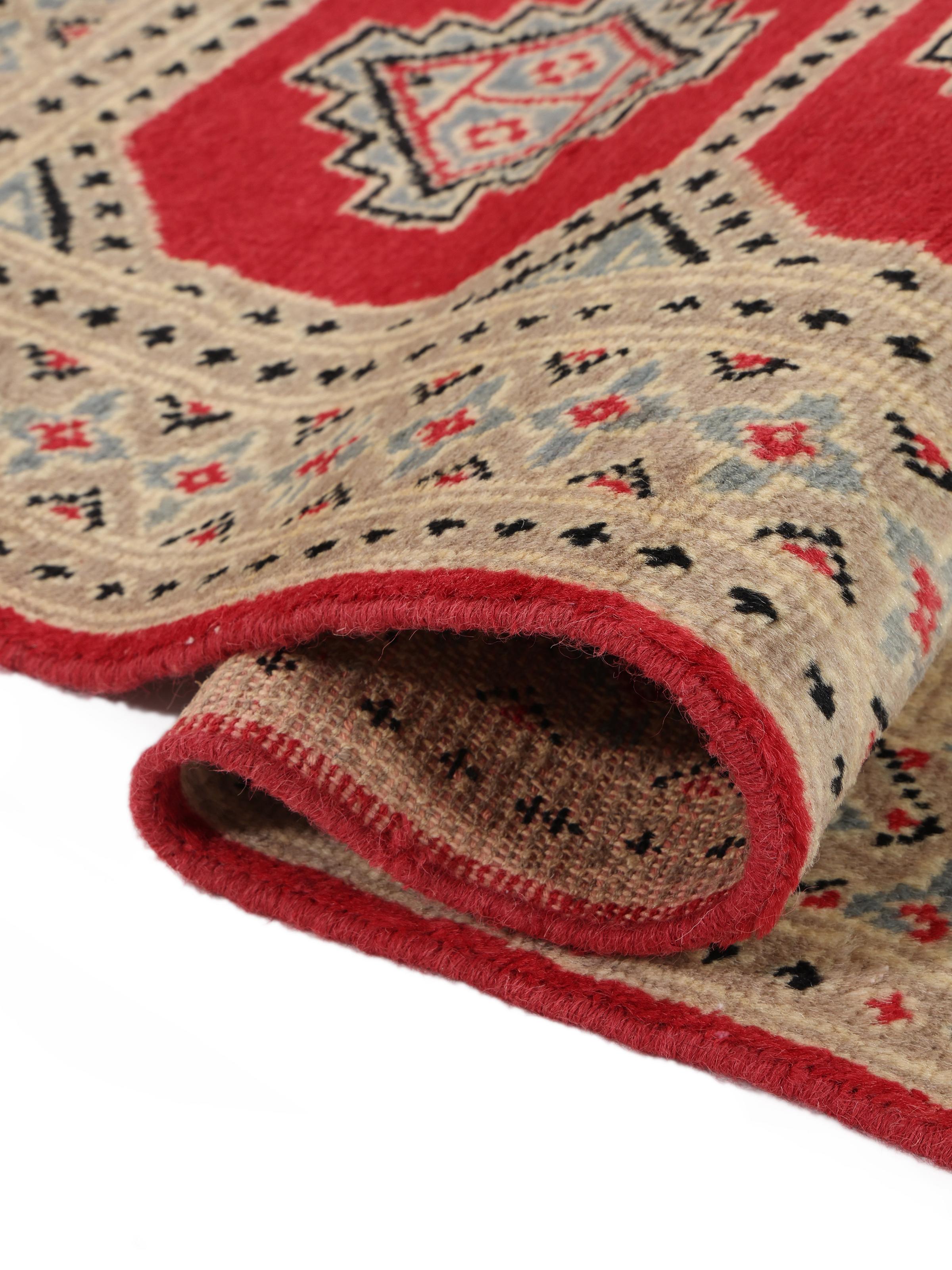
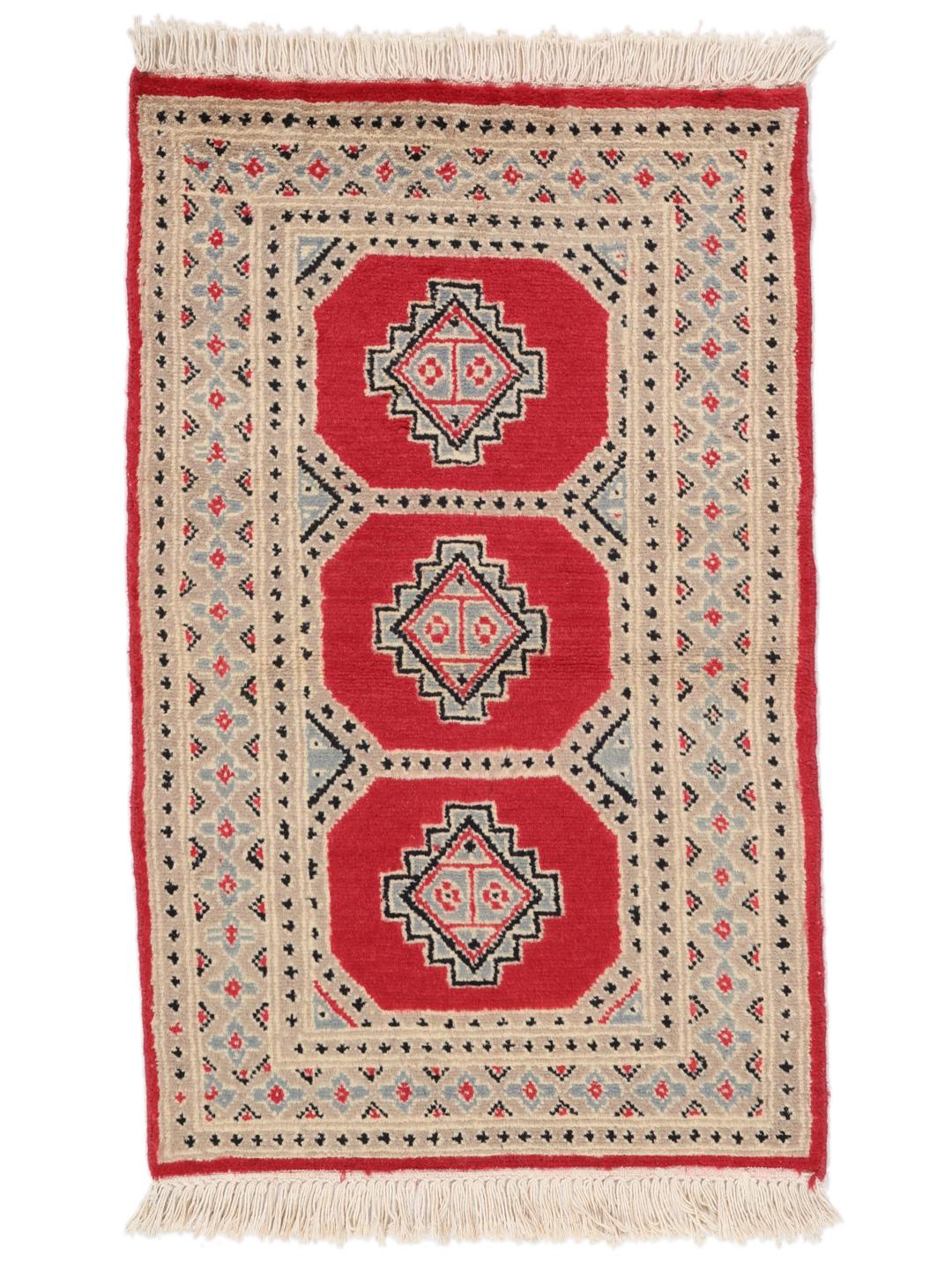
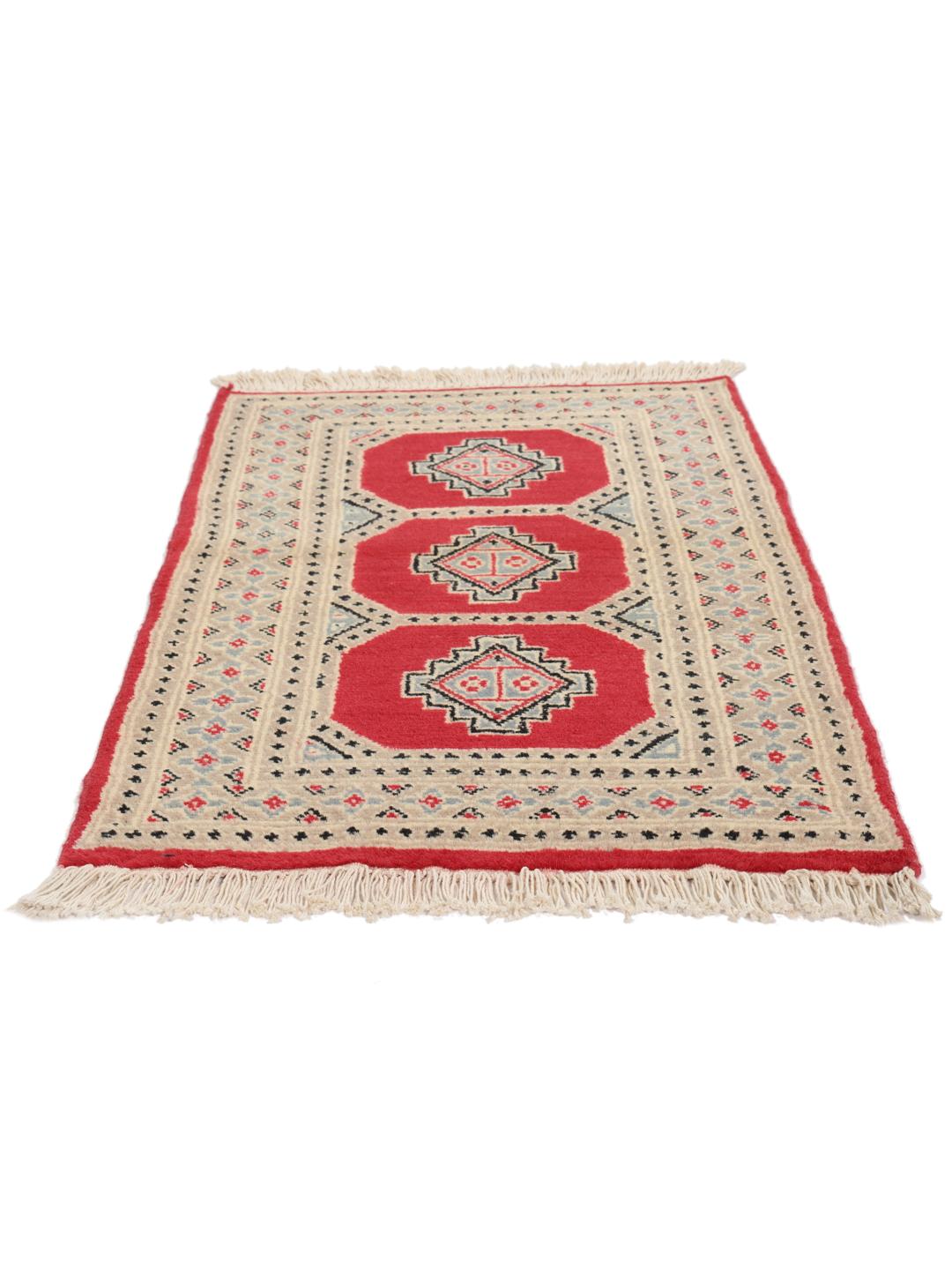
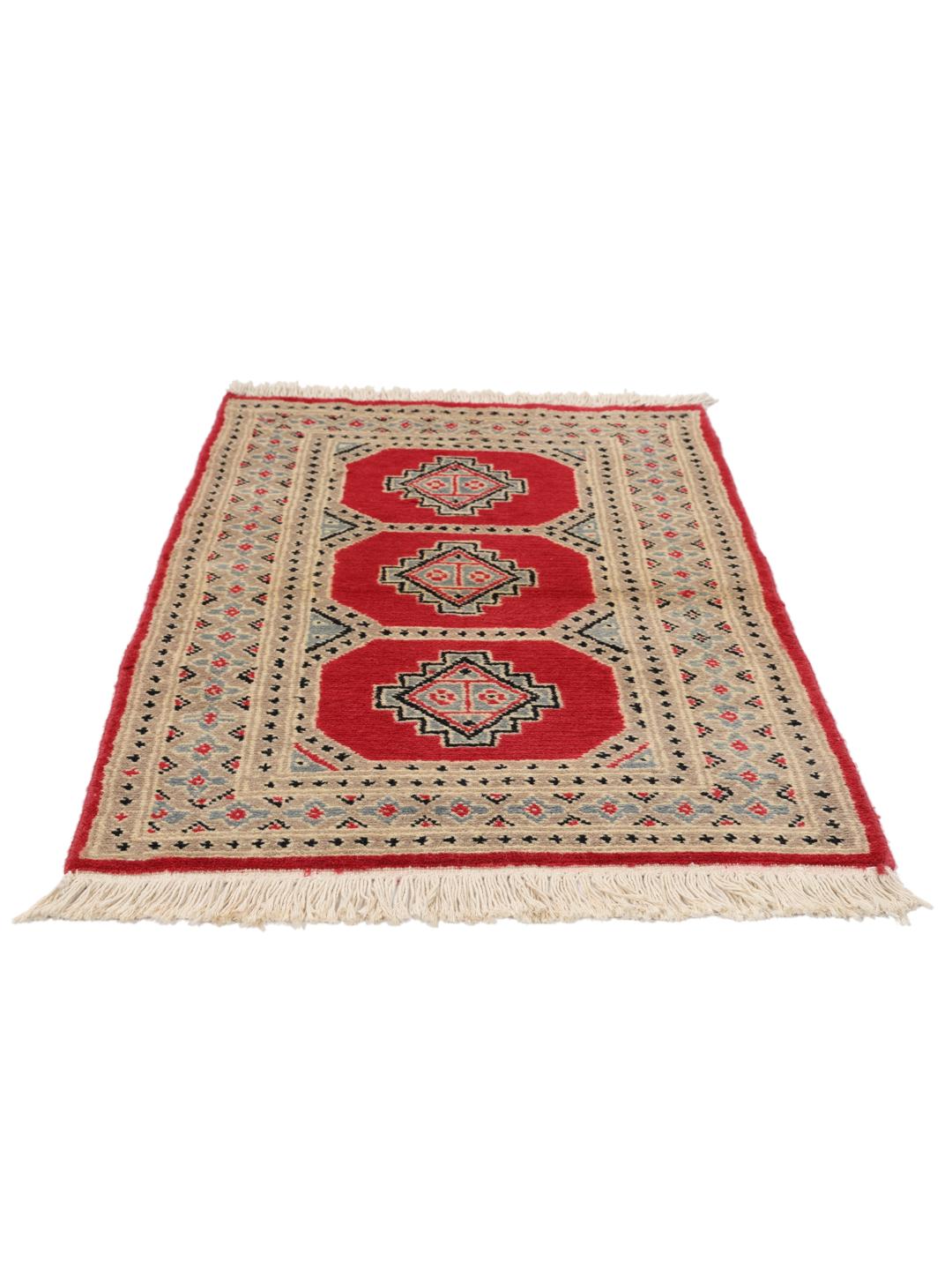
The Bokhara rug tradition is deeply rooted in the history of Central Asia, taking its name from the ancient Silk Road city of Bukhara, which served as a vital hub for trade and craftsmanship. Over generations, these weaving techniques migrated to Pakistan, where the tradition flourished. Today, Pakistan is considered a premier centre for producing these rugs, combining historic patterns with exceptional modern skill.
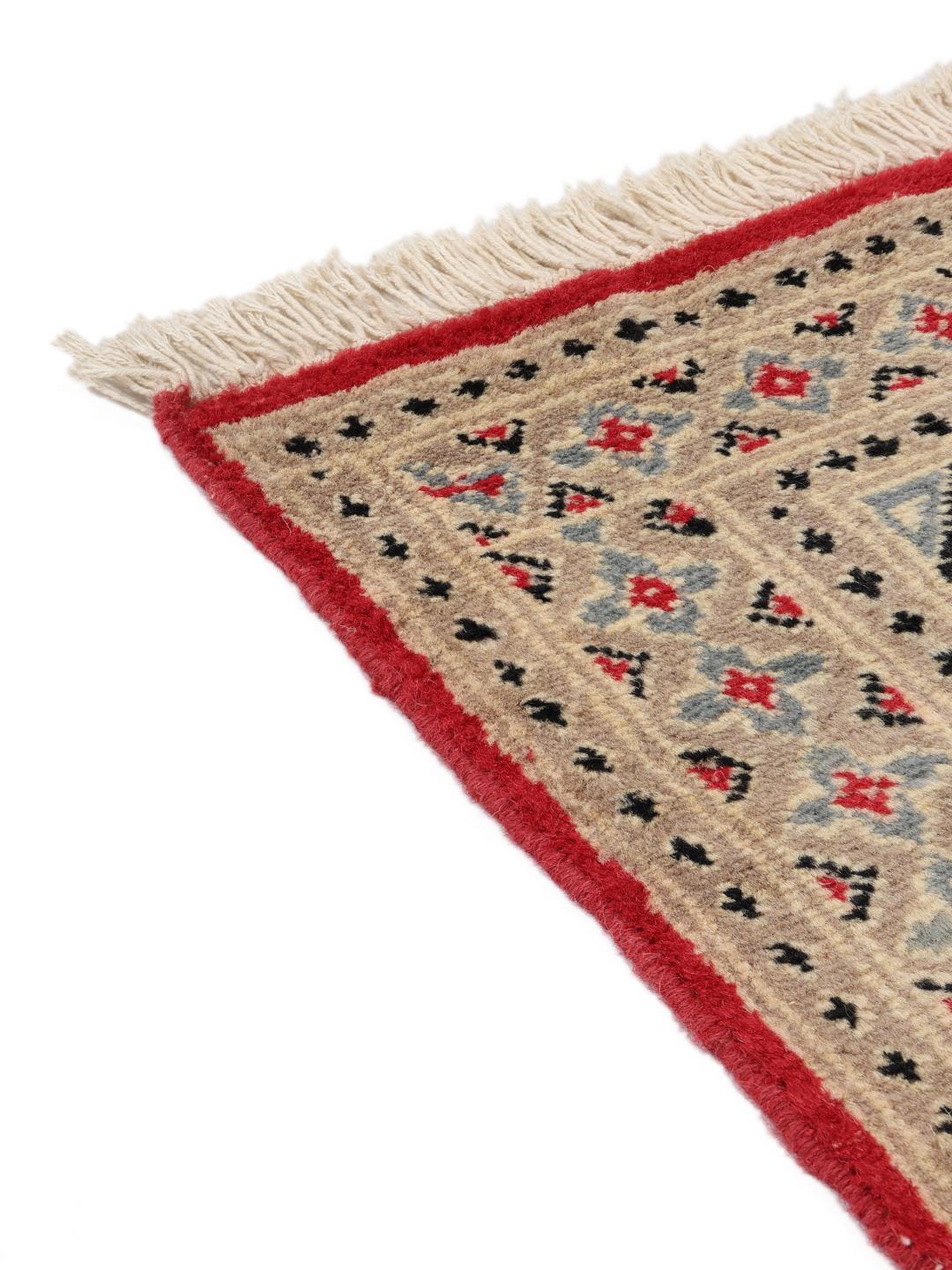
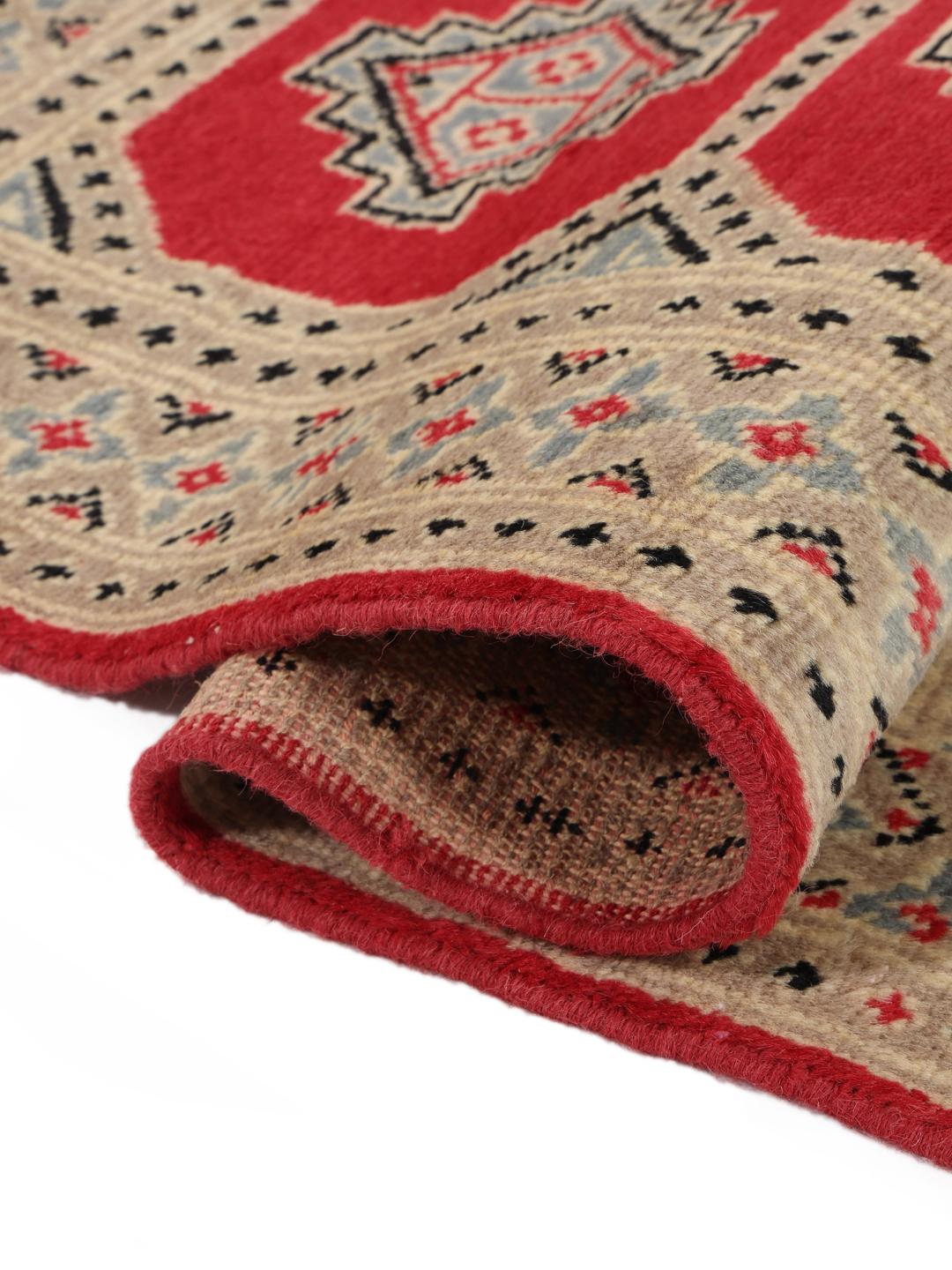
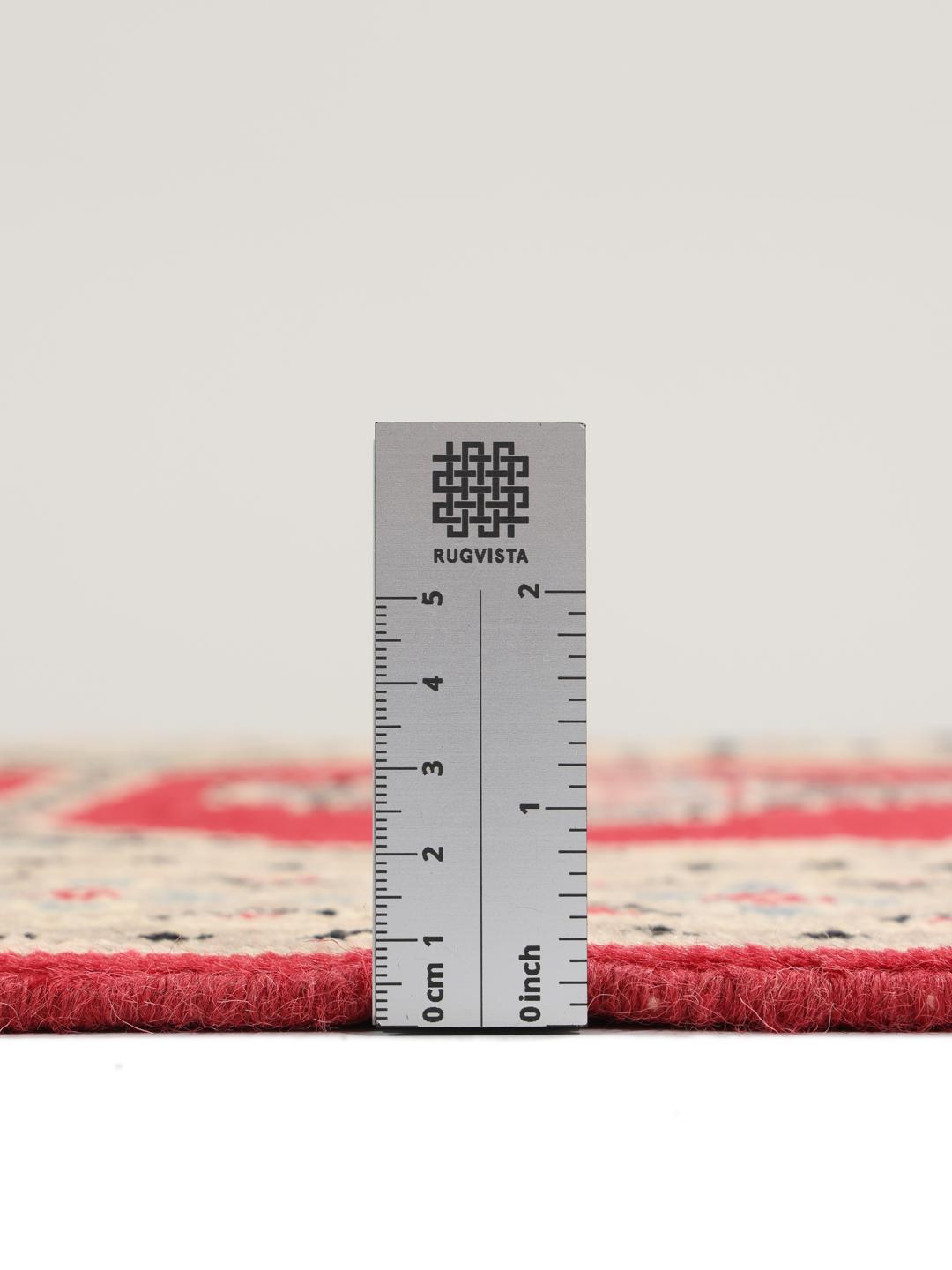
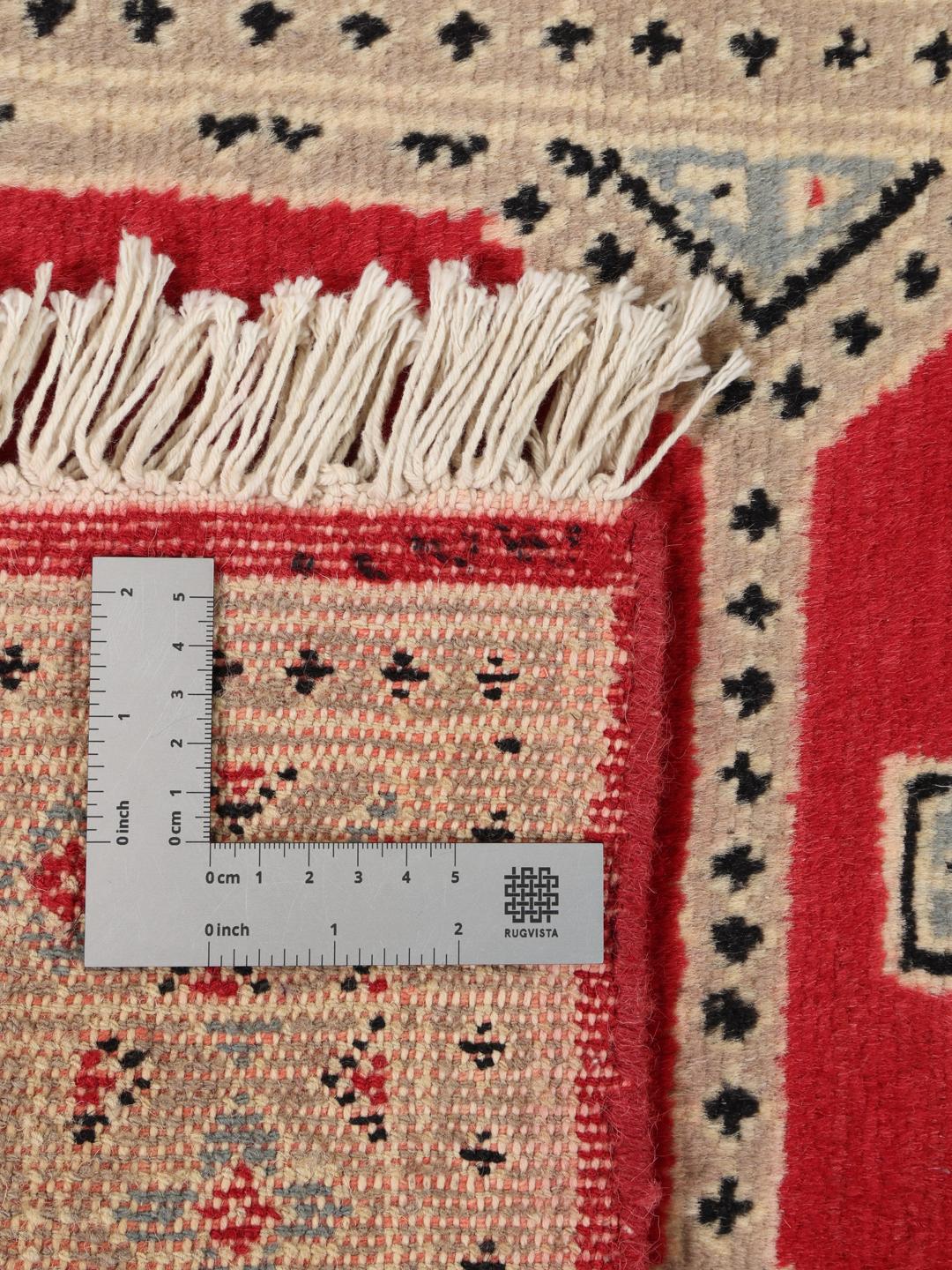
The '2ply' designation refers to the specific way the wool is prepared before weaving. By twisting two strands of wool together, the artisan creates a yarn that is stronger, more lustrous, and remarkably resilient. This technique matters because it produces a pile that is not only softer and more comfortable underfoot but also significantly more durable, allowing the intricate patterns to remain crisp and vibrant throughout years of use.
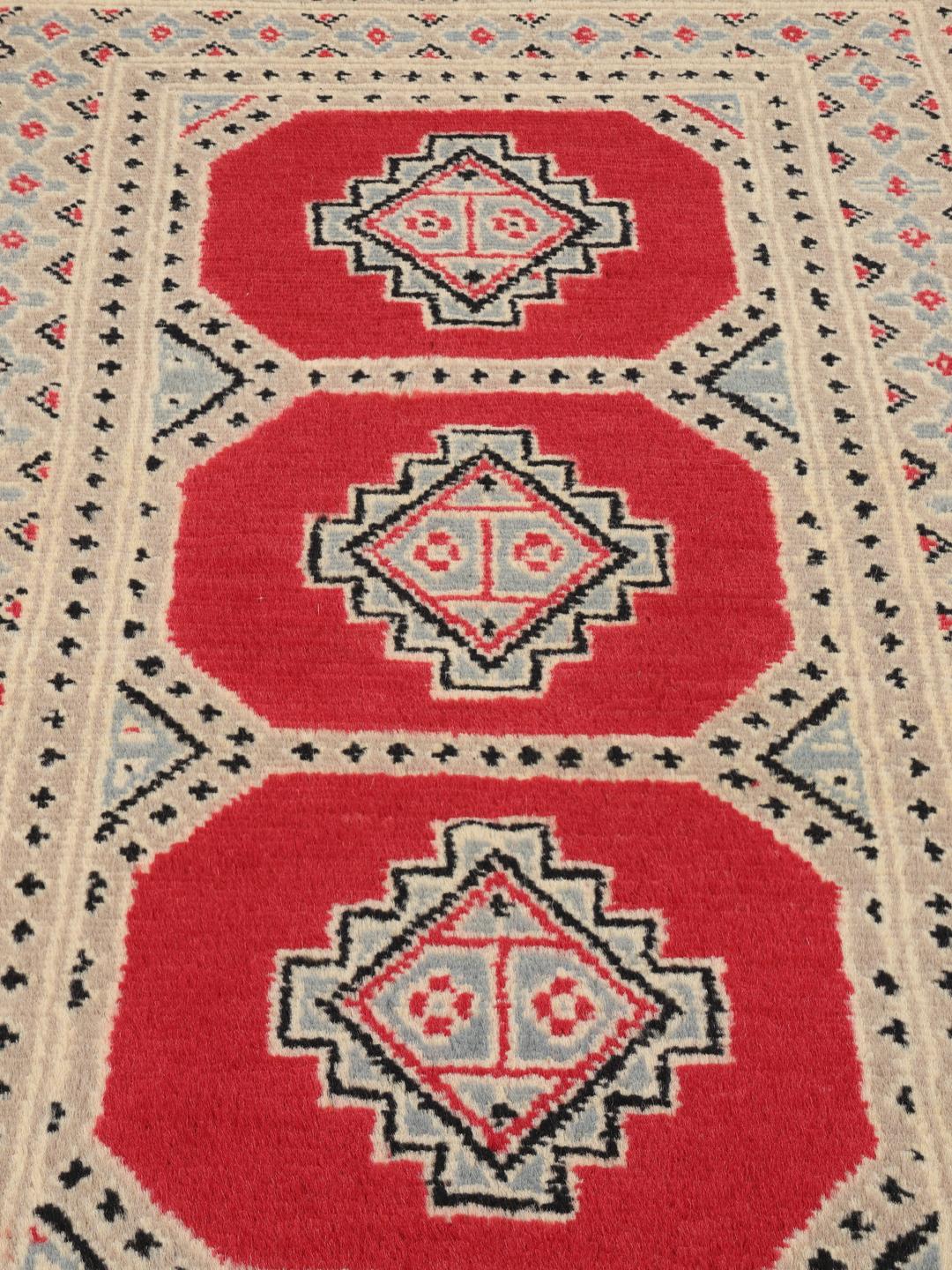
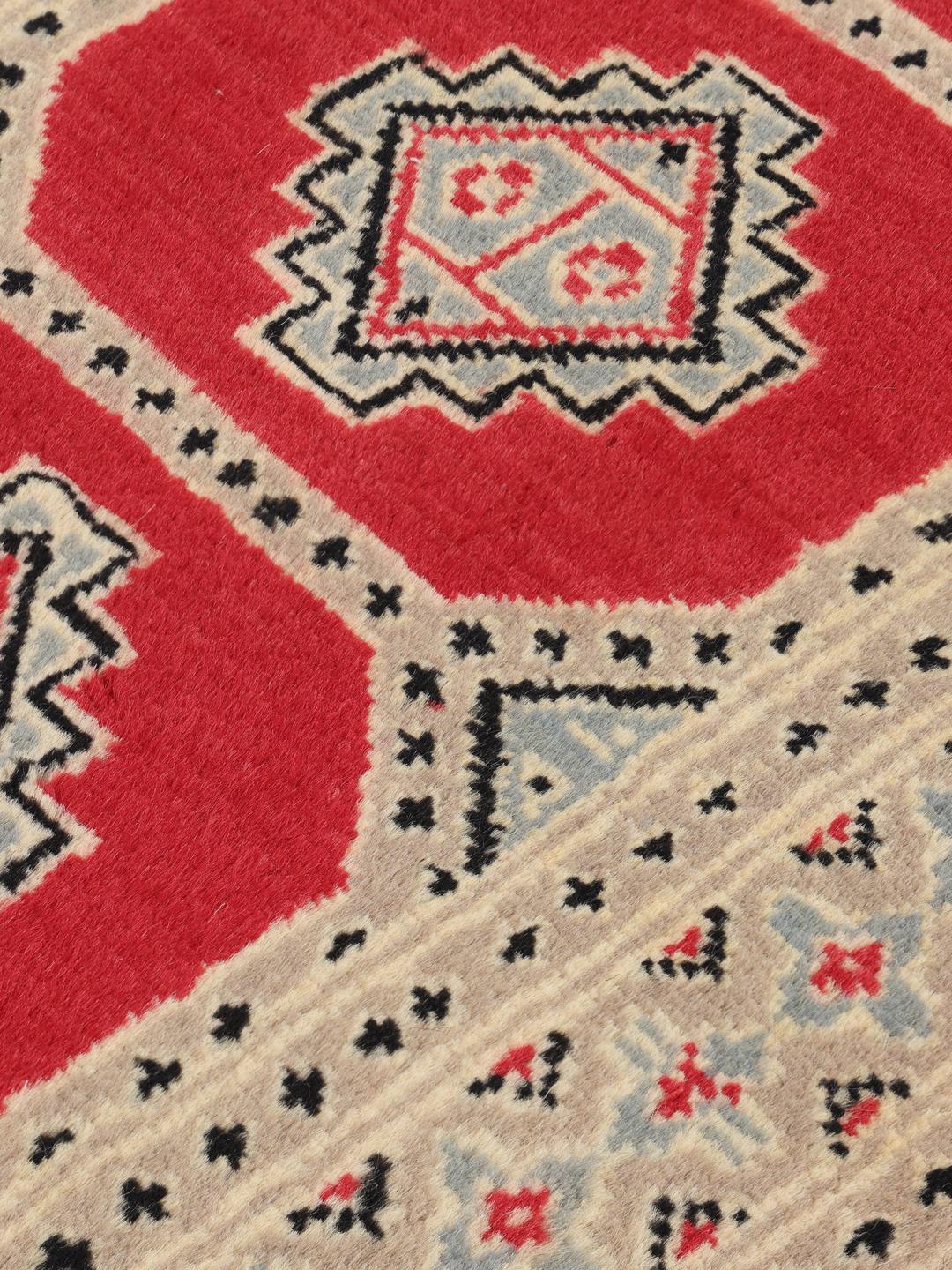
Visually, these rugs are defined by the repetition of the 'gul' motif, which are stylized, octagonal shapes that resemble elephant footprints. These symbols are arranged in formal rows across the field, usually surrounded by elaborate, geometric borders. While the patterns follow a strict traditional language, each weaver brings slight variations in nuance and colour depth, making every piece a distinctive interpretation of a classic design.
Owning a rug from this tradition is about more than just decor, it is about connecting with a legacy of skill that has been passed down through centuries. These rugs are highly valued by collectors because they represent a marriage of geometry, colour, and human effort. When you bring one into your home, you are investing in a piece of cultural heritage that offers both lasting beauty and a tangible sense of history.